

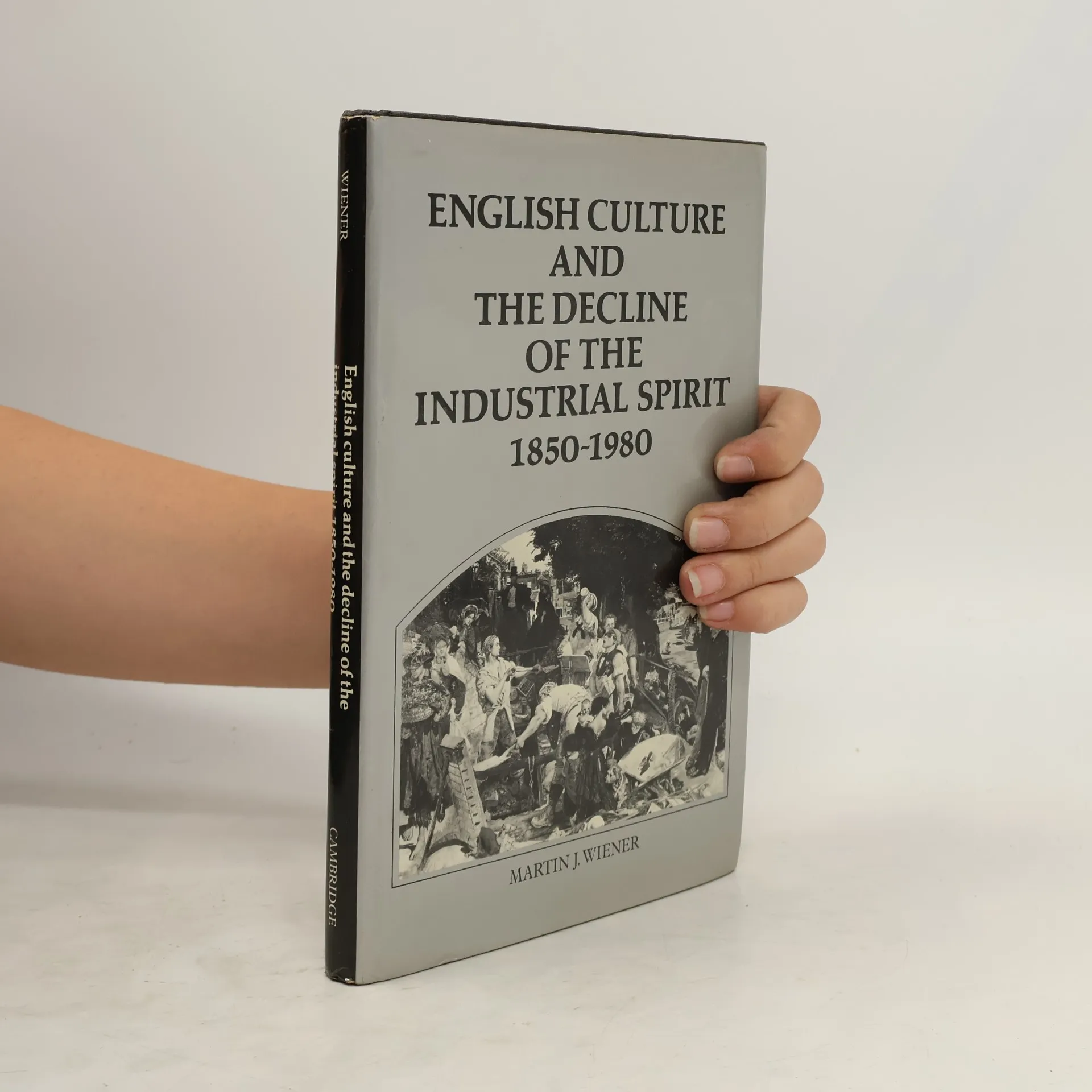
English Culture and the Decline of the Industrial Spirit, 1850–1980
Autori
Hodnotenie knihy
Viac o knihe
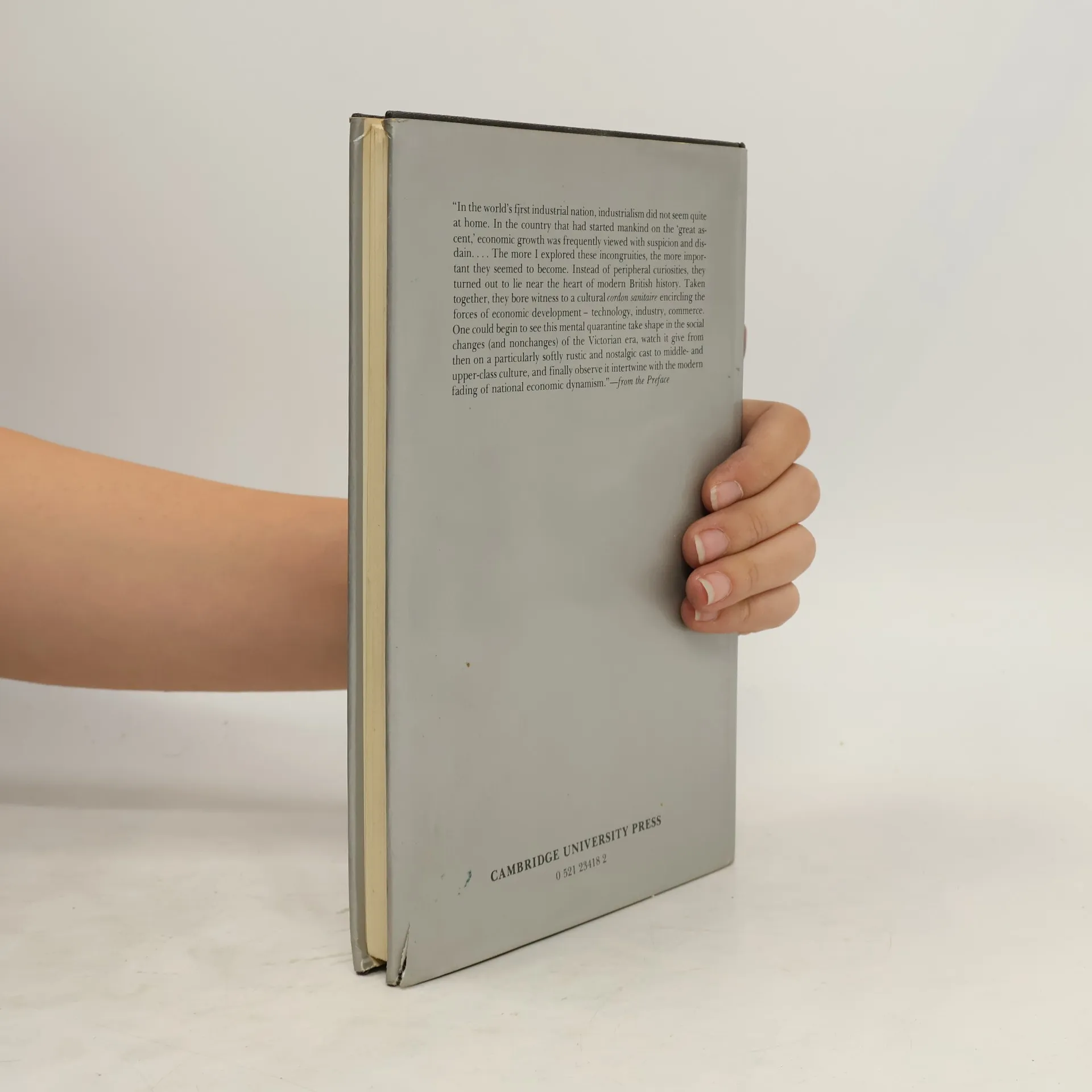
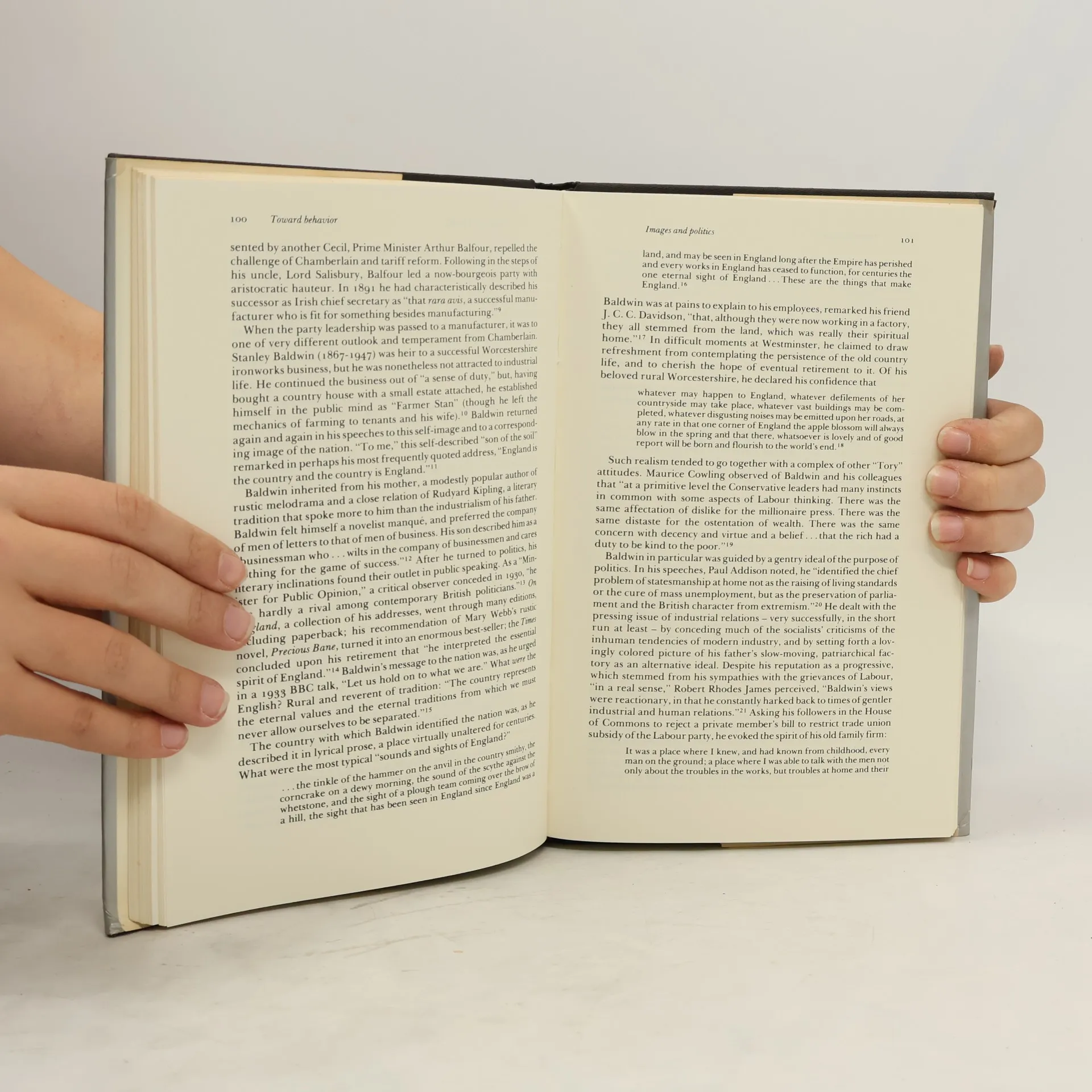
England was the world's first great industrial nation yet, paradoxically, the English have never been comfortable with industrialism. Drawing on a wide array of sources, Martin Wiener explores the English ambivalence towards modern industrial society. His work reveals a pervasive middle- and upper-class frame of mind hostile to industrialism and economic growth. From the middle of the nineteenth century to the present, this hostility shaped a broad spectrum of cultural expression, including literature, journalism, and architecture, as well as social, historical and economic thought. In this new edition Wiener reflects on the original debate surrounding his work and examines the historiography of the past twenty years.


Nákup knihy
English Culture and the Decline of the Industrial Spirit, 1850–1980, Martin J. Wiener
- Jazyk

- Rok vydania
- 1981
- Väzba
- (pevná),
- Stav knihy
- Dobrá
- Cena
- 5,29 €
Doručenie
Platobné metódy
Tu nám chýba tvoja recenzia
- Titul
- English Culture and the Decline of the Industrial Spirit, 1850–1980
- Jazyk
- anglicky
- Autori
- Martin J. Wiener
- Vydavateľ
- Cambridge University Press
- Rok vydania
- 1981
- Väzba
- pevná
- Počet strán
- 250
- ISBN10
- 0521234182
- ISBN13
- 9780521234184
- Série
- Kategórie
- Štítky
- Byznys
- Hodnotenie
- 2 z 5
- Anotácia
- England was the world's first great industrial nation yet, paradoxically, the English have never been comfortable with industrialism. Drawing on a wide array of sources, Martin Wiener explores the English ambivalence towards modern industrial society. His work reveals a pervasive middle- and upper-class frame of mind hostile to industrialism and economic growth. From the middle of the nineteenth century to the present, this hostility shaped a broad spectrum of cultural expression, including literature, journalism, and architecture, as well as social, historical and economic thought. In this new edition Wiener reflects on the original debate surrounding his work and examines the historiography of the past twenty years.