

Viac o knihe
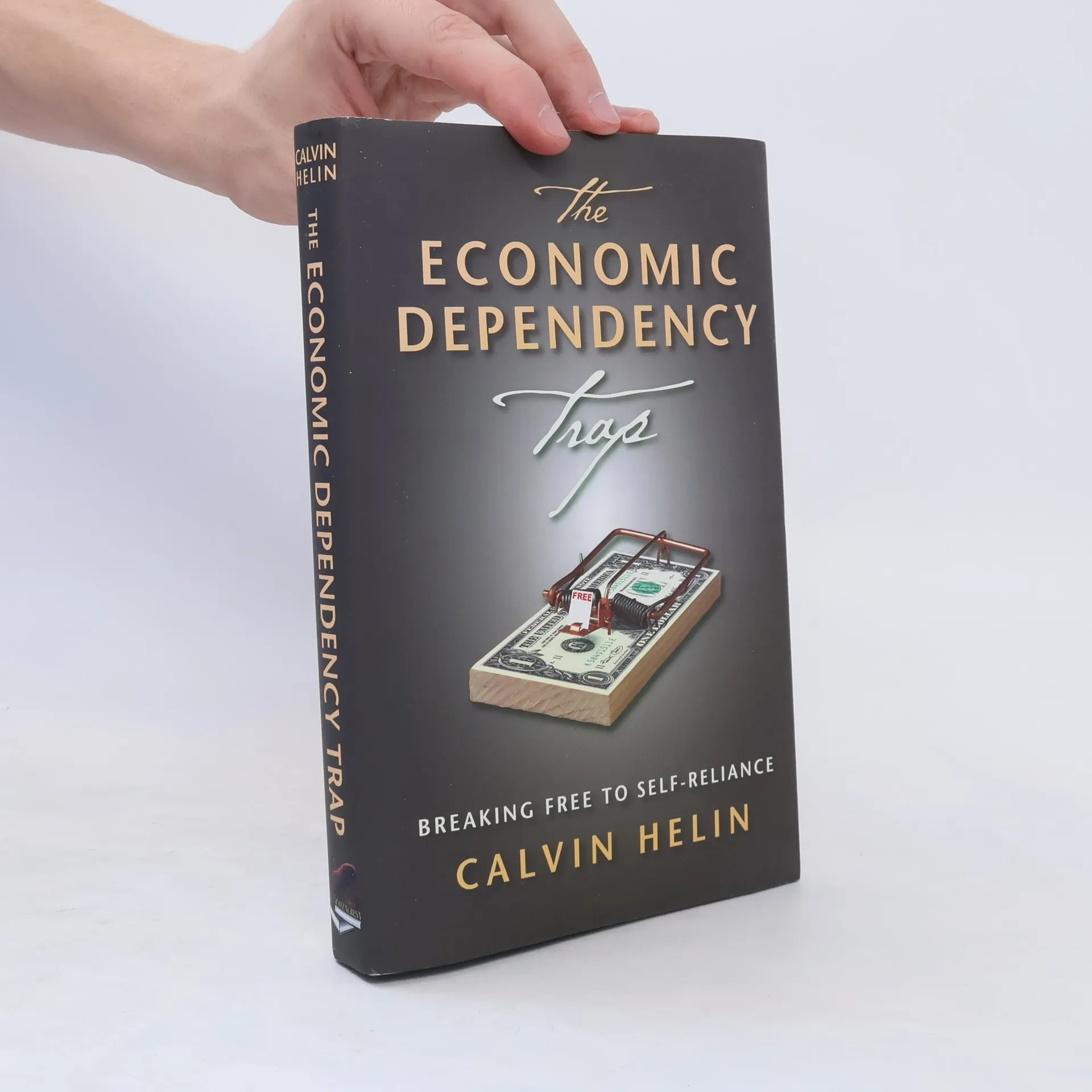
"Dances with Dependency" offers effective strategies to eliminate welfare dependency and help eradicate poverty among indigenous populations. It begins with an impassioned and insightful portrait of today's native communities, connecting the prevailing impoverishment and despair directly to a "dependency mindset" forged by welfare economics. To reframe this debilitating mindset, it advocates policy reform in conjunction with a return to native peoples' ten-thousand-year tradition of self-reliance based on personal responsibility and cultural awareness. The author describes the mounting crisis as an impending demographic tsunami threatening both the United States and Canada. In the United States, where government entitlement programs for diverse ethnic minorities coexist with an already huge national debt, he shows how prosperity is obviously at stake. This looming demographic tidal wave viewed constructively, however, can become an opportunity for reform among not only indigenous peoples of North America but any impoverished population struggling with dependency in inner cities, developing nations, and post-totalitarian countries.
Nákup knihy
Dances with Dependency, Calvin Helin
- Jazyk

- Rok vydania
- 2008
- Väzba
- (pevná)
Tu nám chýba tvoja recenzia
- Titul
- Dances with Dependency
- Jazyk
- anglicky
- Autori
- Calvin Helin
- Vydavateľ
- Redline Books
- Rok vydania
- 2008
- Väzba
- pevná
- Počet strán
- 313
- ISBN10
- 1932824081
- ISBN13
- 9781932824087
- Série
- Kategórie
- Štítky
- Svetová literatúra
- Hodnotenie
- 4 z 5
- Anotácia
- "Dances with Dependency" offers effective strategies to eliminate welfare dependency and help eradicate poverty among indigenous populations. It begins with an impassioned and insightful portrait of today's native communities, connecting the prevailing impoverishment and despair directly to a "dependency mindset" forged by welfare economics. To reframe this debilitating mindset, it advocates policy reform in conjunction with a return to native peoples' ten-thousand-year tradition of self-reliance based on personal responsibility and cultural awareness. The author describes the mounting crisis as an impending demographic tsunami threatening both the United States and Canada. In the United States, where government entitlement programs for diverse ethnic minorities coexist with an already huge national debt, he shows how prosperity is obviously at stake. This looming demographic tidal wave viewed constructively, however, can become an opportunity for reform among not only indigenous peoples of North America but any impoverished population struggling with dependency in inner cities, developing nations, and post-totalitarian countries.