

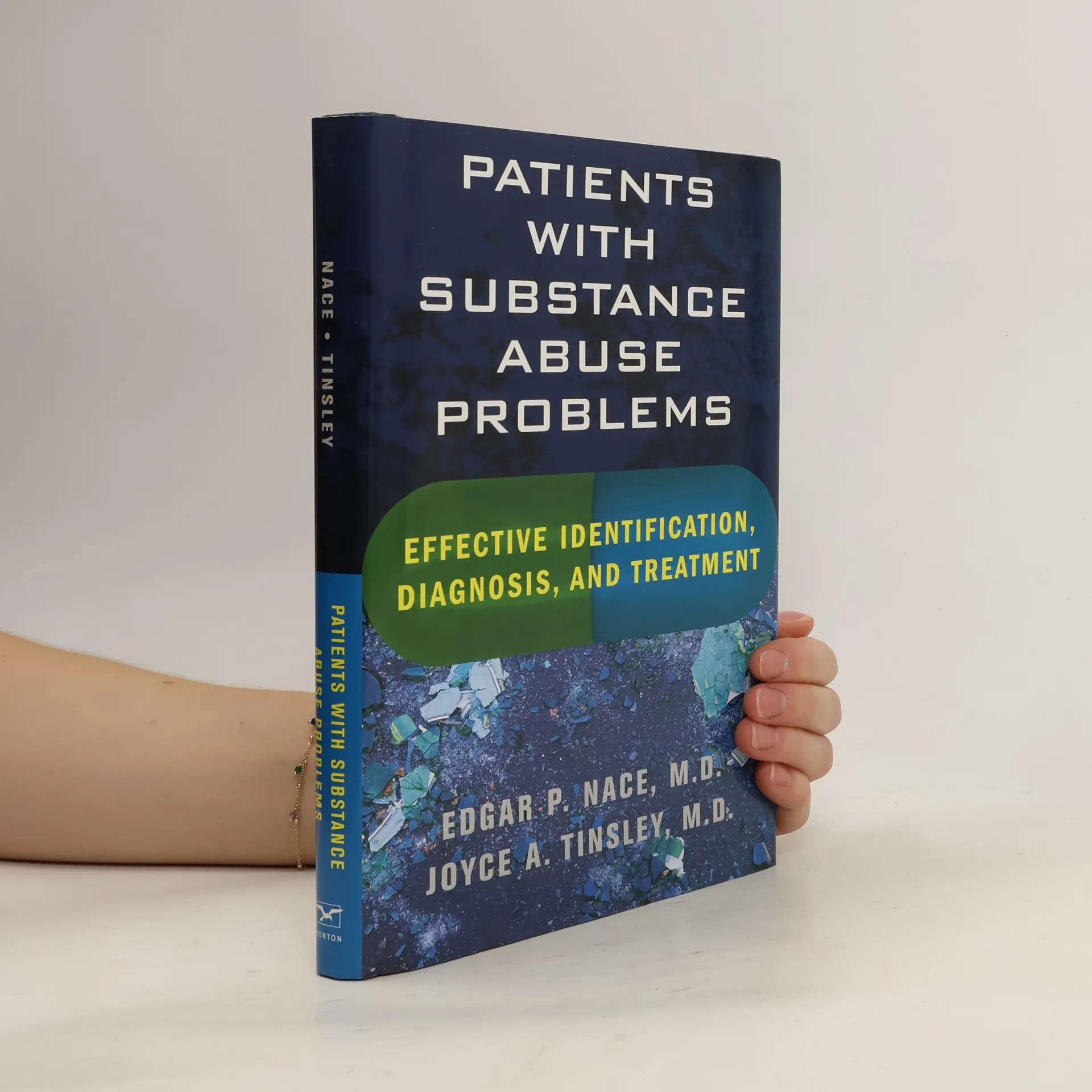
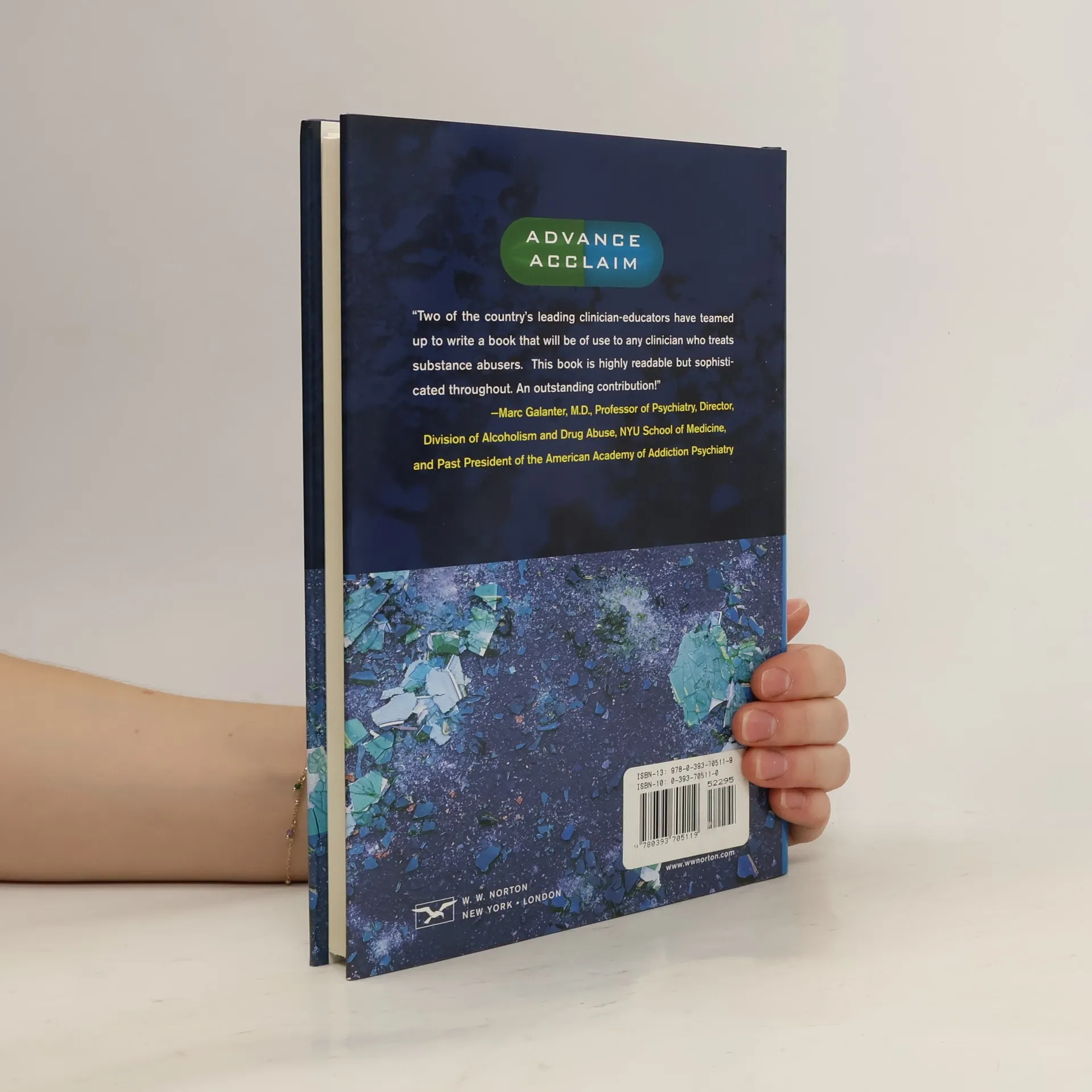

Patients With Substance Abuse Problems
Effective Identification, Diagnosis, And Treatment
Hodnotenie knihy
Viac o knihe
Whether or not you are trained as an addictions specialist, you will encounter addictions issues during the course of your career. Learning how to approach these patients should lessen the anxiety that comes from not knowing how to manage their problems. The book is a brief and practical introduction to diagnosis and intervention with substance-abusing clients. Each chapter uses brief vignettes to illustrate concepts, and tables or figures to clarify material. Two special populations are featured in this book: those at opposite ends of the age spectrum-adolescence and late life. This book provides reasons for clinicians to be optimistic about their work with patients who abuse substances. In part, this optimism is based on improved scientific understanding of drug and alcohol dependence. Compared to the slow pace of research in the past, knowledge about the brain's role in addictive diseases has accumulated at a rapid pace over the past twenty years. The numbers of psychotherapeutic and pharmacologic interventions have grown as well. This book will be a handy guide for all those in clinical practice.
Nákup knihy
Patients With Substance Abuse Problems, Edgar P. Nace, Joyce A. Tinsley
- Jazyk

- Rok vydania
- 2007
- Väzba
- (pevná)
Doručenie
Platobné metódy
Tu nám chýba tvoja recenzia
- Titul
- Patients With Substance Abuse Problems
- Podtitul
- Effective Identification, Diagnosis, And Treatment
- Jazyk
- anglicky
- Autori
- Edgar P. Nace, Joyce A. Tinsley
- Vydavateľ
- W. W. Norton & Company
- Rok vydania
- 2007
- Väzba
- pevná
- Počet strán
- 224
- ISBN10
- 0393705110
- ISBN13
- 9780393705119
- Série
- Kategórie
- Hodnotenie
- 3,35 z 5
- Anotácia
- Whether or not you are trained as an addictions specialist, you will encounter addictions issues during the course of your career. Learning how to approach these patients should lessen the anxiety that comes from not knowing how to manage their problems. The book is a brief and practical introduction to diagnosis and intervention with substance-abusing clients. Each chapter uses brief vignettes to illustrate concepts, and tables or figures to clarify material. Two special populations are featured in this book: those at opposite ends of the age spectrum-adolescence and late life. This book provides reasons for clinicians to be optimistic about their work with patients who abuse substances. In part, this optimism is based on improved scientific understanding of drug and alcohol dependence. Compared to the slow pace of research in the past, knowledge about the brain's role in addictive diseases has accumulated at a rapid pace over the past twenty years. The numbers of psychotherapeutic and pharmacologic interventions have grown as well. This book will be a handy guide for all those in clinical practice.