

Viac o knihe
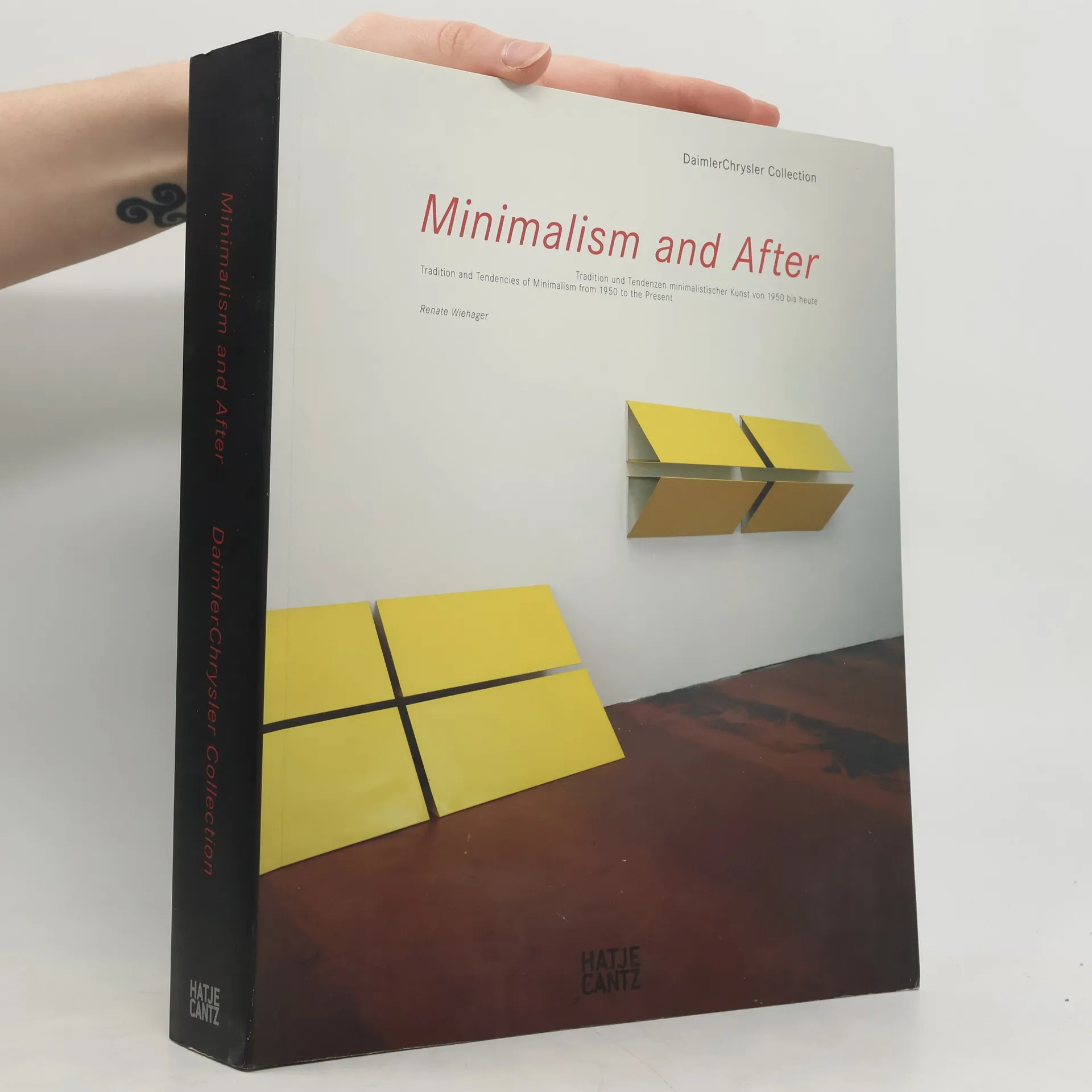
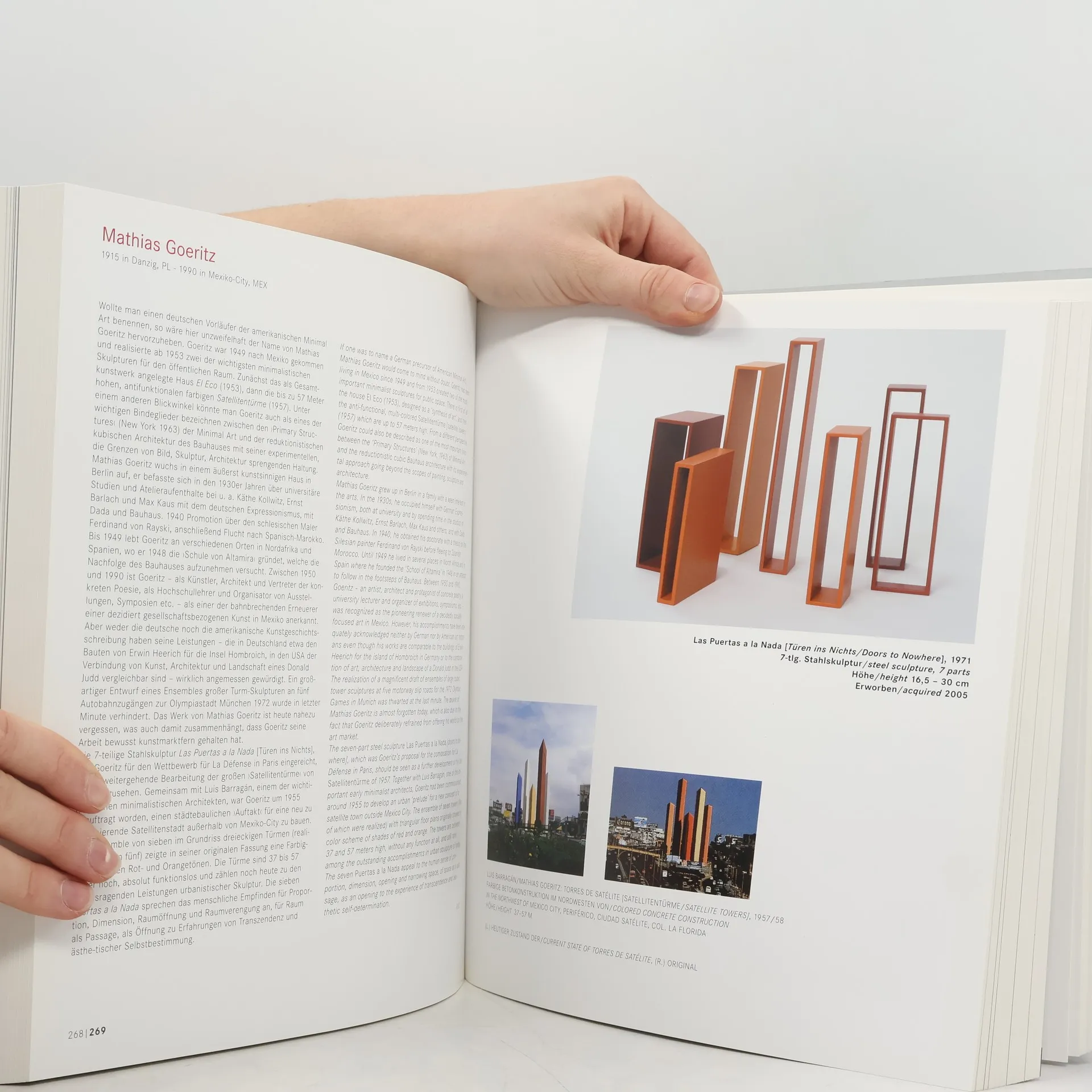
In their youth, Minimalism's elemental forms, serial accumulations and industrial materials argued consistently against abstract art's subjective gestures. Non-relational, non-hierarchical and anti-compositional were the words of the day. Despite all this, Minimalist work was and remains grounded in individual arguments, whether political, formal, art-reflective or purely aesthetic. Minimalism and After displays a broad spectrum of Minimalist work and explores the art world's continuing Minimalist tendencies from the 1960s to the present day, demonstrating the ways in which Minimal art has been understood and absorbed over decades and by generations. What young international artists might be better understood from the point of view of the history of Minimal art? Images here track the central criteria of Minimalism from today's the essentially sculptural presence of the picture-object, coolly geometrical structures, intuitively intelligible order and proportions, works presented so that they relate to the space and the viewer, rejecting a symbolic or narrative nature. Minimalism and After presents about 200 pieces by approximately 100 artists, including established players like Michael Heizer, Dan Graham and Robert Ryman and some of the younger crowd, including Liam Gillick and Michael Zahn. Essays consider national and stylistic contexts.
Nákup knihy
Minimalism and After, Astrid Wege, Renate Wiehager
- Jazyk


- Rok vydania
- 2006
- Väzba
- (pevná)
Tu nám chýba tvoja recenzia
- Titul
- Minimalism and After
- Jazyk
- anglicky, nemecky
- Autori
- Astrid Wege, Renate Wiehager
- Vydavateľ
- Hatje Cantz
- Rok vydania
- 2006
- Väzba
- pevná
- Počet strán
- 336
- ISBN10
- 3775718281
- ISBN13
- 9783775718288
- Série
- Kategórie
- Štítky
- Sochárstvo, Minimalizmus
- Hodnotenie
- 3,65 z 5
- Anotácia
- In their youth, Minimalism's elemental forms, serial accumulations and industrial materials argued consistently against abstract art's subjective gestures. Non-relational, non-hierarchical and anti-compositional were the words of the day. Despite all this, Minimalist work was and remains grounded in individual arguments, whether political, formal, art-reflective or purely aesthetic. Minimalism and After displays a broad spectrum of Minimalist work and explores the art world's continuing Minimalist tendencies from the 1960s to the present day, demonstrating the ways in which Minimal art has been understood and absorbed over decades and by generations. What young international artists might be better understood from the point of view of the history of Minimal art? Images here track the central criteria of Minimalism from today's the essentially sculptural presence of the picture-object, coolly geometrical structures, intuitively intelligible order and proportions, works presented so that they relate to the space and the viewer, rejecting a symbolic or narrative nature. Minimalism and After presents about 200 pieces by approximately 100 artists, including established players like Michael Heizer, Dan Graham and Robert Ryman and some of the younger crowd, including Liam Gillick and Michael Zahn. Essays consider national and stylistic contexts.