

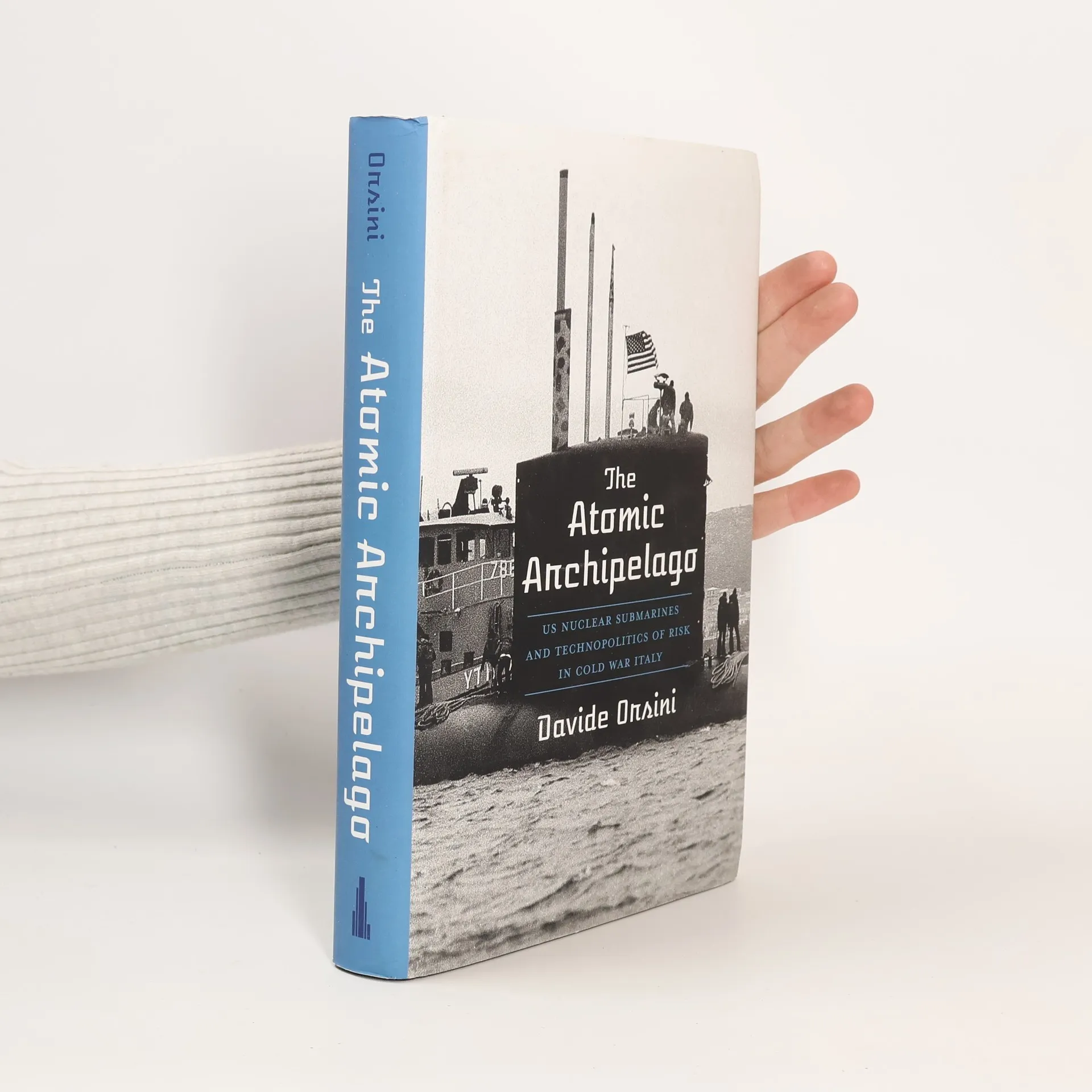


The Atomic Archipelago
US Nuclear Submarines and Technopolitics of Risk in Cold War Italy
Autori
Parametre
- 456 stránok
- 16 hodin čítania
Viac o knihe
Finalist, 2023 Turku Book Award. In 1972, the US Navy established a nuclear submarine base in the Archipelago of La Maddalena, Sardinia, prompting Italy to launch a radiation surveillance program to assess the base's environmental and health impacts. Davide Orsini conducts the first systematic study of nuclear expertise in Italy, examining the technopolitical disputes surrounding the safety and role of these submarines in the Mediterranean from the Cold War to the base's closure in 2008. The book highlights the conflicts among various stakeholders—local residents, US Navy personnel, Italian experts, and politicians—over whether nuclear submarines were imperceptible threats or essential instruments of freedom. Unlike visible inland nuclear power plants, submarines' mobility and invisibility fostered ambivalence about their nature, reinforcing the notion of nuclear exceptionalism. In Italy, they represented objects in constant motion, easily relocated at signs of danger. Orsini illustrates how these mobile hazards complicated expert assessments and public perceptions of risk, particularly in non-Anglo-Saxon contexts where distinct social power dynamics influenced the outcomes of technopolitical debates.
Vydanie

Nákup knihy
The Atomic Archipelago, Davide Orsini
- Jazyk

- Rok vydania
- 2022
- Väzba
- (pevná)
Doručenie
Platobné metódy
Nikto zatiaľ neohodnotil.
- Titul
- The Atomic Archipelago
- Podtitul
- US Nuclear Submarines and Technopolitics of Risk in Cold War Italy
- Jazyk
- anglicky
- Autori
- Davide Orsini
- Vydavateľ
- University of Pittsburgh Press
- Rok vydania
- 2022
- Väzba
- pevná
- Počet strán
- 456
- ISBN10
- 0822947188
- ISBN13
- 9780822947189
- Série
- Kategórie
- Štítky
- Historické téma, Veda, USA, 20. storočie, Technológia, Európa, Južná Európa, Taliansko, Odborná literatúra, Politické teórie, Studená vojna, Dejiny vedy, Geopolitika, Dejiny techniky, Ponorky
- Anotácia
- Finalist, 2023 Turku Book Award. In 1972, the US Navy established a nuclear submarine base in the Archipelago of La Maddalena, Sardinia, prompting Italy to launch a radiation surveillance program to assess the base's environmental and health impacts. Davide Orsini conducts the first systematic study of nuclear expertise in Italy, examining the technopolitical disputes surrounding the safety and role of these submarines in the Mediterranean from the Cold War to the base's closure in 2008. The book highlights the conflicts among various stakeholders—local residents, US Navy personnel, Italian experts, and politicians—over whether nuclear submarines were imperceptible threats or essential instruments of freedom. Unlike visible inland nuclear power plants, submarines' mobility and invisibility fostered ambivalence about their nature, reinforcing the notion of nuclear exceptionalism. In Italy, they represented objects in constant motion, easily relocated at signs of danger. Orsini illustrates how these mobile hazards complicated expert assessments and public perceptions of risk, particularly in non-Anglo-Saxon contexts where distinct social power dynamics influenced the outcomes of technopolitical debates.