

Hodnotenie knihy
Viac o knihe
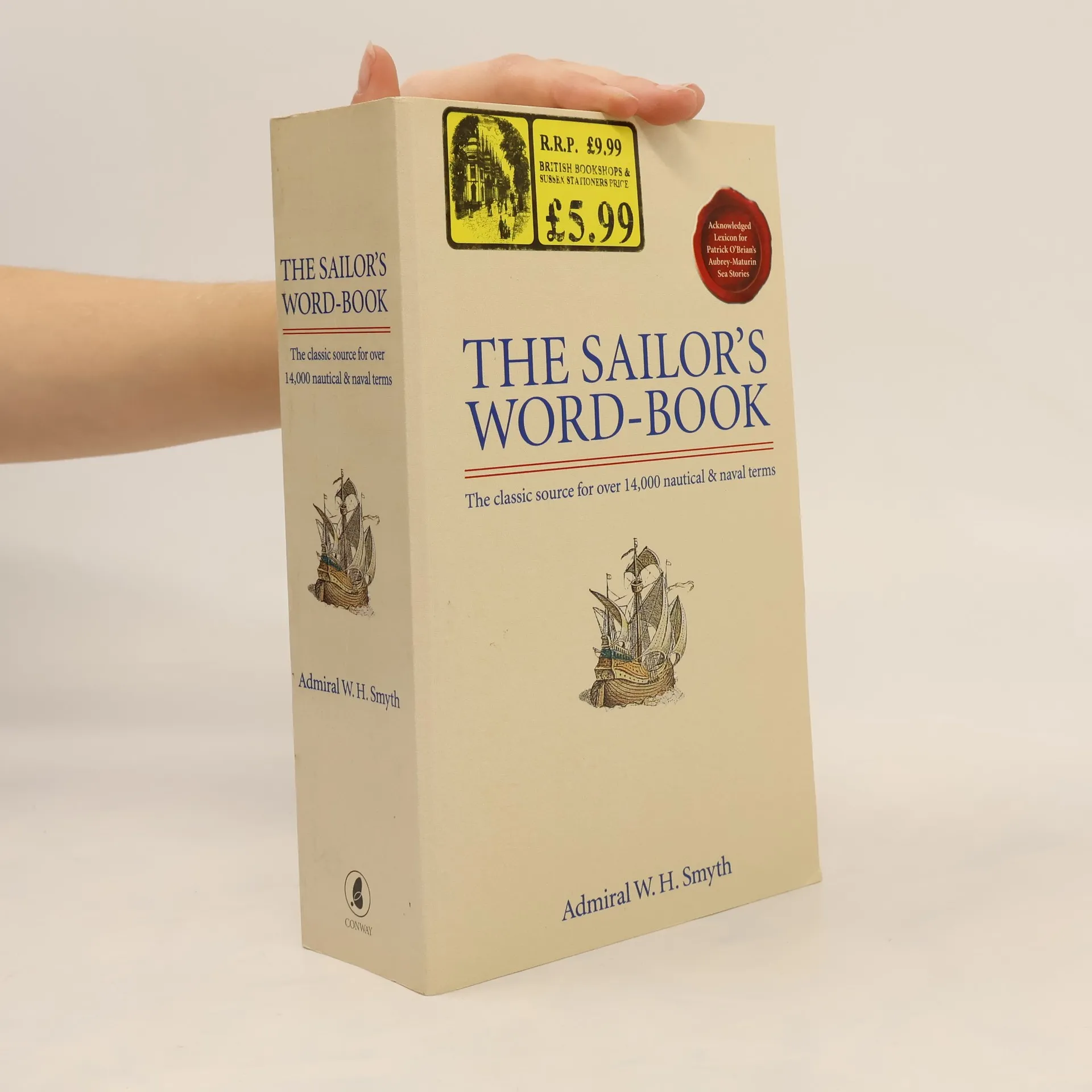
First published in 1867, the Sailor's Word-Book is an incomparable alphabetical digest of nautical terms - some 14,000 in all. It defines a huge range of common and rare words, some of which, though now antiquated or obsolete, nevertheless appear regularly in contemporary works, because it remains one of the principal sources for many of the foremost writers of maritime non-fiction and fiction of our times. As well as de facto terms dealing with every aspect of ships and the sea - encompassing warships, merchant vessels, small craft, seamanship, navigation, meteorology, naval architecture, ship construction and fittings - the author also included 'galley slang', relevant natural history terms and even birds and fishes that were considered good eating. Not least of the pleasures of this book is the author's characteristic manner, which is as pithy and direct as the idiom itself. Much more than a period piece, this new edition is an invaluable tool for maritime historians, model-makers, sailors and indeed anyone with an interest in the maritime world.
Nákup knihy
The Sailor's Word Book, W. H. Smyth
- Jazyk

- Rok vydania
- 2010
- Väzba
- (mäkká)
Tu nám chýba tvoja recenzia
- Titul
- The Sailor's Word Book
- Podtitul
- The Classic Source for Over 14,000 Nautical and Naval Terms
- Jazyk
- anglicky
- Autori
- W. H. Smyth
- Vydavateľ
- Conway Maritime Press Ltd
- Rok vydania
- 2010
- Väzba
- mäkká
- Počet strán
- 744
- ISBN10
- 0851779727
- ISBN13
- 9780851779720
- Série
- Štítky
- Jazykové učebnice & Slovníky, Príručky a návody, Šport, Slovníky, O knihách, Plachtenie, Vodné športy
- Hodnotenie
- 4,4 z 5
- Anotácia
- First published in 1867, the Sailor's Word-Book is an incomparable alphabetical digest of nautical terms - some 14,000 in all. It defines a huge range of common and rare words, some of which, though now antiquated or obsolete, nevertheless appear regularly in contemporary works, because it remains one of the principal sources for many of the foremost writers of maritime non-fiction and fiction of our times. As well as de facto terms dealing with every aspect of ships and the sea - encompassing warships, merchant vessels, small craft, seamanship, navigation, meteorology, naval architecture, ship construction and fittings - the author also included 'galley slang', relevant natural history terms and even birds and fishes that were considered good eating. Not least of the pleasures of this book is the author's characteristic manner, which is as pithy and direct as the idiom itself. Much more than a period piece, this new edition is an invaluable tool for maritime historians, model-makers, sailors and indeed anyone with an interest in the maritime world.