

Viac o knihe
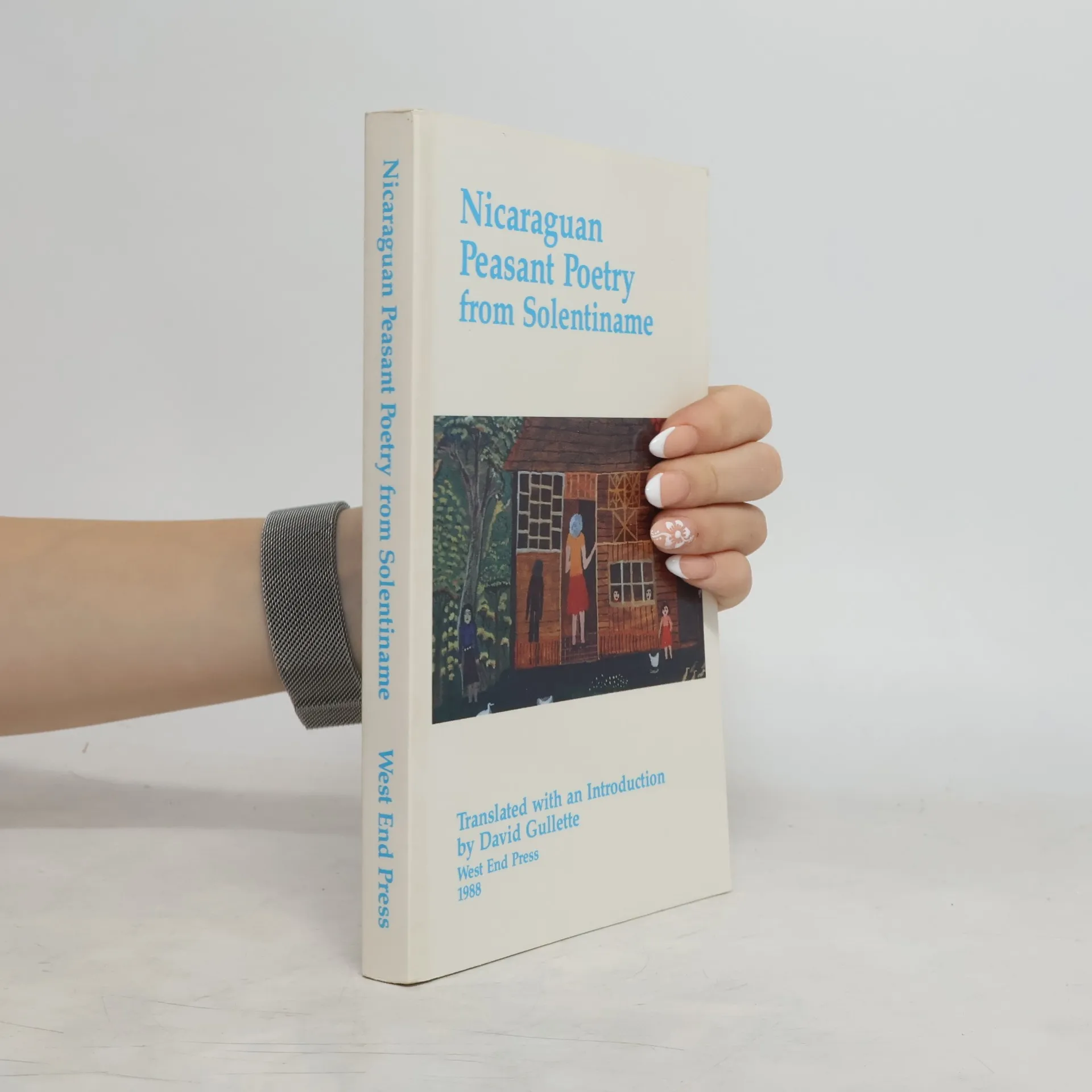
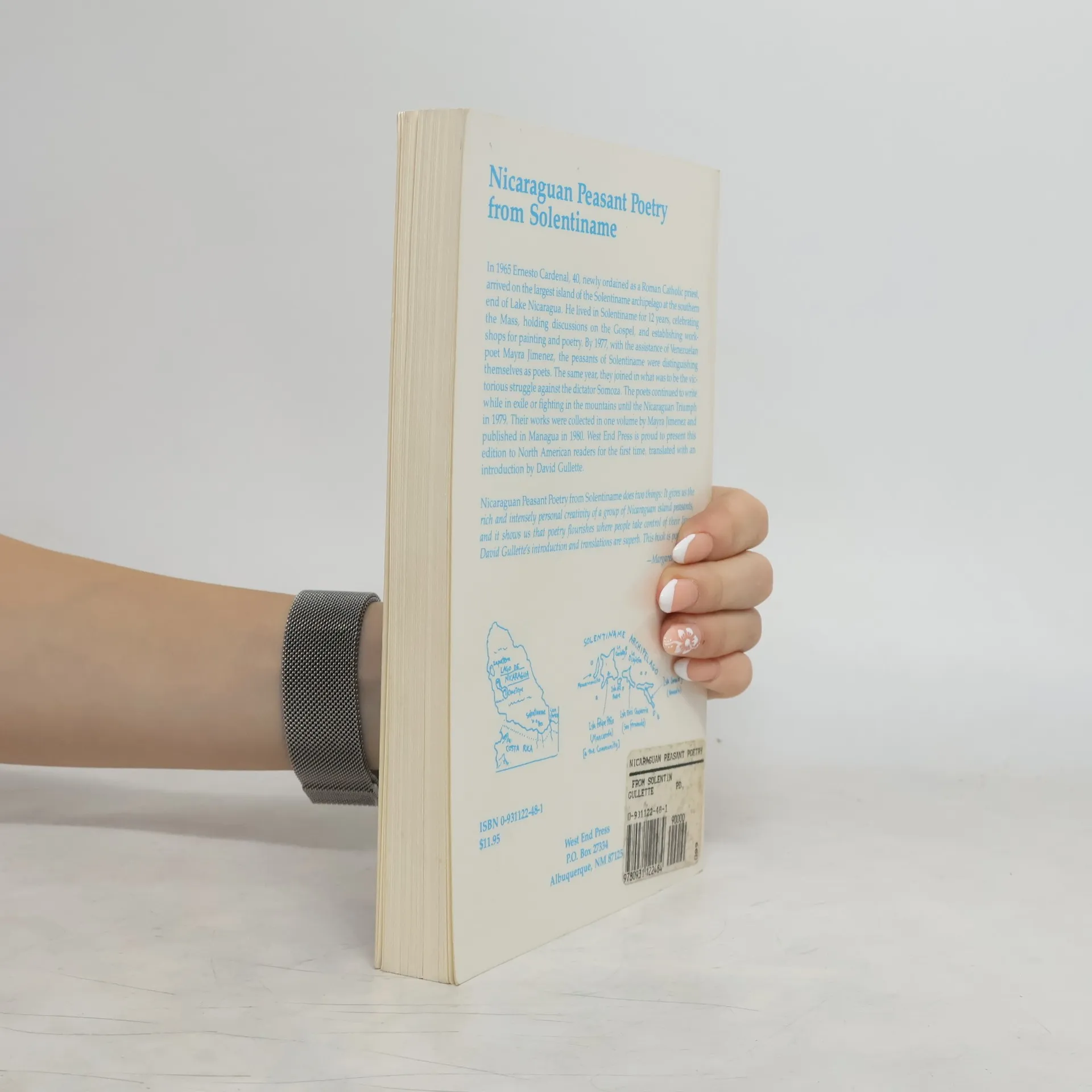
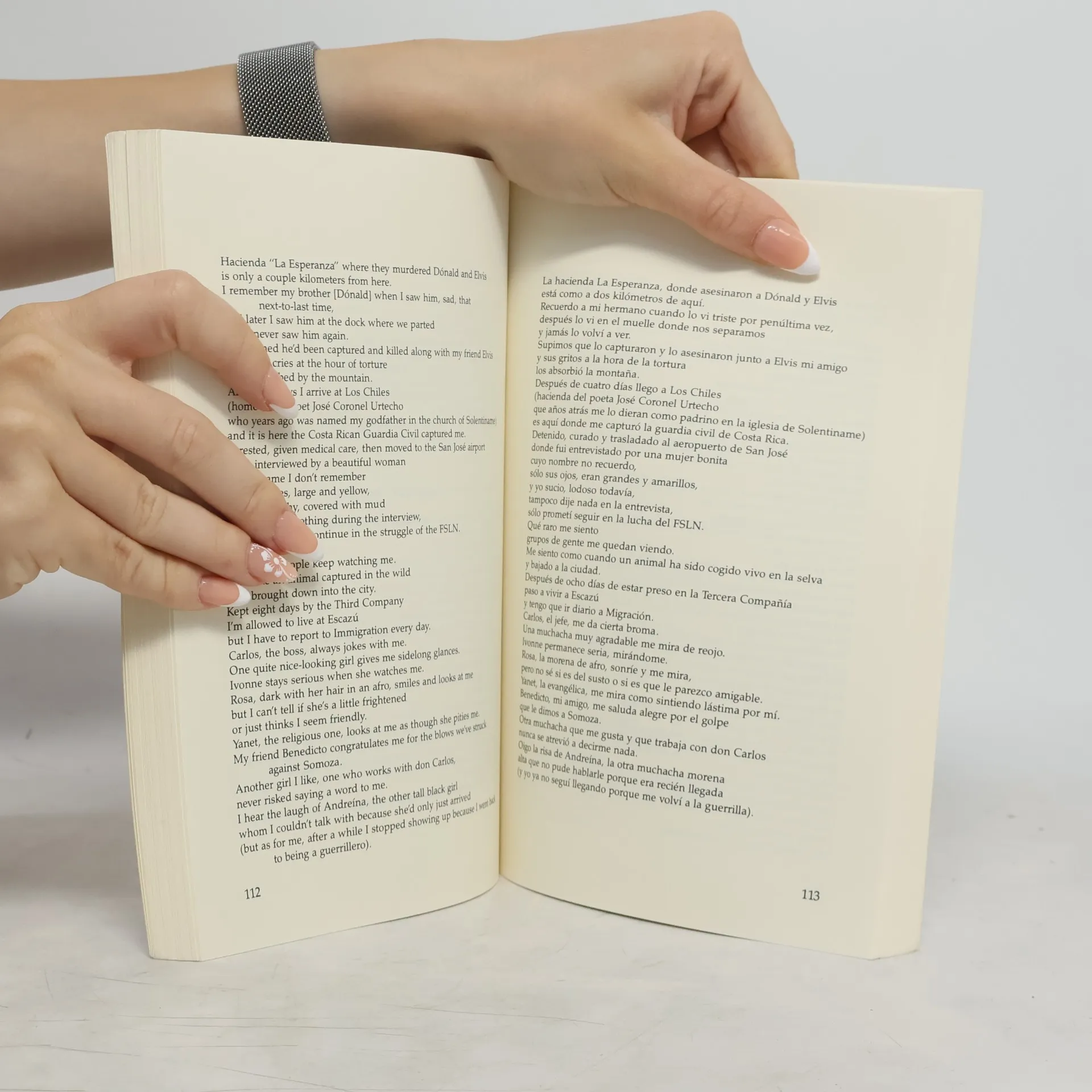
These poems were collected and edited at Solentiname in Nicaragua in 1977 by the Venezuelan poet and workshop originator Mayra Jimenez. The Solentiname colony was established on an island at the southern end of Lake Nicaragua in 1965. Father Ernesto Cardenal lived there for 12 years celebrating the Mass, teaching the Gospel, and encouraging the islanders to create paintings and poetry. Then came the Sandinista revolution, in which Father Cardenal participated. The poems written by the children and adults of Solentiname were saved, collected, and finally published in Managua in 1980. Father Ernesto Cardenal decided in the middle 1970s that revolution in Nicaragua could not be peacefully achieved. As a result, he occupied a difficult vocation, as priest, poet, and revolutionary. Eventually, with the success of the revolution, he was appointed Minister of Culture in 1979.
Nákup knihy
Nicaraguan Peasant Poetry from Solentiname, David Gullette
- Jazyk

- Rok vydania
- 1988
- Väzba
- (mäkká)
Doručenie
Platobné metódy
Tu nám chýba tvoja recenzia
- Titul
- Nicaraguan Peasant Poetry from Solentiname
- Jazyk
- anglicky
- Autori
- David Gullette
- Vydavateľ
- West End Press
- Rok vydania
- 1988
- Väzba
- mäkká
- Počet strán
- 209
- ISBN10
- 0931122481
- ISBN13
- 9780931122484
- Série
- Hodnotenie
- 4,65 z 5
- Anotácia
- These poems were collected and edited at Solentiname in Nicaragua in 1977 by the Venezuelan poet and workshop originator Mayra Jimenez. The Solentiname colony was established on an island at the southern end of Lake Nicaragua in 1965. Father Ernesto Cardenal lived there for 12 years celebrating the Mass, teaching the Gospel, and encouraging the islanders to create paintings and poetry. Then came the Sandinista revolution, in which Father Cardenal participated. The poems written by the children and adults of Solentiname were saved, collected, and finally published in Managua in 1980. Father Ernesto Cardenal decided in the middle 1970s that revolution in Nicaragua could not be peacefully achieved. As a result, he occupied a difficult vocation, as priest, poet, and revolutionary. Eventually, with the success of the revolution, he was appointed Minister of Culture in 1979.