

Parametre
- 302 stránok
- 11 hodin čítania
Viac o knihe
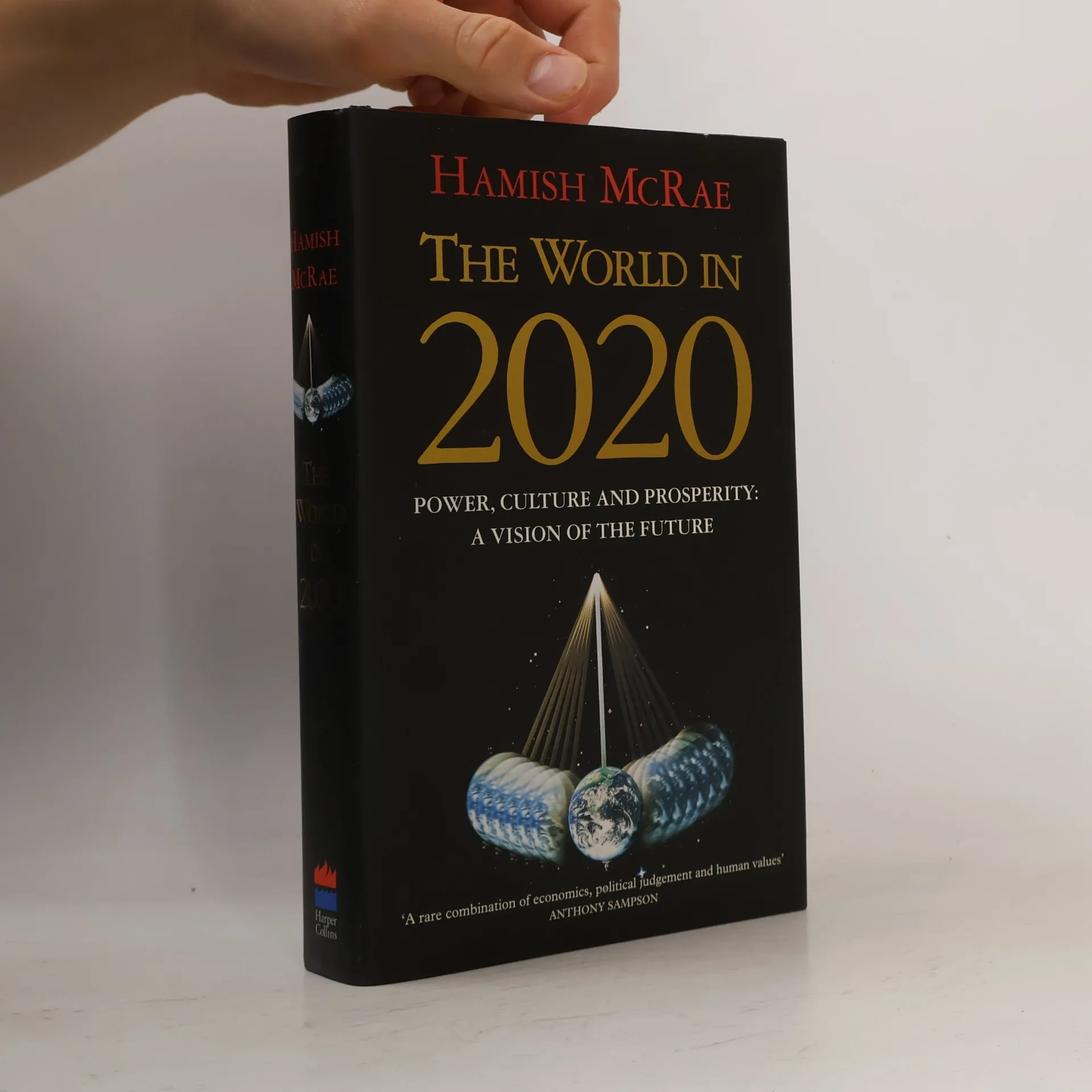
In The World in 2020, acclaimed commentator and best-selling author Hamish McRae paints a vivid competitive landscape in which culture and values will be the new sources of advantage for the industrialized nations. In the year 2020, all having embraced market capitalism, the North American, European and East Asian countries will be engaged in fierce economic competition. With each nation increasingly able to imitate the others, innovations will cross borders within more days and weeks, removing technological prowess as a source of sustained advantage. McRae sees the "old motors for growth" - land, capital and natural resources - being replaced by more qualitative assets - quality, organization, motivation and self-discipline of the people. Everywhere, governments will take a less active role in the social and economic life of the nation. In such a world, the best predictor of success will be how a nation strikes a proper balance between creativity and intellect on the one hand, and social responsibility on the other. Thus the leading world economic powers of the next generation are just as likely to include China and Australia as the United States and Japan.
Vydanie

Nákup knihy
The World In 2020, Hamish McRae
- Jazyk

- Rok vydania
- 1994
- Väzba
- (pevná),
- Stav knihy
- Veľmi dobrá
- Cena
- 1,99 €
Doručenie
Platobné metódy
Tu nám chýba tvoja recenzia
- Titul
- The World In 2020
- Podtitul
- Power, Culture And Prosperity
- Jazyk
- anglicky
- Autori
- Hamish McRae
- Vydavateľ
- HarperCollins
- Rok vydania
- 1994
- Väzba
- pevná
- Počet strán
- 302
- ISBN10
- 0002551977
- ISBN13
- 9780002551977
- Série
- Kategórie
- Štítky
- Historické téma, Byznys, Politika, Politické teórie, 21. storočie, Vedecké teórie, Sociálne dejiny, Politická ekonomika, Prognostika
- Hodnotenie
- 3 z 5
- Anotácia
- In The World in 2020, acclaimed commentator and best-selling author Hamish McRae paints a vivid competitive landscape in which culture and values will be the new sources of advantage for the industrialized nations. In the year 2020, all having embraced market capitalism, the North American, European and East Asian countries will be engaged in fierce economic competition. With each nation increasingly able to imitate the others, innovations will cross borders within more days and weeks, removing technological prowess as a source of sustained advantage. McRae sees the "old motors for growth" - land, capital and natural resources - being replaced by more qualitative assets - quality, organization, motivation and self-discipline of the people. Everywhere, governments will take a less active role in the social and economic life of the nation. In such a world, the best predictor of success will be how a nation strikes a proper balance between creativity and intellect on the one hand, and social responsibility on the other. Thus the leading world economic powers of the next generation are just as likely to include China and Australia as the United States and Japan.