


Viac o knihe
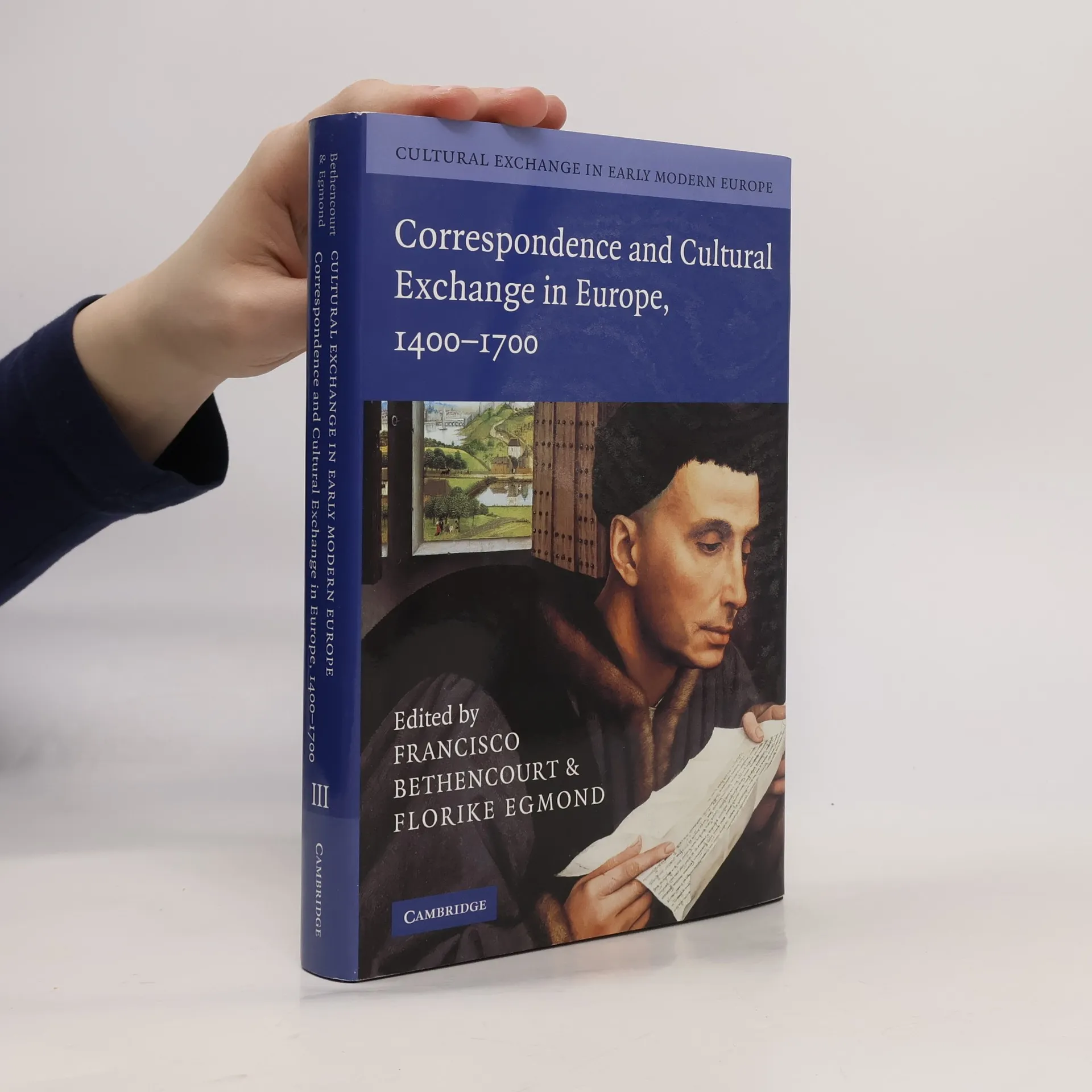
This volume explores the importance of correspondence and communication to cultural exchanges in early modern Europe. Leading historians examine the correspondence of scholars, scientists, spies, merchants, politicians, artists, collectors, noblemen, artisans, and even illiterate peasants. Geographically the volume ranges across the whole of Europe, occasionally going beyond its confines to investigate exchanges between Europe and Asia or the New World. Above all, it studies the different networks of exchange in Europe and the various functions and meanings that correspondence had for members of different strata in European society during the early age of printing. This entails looking at different material supports from manuscripts and printed letters to newsletters and at different types of exchanges from the familial, scientific and artistic to political and professional correspondence. This is a ground-breaking reassessment of the status of information in early modern Europe and a major contribution to the field of information and communication.
Nákup knihy
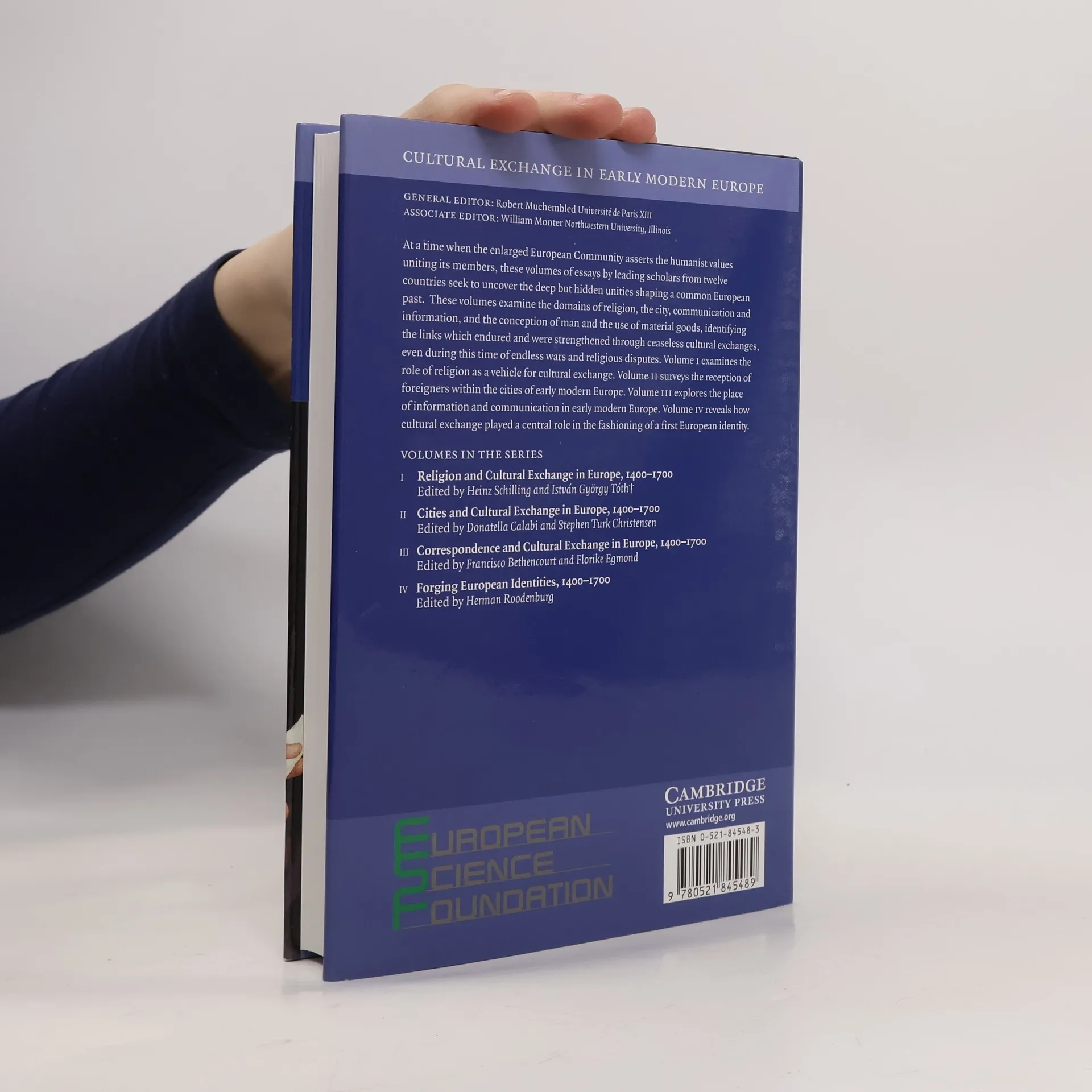
Cultural Exchange in Early Modern Europe, Francisco Bethencourt, Florike Egmond, William Monter, Robert Muchembled
- Jazyk

- Rok vydania
- 2006
- Väzba
- (pevná)
Doručenie
Platobné metódy
Nikto zatiaľ neohodnotil.
- Titul
- Cultural Exchange in Early Modern Europe
- Podtitul
- Correspondence and Cultural Exchange in Europe, 1400-1700
- Jazyk
- anglicky
- Vydavateľ
- Cambridge University Press
- Rok vydania
- 2006
- Väzba
- pevná
- Počet strán
- 394
- ISBN10
- 0521845483
- ISBN13
- 9780521845489
- Série
- Kategórie
- Štítky
- Historické téma, Náboženské témy, Európa, Dejiny Európy, Renesancia, Dejiny náboženstva, Civilizácia, Spoločenské pomery
- Anotácia
- This volume explores the importance of correspondence and communication to cultural exchanges in early modern Europe. Leading historians examine the correspondence of scholars, scientists, spies, merchants, politicians, artists, collectors, noblemen, artisans, and even illiterate peasants. Geographically the volume ranges across the whole of Europe, occasionally going beyond its confines to investigate exchanges between Europe and Asia or the New World. Above all, it studies the different networks of exchange in Europe and the various functions and meanings that correspondence had for members of different strata in European society during the early age of printing. This entails looking at different material supports from manuscripts and printed letters to newsletters and at different types of exchanges from the familial, scientific and artistic to political and professional correspondence. This is a ground-breaking reassessment of the status of information in early modern Europe and a major contribution to the field of information and communication.