



Viac o knihe
In the late sixteenth and early seventeenth centuries, two significant systems of unfree labor emerged: the American enslavement of blacks and the Russian subjugation of serfs. These systems developed uniquely until their legal abolition in the mid-nineteenth century. Historian Peter Kolchin offers a comprehensive comparison of these systems, elucidating their organization, structure, and dynamics while highlighting both similarities and key differences that emerge through comparative analysis. The distinctions between the two systems involved both masters and bondsmen. American slaveholders, characterized by independence and a resident mentality, mounted a vigorous defense of slavery against external threats. In contrast, Russian serfholders, often absentee and reliant on central authority, struggled to protect serfdom effectively. Russian serfs, generally residing on larger estates and experiencing less direct interference, were able to assert some communal autonomy but lacked solidarity with peasants beyond their villages. Conversely, American slaves exhibited greater individualism and a stronger sense of identification with all blacks, both enslaved and free. Kolchin identifies universal features in master-bondsman relations while also detailing the distinct experiences of slaves and serfs, including patterns of resistance. Despite the dominance of their masters, both slaves and serfs significantly influenced the nature
Nákup knihy
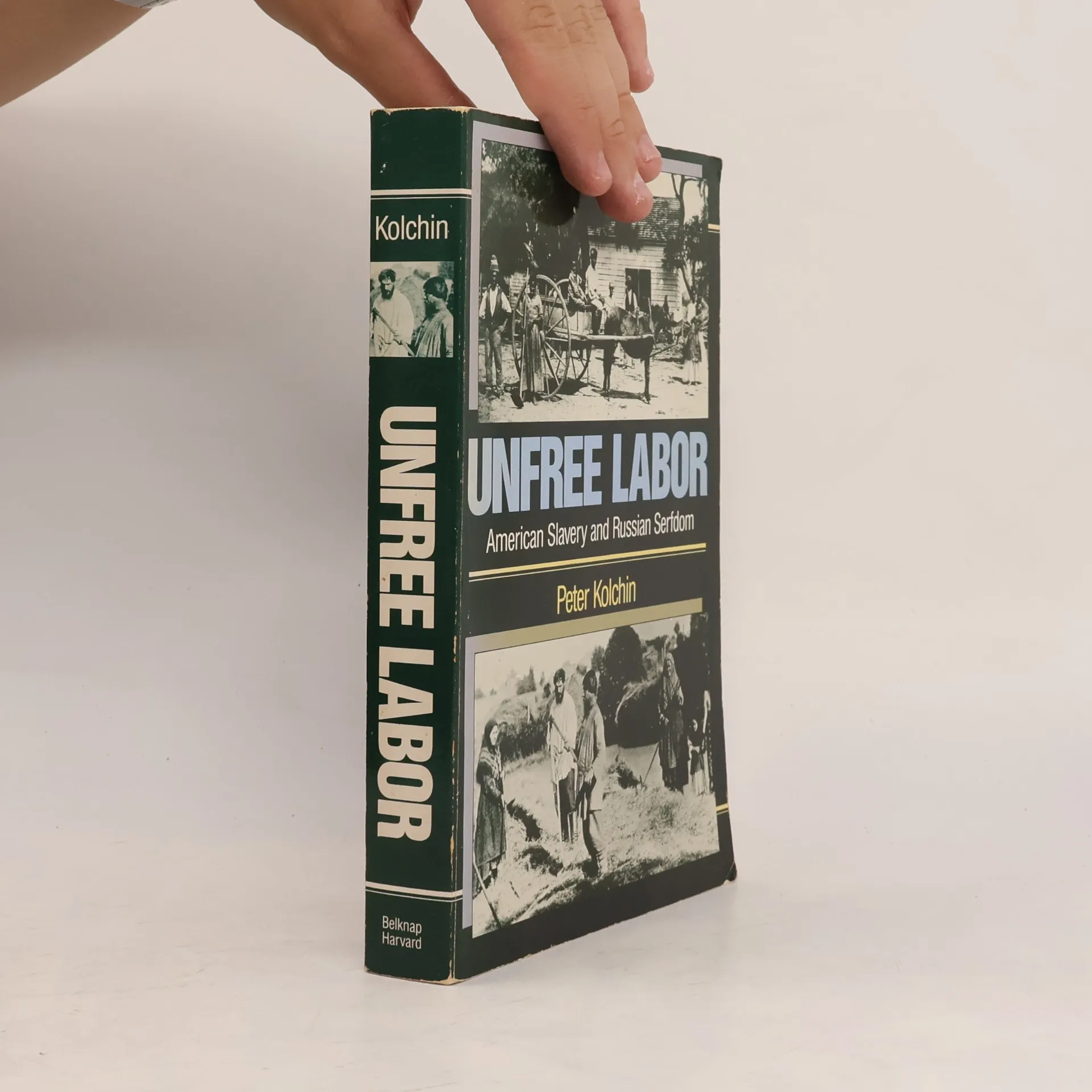
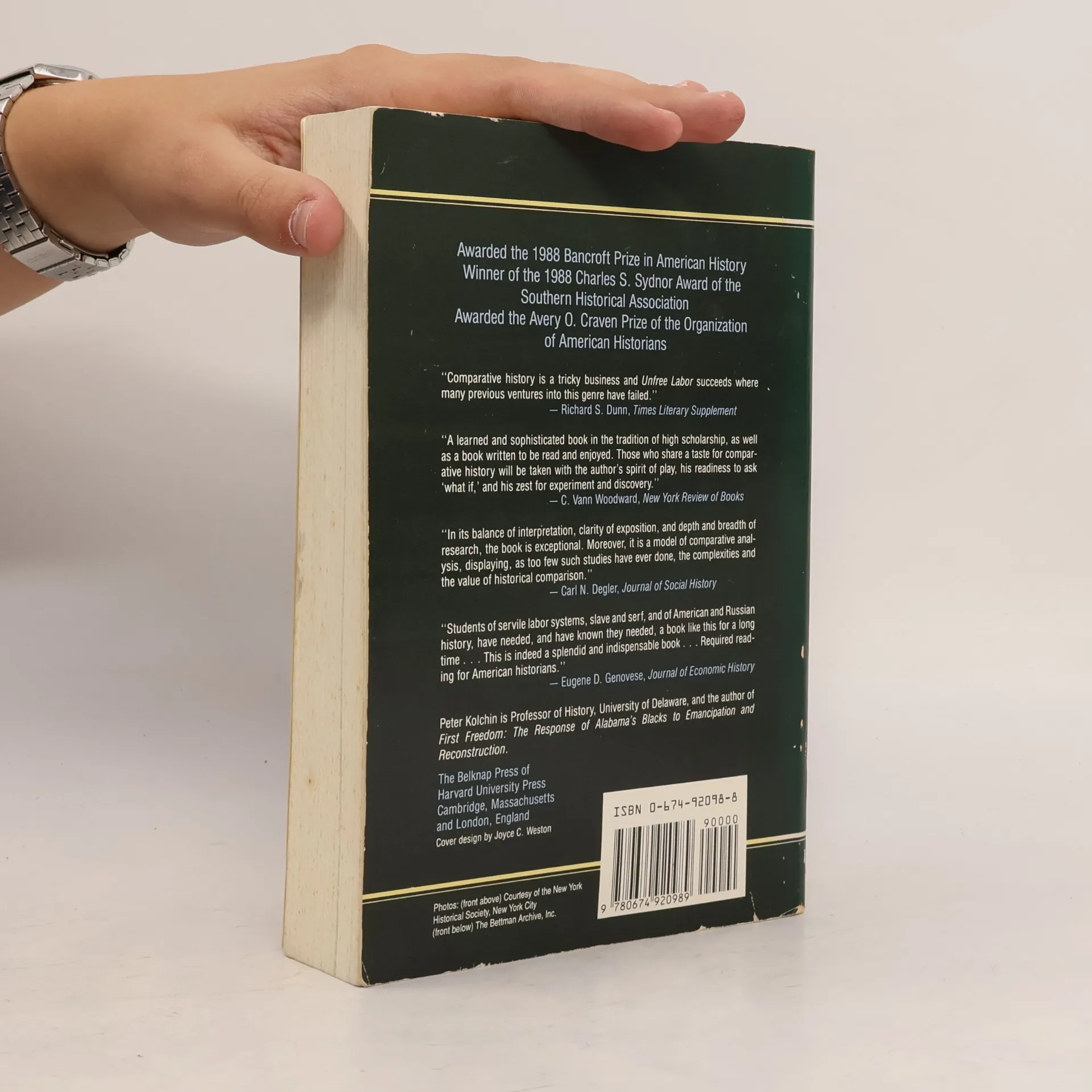
Unfree Labor, Peter Kolchin
- Jazyk

- Rok vydania
- 1987
- Väzba
- (mäkká),
- Stav knihy
- Poškodená
- Cena
- 2 €
Tu nám chýba tvoja recenzia
- Titul
- Unfree Labor
- Podtitul
- American Slavery and Russian Serfdom
- Jazyk
- anglicky
- Autori
- Peter Kolchin
- Rok vydania
- 1987
- Väzba
- mäkká
- Počet strán
- 534
- ISBN10
- 0674920988
- ISBN13
- 9780674920989
- Série
- Štítky
- Historické téma, USA, Rusko, Dejiny Európy, Rasa, rasizmus, Otroctvo, Poddanstvo a nevoľníctvo
- Hodnotenie
- 4,1 z 5
- Anotácia
- In the late sixteenth and early seventeenth centuries, two significant systems of unfree labor emerged: the American enslavement of blacks and the Russian subjugation of serfs. These systems developed uniquely until their legal abolition in the mid-nineteenth century. Historian Peter Kolchin offers a comprehensive comparison of these systems, elucidating their organization, structure, and dynamics while highlighting both similarities and key differences that emerge through comparative analysis. The distinctions between the two systems involved both masters and bondsmen. American slaveholders, characterized by independence and a resident mentality, mounted a vigorous defense of slavery against external threats. In contrast, Russian serfholders, often absentee and reliant on central authority, struggled to protect serfdom effectively. Russian serfs, generally residing on larger estates and experiencing less direct interference, were able to assert some communal autonomy but lacked solidarity with peasants beyond their villages. Conversely, American slaves exhibited greater individualism and a stronger sense of identification with all blacks, both enslaved and free. Kolchin identifies universal features in master-bondsman relations while also detailing the distinct experiences of slaves and serfs, including patterns of resistance. Despite the dominance of their masters, both slaves and serfs significantly influenced the nature