


Parametre
- 200 stránok
- 7 hodin čítania
Viac o knihe
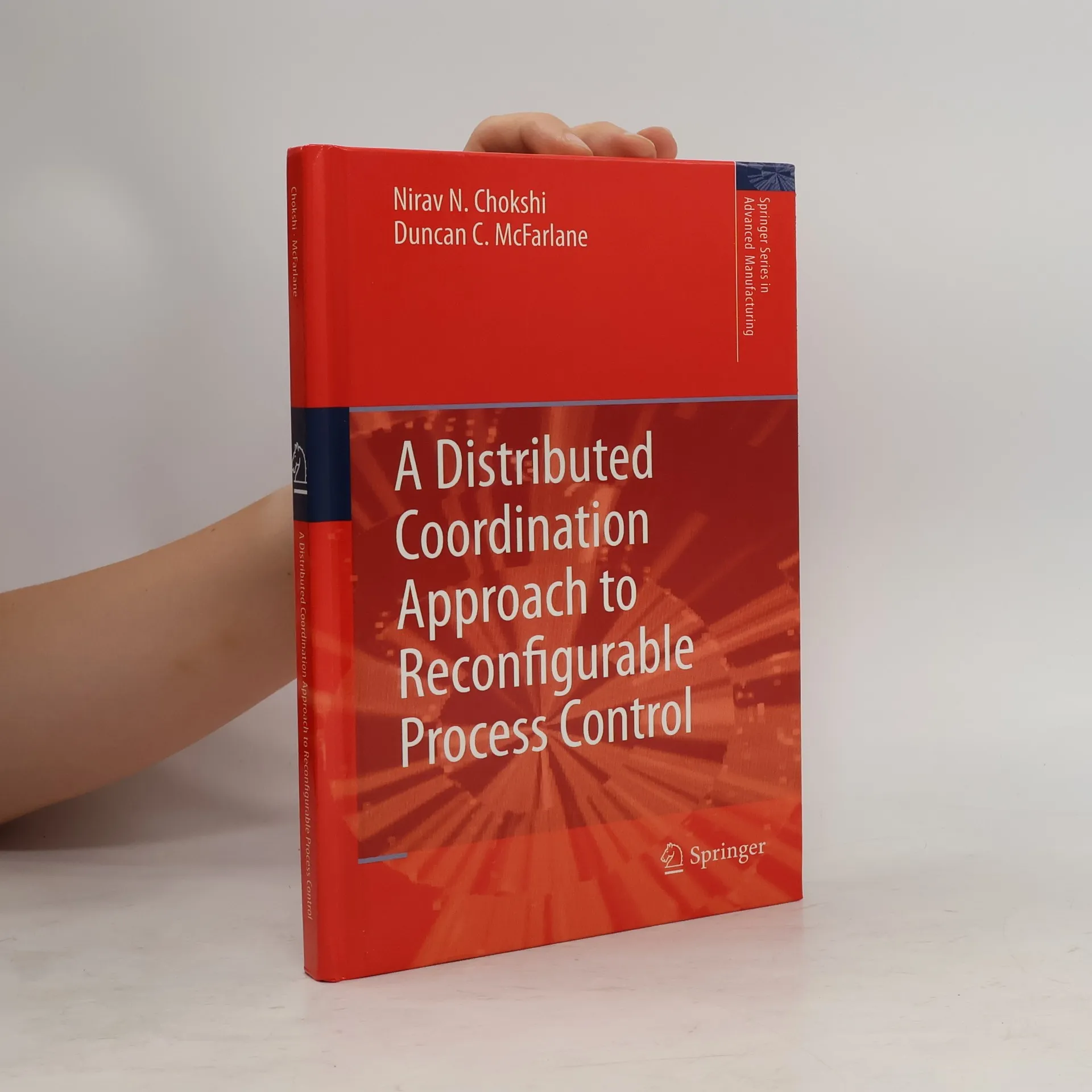
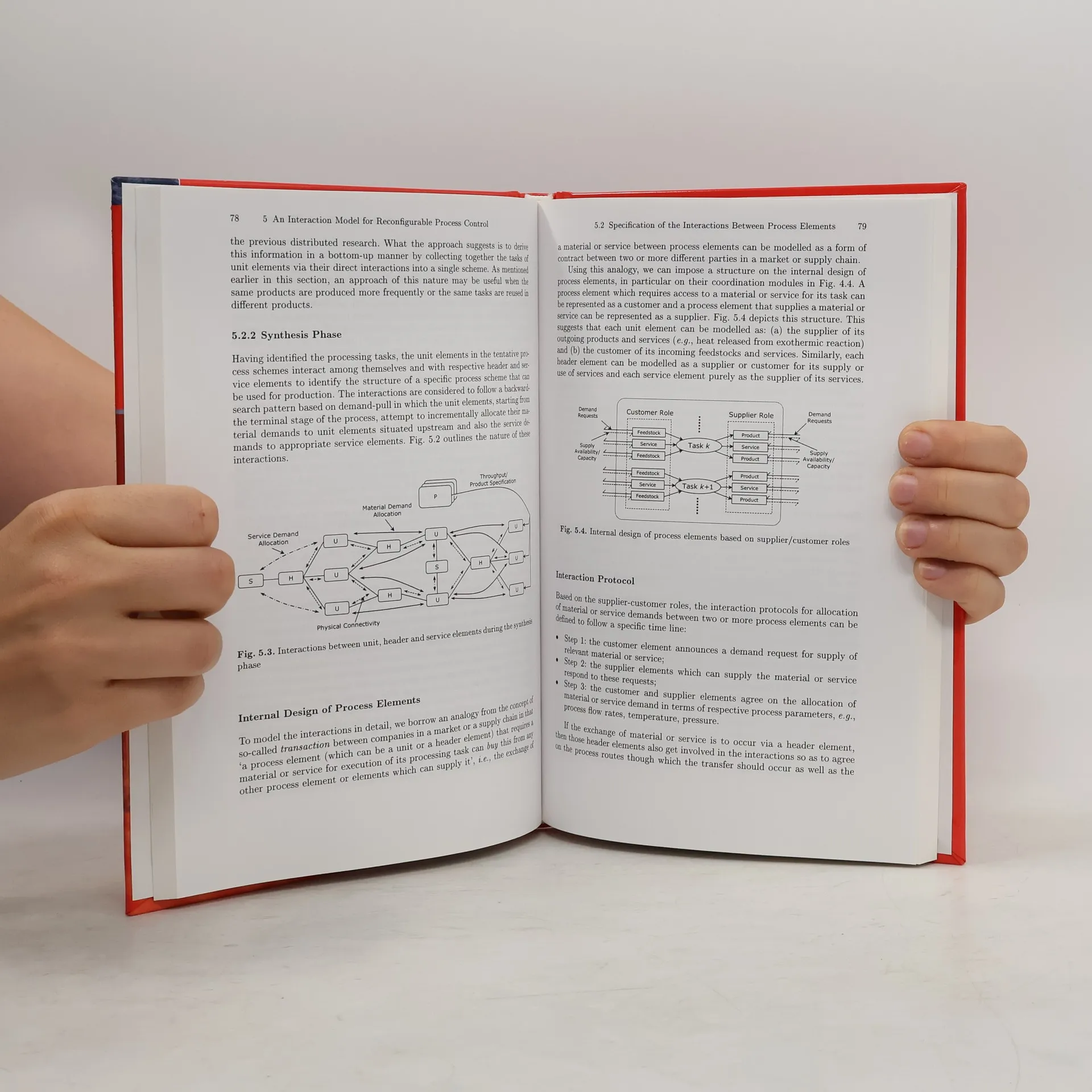
Success in the continuous process industries depends upon the ability to adapt to the demands of global supply chains in real-time. Thus, process plants must be designed to be easily reconfigured as and when necessary. “A Distributed Coordination Approach to Reconfigurable Process Control” presents research that addresses this issue, via developing a new distributed framework that will enable the building of a process control system that is capable of reconfigurability. This framework views the process as a set of readily-integrated, modular process elements, which operate relatively independently and are each supported by a degree of stand-alone decision-making capability. The rationale and benefits of moving towards the new approach is demonstrated by means of a worked example of a real process plant. The research will also help end-users to gain an understanding of the economic aspects of material flows across their plants, and the ways in which their processes can be integrated across the enterprise.
Nákup knihy
Springer Series in Advanced Manufacturing: A Distributed Coordination Approach to Reconfigurable Process Control, Nirav N. Chokshi, Duncan C. McFarlane
- Jazyk

- Rok vydania
- 2007
- Väzba
- (pevná),
- Stav knihy
- Veľmi dobrá
- Cena
- 8,19 €
Nikto zatiaľ neohodnotil.
- Titul
- Springer Series in Advanced Manufacturing: A Distributed Coordination Approach to Reconfigurable Process Control
- Jazyk
- anglicky
- Vydavateľ
- Springer
- Rok vydania
- 2007
- Väzba
- pevná
- Počet strán
- 200
- ISBN10
- 1848000596
- ISBN13
- 9781848000599
- Série
- Kategórie
- Štítky
- Byznys, Technológia, Strojárstvo, Vývoj, Priemysel, Algoritmy, Automatizácia, Robotika
- Anotácia
- Success in the continuous process industries depends upon the ability to adapt to the demands of global supply chains in real-time. Thus, process plants must be designed to be easily reconfigured as and when necessary. “A Distributed Coordination Approach to Reconfigurable Process Control” presents research that addresses this issue, via developing a new distributed framework that will enable the building of a process control system that is capable of reconfigurability. This framework views the process as a set of readily-integrated, modular process elements, which operate relatively independently and are each supported by a degree of stand-alone decision-making capability. The rationale and benefits of moving towards the new approach is demonstrated by means of a worked example of a real process plant. The research will also help end-users to gain an understanding of the economic aspects of material flows across their plants, and the ways in which their processes can be integrated across the enterprise.