


Viac o knihe
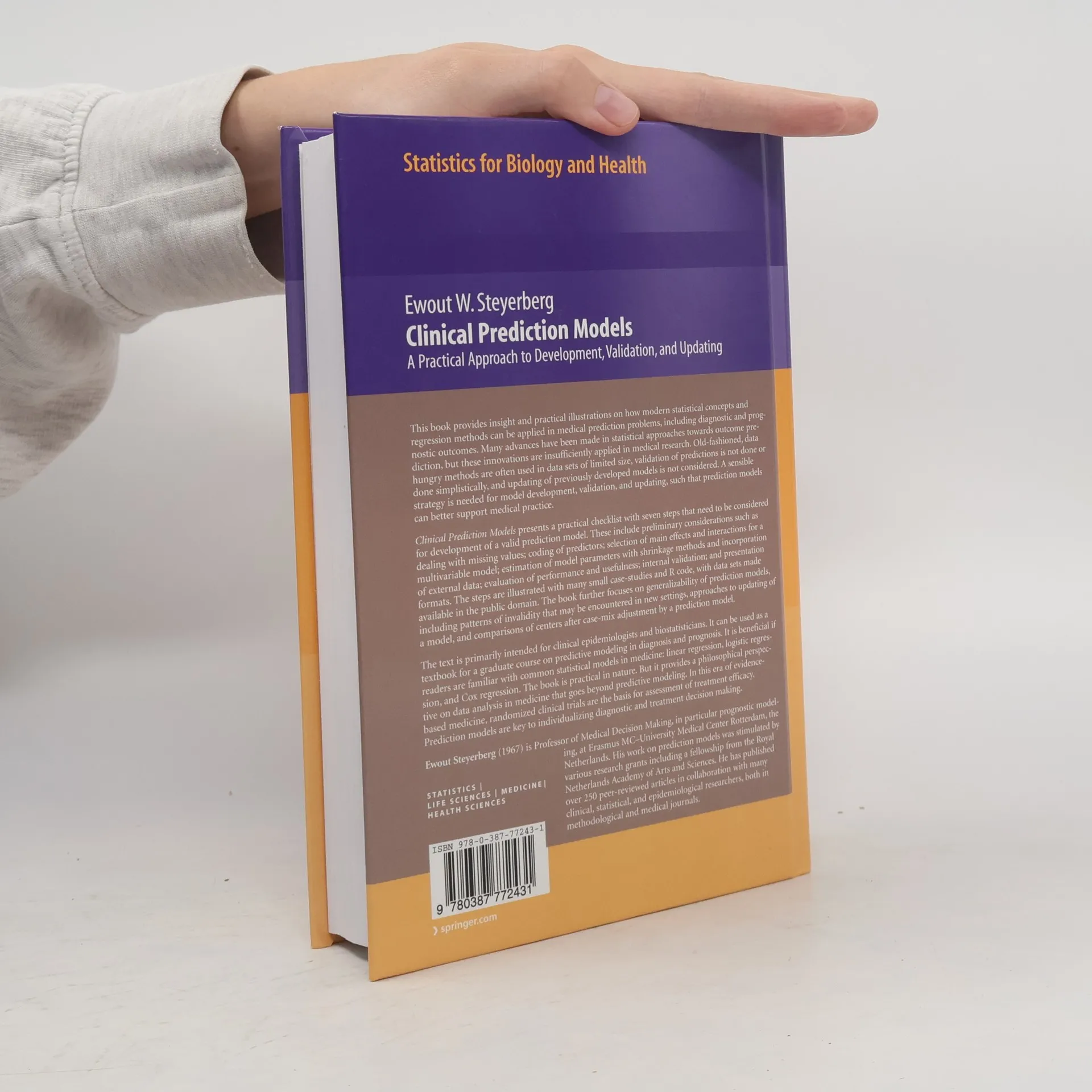
Prediction models are important in various fields, including medicine, physics, meteorology, and finance. Prediction models will become more relevant in the medical field with the increase in knowledge on potential predictors of outcome, e.g. from genetics. Also, the number of applications will increase, e.g. with targeted early detection of disease, and individualized approaches to diagnostic testing and treatment. The current era of evidence-based medicine asks for an individualized approach to medical decision-making. Evidence-based medicine has a central place for meta-analysis to summarize results from randomized controlled trials; similarly prediction models may summarize the effects of predictors to provide individu- ized predictions of a diagnostic or prognostic outcome. Why Read This Book? My motivation for working on this book stems primarily from the fact that the development and applications of prediction models are often suboptimal in medical publications. With this book I hope to contribute to better understanding of relevant issues and give practical advice on better modelling strategies than are nowadays widely used. Issues include: (a) Better predictive modelling is sometimes easily possible; e.g. a large data set with high quality data is available, but all continuous predictors are dich- omized, which is known to have several disadvantages.
Nákup knihy
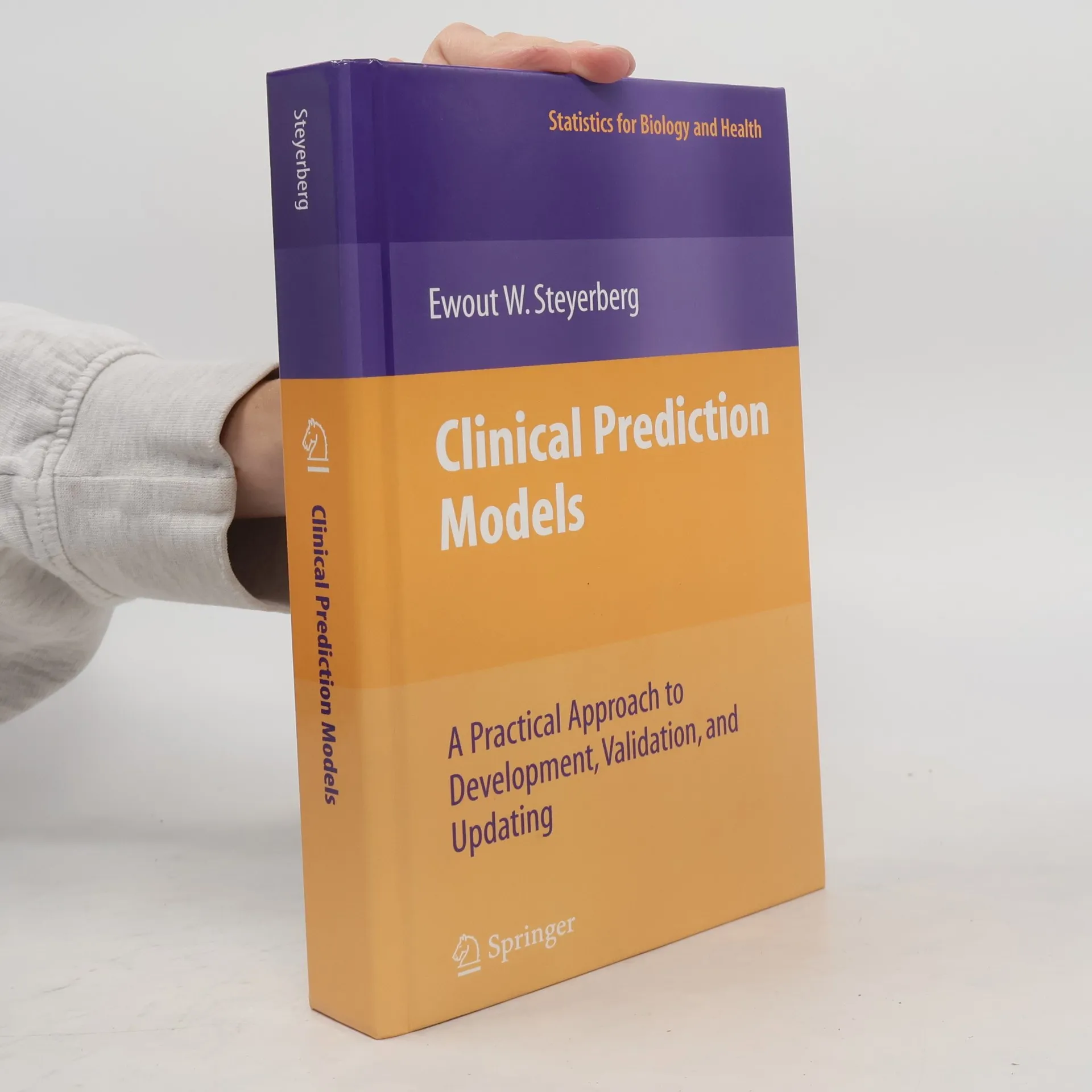
Clinical Prediction Models, Ewout W. Steyerberg
- Jazyk

- Rok vydania
- 2008
- Väzba
- (pevná)
Doručenie
Platobné metódy
Nikto zatiaľ neohodnotil.
- Titul
- Clinical Prediction Models
- Podtitul
- A Practical Approach to Development, Validation, and Updating
- Jazyk
- anglicky
- Autori
- Ewout W. Steyerberg
- Vydavateľ
- Springer
- Rok vydania
- 2008
- Väzba
- pevná
- Počet strán
- 528
- ISBN10
- 038777243X
- ISBN13
- 9780387772431
- Série
- Anotácia
- Prediction models are important in various fields, including medicine, physics, meteorology, and finance. Prediction models will become more relevant in the medical field with the increase in knowledge on potential predictors of outcome, e.g. from genetics. Also, the number of applications will increase, e.g. with targeted early detection of disease, and individualized approaches to diagnostic testing and treatment. The current era of evidence-based medicine asks for an individualized approach to medical decision-making. Evidence-based medicine has a central place for meta-analysis to summarize results from randomized controlled trials; similarly prediction models may summarize the effects of predictors to provide individu- ized predictions of a diagnostic or prognostic outcome. Why Read This Book? My motivation for working on this book stems primarily from the fact that the development and applications of prediction models are often suboptimal in medical publications. With this book I hope to contribute to better understanding of relevant issues and give practical advice on better modelling strategies than are nowadays widely used. Issues include: (a) Better predictive modelling is sometimes easily possible; e.g. a large data set with high quality data is available, but all continuous predictors are dich- omized, which is known to have several disadvantages.