

Parametre
- 304 stránok
- 11 hodin čítania
Viac o knihe
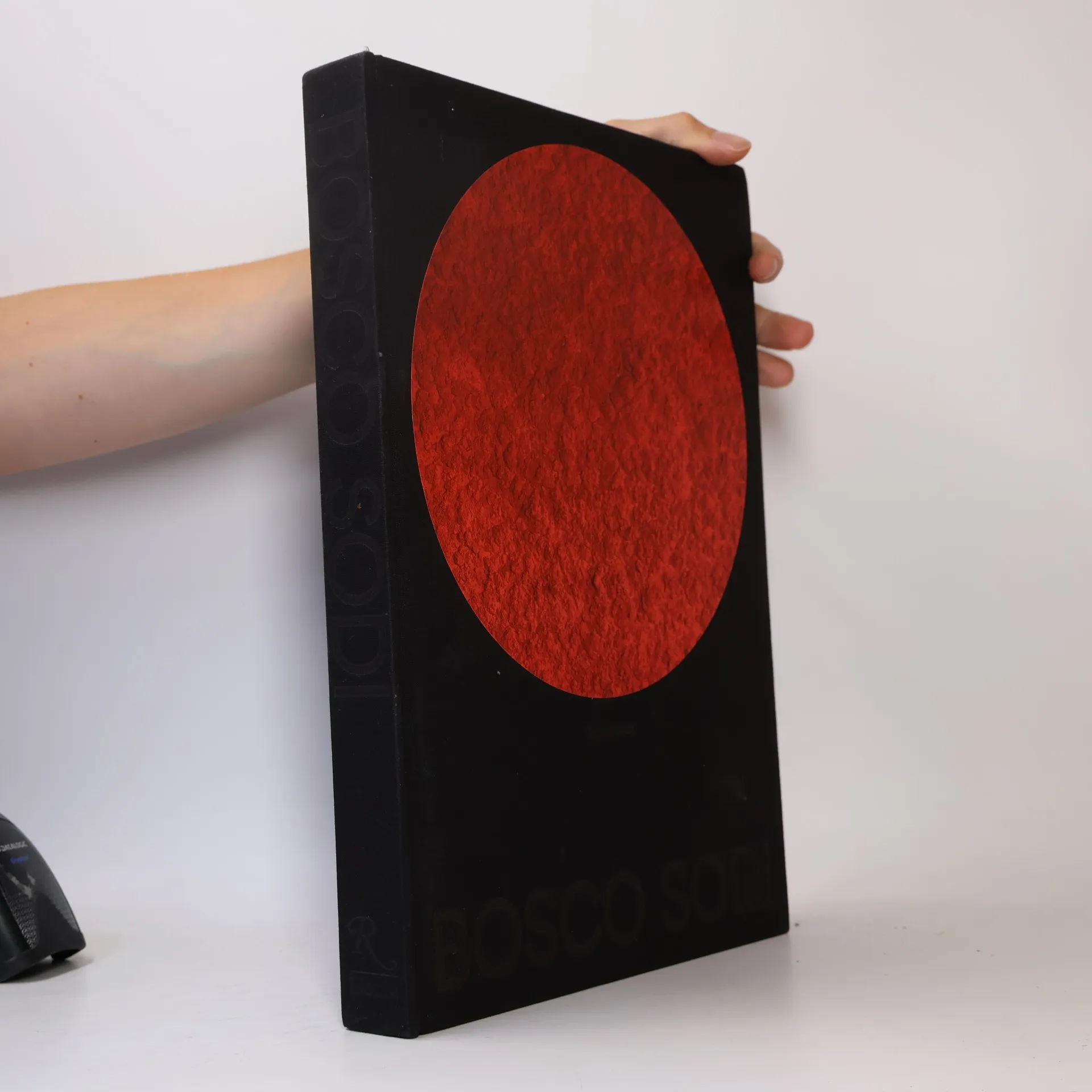
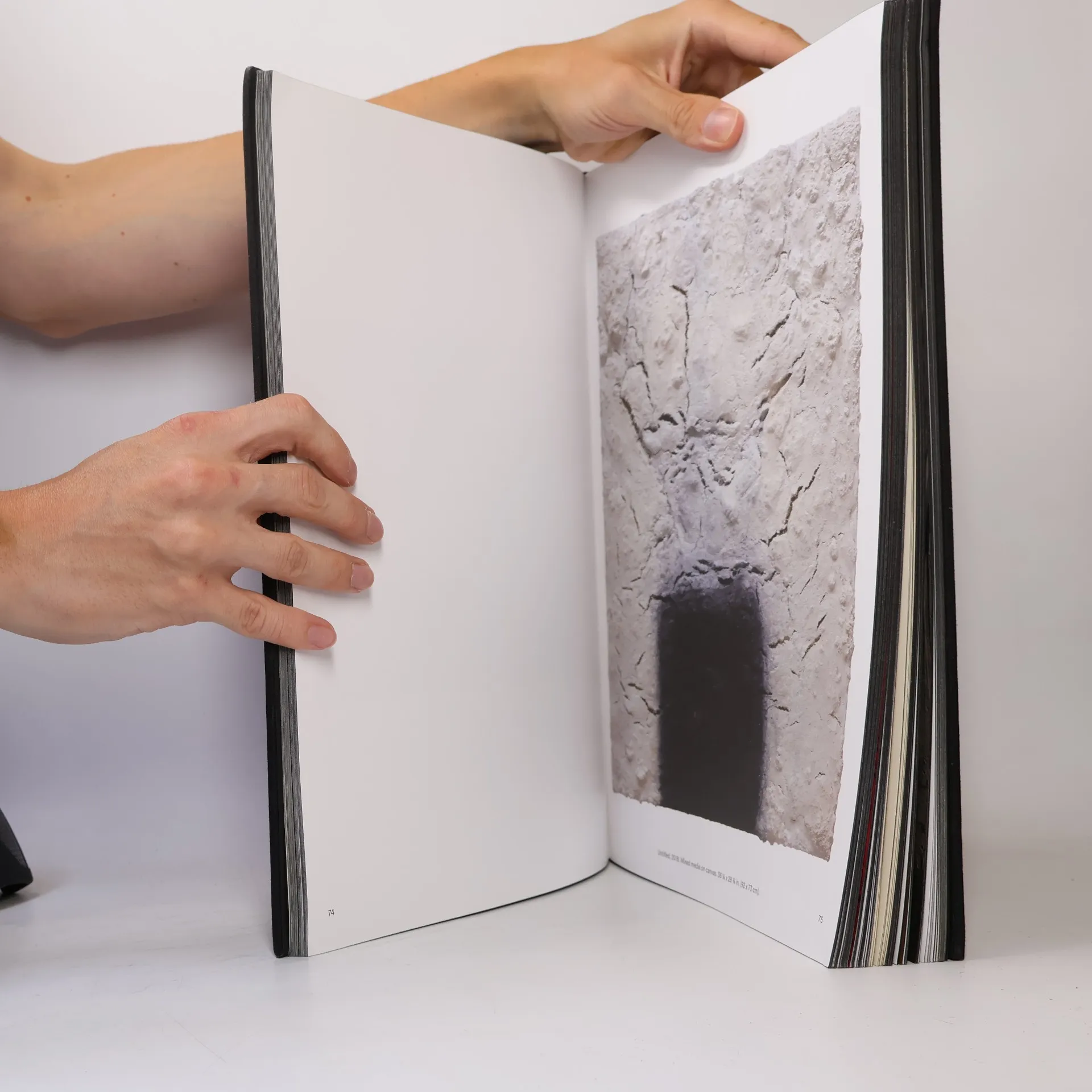
The first comprehensive publication on Mexican-born artist Bosco Sodi, whose paintings and sculptures combine preindustrial minimalist and arte povera traditions with elements of Oaxacan and Japanese culture. Sodi has described his creative process as controlled chaos that makes something completely unrepeatable and unique. In his most celebrated body of work, the artist mixes raw pigment with sawdust, wood, pulp, and natural fibers to create the dense surfaces of monochrome paintings. As the layers of material dry, fissured landscapes form without the guidance or intervention of the artist. Sodi's sculptural process reflects traditions of his Mexican heritage. At his studio, Casa Wabi, in Oaxaca, he uses raw earth clay to create kiln-fired cubes, spheres, and bricks. Stacked into columns as minimalist sculpture or assembled as a field or wall, these projects range in scale from architectural installations to earthworks. Sodi also collects solidified volcanic magma from the Ceboruco volcano to make rock sculptures. These fragments are coated in a ceramic glaze and precious metals, uniting geological processes with art-making techniques. This book reflects Sodi's distinct material processes, with essays detailing his relationship to Oaxacan and wabi-sabi aesthetics, as well as his engagement with artistic traditions ranging from minimalism to arte povera to land art.
Nákup knihy
Bosco Sodi, Juan Manuel Bonet, Dakin Hart, Matthew J. Abrams, Bosco Sodi
- Jazyk

- Rok vydania
- 2020
- Väzba
- (pevná)
Nikto zatiaľ neohodnotil.
- Titul
- Bosco Sodi
- Jazyk
- anglicky
- Vydavateľ
- Rizzoli Electa
- Rok vydania
- 2020
- Väzba
- pevná
- Počet strán
- 304
- ISBN10
- 0847867870
- ISBN13
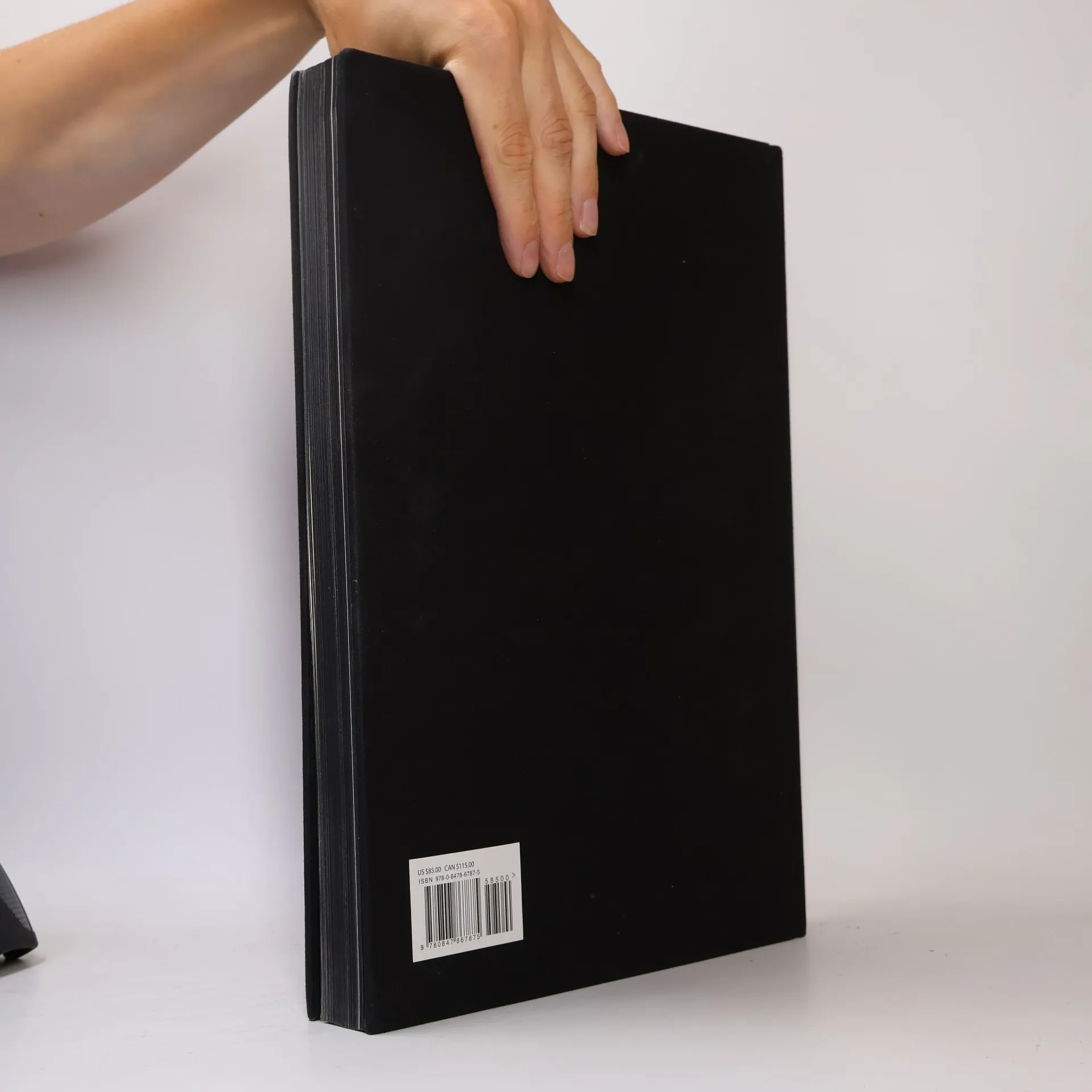
- 9780847867875
- Série
- Kategórie
- Štítky
- Byznys, Psychologická tematika, Príručky a návody, Filozofická tematika, Umenie, Hudobná tematika, Architektúra, Spiritualita, USA, Zdravie, Dejiny umenia, Písanie, Inšpirácia, Kultúra, Tvorivosť, Zamestnanie, Kutilstvo a DIY, Maliarstvo, Umelci, Kreslenie, Sochárstvo, Zen, Estetika, Keramika, Umelecké, Kaligrafia, Minimalizmus, Tao, Olejomaľba
- Anotácia
- The first comprehensive publication on Mexican-born artist Bosco Sodi, whose paintings and sculptures combine preindustrial minimalist and arte povera traditions with elements of Oaxacan and Japanese culture. Sodi has described his creative process as controlled chaos that makes something completely unrepeatable and unique. In his most celebrated body of work, the artist mixes raw pigment with sawdust, wood, pulp, and natural fibers to create the dense surfaces of monochrome paintings. As the layers of material dry, fissured landscapes form without the guidance or intervention of the artist. Sodi's sculptural process reflects traditions of his Mexican heritage. At his studio, Casa Wabi, in Oaxaca, he uses raw earth clay to create kiln-fired cubes, spheres, and bricks. Stacked into columns as minimalist sculpture or assembled as a field or wall, these projects range in scale from architectural installations to earthworks. Sodi also collects solidified volcanic magma from the Ceboruco volcano to make rock sculptures. These fragments are coated in a ceramic glaze and precious metals, uniting geological processes with art-making techniques. This book reflects Sodi's distinct material processes, with essays detailing his relationship to Oaxacan and wabi-sabi aesthetics, as well as his engagement with artistic traditions ranging from minimalism to arte povera to land art.