

Viac o knihe
Lu Ling (1921-94) was a prominent psychological writer in modern China, emphasizing the narrative representation of consciousness and the individual psyche in his works. His mentor, Hu Feng (1902-85), a leftist literary theorist, championed a subjective view of literature, advocating for an active role of the self in creativity. During the 1930s and 1940s, both writers represented a stance in the leftist literary sphere that opposed the political and utilitarian perspectives of Mao Zedong and the Chinese Communist Party (CCP). The tension between these views intensified after the CCP's rise to power, culminating in a media assault in 1955 that led to Hu Feng, Lu Ling, and their associates being arrested. This study focuses on the theoretical and fictional representations of the subject, exploring the complexities of modernity in China. Recent scholarship has portrayed Hu Feng and Lu Ling as heroes of the May Fourth Enlightenment against the oppressive Maoist legacy. However, the author argues that Chinese modernity results from the interaction of personal enlightenment and collective ideology. Their works assert individual empowerment against the CCP’s collectivism while addressing deeper questions about the self and its relation to the world, influenced by Western modernity. Hu Feng sought unity of self and society through a blend of realism and romanticism, while Lu Ling’s characters reflect the struggle between individualis
Nákup knihy
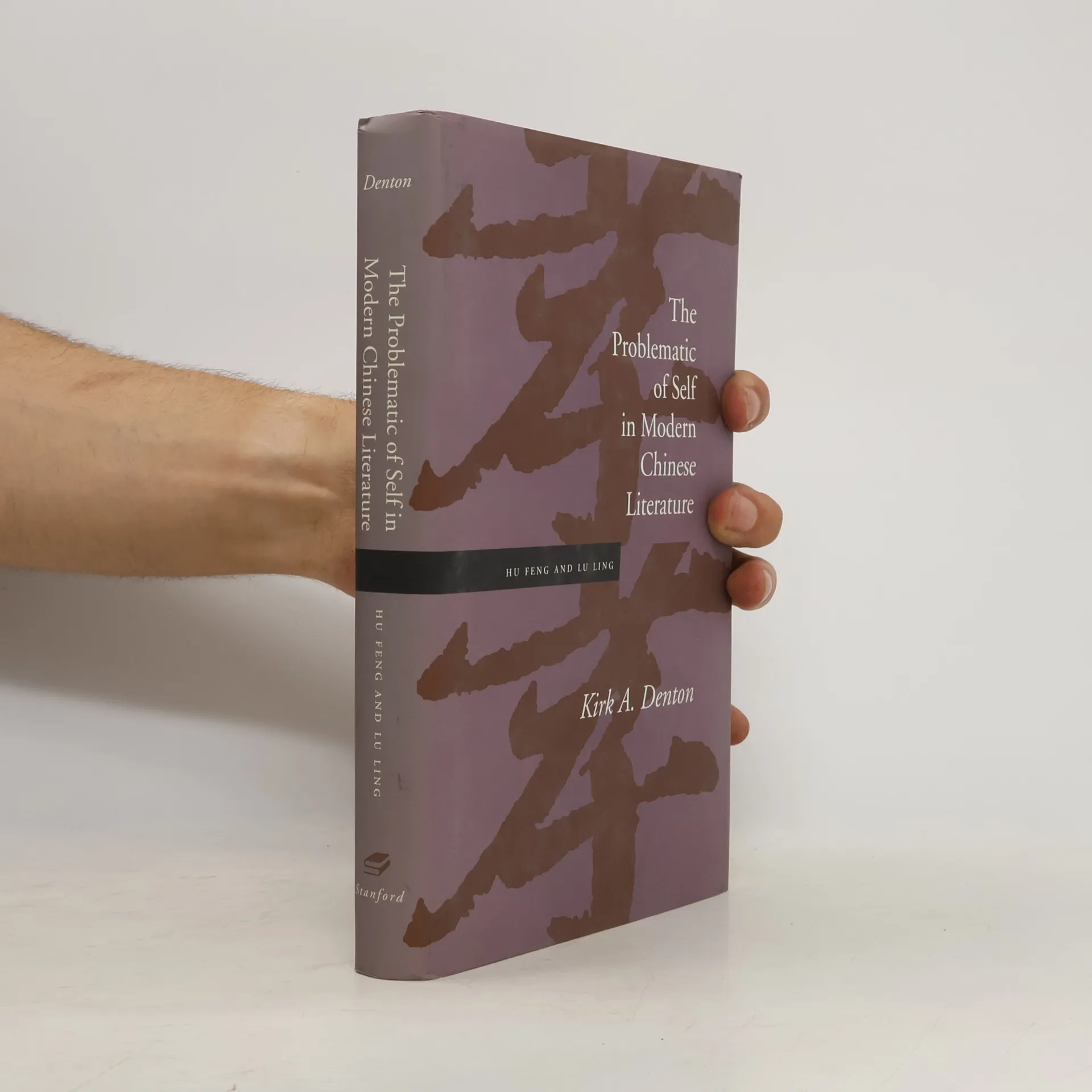
The Problematic of Self in Modern Chinese Literature, Kirk A. Denton, Hu Feng, Dirk Lüling
- Jazyk

- Rok vydania
- 1998
- Väzba
- (pevná)
Doručenie
Platobné metódy
Nikto zatiaľ neohodnotil.
- Titul
- The Problematic of Self in Modern Chinese Literature
- Podtitul
- Hu Feng and Lu Ling
- Jazyk
- anglicky
- Autori
- Kirk A. Denton, Hu Feng, Dirk Lüling
- Vydavateľ
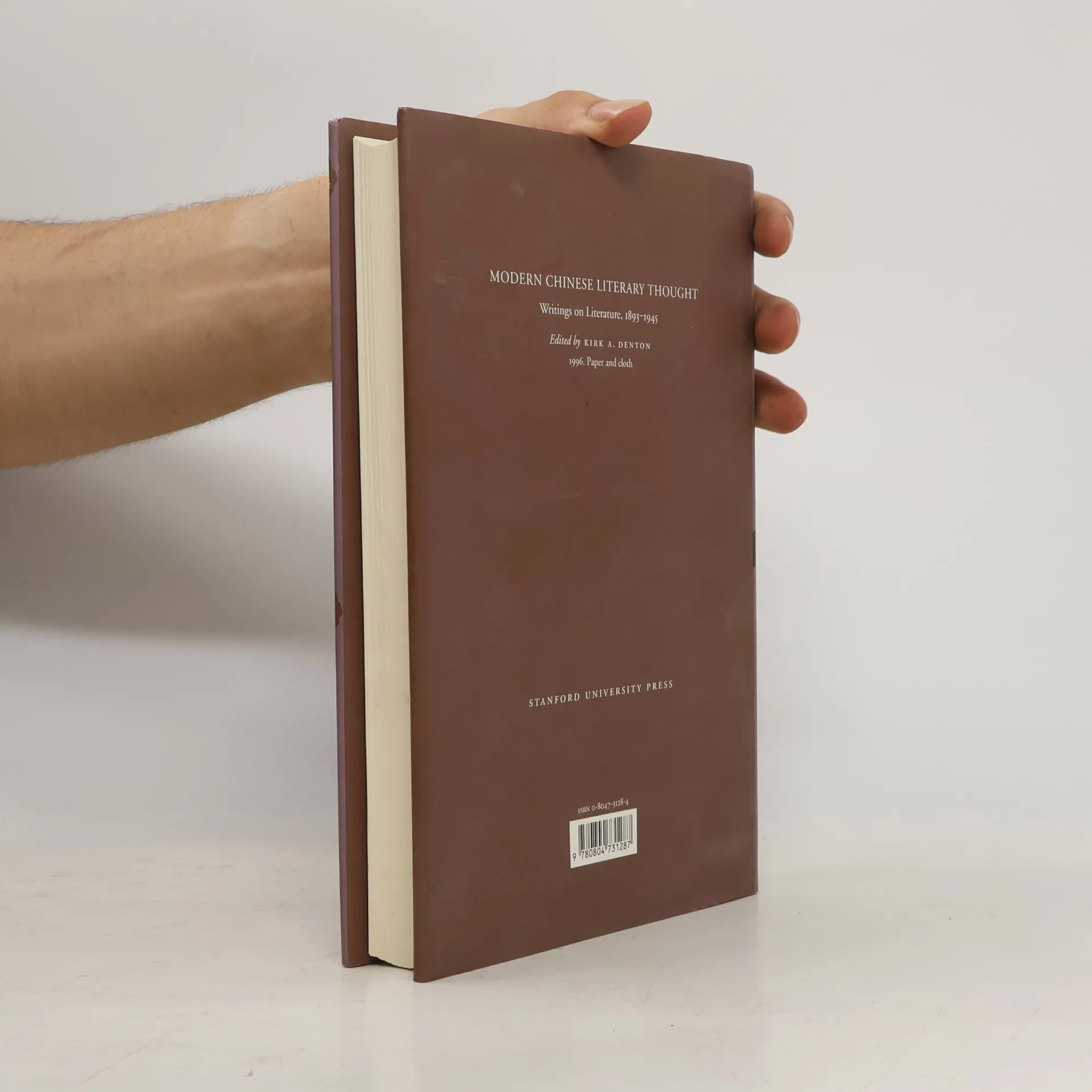
- Stanford University Press
- Rok vydania
- 1998
- Väzba
- pevná
- Počet strán
- 324
- ISBN10
- 0804731284
- ISBN13
- 9780804731287
- Série
- Anotácia
- Lu Ling (1921-94) was a prominent psychological writer in modern China, emphasizing the narrative representation of consciousness and the individual psyche in his works. His mentor, Hu Feng (1902-85), a leftist literary theorist, championed a subjective view of literature, advocating for an active role of the self in creativity. During the 1930s and 1940s, both writers represented a stance in the leftist literary sphere that opposed the political and utilitarian perspectives of Mao Zedong and the Chinese Communist Party (CCP). The tension between these views intensified after the CCP's rise to power, culminating in a media assault in 1955 that led to Hu Feng, Lu Ling, and their associates being arrested. This study focuses on the theoretical and fictional representations of the subject, exploring the complexities of modernity in China. Recent scholarship has portrayed Hu Feng and Lu Ling as heroes of the May Fourth Enlightenment against the oppressive Maoist legacy. However, the author argues that Chinese modernity results from the interaction of personal enlightenment and collective ideology. Their works assert individual empowerment against the CCP’s collectivism while addressing deeper questions about the self and its relation to the world, influenced by Western modernity. Hu Feng sought unity of self and society through a blend of realism and romanticism, while Lu Ling’s characters reflect the struggle between individualis