

Viac o knihe
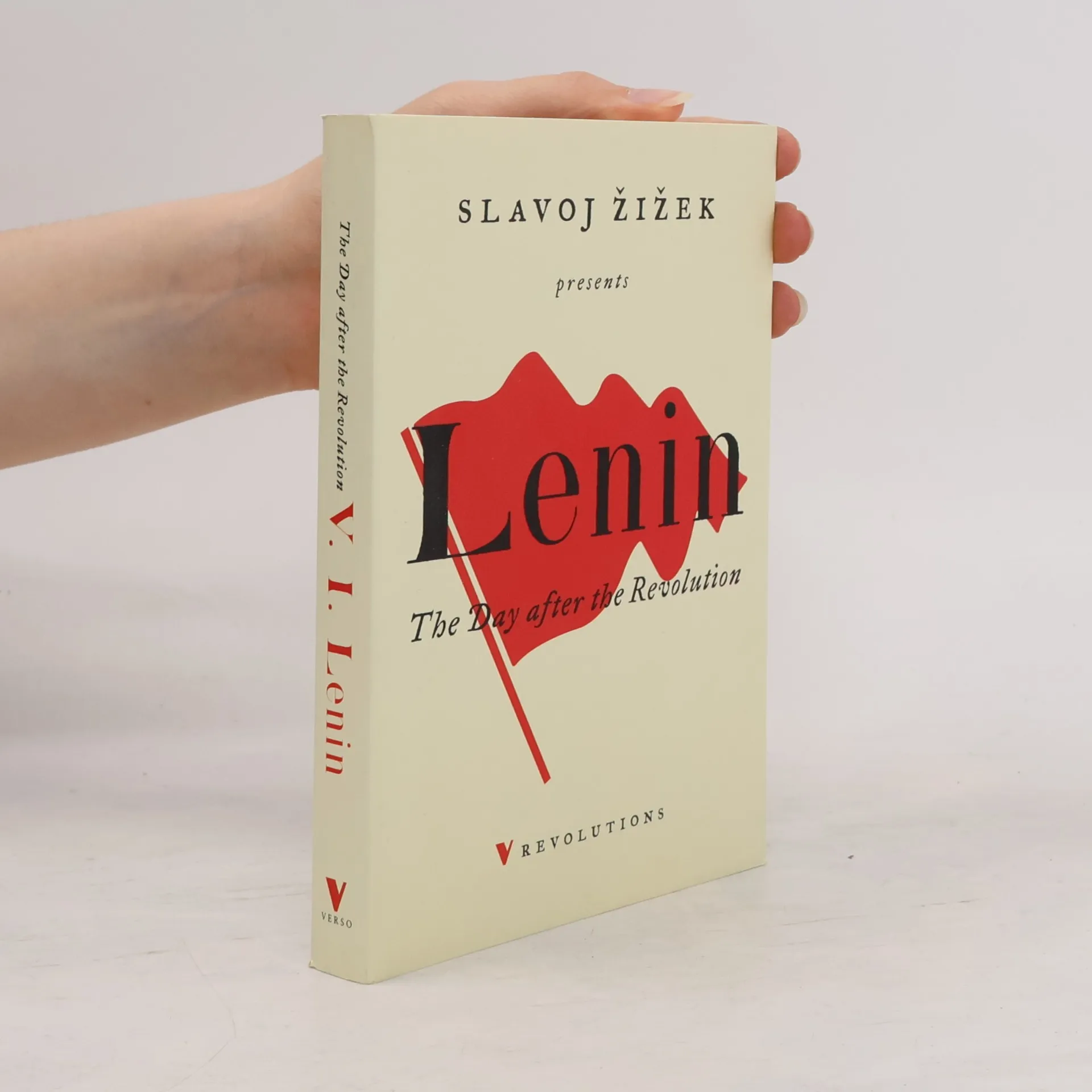
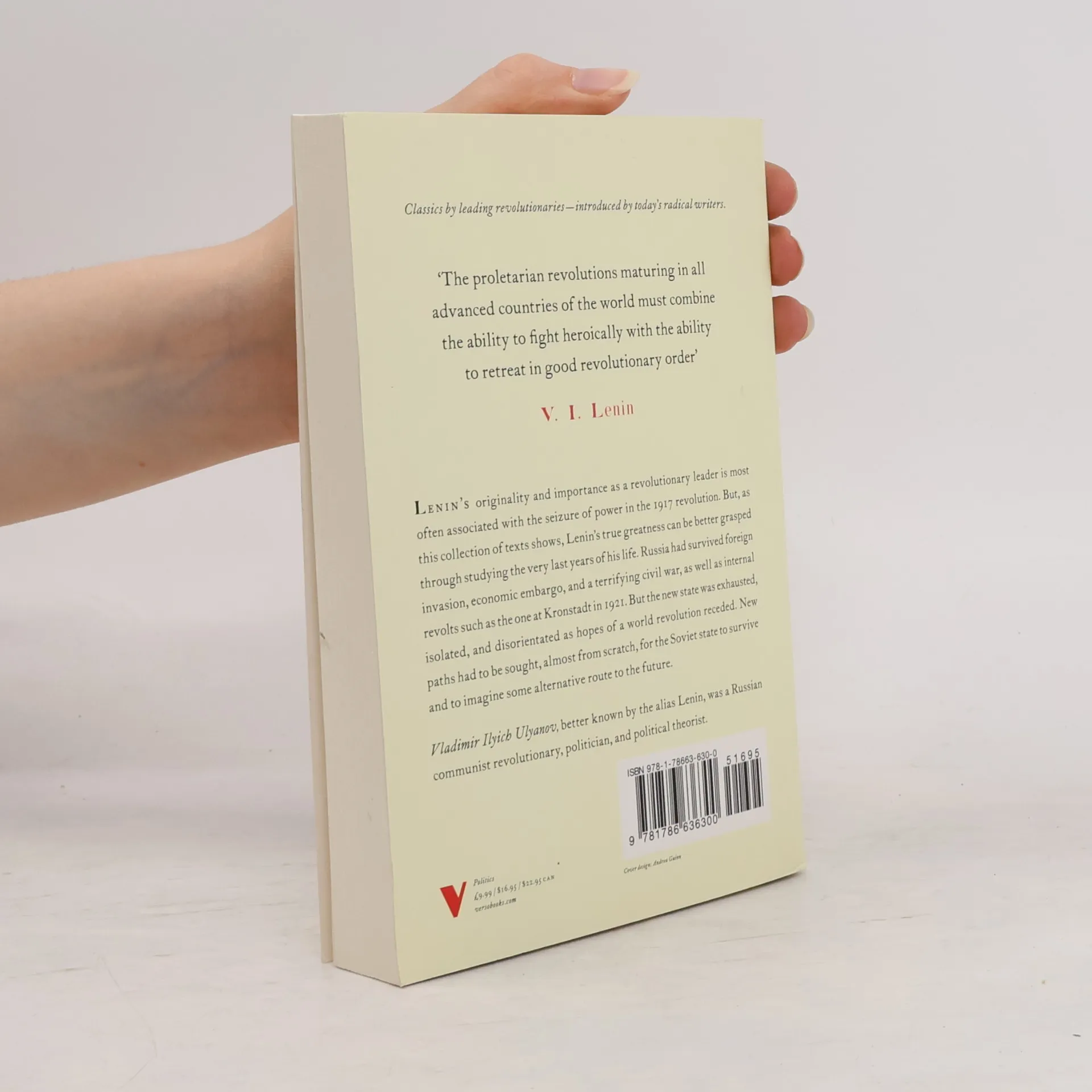
One hundred years after the Russian Revolution, Žižek shows why Lenin’s thought is still important today V. I. Lenin’s originality and importance as a revolutionary leader is most often associated with the seizure of power in 1917. But, in this new study and collection of Lenin’s original texts, Slavoj Žižek argues that his true greatness can be better grasped in the last two years of his political life. Russia had survived foreign invasion, embargo and a terrifying civil war, as well as internal revolts such as the one at Kronstadt in 1921. But the new state was exhausted, isolated and disorientated. As the anticipated world revolution receded into the distance, new paths had to be charted if the Soviet state was to survive. With his characteristic brio and provocative insight, Žižek suggests that Lenin’s courage as a thinker can be found in his willingness to face this reality of retreat unflinchingly. In today’s world, characterized by political turbulence, economic crises and geopolitical tensions, we should revisit Lenin’s combination of sober lucidity and revolutionary determination.
Nákup knihy
Revolutions: The Day After the Revolution, Vladimir Iľjič Lenin, Slavoj Žižek
- Jazyk

- Rok vydania
- 2018
- Väzba
- (mäkká)
Nikto zatiaľ neohodnotil.
- Titul
- Revolutions: The Day After the Revolution
- Jazyk
- anglicky
- Autori
- Vladimir Iľjič Lenin, Slavoj Žižek
- Vydavateľ
- Verso Books
- Rok vydania
- 2018
- Väzba
- mäkká
- Počet strán
- 272
- ISBN10
- 1786636301
- ISBN13
- 9781786636300
- Série
- Kategórie
- Štítky
- Historické téma, Byznys, Filozofická tematika, Politika, USA, Škola, Teológia, Európa, Spoločnosť, Rusko, Dejiny Európy, Politické teórie, Zamestnanie, Komunizmus, Psychoanalýza, Marxizmus, Revolúcia, Socializmus, Studená vojna, Kapitalizmus, Vláda, Geopolitika, Politická filozofia, Svetová politika, Lenin, Ruská revolúcia, Kritická teória, Kapitál
- Anotácia
- One hundred years after the Russian Revolution, Žižek shows why Lenin’s thought is still important today V. I. Lenin’s originality and importance as a revolutionary leader is most often associated with the seizure of power in 1917. But, in this new study and collection of Lenin’s original texts, Slavoj Žižek argues that his true greatness can be better grasped in the last two years of his political life. Russia had survived foreign invasion, embargo and a terrifying civil war, as well as internal revolts such as the one at Kronstadt in 1921. But the new state was exhausted, isolated and disorientated. As the anticipated world revolution receded into the distance, new paths had to be charted if the Soviet state was to survive. With his characteristic brio and provocative insight, Žižek suggests that Lenin’s courage as a thinker can be found in his willingness to face this reality of retreat unflinchingly. In today’s world, characterized by political turbulence, economic crises and geopolitical tensions, we should revisit Lenin’s combination of sober lucidity and revolutionary determination.