

Viac o knihe
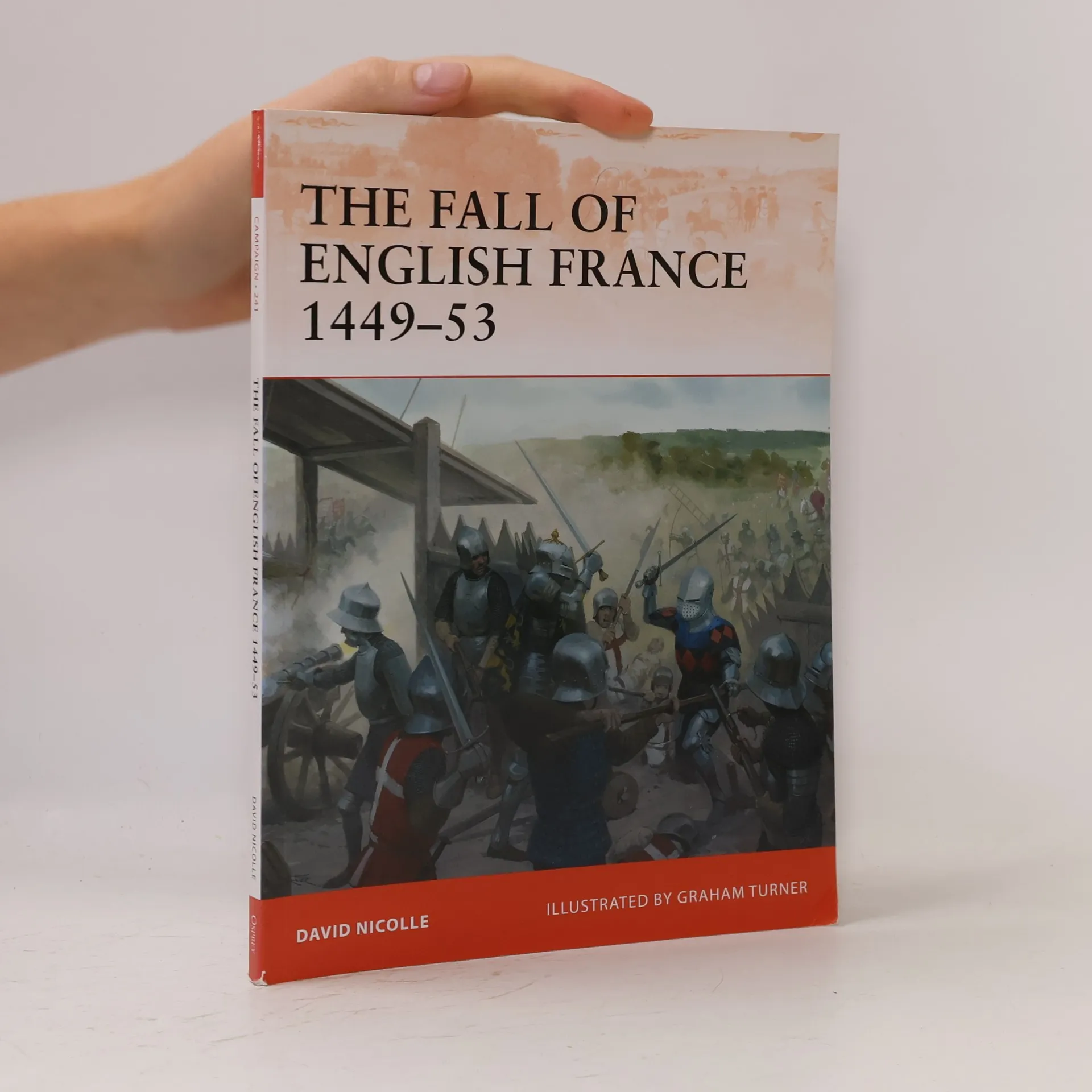
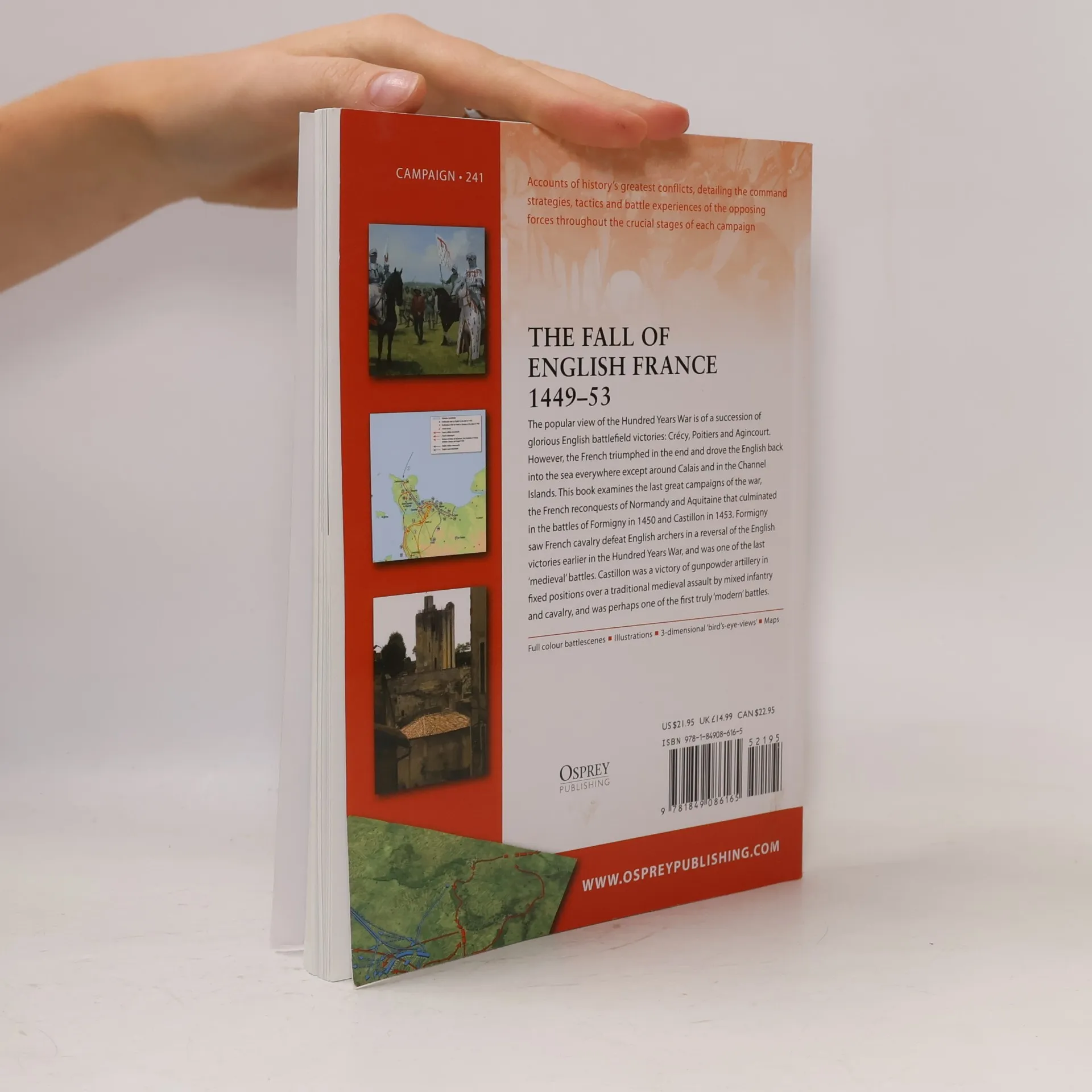
For the overwhelming majority of people outside the French-speaking world the Hundred Years War consisted of a sequence of major English victories, above all Crécy, Poitiers and Agincourt. The only significant victor or 'hero' on the French side was Joan of Arc, and she ended up being burned at the stake. Yet somehow the war ended in a French victory and with England's martial energies being turned against itself in the Wars of the Roses. This book is intended to provide some balance. It will describe the campaign that brought the Hundred Years War to a close, with English possessions being confined to Calais and the Channel Islands. It will also explain how the somewhat unprepossessing and unmartial King Charles VII of France succeeded where his predecessors had failed. The campaign consisted of more than battles, of course, but it was marked by two major victories - at Formigny in 1450 and at Castillon in 1453. Formigny is of special interest because it saw French cavalry defeat English archers, in effect a reversal of Crécy, Poitiers and Agincourt, and could be interpreted as one of the last 'medieval' battles. Castillon is of interest because it was a victory of gunpowder artillery in fixed positions over a traditional medieval assault by mixed infantry and cavalry, and thus could be interpreted as one of the first 'modern' battles.
Nákup knihy
Campaign - 241: The Fall of English France 1449-53, David Nicolle, Graham Turner
- Jazyk

- Rok vydania
- 2012
- Väzba
- (mäkká)
Nikto zatiaľ neohodnotil.
- Titul
- Campaign - 241: The Fall of English France 1449-53
- Jazyk
- anglicky
- Autori
- David Nicolle, Graham Turner
- Vydavateľ
- Bloomsbury Publishing PLC
- Rok vydania
- 2012
- Väzba
- mäkká
- Počet strán
- 96
- ISBN10
- 1849086168
- ISBN13
- 9781849086165
- Série
- Štítky
- Historické téma, Stredovek
- Anotácia
- For the overwhelming majority of people outside the French-speaking world the Hundred Years War consisted of a sequence of major English victories, above all Crécy, Poitiers and Agincourt. The only significant victor or 'hero' on the French side was Joan of Arc, and she ended up being burned at the stake. Yet somehow the war ended in a French victory and with England's martial energies being turned against itself in the Wars of the Roses. This book is intended to provide some balance. It will describe the campaign that brought the Hundred Years War to a close, with English possessions being confined to Calais and the Channel Islands. It will also explain how the somewhat unprepossessing and unmartial King Charles VII of France succeeded where his predecessors had failed. The campaign consisted of more than battles, of course, but it was marked by two major victories - at Formigny in 1450 and at Castillon in 1453. Formigny is of special interest because it saw French cavalry defeat English archers, in effect a reversal of Crécy, Poitiers and Agincourt, and could be interpreted as one of the last 'medieval' battles. Castillon is of interest because it was a victory of gunpowder artillery in fixed positions over a traditional medieval assault by mixed infantry and cavalry, and thus could be interpreted as one of the first 'modern' battles.