

Viac o knihe
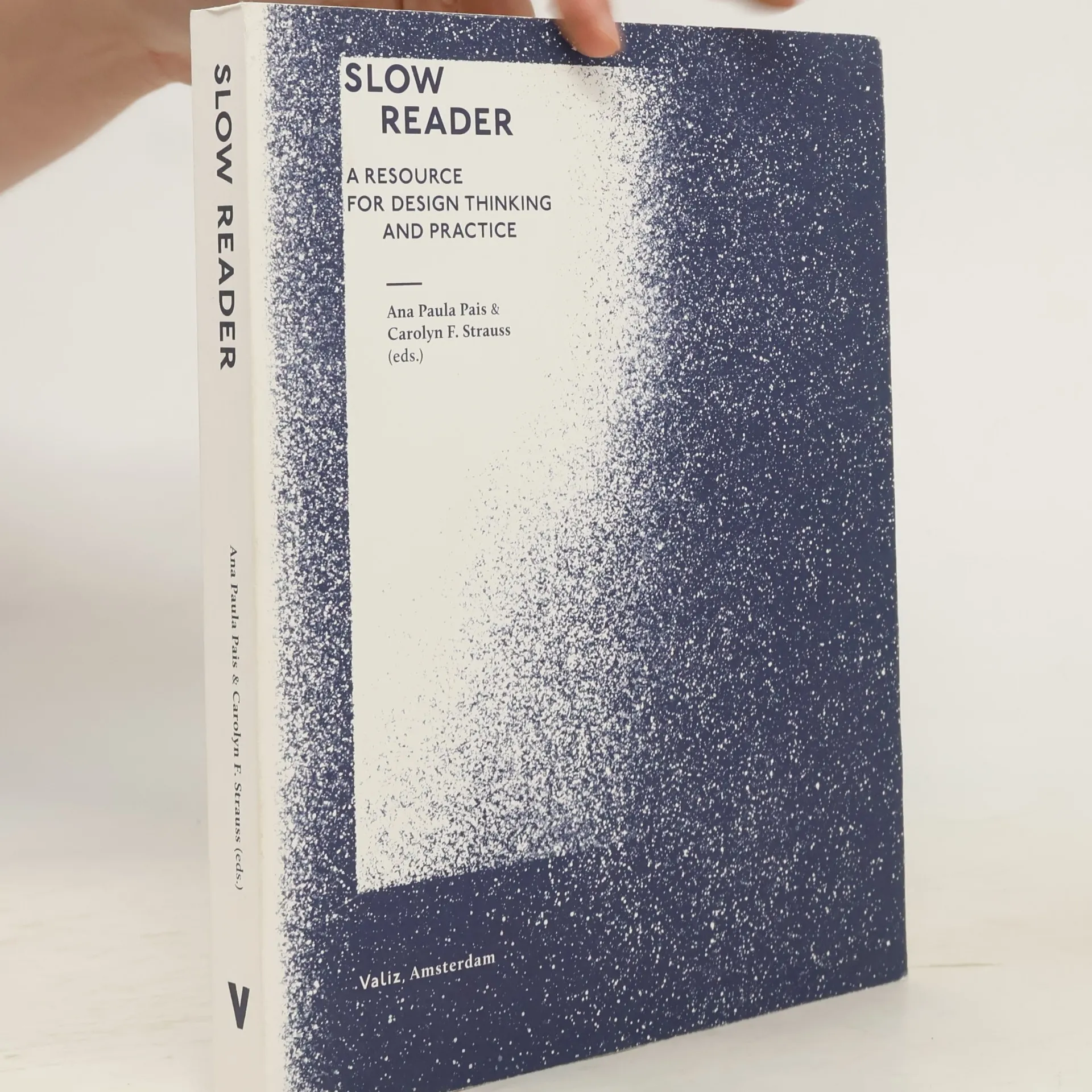
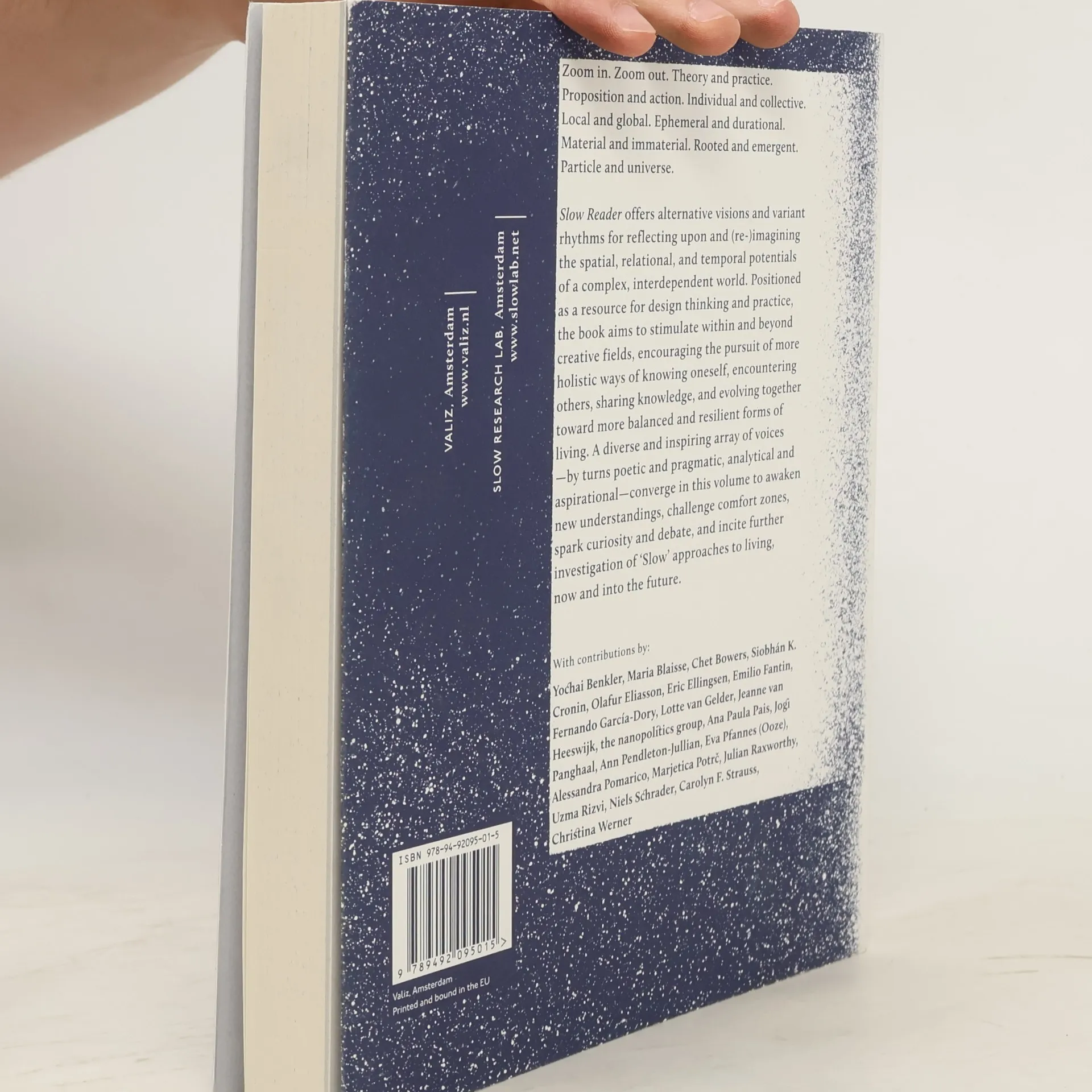
Slow Reader collects theoretical reflections and practical perspectives from writers, designers, architects, artists and environmental activists that aspire toward a holistic vision of human activity. Contributors include Yochai Benkler, Maria Blaisse, Chet Bowers, Olafur Eliasson, Eric Ellingsen, Emilio Fantin, Fernando Garcia-Dory, Lotte van Gelder, Jeanne van Heeswijk, the nanopolitics group, Jogi Panghaal, Eva Pfannes (Ooze Architects), Ann Pendleton-Jullian, Alessandra Pomarico, Marjetica Potr´c, Julian Raxworthy, Uzma Rizvi, Niels Schrader and Christina Werner.Positioned as a “resource for design thinking and practice,” this book challenges the paths through which contemporary designers conventionally operate and the values of speed and efficiency that dominate discourse. Slow Reader is intended to inspire readers well beyond the design field, serving as a vehicle for reflection, imagination and further investigation of “slower” approaches to living.
Nákup knihy
Slow Reader, Carolyn Strauss
- Jazyk

- Rok vydania
- 2016
- Väzba
- (mäkká)
Nikto zatiaľ neohodnotil.
- Titul
- Slow Reader
- Podtitul
- A Resource for Design Thinking and Practice
- Jazyk
- anglicky
- Autori
- Carolyn Strauss
- Vydavateľ
- VALIZ
- Rok vydania
- 2016
- Väzba
- mäkká
- Počet strán
- 255
- ISBN10
- 9492095017
- ISBN13
- 9789492095015
- Série
- Štítky
- Umenie, Zbierka spisov, Teória umenia
- Anotácia
- Slow Reader collects theoretical reflections and practical perspectives from writers, designers, architects, artists and environmental activists that aspire toward a holistic vision of human activity. Contributors include Yochai Benkler, Maria Blaisse, Chet Bowers, Olafur Eliasson, Eric Ellingsen, Emilio Fantin, Fernando Garcia-Dory, Lotte van Gelder, Jeanne van Heeswijk, the nanopolitics group, Jogi Panghaal, Eva Pfannes (Ooze Architects), Ann Pendleton-Jullian, Alessandra Pomarico, Marjetica Potr´c, Julian Raxworthy, Uzma Rizvi, Niels Schrader and Christina Werner.Positioned as a “resource for design thinking and practice,” this book challenges the paths through which contemporary designers conventionally operate and the values of speed and efficiency that dominate discourse. Slow Reader is intended to inspire readers well beyond the design field, serving as a vehicle for reflection, imagination and further investigation of “slower” approaches to living.