

Viac o knihe
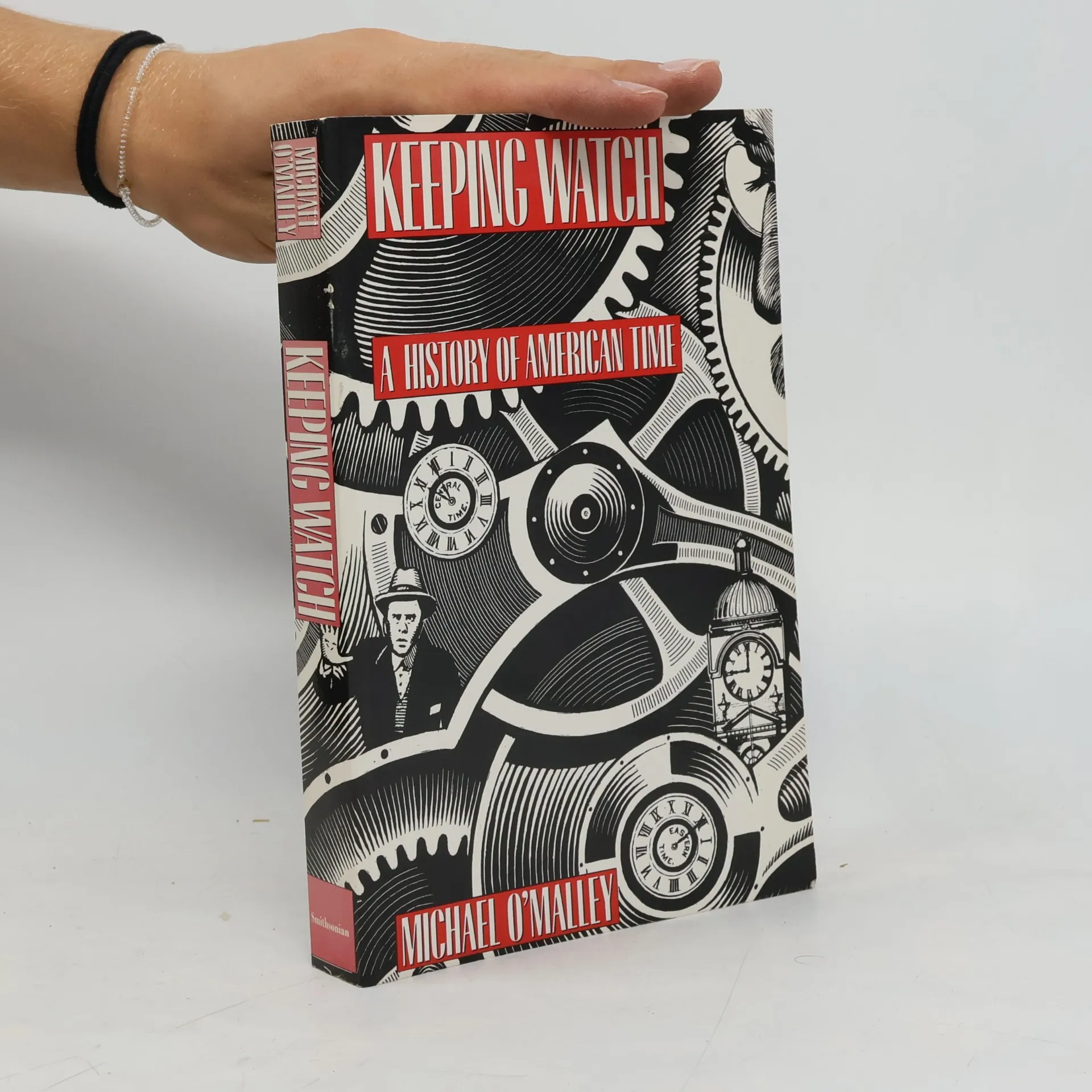
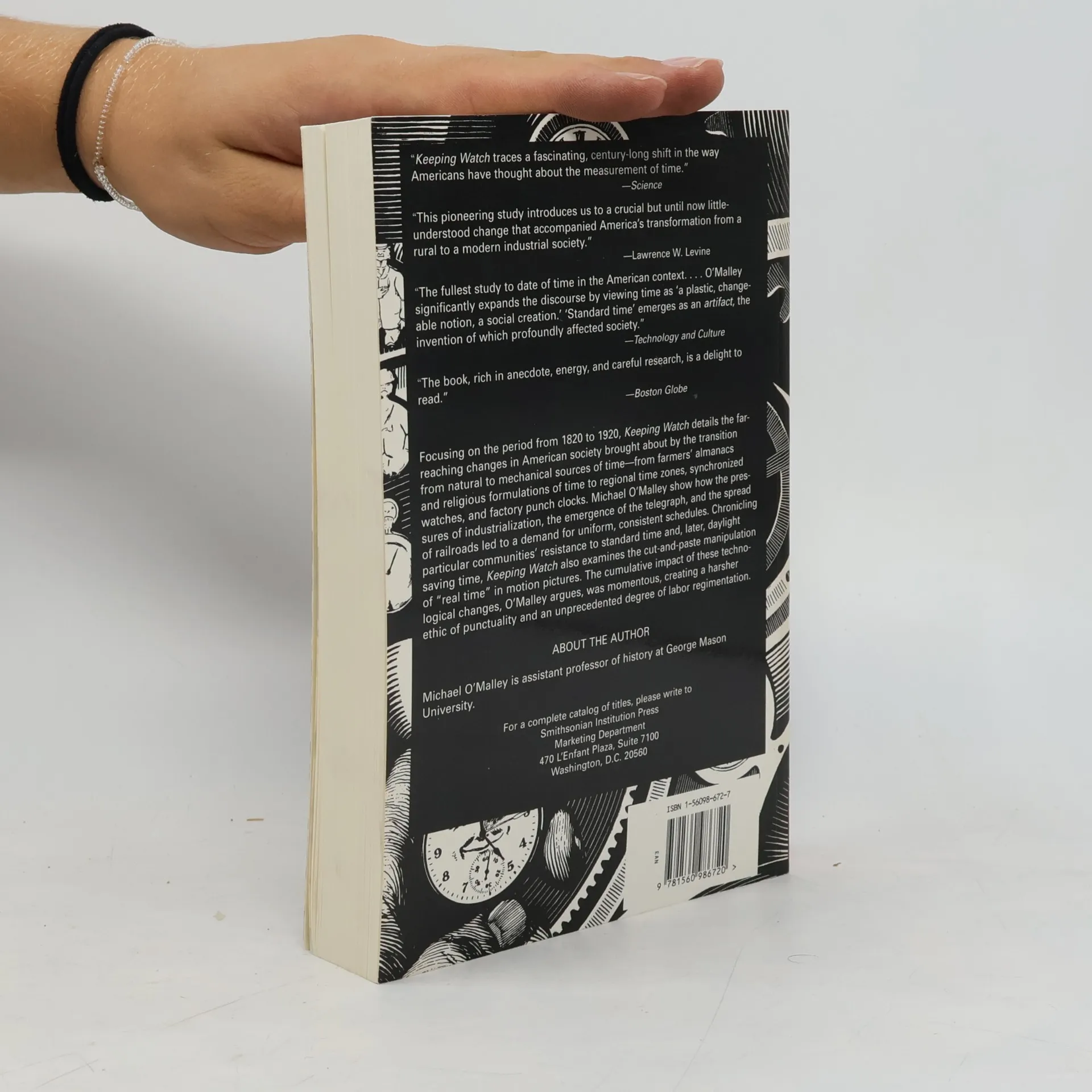
Focusing on the period from 1820 to 1920, Keeping Watch details the far-reaching changes in American society brought about by the transition from natural to mechanical sources of time - from farmers' almanacs and religious formulations of time to regional time zones, synchronized watches, and factory punch clocks. Michael O'Malley shows how the pressures of industrialization, the emergence of the telegraph, and the spread of railroads led to a demand for uniform, consistent schedules. Chronicling particular communities' resistance to standard time and, later, daylight saving time, Keeping Watch also examines the cut-and-paste manipulation of "real time" in motion pictures. The cumulative impact of these technological changes, O'Malley argues, was momentous, creating a harsher ethic of punctuality and an unprecedented degree of labor regimentation.
Nákup knihy
Keeping Watch - A History of American Time, Michael O'Malley
- Jazyk

- Rok vydania
- 1996
- Väzba
- (mäkká),
- Stav knihy
- Dobrá
- Cena
- 6,89 €
Nikto zatiaľ neohodnotil.
- Titul
- Keeping Watch - A History of American Time
- Podtitul
- a history of American time
- Jazyk
- anglicky
- Autori
- Michael O'Malley
- Vydavateľ
- Smithsonian Institution Press
- Rok vydania
- 1996
- Väzba
- mäkká
- Počet strán
- 384
- ISBN10
- 1560986727
- ISBN13
- 9781560986720
- Série
- Kategórie
- Štítky
- Historické téma, USA, Kultúra a spoločnosť, Čas, Severná Amerika
- Anotácia
- Focusing on the period from 1820 to 1920, Keeping Watch details the far-reaching changes in American society brought about by the transition from natural to mechanical sources of time - from farmers' almanacs and religious formulations of time to regional time zones, synchronized watches, and factory punch clocks. Michael O'Malley shows how the pressures of industrialization, the emergence of the telegraph, and the spread of railroads led to a demand for uniform, consistent schedules. Chronicling particular communities' resistance to standard time and, later, daylight saving time, Keeping Watch also examines the cut-and-paste manipulation of "real time" in motion pictures. The cumulative impact of these technological changes, O'Malley argues, was momentous, creating a harsher ethic of punctuality and an unprecedented degree of labor regimentation.