

Parametre
- 416 stránok
- 15 hodin čítania
Viac o knihe
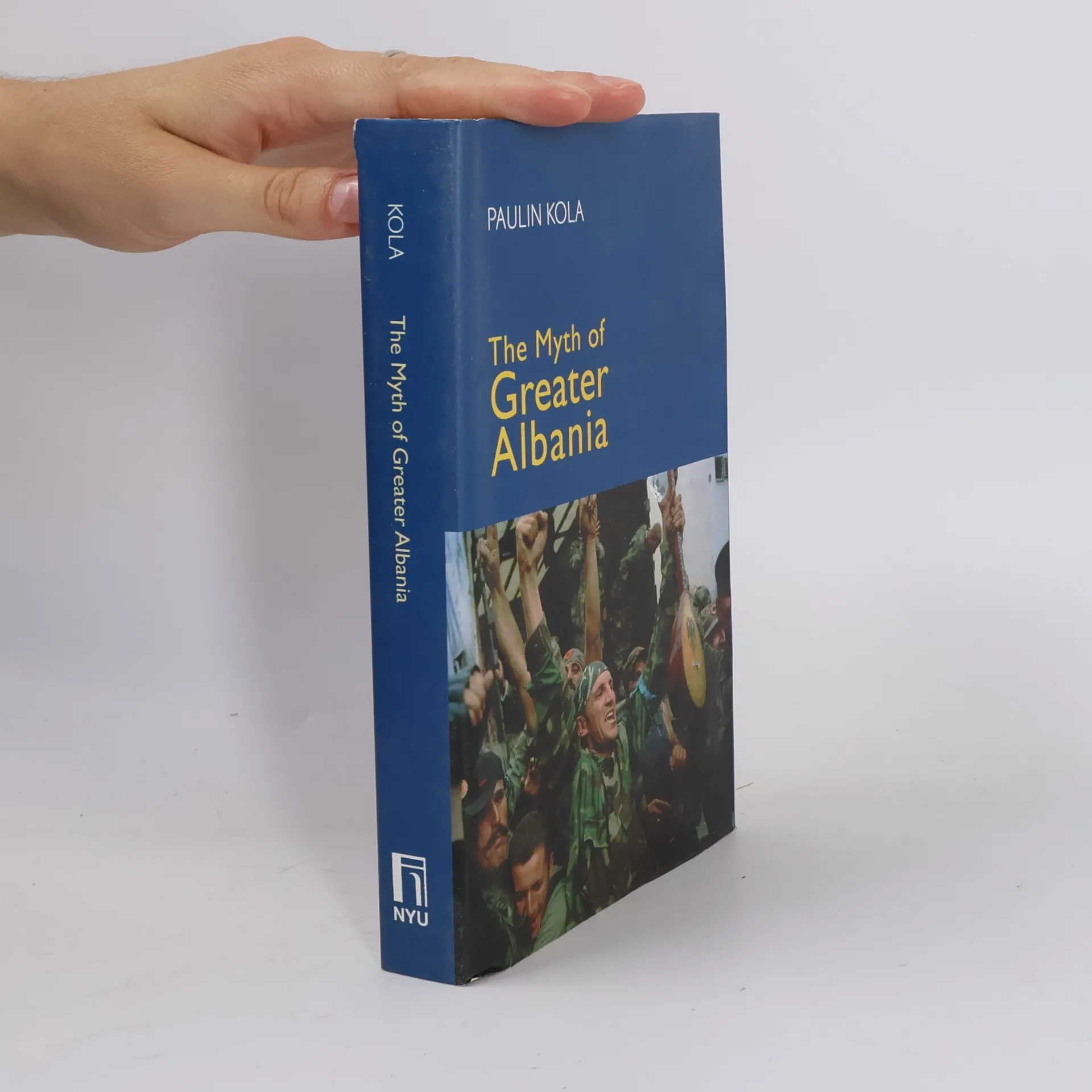
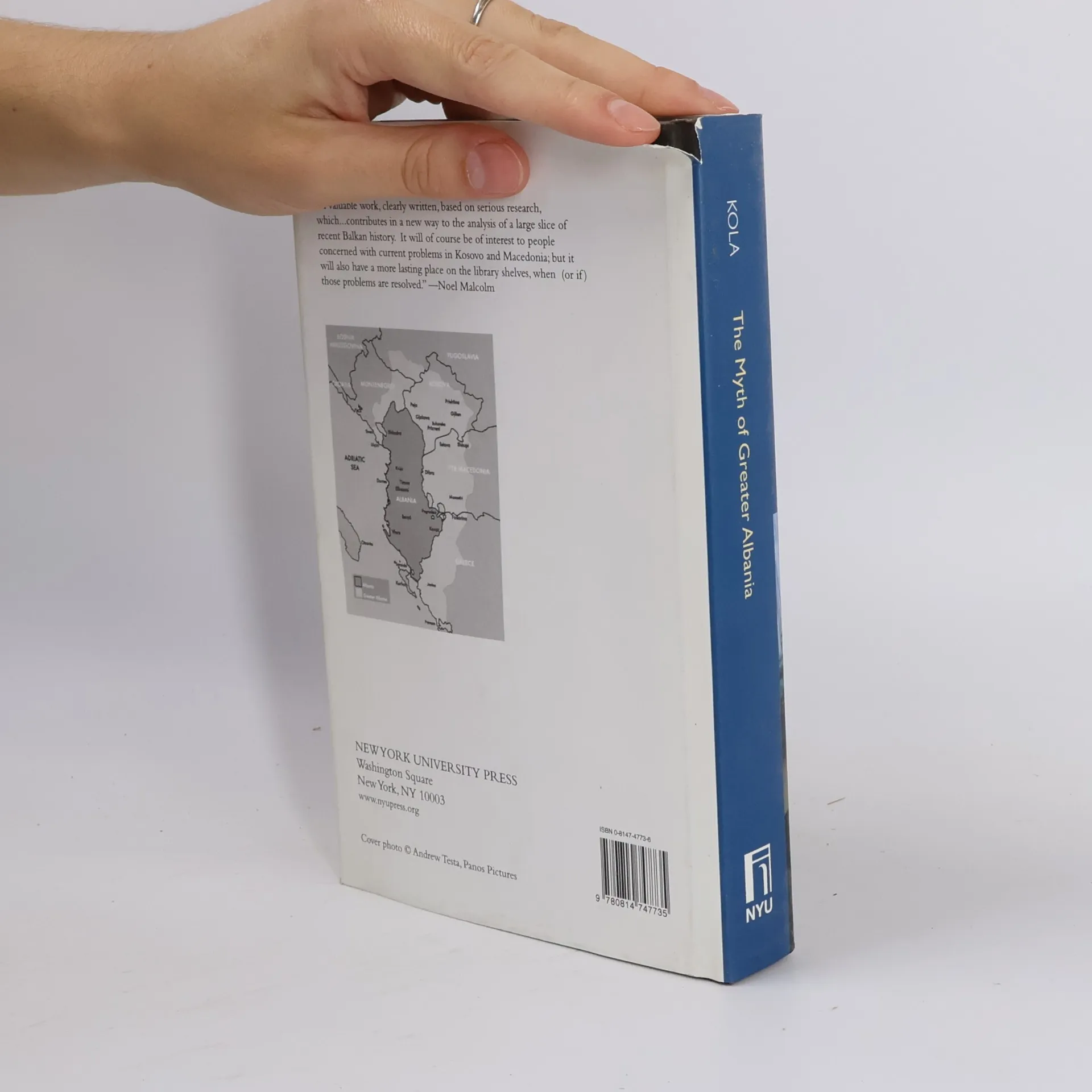
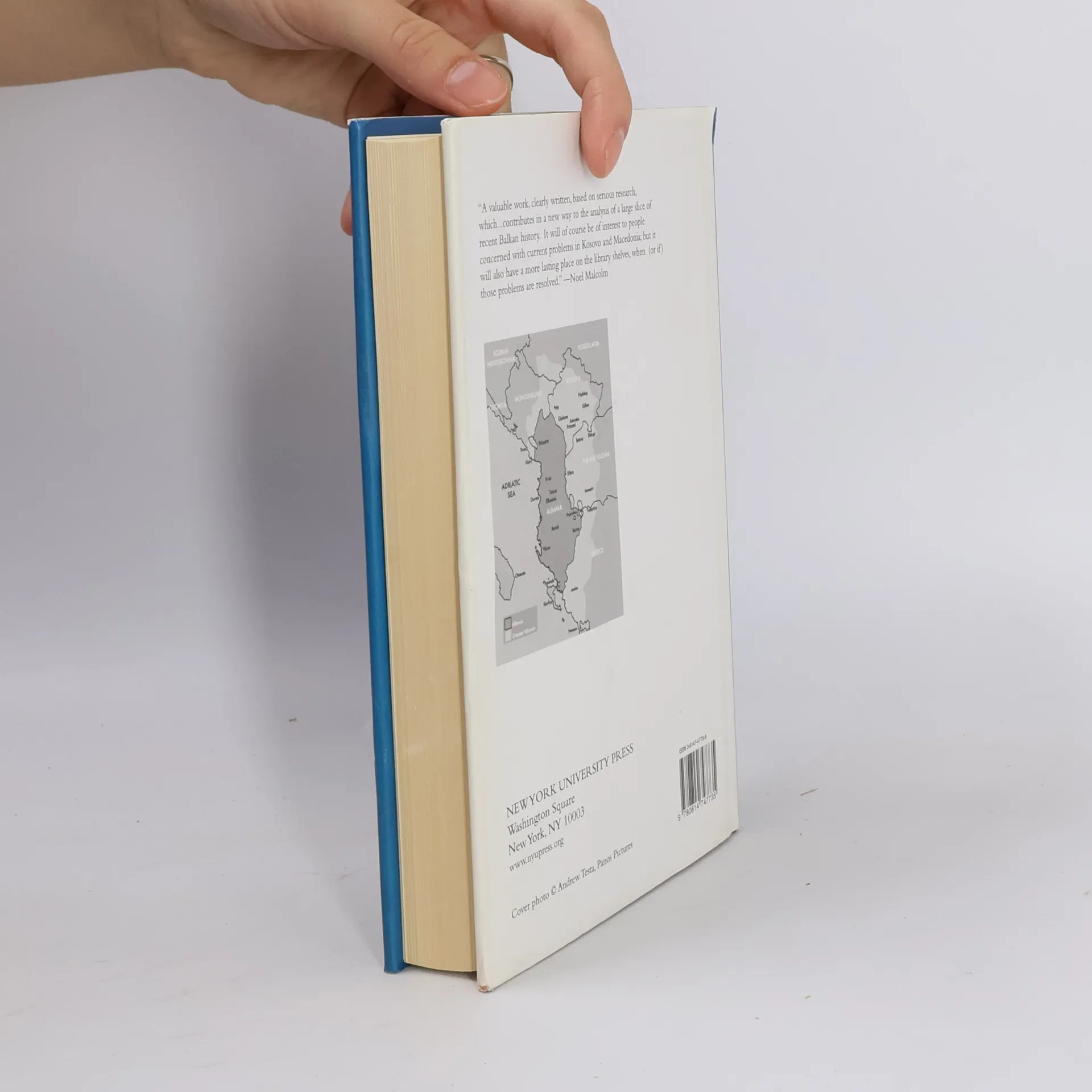
When Kosovar Albanians came to Albania after the fall of Communism, they were surprised to find an impoverished motherland whose people were consumed with questions of basic survival. Albania's citizens, for their part, were dumbstruck by the relatively opulent lifestyles of the Kosovars. Yet despite their profound differences, the myth of a "Greater Albania" persists.In this timely book, Paulin Kola challenges this myth, arguing that there is not widespread support for a "Greater Albania" among the Albanian-speaking peoples. He shows that Albanians do not wish to join a single, politically recognized entity and demonstrates how the Albanians are marked by ideological, religious, and other divisions.While a "Greater Kosovo" remains a remote possibility, there is little chance of the Albanians of either Albania or the diaspora supporting moves to dissolve the present international borders in pursuit of an "Albanian homeland." Albanians appear content to retain their discrete political entities, while traveling and trading freely. Accessible and urgent, this book effectively puts to rest the cherished myths of Albanian nationalism.
Nákup knihy
The Myth of Greater Albania, Paulin Kola
- Jazyk

- Rok vydania
- 2003
- Väzba
- (pevná),
- Stav knihy
- Poškodená
- Cena
- 34,88 €
Nikto zatiaľ neohodnotil.
- Titul
- The Myth of Greater Albania
- Jazyk
- anglicky
- Autori
- Paulin Kola
- Vydavateľ
- New York University Press
- Rok vydania
- 2003
- Väzba
- pevná
- Počet strán
- 416
- ISBN10
- 0814747736
- ISBN13
- 9780814747735
- Série
- Kategórie
- Štítky
- Politika, USA, 20. storočie, Európa, Odborná literatúra, Lokálna dejiny, Východná Európa, Nacionalizmus, Albánsko
- Anotácia
- When Kosovar Albanians came to Albania after the fall of Communism, they were surprised to find an impoverished motherland whose people were consumed with questions of basic survival. Albania's citizens, for their part, were dumbstruck by the relatively opulent lifestyles of the Kosovars. Yet despite their profound differences, the myth of a "Greater Albania" persists.In this timely book, Paulin Kola challenges this myth, arguing that there is not widespread support for a "Greater Albania" among the Albanian-speaking peoples. He shows that Albanians do not wish to join a single, politically recognized entity and demonstrates how the Albanians are marked by ideological, religious, and other divisions.While a "Greater Kosovo" remains a remote possibility, there is little chance of the Albanians of either Albania or the diaspora supporting moves to dissolve the present international borders in pursuit of an "Albanian homeland." Albanians appear content to retain their discrete political entities, while traveling and trading freely. Accessible and urgent, this book effectively puts to rest the cherished myths of Albanian nationalism.