




Viac o knihe
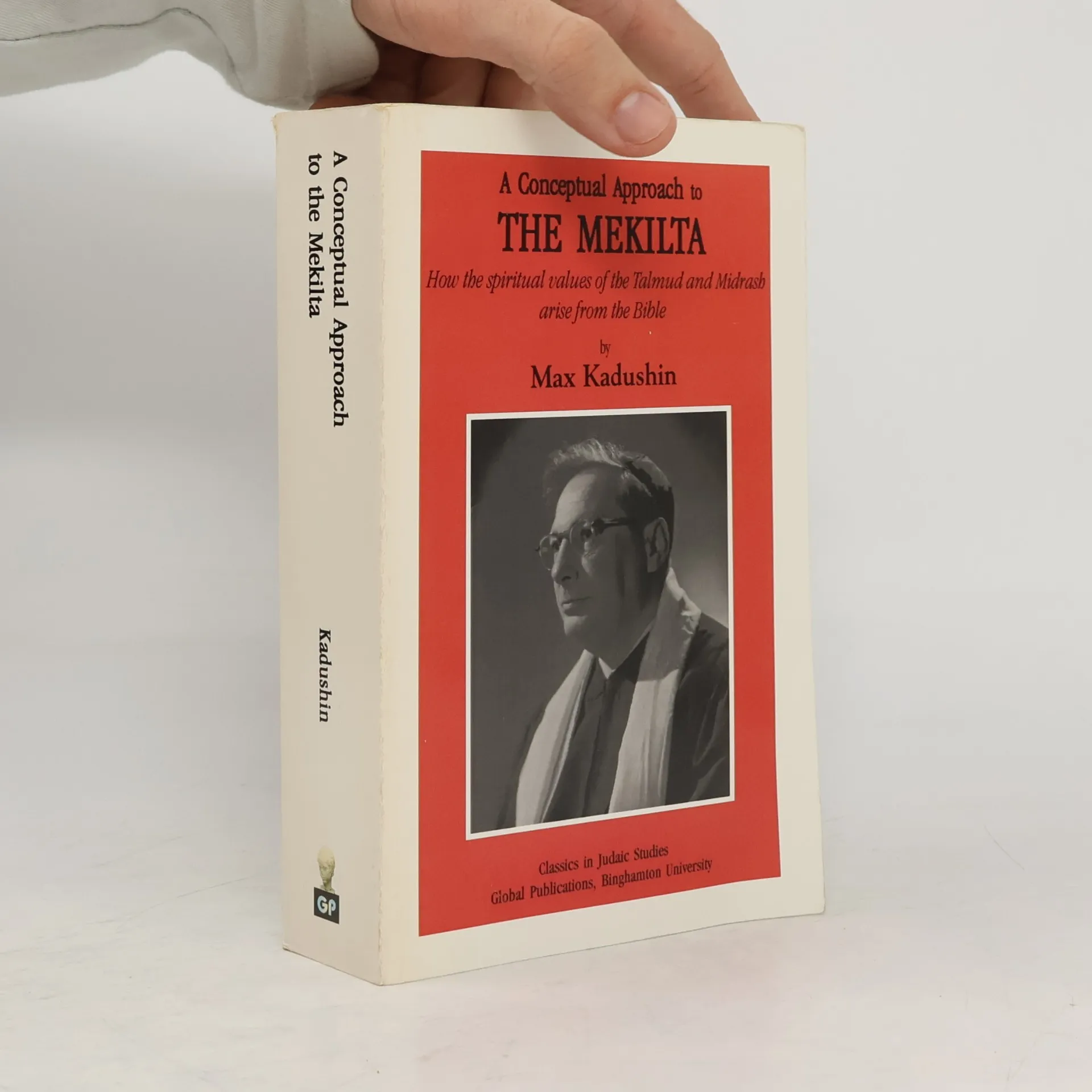
This book represents a new approach to the Midrash, based on the analysis of rabbinic thought developed by Dr. Kadushin in his books Organic Thinking, The Rabbinic Mind, and others. It describes the actual mode of thought of the Rabbis of the Midrash and the Talmud, and indicates how they derived their own moral teachings from the Bible. It enables us to see why syllogistic, step-by-step logic is no guide to an understanding of Jewish ethics--or of any ethics, for that matter. The text of the Mekilta--the Midrash used here--is carefully analyzed and explained, and each rabbinic "value concept" involved is pointed out. Halakah (law), too, is shown to be closely related to the teachings, parables and analogies of the Midrash, since the law is also often a concretization of these same value concepts. This book provides an indispensable tool for the teachings of Midrash and should allow for much wider use of that literature in adult education courses. The intelligent layman can now see for himself "how it works." Those with more specialized interests will find references to classical and modern commentaries and explanations of many doubtful or difficult passages.
Nákup knihy
Classics in Judaic Studies: A Conceptual Approach to the Mekilta, Max Kadushin
- Jazyk

- Rok vydania
- 2001
- Väzba
- (mäkká),
- Stav knihy
- Dobrá
- Cena
- 35,99 €
Nikto zatiaľ neohodnotil.
- Titul
- Classics in Judaic Studies: A Conceptual Approach to the Mekilta
- Jazyk
- anglicky
- Autori
- Max Kadushin
- Vydavateľ
- Global Academic Publishing
- Rok vydania
- 2001
- Väzba
- mäkká
- Počet strán
- 764
- ISBN10
- 1586840789
- ISBN13
- 9781586840785
- Série
- Kategórie
- Štítky
- Anotácia
- This book represents a new approach to the Midrash, based on the analysis of rabbinic thought developed by Dr. Kadushin in his books Organic Thinking, The Rabbinic Mind, and others. It describes the actual mode of thought of the Rabbis of the Midrash and the Talmud, and indicates how they derived their own moral teachings from the Bible. It enables us to see why syllogistic, step-by-step logic is no guide to an understanding of Jewish ethics--or of any ethics, for that matter. The text of the Mekilta--the Midrash used here--is carefully analyzed and explained, and each rabbinic "value concept" involved is pointed out. Halakah (law), too, is shown to be closely related to the teachings, parables and analogies of the Midrash, since the law is also often a concretization of these same value concepts. This book provides an indispensable tool for the teachings of Midrash and should allow for much wider use of that literature in adult education courses. The intelligent layman can now see for himself "how it works." Those with more specialized interests will find references to classical and modern commentaries and explanations of many doubtful or difficult passages.