

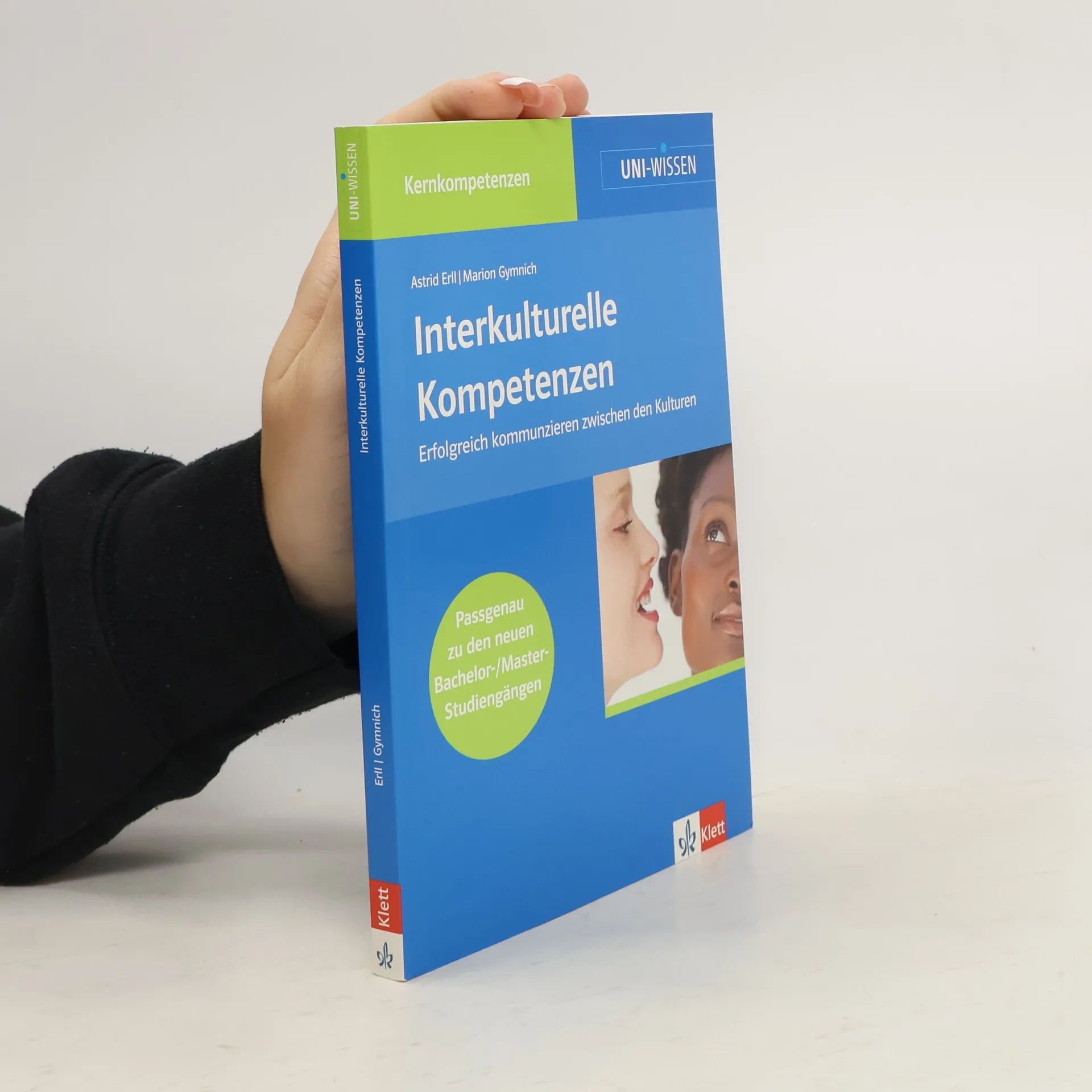
Für die gezielte und schnelle Vorbereitung auf Hochschulprüfungen! Zum Inhalt: Zahlreiche Fallbeispiele, Darstellungen und Begriffe. Schwerpunkte: Kulturtheorie und internationale Kommunikation. Modelle für interkulturelles Lernen. In diesem Buch finden Sie Antworten und Hilfestellungen, so kommen Sie erfolgreich zu Ihrem Wunschziel. Zu den Autorinnen: Astrid Erll ist Professorin für englische Literatur- und Kulturwissenschaft an der Bergischen Universität Wuppertal. Marion Gymnich ist Professorin für englische Literatur- und Kulturwissenschaft an der Rheinischen Friedrich-Wilhelms-Universität Bonn.
Astrid Erll Poradie kníh (chronologicky)
1. január 1972



Memory in Culture
- 209 stránok
- 8 hodin čítania
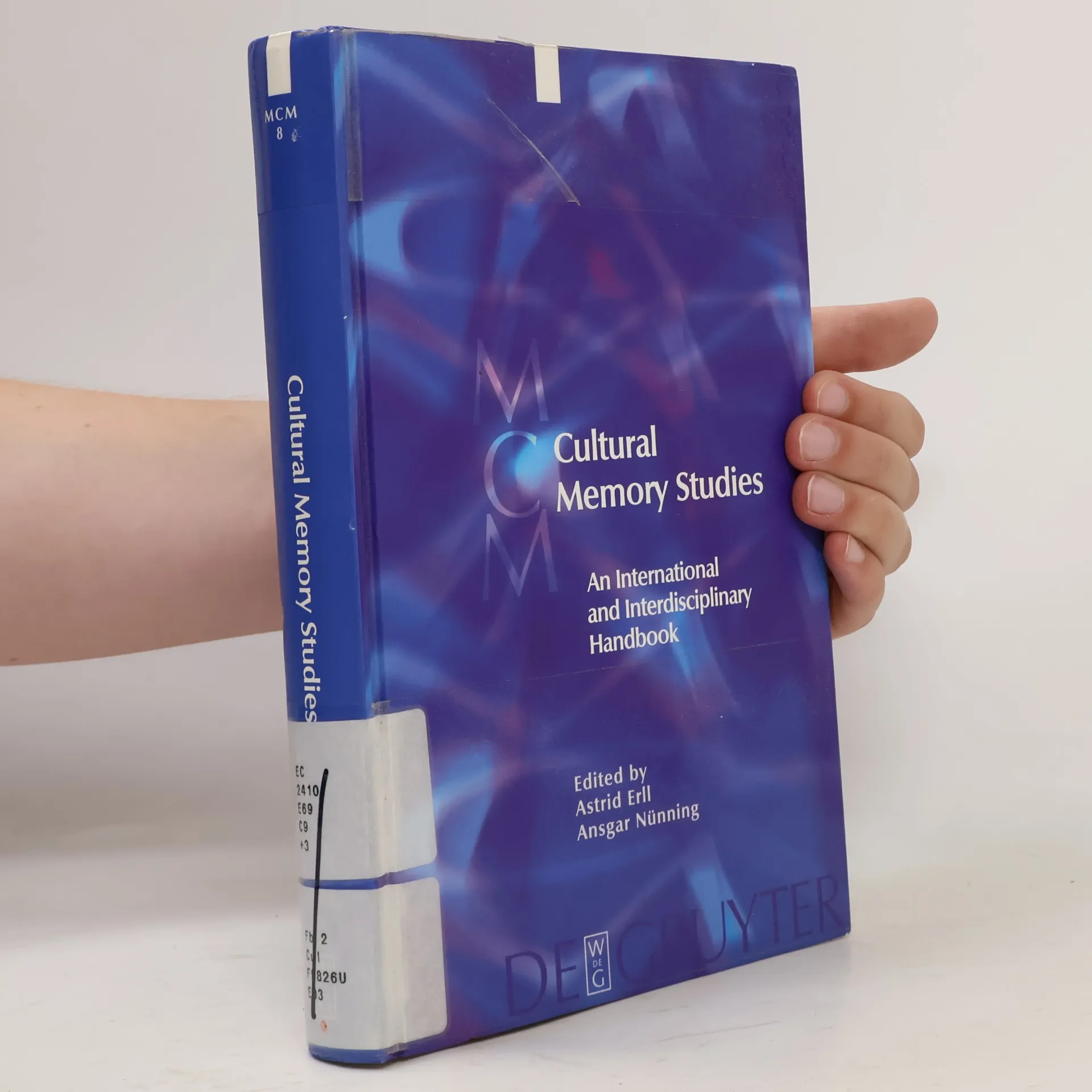
This book questions the sociocultural dimensions of remembering. It offers an overview of the history and theory of memory studies through the lens of sociology, political science, anthropology, psychology, literature, art and media studies; documenting current international and interdisciplinary memory research in an unprecedented way.
Kollektives Gedächtnis und Erinnerungskulturen
- 243 stránok
- 9 hodin čítania
Gedächtnis und Erinnerung als interdisziplinäres Forschungsfeld. Welche Forschungstraditionen und Konzepte gibt es? Wie unterscheidet sich der Gedächtnisbegriff in einzelnen Disziplinen? Wie lässt sich die Gedächtnis bildende Wirkung von Literatur und Medien analysieren? Wie kann der Beitrag literarischer Texte zur Erinnerungskultur beschrieben werden? Der Band bündelt die vielfältigen Ansätze und Methoden. Neue Themen der 2. Auflage sind z. B. Gedächtnismedienforschung und transkulturelle Erinnerung in Zeiten der Globalisierung.
This handbook represents the interdisciplinary and international field of “cultural memory studies” for the first time in one volume. Articles by renowned international scholars offer readers a unique overview of the key concepts of cultural memory studies. The handbook not only documents current research in an unprecedented way; it also serves as a forum for bringing together approaches from areas as varied as sociology, political sciences, history, theology, literary studies, media studies, philosophy, psychology, and neurosciences.“Cultural memory studies” – as defined in this handbook – came into being at the beginning of the 20th century, with the works of Maurice Halbwachs on mémoire collective. In the course of the last two decades this area of research has witnessed a veritable boom in various countries and disciplines. As a consequence, the study of the relation of “culture” and “memory” has diversified into a wide range of approaches. This handbook is based on a broad understanding of “cultural memory” as the interplay of present and past in sociocultural contexts. It presents concepts for the study of individual remembering in a social context, group and family memory, national memory, the various media of memory, and finally the host of emerging transnational lieux de mémoire such as 9/11.