Not One Inch
- 568 stránok
- 20 hodin čítania
Thirty years after the Soviet Union's collapse, this book reveals how tensions between America, NATO, and Russia transformed geopolitics between the Cold War and COVID


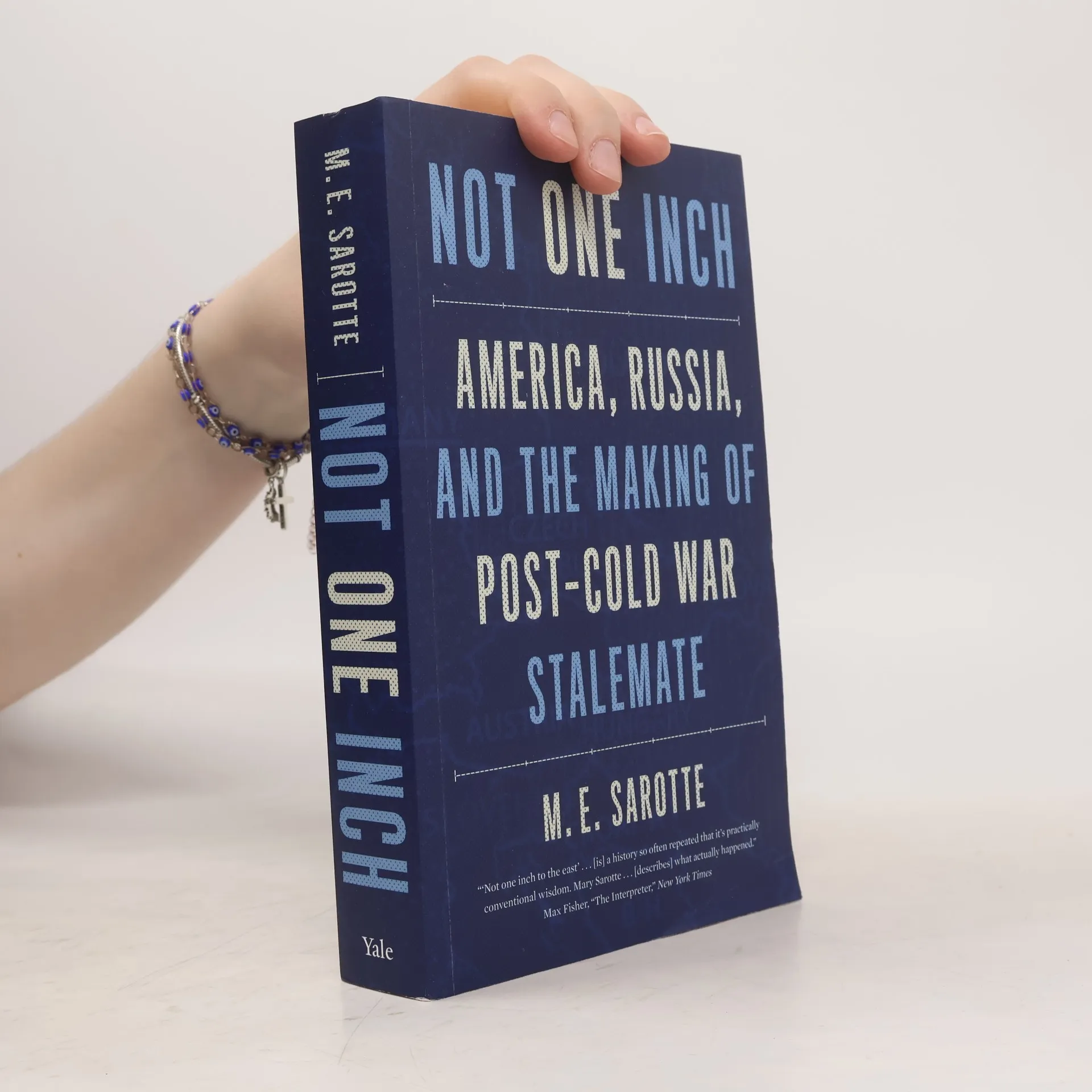
Thirty years after the Soviet Union's collapse, this book reveals how tensions between America, NATO, and Russia transformed geopolitics between the Cold War and COVID
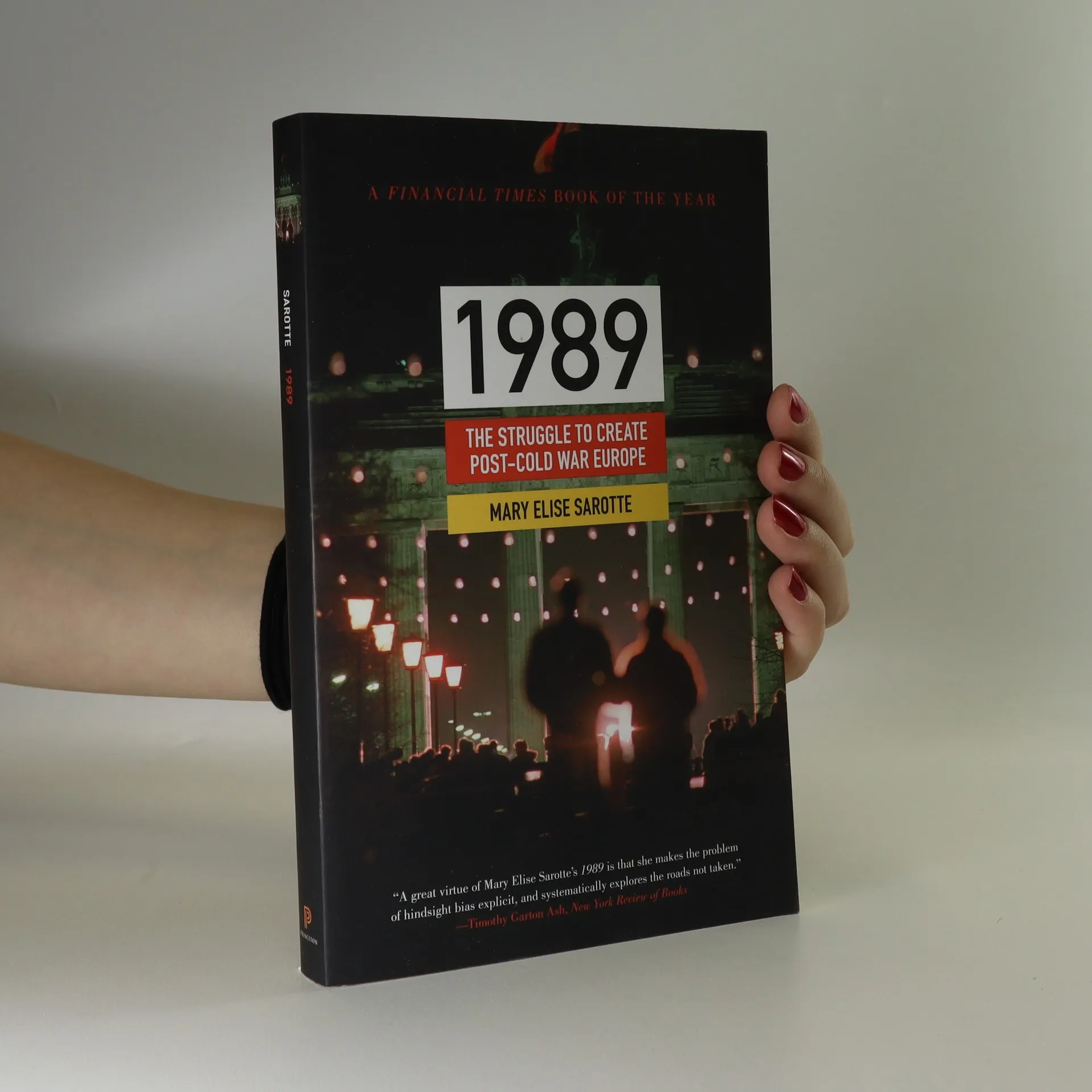
1989 explores the momentous events following the fall of the Berlin Wall and the effects they have had on our world ever since. Based on documents, interviews, and television broadcasts from Washington, London, Paris, Bonn, Berlin, Warsaw, Moscow, and a dozen other locations, 1989 describes how Germany unified, NATO expansion began, and Russia got left on the periphery of the new Europe. This updated edition contains a new afterword with the most recent evidence on the 1990 origins of NATO's post-Cold War expansion.
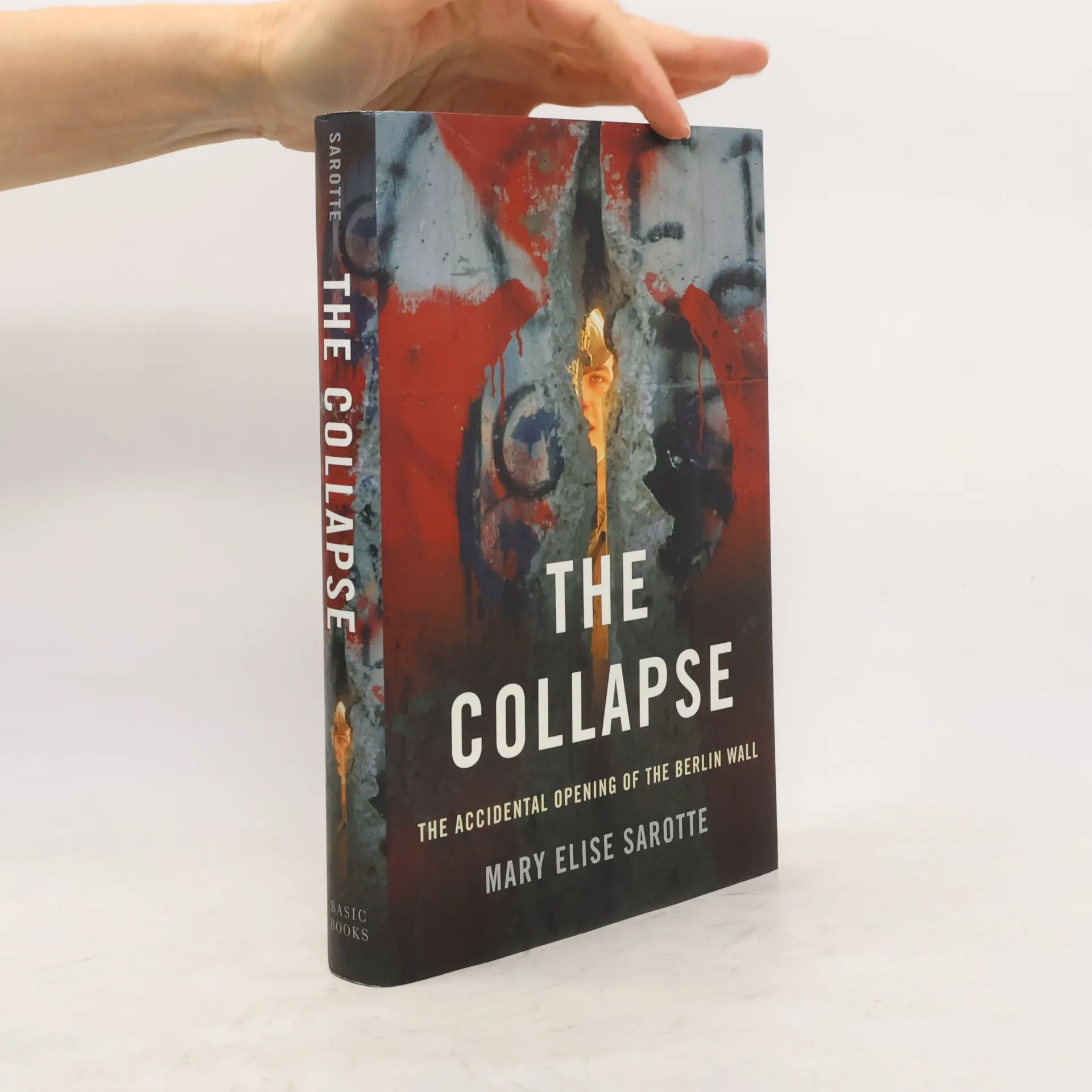
"In The Collapse historian Mary Elise Sarette shows that the opening of the Berlin Wall on November 9, 1989, was not, as is commonly believed, the East German government's deliberate concession to outside influence. It was an accident. A carelessly worded memo written by mid-level bureaucrats, a bumbling press conference given by an inept member of the East German Politburo, the negligence of government leaders, the bravery of ordinary people in East and West Berlin--these combined to bring about the end of nearly forty years of oppression, fear, and enmity in divided Berlin. Drawing on evidence from archives in multiple countries and languages, along with dozens of interviews with key actors, The Collapse is the definitive account of the event that brought down the East German Politburo and came to represent the final collapse of the Cold War order"--
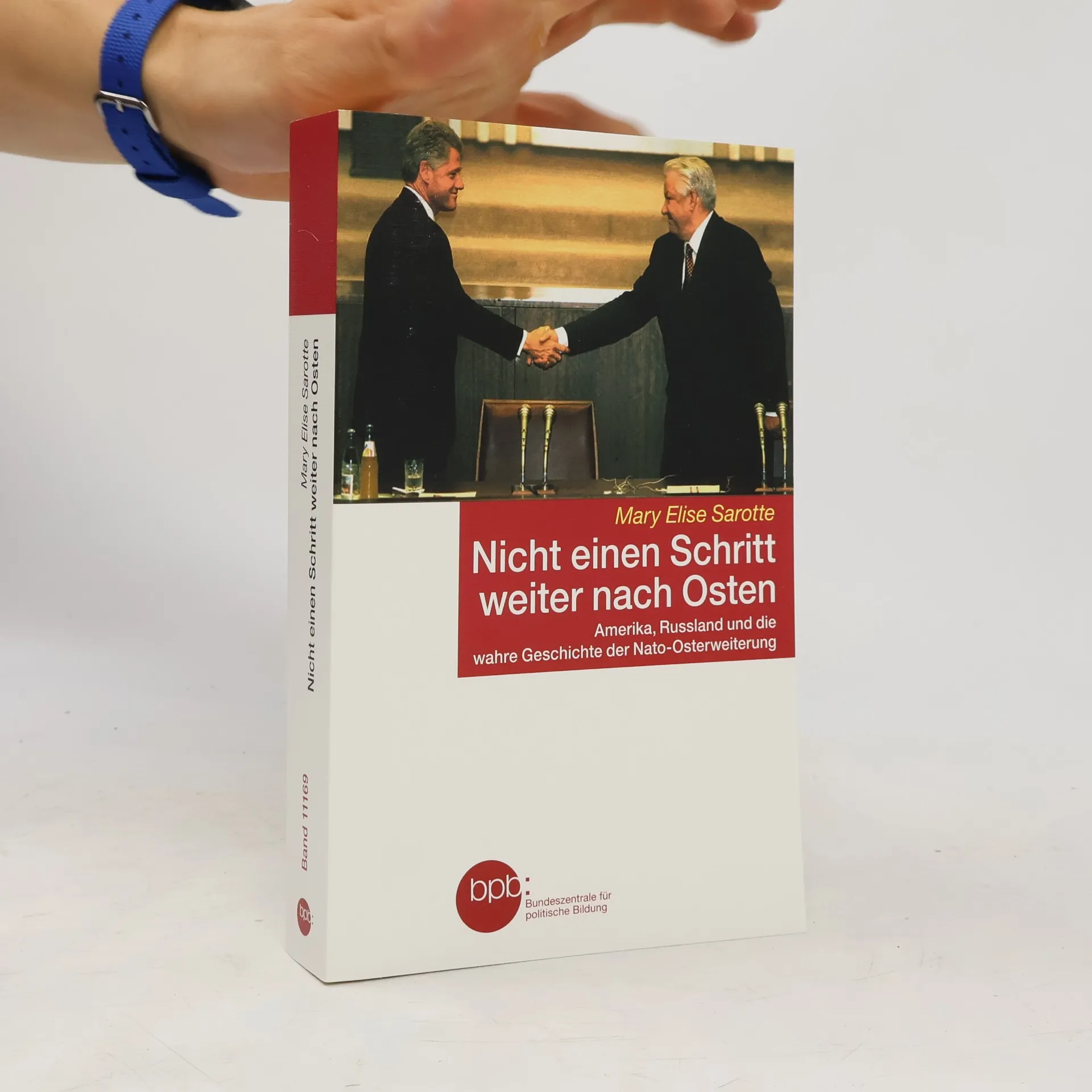
Amerika, Russland und die wahre Geschichte der Nato-Osterweiterung
War die Nato-Osterweiterung alternativlos? Mary E. Sarottes Grundlagenwerk Not one inch eastwards – nicht einen Schritt weiter nach Osten. Mit diesen Worten schlug US-Außenminister James Baker Gorbatschow im Rahmen der Verhandlungen um die deutsche Wiedervereinigung einen hypothetischen Handel vor: Ihr gebt euren Teil Deutschlands frei, wir verrücken die Nato nicht nach Osten. Seitdem ranken sich um dieses Gespräch zahlreiche Legenden und Kontroversen. Gab es ein Versprechen des Westens, sich nicht auszudehnen? Und wie kam es zu der heute so umstrittenen Nato-Osterweiterung? Mary Elise Sarotte hat Unmengen von Archivmaterial durchforstet, um eine der großen politischen Streitfragen unserer Zeit zu klären. In ihrem grundlegenden Buch führt sie in das entscheidende Jahrzehnt zwischen dem Mauerfall und dem Aufstieg Putins. Dabei zeigt sie, warum es nicht zu einer neuen Sicherheitsarchitektur für Europa kam und wie damals die Saat gelegt wurde für die Spannungen, die unsere heutige Welt bestimmen.