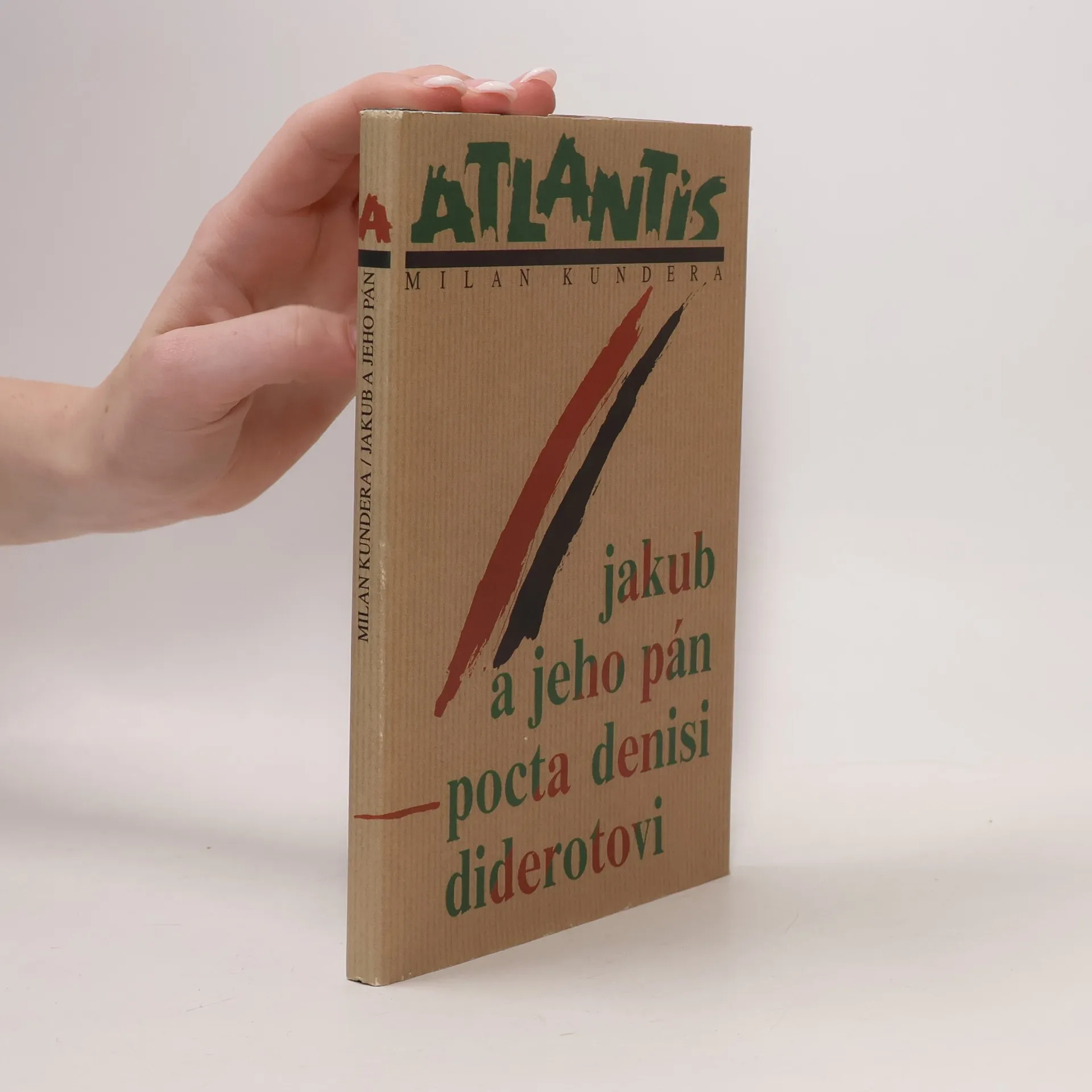
Znamenitá a úspěšná dramatizace Diderotova Jakuba Fatalisty, hravá i krutá studie proměn lidského osudu v neprohlédnutelném světě, je jediný autorův dramatický text patřící k dílům, která „má bez výhrad rád a chce vydávat“.
François Ricard Knihy
4. jún 1947 – 17. február 2022

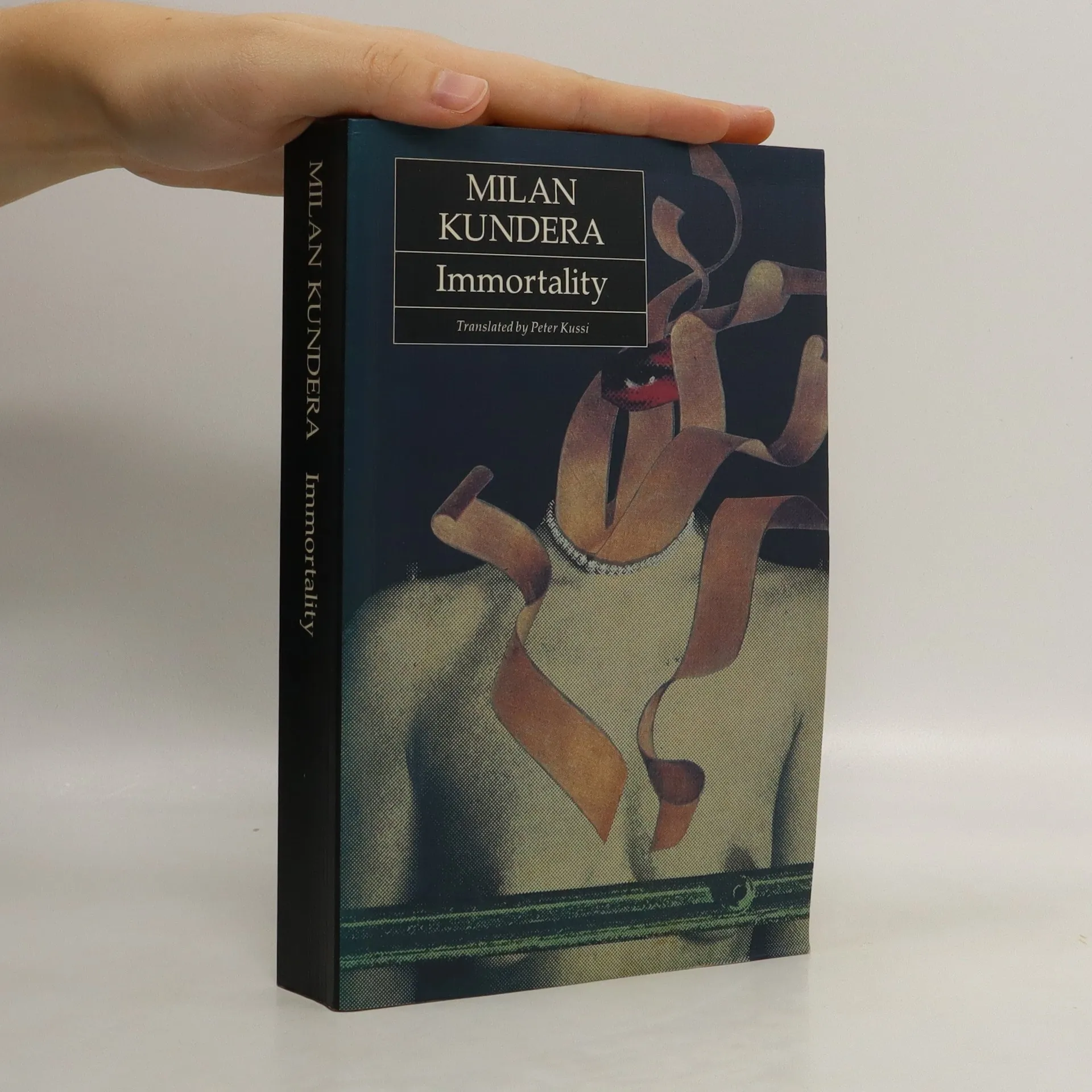

A model of clarity, grace, and intelligence, François Ricard's book joins the great French tradition of the literary essay as a meditation on the writing of Milan Kundera. Agnès's Final Afternoon imitates the protagonist of Kundera's novel Immortality on the last afternoon of her life. Like all readers of fiction, Agnès steps out of her car -- out of the world of planned routes, responsibilities, and social self -- and gives herself up to the discovery of a new landscape, an experience that will transform her. François Ricard's essay enters into the writings of Milan Kundera in much the same way. The landscape he explores includes a chain of ten novels, composed between 1959 and 1999, and two books containing one of the most lucid reflections on the novel. From The Joke to Ignorance, Ricard uncovers the richness of theme and character in the novels, their structural composition, polyphony of voices, and innovations of form and subject matter that stretch the boundaries of the novel to a breaking point. Readers need not be familiar with all of Milan Kundera's oeuvre to appreciate this unusual and original book. Agnès's Final Afternoon will inspire a sense of wonder and lead you to appreciate the beauty and profundity of Kundera's art.
By the author of T̀he unbearable lightness of being'.
The Unbearable Lightness of Being
- 328 stránok
- 12 hodin čítania
In this novel - a story of irreconcilable loves and infidelities - Milan Kundera addresses himself to the nature of twentieth-century 'Being' In a world in which lives are shaped by irrevocable choices and by fortuitous events, a world in which everything occurs but once, existence seems to lose its substance, its weight. We feel, says the novelist, 'the unbearable lightness of being' - not only as the consequence of our private acts but also in the public sphere, and the two inevitably intertwine. Juxtaposing Prague, Geneva, Thailand and the United States, this masterly novel encompasses the extremes of comedy and tragedy, and embraces, it seems, all aspects of human existence. It offers a wide range of brilliant and amusing philosophical speculations and it descants on a variety of styles
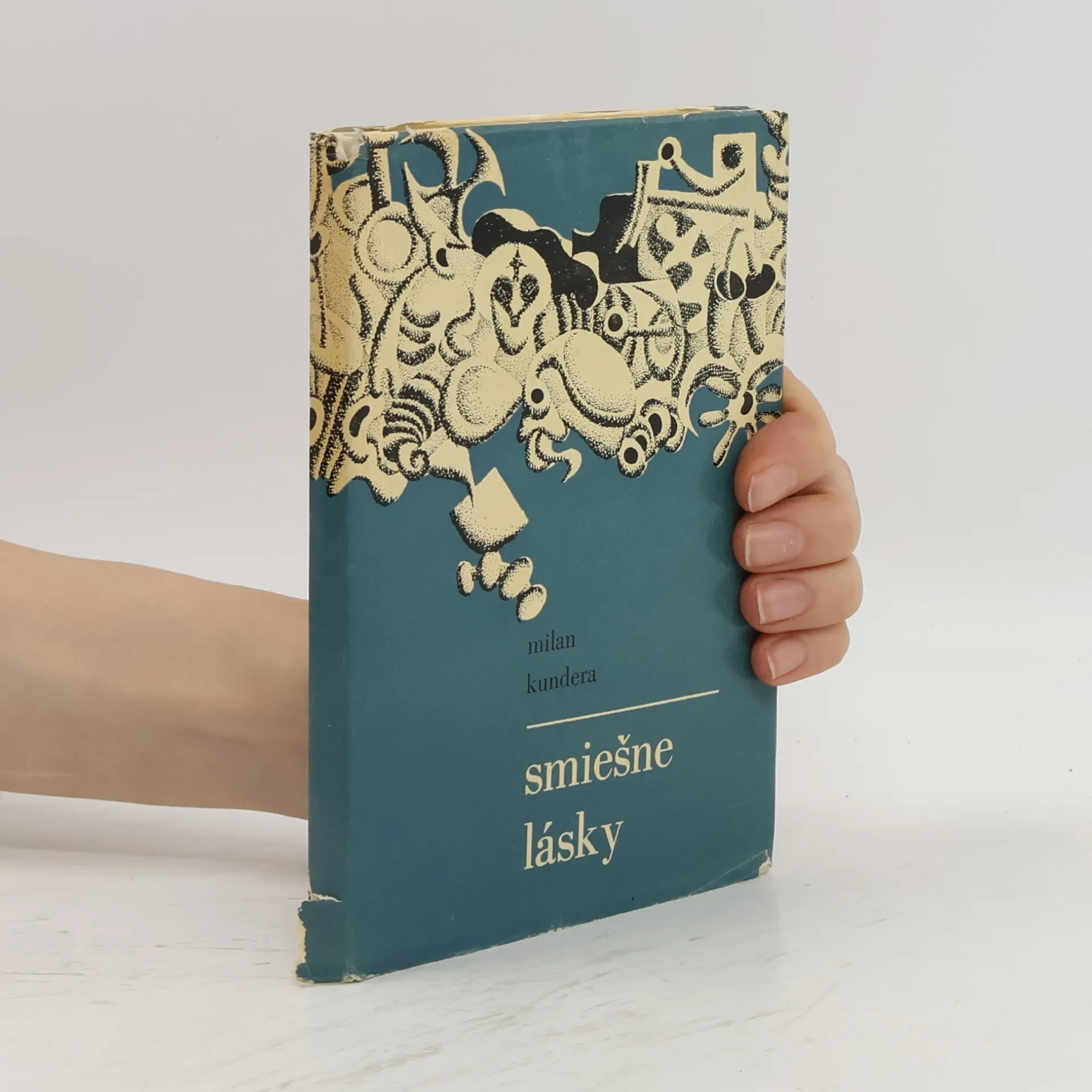
Sedem poviedok od Milana Kunderu, ktorých námetom je láska postavená do komických súvislostí, alebo vlastne to, čo ľudia v komických súvislostiach považujú za pokus o milostný vzťah. Kniha Smiešne lásky obsahuje poviedky Sestrička mojich sestričiek, Zlaté jablko večnej túžby, Zvestovateľ, Falošný autostop, Starí mŕtvi nech ustúpia mladým mŕtvym. Podľa dvoch poviedok boli natočené filmy: Nikto sa nebude smiať (réžia Hynek Bočan, 1965) a Ja, trúchlivý boh (réžia Antonín Kachlík, 1969)
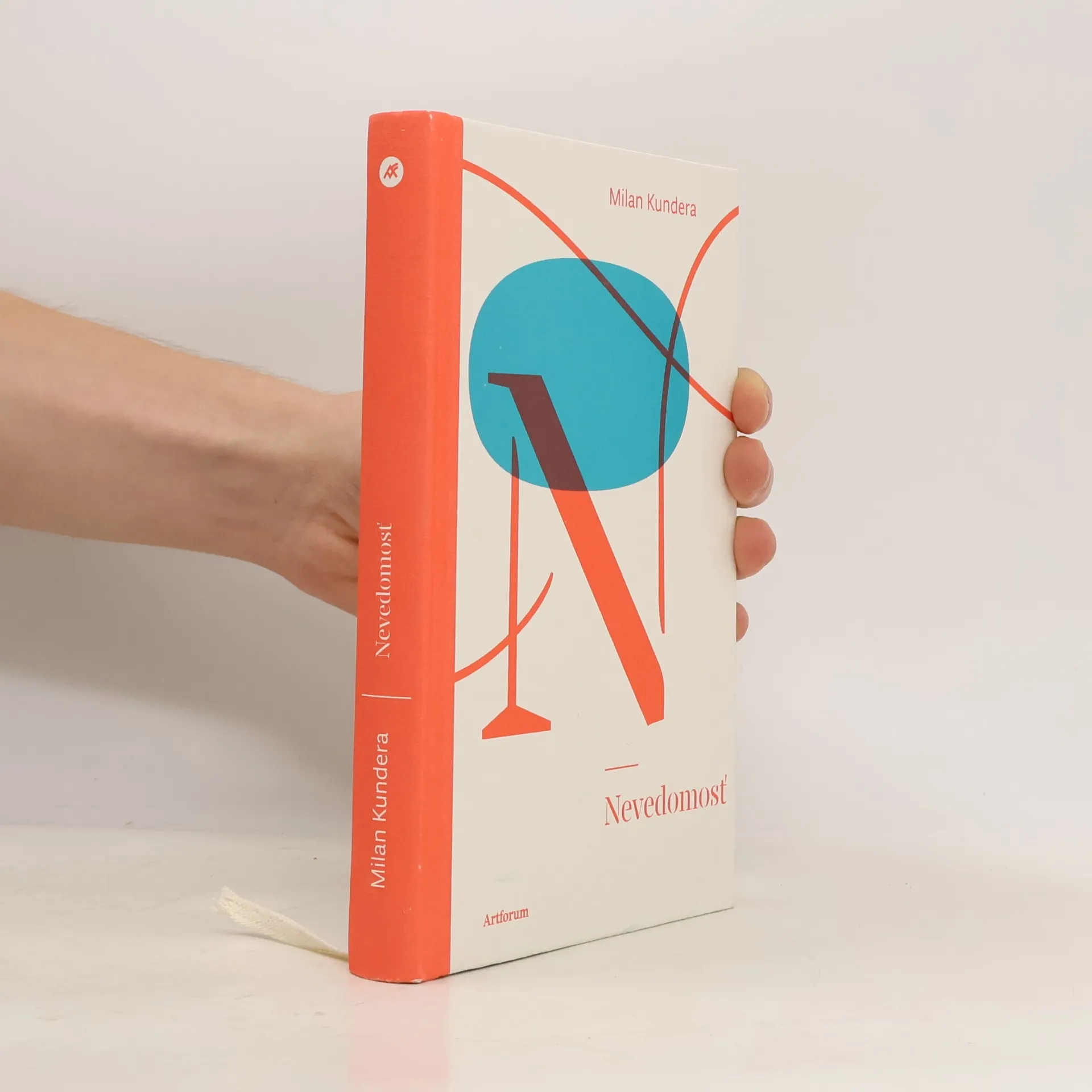
Nevedomosť
- 160 stránok
- 6 hodin čítania
Melancholik Milan Kundera sa v nesentimentálnom ľúbostnom románe Nevedomosť aspoň v myšlienkach a pocitoch vracia do Československa, ktoré voľakedy musel opustiť. Irena po ruskej okupácii v roku 1968 emigrovala do Francúzska. Josef sa rozhodol o rok neskôr pre ten istý krok, no vybral si Dánsko. Po dvadsiatich rokoch sa náhodne stretnú na letisku v Paríži, obidvaja letia do Prahy na krátku návštevu. Aké bude ich stretnutie? Čo ich čaká v niekdajšej domovine? Cesta vedie do minulosti, k starým priateľom, rodine, na miesta, ktoré mali kedysi radi, no už ich takmer nespoznávajú. Vedeli by sa tu ešte cítiť ako doma? A kde je ich skutočný domov? Román, ktorý vychádza v preklade Eleny Flaškovej, hovorí o tom, že najdôležitejšie rozhodnutia prijímame vo veku neskúsenosti a nevedomosti. Témou je nepochopenie, nespoľahlivosť pamäti, zradnosť spomienok, nemožnosť návratu tých, ktorí strávili polovicu dospelého života v inej krajine a kultúre. Kunderove pozorovania sú presné a neľútostné. Majstrovsky spriada nitky eseje a románu.
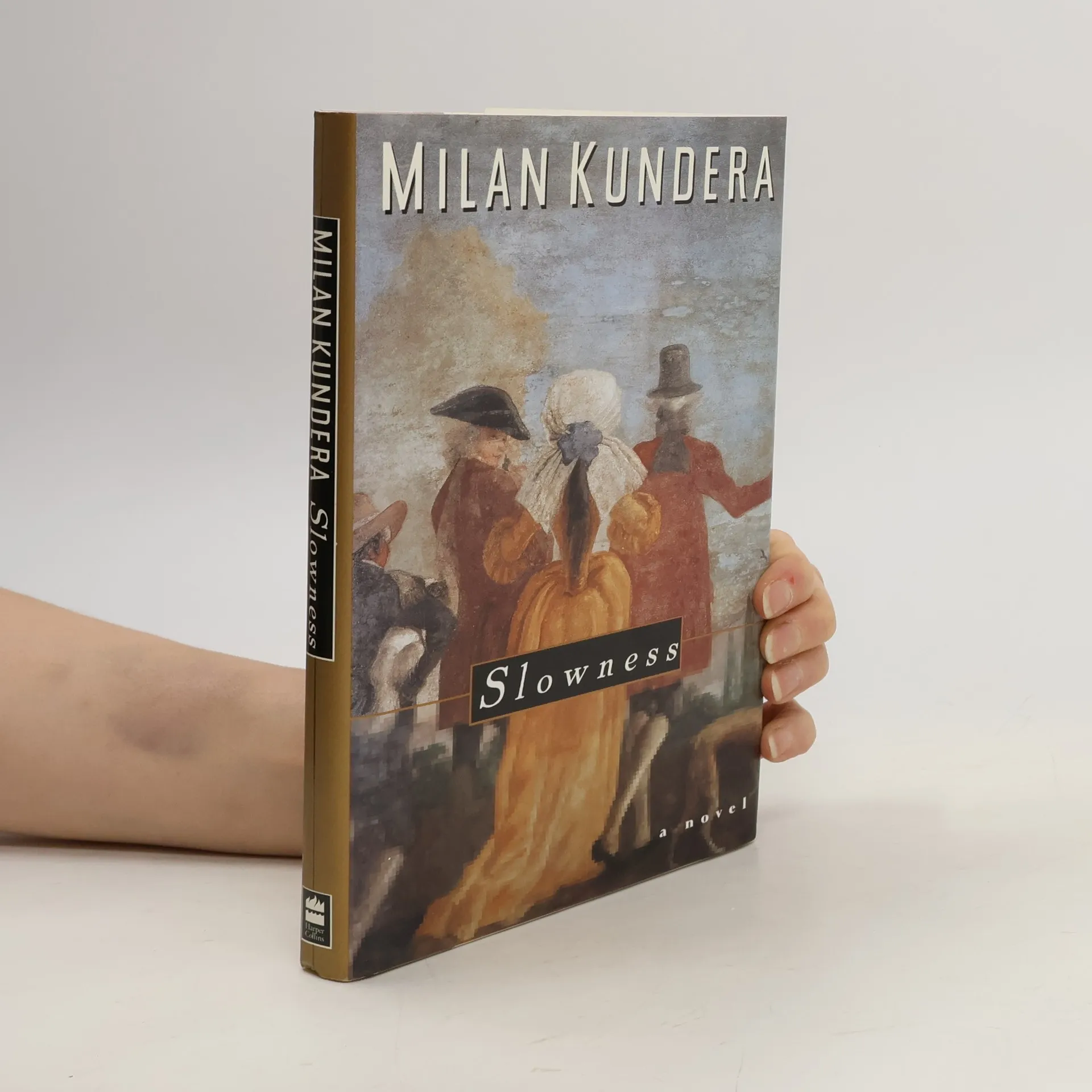
Slowness
- 156 stránok
- 6 hodin čítania
Readers are taken through a midsummer's night in which two tales of seduction, separated by more than 200 years, interweave and oscillate between the sublime and the ridiculous. They provide merely a narrative framework for Kundera's novel, within which is condensed existential analysis.