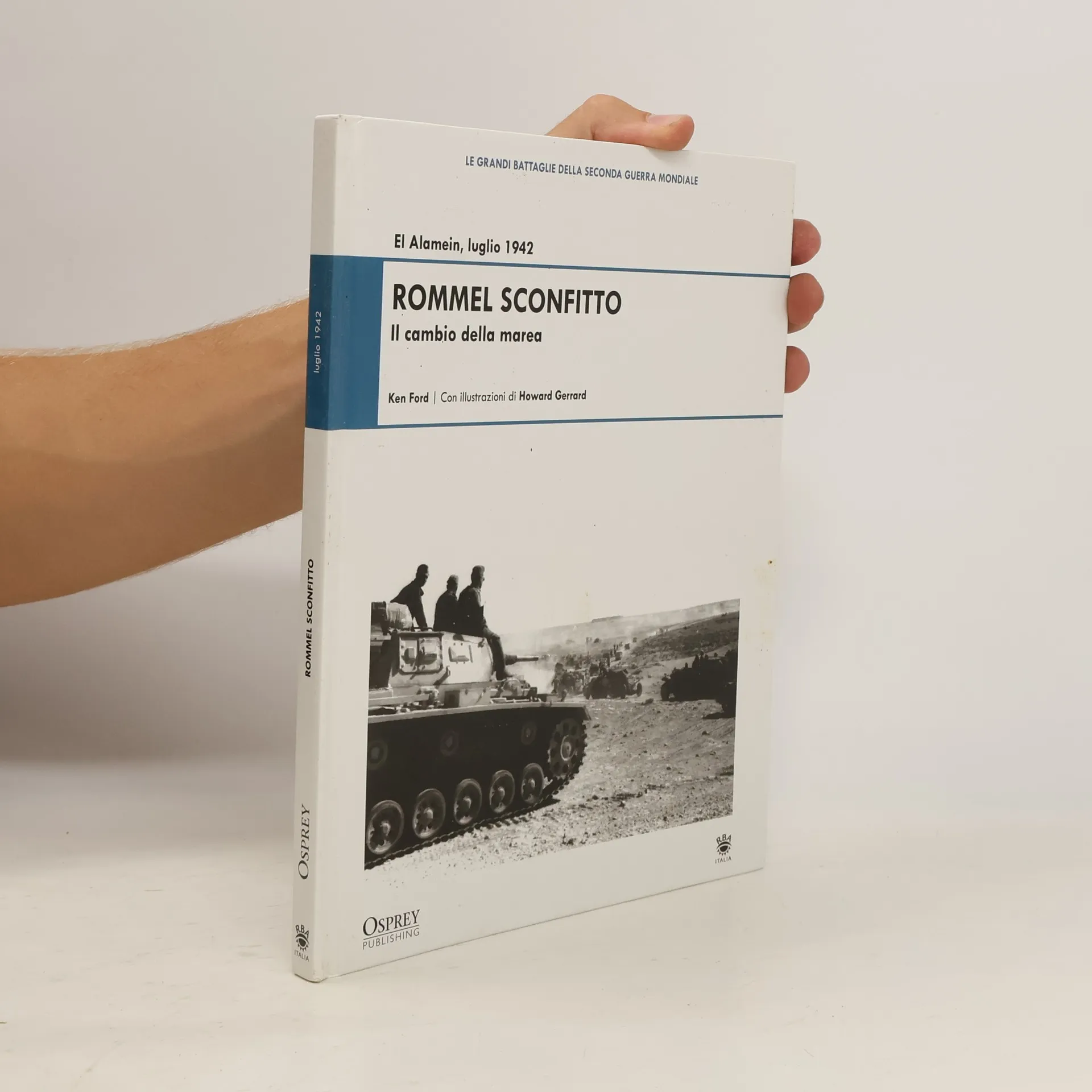
Operation Market-Garden 1944 3
- 96 stránok
- 4 hodiny čítania
In the final instalment in Osprey's trilogy on Operation Market-Garden, this is a fascinating account of the British XXX Corps assault towards the Rhine at Arnhem.



In the final instalment in Osprey's trilogy on Operation Market-Garden, this is a fascinating account of the British XXX Corps assault towards the Rhine at Arnhem.
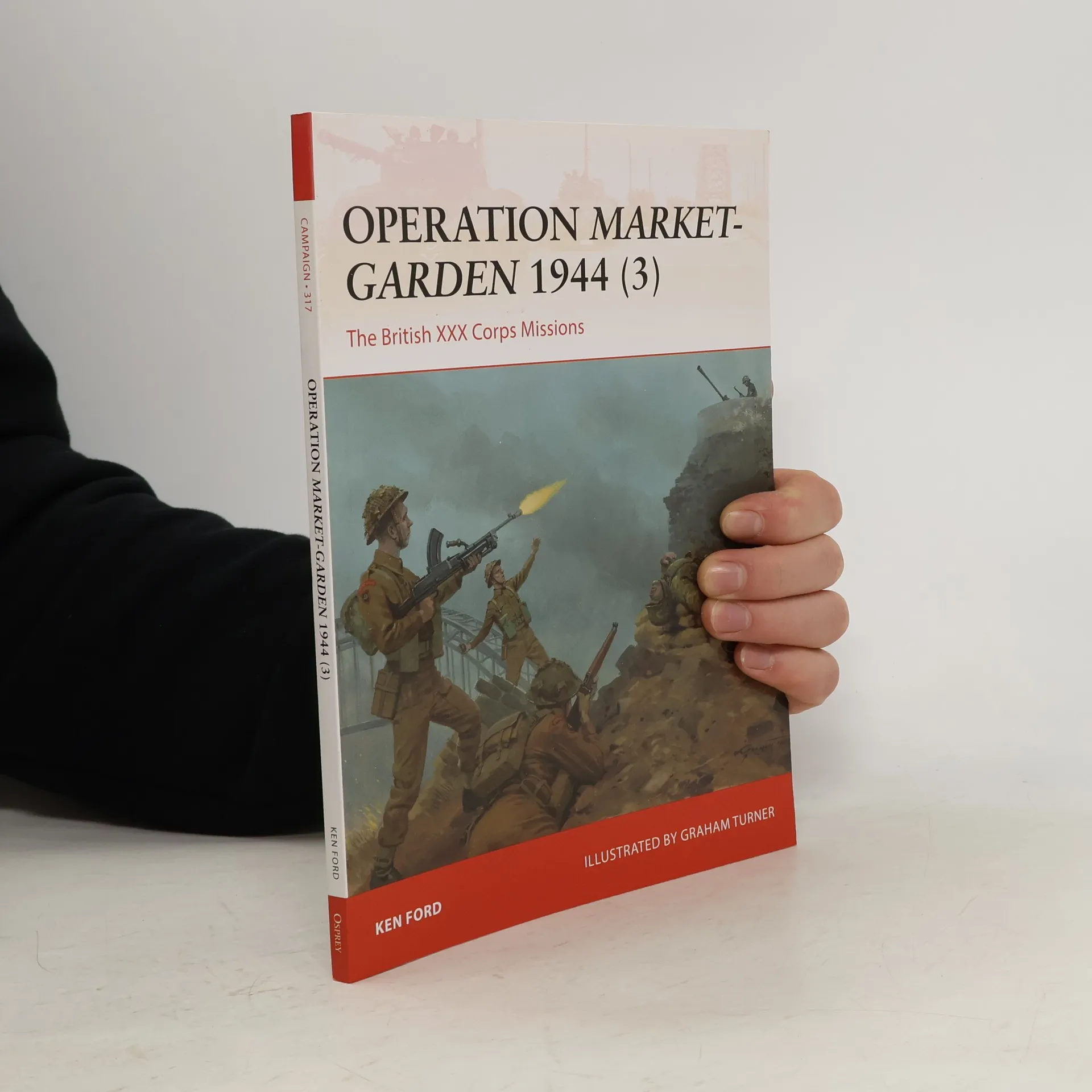
Poslední velkou bitvou na západní frontě se stalo násilné překročení Rýna spojeneckými vojsky v březnu 1945. Tuto velkou řeku nezdolala žádná invazní armáda po té Napoleonově v roce 1805. Nyní tento úkol připadl 21. skupině armád polního maršála Montgomeryho. Jejím protivníkem byla vojska skomírajícího nacistického režimu. Kromě některých elitních svazků parašutistů a tankových granátníků zahrnovala také prapory Volkssturmu, složené z přestárlých mužů a nedospělých chlapců. Tato kniha přináší podrobný popis kombinované operace spojeneckých vojsk – co do rozsahu druhé největší po vylodění v Normandii – a líčí tak historii poslední velké klasické bitvy II. světové války, která o další krok přiblížila definitivní porážku Hitlerova nacistického režimu.
Velké bitvy historie 3
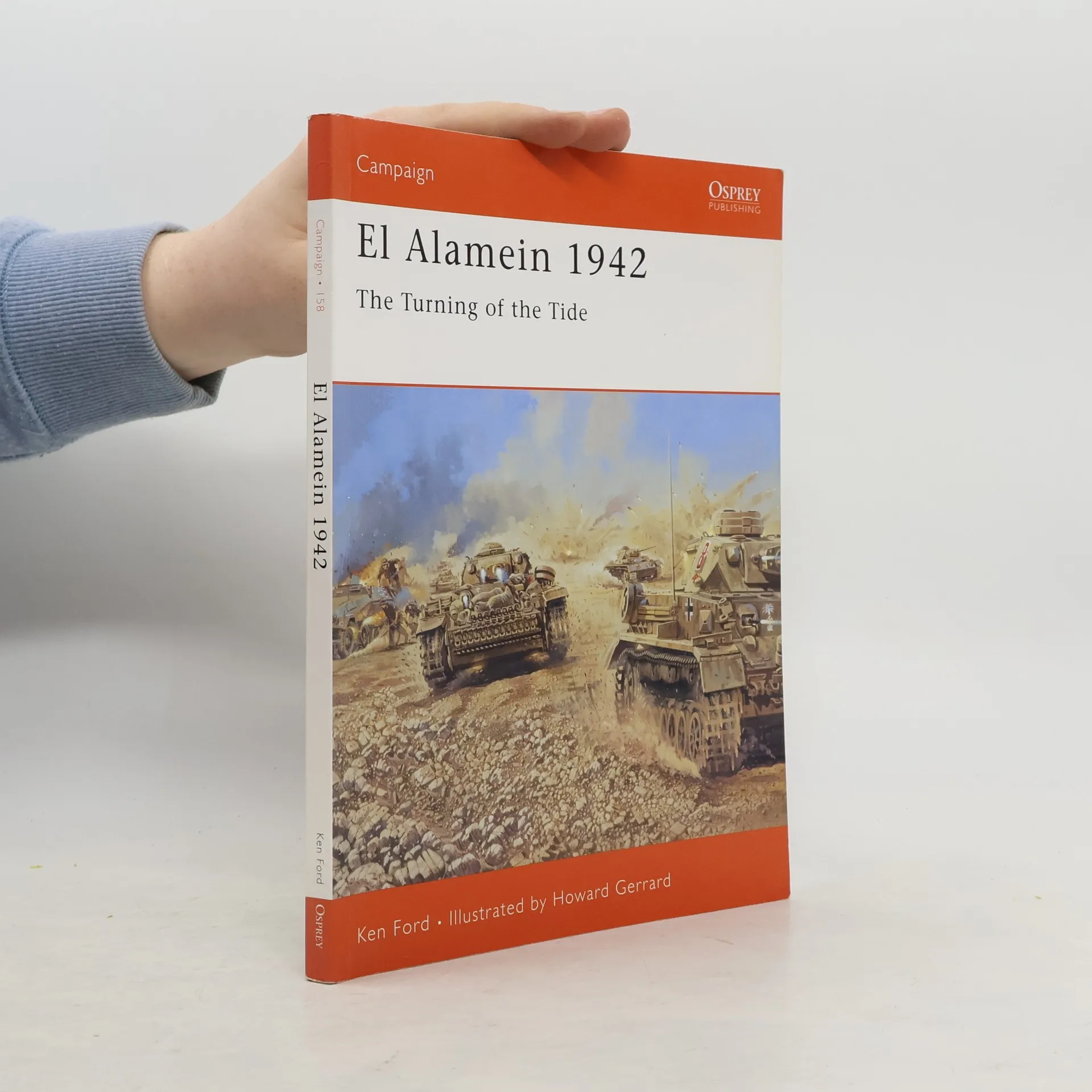
Bitva u El Alameinu znamenala pro Velkou Británii za druhé světové války bod zlomu, po kterém se válečná štěstěna definitivně přiklonila na její stranu. V období mezi červencem a listopadem 1942 se tu odehrály tři dílčí bitvy, jejichž společným cílem bylo zastavení postupu Rommelovy armády k Suezskému průplavu. Při závěrečné z nich, jež probíhala v říjnu a listopadu, byla německá linie prakticky nepřetržitě ostřelována spojeneckými jednotkami. Rommel však měl od Hitlera rozkaz udržet ji za každou cenu. Spojenci ovšem německou obranu prolomili a Rommel, ve snaze zachránit zbytek Tankové armády Afrika, zahájil definitivní ústup na západ. Kniha nabízí podrobný pohled na bitvu, při které se v Africe obrátila karta ve prospěch Spojenců.
The battle of El Alamein marked the turning point in Britain's fortunes in the World War II (1939-1945). There were three separate battles between July and November 1942, all of which were fought to halt the advance of Rommel's army towards the Suez Canal. This final battle at El Alamein, fought in October and November, saw the continuous bombardment of the German line that Rommel was instructed to hold at all costs by Hitler himself. The Allies shattered the German defences, and Rommel led a westward retreat in order to salvage what was left of the Afrika Korps. This book provides an in-depth analysis of the battle that turned the tide in favour of the Allies in Africa.
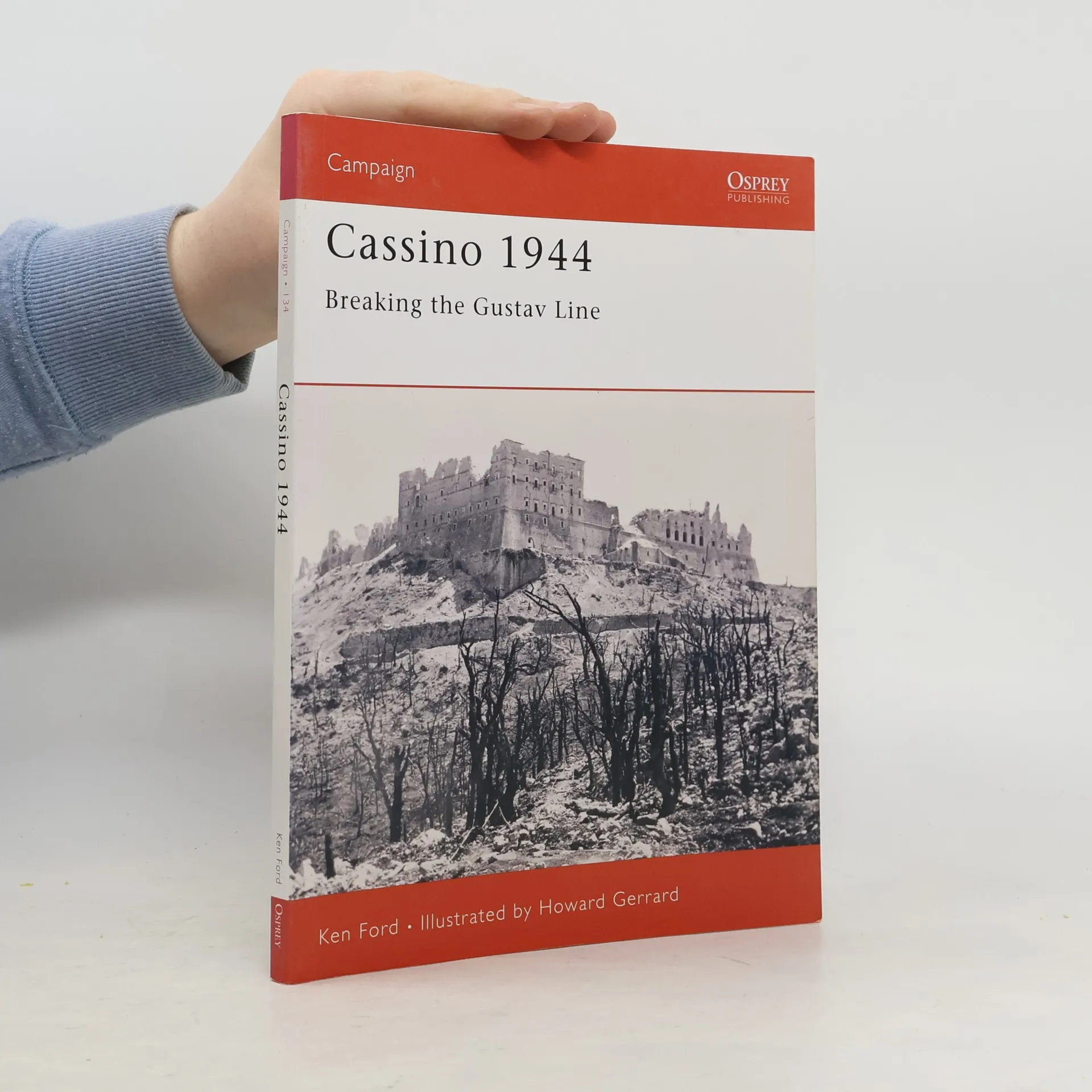
The allies landed at Salerno and Taranto in September 1943. They reached the main German fortified position - the Gustav line - in December. This work details how it took a massive offensive by 11 divisions to take Cassino in a brutal battle of attrition.