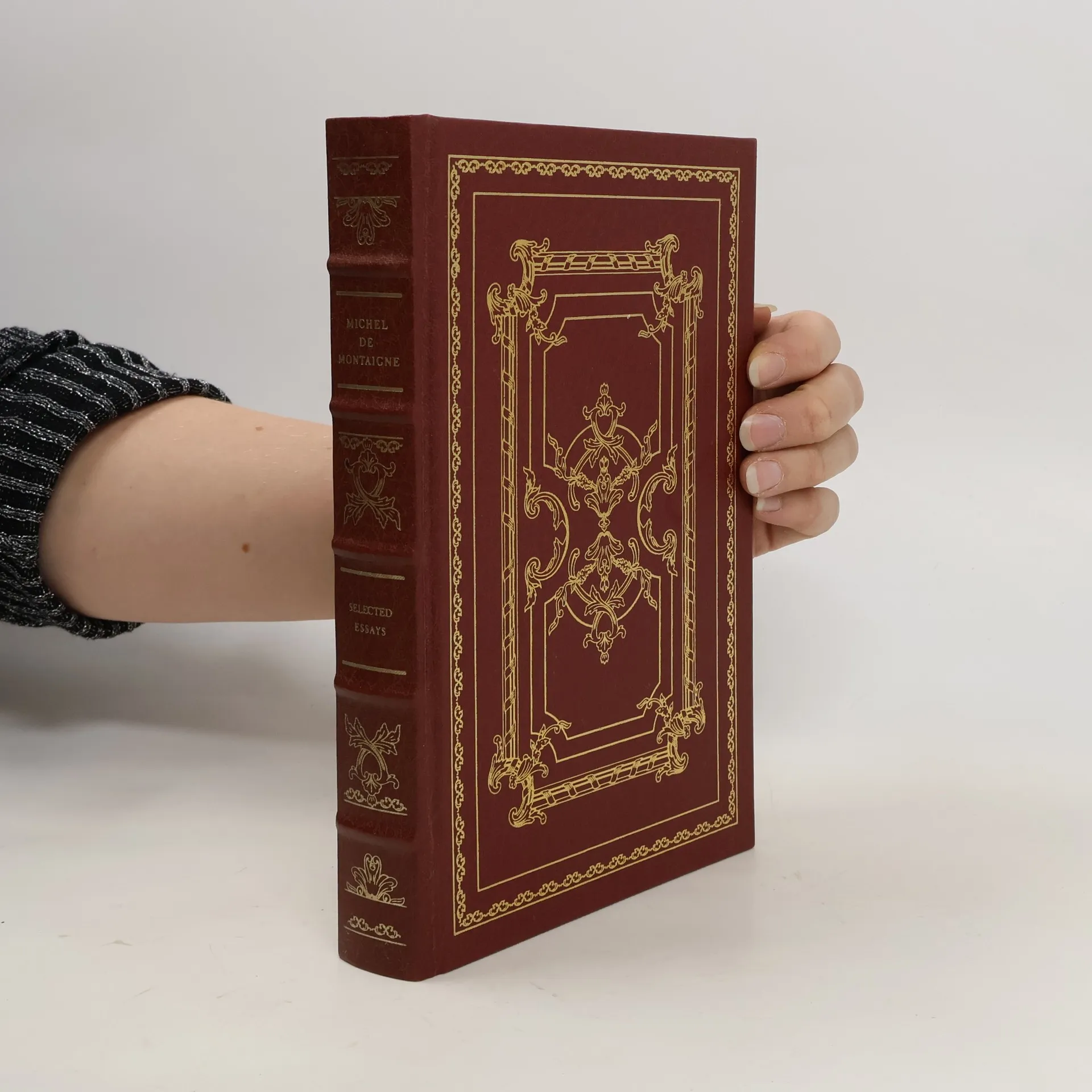
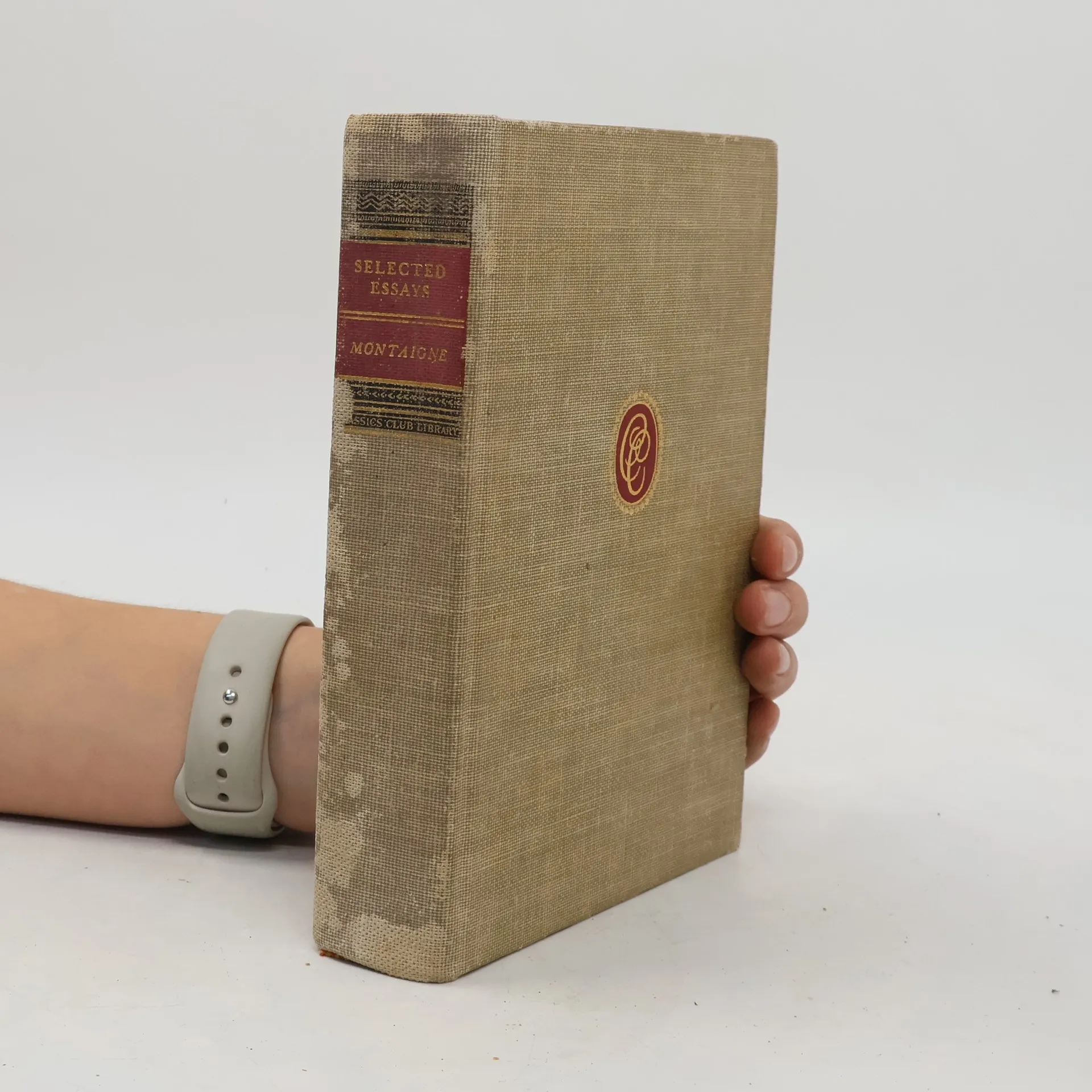
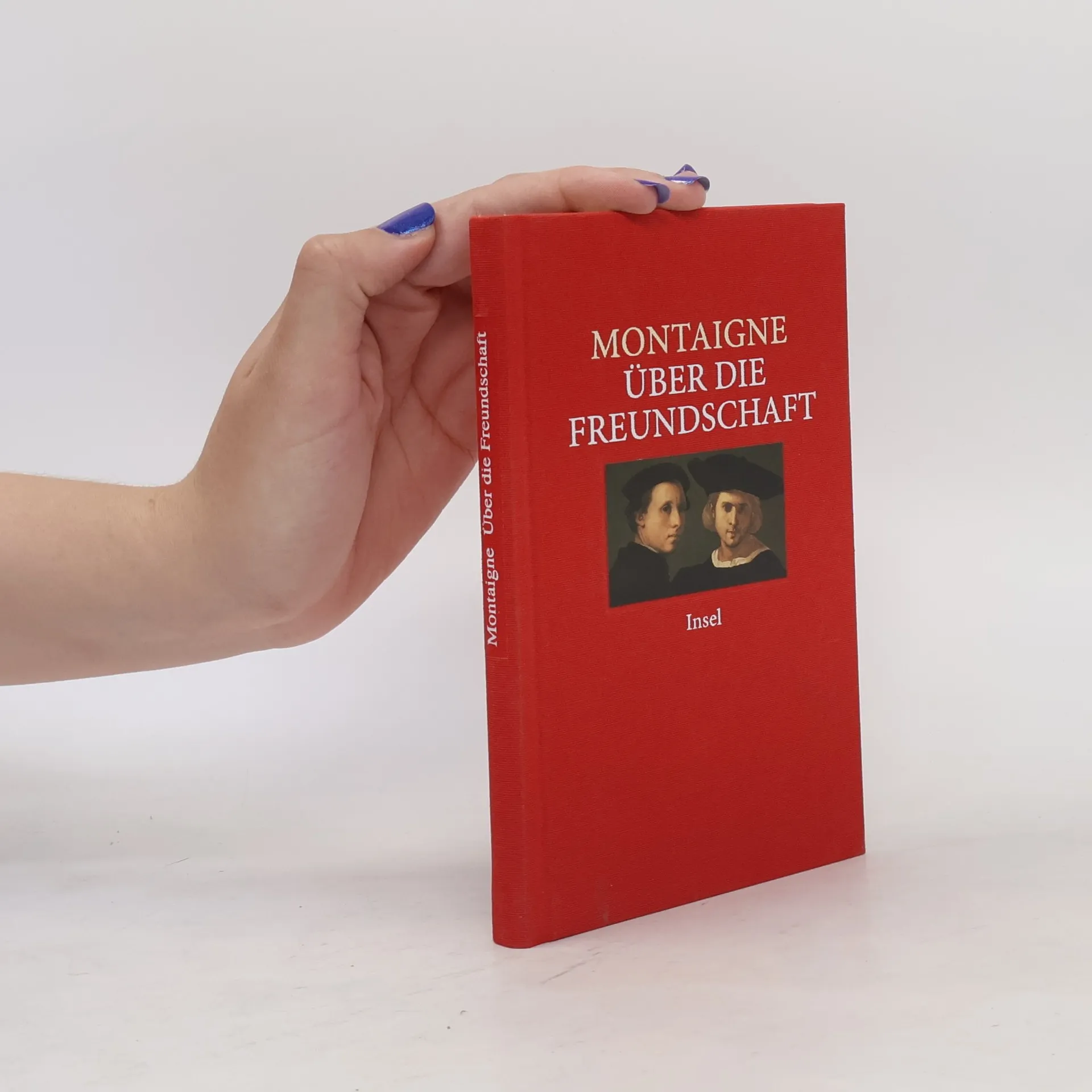
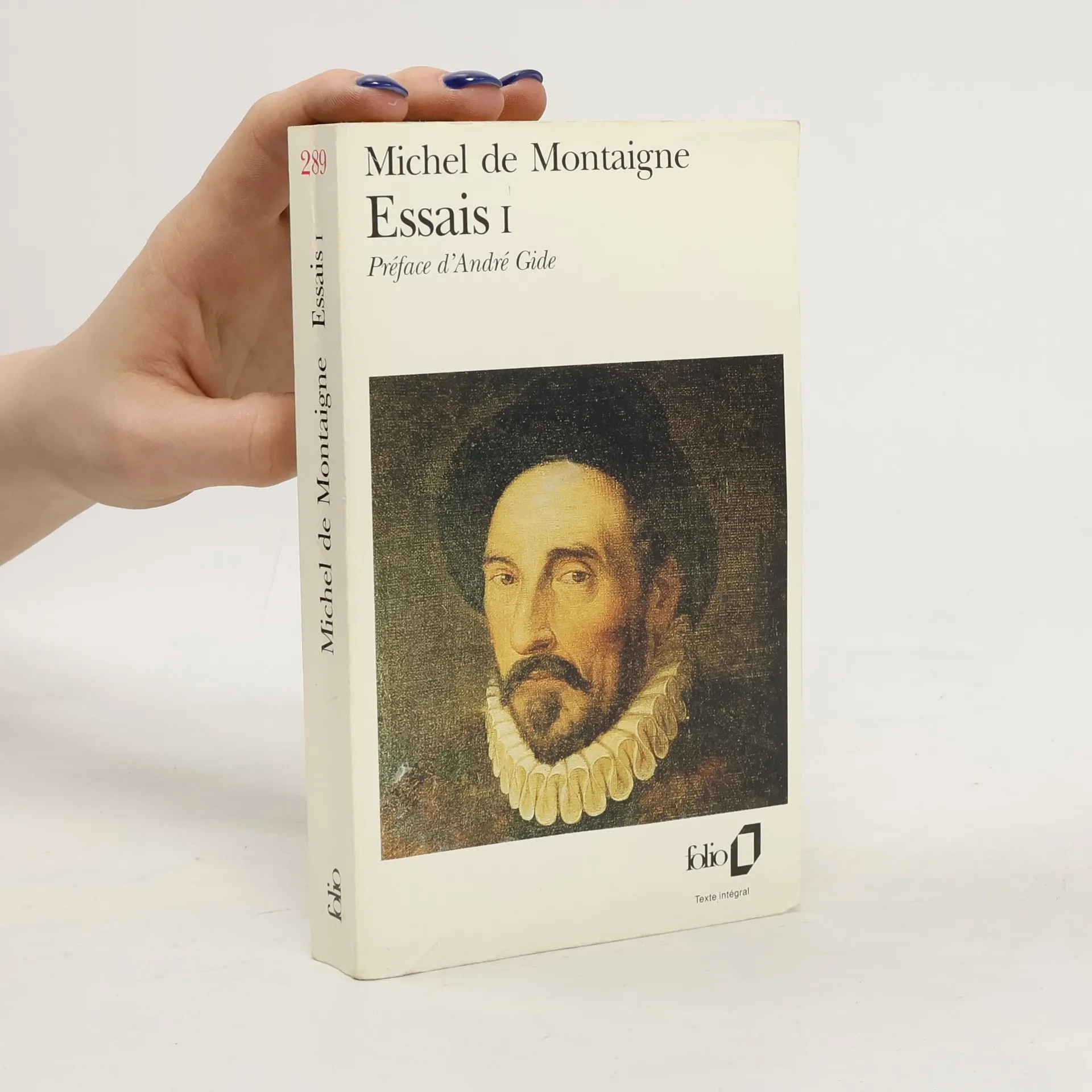
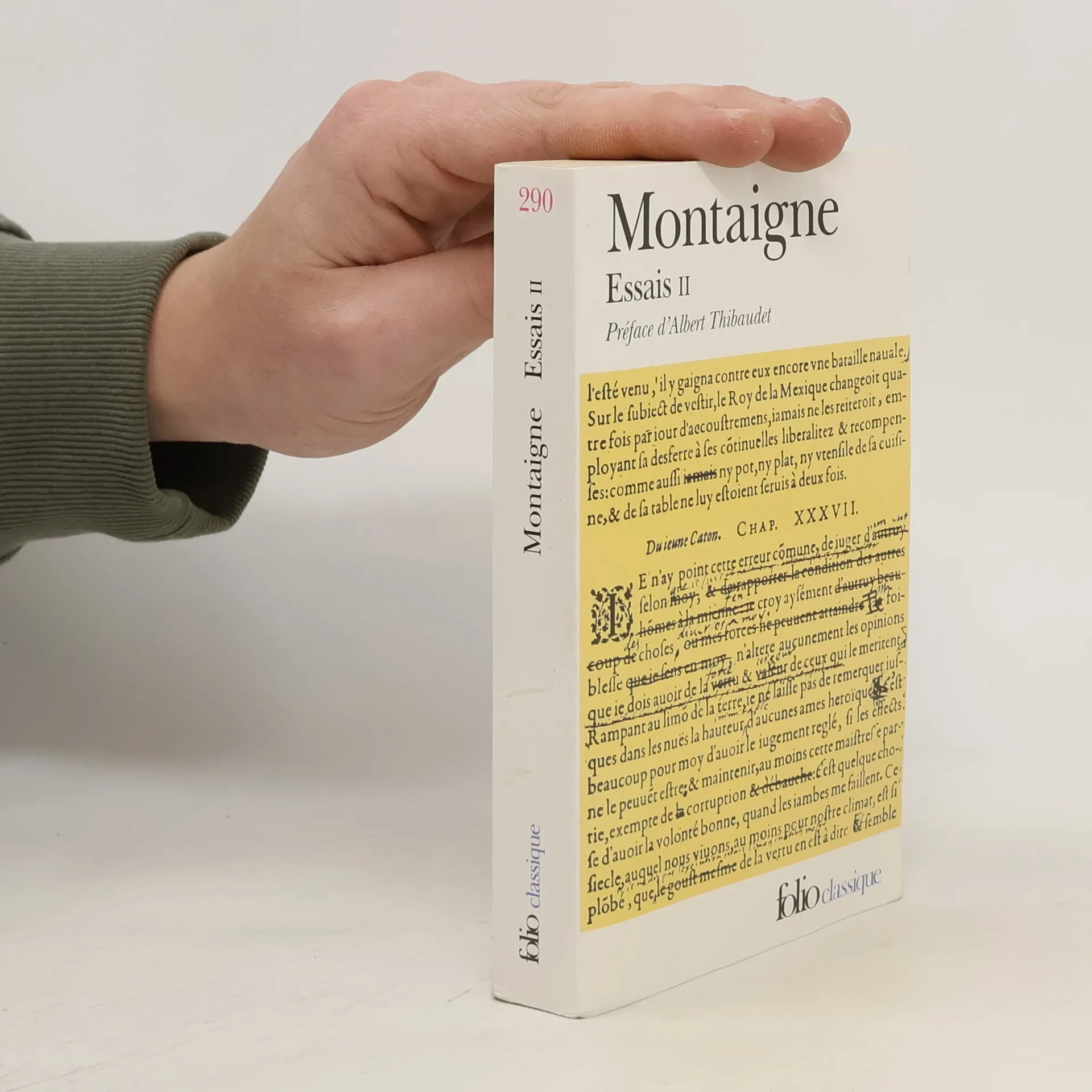
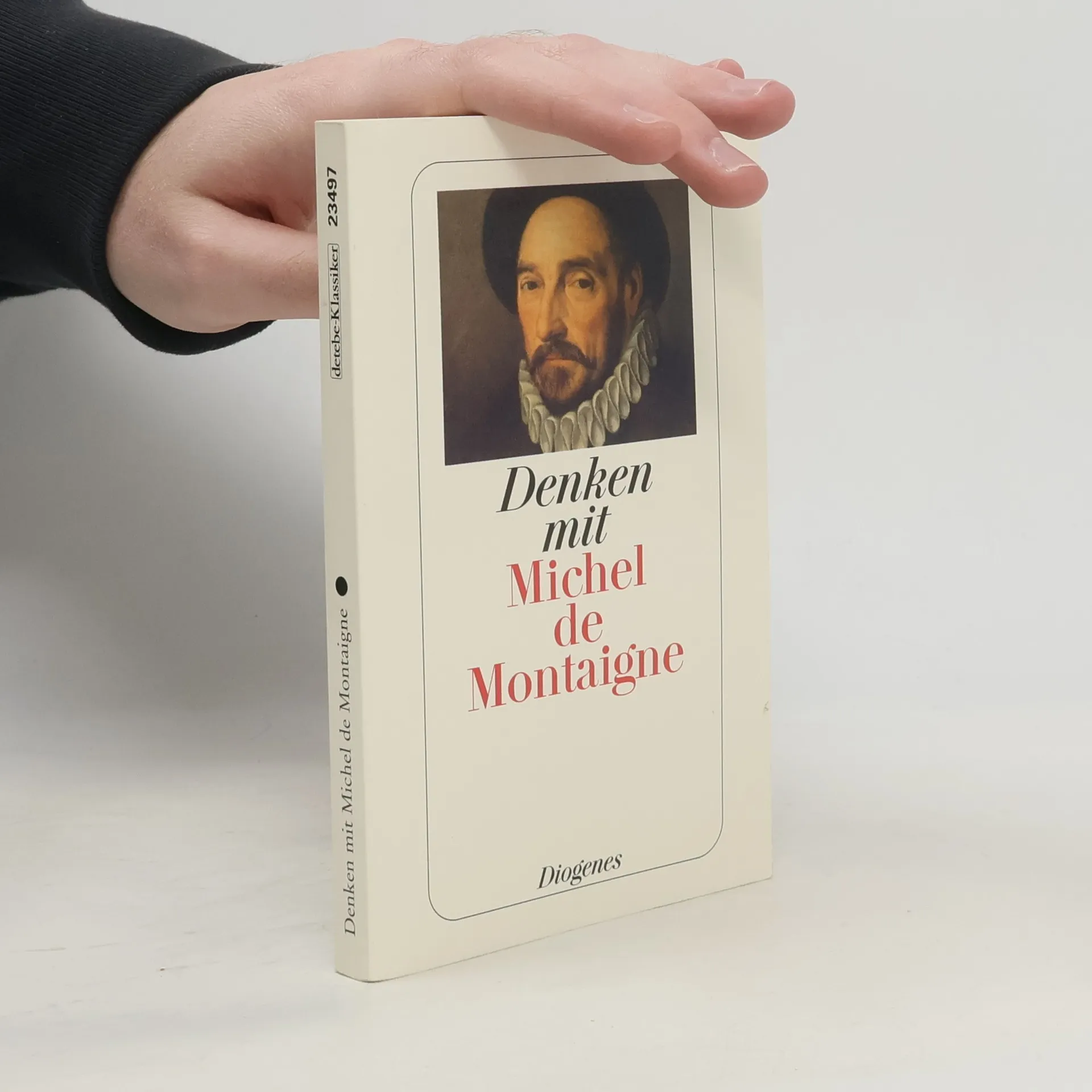
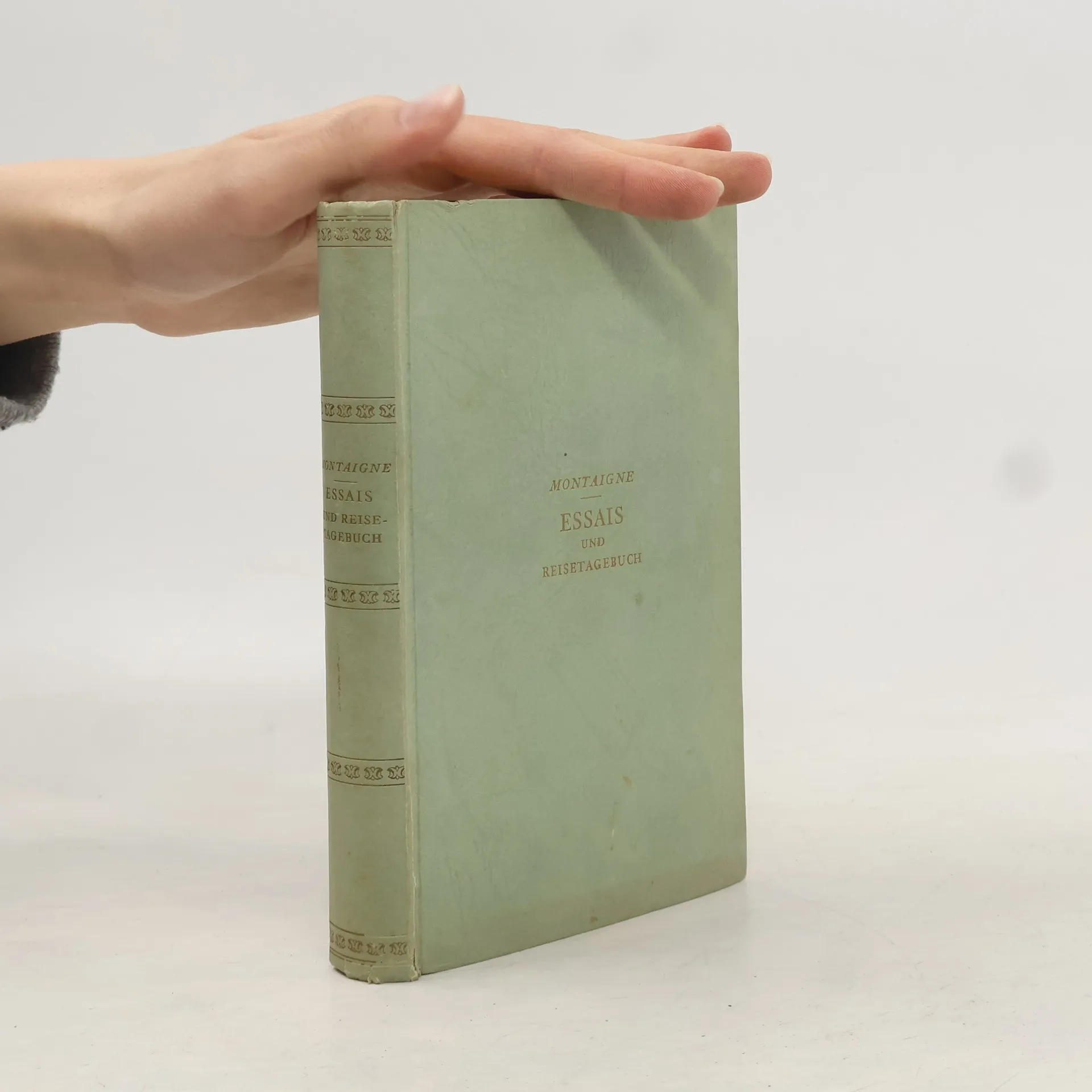
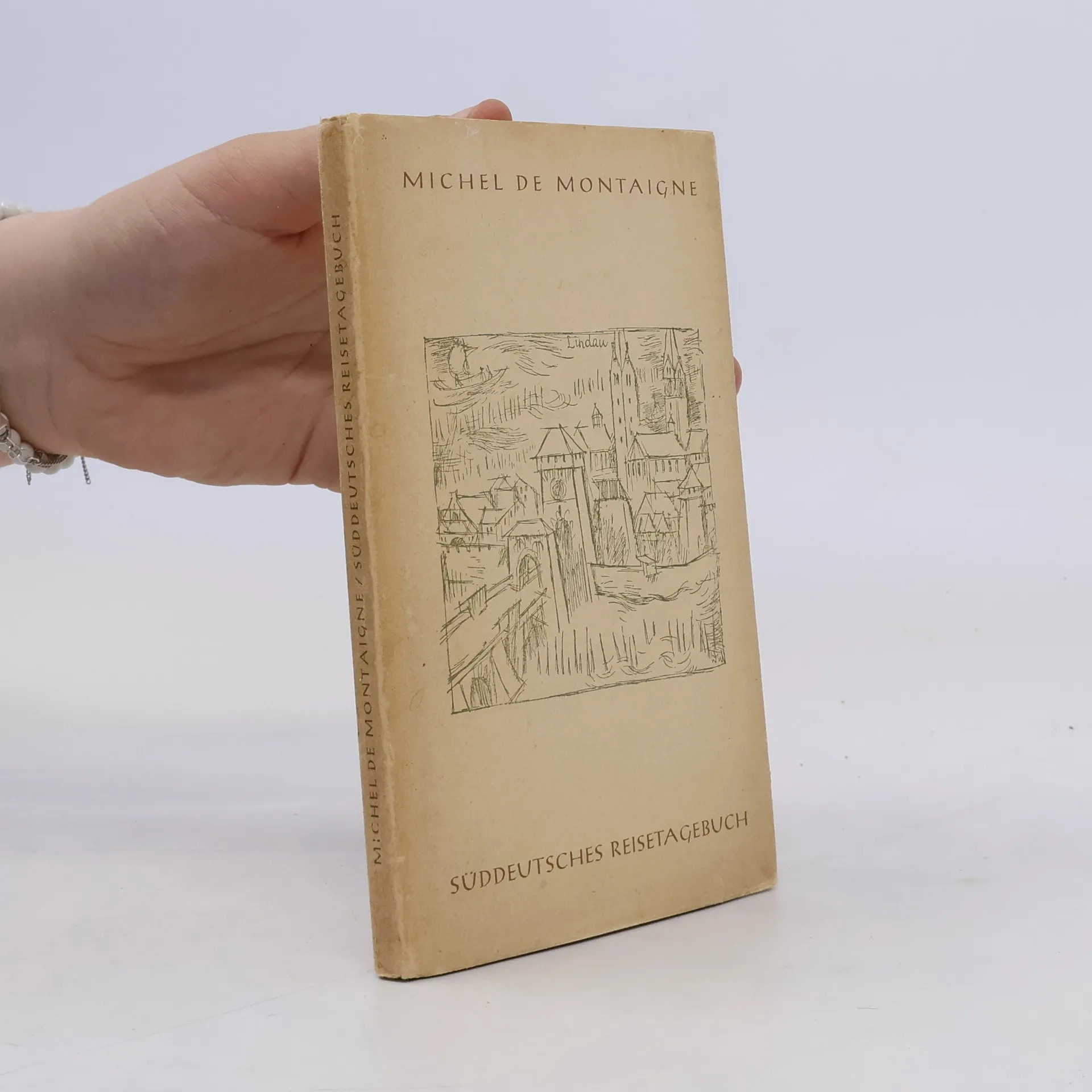
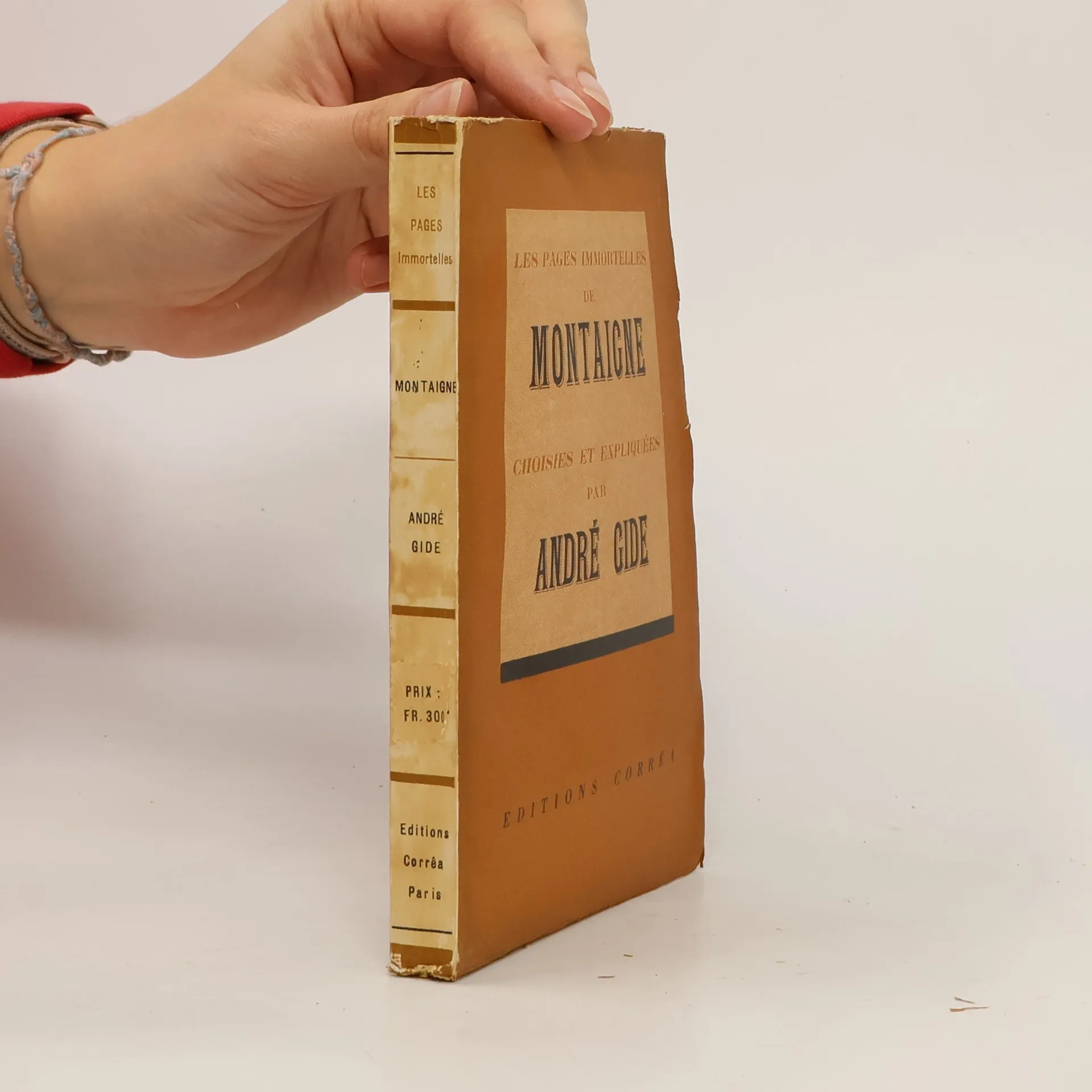
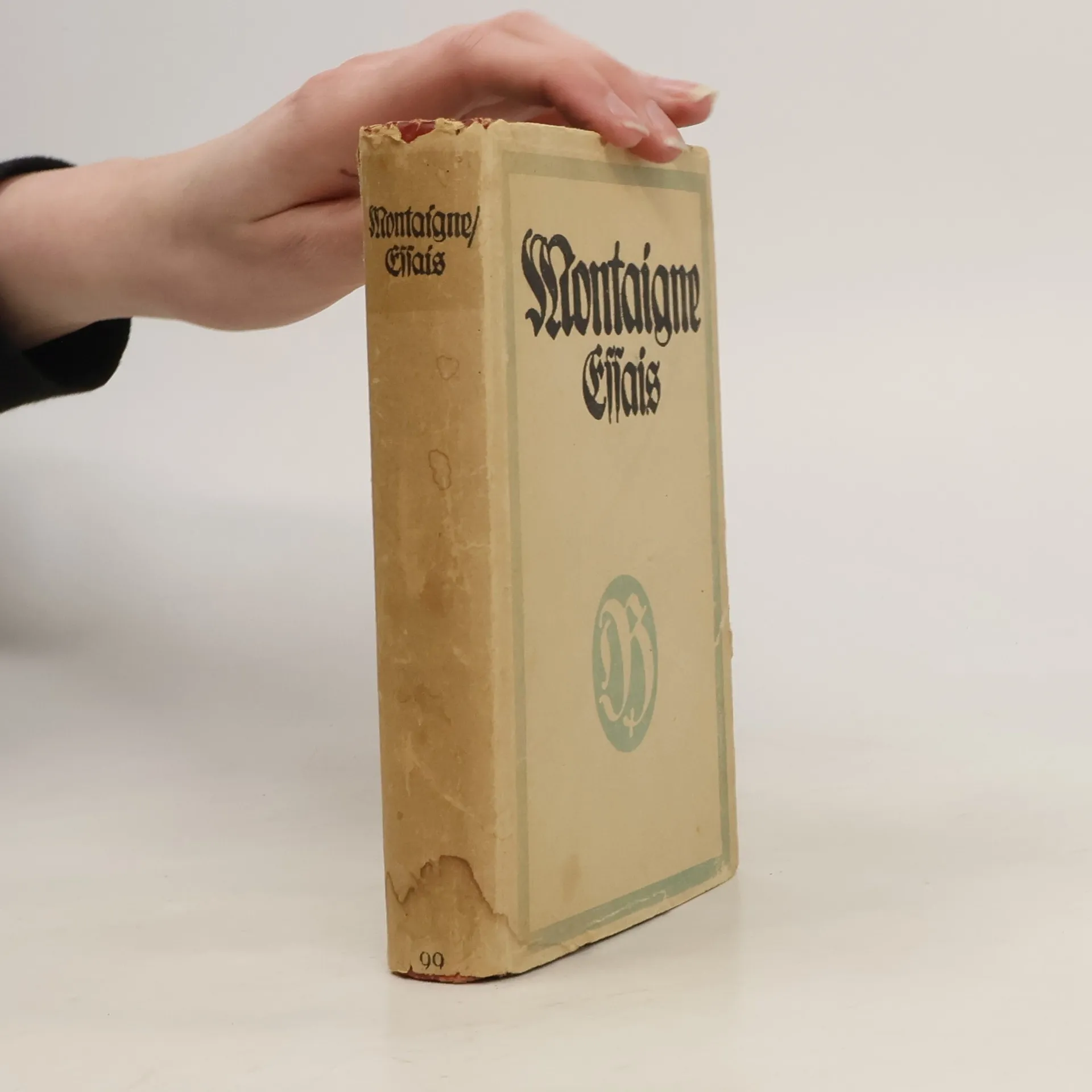
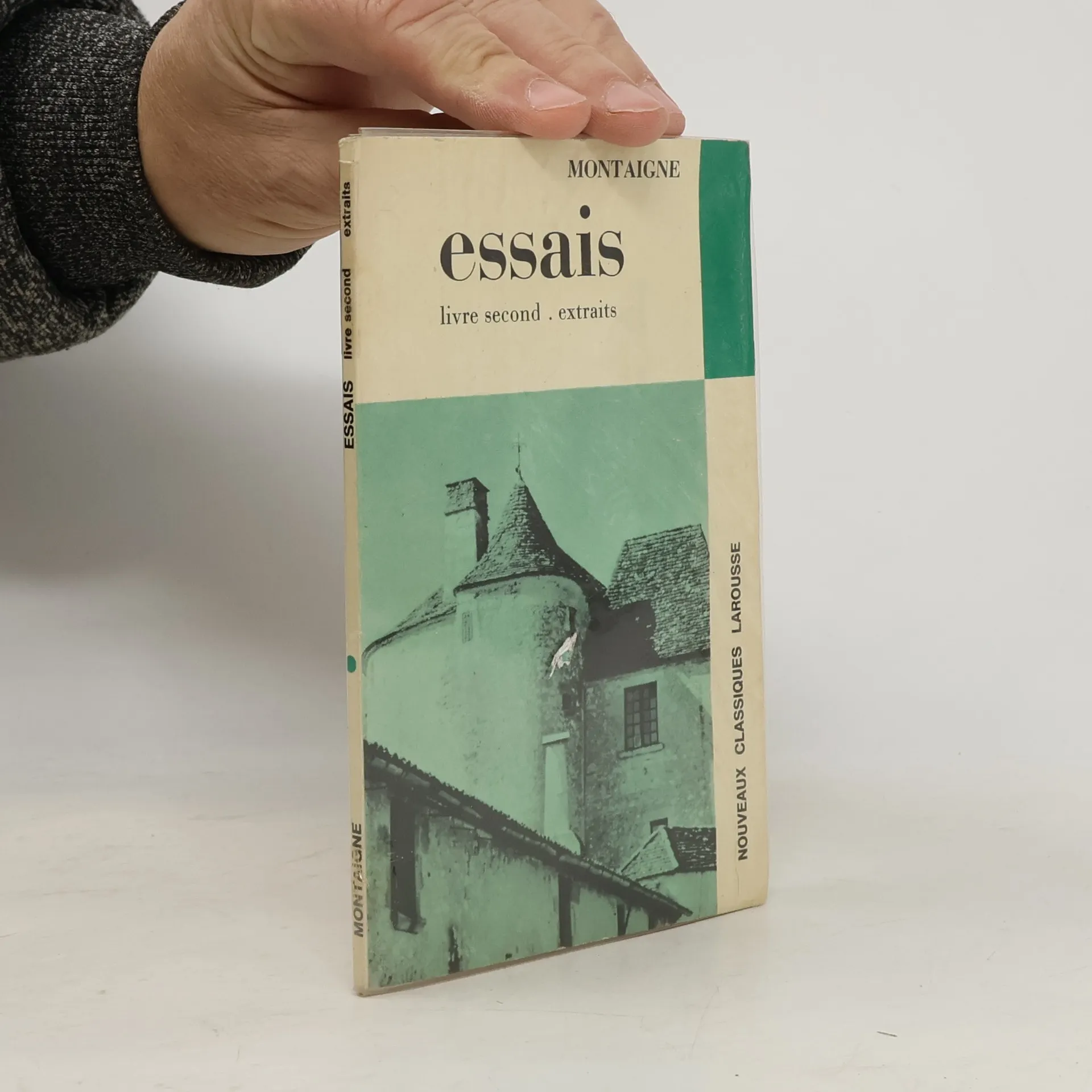
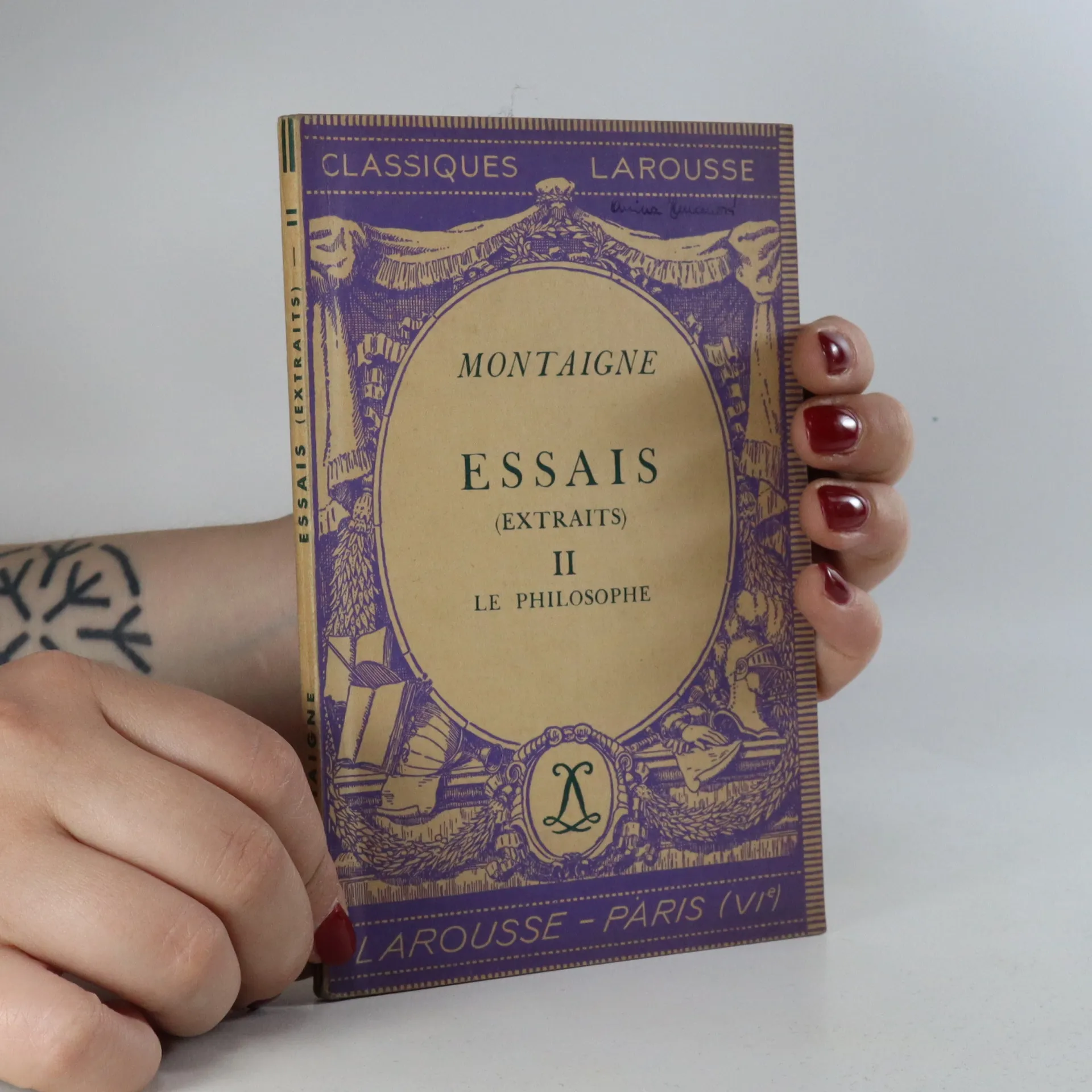
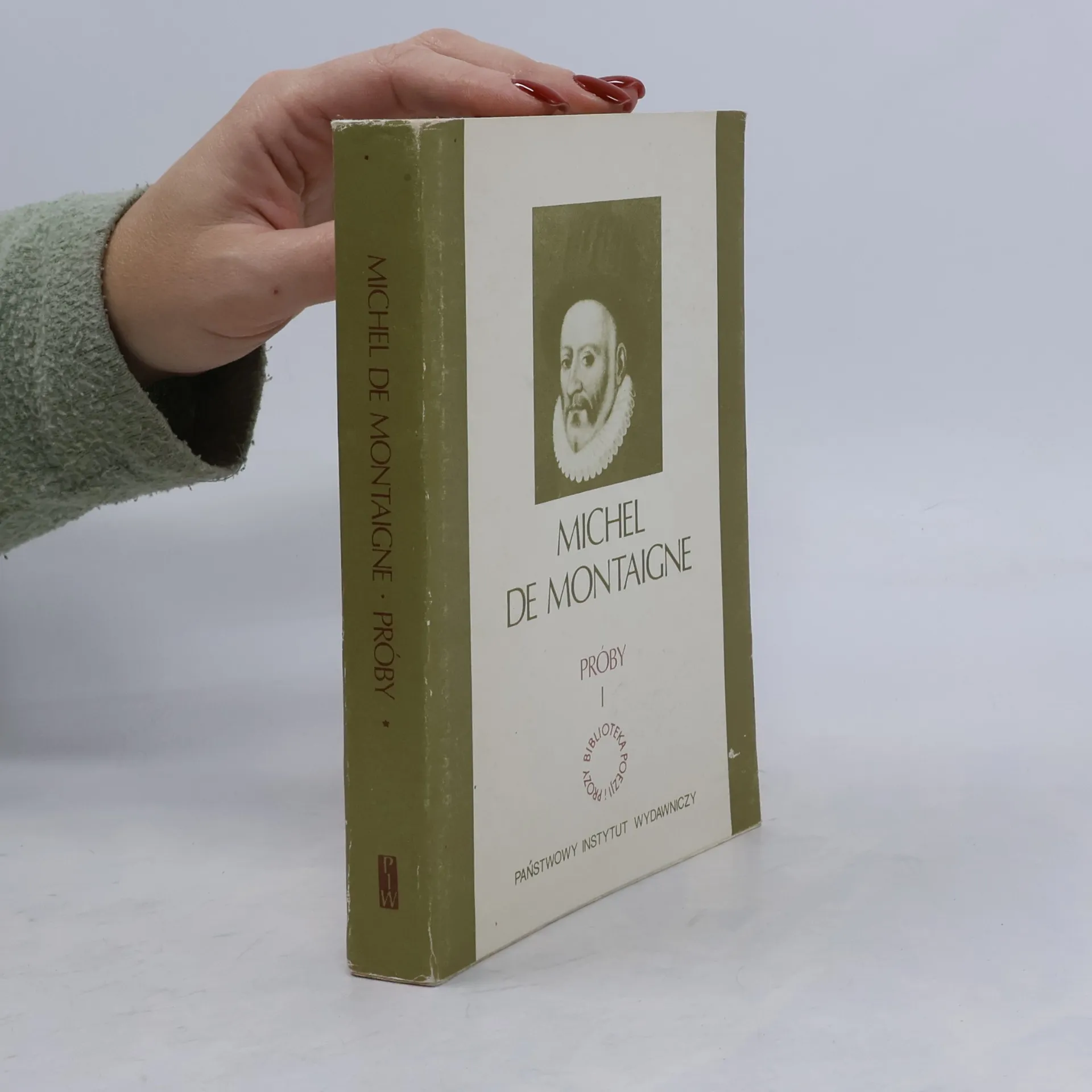
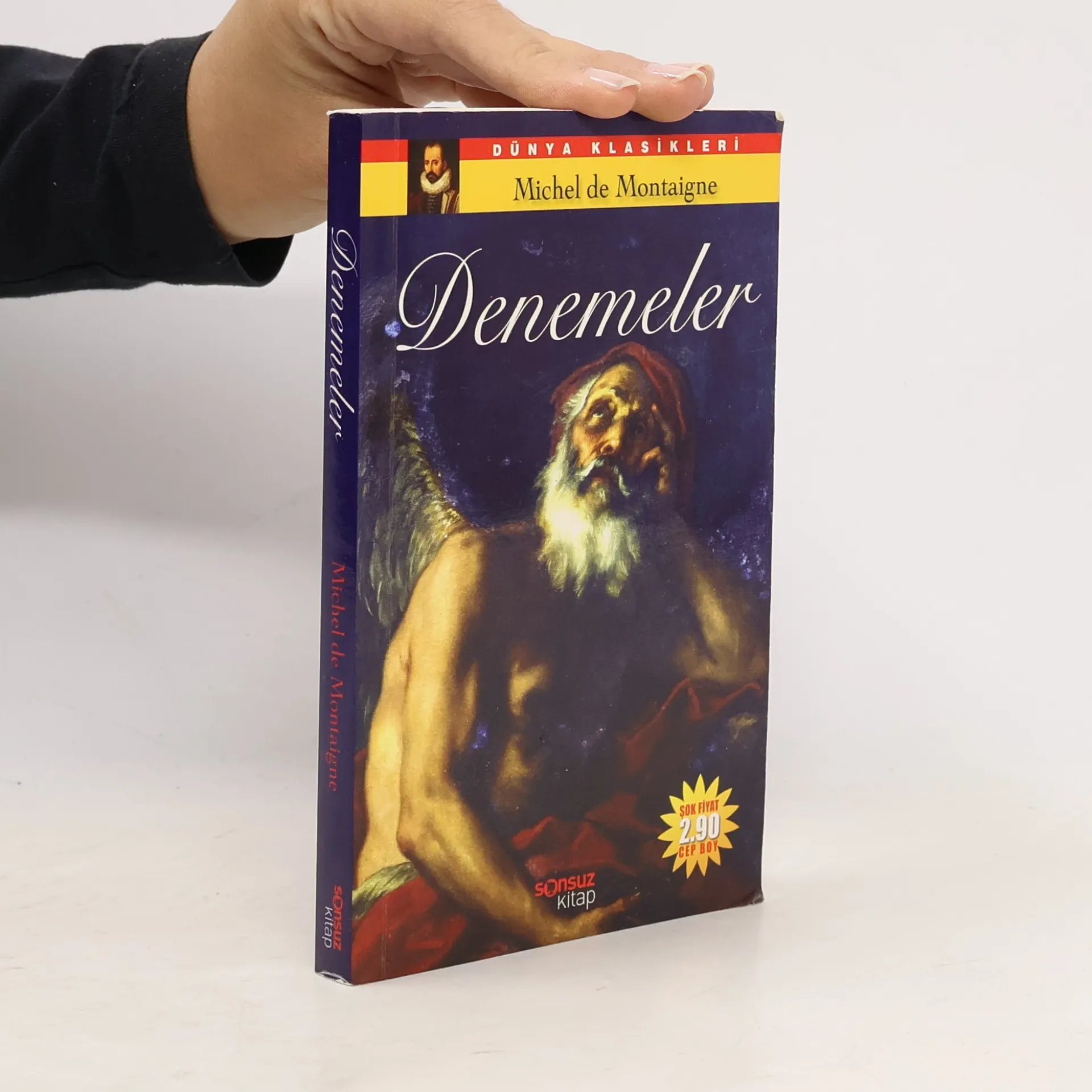
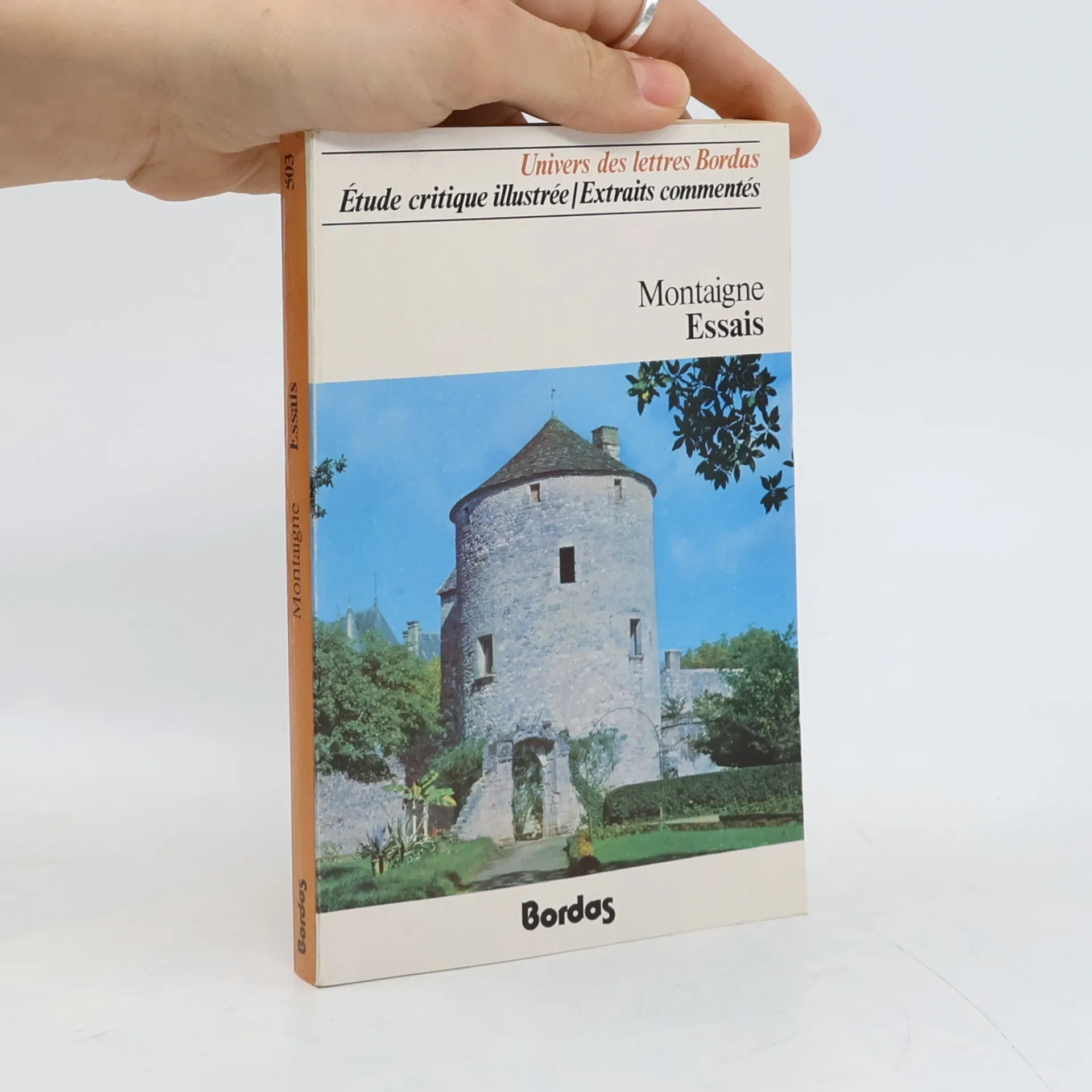
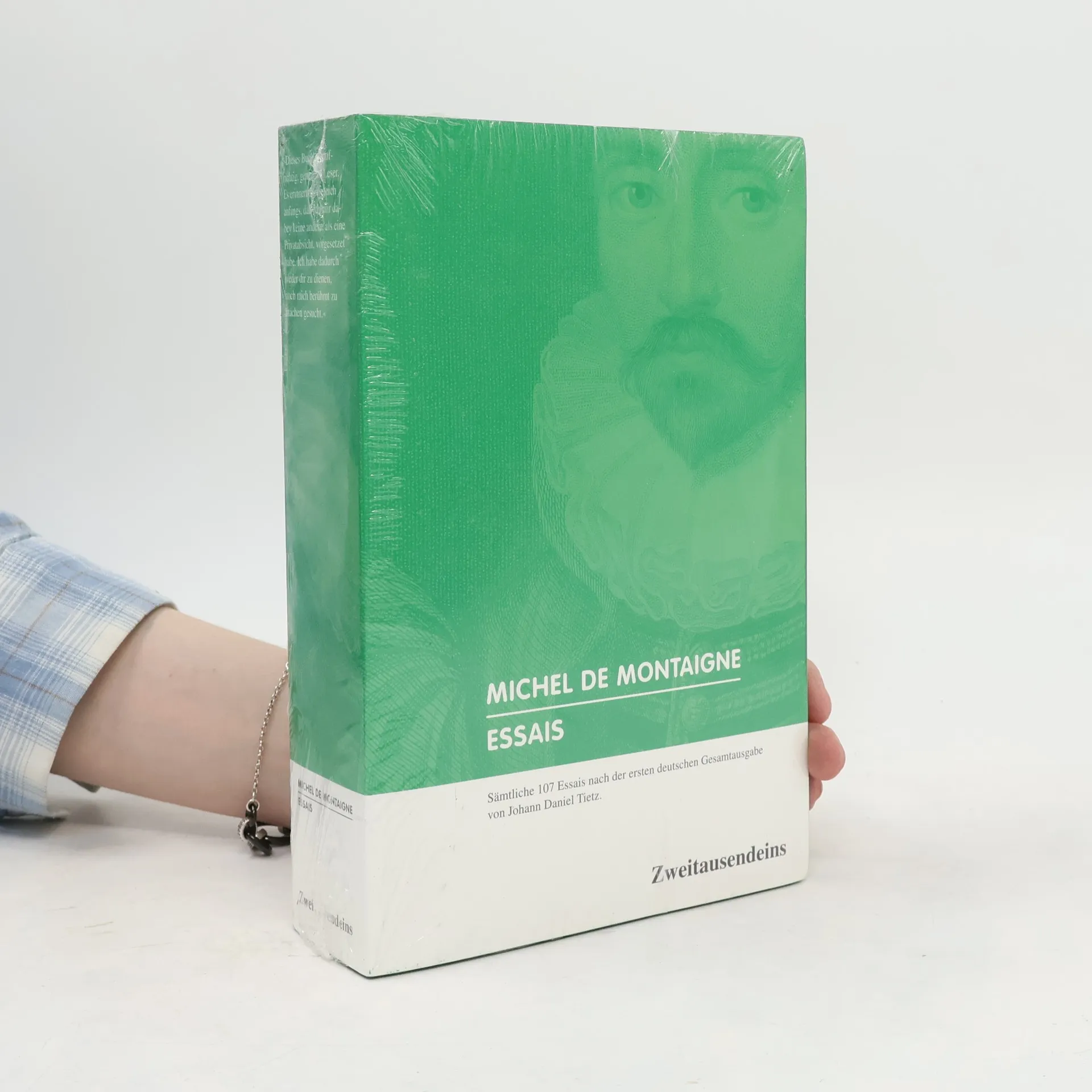
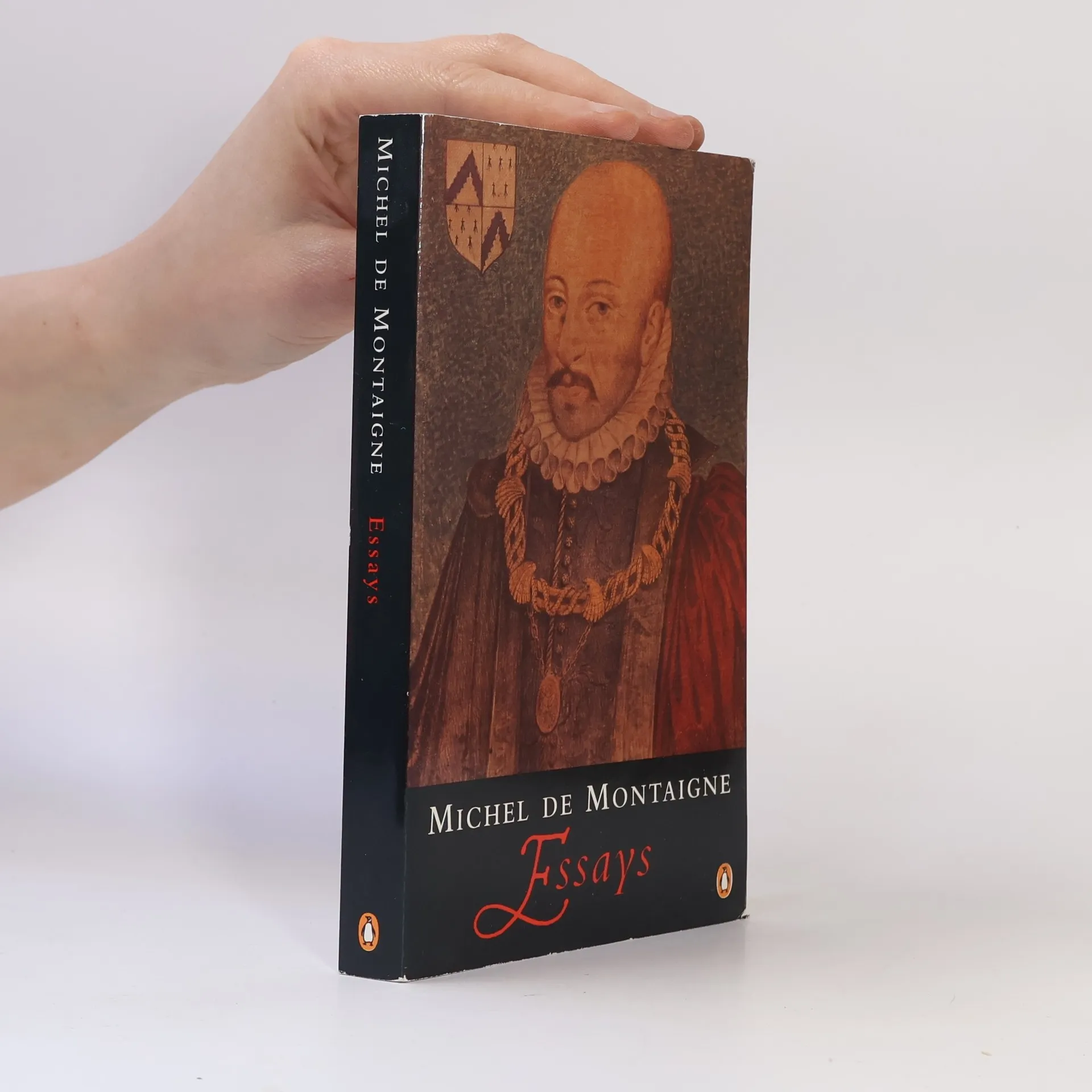
Nedôveroval systematickej filozofii, nechcel byť učencom. Svoje texty pomenoval esejami, teda pokusmi. Francúzske slovo essai vychádza z latinského exagium – vymeriavanie, váženie. Vďaka Montaignovmu zvažovaniu a rozvahe označuje dnes toto slovo aj žáner, v ktorom sa stretáva vedecké uvažovanie sumeleckým podaním. Vlastnou formou pomenoval podstatu problémov, ktorých riešeniu sme sa dodnes nepriblížili, v rozličných oblastiach praktického života. Montaigne píše o smútku, záhaľčivosti, samote, opilstve, svedomí, knihách či kočoch. Ako právnik a úradník sa podnetne vyjadril k spravodlivosti, krivde a zákonom. No najcennejšie rady poskytujú Eseje všetkým, ktorí sa chcú stať radšej múdrymi ako učenými.
Michel de Montaigne Knihy
28. február 1533 – 12. september 1592
Michel de Montaigne, jeden z najvplyvnejších spisovateľov francúzskej renesancie, sa preslávil popularizáciou eseje ako literárneho žánru. Svojou bezstarostnou schopnosťou spájať vážne intelektuálne špekulácie s neformálnymi anekdotami a autobiografiou vytvoril dielo, ktoré je dodnes mimoriadne vplyvné. Vyznačoval sa anti-dogmatickým myslením a stal sa otcom tradície „antikomformizmu“ vo francúzskej literatúre. Jeho schopnosť slobodne skúmať pochybnosti a jeho majstrovské vyváženie intelektuálnych poznatkov s osobným rozprávaním ho robia prístupným aj pre moderných čitateľov.

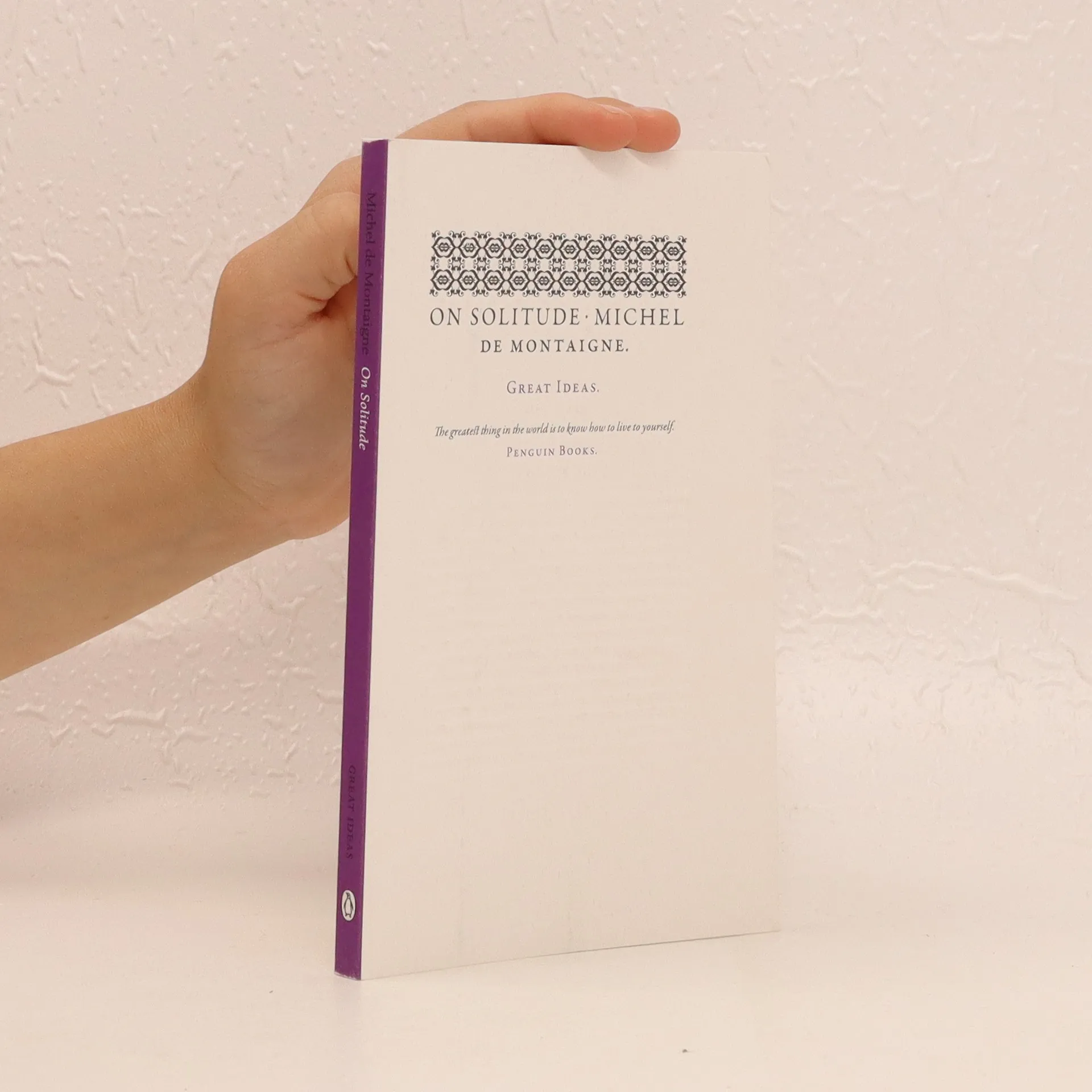
On solitude
- 144 stránok
- 6 hodin čítania
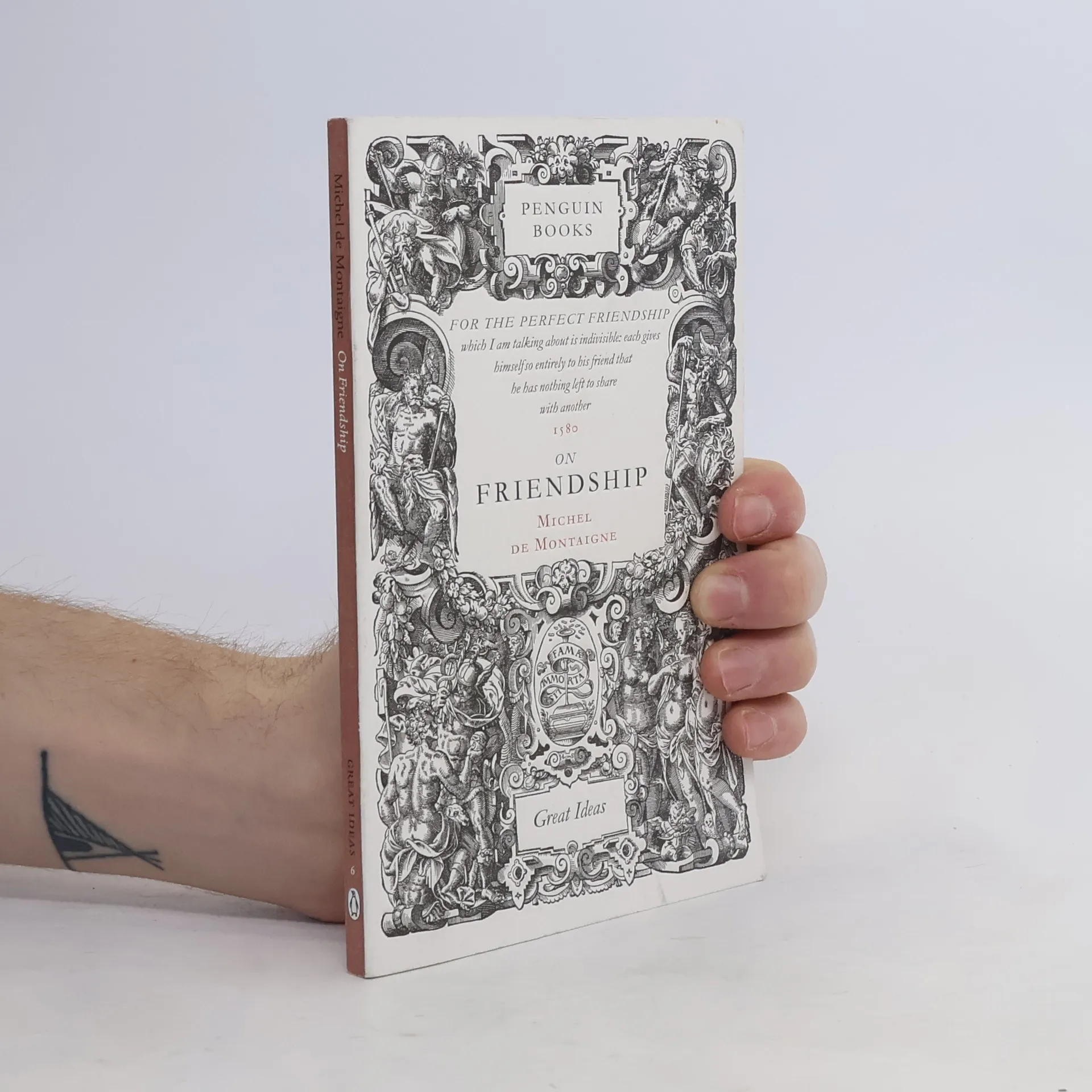
For the true bibliophile and design-savvy book lover, here is the next set of Penguin's celebrated Great Ideas series by some of history's most innovative thinkers. Acclaimed for their striking and elegant package, each volume features a unique type-driven design that highlights the bookmaker's art. Offering great literature and great design at great prices, this series is ideal for readers who want to explore and savor the Great Ideas that have shaped our world.
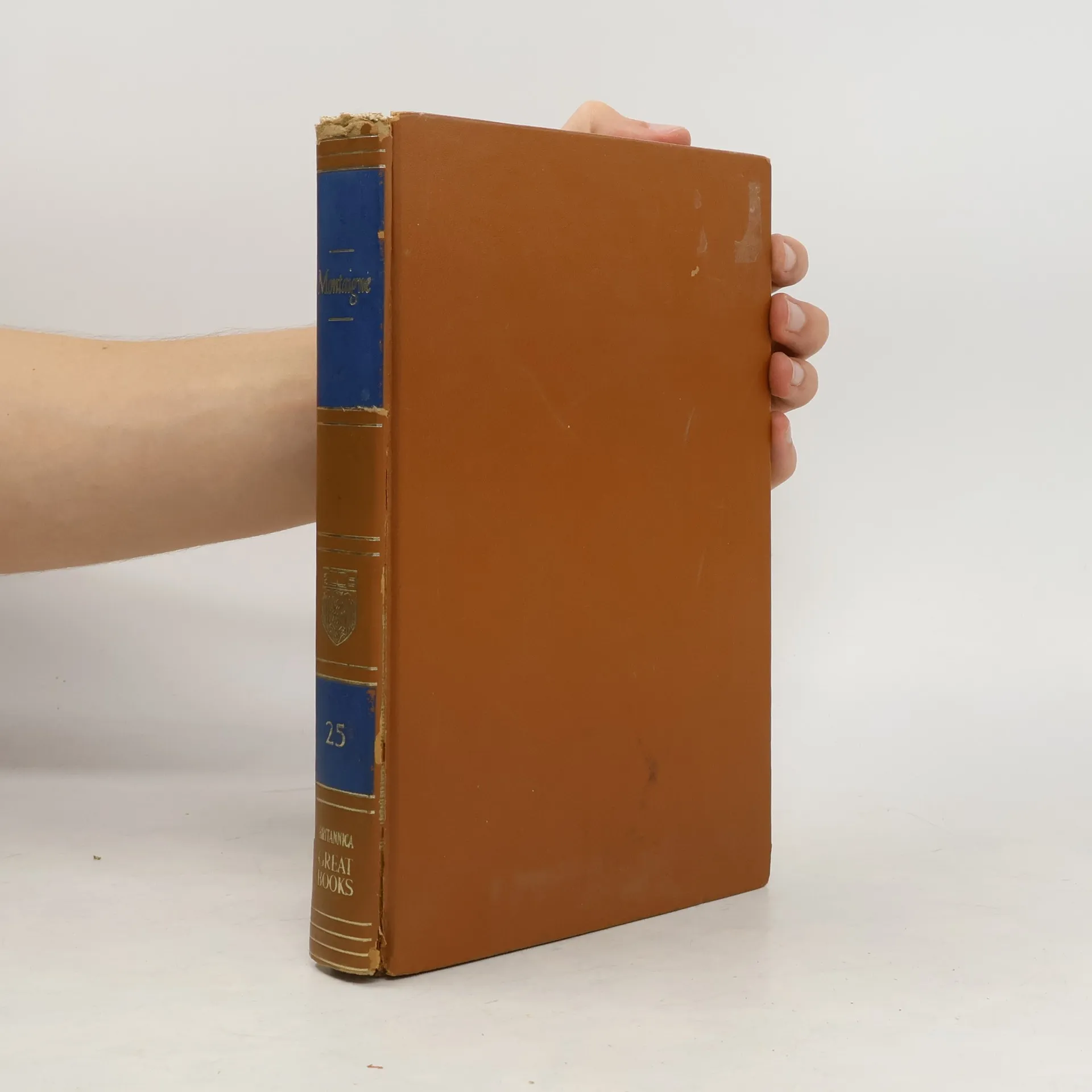
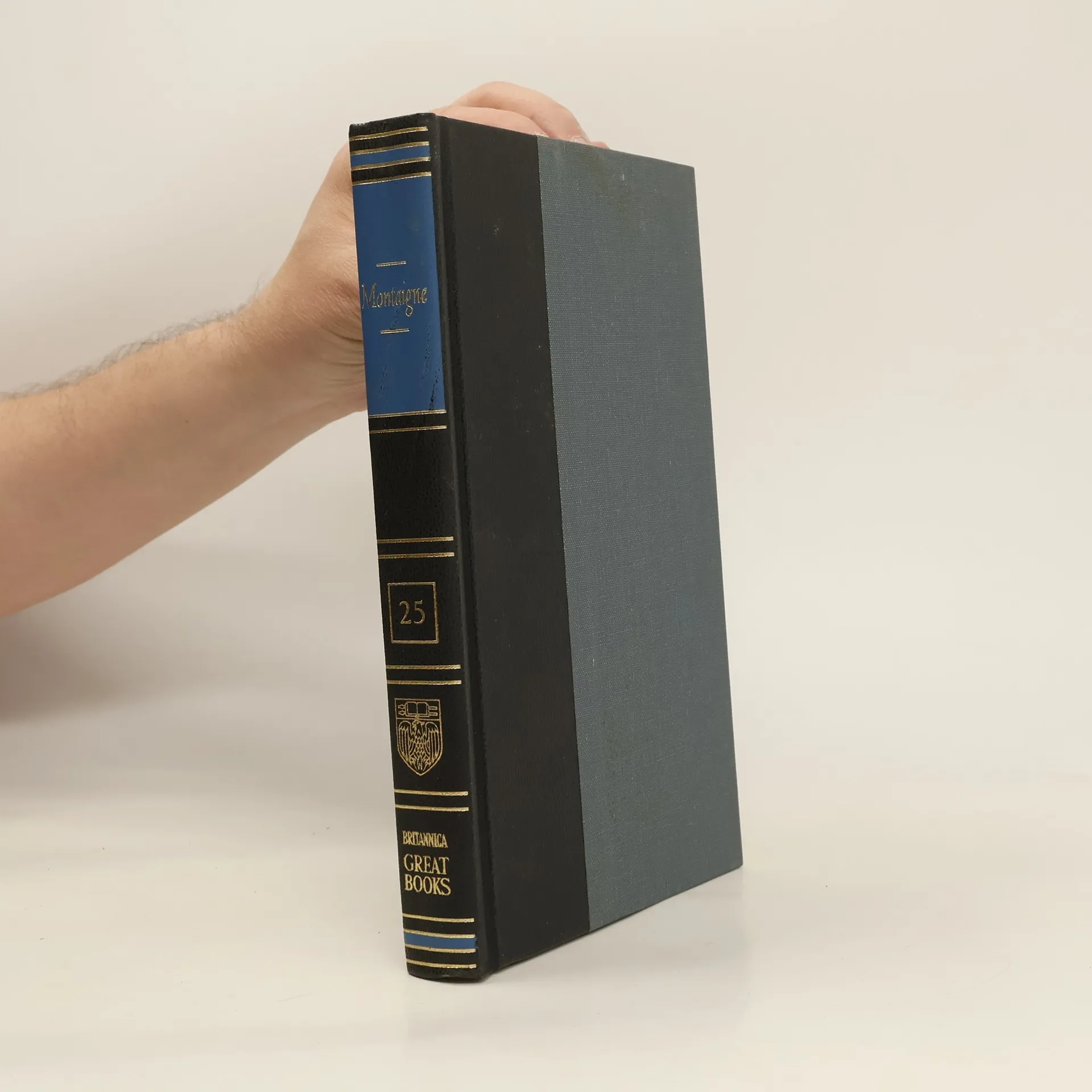
Encyclopædia Britannica is proud to offer one of the most acclaimed publishing achievements of the 20th century, Great Books of the Western World. This monumental collection compiles history's greatest written works, from the ancient classics to more recent masterpieces. Great Books of the Western World contains 517 works from 130 of the most renowned minds throughout history. Volumes 1 and 2 comprise the Syntopicon®, a unique guide that enables you to investigate a particular idea and compare the perspectives of different authors. The Syntopicon organizes thirty centuries of thought into 102 Great Ideas, subsequently divided into topics and subtopics to effectively explore the different viewpoints over time. Authoritative, accurate, and complete, this collection represents the essential core of the Western literary canon
Translates selections from sixteenth-century French writer Michel de Montaigne's "Essays," a collection that presents Montaigne's philosophical opinions on a wide variety of subjects, including books, relationships, cruelty, and smells.
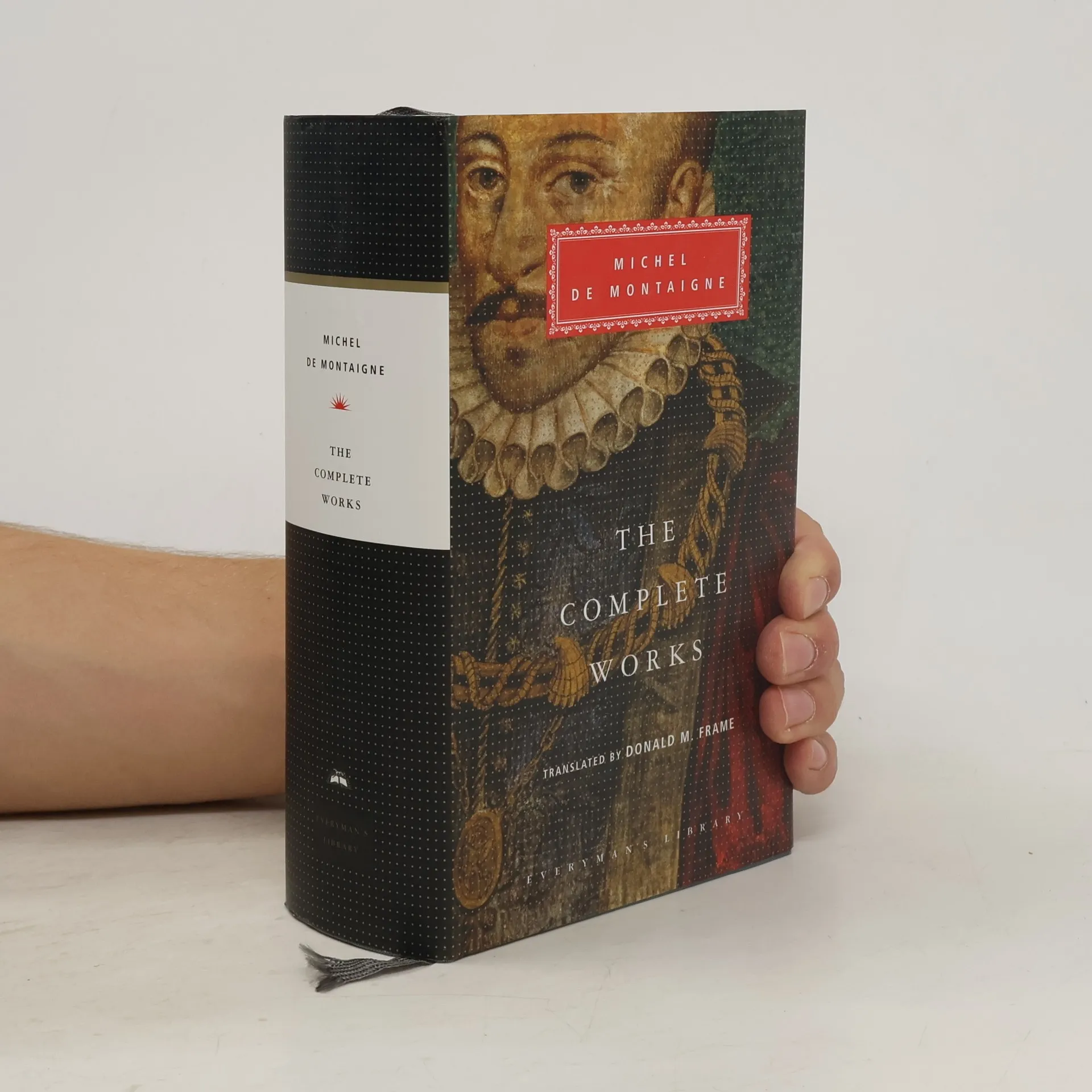
The Complete Works
- 1376 stránok
- 49 hodin čítania
Describing his collection of Essays as `a book consubstantial with its author', Montaigne identified both the power and the charm of a work which introduces us to one of the most attractive figures in European literature. schovat popis
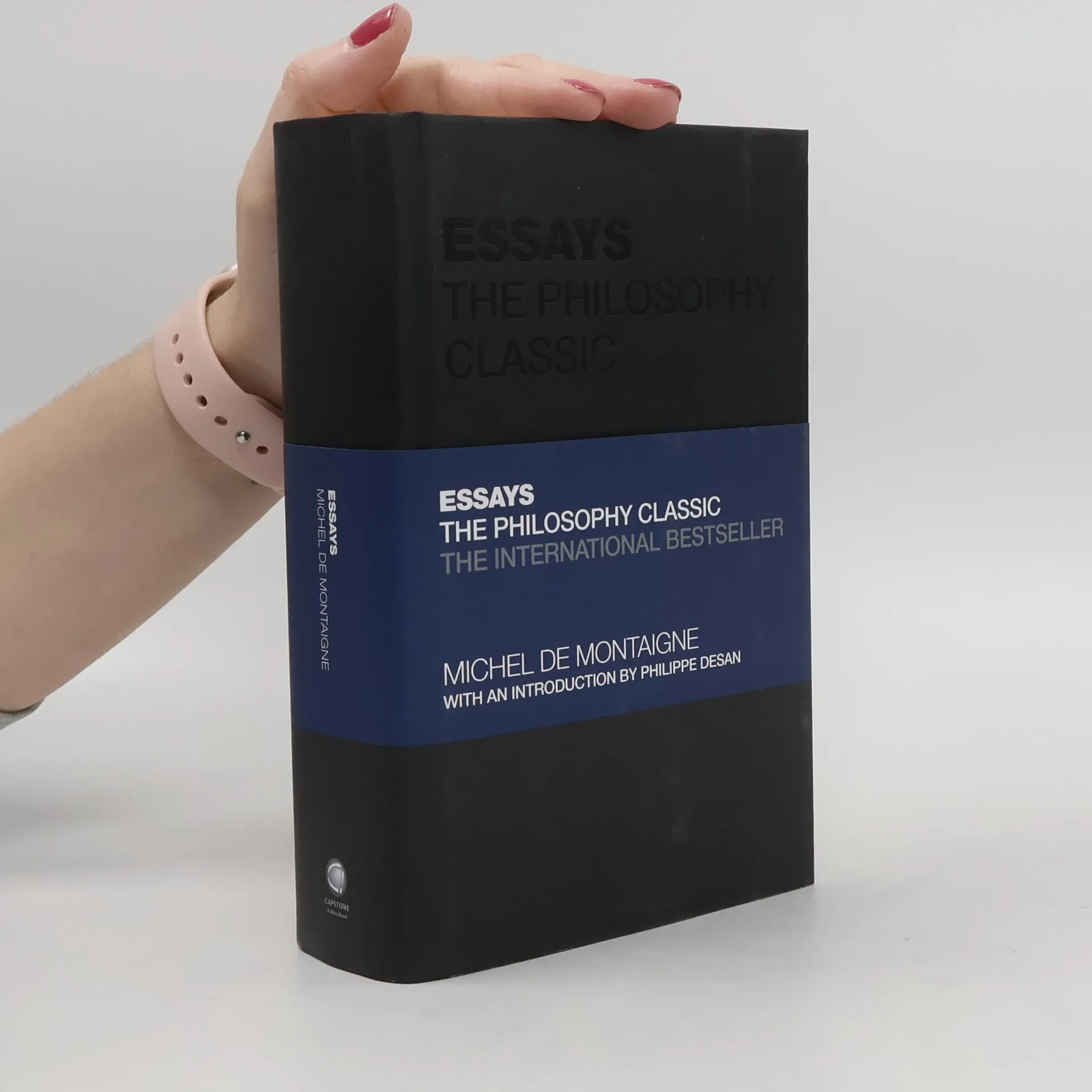
Essays: The Philosophy Classic: A Selected Edition for the Contemporary Reader
- 656 stránok
- 23 hodin čítania
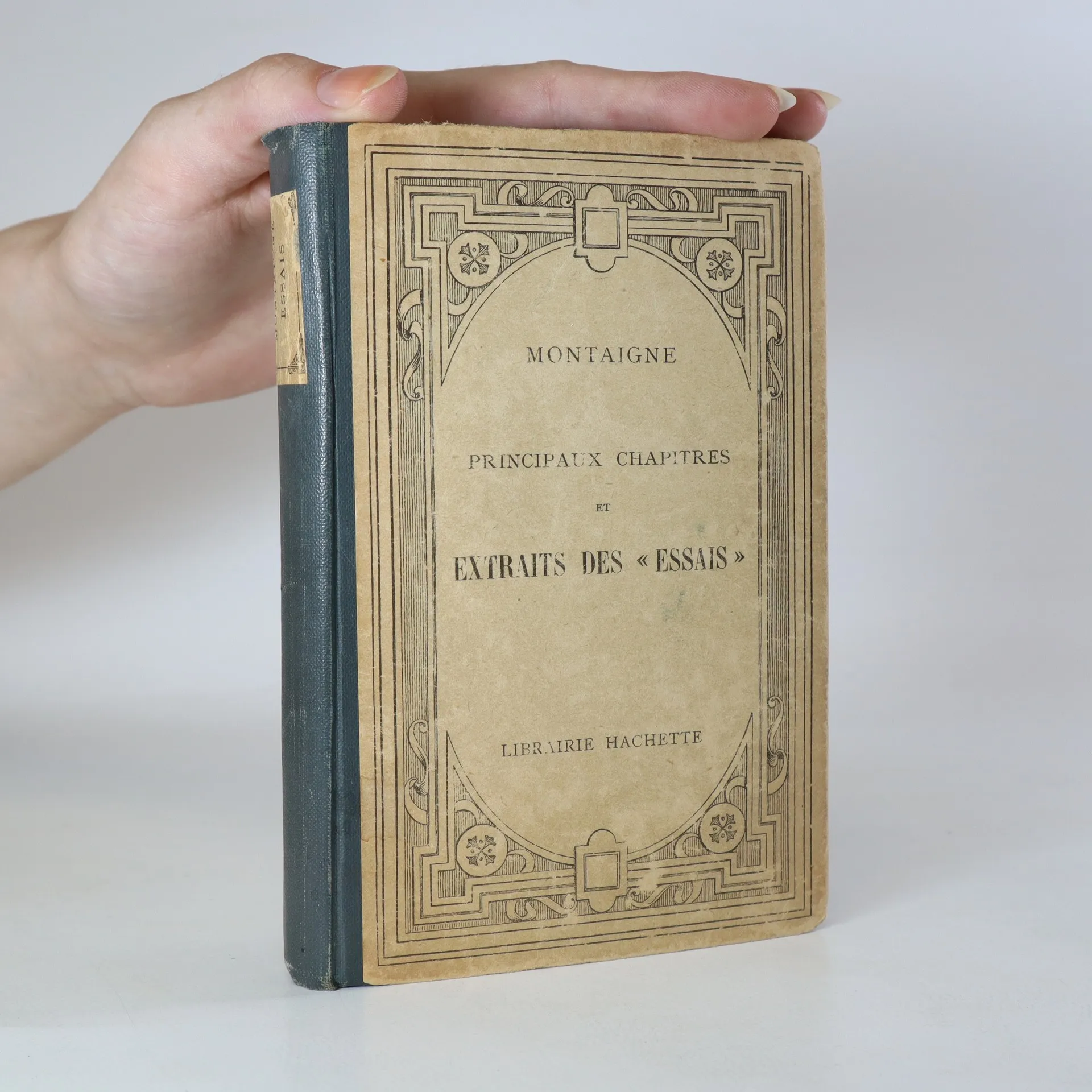
"Essais (Essays), the large collection of short essays by Michel de Montaigne was published in 1580. The essays are a reflection of Montaigne's philosophy, his interests and learning. They describe humans, particularly Montaigne himself, and he expressed his thoughts freely through his essays. His essays explore subjects as diverse as war-horses and cannibals, poetry and politics, sex and religion, love and friendship, ecstasy, and experience. Montaigne is associated with establishing the essay as a recognized genre in literature, and was the first person to use the word 'essay' to describe his writings. Part of the bestselling Capstone Classics series. This high-quality, hardcover volume is a must-have for readers interested in the writings of Michel de Montaigne"-- Provided by publisher
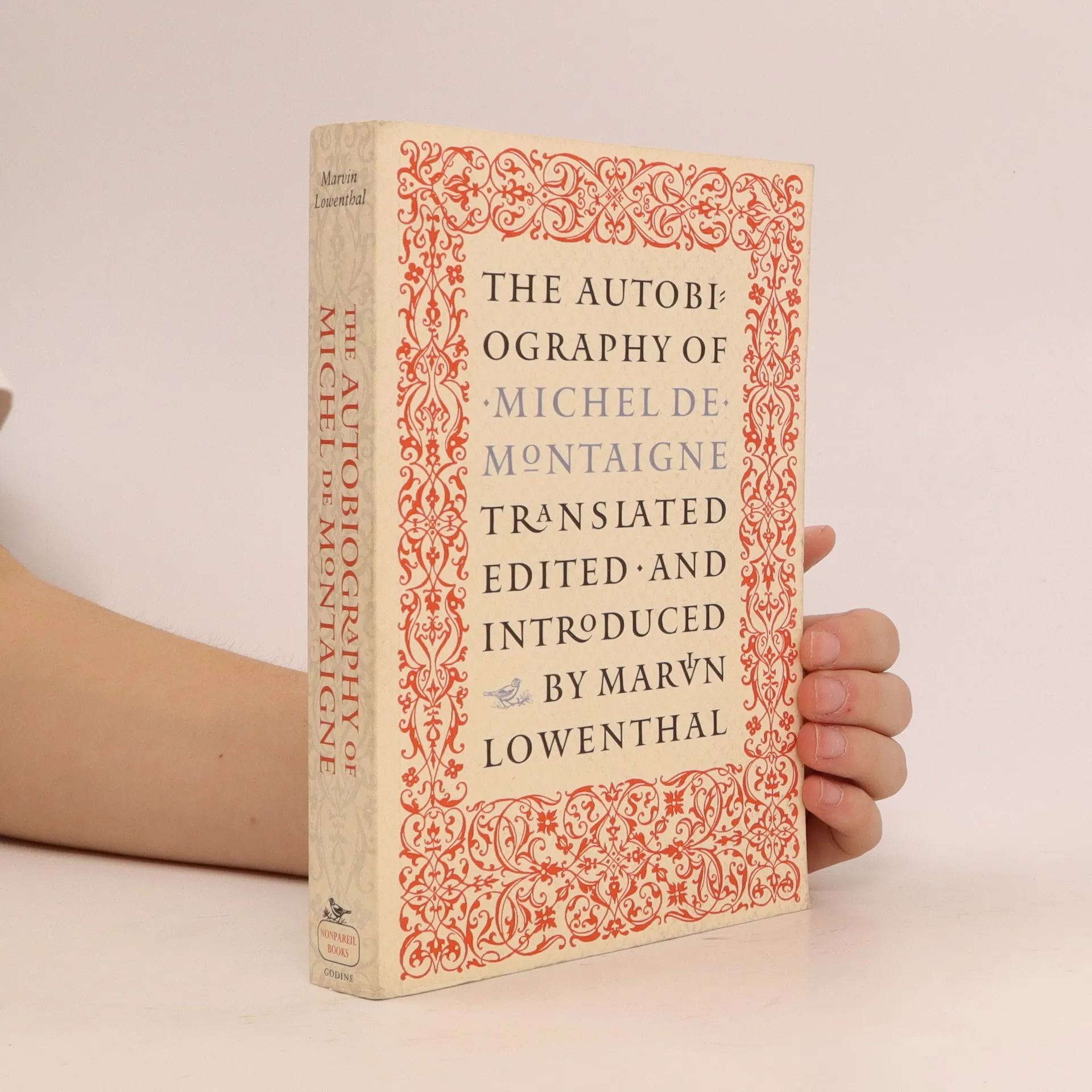
s/t: Compromising the Life of the Wisest Man of His Times: His Childhood, Youth, and Prime; His Adventures in LoveEveryone acknowledges the Essays of Michel de Montaigne as one of the glories of civilized thought. But in this volume, Marvin Lowenthal has drawn from his letters, essays, travel writings, and manuscripts to create a biography of his life told in his own words, thereby fulfilling Montaigne s intention of presenting his self-portrait to the world. For it was Montaigne who wrote, My book and I are one, and into his writing he poured the amazing varieties of his perceptions, his unflinching powers of observation and analysis, and his deeply felt love of humanity in all its messy contrariness. Above his desk, on a beam on his ceiling, were inscribed the words nihil humani alieni mihi puto : nothing human is alien to me and nothing was, for into his writing he distilled his tender heart and biting wit, his nonsense and wisdom, his passions and his hates. By collecting and arranging these autobiographical passages into a unified whole, Lowenthal has framed a complete portrait in this rich and rewarding book. All of Montaigne is here: his adventures and love affairs, his marriage, travels, tastes, and opinions. Seldom has so much wit, wisdom, and pure entertainment been packed into a single volume.
The Essays; Translated by Charles Cotton; Volume 2
- 536 stránok
- 19 hodin čítania
Culturally significant, this work has been preserved to maintain its original integrity, showcasing copyright references and library stamps that highlight its historical importance. It serves as a vital piece of civilization's knowledge base, reflecting the scholarly value placed on the text. The reproduction aims to offer readers an authentic experience of the original artifact, emphasizing its relevance in understanding cultural heritage.
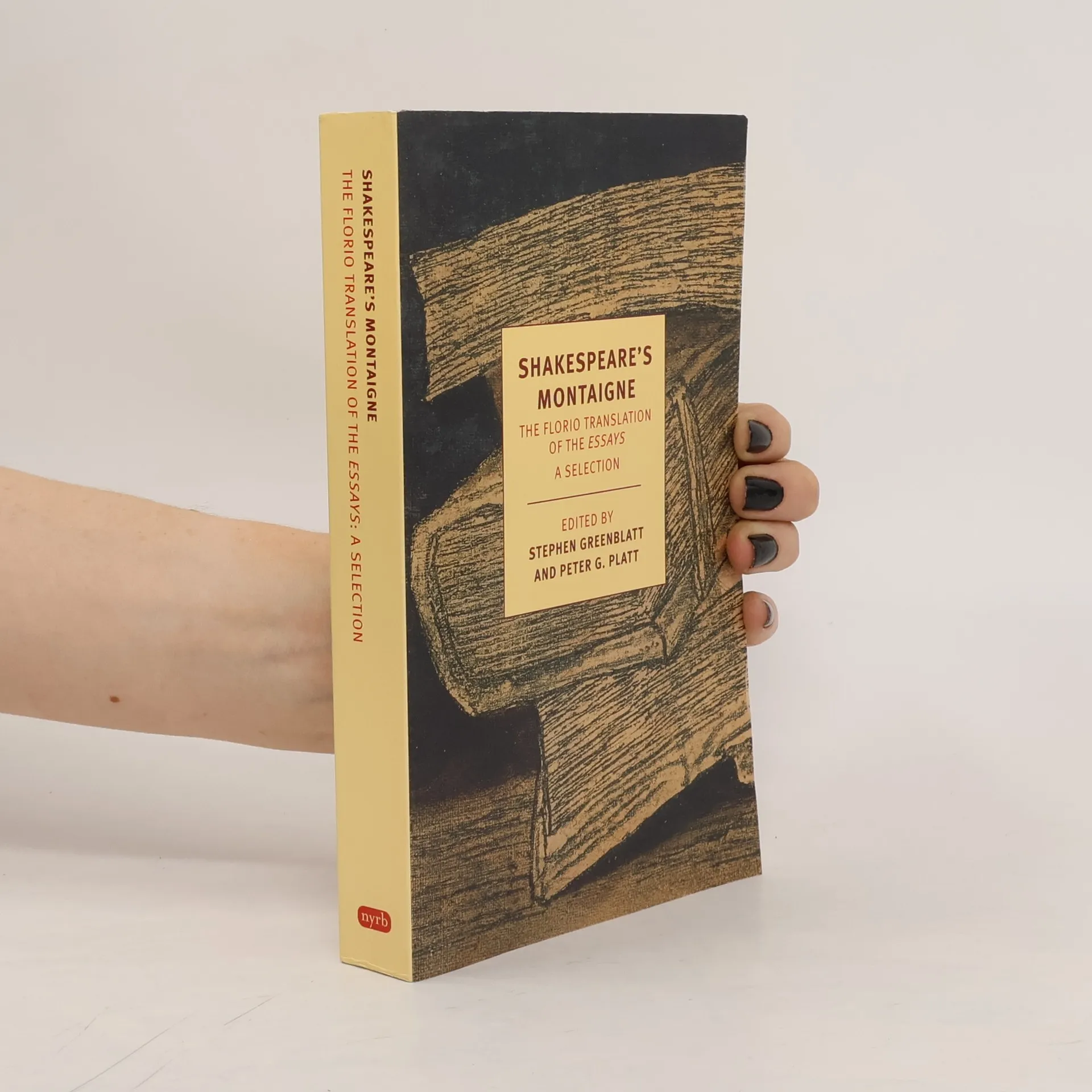
Shakespeare's Montaigne
- 418 stránok
- 15 hodin čítania
An NYRB Classics OriginalShakespeare, Nietzsche wrote, was Montaigne’s best reader—a typically brilliant Nietzschean insight, capturing the intimate relationship between Montaigne’s ever-changing record of the self and Shakespeare’s kaleidoscopic register of human character. And there is no doubt that Shakespeare read Montaigne—though how extensively remains a matter of debate—and that the translation he read him in was that of John Florio, a fascinating polymath, man-about-town, and dazzlingly inventive writer himself.Florio’s Montaigne is in fact one of the masterpieces of English prose, with a stylistic range and felicity and passages of deep lingering music that make it comparable to Sir Robert Burton’s Anatomy of Melancholy and the works of Sir Thomas Browne. This new edition of this seminal work, edited by Stephen Greenblatt and Peter G. Platt, features an adroitly modernized text, an essay in which Greenblatt discusses both the resemblances and real tensions between Montaigne’s and Shakespeare’s visions of the world, and Platt’s introduction to the life and times of the extraordinary Florio. Altogether, this book provides a remarkable new experience of not just two but three great writers who ushered in the modern world.
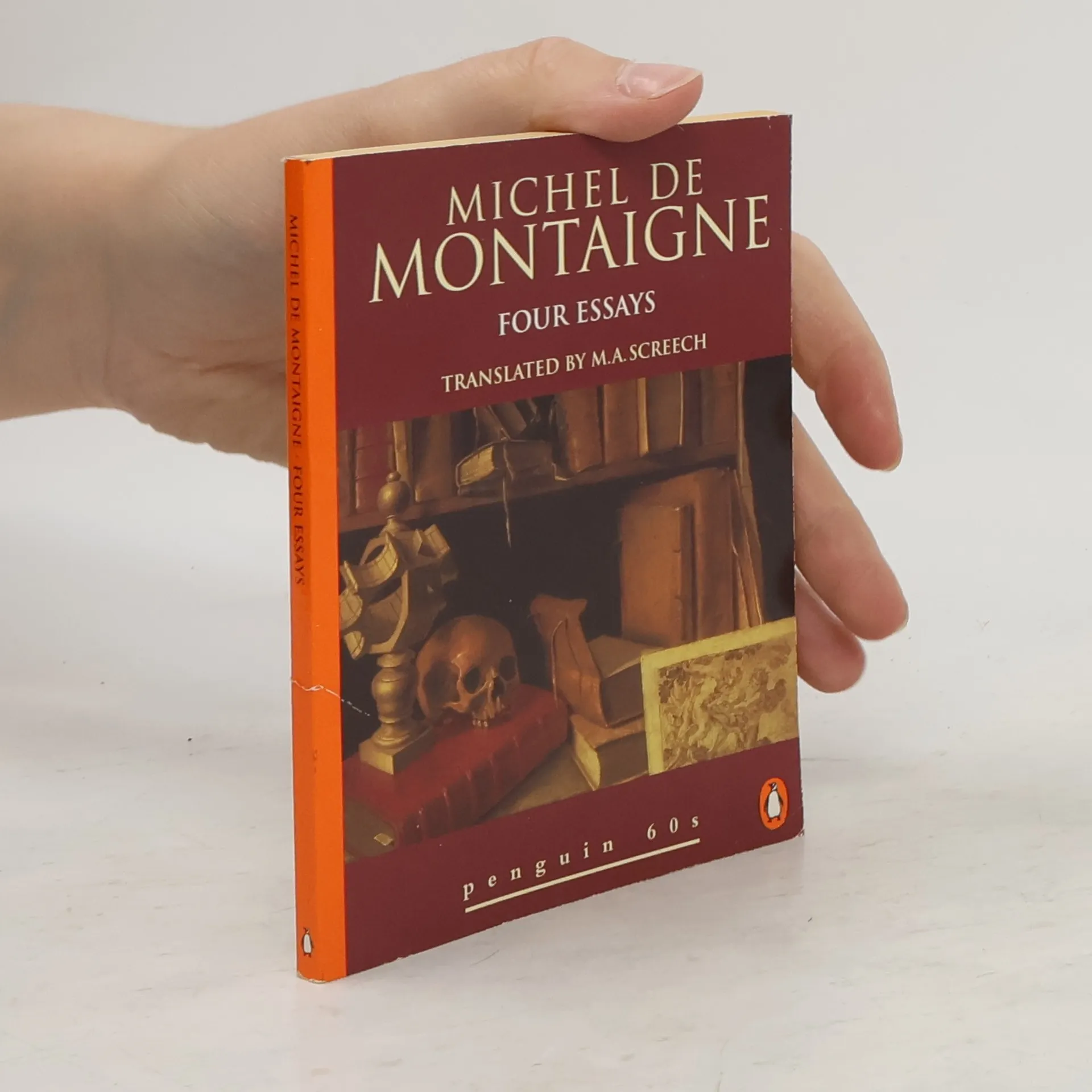
Four Essays
- 100 stránok
- 4 hodiny čítania
Four essays from Michel de Montaigne's "The Complete Essays."
An apology for Raymond Sebond
- 240 stránok
- 9 hodin čítania
An Apology for Raymond Sebond is widely regarded as the greatest of Montaigne's essays: a supremely eloquent expression of Christian scepticism. An empassioned defence of Sebond's fifteenth-century treatise on natural theology, it was inspired by the deep crisis of personal melancholy that followed the death of Montaigne's own father in 1568, and explores contemporary Christianity in prose that is witty and frequently damning. As he searches for the true meaning of faith, Montaigne is heavily critical of the arrogant tendency of mankind to create God in its own image, and offers his personal reflections on the true role of man, the need to eschew personal arrogance, and the vital importance of faith if we are to understand our place in the universe. Wise, perceptive and remarkably informed, this is one of the true masterpieces of the essay form.
On Friendship
- 128 stránok
- 5 hodin čítania
Throughout history, some books have changed the world. They have transformed the way we see ourselves - and each other. They have inspired debate, dissent, war and revolution. They have enlightened, outraged, provoked and comforted. They have enriched lives - and destroyed them. Now Penguin brings you the works of the great thinkers, pioneers, radicals and visionaries whose ideas shook civilization, and helped make us who we are. Michel de Montaigne was the originator of the modern essay form; in these diverse pieces he expresses his views on relationships, contemplates the idea that man is no different from any animal, argues that all cultures should be respected, and attempts, by an exploration of himself, to understand the nature of humanity.
How We Weep and Laugh at the Same Thing
- 64 stránok
- 3 hodiny čítania
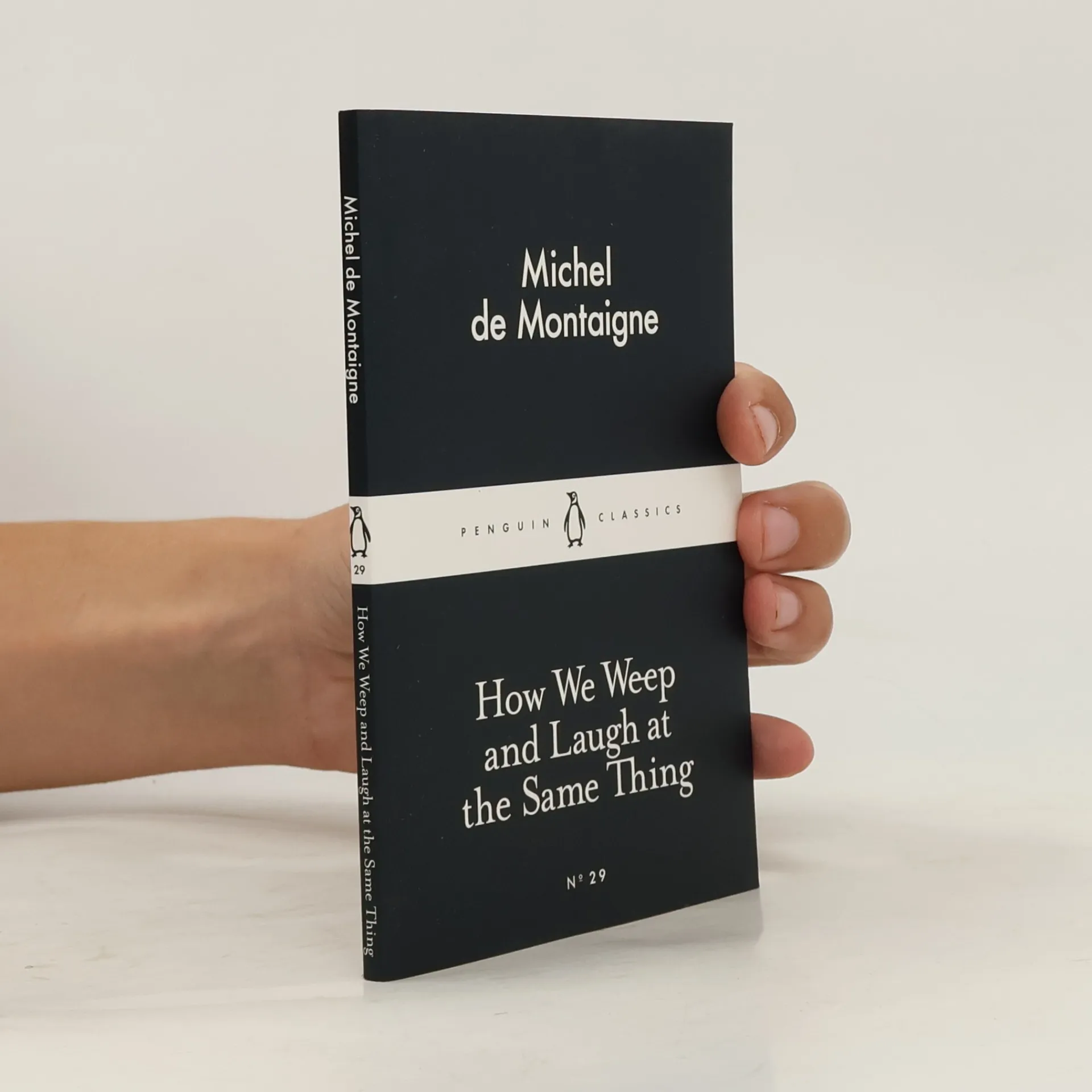
'No one characteristic clasps us purely and universally in its embrace.' A selection of charming essays from a master of the genre exploring the contradictions inherent to human thought, words and actions. Introducing Little Black Classics: 80 books for Penguin's 80th birthday. Little Black Classics celebrate the huge range and diversity of Penguin Classics, with books from around the world and across many centuries. They take us from a balloon ride over Victorian London to a garden of blossom in Japan, from Tierra del Fuego to 16th-century California and the Russian steppe. Here are stories lyrical and savage; poems epic and intimate; essays satirical and inspirational; and ideas that have shaped the lives of millions. Michel de Montaigne (1533-1592). Montaigne's works available in Penguin Classics are The Complete Essays, An Apology for Raymond Sebond, On Friendship, On Solitude and The Essays: A Selection
English trans. Donald M. FrameIllust. Carol Wald29 essays Selected and introduced by Mortimer J. AdlerThree parts:On ManOn PrincipleOn Knowledge and Pride
Montaigne : Ensayos. (Tomo 2)
- 536 stránok
- 19 hodin čítania
Los "Ensayos" de Montaigne son una obra miscelánea en la cual tienen cabida las más diversas reflexiones sobre lecturas y sobre su propia experiencia personal, enriquecida por sus largos viajes. Montaigne fue un escritor barroco en el sentido de que no es posible encontrar en sus escritos un propósito lineal ni un objetivo definido. En los "Ensayos", el autor anota sus opiniones y reflexiones sobre el hombre, el pensamiento, la moral, la vida y la muerte sin seguir un guión ni un esquema, agrupadas en capítulos muy genéricos. Su primera intención fue escribir una obra filosófica, heredera de los clásicos latinos, pero a medida que va engrosándose su experiencia personal, y después de las abundantes variaciones y ampliaciones, va derivando hacia una verdadera preparación para el bien morir. Pensar la muerte posibilita nuestra libertad y la reflexión dota a la libertad de saber.
S'il y a quelque personne, quelque bonne compagnie, aux champs, en la ville, en France, ou ailleurs, resséante ou voyagère, à qui mes humeurs soient bonnes, de qui les humeurs me soient bonnes, il n'est que de siffler en paume, je leur irai fournir des essais, en chair et en os. -- 4ème de couverture, Livre troisième.
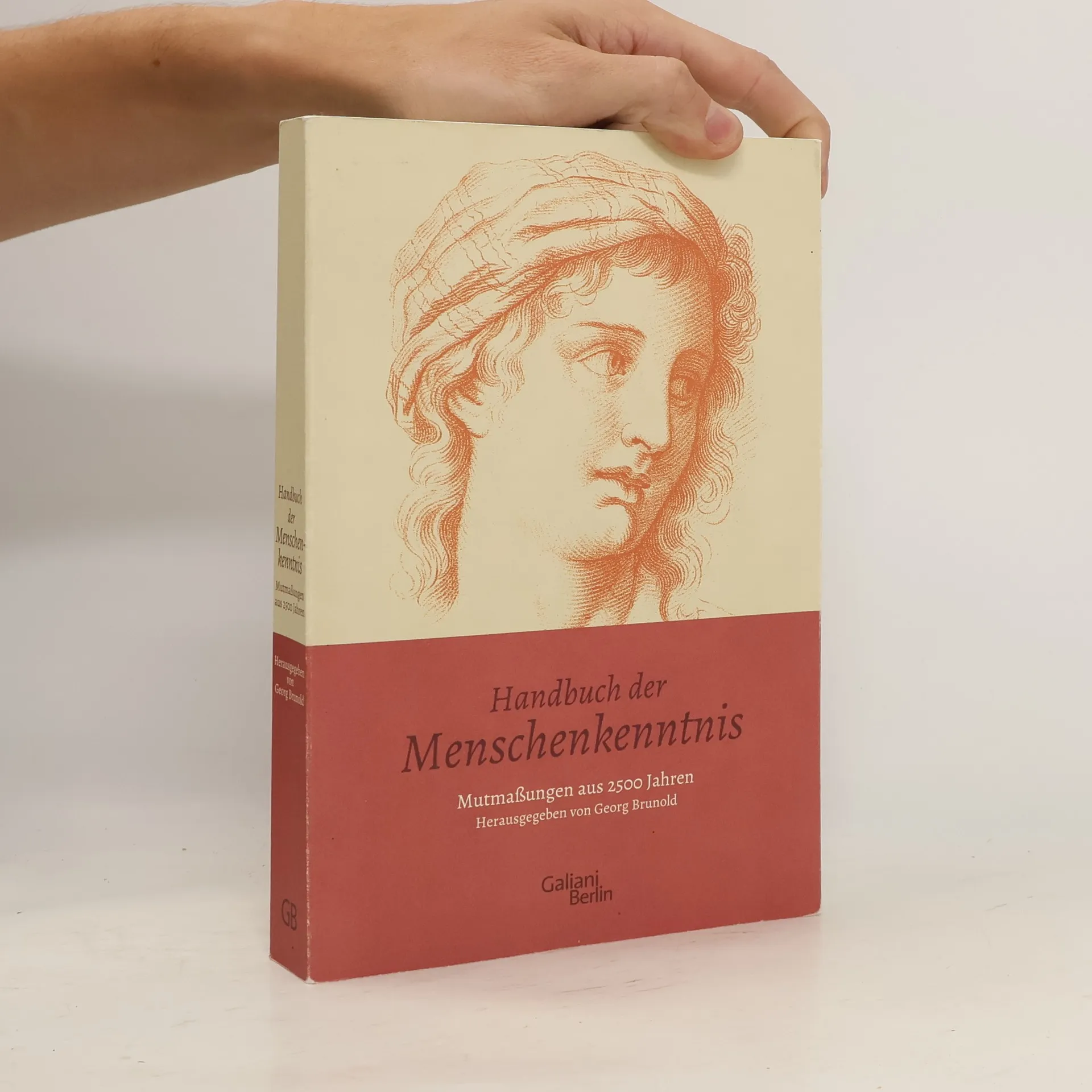
Handbuch der Menschenkenntnis
Mutmaßungen aus 2500 Jahren
Über die Freundschaft
- 167 stránok
- 6 hodin čítania
Mit dem Werkbeitrag aus Kindlers Literatur Lexikon.Mit dem Autorenporträt aus dem Metzler Lexikon Weltliteratur.Mit Daten zu Leben und Werk, exklusiv verfasst von der Redaktion der Zeitschrift für Literatur TEXT + KRITIK.»Wenn ich mit meiner Katze spiele, wer weiß, ob sie sich nicht noch mehr die Zeit mit mir vertreibt, als ich mit ihr?« – Unscheinbare, skeptische Fragen sind es, die Michel de Montaigne zu einem Vorbild des 21. Jahrhunderts machen. Vor 475 Jahren in eine Zeit der Glaubenskämpfe hineingeboren, hat Montaigne stets neugierig und kritisch auf sich selbst und seine Umwelt geschaut. Wo andere den Überblick zu haben glaubten, sah er vor allem die Beschränktheit eigener Perspektiven. Wo andere im Namen ewiger Wahrheiten Kriege führen, steht er für Toleranz und radikale Subjektivität.
C'est ici un livre de bonne foi, lecteur. Il t'avertit, dès l'entrée, que je ne m'y suis proposé aucune fin, que domestique et privée ... Je veux qu'on m'y voie en ma façon simple, naturelle et ordinaire, sans contention et artifice : car c'est moi que je peins. Mes défauts s'y liront au vif, et ma forme naïve, autant que la révérence publique me l'a permis. Que si j'eusse été entre ces nations qu'on dit vivre encore sous la douce liberté des premières lois de nature, je t'assure que je m'y fusse très volontiers peint tout entier, et tout nu. " Dans la plupart des auteurs, je vois l'homme qui écrit ; dans Montaigne je vois l'homme qui pense ". (Montesquieu).
Le monde regarde toujours vis-à-vis ; moi, je replie ma vue au-dedans, je la plante, je l'amuse là. Chacun regarde devant soi ; moi, je regarde dedans moi : je n'ai affaire qu'à moi, je me considère sans cesse, je me contrôle, je me goûte. Les autres sont toujours ailleurs ... moi je roule en moi-même. " Qu'un tel homme ait écrit, vraiment le plaisir de vivre sur cette terre en a été augmenté ". (Frédéric Nietzsche).
Michel de Montaignes Essais sind das bedeutendste Werk des Späthumanismus in Frankreich. Entstanden sind sie in einem Turmzimmer des Stammschlosses von Montaigne, wo dieser zwanzig Jahre lang über sich, das Leben und den Tod, über die Entdeckung der neuen Welt oder über die Freundschaft, über die Freiheit oder über die Möglichkeit der Selbstverwirklichung nachdachte.
Les gens plus sages, peuvent se forger un repos tout spirituel, ayant l'âme forte et vigoureuse: Moi qui l'ai commune, il faut que j'aide à me soutenir par les commodités corporelles: Et l'âge m'ayant tantôt dérobé celles qui étaient plus à ma fantaisie, j'instruis et aiguise mon appétit à celles qui restent plus sortables à cette autre saison. Il faut retenir à tout nos dents et nos griffes l'usage des plaisirs de la vie, que nos ans nous arrachent des poings, les uns après les autres.
En 1570, à trente-sept ans, Montaigne se retire dans sa bibliothèque, parmi les philosophes grecs et latins. Mais " les chimères et les monstres fantasques " l'assaillent ; il décide de consigner par écrit, " sans ordre et sans propos ", tout ce qui lui vient à l'esprit. Ainsi naissent Les Essais, fruit de ses lectures et de son expérience. " Il n'est science si ardue que de bien et naturellement savoir-vivre sa vie. " Et Montaigne démontre combien il est difficile de vivre conformément à la nature, d'avoir l'esprit libre de tout préjugé et superstition, de se maîtriser dans la volupté comme dans la douleur, de bannir, enfin, cruauté et déloyauté. En s'observant, sans amour-propre, Montaigne est parvenu à " être soi, soi tout pur ". Ses Essais nous lèguent toute la sagesse humaniste tendue vers un seul idéal : la dignité de l'homme.
Les essais - T3
- 659 stránok
- 24 hodin čítania
Le penseur français Michel de Montaigne (1533-1592), lorsqu'il se retire dans sa tour en abandonnant son poste au Parlement de Bordeaux, commence à écrire afin que, comme il l'avoue lui-même, ses proches « conservent une opinion plus complète et plus vivante de sa personne ». Avec ces textes, Montaigne invente un terme et un genre littéraire, l'essai. Les Essais commencent donc en 1570 avec un objectif « domestique et privé ». Michel de Montaigne ne cesse, jusqu'à sa mort, de compléter et d'élargir cette œuvre qui devient ainsi le centre de sa vie et dans laquelle, à travers un dialogue fécond et réfléchi avec la pensée grecque et latine antique, s'exprime une attitude de vie unique dans les lettres européennes, une attitude d'honnêteté et d'authenticité. Cette œuvre, construite alors que la France est secouée par les soi-disant guerres de religion, à une époque d'inquiétude, de fanatisme et de déraison, qui présente des points communs avec nos propres temps, est restée inédite dans notre langue pendant quatre siècles.
Dieses Buch versammelt die schönsten Essais und Passagen des Reisetagebuchs von Michel de Montaigne. - Lachend die Wahrheit sagen - Lesen - Lieben - Freundschaft und Geselligkeit pflegen - Reisen - Essen und Trinken - Tanzen - Mode und Luxus mit Augenmaß genießen - Mit Geld vernünftig umgehen - Praxisbezogen Philosophieren - Der eignen Erfahrung vertrauen - Schlafen und Träumen - Lehrmeister Tier folgen - Krankheiten höflich behandeln - Den Tod nicht fürchten
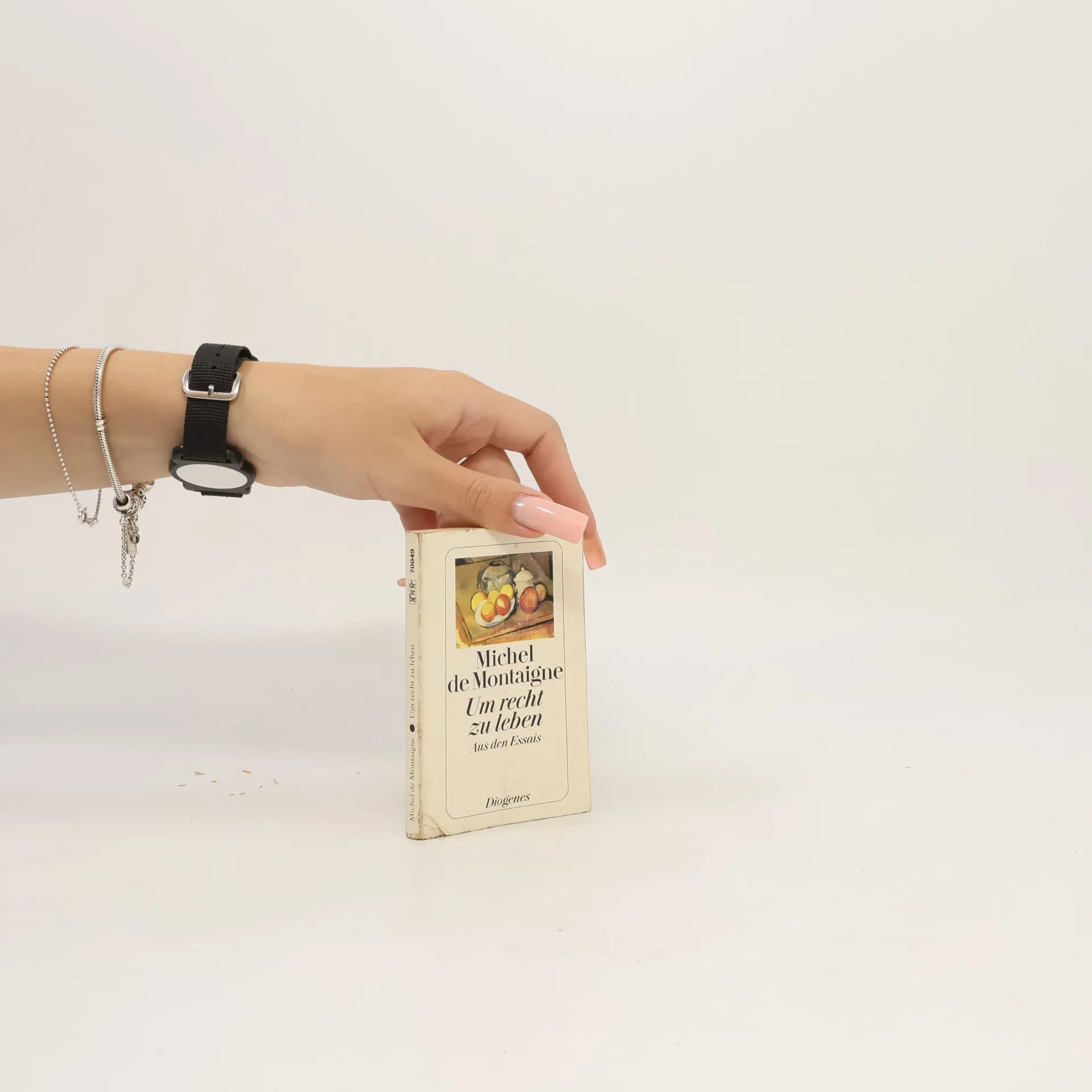
Um recht zu leben
- 131 stránok
- 5 hodin čítania
"Montaignes Essais sollten nicht anders gelesen werden, als sie geschrieben wurden: auf eine freie, spielerisch schweifende Art. Spaziergänge des Denkens verlangen auch nach Spaziergängen des Lesens. So kann man die Essais beliebig aufschlagen, kann ohne schlechtes Gewissen in ihnen querlesen; egal wie, nach wenigen Seiten ist man in die suggestive Nähe des Autors gezogen und gleichzeitig ins Zentrum eigener Nachdenklichkeit" (Gerhard Staguhn in der Frankfurter Allgemeinen Zeitung). - Für alle, die ihren Spaziergang des Montaigne-Lesens beim Spazierengehen unternehmen wollen, bietet sich dieses kleine Taschenbuch für die Westentasche ideal an.§
Qu'ont en commun Jules et Jim, Montaigne et La Boétie, le Petit Prince et le renard, si ce n'est d'avoir rencontré un véritable ami ? Complicité, fidélité et solidarité caractérisent ce lien étonnant qui unit les hommes par-delà les pays, les années et les guerres. Les grands écrivains de la littérature mondiale - La Fontaine, Zola, Molière, Camus ou encore Fred Uhlman - ont exploré les multiples facettes de l'amitié et décrit avec sensibilité des moments de bonheur partagé.
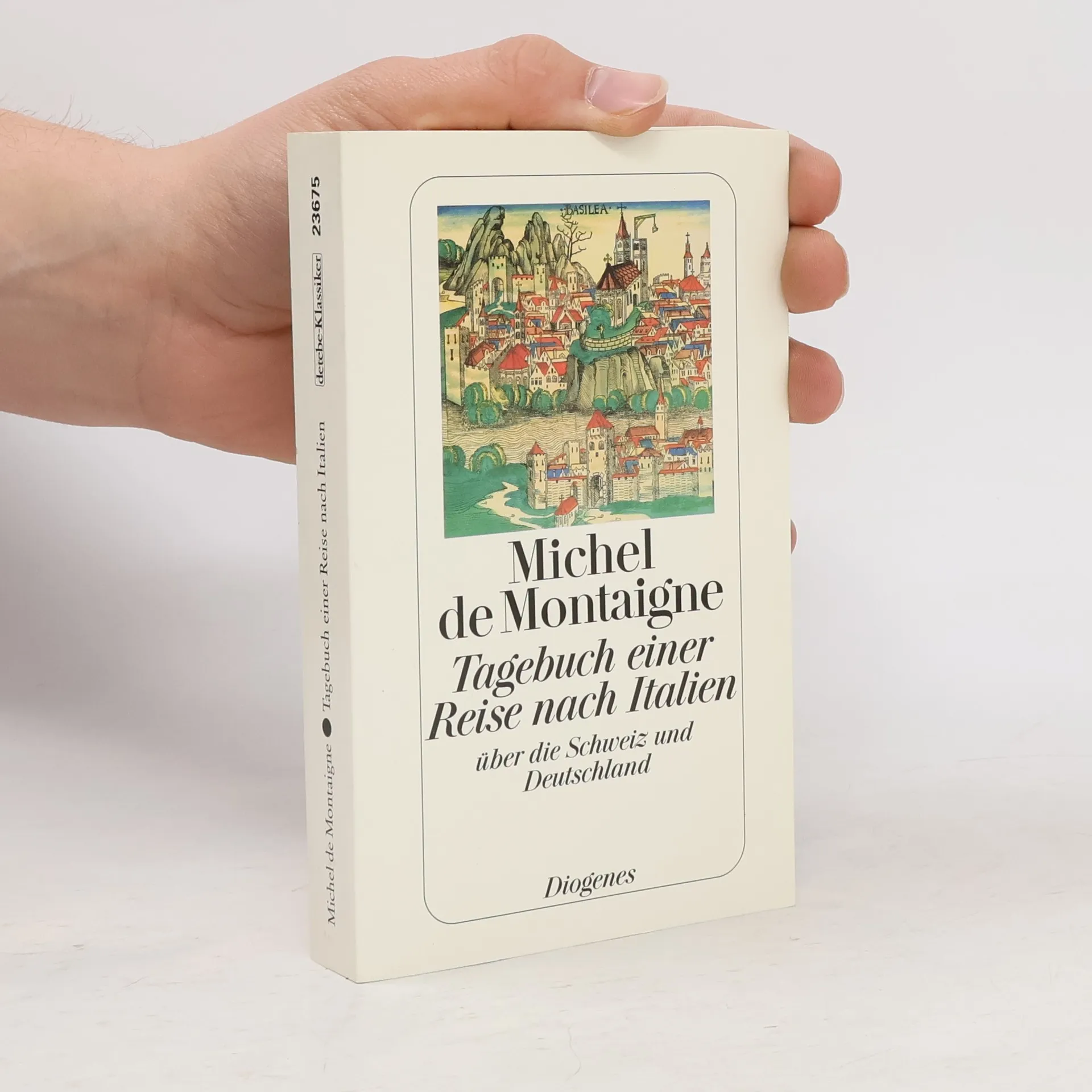
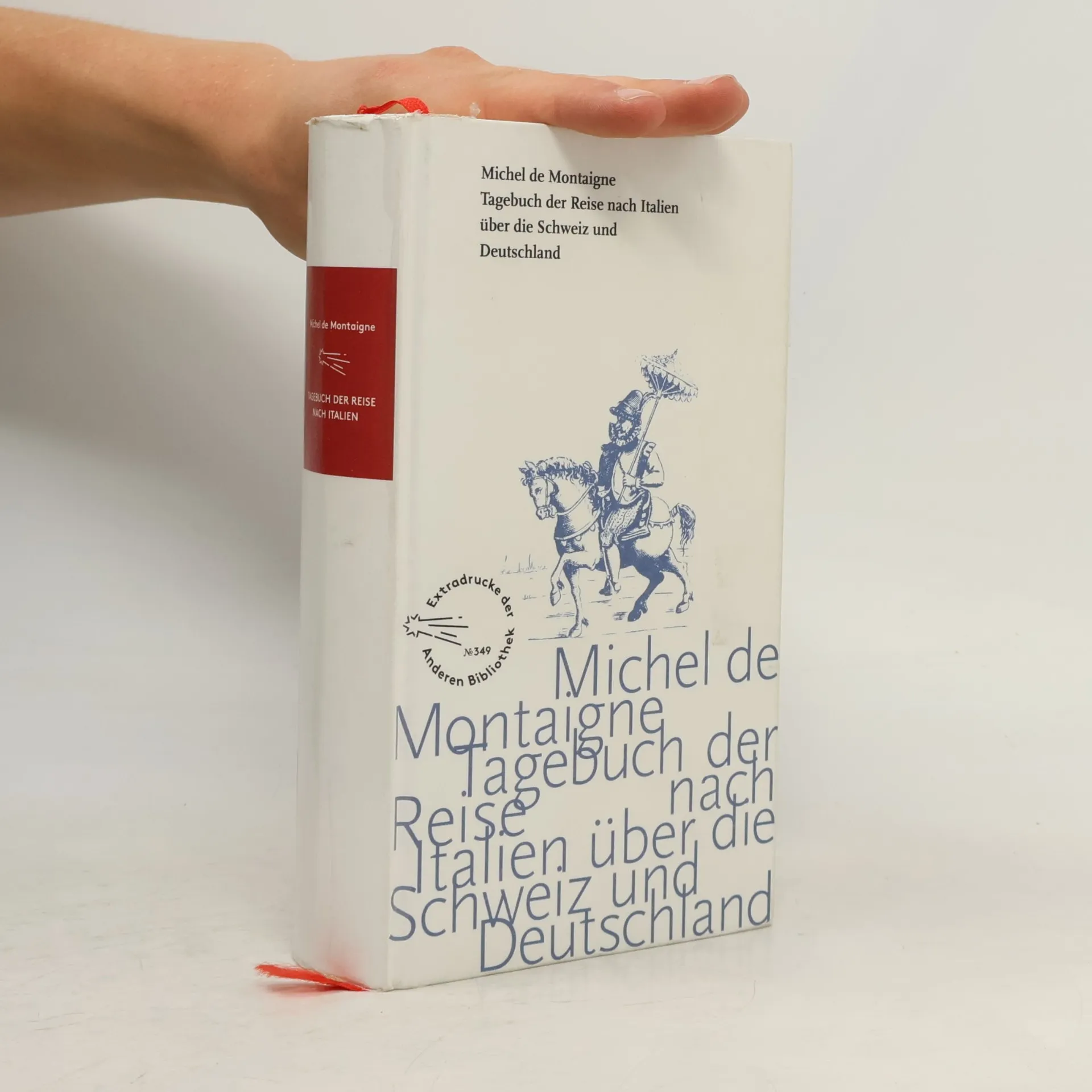
Tagebuch einer Reise nach Italien über die Schweiz und Deutschland
- 422 stránok
- 15 hodin čítania
Zweihundert Jahre vor Goethe reist Michel de Montaigne nach Italien mit neugierigem und staunendem Blick hält er 17 Monate und 8 Tage lang die Zustände und kulturellen Kuriositäten im Europa des 16. Jahrhunderts fest ein Lesevergnügen nicht nur für Liebhaber von Reiseberichten.
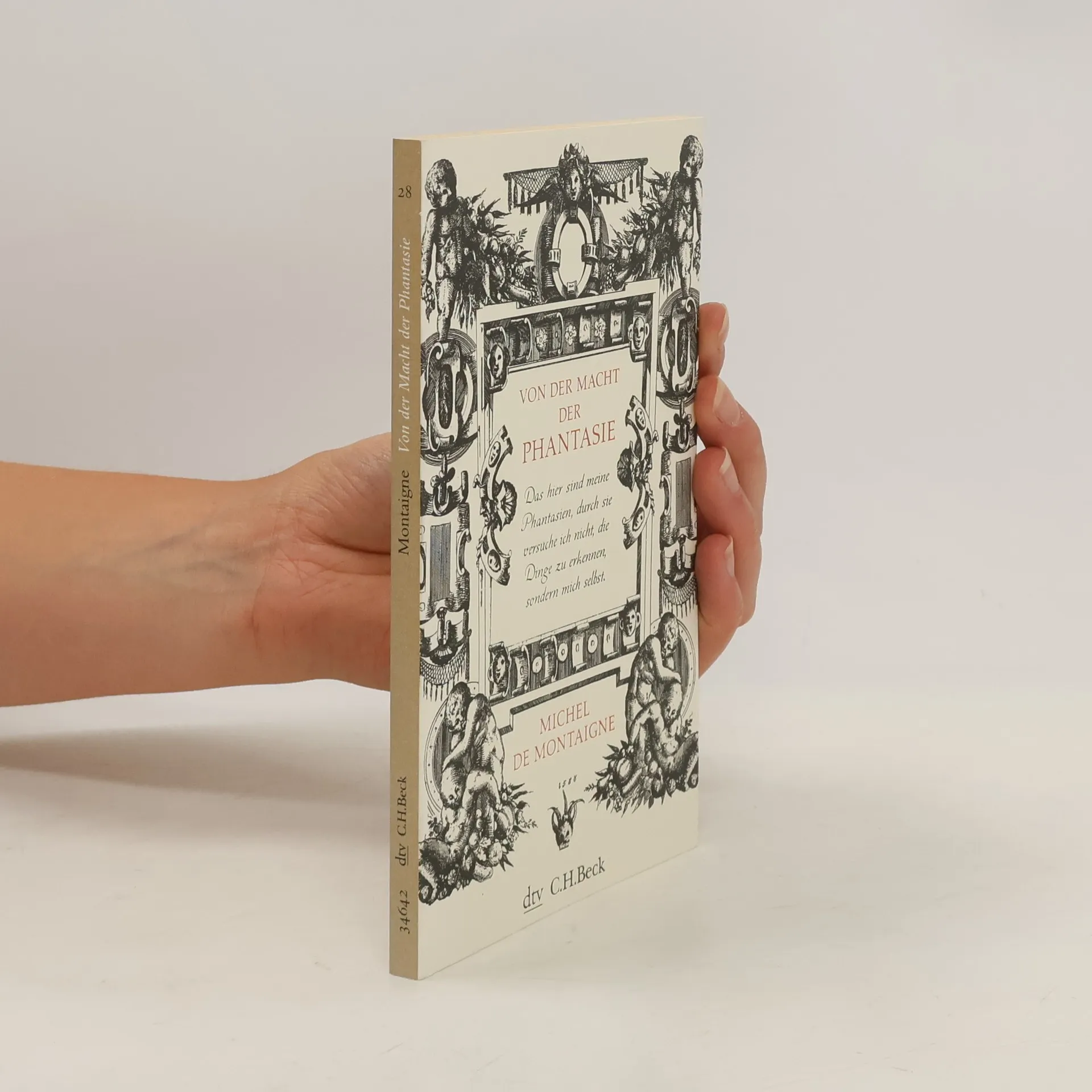
»Das hier sind meine Phantasien, durch sie versuche ich nicht, die Dinge zu erkennen, sondern mich selbst.« Oft hat die Phantasie Macht über unseren Verstand und beeinflusst selbst noch unsere Körperfunktionen, vor allem die Sexualität. Der Essai des französischen Denkers und Begründers der Essayistik Michel de Montaigne (1533 - 1592) ist ein Plädoyer dafür, sie bewusst zu nutzen und in die richtige Richtung zu lenken. Mit einem Nachwort von Karin Westerwelle.
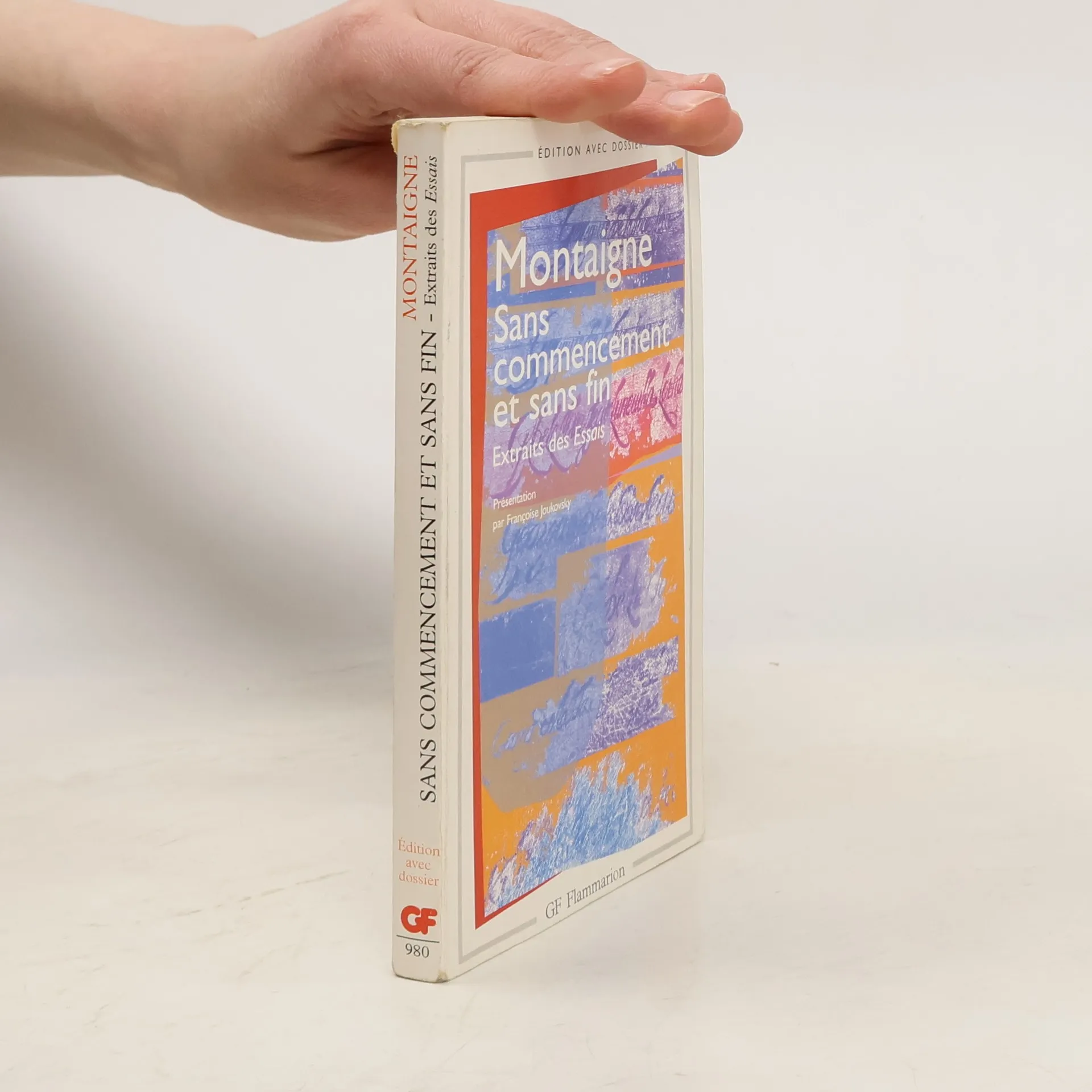
Sans commencement et sans fin: Édition avec dossier
- 255 stránok
- 9 hodin čítania
J'ouvre les choses plus que je ne les découvre : Montaigne s'interroge et renonce souvent à conclure, parce que le réel n'est jamais simple. Cette défiance envers un savoir trop sûr de lui, noter époque la fait sienne et en retrouve l'expression vivante dans les Essais sur des problèmes qui nous concernent toujours : l'amitié et l'amour, le choc des cultures, les bassesses de la vie publique, le plaisir…
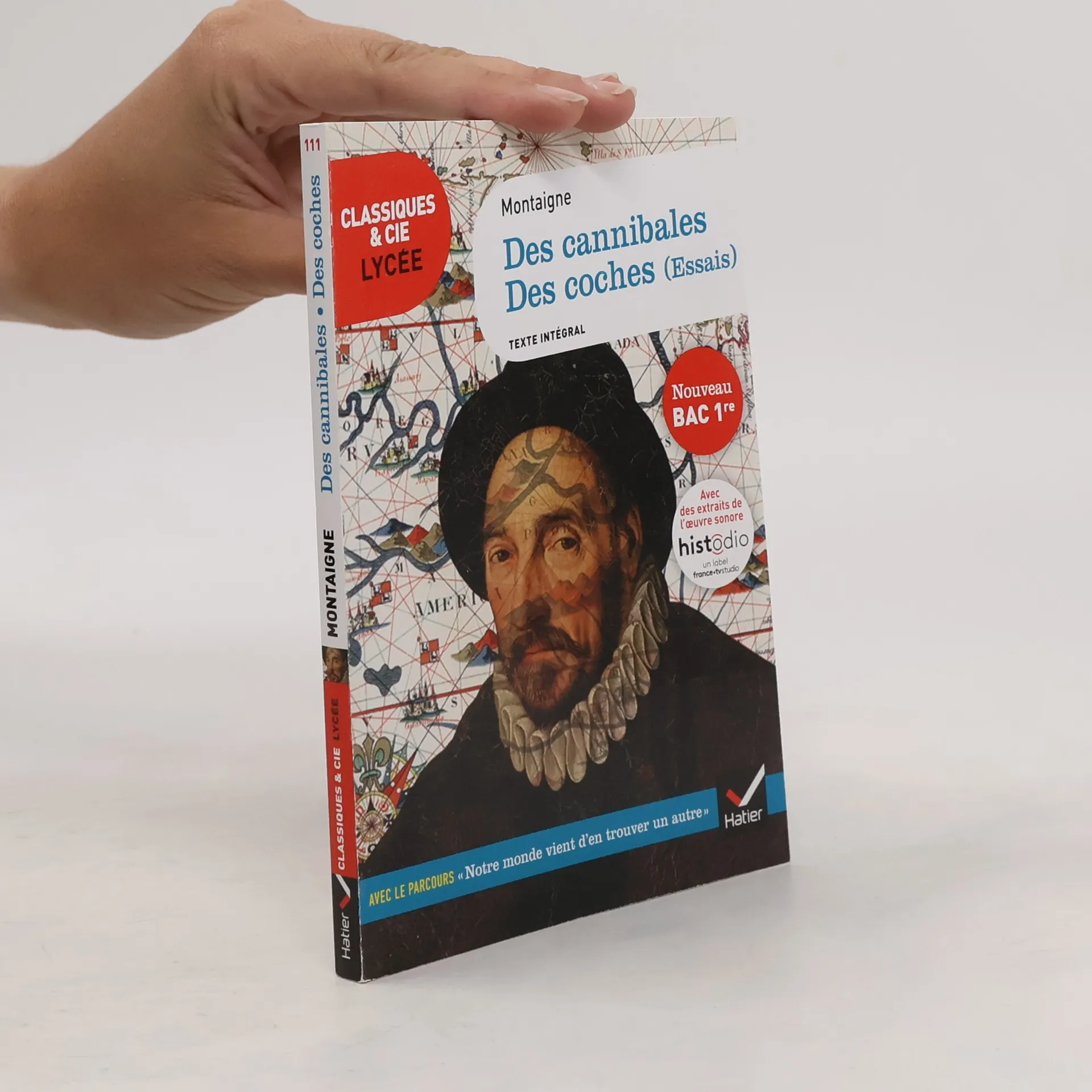
Classiques & Cie Lycée: Des cannibales, Des coches
Avec un parcours "Notre monde vient d'en découvrir un autre" - Essais - Texte intégral - Nouveau BAC 1re
- 162 stránok
- 6 hodin čítania
Deux des essais de Montaigne, parmi les plus marquants, suivis d'un parcours littéraire " Notre monde vient d'en découvrir un autre " . Dans une édition conforme aux nouveaux programmes de français du lycée, incluant notamment des prolongements artistiques et culturels et un dossier Nouveau bac. L'oeuvre Dans ces deux essais, avec la liberté de pensée et de ton qui le caractérise, Montaigne dénonce les préjugés des Européens et s'insurge contre l'extermination des Indiens. Le parcours " Notre monde vient d'en découvrir un autre " 10 textes du XVIe siècle pour comprendre comment la découverte du Nouveau Monde a ébranlé bien des certitudes. Le dossier Toutes les ressources utiles au lycéen pour étudier l'oeuvre dans le cadre des nouveaux programmes : - un avant-texte pour situer l'oeuvre dans son contexte - au fil du texte, la rubrique " Des clés pour vous guider " - après le texte : - des repères sur l'oeuvre - un groupement de textes complémentaires " Dénoncer les préjugés " - des sujets types pour l'écrit et l'oral du nouveau bac français Des prolongements artistiques et culturels Une sélection de 6 documents visuels faisant écho aux Grandes Découvertes, et des outils pour les analyser.
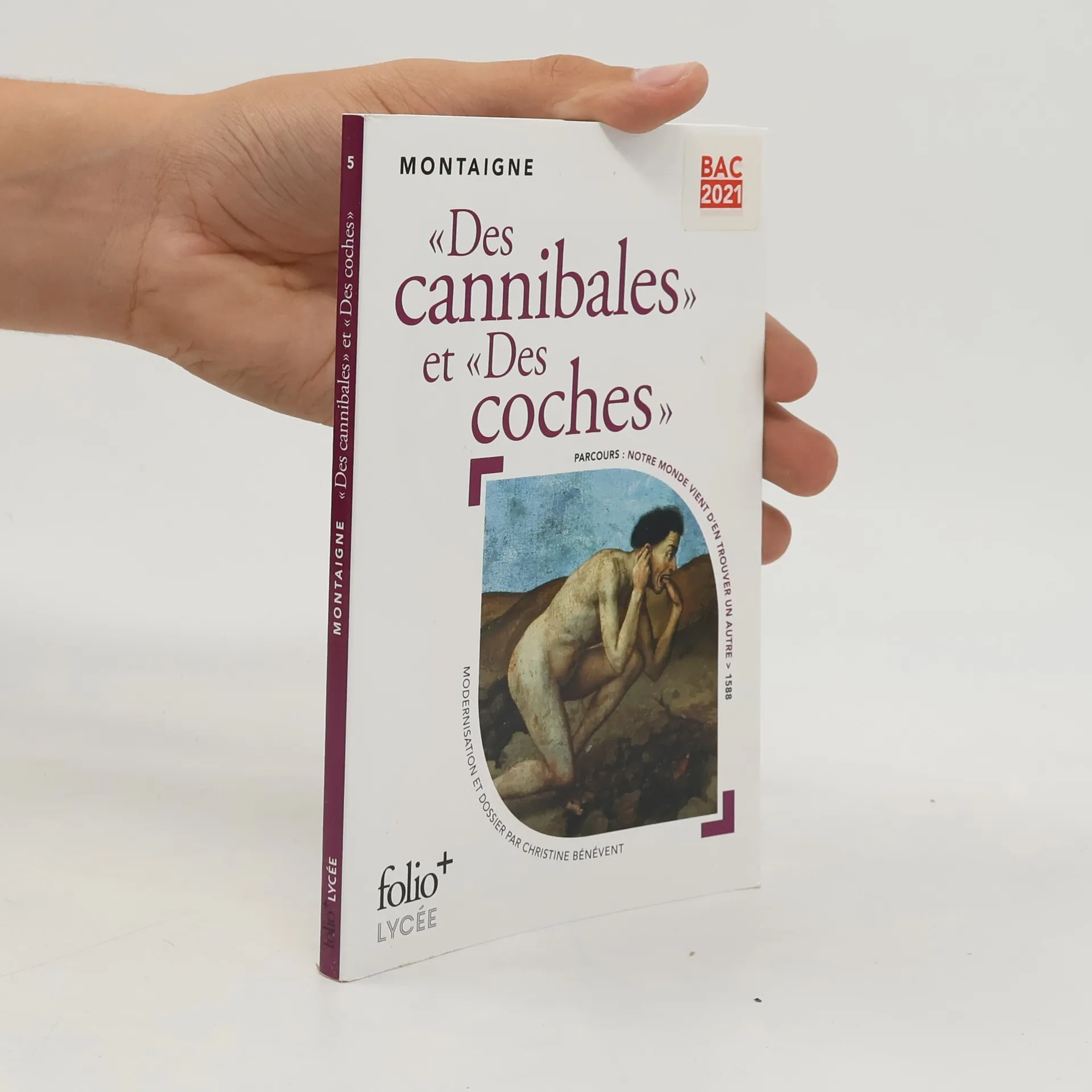
Folio+ - 5: "Des cannibales" et "Des coches"
Parcours : Notre monde vient d'en trouver un autre > 1588 - Modernisation et dossier par Christine Bénévent
- 130 stránok
- 5 hodin čítania
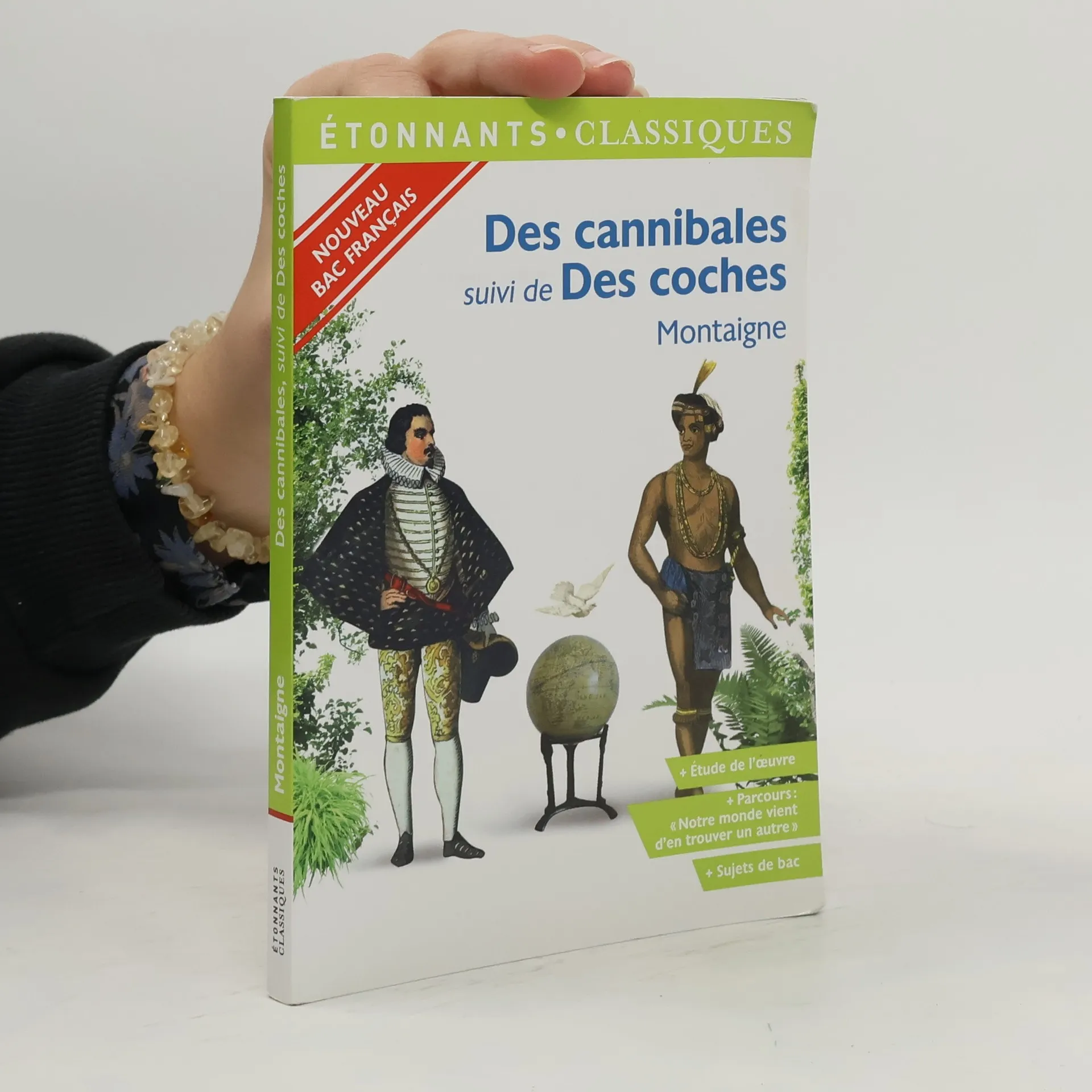
Ces deux chapitres tirés des Essais ont en commun de traverser l'Atlantique pour aller à la rencontre du "Nouveau Monde". Qui sont-ils, ces Indiens, ces Incas, ces Aztèques que les Européens découvrent si différents d'eux ? Que nous apprennent-ils de nous et de l'humanité ? Rien de tel que la pensée sautillante de Montaigne pour mettre en doute nos préjugés et sortir de cette lecture la main tendue vers l'autre. Au fil du recueil : 2 analyses de textes, 1 commentaire de texte. Le dossier est composé de 8 chapitres : 1 Histoire littéraire : L'humanisme ; 2 Michel de Montaigne et son temps ; 3 Présentation des Essais, des" Cannibales" et des "Coches" ; 4 Les mots importants des "Cannibales" et des "Coches"(trouver et l'invention ; cannibale et barbare) ; 5 Les exercices écrits (dissertation ; contraction de texte et essai) ; 6 La grammaire ; 7 Groupement de textes : "Notre monde vient d'en trouver un autre" André Thévet Singularités de la France Antarctique, Jean de Léry Histoire d'un voyage fait en la terre du Brésil, Claude Lévi-Strauss Tristes tropiques, Jean-Christophe Rufin Rouge Brésil ; 8 Exercices d'appropriation.
Was weiss ich?
- 158 stránok
- 6 hodin čítania
Aus dem Französischen neu übersetzt von Dr. Ulrich Bossier Die Essais des französischen Moralphilosophen Michel Eyquem Seigneur de Montaigne sind der faszinierende Versuch einer Formulierung über den Menschen an sich und seiner Situation in der Welt. Als archimedischer Punkt philosophischen Fragens behauptet sich dabei der delphische Imperativ - gnothi seauton oder nosce te ipsum - erkenne dich selbst! Dem Skeptiker, der alle Erkenntnisse dem Wandel unterworfen weiß, dessen philosophisches Staunen in seiner Frage "Que sais-je?" - "Was weiß ich?" gründet, bleibt der Mensch enigmatisches Fragment und dennoch sind die Versuche Montaignes eine erste Philosophie der subjektiven Erfahrung, die sich zutiefst dem Leben selbst verschrieben "Ich zeichne nicht das Sein, ich zeichne den Ü nicht den Übergang von einem Zeitalter ins nächste, (...), sondern von Tag zu Tag, von Minute zu Minute." Im vorliegenden Band ist eine Auswahl der schönsten Essais aus Montaignes dreibändigem Werk versammelt.
Три книги "Опытов", вошедшие в два тома, несут в себе удивительную правду жизни. Они охватывают разные сферы (от истории, философии и военного дела до психики и психологии) человеческого бытия. Автор рассматривает поведенческие мотивы людей, внезапно сменивших гнев на милость, говорит о страстях и привычках, совести и наказании, чертах характера и поведения, о воспитании детей, о законах. Это своеобразное руководство к жизни, отражающее облик автора в его представлениях, умозаключениях, правилах. Том I - Книга первая, вторая. Том II - Книга третья.
Опыты. Книга iii. Opyty. Kniga iii
- 703 stránok
- 25 hodin čítania
Мишель де Монтень был одной из самых влиятельных фигур Ренессанса, который в одиночку способствовал популяризации эссе как литературной формы. В 1572 году Монтень ушел на свои поместья, чтобы посвятить себя досугу, чтению и размышлениям. Там он написал свои постоянно расширяющиеся «опыты», вдохновленные идеями, которые он находил в книгах своей библиотеки, и собственным опытом. Он обсуждает такие разнообразные темы, как боевые лошади и каннибалы, поэзия и политика, секс и религия, любовь и дружба, экстаз и опыт. Но, прежде всего, Монтень изучал себя как способ выявления своей внутренней природы и природы людей в целом. «Опыты» являются одними из самых своеобразных и личных произведений во всей литературе и предоставляют увлекательный взгляд на мудрый ум Ренессанса, продолжая приносить удовольствие и просвещение современным читателям.
Montaigne für Mediziner und ihre Opfer
- 142 stránok
- 5 hodin čítania
Von der Kinderzucht bis zum Sterbenlernen
- 251 stránok
- 9 hodin čítania
Mit seinen Reflexionen über Geist und Wissen, Leben und Tod begründete Michel de Montaigne im 16. Jahrhundert eine neue literarische Gattung - den Essay. Noch heute bieten seine Schriften einen faszinierenden Zugang zum philosophischen Denken und vermitteln zugleich einen fundierten Einblick in das Geistesleben der Renaissance. Dank seiner lebendigen Sprache und tiefen, vorurteilslosen Beobachtung wirken Montaignes Gedanken dabei auch nach mehr als vier Jahrhunderten eindringlich und gleichsam modern
Montaigne für Lehrer
- 144 stránok
- 6 hodin čítania
Verblüffend aktuell: Michel de Montaignes Plädoyers und Bemerkungen zu Fragen der Erziehung und der Pädagogik. Wieviel Führung brauchen junge Menschen? Wie erzieht man sie zur Lebenstüchtigkeit? Und wie stark soll man auf sie eingehen, wenn man sie im umfassenden Sinne bilden will? Mit brillantem Witz, unverstellter Menschenkenntnis und stilistischer Eleganz hat Michel de Montaigne (1533-1592) in seinen Essais diese und andere Fragen in einer Weise beantwortet, die für die heutigen Debatten zahlreiche Anregungen bietet. Sein deutscher Wiederentdecker und Übersetzer Hans Stilett hat Montaignes Erkenntnisse zur Erziehung in 12 Kapiteln (Plädoyers) zusammengefaßt - von seinen Attacken gegen die schwarzgalligen Anwandlungen tobender Schulmeister über seine Warnung vor blinder Stoffhuberei (Die Gelehrtesten sind nicht die Gescheitesten) bis zu seinem Wunsch, dass die weite Welt das Buch meines Zöglings sei. Eine Entdeckung: Montaigne als Erzieher und Lebenslehrer!
Montaigne für Gestreßte
- 96 stránok
- 4 hodiny čítania
Uwe Schultz war Leiter der Hauptabteilung »Kulturelles Wort« beim Hessischen Rundfunk und lebt heute als Autor in Paris. Zuletzt erschien: Richelieu. Der Kardinal des Königs. Eine Biographie
Zum Zeitvertreib und um die Phantasie zu tummeln
- 268 stránok
- 10 hodin čítania
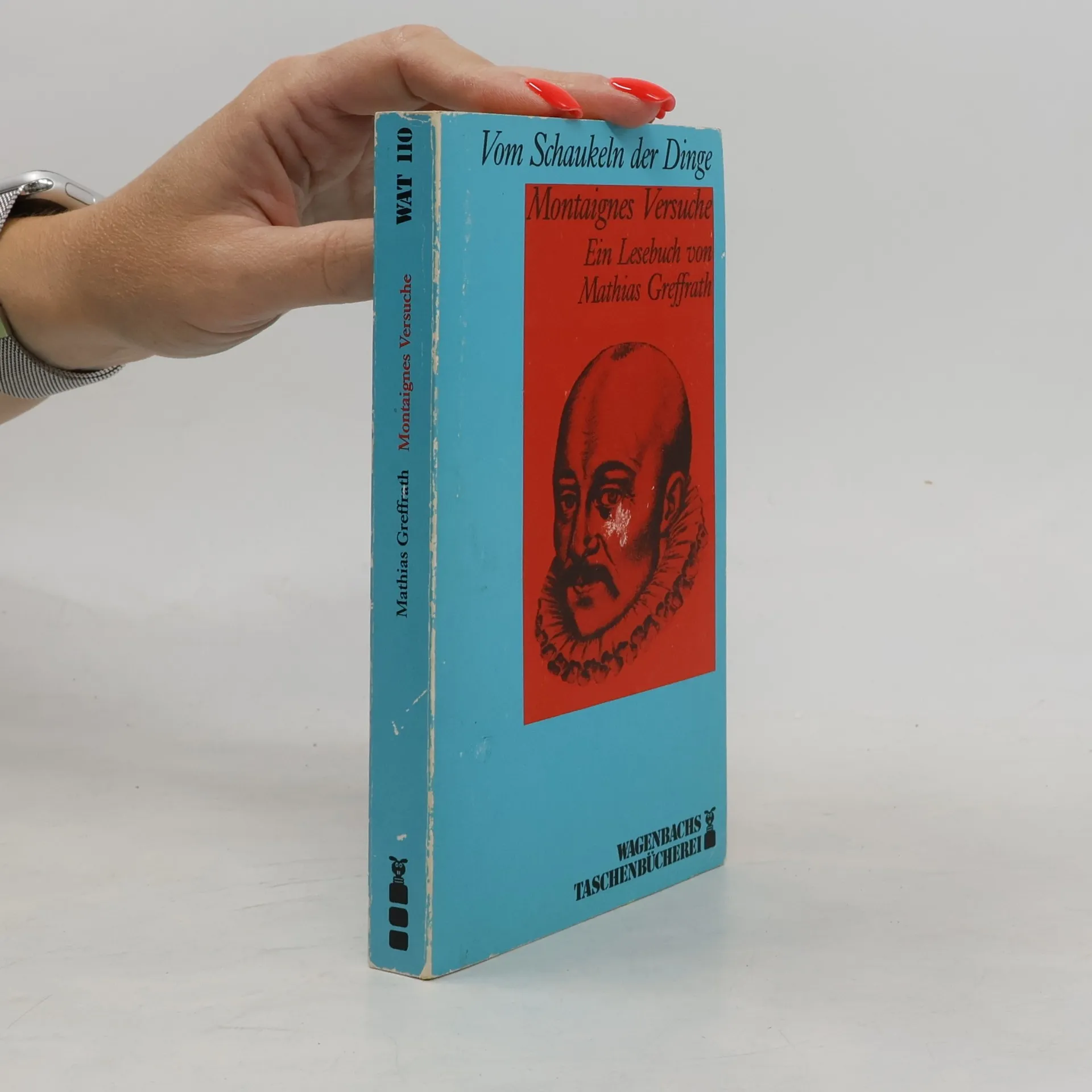
Vom Schaukeln der Dinge
- 270 stránok
- 10 hodin čítania
Denemeler
- 188 stránok
- 7 hodin čítania
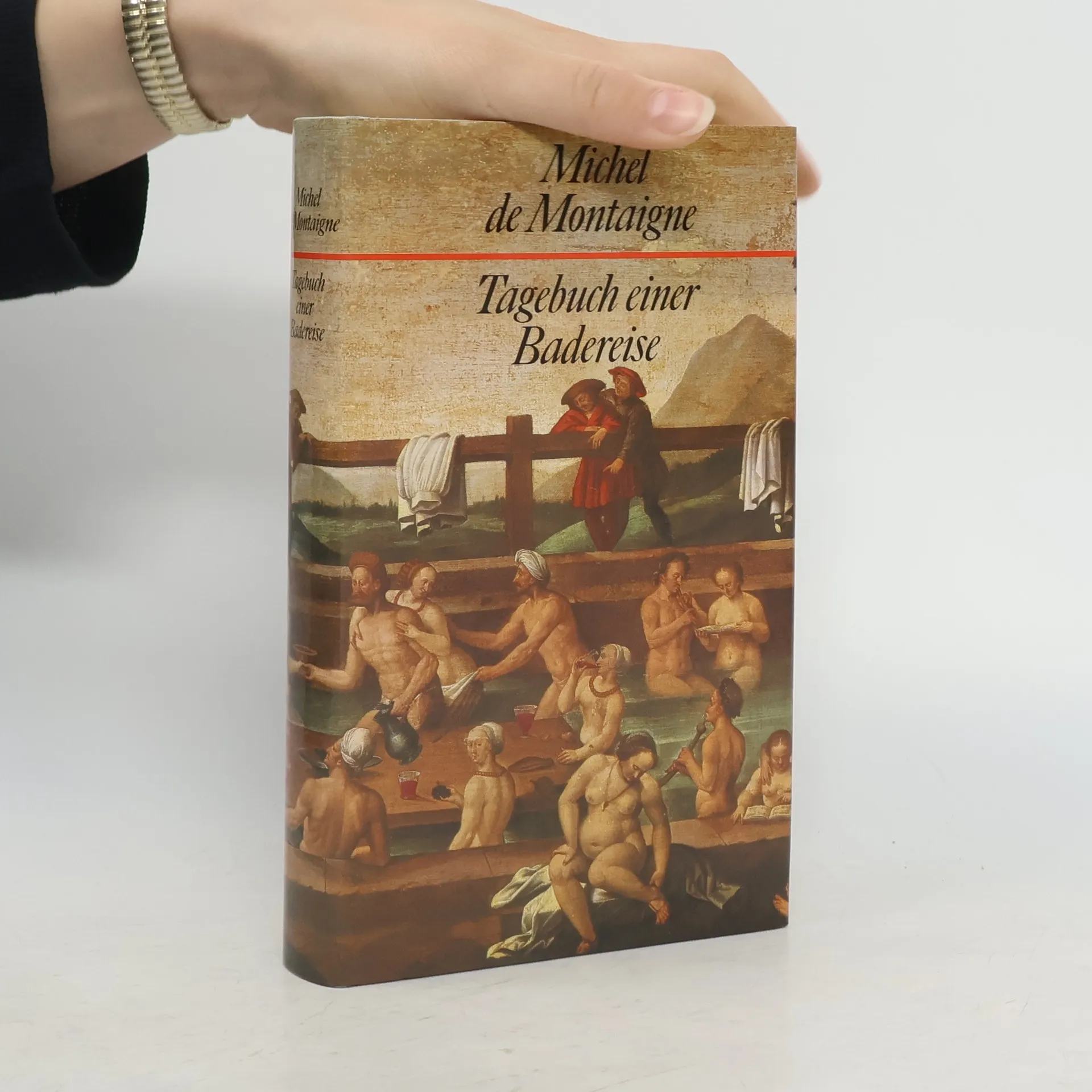
Kaum waren seine berühmten Essais erschienen, brach Michel de Montaigne zu seiner großen Reise auf, die in seinem »Tagebuch der Reise nach Italien über die Schweiz und Deutschland von 1580 bis 1581« festgehalten ist. Ob in seinem berühmten Turm während der neun Jahre der Niederschrift oder auf seiner Tour durch Italien: das Unterwegssein war für Montaigne ein ständiger Teil seiner Existenz. Sein genauer Blick in toleranter »Aufmerksamkeit und Gelassenheit« verwandelt das Reisetagebuch in eine lebendige Quelle der Kulturgeschichte. Dabei interessieren ihn weniger Kunstführerqualitäten und Sehenswürdigkeiten; vielmehr nimmt er Landschaft, Land, Leute und Lebensweisen in Augenschein – stets mit Hochachtung vor dem »niederen Volk«. Besonders die Koch- und Tischsitten in Gasthöfen faszinieren ihn, während er die Bordelle von Venedig und Florenz studiert und Hinrichtungen sowie Teufelsaustreibungen miterlebt. Gequält von seinem Nierenleiden nutzt der reisende Humanist jede Gelegenheit zu Trink-, Bade- und Schwitzkuren. Auf dieser Reise fühlte er sich so gut wie nie zuvor. Hans Stilett setzt mit diesem Reisetagebuch Montaignes bemerkenswerte Arbeit an der ersten modernen Gesamtübersetzung seiner Essais fort. Johann Wolfgang von Goethe äußerte, dass ihm die Reisebeschreibungen Montaignes an vielen Stellen sogar mehr Vergnügen bereiteten als die Essais selbst.
Études littéraires - 10: Michel de Montaigne. Les Essais
- 128 stránok
- 5 hodin čítania
Zeven essays van de Franse filosoof (1533-1592) over wreedheid.
Ik ben nogal klein van stuk "Essays over ijdelheid"
essays over de ijdelheid
- 212 stránok
- 8 hodin čítania
In zijn essay 'Over het uiterlijk' stelt Montaigne dat onze meningen zijn gevormd door gezag en goed geloof. In deze tijd is het volgen van onze eigen voorkeuren onverstandig. Onze bewondering voor Socrates komt voort uit de algemene waardering, niet uit ons eigen inzicht. Tegenwoordig zou een dergelijke eenvoud weinig waardering krijgen. We waarderen alleen wat opgeblazen en aangedikt is; de schoonheid van het natuurlijke is vaak verborgen en vereist een scherpe blik om te worden opgemerkt. Het naïeve wordt vaak als dwaze en afkeurenswaardige eigenschap gezien. Socrates uit zijn emoties op een natuurlijke manier, zoals een boer of een vrouw dat zou doen, en zijn overpeinzingen zijn gebaseerd op alledaagse bezigheden. Iedereen kan hem begrijpen, maar in zo'n eenvoudige vorm zouden we nooit de diepte van zijn gedachten erkennen. Montaigne bekritiseert zijn tijdgenoten die zich laten leiden door schijn en opsmuk, waardoor ze het wezenlijke niet kunnen waarderen. Hij schetst de richting van zijn essay en de ideale aanpak: simpel, duidelijk en tegelijkertijd verheven, zonder de verwondering te verliezen. De dichter Hans van Pinxteren, bekroond met de Martinus Nijhoffprijs in 1980, vertaalde deze inzichten.
Montaigne componeerde deze tekst over erotiek terwijl hij de ouderdom naderde, met de vraag welke vrijheid man en vrouw elkaar moeten geven in en buiten het huwelijk. Opmerkelijk is zijn emancipatorische benadering, met uitspraken zoals dat vrouwen niet ongelijk hebben als ze de heersende moraal verwerpen, vooral omdat mannen deze regels zonder hun inbreng hebben opgesteld. Hoewel Montaigne in andere essays ook over erotiek spreekt, is deze tekst uniek omdat het onderwerp centraal staat. Daarom is het apart opgenomen in de thematische bundeling van Hans van Pinxterens vertaling van de Essays. In 'De sporen van het vuur' maakt Montaigne zijn voornemen uit het voorwoord "Aan de lezer" waar: hij wil gezien worden zoals hij is, met al zijn gebreken en natuurlijke gedaante, voor zover fatsoen dat toelaat. De intieme passages, waarin hij taboes en vooroordelen met een bijna kwajongensachtige spot benadert, geven zijn zelfportret een bijzonder persoonlijk karakter. Een eeuw na publicatie belandden de Essays op de Index, en lange tijd was "Over enige verzen van Vergilius" alleen in een gecensureerde versie beschikbaar in kloosterbibliotheken.
De hele wereld speelt komedie. Essays over leugen en waarheid
essays over leugen en waarheid
- 185 stránok
- 7 hodin čítania
In 'De hele wereld speelt komedie' is een aantal middelgrote en kleinere essays bijeengebracht waarin de nadruk ligt op Montaignes preoccupatie met de taal. Taal als voertuig voor de gedachten van de mens en als mogelijkheid tot communicatie. Hij stelt dat de mensen alleen krachtens het woord met elkaar in contact staan, en dat de leugen daarom eigenlijk meer bestreden zou moeten worden dan welke misdaad dan ook. Verder neemt hij stelling tegen de machiavellistische opvatting dat je er in de politiek maar beter geen moraal op na kunt houden.
Wert des Lebens
Aus den Essais
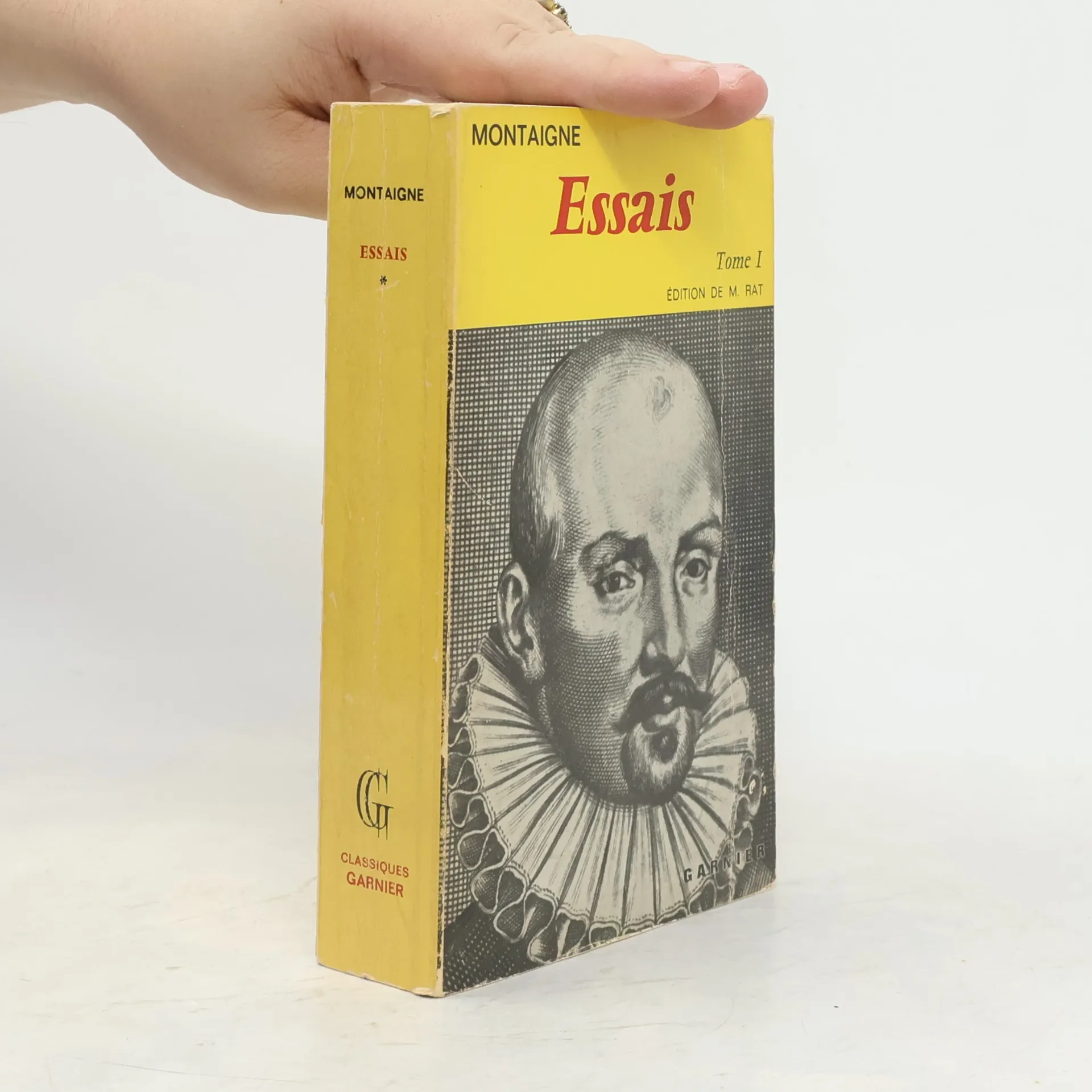
Essais
Tome I
Penguin Clásicos: Ensayos
Diario de Italia, correspondencia, efemérides y sentencias
- 752 stránok
- 27 hodin čítania
Reflections by the creator of the essay form, display the humane, skeptical, humorous, and honest views of Montaigne, revealing his thoughts on sexuality, religion, cannibals, intellectuals, and other unexpected themes. Included are such celebrated works as "On Solitude," "To Philosophize Is to Learn How to Die," and "On Experience."
Prósby
Tom 2