Saul Friedländer Knihy
Saul Friedländer je izraelsko-francúzsky historik, ktorého dielo sa hlboko ponára do zložitých otázok modernej histórie. Jeho analytický prístup a dôraz na detail objasňujú kľúčové momenty 20. storočia. Friedländerov písaný prejav je známy svojou jasnosťou a schopnosťou sprístupniť komplexné témy širšiemu publiku. Jeho prínos k historickému poznaniu je zásadný pre pochopenie nedávnych udalostí.



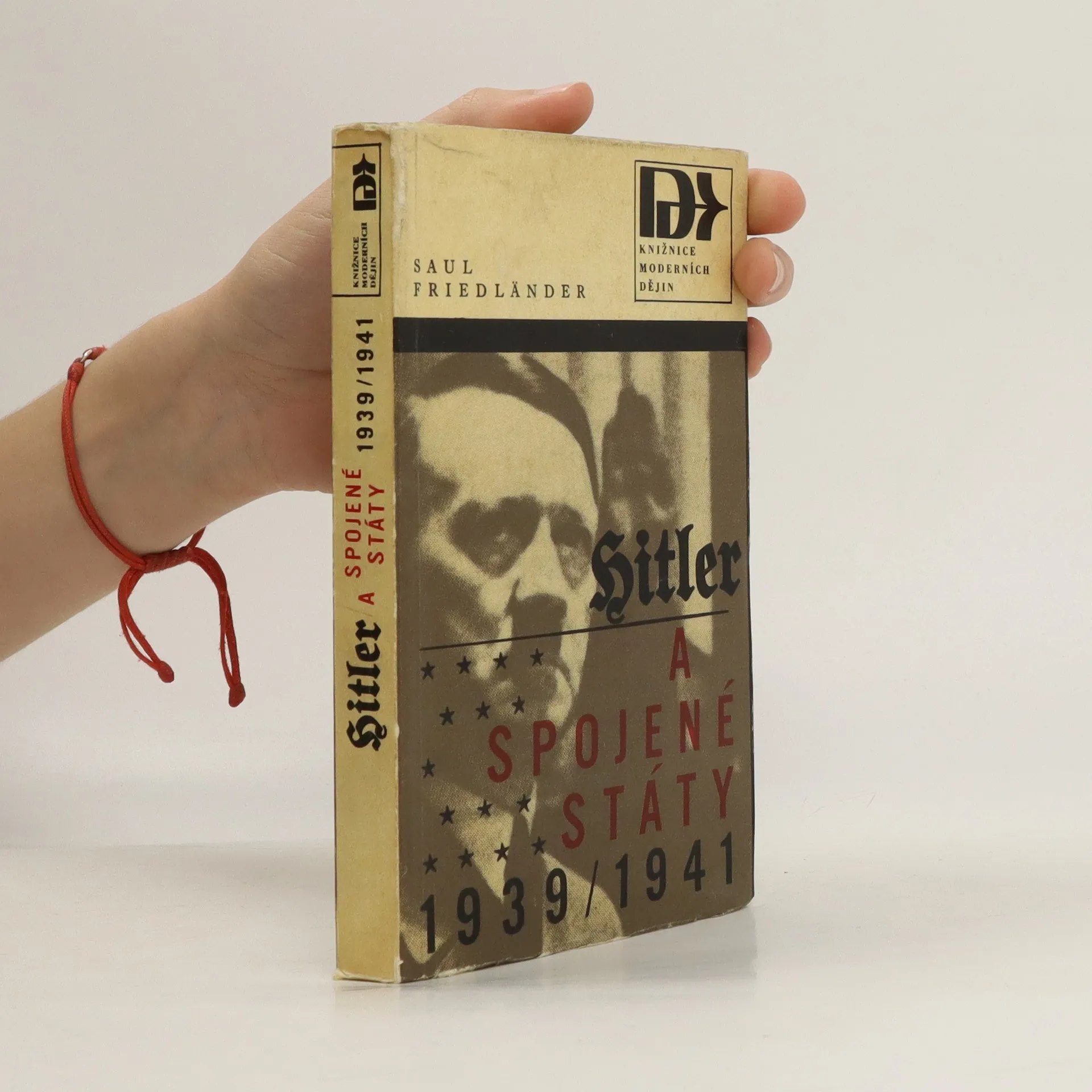
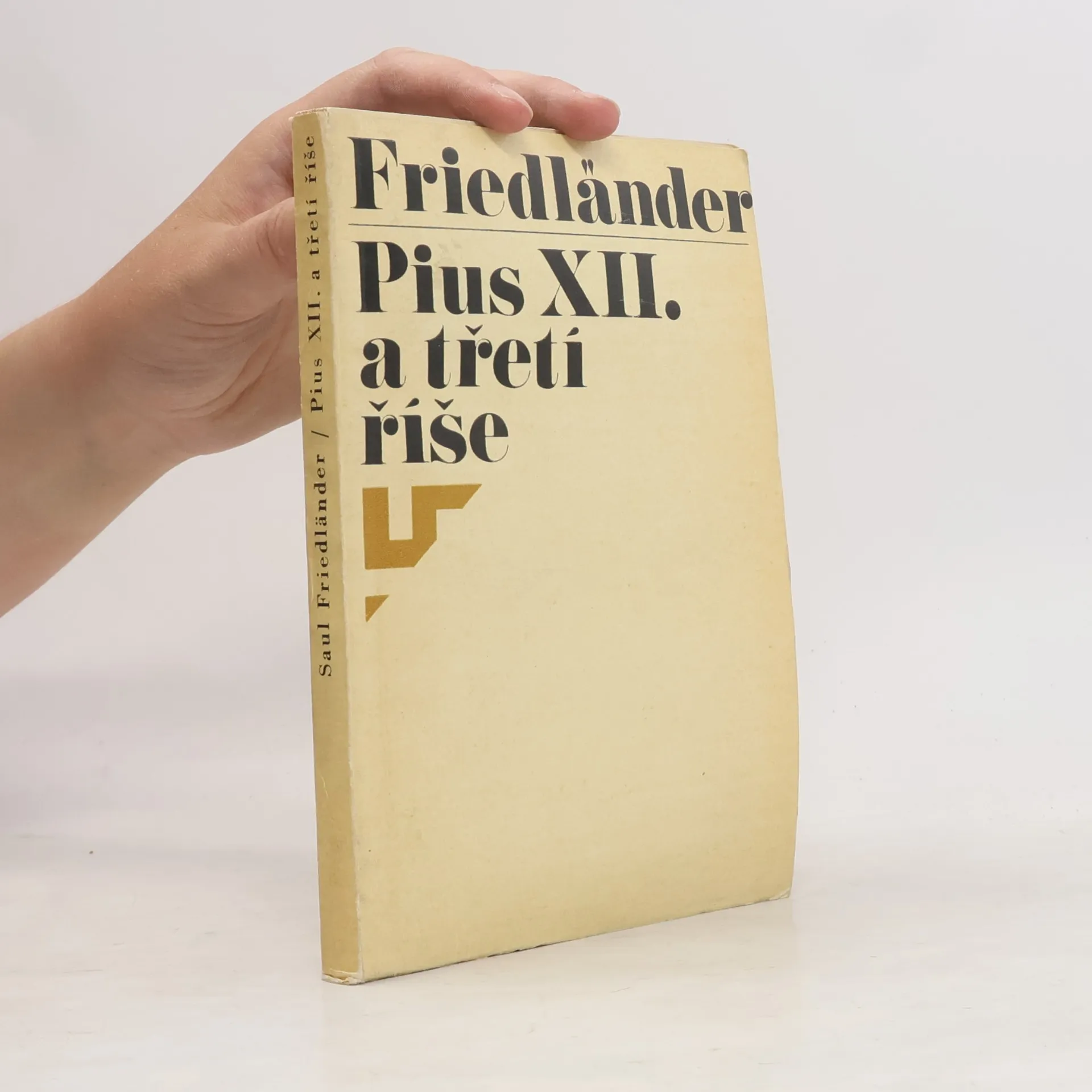
Postoj papeže Pia XII. k Hitlerově říši a důvody jeho mlčení k systematickému vyhlazování evropských Židů vedly k stísňujícím otázkám a vášnivým polemikám. Tváří v tvář takovému problému si může historik stěží činit nároky na úplnou objektivitu. Ale i přes zmatení ducha vinou nejrůznějších a někdy i velmi podivných obvinění je možné spravedlivé bádání, jestliže se historik bude co nejvíce opírat o dokumenty. Právě tuto metodu zvolil autor při svém bádání. Autor prozkoumal uveřejněné sbírky britských a amerických listin, několik textů publikovaných Vatikánem, dosud neuveřejněné dokumenty Židovského světového kongresu a Sionistického archívu v Jeruzalémě, nepublikovaný dokument říšského kancléřství a především většinou neuveřejněné dokumenty ministerstva zahraničí třetí říše. Obsáhl období od března 1939, kdy byl zvolen papež Pius Xll., do září 1944. Publikovaný text dokumentů je doprovázen komentáři, jež osvětlují situaci, za níž vznikl. Dospívá k závěru, že až do roku 1944 měl papež v oblibě Německo a že se bál bolševizace Evropy. Z francouzského originálu „Pie XII. et le IIIe Reich: documents“ přeložil Jan Stehlík. Doslov „Diplomacie bez filosofie“ napsal Jaroslav Hranička. 1. vydání.
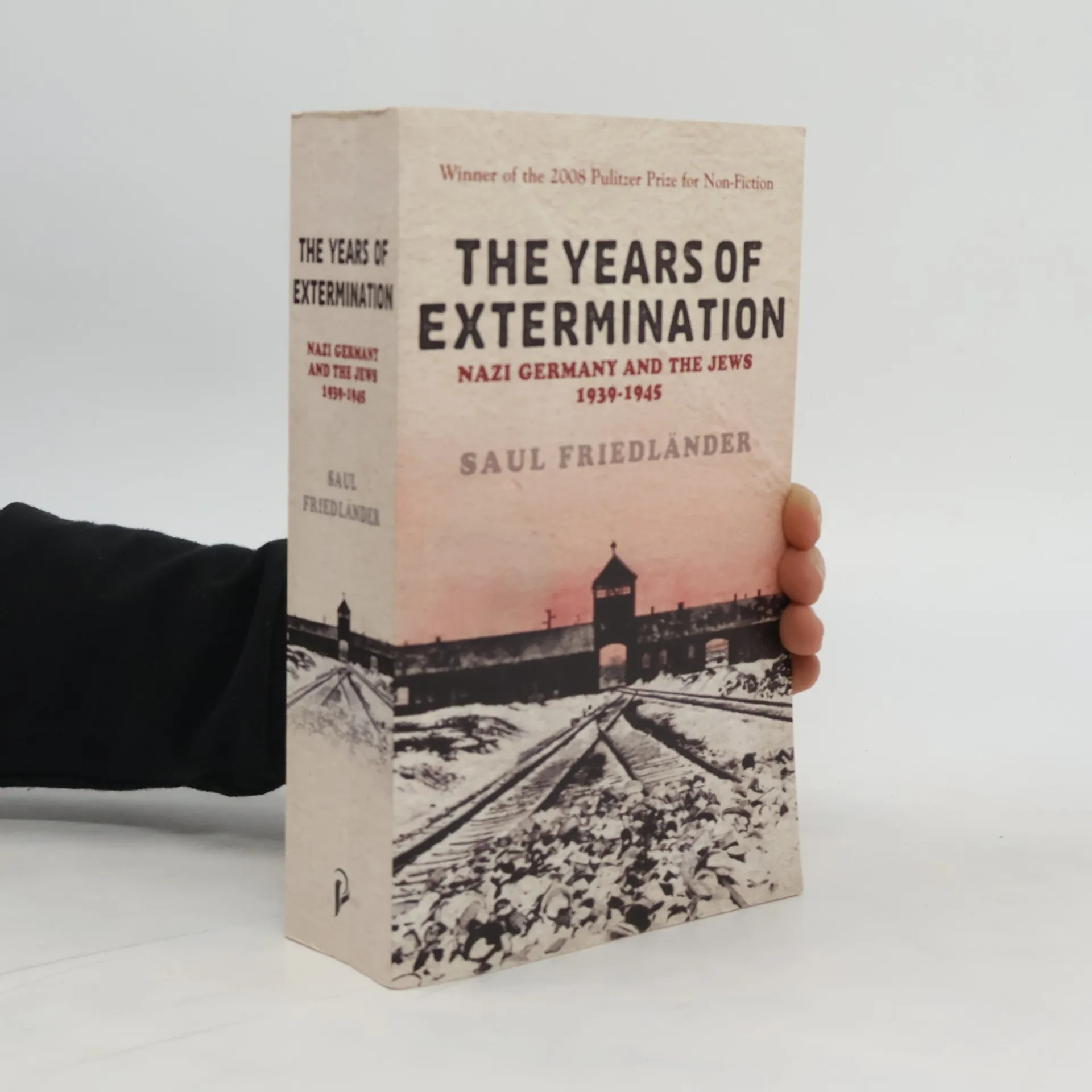
Nazi Germany And the Jews: The Years Of Extermination
- 896 stránok
- 32 hodin čítania
The second and concluding volume of the definitive two-volume account of the Holocaust číst celé
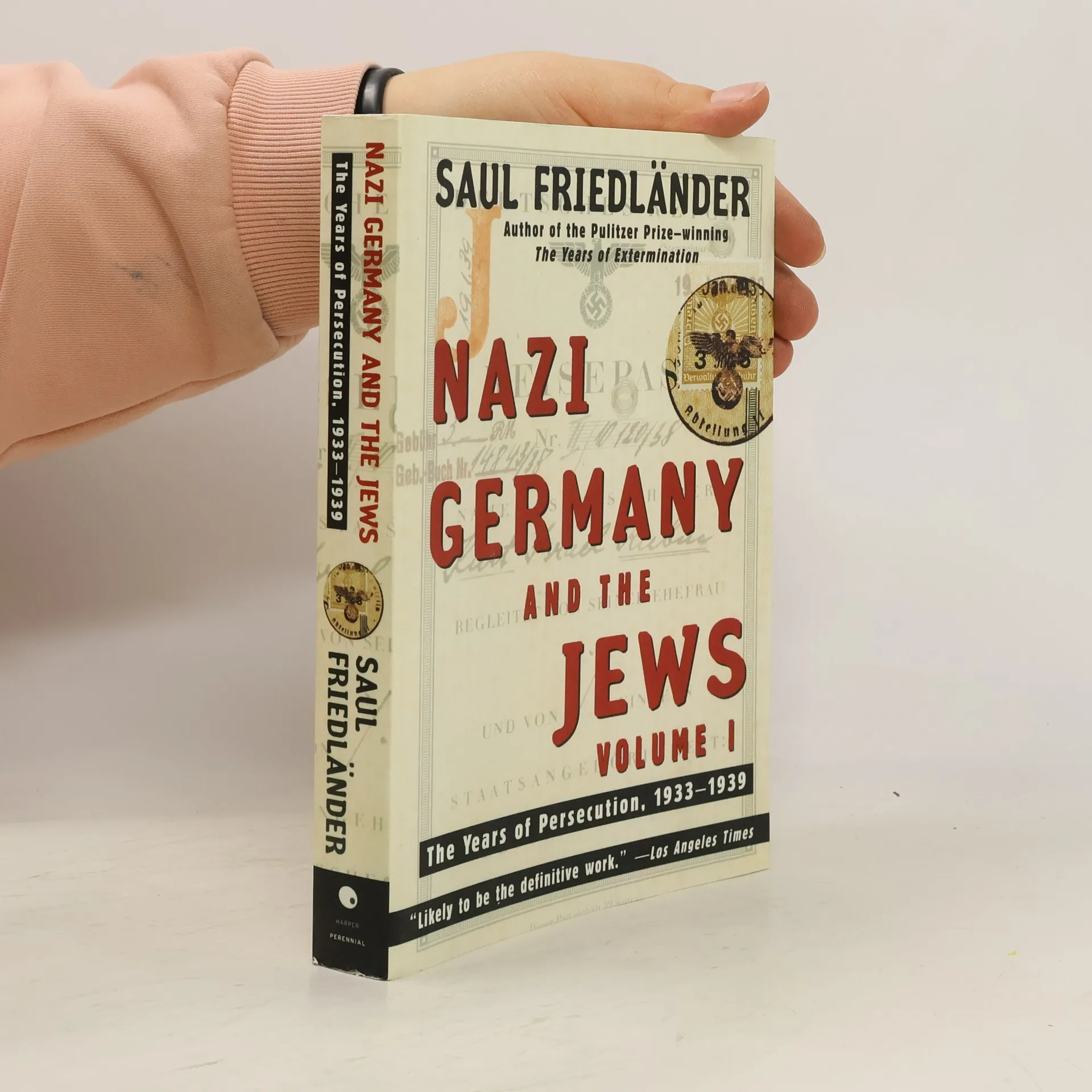
Nazi Germany and the Jews
- 482 stránok
- 17 hodin čítania
An abridged edition of Saul Friedlander's definitive two-volume history of the Holocaust: THE YEARS OF PERSECUTION and THE YEARS OF EXTERMINATION. Saul Friedlander's historical masterpiece is perhaps the richest examination of the Holocaust yet written, and, crucially, one that never loses sight of the experiences of individuals in its discussion of Nazi politics and the terrible statistics and technological and administrative sophistication of the Final Solution. The book's first part, dealing with the National Socialist campaign of oppression, restores the voices of Jews who were engulfed in an increasingly horrifying reality following the Nazi accession to power. Friedländer also provides the accounts of the persecutors themselves - and, perhaps most telling of all, the testimonies of ordinary German citizens. The second part covers the German extermination policies that resulted in the murder of six million European Jews.
When Memory Comes
- 192 stránok
- 7 hodin čítania
A classic of Holocaust literature, the eloquent, acclaimed memoir of childhood by a Pulitzer-winning historian, now reissued with a new introduction by Claire Messud Four months before Hitler came to power, Saul Friedländer was born in Prague to a middle-class Jewish family. In 1939, seven-year-old Saul and his family were forced to flee to France, where they lived through the German Occupation, until his parents' ill-fated attempt to flee to Switzerland. They were able to hide their son in a Roman Catholic seminary before being sent to Auschwitz where they were killed. After an imposed religious conversion, young Saul began training for priesthood. The birth of Israel prompted his discovery of his Jewish past and his true identity. Friedländer brings his story movingly to life, shifting between his Israeli present and his European past with grace and restraint. His keen eye spares nothing, not even himself, as he explores the ways in which the loss of his parents, his conversion to Catholicism, and his deep-seated Jewish roots combined to shape him into the man he is today. Friedländer's retrospective view of his journey of grief and self-discovery provides readers with a rare experience: a memoir of feeling with intellectual backbone, in equal measure tender and insightful.
A great historian crowns a lifetime of thought and research by answering a question that has haunted us for more than 50 years: How did one of the most industrially and culturally advanced nations in the world embark on and continue along the path leading to one of the most enormous criminal enterprises in history, the extermination of Europe's Jews?Giving considerable emphasis to a wealth of new archival findings, Saul Friedlander restores the voices of Jews who, after the 1933 Nazi accession to power, were engulfed in an increasingly horrifying reality. We hear from the persecutors themselves: the leaders of the Nazi party, the members of the Protestant and Catholic hierarchies, the university elites, and the heads of the business community. Most telling of all, perhaps, are the testimonies of ordinary German citizens, who in the main acquiesced to increasing waves of dismissals, segregation, humiliation, impoverishment, expulsion, and violence.
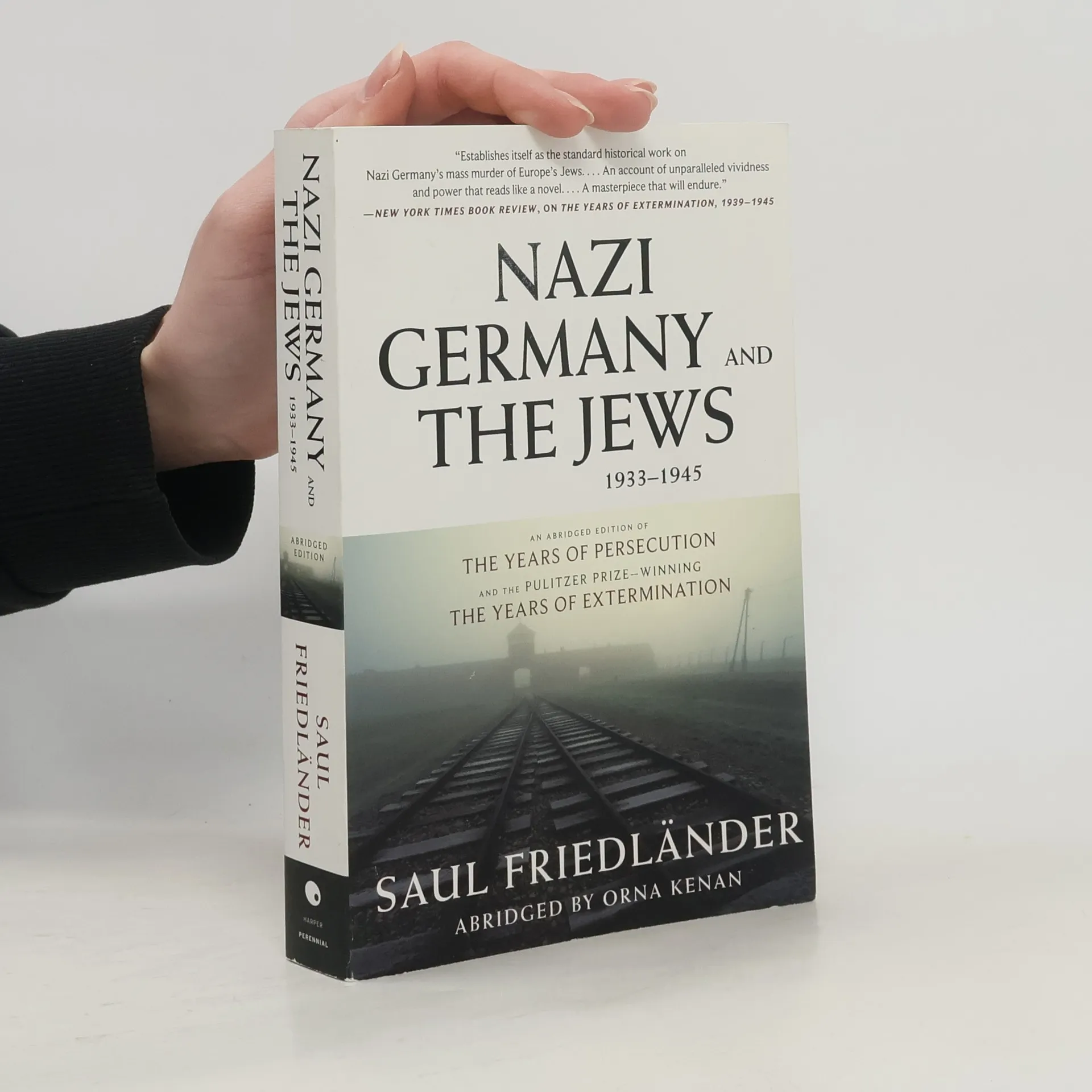
Nazi Germany and the Jews, 1933-1945
- 512 stránok
- 18 hodin čítania
Nazi Germany and the Jews, 1933-1945 is an abridged edition of Saul Friedländer's definitive Pulitzer Prize-winning two-volume history of the Holocaust: Nazi Germany and the Jews: The Years of Persecution, 1933-1939 and The Years of Extermination: Nazi Germany and the Jews, 1939-1945. The book's first part, dealing with the National Socialist campaign of oppression, restores the voices of Jews who were engulfed in an increasingly horrifying reality following the Nazi accession to power. Friedländer also provides the accounts of the persecutors themselves—and, perhaps most telling of all, the testimonies of ordinary German citizens who, in general, stood silent and unmoved by the increasing waves of segregation, humiliation, impoverishment, and violence. The second part covers the German extermination policies that resulted in the murder of six million European Jews—an official program that depended upon the cooperation of local authorities and police departments, the passivity of the populations, and the willingness of the victims to submit in desperate hope of surviving long enough to escape the German vise. A monumental, multifaceted study now contained in a single volume, Saul Friedländer's Nazi Germany and the Jews, 1933-1945 is an essential study of a dark and complex history.
Proustian Uncertainties
- 176 stránok
- 7 hodin čítania
Named a Times Literary Supplement Best Book of the Year A Pulitzer Prize–winning historian revisits Marcel Proust’s masterpiece in this essay on literature and memory, exploring the question of identity—that of the novel’s narrator and Proust’s own. This engaging reexamination of In Search of Lost Time considers how the narrator defines himself, how this compares to what we know of Proust himself, and what the significance is of these various points of commonality and divergence. We know, for example, that the author did not hide his homosexuality, but the narrator did. Why the difference? We know that the narrator tried to marginalize his part-Jewish background. Does this reflect the author’s position, and how does the narrator handle what he tries, but does not manage, to dismiss? These are major questions raised by the text and reflected in the text, to which the author’s life doesn’t give obvious answers. The narrator’s reflections on time, on death, on memory, and on love are as many paths leading to the image of self that he projects. In Proustian Uncertainties, Saul Friedländer draws on his personal experience from a life spent investigating the ties between history and memory to offer a fresh perspective on the seminal work.
Franz Kafka
- 183 stránok
- 7 hodin čítania
Looks at that major aspects of Kafka's life—family, Judaism, love and sex, writing, illness and despair—and argues that, when reinserted in Kafka's letters and diaries, deleted segments lift the mask of "sainthood" frequently attached to the writer. 12,000 first printing.
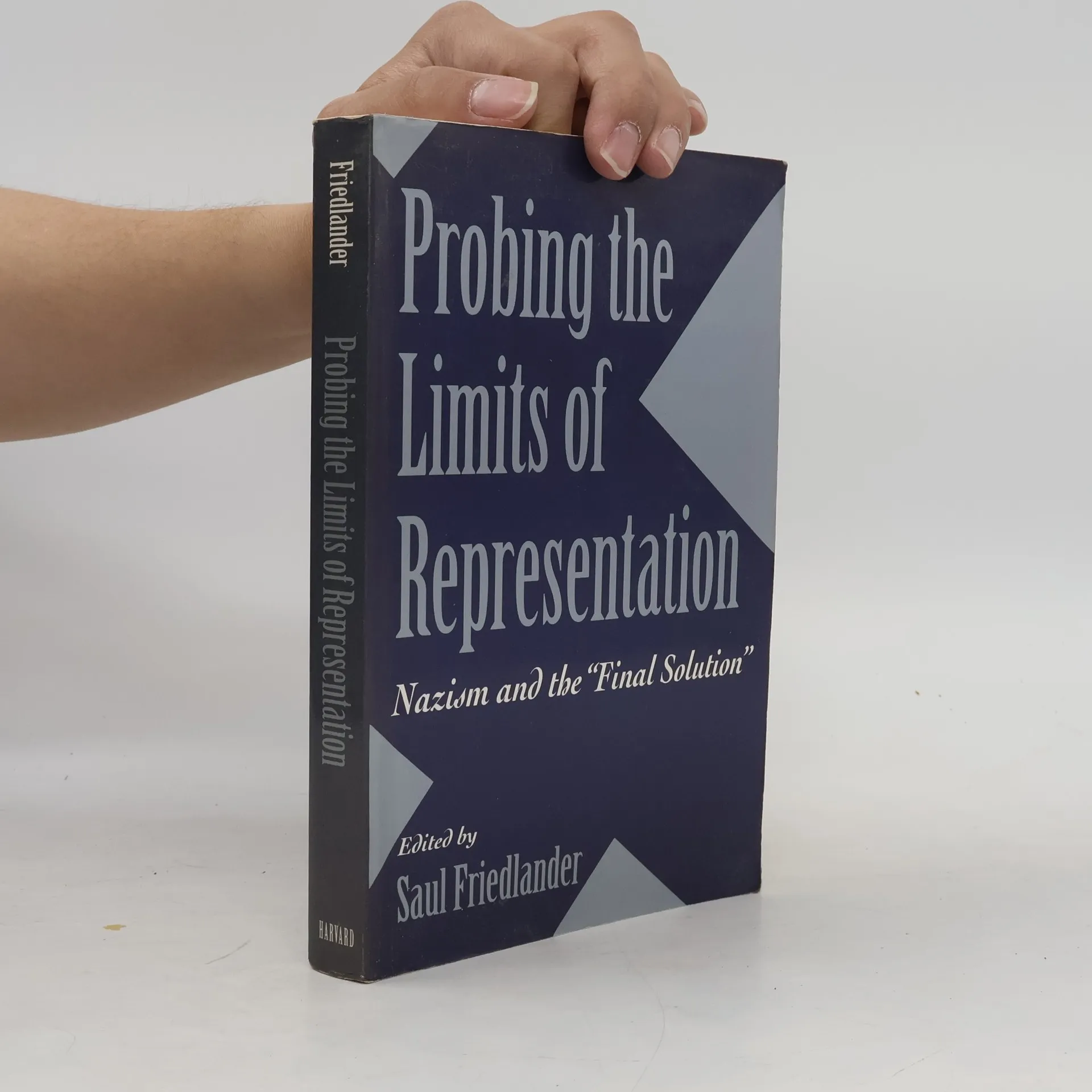
Can the Holocaust be effectively described or represented, or is there an inherent aspect of the extermination of Jews in Europe that eludes our narrative capabilities? This volume features twenty scholars who examine the moral, epistemological, and aesthetic boundaries of portraying the Nazi horror. Their essays address urgent questions that demand our attention, conscience, and cultural memory. Originally presented at a conference organized by Saul Friedlander, these discussions are now available for broader consideration. Scholars like Christopher Browning, Hayden White, and Carlo Ginzburg explore whether historical events can be objectively recorded through documents and witnesses or if every interpretation is shaped by the narrator's perspective. This raises ethical issues surrounding relativization. Additionally, they investigate how to historicize National Socialism without downplaying the Holocaust's significance. The volume also tackles the challenges of artistic representation, with contributors like John Felstiner and Yael S. Feldman confronting the limitations of language in expressing the Holocaust. Others consider how Nazi policies fit into the broader history of Western thought and science. The book concludes with Geoffrey Hartman’s poignant reflection on memory.
Das Dritte Reich und die Juden
1933-1945
Diese von Saul Friedländer autorisierte Kurzfassung seines zweibändigen Werkes Das Dritte Reich und die Juden hat rund 800 Seiten weniger und bietet auf etwa 500 Seiten eine überschaubare Lektüre. Sie soll einem breiteren Publikum Zugänge zum Thema des Buches eröffnen und idealerweise auch hinführen zum Gesamtwerk. Orna Kenan hat bei ihrer Arbeit mit größter Sorgfalt und Sensibilität darauf geachtet, die einzigartige Erzählstruktur des Originals zu erhalten und seinen Gehalt zu bewahren. So ist eine eigenständige Version entstanden, die einerseits die Vorzüge der großen Darstellung bewahrt und andererseits in kürzerer Form einführt in die Geschichte der Verfolgung und Vernichtung der europäischen Juden. „Das Dritte Reich und die Juden 1933–1945“ ist eine gekürzte Ausgabe der berühmten Geschichte des Holocaust von Saul Friedländer. Das Werk und sein Autor wurden vielfach ausgezeichnet, unter anderem mit dem Friedenspreis des Deutschen Buchhandels, mit dem Geschwister-Scholl-Preis und mit dem Pulitzer-Preis. Es gilt als eines der historischen Meisterwerke unserer Zeit.
Friedenspreis des Deutschen Buchhandels 2007 Kurt Gerstein (1905-1945) ist eine der außergewöhnlichsten Persönlichkeiten des Widerstandes gegen das „Dritte Reich“. Schon im Mai 1933 trat er der NSDAP bei, um den Staat Hitlers von innen bekämpfen zu können, wurde jedoch 1936 aus der Partei ausgeschlossen. 1941 meldete er sich zur Waffen-SS, um im verborgenen seinen Kampf gegen das Regime fortzusetzen. In der Folge war er auch an der Beschaffung des Giftgases Zyklon B für die Massenmorde in den Vernichtungslagern beteiligt. Über die Massenvergasung von Juden, deren Augenzeuge er wurde, hat er wiederholt unter Lebensgefahr Diplomaten und Geistliche informiert und damit maßgeblich zum Bekanntwerden des Holocaust bei den Alliierten beigetragen. Nach Kriegsende kam er unter nicht völlig geklärten Umständen ums Leben. Saul Friedländers Buch ist eine bis heute faszinierende Studie über die Verstrickung des Guten in das Böse und über die Frage nach der individuellen „Schuld“ eines Menschen, der Komplize eines totalitären Regimes wird, um dagegen Widerstand zu leisten - während andere nur zuschauen und „unschuldig“ bleiben.
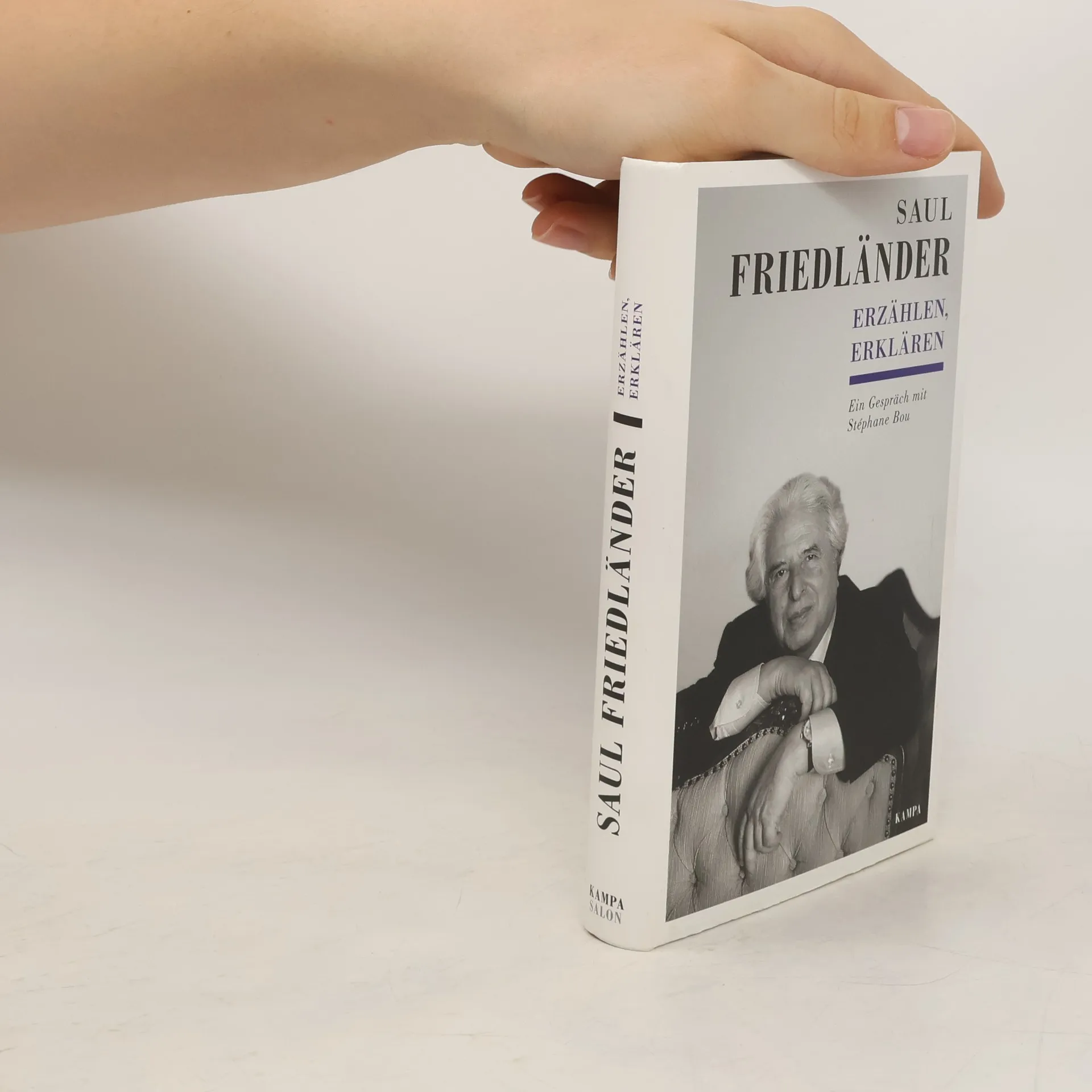
Geboren 1932 als Sohn jüdischer Eltern in Prag mit dem Namen Pavel, muss Saul Friedländer mit seinen Eltern vor den Nazis fliehen. In Frankreich können sie den Sohn in einem katholischen Internat verstecken – sie selbst werden an der Schweizer Grenze, festgenommen und deportiert. Pavel überlebt, seine Eltern werden vermutlich in Auschwitz ermordet. Mit dem Journalisten Stéphane Bou spricht der Pulitzer-Preisträger darüber, wie aus dem Waisen Pavel, der Priester werden wollte, Saul wurde und wie schmerzhaft es war, sich den eigenen traumatischen Kindheitserlebnissen zu stellen, dass er sich erst nach Jahrzehnten auf die Erforschung des Holocaust einlassen konnte. Und Friedländer erklärt, wie er deshalb zu einem Historiker wurde, der gar nicht anders konnte, als das »Primärgefühl der Fassungslosigkeit zu bewahren« und wissenschaftliche Geschichtsschreibung mit der persönlichen Erinnerung sowie der von Empathie getragenen Perspektive der Opfer zu verflechten. Sie reden auch über deutsche und jüdische Erinnerungskultur, über Hannah Arendt und den Eichmann-Prozess, den Historikerstreit von 1986 und über filmische und literarische Fiktionalisierungen des Historischen, die das Unerzählbare erzählen.
Kitsch und Tod
- 131 stránok
- 5 hodin čítania
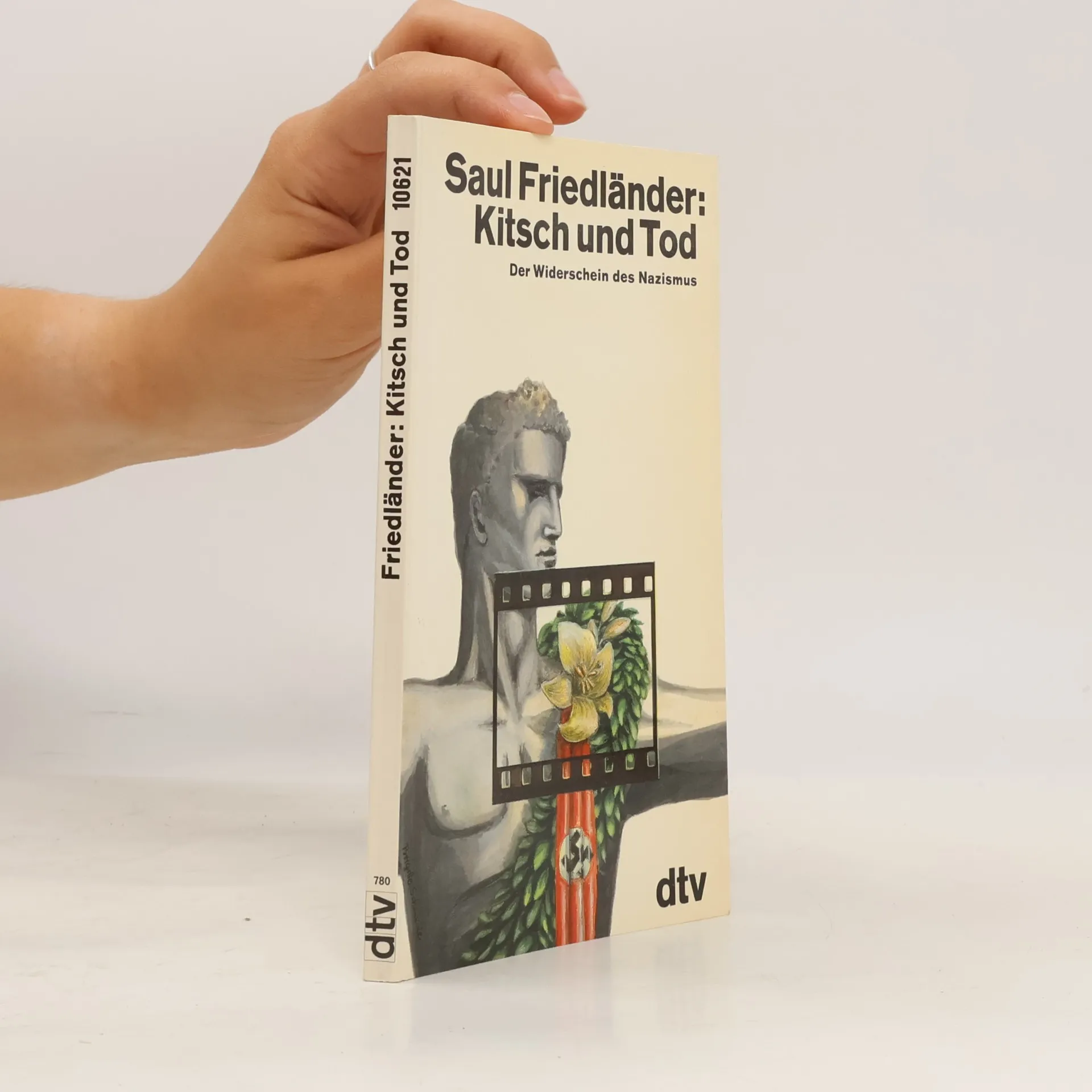
Friedländer, Saul. Kitsch und Der Widerschein des Nazismus. Aus dem Französischen von Michael Grendacher. München, Deutscher Taschenbuch Verlag, 1986. 11 x 18cm. 132 Seiten. Originale Broschur. Sehr guter Zustand. [dtv, Nr. 10621]. Der Widerschein des Nazismus, wie man ihn in den 70er Jahren zum Beispiel in den Filmen von Visconti, Fassbinder und Syberberg oder in den Büchern von Speer, Fest u.a. wahrnahm, hatte seinerzeit einen tiefgreifenden Diskurs über den Nazismus in Gang gebracht. In ihren Filmen und Büchern haben die Autoren damals eine neue Sensibilität für die Magie der Hitler-Bewegung entwickelt, die bis dahin fast in allen politischen Analysen gefehlt hatte. Die ästhetische Faszination durch Kitsch und Tod unterzieht Friedländer einer kritischen Analyse und kommt zu dem Fazit, dass dieses Phänomen nicht mit den Mitteln der Ästhetik bewältigt werden könne – es sei denn, man wollte einer geistig-moralischen Verwirrung Vorschub leisten. [dtv]
Pius XII. und das Dritte Reich
Eine Dokumentation
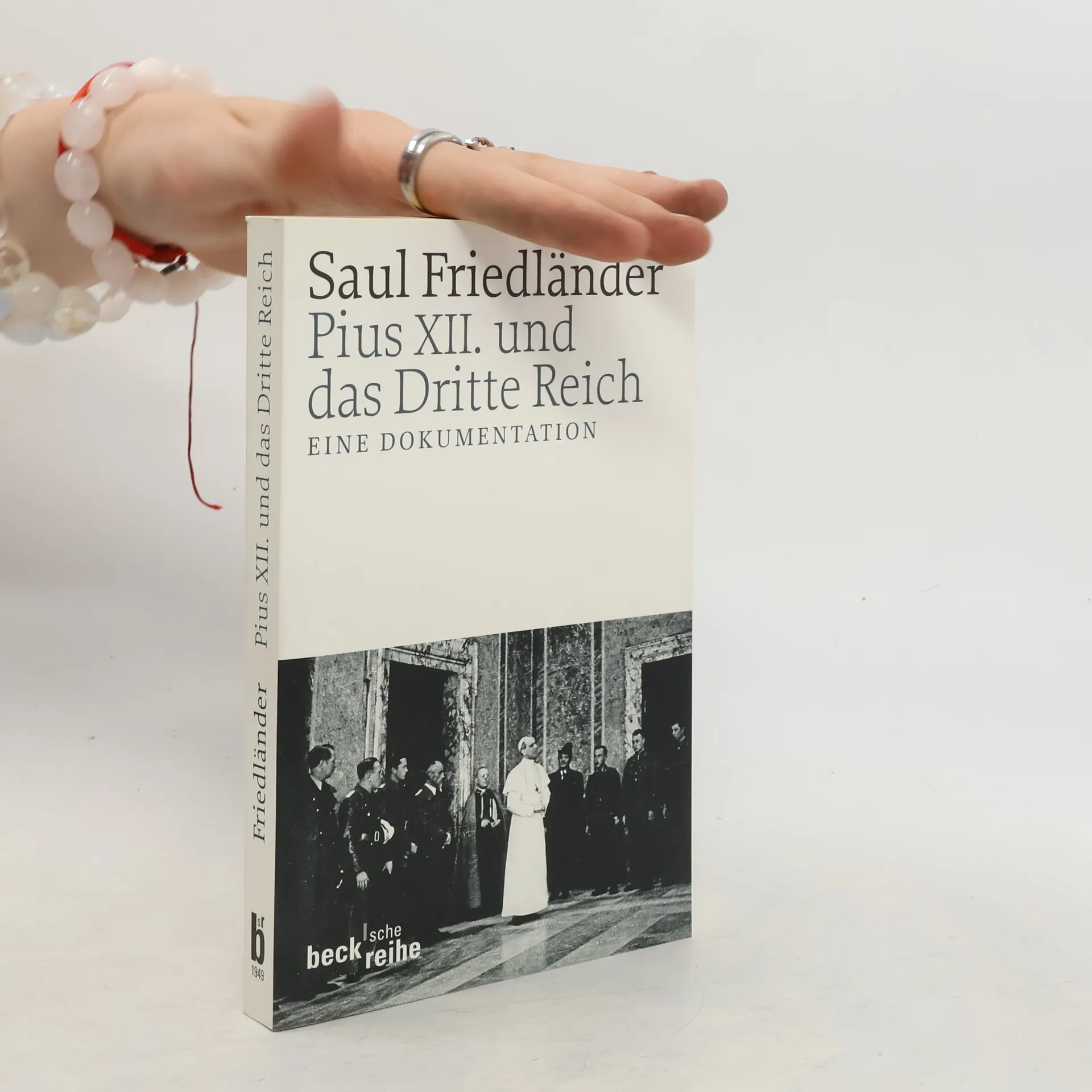
Das Pontifikat Pius XII. ist bis heute umstritten wie kein anderes im 20. Jahrhundert. Hatte der Papst plausible Gründe, sich in seinen Äußerungen zur Verfolgung und Ermordung der europäischen Juden zurückzuhalten, oder hat er moralisch versagt? Gab es einen latenten Antisemitismus im Vatikan? Warum hat der 'Stellvertreter' selbst die Deportation der Juden Roms widerspruchslos hingenommen, während er andererseits zahlreichen Juden heimlich Hilfe zukommen ließ? Dem Streit der Meinungen hat Saul Friedländer eine historische Dokumentation entgegengesetzt, die bis heute nichts von ihrer Brisanz eingebüßt hat. Sie versammelt die wichtigsten Quellen und bietet eine unverzichtbare Grundlage für jeden, der sich über die Rolle der katholischen Kirche während der NS-Zeit selbst ein Urteil bilden will. Ein aktuelles Nachwort des Friedenspreisträgers erläutert die Kontroverse um Pius XII. im Spiegel der neueren Forschung.
Bertelsmann im Dritten Reich
- 800 stránok
- 28 hodin čítania
An der Geschichte des Verlagshauses Bertelsmann im Dritten Reich entzündete sich im Herbst 1998 eine öffentliche Debatte. Zur Klärung der Vorwürfe berief die Bertelsmann AG eine »Unabhängige Historische Kommission zur Erforschung der Geschichte des Hauses Bertelsmann im Dritten Reich«. Das Buch dokumentiert die Ergebnisse der Kommission und gibt differenziert Aufschluss über das Selbstverständnis des Unternehmens, seine Anpassungsbereitschaft, seine ideologische Affinität zum NS-Regime wie auch über seinen ökonomischen Aktionswillen. Die Darstellung zeigt, wie komplex sich das Verhältnis von Marktrationalität und politischer Opportunität, von unternehmerischem Handlungsspielraum und weltanschaulichem Profil im konkreten Fall gestaltete.
Israel steht am Abgrund, und Saul Friedländer, der bedeutende Holocaust-Historiker, hat ein eindringliches Tagebuch verfasst, das aktuelle Ereignisse kommentiert und Rückblenden zur Geschichte des Landes bietet. Er analysiert Konflikte und denkt über mögliche Lösungen nach. Friedländers Tagebuch ist ein Appell an alle, die an Israel interessiert sind. Es beginnt mit einem Zitat von Max Liebermann, das die Empörung über die „Machtergreifung“ der Nationalsozialisten widerspiegelt. Heute steht eine neue, rechtsradikale Regierung unter Benjamin Netanjahu vor der Herausforderung, die Demokratie durch eine Justizreform zu untergraben und ein autoritäres Regime zu etablieren. Hunderttausende demonstrieren dagegen, während Friedländer, im Alter von 90 Jahren, nicht mehr selbst auf die Straße gehen kann. Stattdessen nutzt er seine Worte, um dieser besorgniserregenden Entwicklung entgegenzutreten. Sein Tagebuch ist eine bewegende und schmerzhafte Lektüre, die die Emotionen, Sorgen und die Verzweiflung des Autors angesichts der aktuellen Lage in Israel widerspiegelt. Es ist ein intimes, aufwühlendes Werk, das eindringlich vor dem Absturz Israels in eine autoritäre Pseudo-Demokratie warnt.
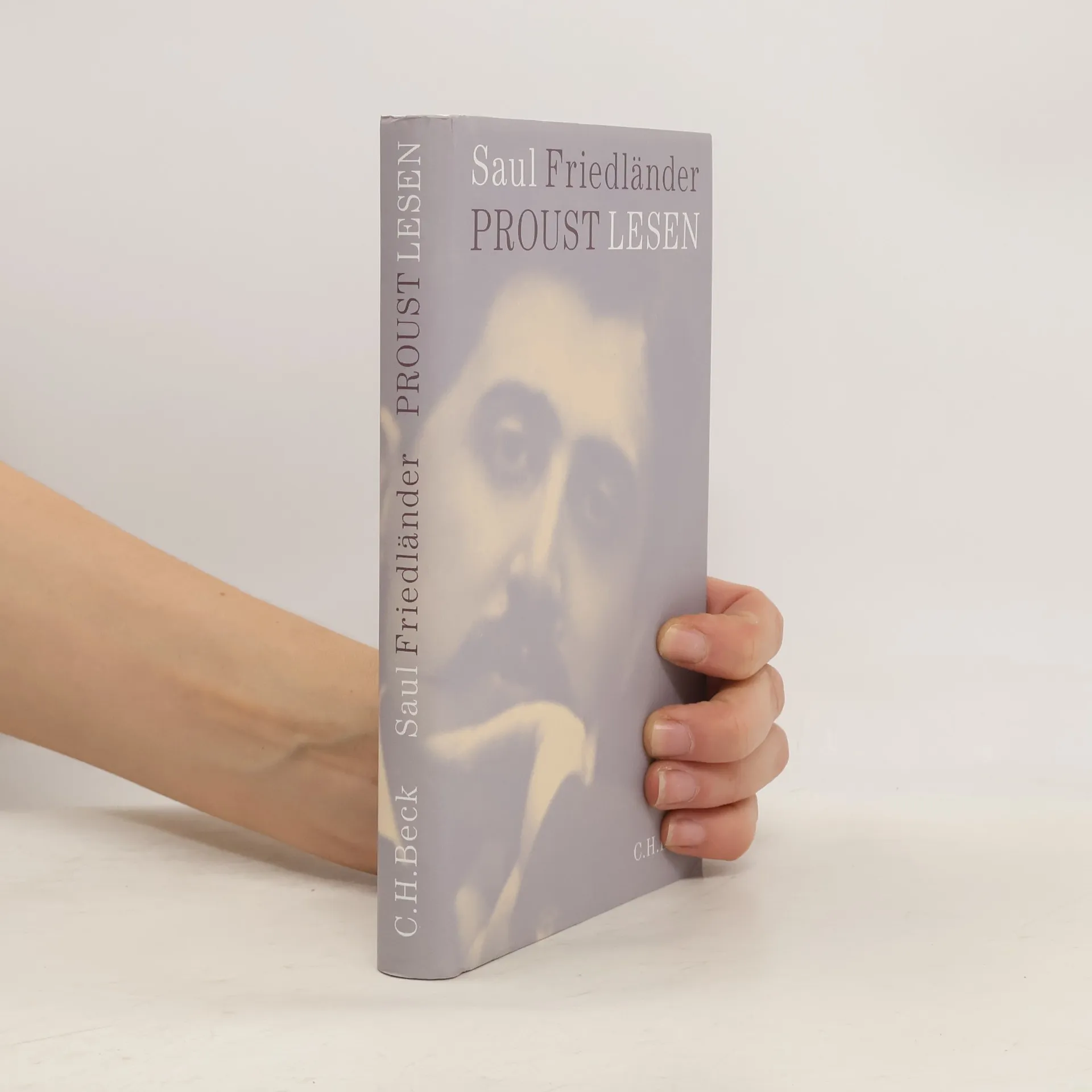
Proust lesen. Ein Essay
- 208 stránok
- 8 hodin čítania
Saul Friedländer analysiert in seinem Essay das Lesen von Marcel Prousts "Auf der Suche nach der verlorenen Zeit". Er beleuchtet Themen wie die Rolle der Juden, Homosexualität und die Beziehung zwischen Erzähl-Ich und Autor. Friedländer vermittelt die Freude an Prousts Sprache und regt dazu an, das Werk selbst zu entdecken.
"Blick in den Abgrund" ist ein eindringliches Tagebuch von Saul Friedländer, das die politische Lage Israels nach dem Hamas-Angriff im Oktober 2023 beleuchtet. Der Holocaustforscher reflektiert über die Bedrohungen für die israelische Demokratie und den Wiederaufstieg des Antisemitismus, während er die Fragilität des jüdischen Staates thematisiert.
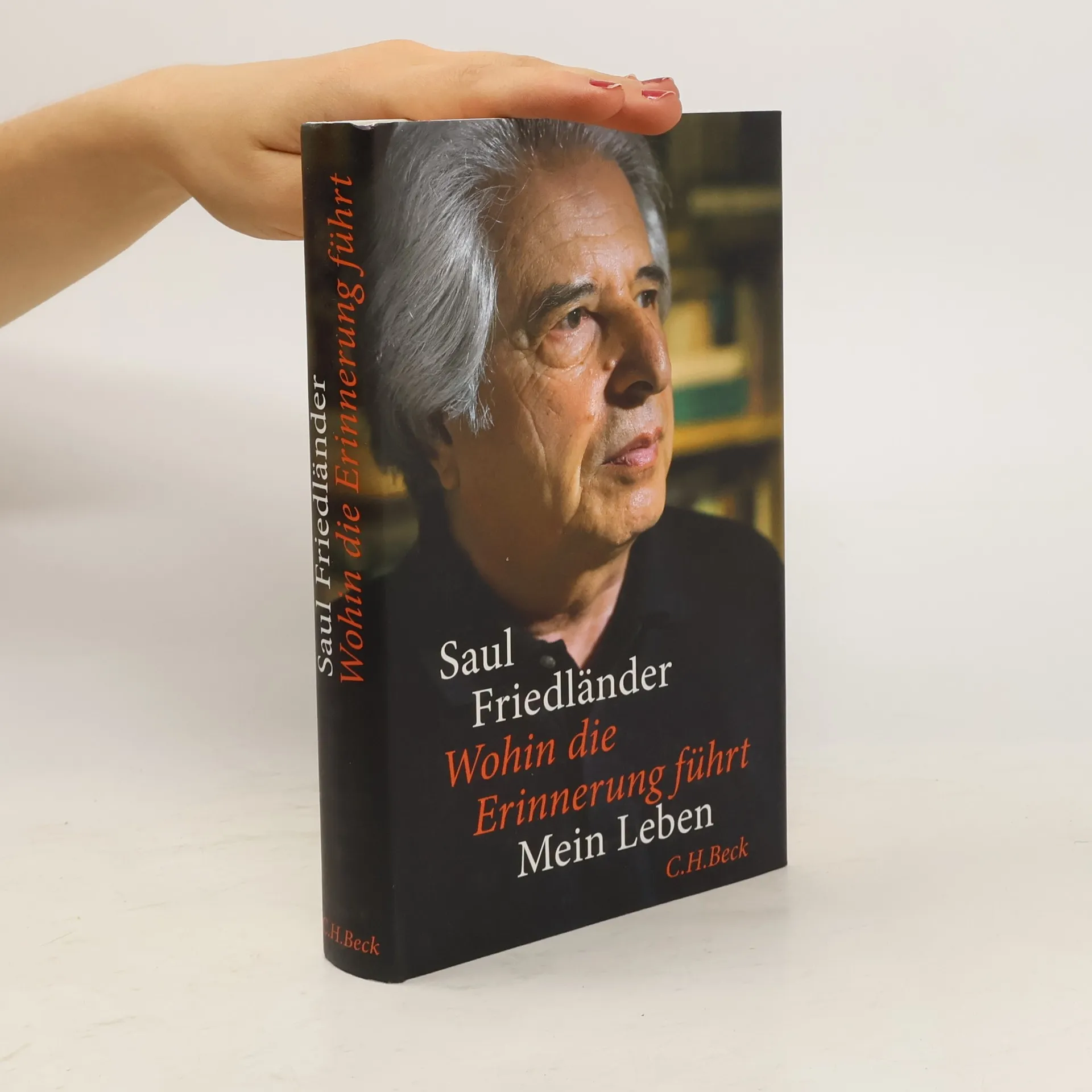
Wohin die Erinnerung führt
Mein Leben
Saul Friedländer ist noch ein halbes Kind, als der Zweite Weltkrieg zu Ende geht. Sanft und in einer wunderschönen Sprache erzählt der große Historiker des Holocaust von seinem Leben danach, das reich ist an Erfahrungen und Begegnungen, aber das Leben eines Entwurzelten bleibt. „Wohin die Erinnerung führt“ ist das großartige Zeugnis einer Epoche und gewährt zugleich ungewöhnlich offen Einblick in die fragilen Gefühlswelten eines Überlebenden. Den blutjungen Saul Friedländer drängt es nach Israel, wo er als glühender Zionist für die Gründung eines jüdischen Staates kämpfen will. Der Fünfzehnjährige fälscht das Geburtsdatum in seinem Pass und schifft sich auf der „Altalena“ ein. In kurzer Zeit lernt er hebräisch und die jüdische Kultur kennen, doch schon bald zieht es ihn wieder zurück nach Paris. Er studiert und erkennt immer deutlicher, wohin die Suche nach der eigenen Identität ihn führen wird – in die Erinnerung an jenes Ereignis, dem sechs Millionen Juden, darunter auch seine Eltern, zum Opfer gefallen sind. Elegant und mit scheinbar leichter Feder erweckt Saul Friedländer in seinen Memoiren Menschen und Milieus zum Leben, schildert die politischen und intellektuellen Kontroversen seiner Zeit und lässt den Schmerz fühlbar werden, in den dieses ganze Leben unentrinnbar eingetaucht ist.
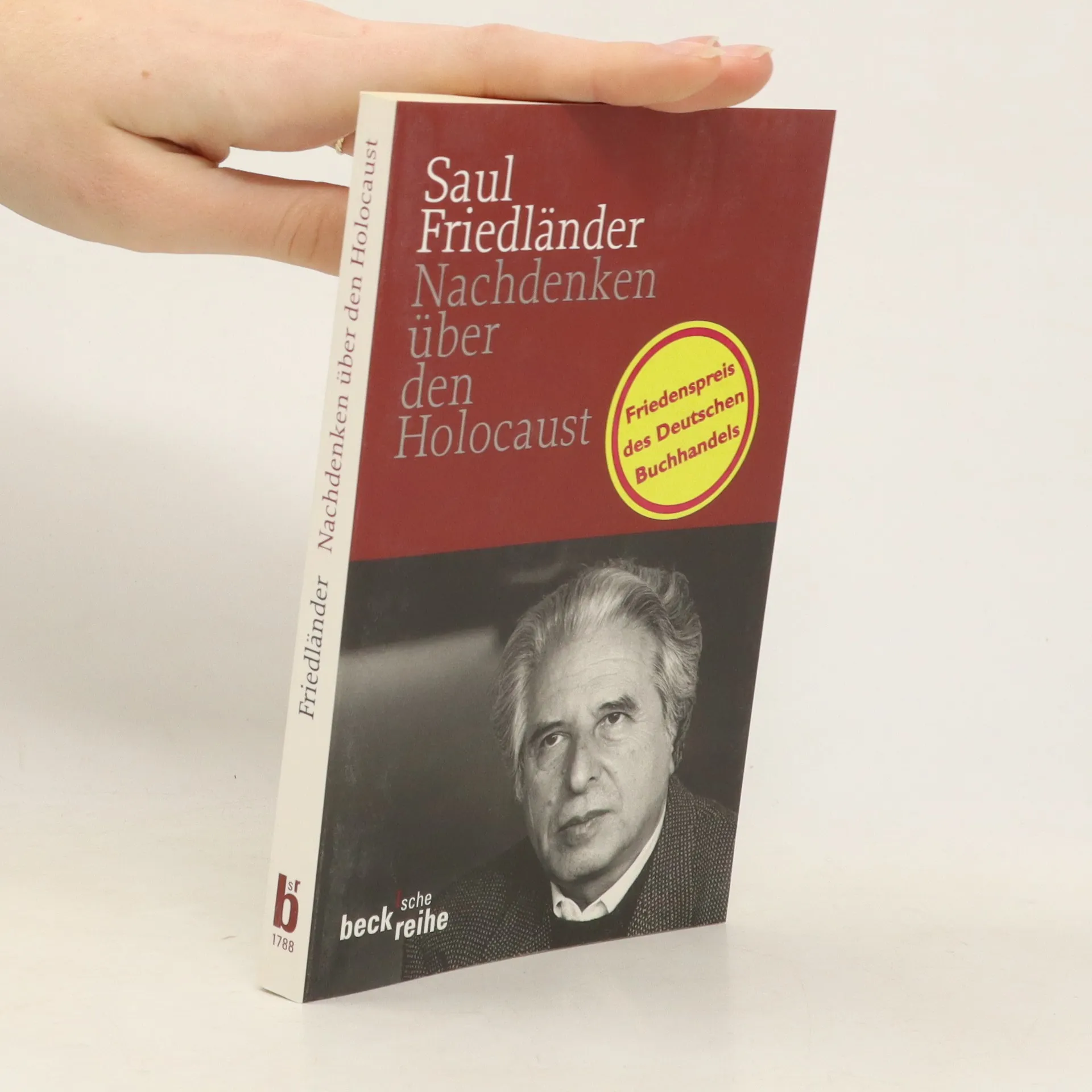
Nachdenken über den Holocaust
- 200 stránok
- 7 hodin čítania
Friedenspreis des Deutschen Buchhandels 2007 Saul Friedländer hat sich immer wieder mit der Frage auseinandergesetzt, wie man die Geschichte des Holocaust wissenschaftlich fundiert schreiben kann, ohne das anfängliche Gefühl der „Fassungslosigkeit“ zu unterdrücken, das die Geschehnisse in uns auslösen. Der Friedenspreisträger und Verfasser der preisgekrönten Darstellung „Das Dritte Reich und die Juden“ legt in diesem Band einige seiner wichtigsten Texte über den Holocaust vor, darunter auch der berühmte Briefwechsel mit dem langjährigen Direktor des Instituts für Zeitgeschichte, Martin Broszat, über die Historisierung des Nationalsozialismus.
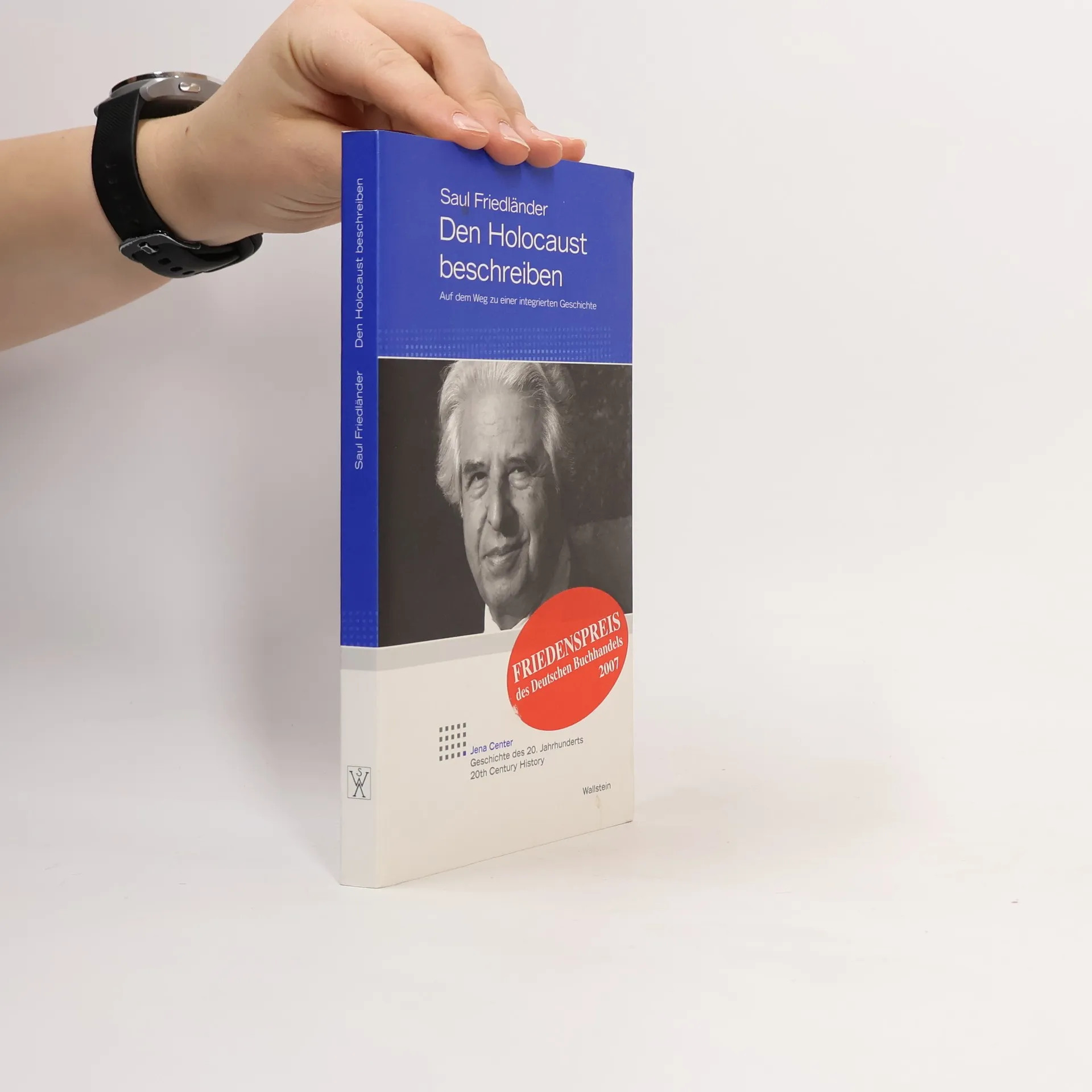
Den Holocaust beschreiben
Auf dem Weg zu einer integrierten Geschichte
Saul Friedländer hat mit seiner zweibändigen Darstellung über »Das Dritte Reich und die Juden« im vergangenen Jahr ein vielfach preisgekröntes historiographisches Meisterwerk veröffentlicht. Der hier vorgelegte Band dokumentiert seine öffentlichen Vorträge und Gespräche als erster Gastprofessor des Jena Center Geschichte des 20. Jahrhunderts. Im Mittelpunkt stehen Fragen nach den Quellen, der Methodik und den Perspektiven der Holocaustforschung. Aufschlussreiche Diskussionen mit Kollegen und Nachwuchsforschern bieten darüber hinaus neue Einblicke in die Biographie Saul Friedländers, der versteckt in einer Klosterschule in Frankreich den Holocaust überlebte.
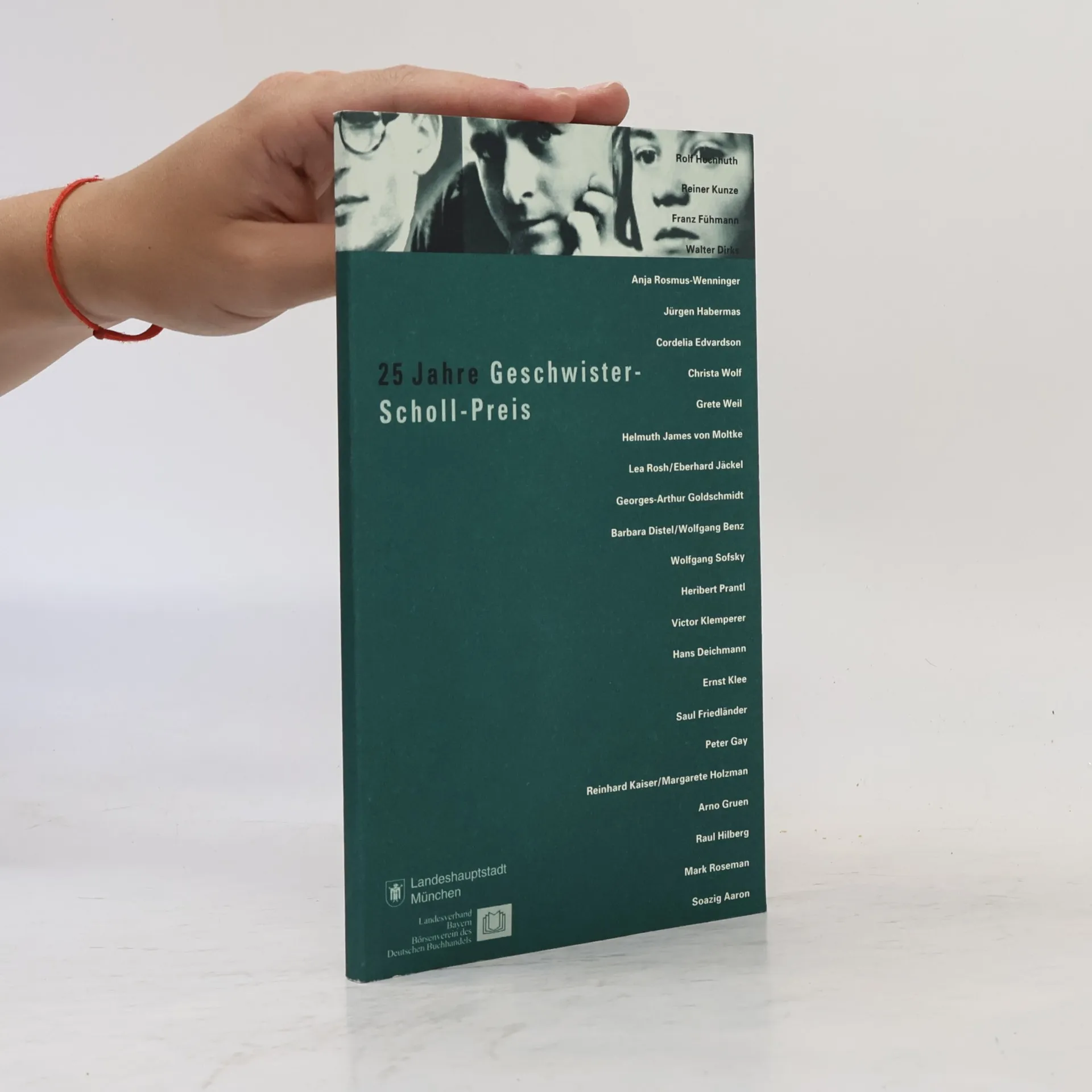
Gebt der Erinnerung Namen
Zwei Reden
25 Jahre Geschwister-Scholl-Preis
- 71 stránok
- 3 hodiny čítania
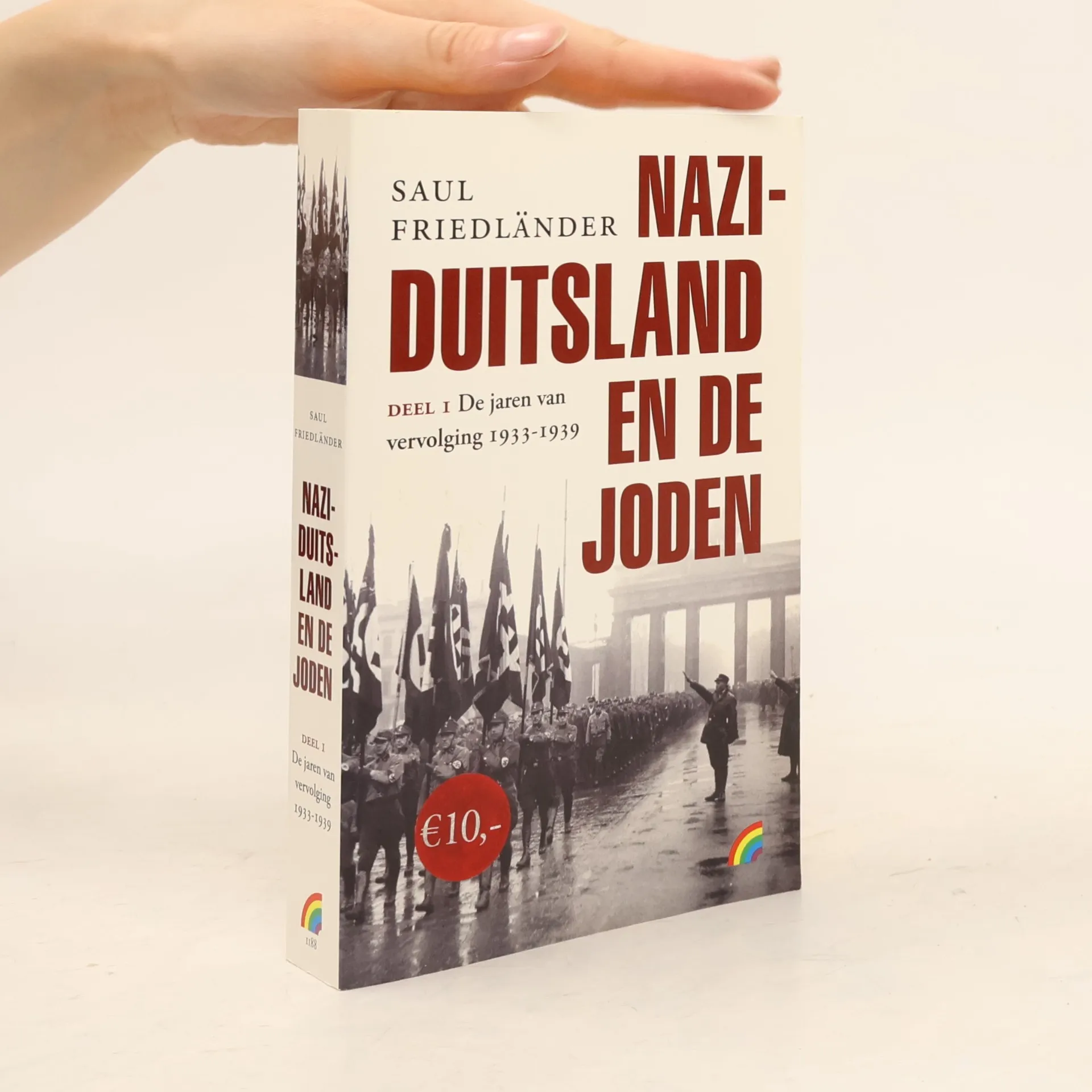
Nazi-Duitsland en de Joden Deel 1
De jaren van vervolging 1933-1939
In dit tweedelige standaardwerk over de meest schokkende periode in de moderne geschiedenis verklaart Saul Friedländer hoe Duitsland, een van de economisch en cultureel meest ontwikkelde landen ter wereld, zich schuldig kon maken aan genocide op de Europese Joden. Dit eerste deel is een meesterlijke synthese van vrijwel de gehele literatuur over de Jodenvervolging in Duitsland van 1933-1939. Als geen ander is Friedländer erin geslaagd om in een vloeiende, meeslepende stijl te laten zien hoe gecompliceerd de geschiedenis van de Jodenvervolging is.
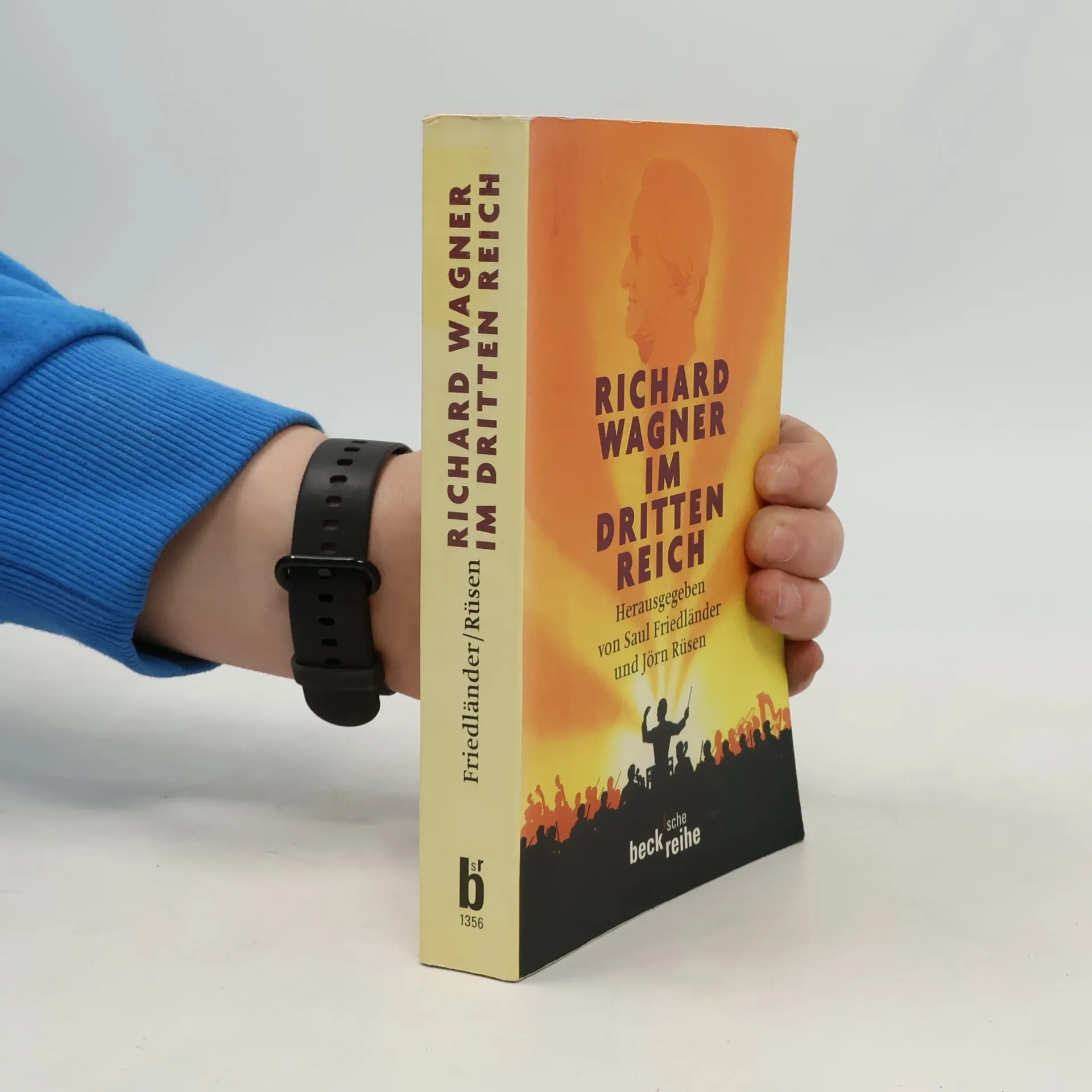
Beck'sche Reihe - 1356: Richard Wagner im Dritten Reich
Ein Schloß Elmau-Symposium
- 373 stránok
- 14 hodin čítania
Auf dem Schloss-Elmau-Symposion 'Wagner im Dritten Reich' trafen im Juli 1999 zum ersten Mal in Deutschland international angesehene Experten - Historiker, Politologen, Philologen, Musik- und Theaterwissenschaftler - zusammen, um über eine bisher von der Forschung vernachlässigte, für das Verständnis des NS-Systems und der Wagnerischen Kunst aber überaus wichtige Frage zu diskutieren: Welche Bedeutung hatte Wagner für das Dritte Reich? Dabei geht es im weiteren Sinne um die ideengeschichtlichen Zusammenhänge zwischen Wagner, seinem Antisemitismus und dem des Bayreuther Kreises einerseits und dem Antisemitismus des NS-Systems andererseits, um die Ästhetisierung des Politischen, die Rolle der Kunstreligion in der jüngeren deutschen Geschichte, die politische Religion des Nationalsozialismus und deren Quellen. Die Vorträge dieses Symposiums sind in diesem Band vereinigt. Mit Beiträgen von: Saul Friedländer, Jörn Rüsen, Dieter Müller-Elmau, Joachim Fest, Udo Bermbach, Dieter Borchmeyer, David J. Levin, Reinhold Brinkmann, Jens Malte Fischer, Nike Wagner, David Clay Large, Horst Weber, Dorothea Redepenning, Gudrun Schwarz, Hans Rudolf Vaget, Paul Lawrence Rose, Hartmut Zelinsky und Marc A. Weiner.