Richard Flanagan, austrálsky autor, historik a filmový režisér, sa vo svojich dielach často zameriava na Tasmániu, najmä na jej divokú prírodu a históriu. Jeho romány, ktoré získali veľké uznanie, skúmajú zložité ľudské osudy v drsnom prírodnom prostredí. Flanagan majstrovsky spája pútavý príbeh s hlbokým zamyslením nad témami identity, pamäti a vzťahu človeka k zemi. Jeho jedinečný štýl a silný hlas z neho robia jedného z najvýznamnejších súčasných rozprávačov.
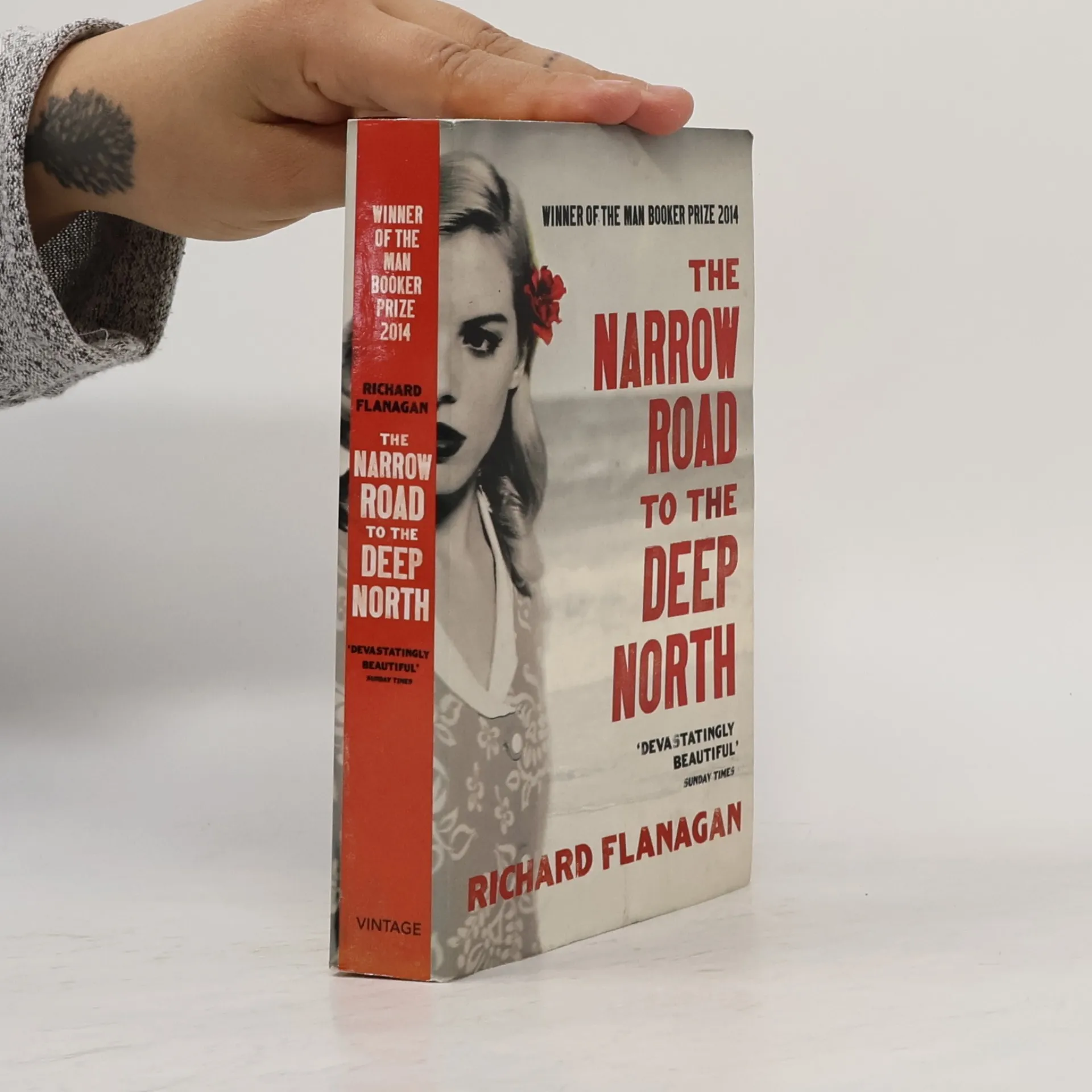
WINNER OF THE MAN BOOKER PRIZE 2014 In the despair of a Japanese POW camp on the Burma Death Railway, surgeon Dorrigo Evans is haunted by his love affair with his uncle’s young wife two years earlier. Struggling to save the men under his command from starvation, from cholera, from beatings, he receives a letter that will change his life forever. Hailed as a masterpiece, Richard Flanagan’s epic novel tells the unforgettable story of one man’s reckoning with the truth.
'Question 7 could be Richard Flanagan's greatest yet' Guardian 'A masterpiece' Mark Haddon This is a book about the choices we make and the chain reaction that follows . . . By way of H. G. Wells and Rebecca West's affair, through 1930s nuclear physics, to Flanagan's father working as a slave labourer near Hiroshima when the atom bomb is dropped, this daisy chain of events reaches fission when a young man finds himself trapped in a rapid on a wild river, not knowing if he is to live or to die. Flanagan has created a love song to his island home and his parents and the terrible past that delivered him to that place. Through a hypnotic melding of dream, history, science, and memory, Question 7 shows how our lives so often arise out of the stories of others and the stories we invent about ourselves. 'I was fascinated, troubled, and enchanted by this strange and extraordinary work... I can think of nothing else quite like it' Sarah Perry 'Mighty in its rage and tenderness: his most momentous book yet' Laura Cumming 'Spectacular . . . It seems to me a book that will have an overwhelming effect on readers. It certainly did on me' Colm Tóibín
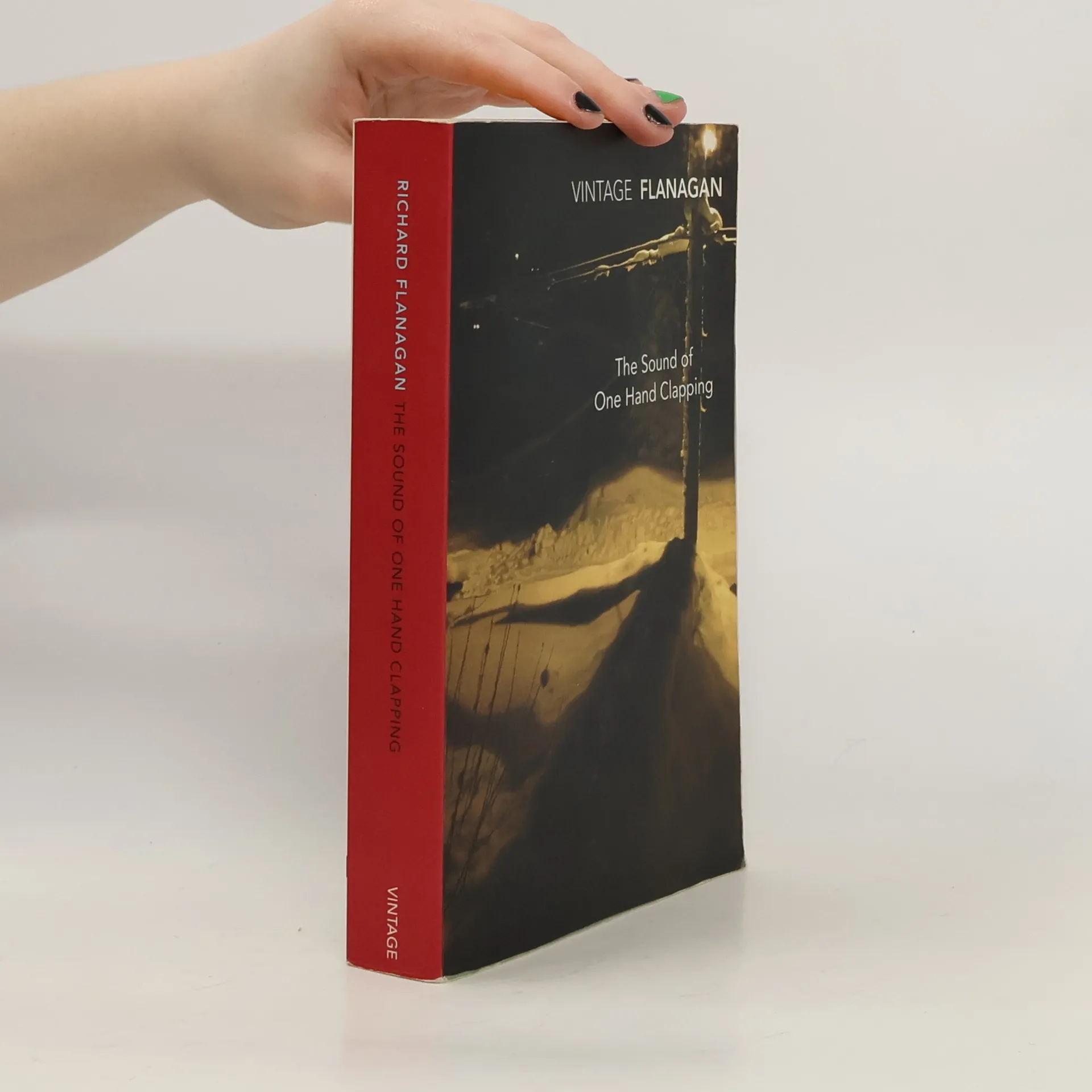
A sweeping novel of world war, migration, and the search for new beginnings in a new land, The Sound of One Hand Clapping was both critically acclaimed and a best-seller in Australia. It is a virtuoso performance from an Australian who is emerging as one of our most talented new storytellers. It was 1954, in a construction camp for a hydroelectric dam in the remote Tasmanian highlands, where Bojan Buloh had brought his family to start a new life away from Slovenia, the privations of war, and refugee settlements. One night, Bojan's wife walked off into a blizzard, never to return -- leaving Bojan to drink too much to quiet his ghosts, and to care for his three-year-old daughter Sonja alone. Thirty-five years later, Sonja returns to Tasmania and a father haunted by memories of the European war and other, more recent horrors. As the shadows of the past begin to intrude ever more forcefully into the present, Sonja's empty life and her father's living death are to change forever. The Sound of One Hand Clapping is about the barbarism of an old world left behind, about the harshness of a new country, and the destiny of those in a land beyond hope who seek to redeem themselves through love.
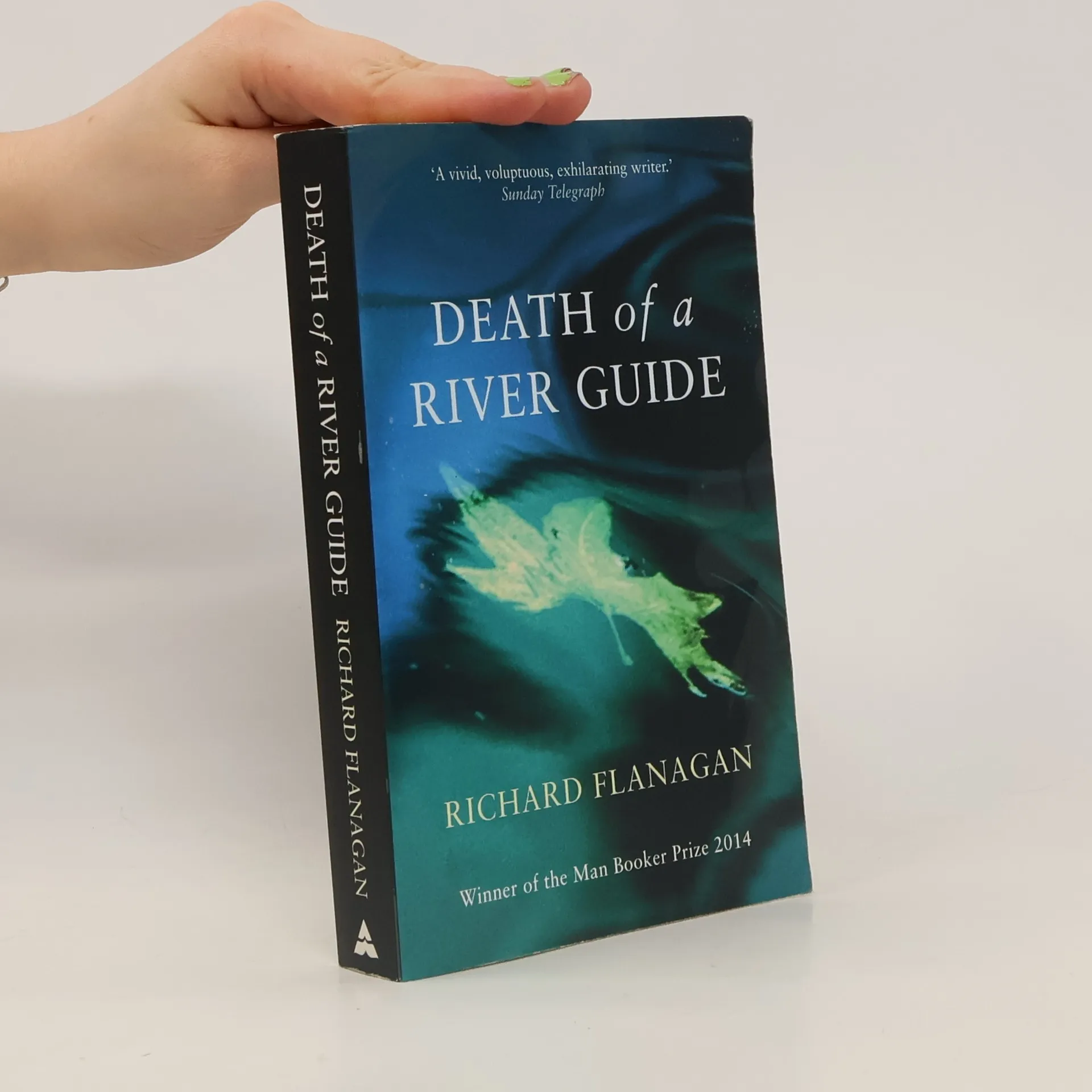
THE WINNER OF THE MAN BOOKER PRIZE 2014'S MAGNIFICENT FIRST NOVEL Beneath a
waterfall on the Franklin, Aljaz Cosini, river guide, lies drowning. Beset by
visions at once horrible and fabulous, he relives not just his own life but
that of his family and forebears. In the rainforest waters that rush over him
he sees those lives stripped bare of their surface realities, and finds a
world where dreaming reasserts its power over thinking. As the river rises his
visions grow more turbulent, and in the flood of the past Aljaz discovers the
soul of his country.
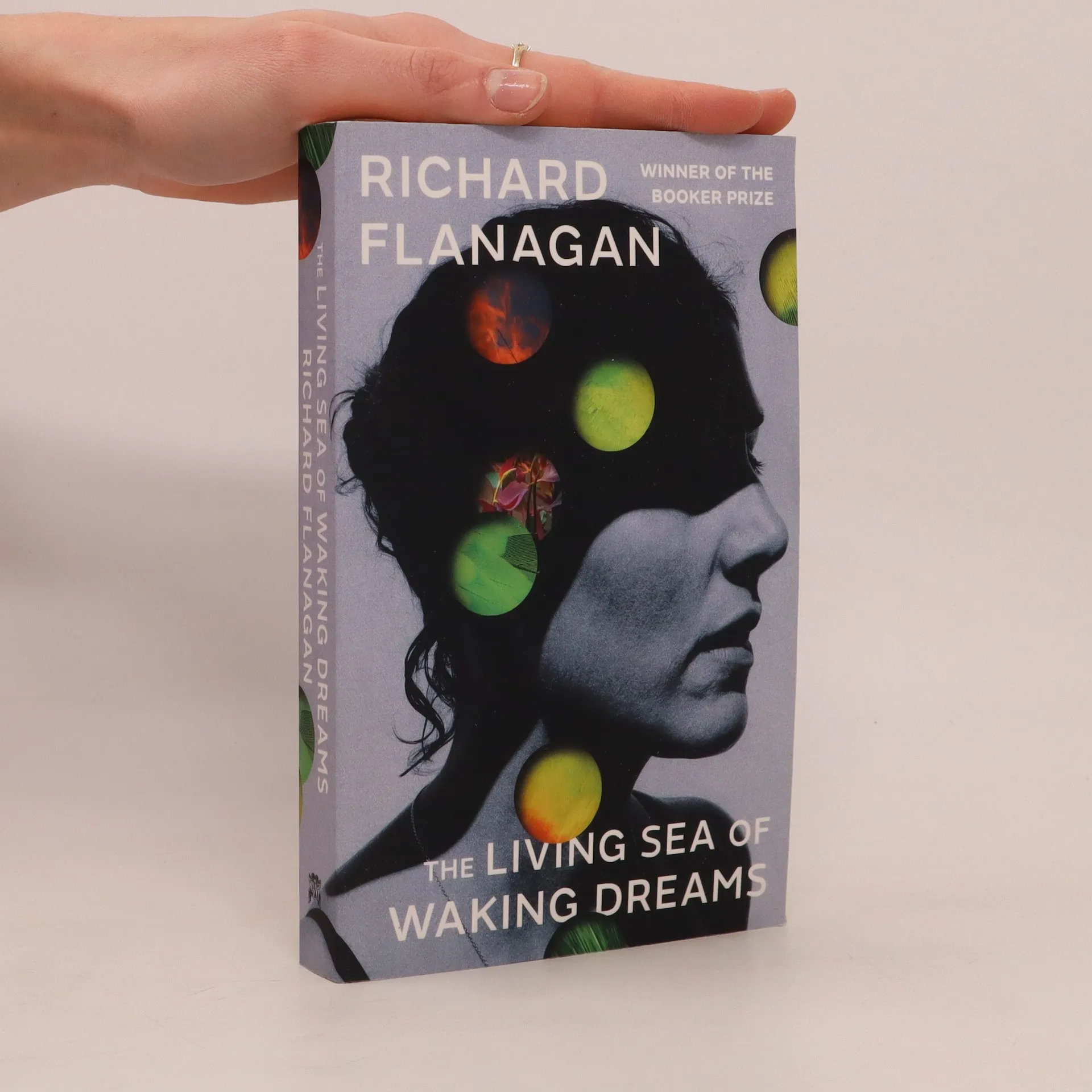
In a world of perennial fire and growing extinctions, Anna's aged mother is dying--if her three children would just allow it. Condemned by their pity to living, subjected to increasingly desperate medical interventions, she instead turns her focus to her hospital window, through which she escapes into visions of horror and delight. When Anna's finger vanishes and a few months later her knee disappears, Anna too feels the pull of the window. She begins to see that all around her others are similarly vanishing, yet no one else notices. All Anna can do is keep her mother alive. But the window keeps opening wider, taking Anna and the reader ever deeper into an eerily beautiful story of grief and possibility, of loss and love and orange-bellied parrots. Hailed on publication in Australia as Flanagan's greatest novel yet, The Living Sea of Waking Dreams is a rising ember storm illuminating what remains to us when the inferno beckons: one part elegy, one part dream, one part hope
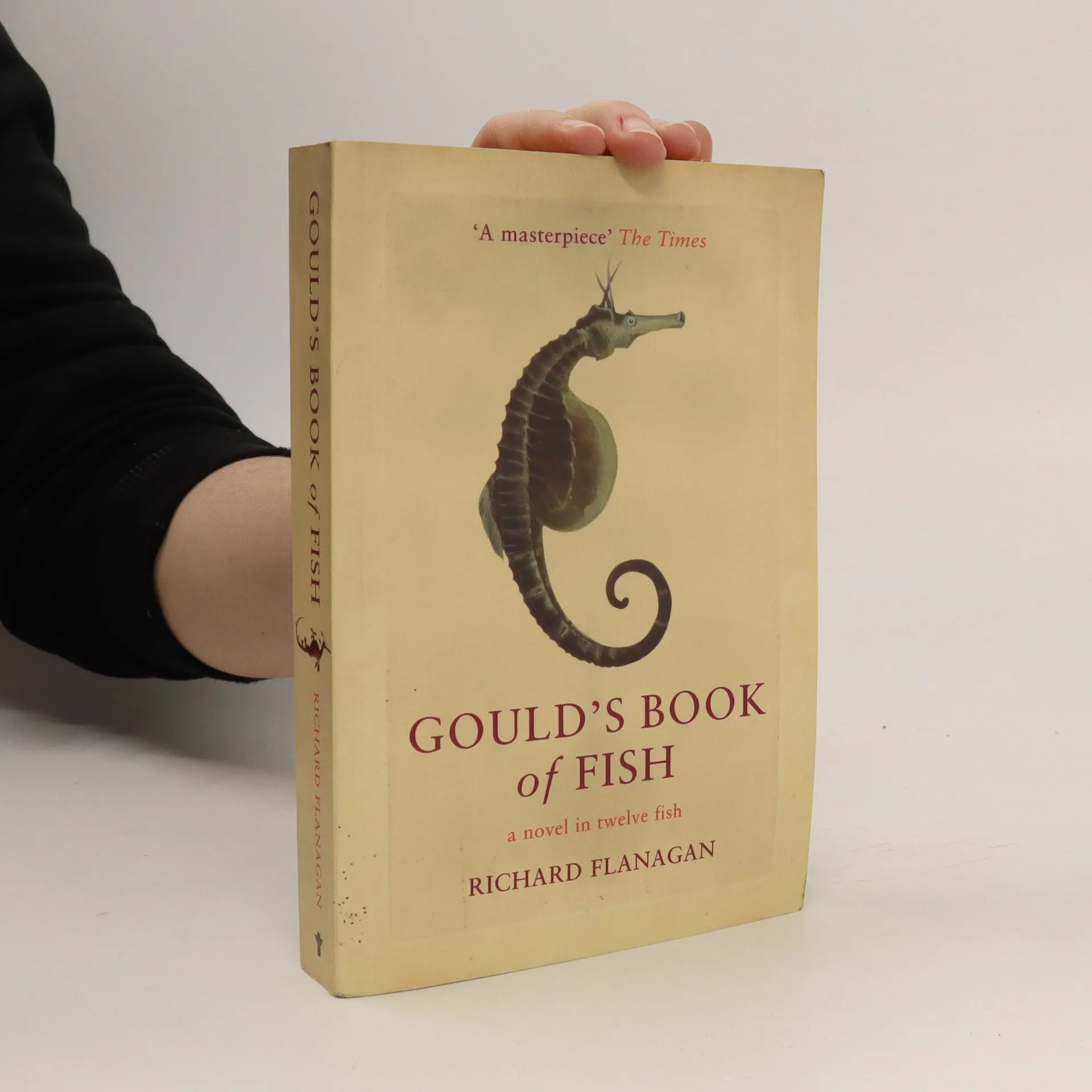
In 1828, before all living things were destroyed, William Buelow Gould, a convict in Van Dieman's Land, fell in love with a black woman and discovered, too late, that love is not safe.
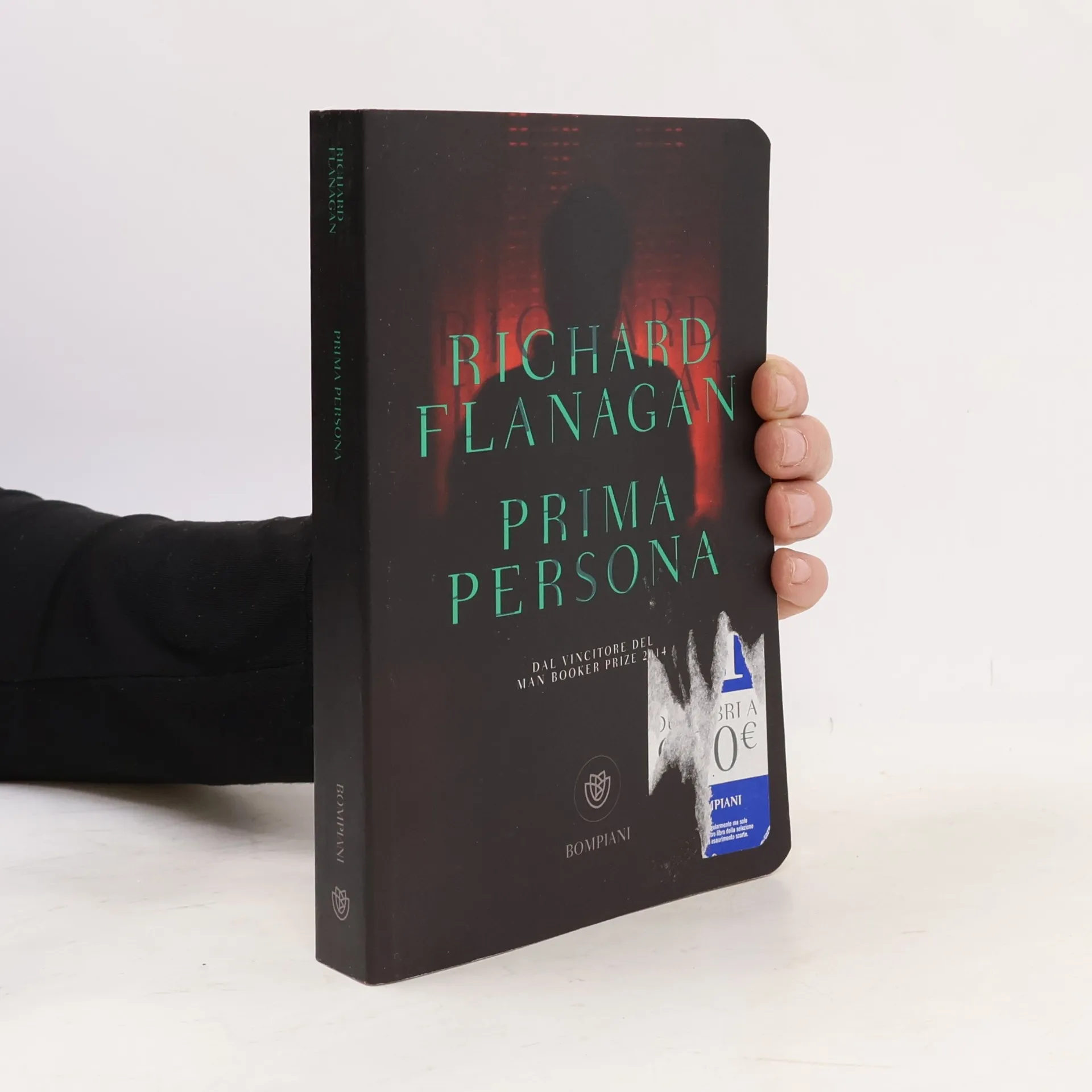
Six weeks to write for your life... In this blistering story of a ghostwriter
haunted by his demonic subject, the Man Booker Prize winner turns to lies,
crime and literature with devastating effect A young and penniless writer, Kif
Kehlmann, is rung in the middle of the night by the notorious con man and
corporate criminal, Siegfried Heidl. About to go to trial for defrauding the
banks of $700 million, Heidl proposes a deal: $10,000 for Kehlmann to
ghostwrite his memoir in six weeks. Kehlmann accepts but begins to fear that
he is being corrupted by Heidl. As the deadline draws closer, he becomes ever
more unsure if he is ghostwriting a memoir, or if Heidl is rewriting him-his
life, his future. Everything that was certain grows uncertain as he begins to
wonder: who is Siegfried Heidl-and who is Kif Kehlmann? By turns compelling,
comic and chilling, First Person is a haunting journey into the heart of our
age.
Internationally acclaimed and profoundly moving, Richard Flanagan’s Wanting is a stunning tale of colonialism, ambition, and the lusts and longings that make us human. Now in paperback, it links two icons of Western civilization through a legendarily disastrous arctic exploration, and one of the most infamous episodes in human history: the colonization of Tasmania. In 1841, Sir John Franklin and his wife, Lady Jane, move to the remote penal colony of Van Diemen’s Land, now Tasmania. There Lady Jane falls in love with a lively aboriginal girl, Mathinna, whom she adopts and makes the subject of a grand experiment in civilizationone that will determine whether science, Christianity, and reason can be imposed in the place of savagery, impulse, and desire. A quarter of a century passes. Sir John Franklin disappears in the Arctic with his crew and two ships on an expedition to find the fabled Northwest Passage. England is horrified by reports of cannibalism filtering back from search parties, no one more so than the most celebrated novelist of the day, Charles Dickens. As Franklin’s story becomes a means to plumb the frozen depths of his own life, Dickens finds a young actress thawing his heart.
In einem Fußballstadion werden drei Bomben entdeckt, und Gina Davis verbringt eine Nacht mit einem Fremden. Als sie aufwacht, ist der Mann verschwunden und sie eine mutmaßliche Terroristin. Noch bevor sie sich stellen und alles aufklären kann, entgleitet ihr die Kontrolle über ihr gesamtes Leben. Wer soll ihr noch glauben? Sogar sie selbst kann sich der endlosen Schleife der Fernsehbilder kaum entziehen: Tariq und sie auf den Bildern der Überwachungskameras, Schnitt. Die Bomben im Stadion, Schnitt. Anschläge in Städten auf der ganzen Welt. Gina wird klar, dass diese gigantische politische und mediale Maschinerie nicht mehr zu stoppen ist. In nur drei Tagen ist aus ihr ein vollkommen anderer Mensch geworden: Sie ist der Feind. Sie ist die Angst vor der Bedrohung durch das Unbekannte, das unsere Welt dieser Tage in Schrecken versetzt.
Der mittellose Schriftsteller Kif Kehlmann erhält den Auftrag, die Memoiren des Kriminellen Siegfried Heidl zu schreiben. Während er unter Druck steht, erkennt er, dass Heidl kein Interesse an dem Buch hat und beginnt zu erfinden. Mit dem näher rückenden Abgabetermin verschwimmen die Grenzen zwischen ihrer Identität und Realität.
Connaissez-vous la Tasmanie, cette île du bout du monde, distante de la France de quelque dix-sept mille kilomètres ? Une terre montagneuse et sauvage, abritée au nord par le continent australien. Les hivers y sont rudes, et la tempête faisait rage en cette nuit de 1954 où Maria Buloh s'est enfoncée dans la forêt, abandonnant son mari et sa fille de trois ans. Mystère inaugural qui hante chaque page de ce récit, tout comme il hante les rêves de Sonja Buloh, cette fillette qui a vu sa mère s'éloigner sous la neige. Trente-cinq ans plus tard, Sonja, enceinte, revient sur les lieux de son enfance et tente de rassembler les morceaux épars de son histoire familiale. " Conte de l'exil, (re) conquête d'une identité perdue, voici un roman bouleversant, où les souvenirs reviennent comme ces vents qui balaient la terre et les êtres. " Alexis Lorca, Lire