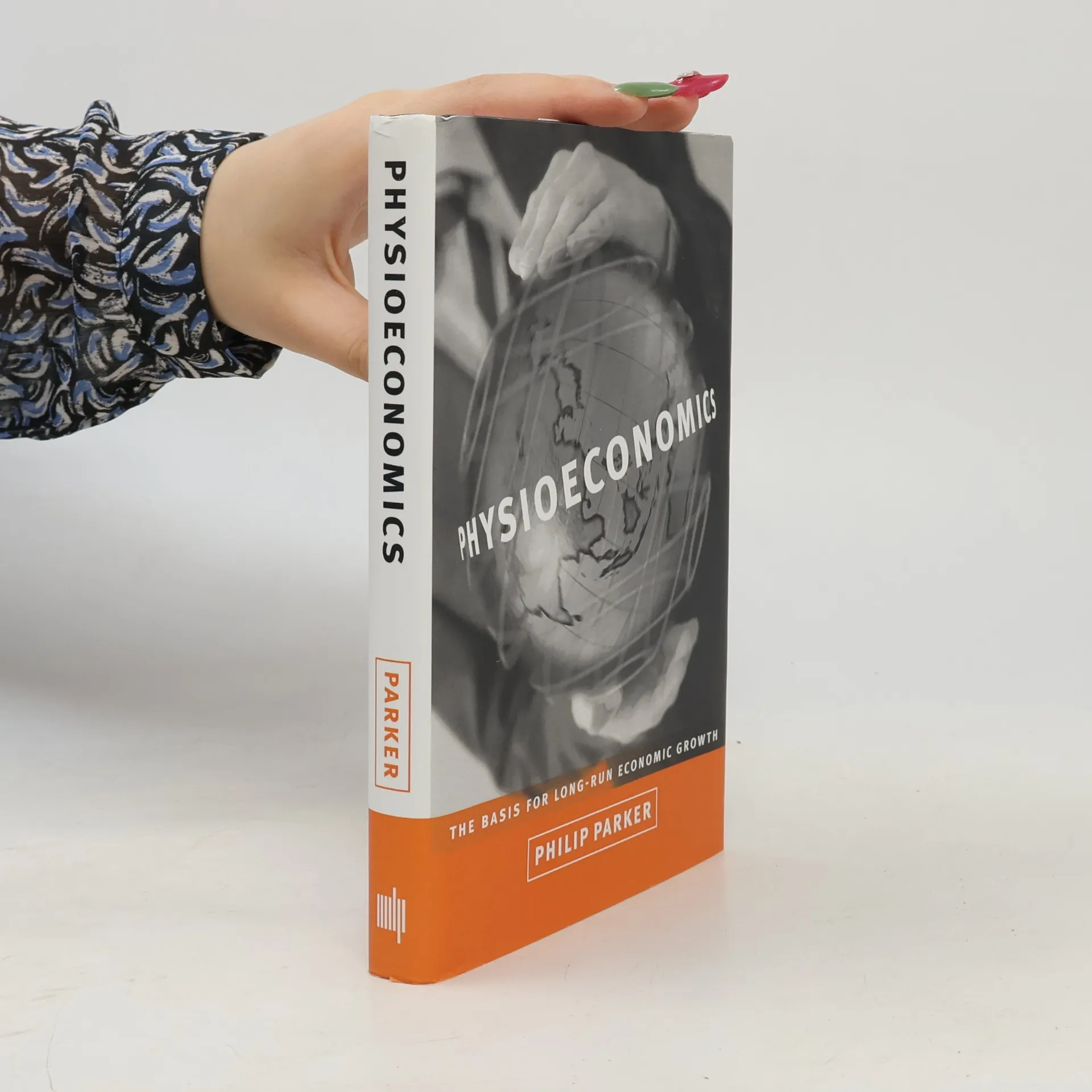
Parker explores how income, savings, investment, technology, entrepreneurship, and productivity are shaped by fundamental principles of physics and physiology. He posits that the interplay between these disciplines and macroeconomics could redefine our understanding of economic growth. Central to his argument is the equatorial paradox, where a country's latitude accounts for up to 70% of differences in per capita income. He introduces concepts from physics and physiology as foundational to homeostatic utility, emphasizing its role in economic growth. Rather than assessing a country's success by absolute income or consumption, he argues that growth is determined by proximity to a homeostatic steady state, a concept he refers to as physioeconomics. Countries nearer to this steady state tend to grow more slowly than those further away. Parker highlights the hypothalamus, which regulates motivation and homeostasis, as crucial in driving long-term economic growth through variations in its activity. By adopting a physioeconomic perspective, policymakers can devise more effective economic strategies and performance metrics. For instance, he warns that food aid in warmer regions can undermine local agriculture, which meets caloric needs more sustainably at a lower steady state.
Philip M. Parker Poradie kníh (chronologicky)
Philip M. Parker je známy svojím inovatívnym prístupom k literárnej tvorbe, kde využíva automatizované metódy na produkciu rozsiahleho množstva publikácií. Jeho práca sa zameriava na generovanie textov, vrátane slovníkov, poézie a výukových materiálov, s využitím databáz a internetových zdrojov. Parkerova metóda spočíva vo vytváraní šablón, ktoré sú následne vyplnené relevantnými informáciami, čo mu umožňuje produkovať tisíce titulov. Jeho experimentálny prístup k písaniu spochybňuje tradičné autorstvo a otvára nové možnosti v oblasti digitálneho vydávania.