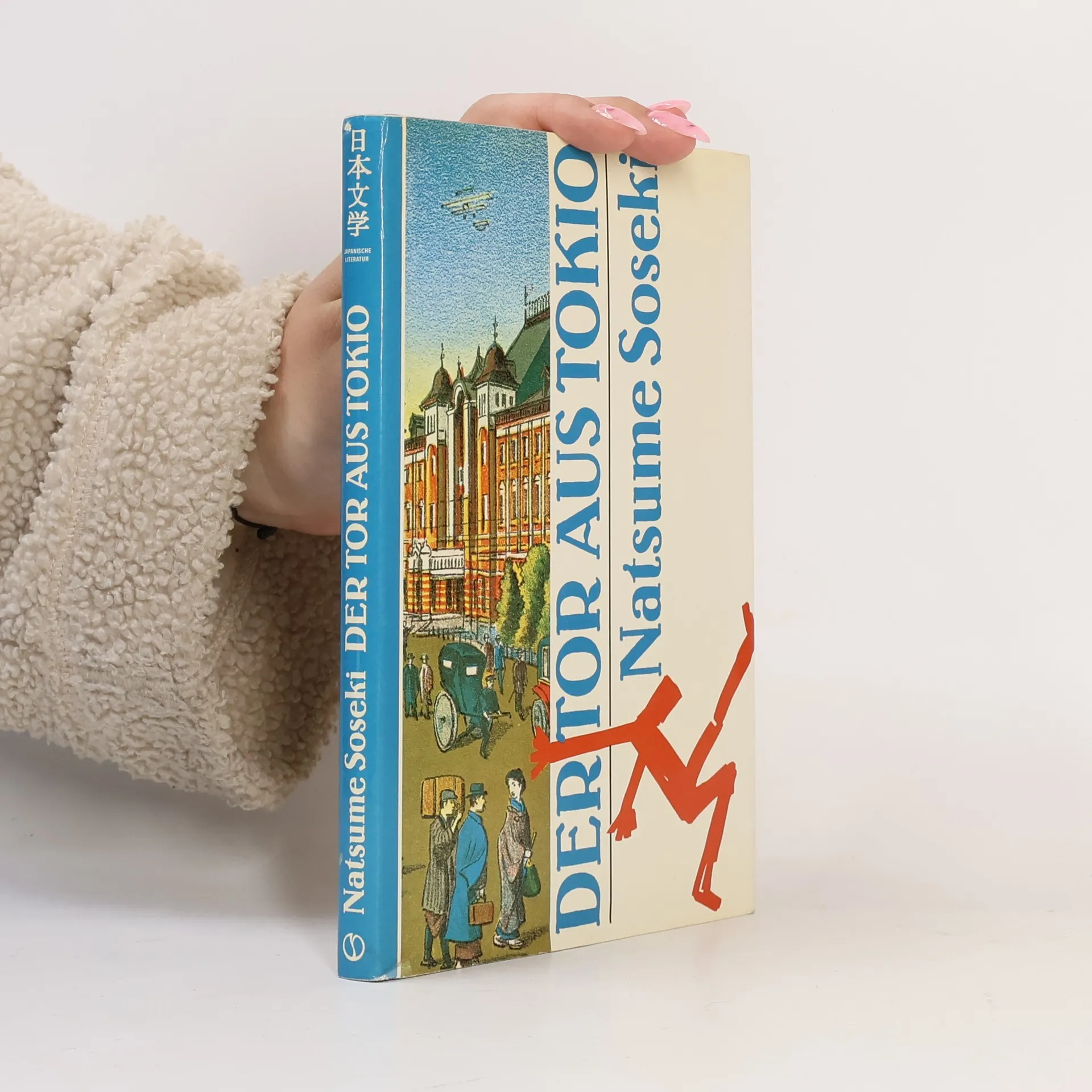
Z Knihobotu sa stal Bookbot!
Bookbot

Sōseki Natsume

    9. február 1867 – 9. december 1916

    Natsume Sōseki bol vplyvný japonský prozaik a literárny vedec, ktorý hlboko ovplyvnil modernú japonskú literatúru. Jeho diela sa často zaoberajú témami identity, odcizenia a morálky v rýchlo sa modernizujúcom Japonsku. Sōseki majstrovsky pretkáva humor, iróniu a psychologickú hĺbku, aby vytvoril nezabudnuteľné postavy a príbehy. Jeho literárny odkaz je taký významný, že je považovaný za jedného z najväčších spisovateľov japonskej histórie.

    Sōseki Natsume
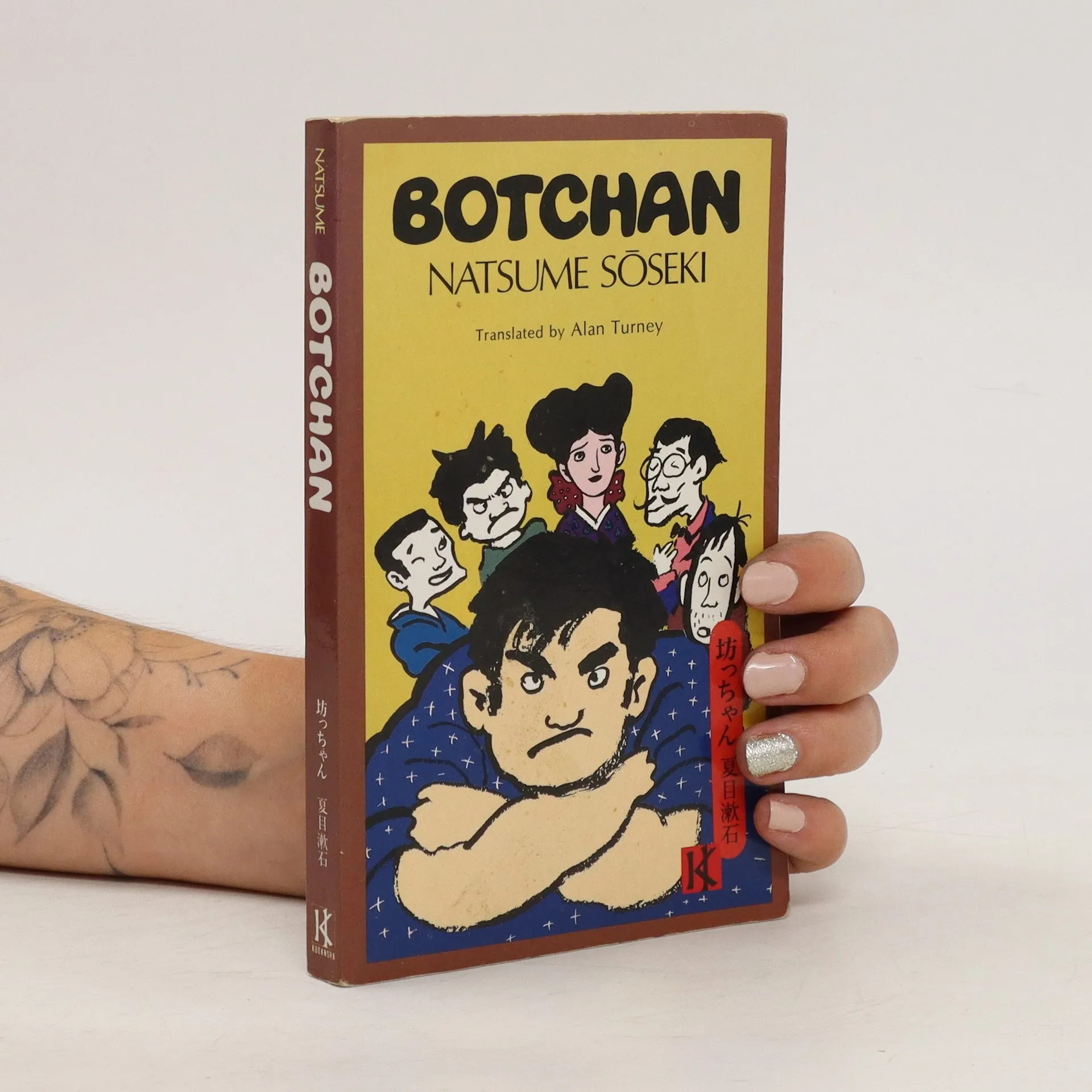
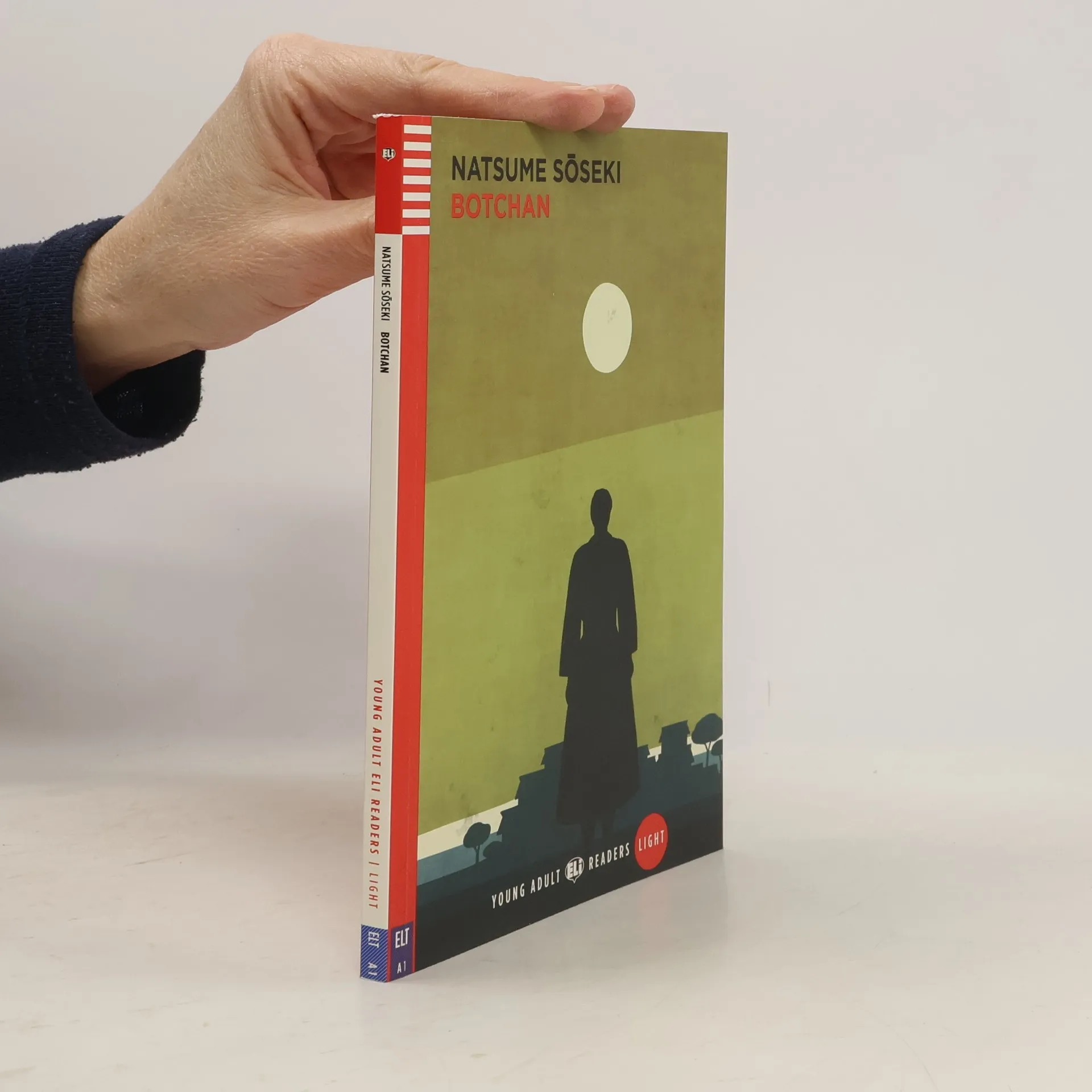
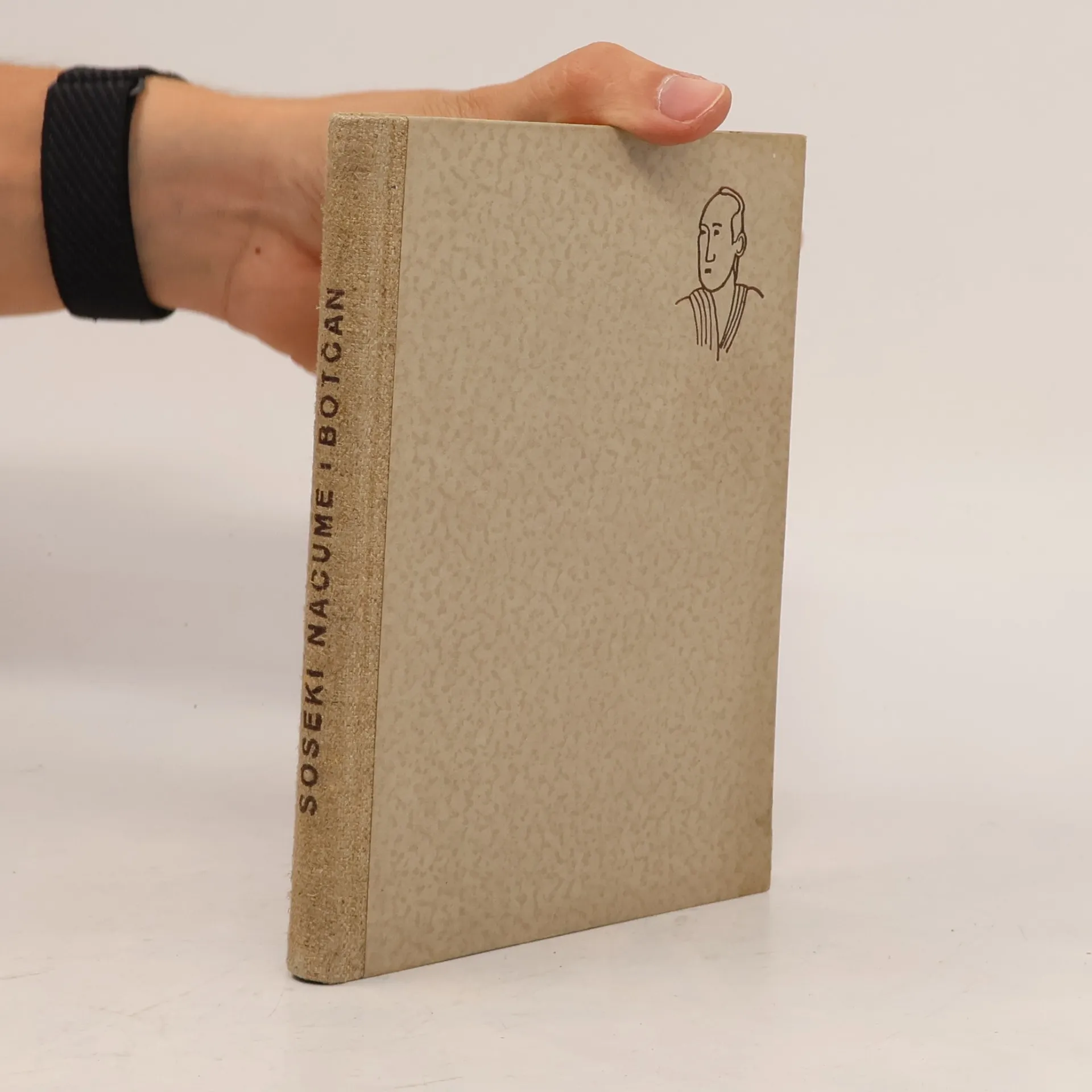
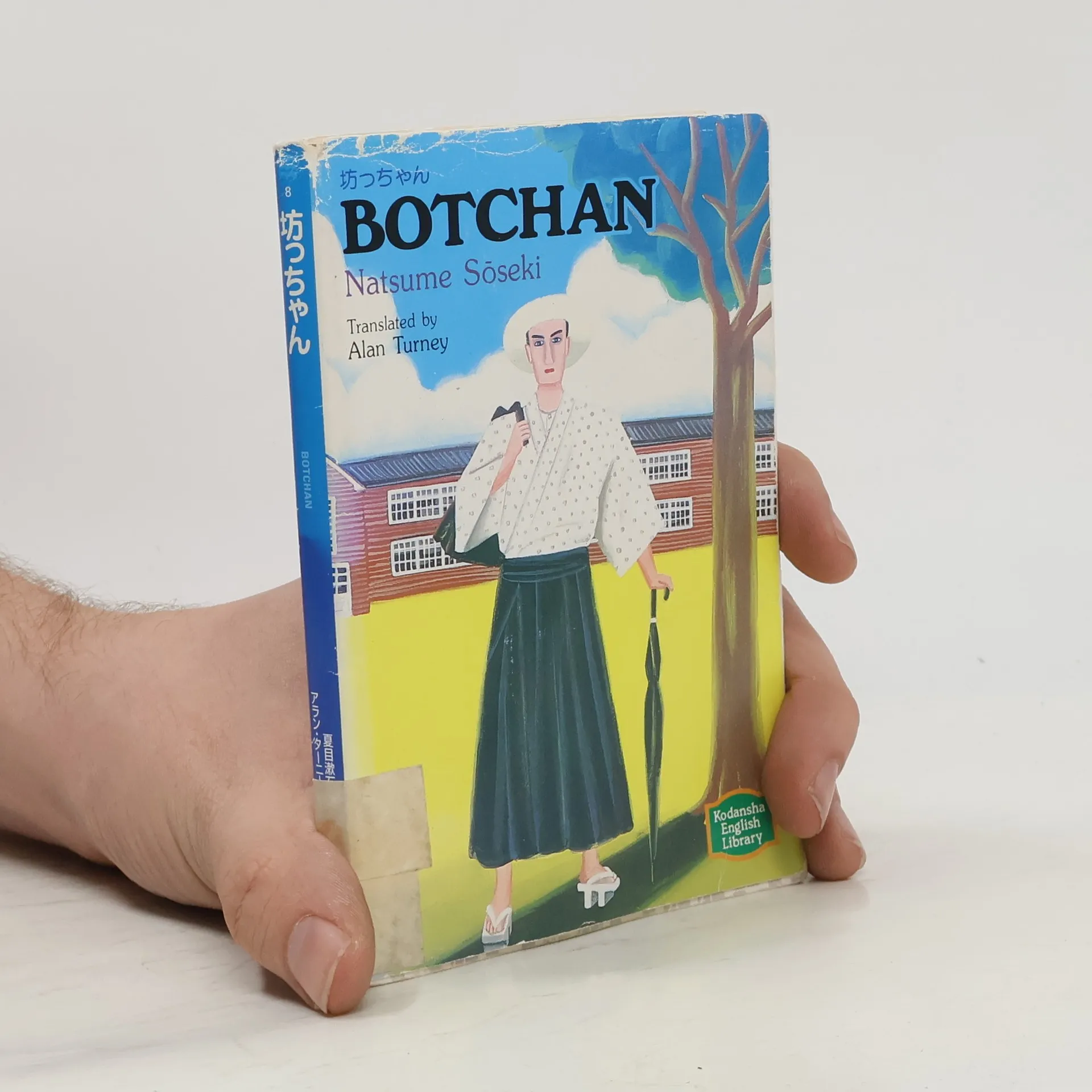
    Botčan
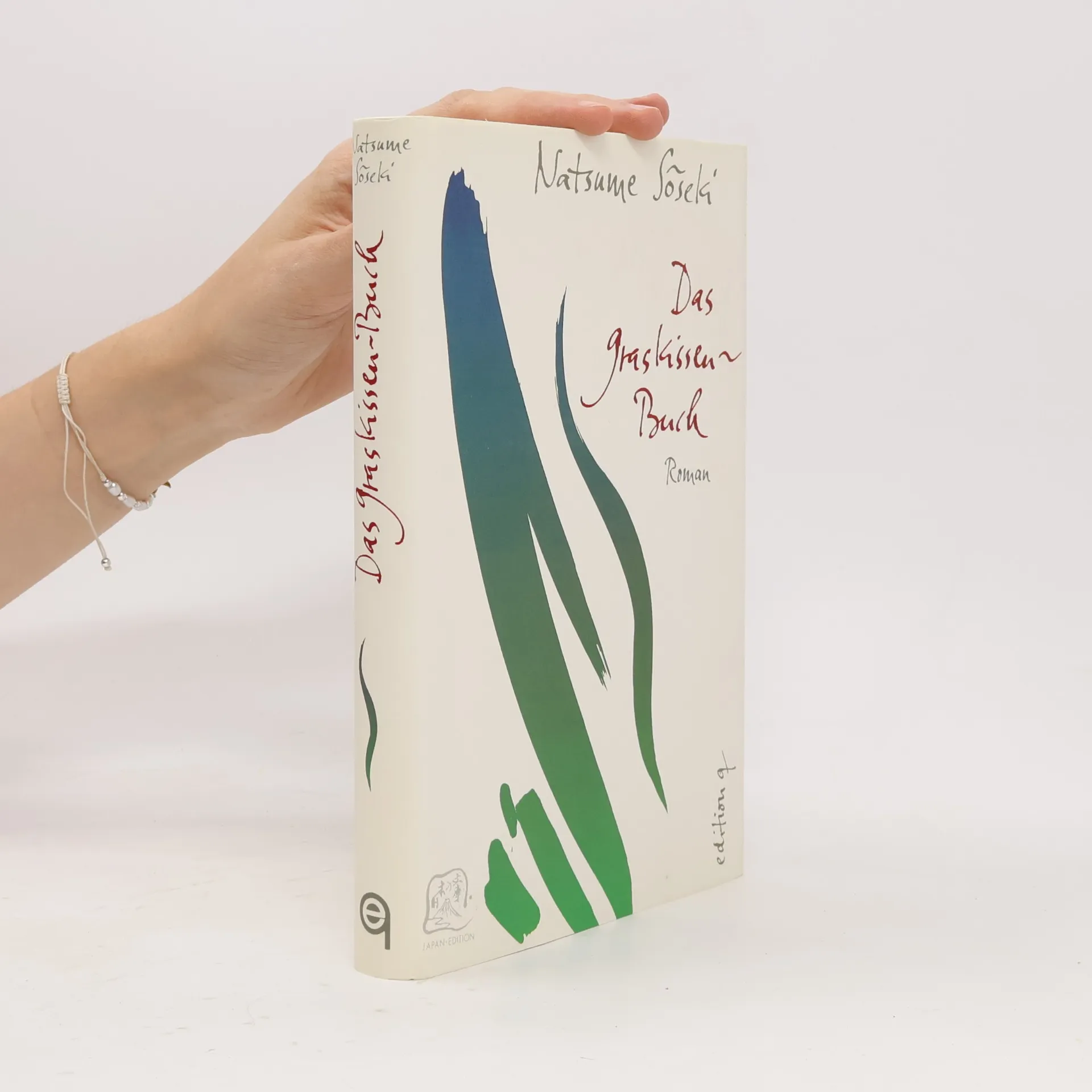
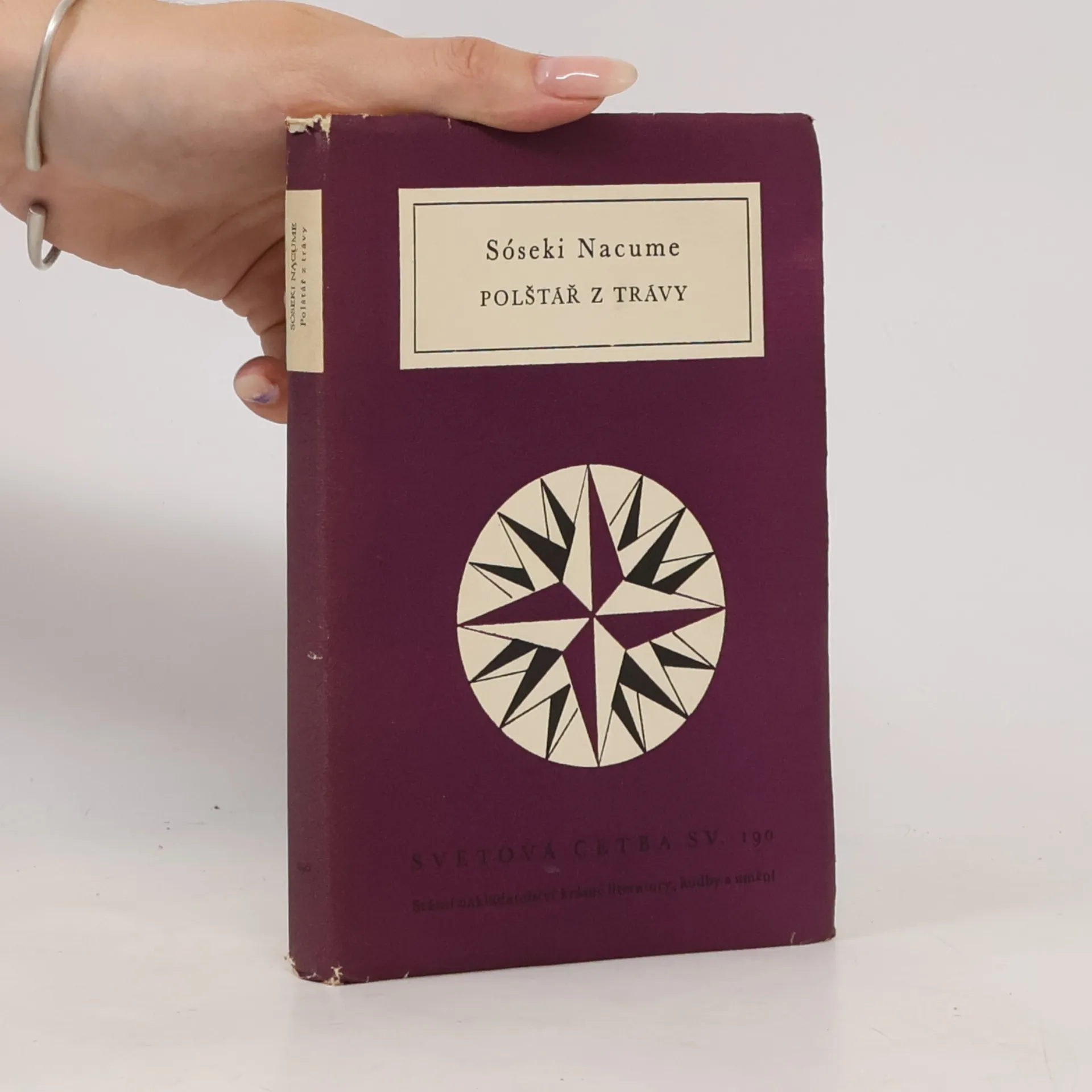
    Polštář z trávy
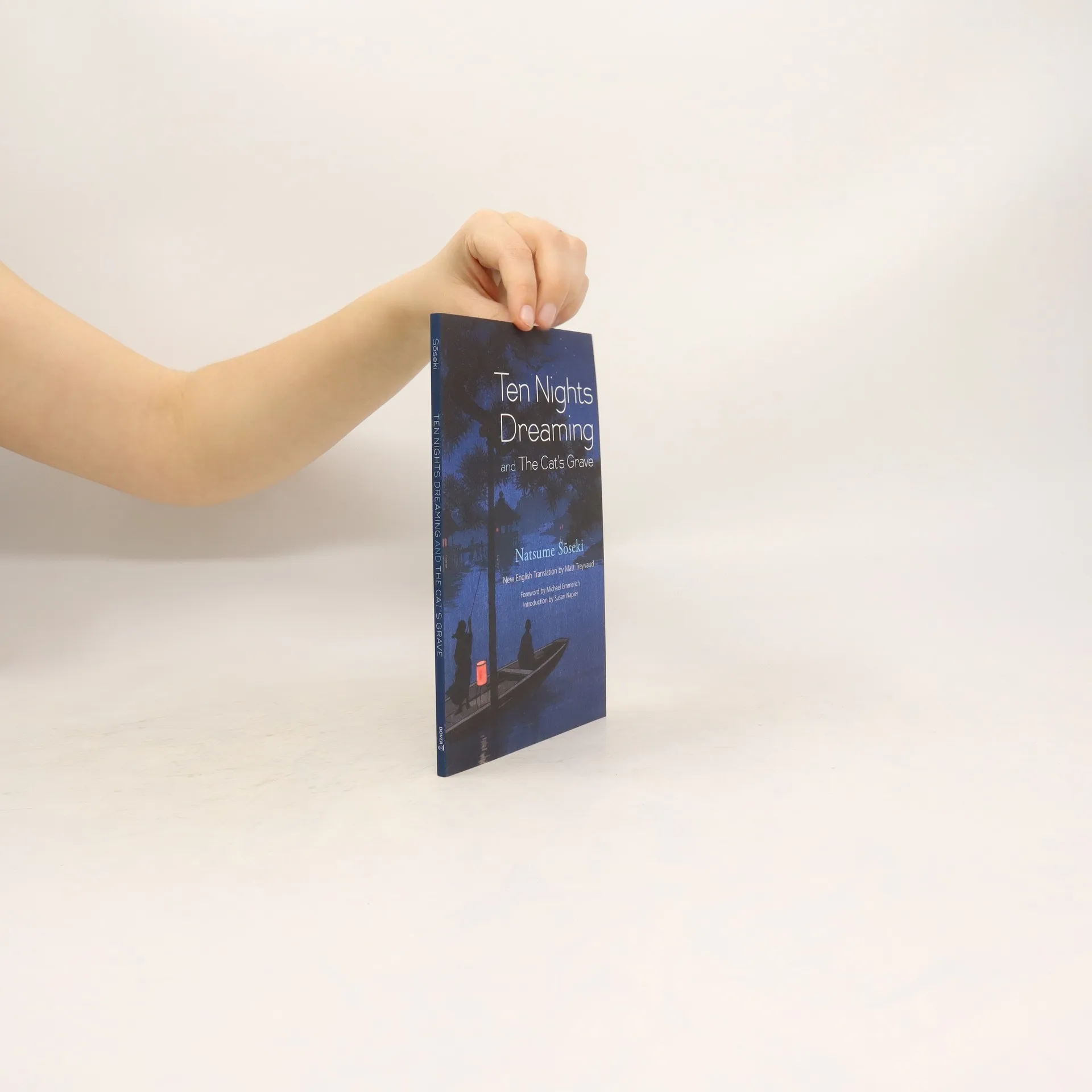
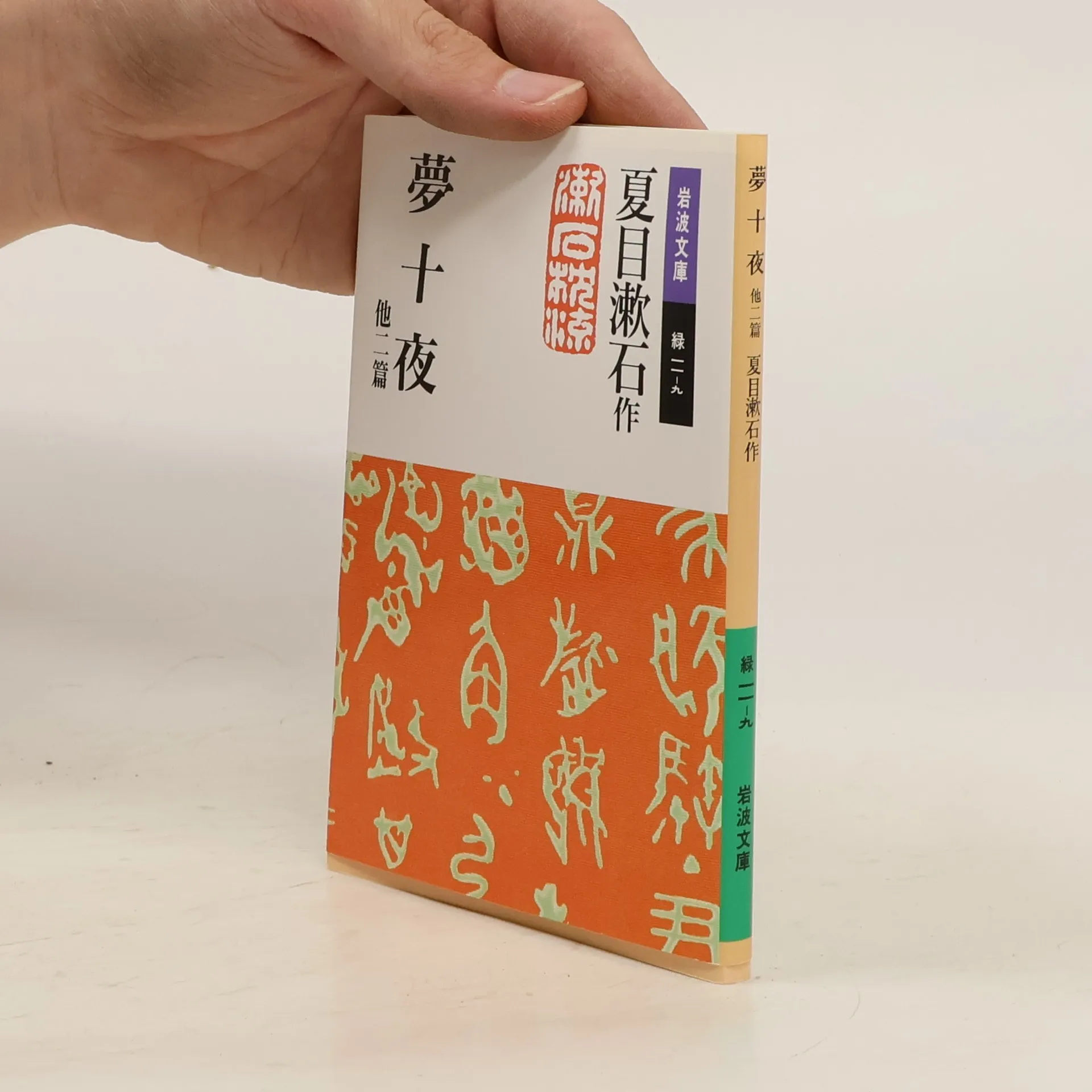
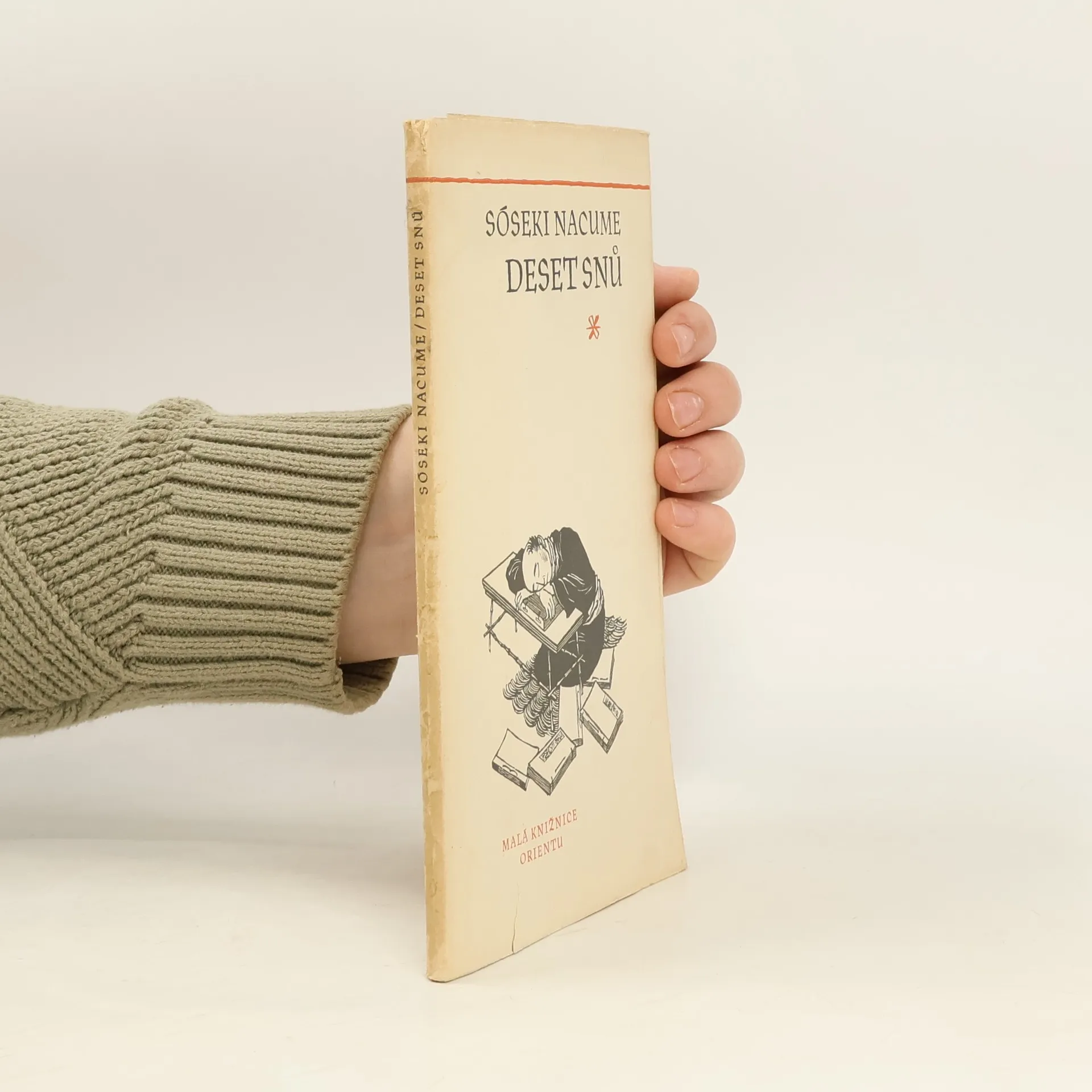
    Deset snů (komplet, číslovaný vítisk)
    Boččan, mazlíček staré Kijo
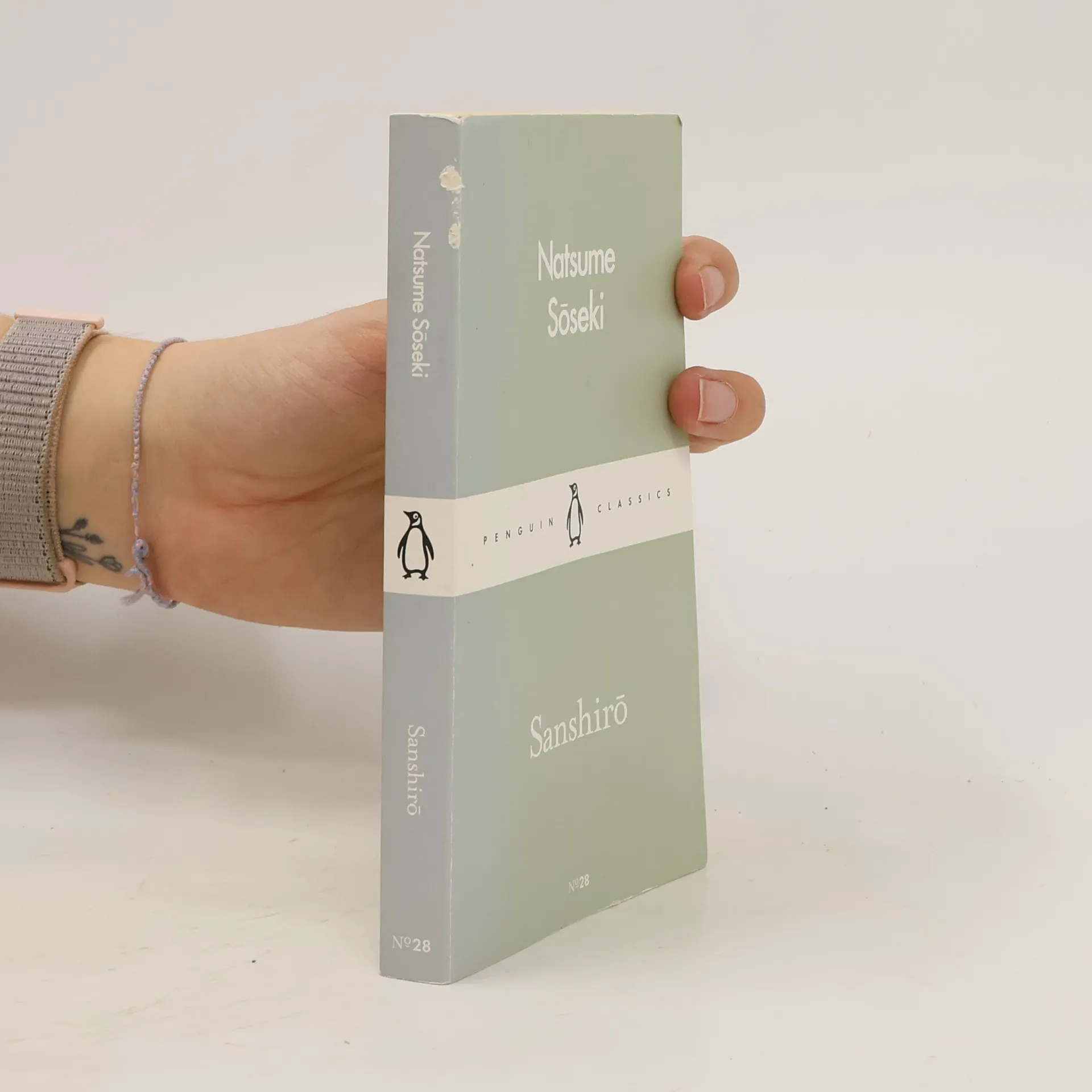
    Sanshiro
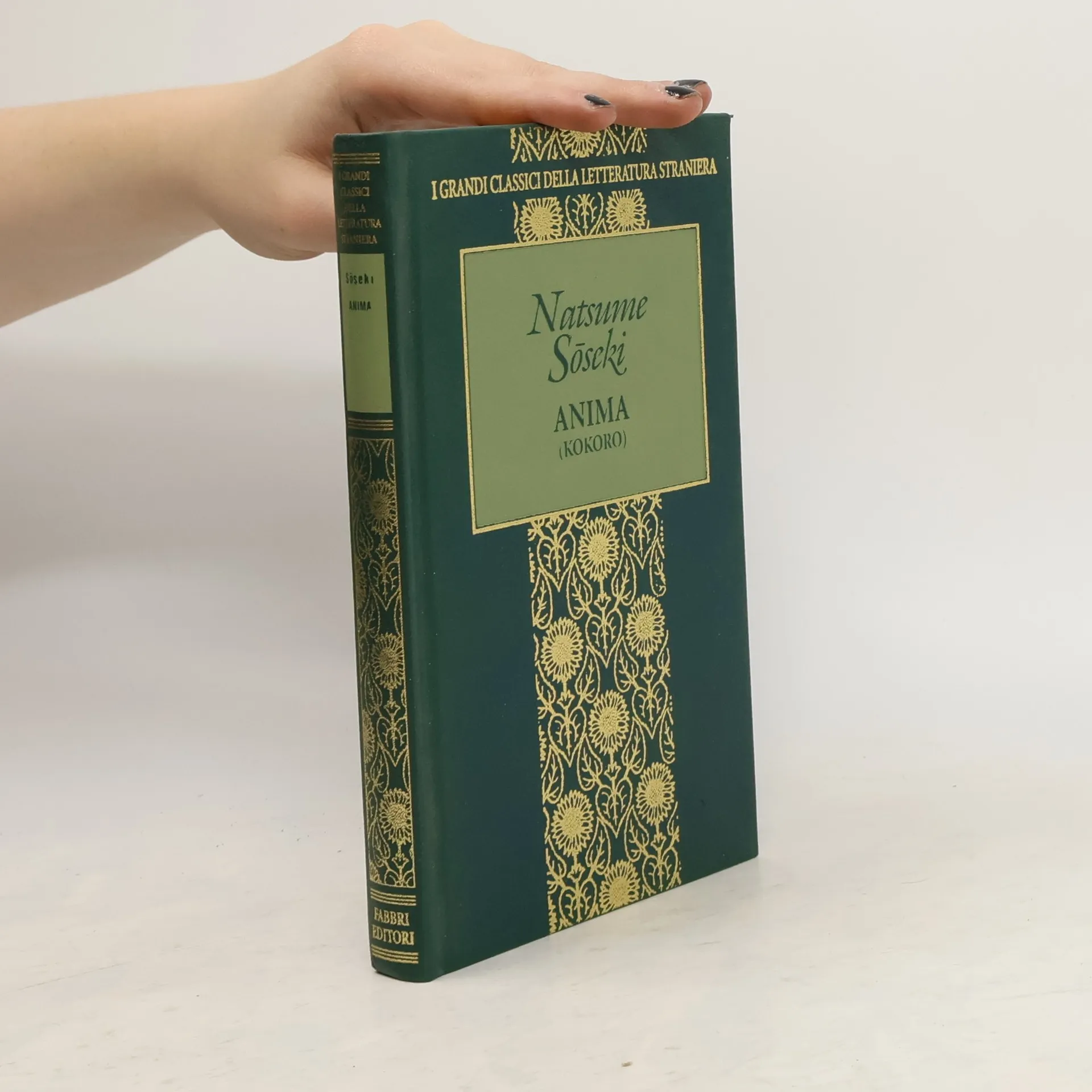
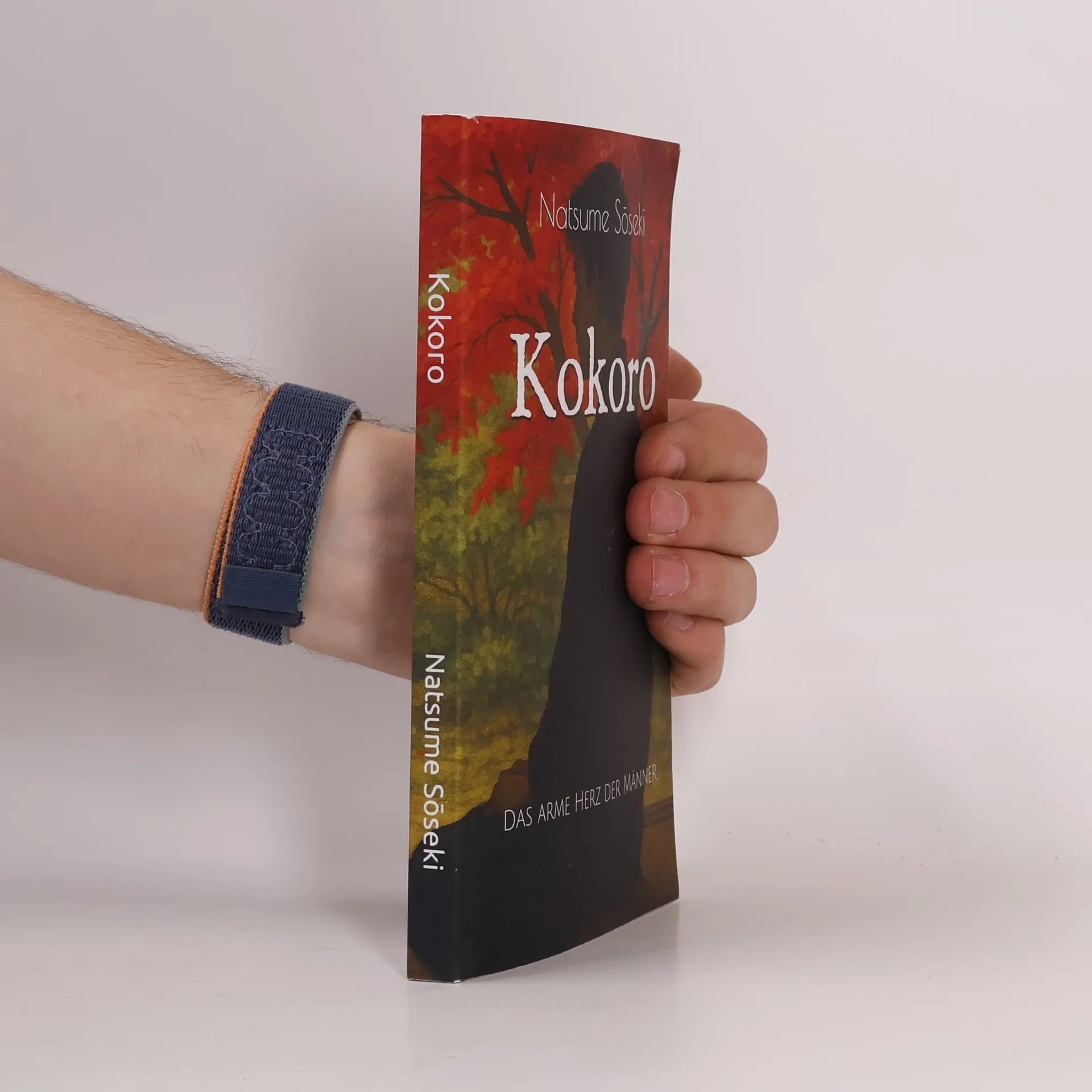
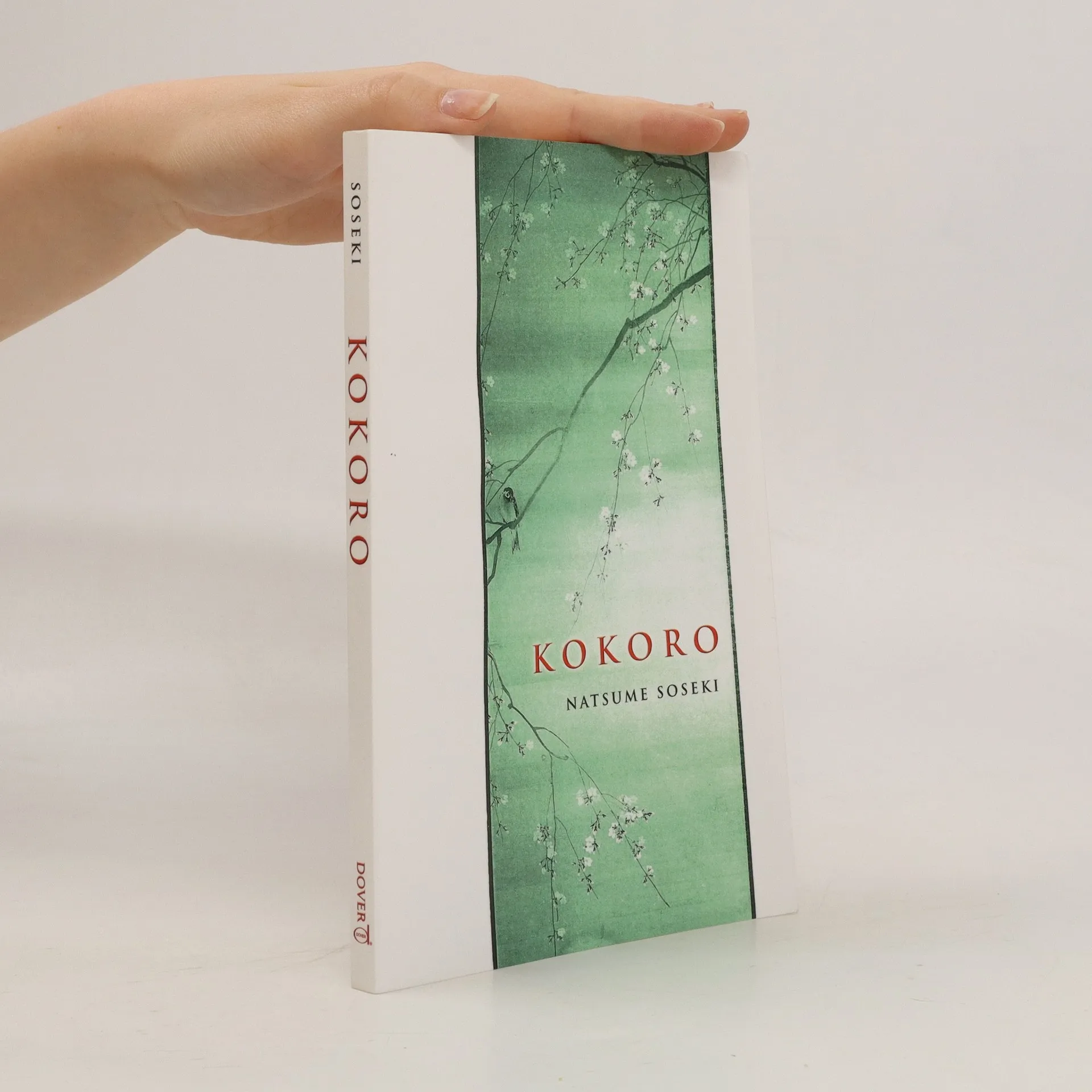
    Kokoro
    • Kokoro

      • 208 stránok
      • 8 hodin čítania
      4,1(25547)Ohodnotiť

      "Rich in understanding and insight."—The New YorkerWhat is love, and what is friendship? What is the extent of our responsibility to ourselves and to others? Kokoro, signifying "the heart of things," examines these age-old questions in terms of the modern world.A trilogy of stories that explores the very essence of loneliness, Kokoro opens with "Sensei and I," in which the narrator recounts his relationship with an intellectual who dwells in isolation but maintains a sophisticated worldview. "My Parents and I" brings the reader into the narrator's family circle, and "Sensei and His Testament" features the eponymous character's explanation of how he came to live a life of solitude.Natsume Soseki (1867–1916), perhaps the greatest novelist of the Meiji period, remains one of Japan's most widely read authors. He wrote this novel in 1914, at the peak of his career, and it remains an excellent introduction to modern Japanese literature.
      Kokoro
    • Sanshiro

      • 272 stránok
      • 10 hodin čítania
      3,8(593)Ohodnotiť

      'Even bigger than Japan is the inside of your head. Don't ever surrender yourself - not to Japan, not to anything' A shy, unworldly young student has his eyes opened to Tokyo's bustling metropolis, in this delicate, bitter-sweet work of innocence and experience from Japan's foremost modern novelist. Ten new titles in the colourful, small-format, portable new Pocket Penguins series

      Sanshiro
    • Kokoro: (Translated by Edward McClellan)

      • 156 stránok
      • 6 hodin čítania

      Exploring the themes of loneliness and isolation, this novel delves into the transition from Meiji society to modern Japan. It is structured in three parts, focusing on the narrator's relationship with the reclusive "Sensei," his return home after graduating, and a revealing letter from Sensei that uncovers his deep-seated guilt and loss of faith in humanity. This poignant narrative offers insight into the complexities of human emotions and relationships, making it a significant work by Natsume Soseki.

      Kokoro: (Translated by Edward McClellan)
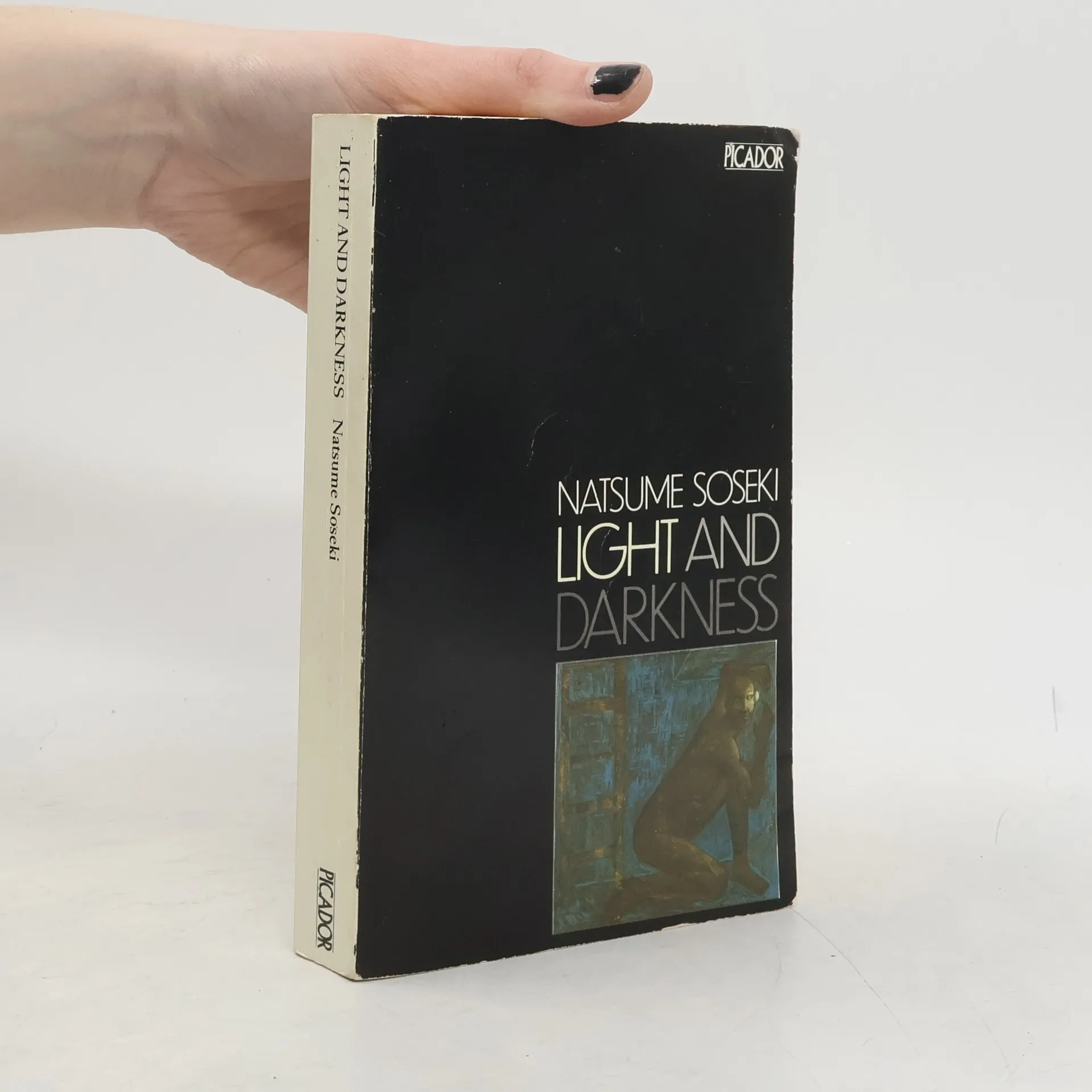
    • Light and Dark

      • 464 stránok
      • 17 hodin čítania
      3,9(25)Ohodnotiť

      Originally published in Japanese with the romanized title of Meian.

      Light and Dark
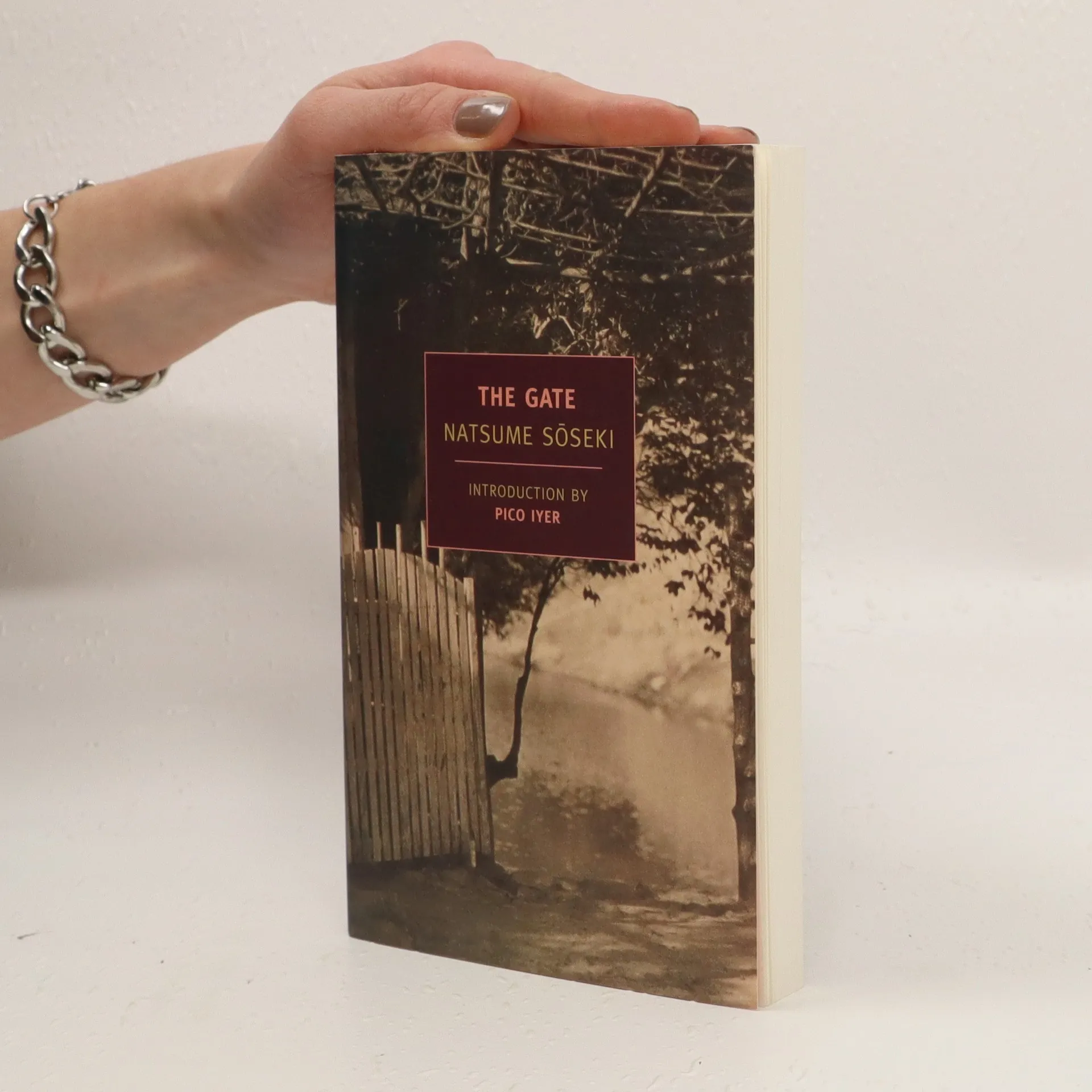
    • The Gate

      • 227 stránok
      • 8 hodin čítania
      4,0(1232)Ohodnotiť

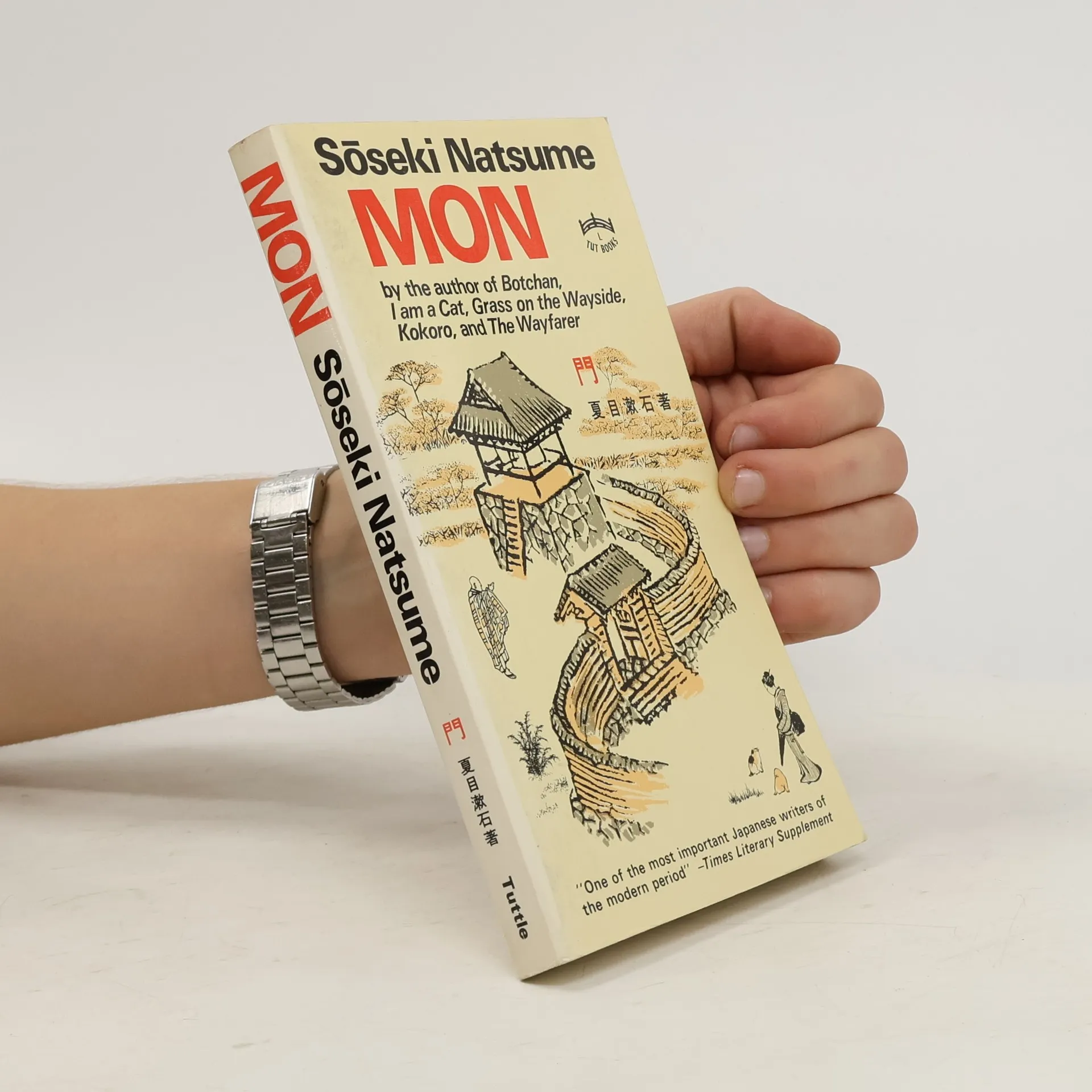
      An NYRB Classics Original A humble clerk and his loving wife scrape out a quiet existence on the margins of Tokyo. Resigned, following years of exile and misfortune, to the bitter consequences of having married without their families’ consent, and unable to have children of their own, Sōsuke and Oyone find the delicate equilibrium of their household upset by a new obligation to meet the educational expenses of Sōsuke’s brash younger brother. While an unlikely new friendship appears to offer a way out of this bind, it also soon threatens to dredge up a past that could once again force them to flee the capital. Desperate and torn, Sōsuke finally resolves to travel to a remote Zen mountain monastery to see if perhaps there, through meditation, he can find a way out of his predicament. This moving and deceptively simple story, a melancholy tale shot through with glimmers of joy, beauty, and gentle wit, is an understated masterpiece by one of Japan’s greatest writers. At the end of his life, Natsume Sōseki declared The Gate, originally published in 1910, to be his favorite among all his novels. This new translation captures the oblique grace of the original while correcting numerous errors and omissions that marred the first English version.

      The Gate
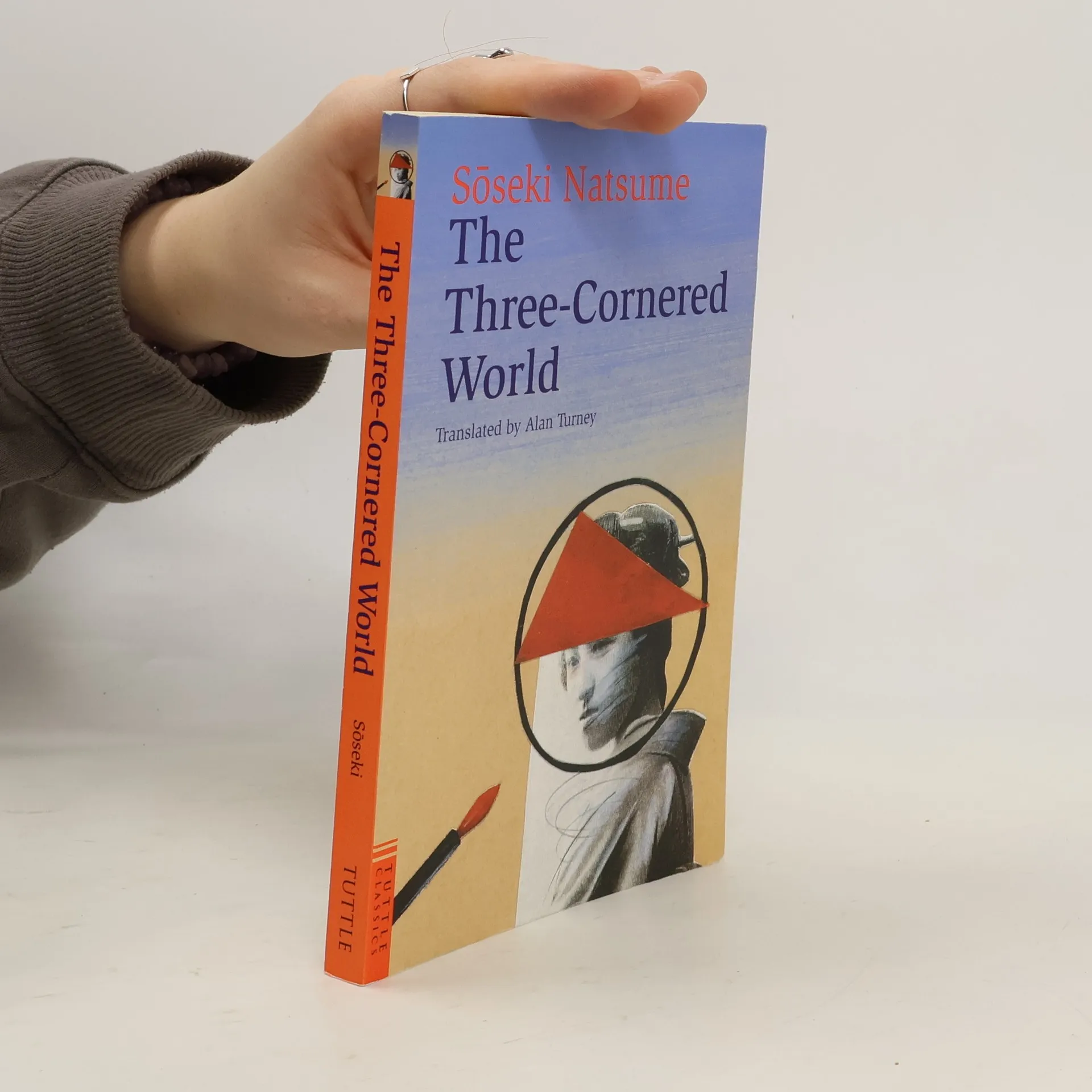
    • In The Three-Cornered World , an artist leaves city life to wander in the mountains on a quest to stimulate his artistic endeavors. When he finds himself staying at an almost deserted inn, he becomes obsessed with the beautiful and strange daughter of the innkeeper, who is rumored to have abandoned her husband and fallen in love with a priest at a nearby temple. Haunted by her aura of mystery and tragedy, he wants to paint her. As he struggles to complete his picture and sove the enigma of her life, his daily conversations with those at the inn and the village provide clues and inspiration toward solving the mysteries she presents. Natsume Soseki examines each event and scene in this story in minute detail, creating balanced pictures in each small situation. Interspersed with philosophies of both the East and West, Soseki's writing blends two very different cultures and presents the unique world of an artist struggling with his craft and his environment. An evocative picture of the daily life in a mountain village of the times, The Three-Cornered World provokes thought and images equally.

      The Three-Cornered World