Since its emergence in the 1980s and 90s, the Daros Collection in Zurich has accumulated about 280 works by 30 outstanding North American and European artists. It possesses one of the finest collections of early Warhol, and major works by Sigmar Polke, Barbara Kruger, Alfredo Jaar and Louise Bourgeois among many others. In 2000, when the strength and integrity of this collection had been established, the museum boldly struck off in a new direction, and the Daros Latin America Collection was founded. Already comprising roughly 1,000 works by around 100 artists including Carlos Amorales, José Bedia, Alfredo Jaar, Gego, Guillermo Kuitca, Vik Muniz, among others, it is now the largest collection of Latin American art in Europe--an exciting new resource that will doubtless have interesting long-term ramifications for contemporary European art. Face to Face is the first volume to bring the two Daros Collections together, thereby engaging these works--created in different media and of various cultural origin--in a dynamic dialogue that disrupts ordinary canon-oriented perspectives. Face to Face thus not only deepens our knowledge of the respective qualities of the two collections, but also explores the common characteristics of their cultural backgrounds.
Luis Camnitzer Knihy
6. november 1937
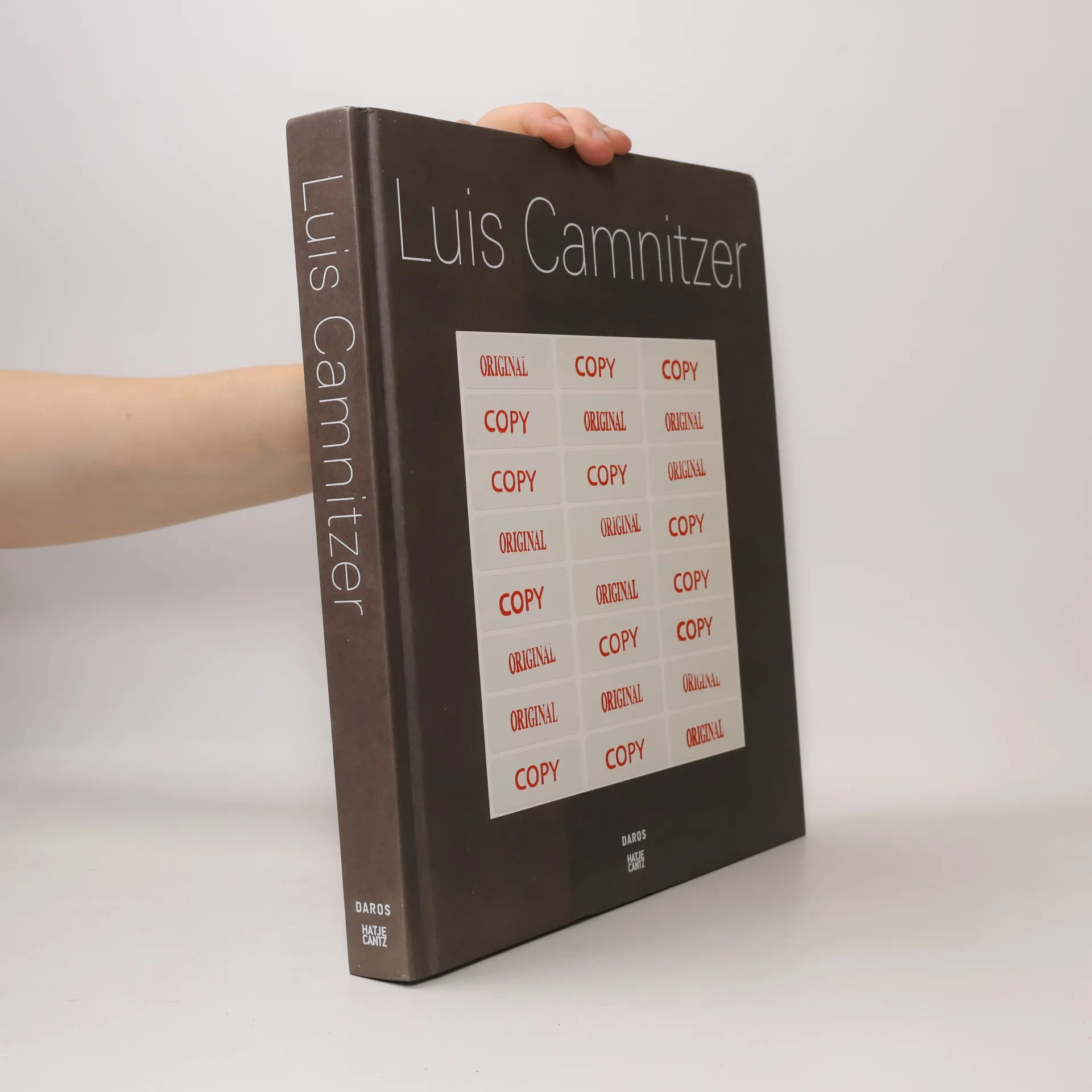
Luis Camnitzer, narodený v Nemecku a vyrastajúci v Uruguaji, patrí medzi najvýznamnejších konceptuálnych umelcov Latinskej Ameriky 60. rokov. Jeho presun do New Yorku v roku 1964 ho postavil na čelo tohto umeleckého hnutia. Camnitzerove dielo skúma hranice umenia a jazyka, často sa venuje politickým a sociálnym témam. Jeho prístup je charakteristický intelektuálnou hĺbkou a ironickým nadhľadom, ktorý divákov núti zamýšľať sa nad realitou a jej vnímaním.