
Bookbot

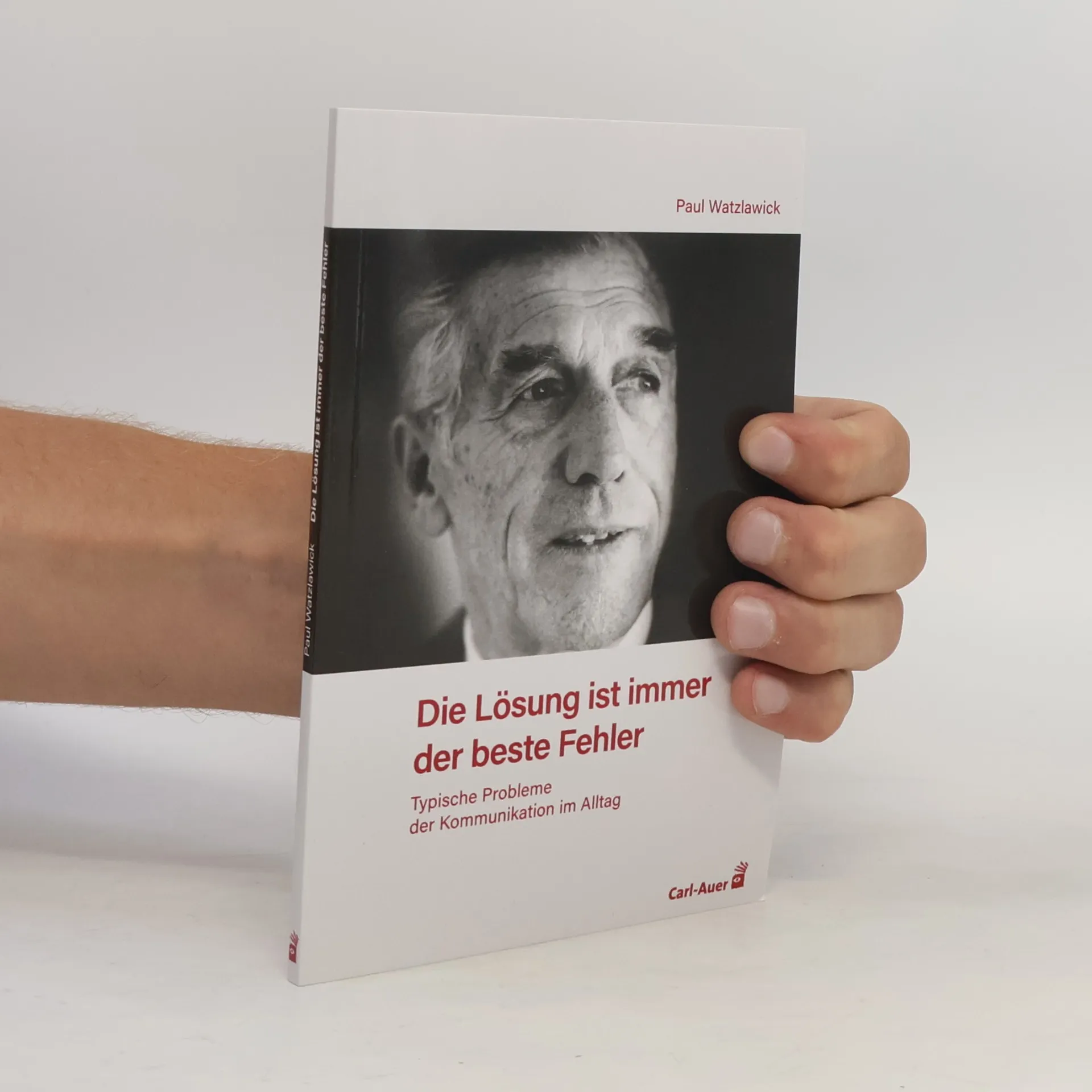
Paul Watzlawick

    25. júl 1921 – 31. marec 2007

    Tento psychológ a filozof bol teoretikom v oblasti komunikačnej teórie a radikálneho konštruktivizmu. Jeho myšlienky ovplyvnili rodinnú terapiu a všeobecnú psychoterapiu. Bol jednou z najvplyvnejších postáv Mental Research Institute.

    Paul Watzlawick
    Gebrauchsanweisung für Amerika
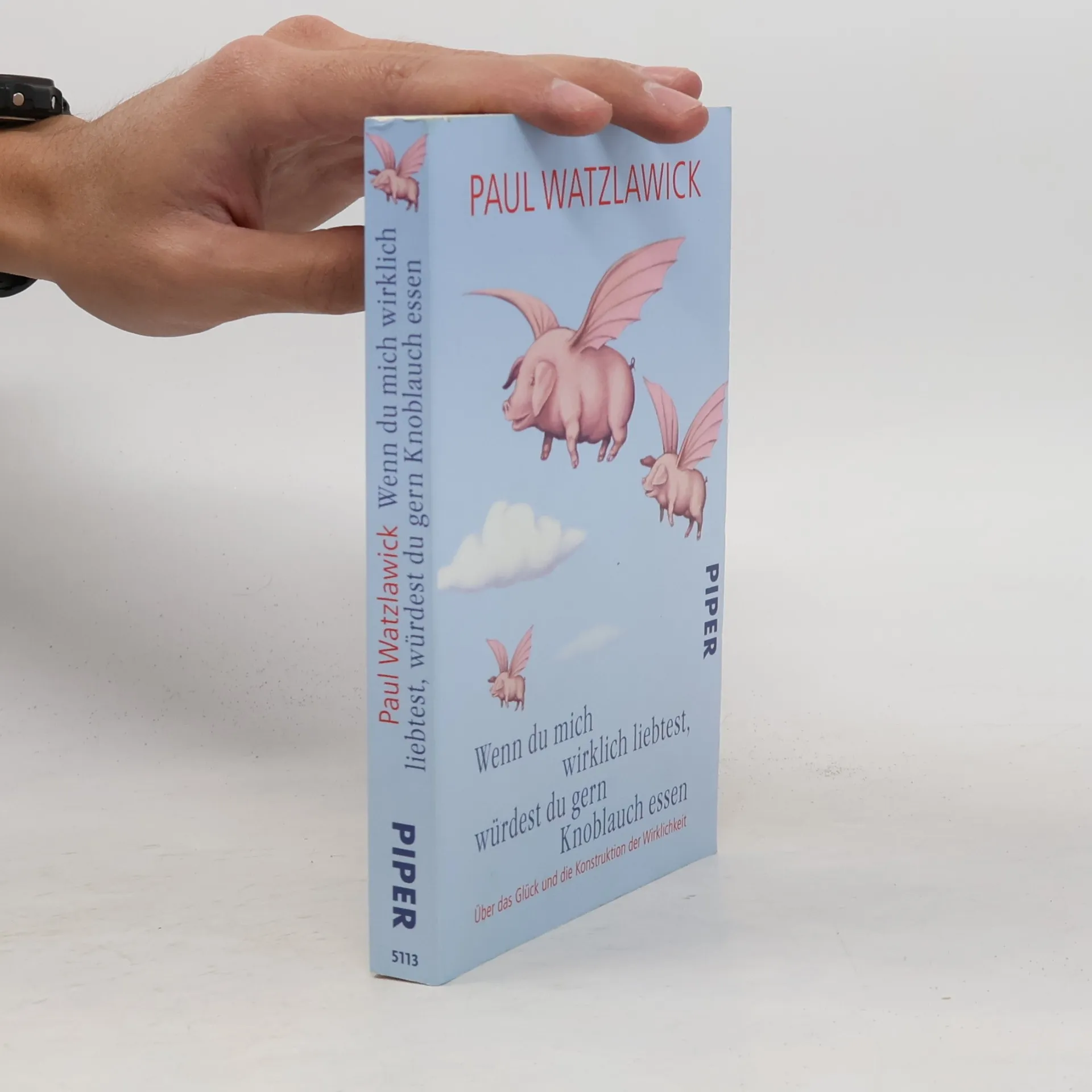
    Vom Schlechten des Guten oder Hekates Lösungen
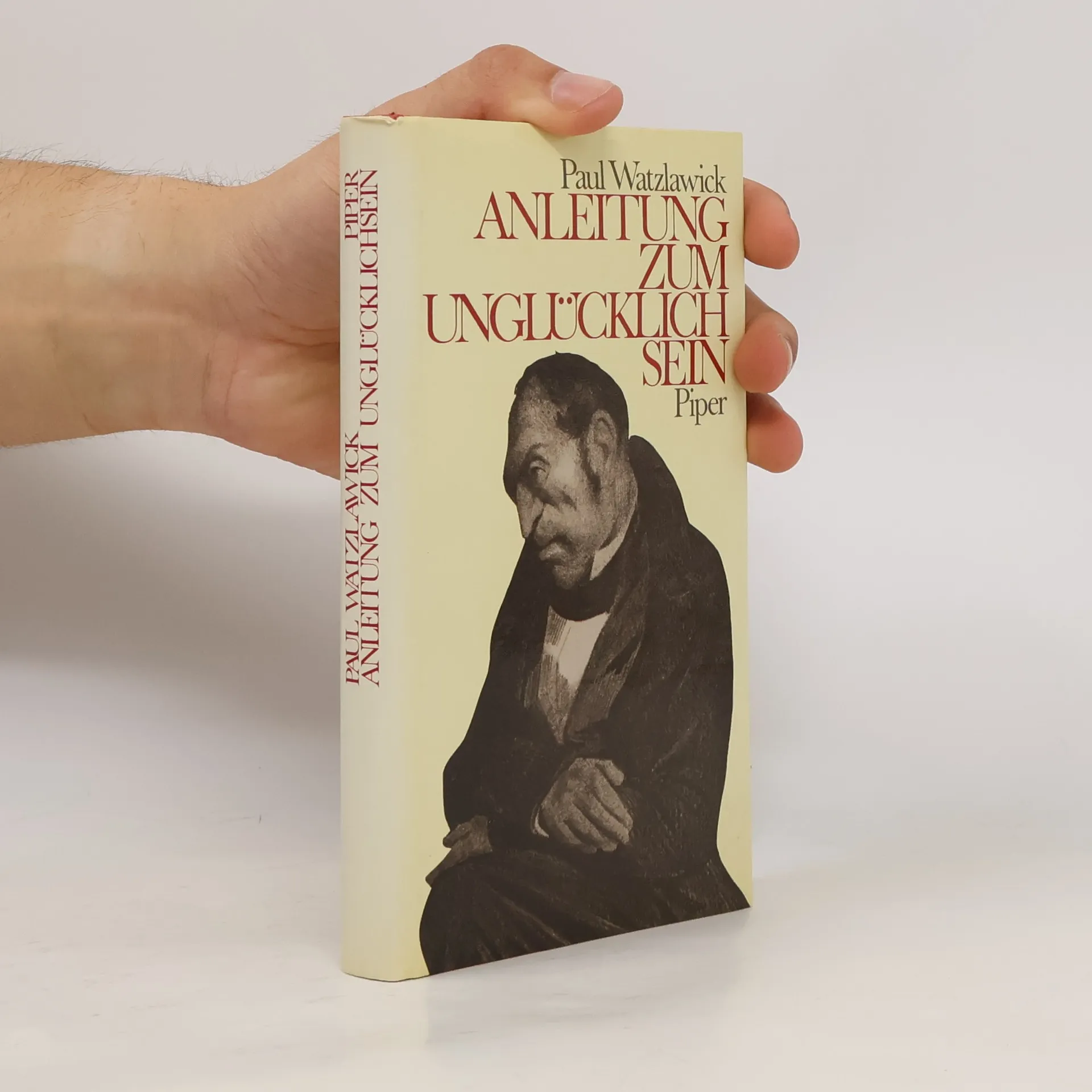
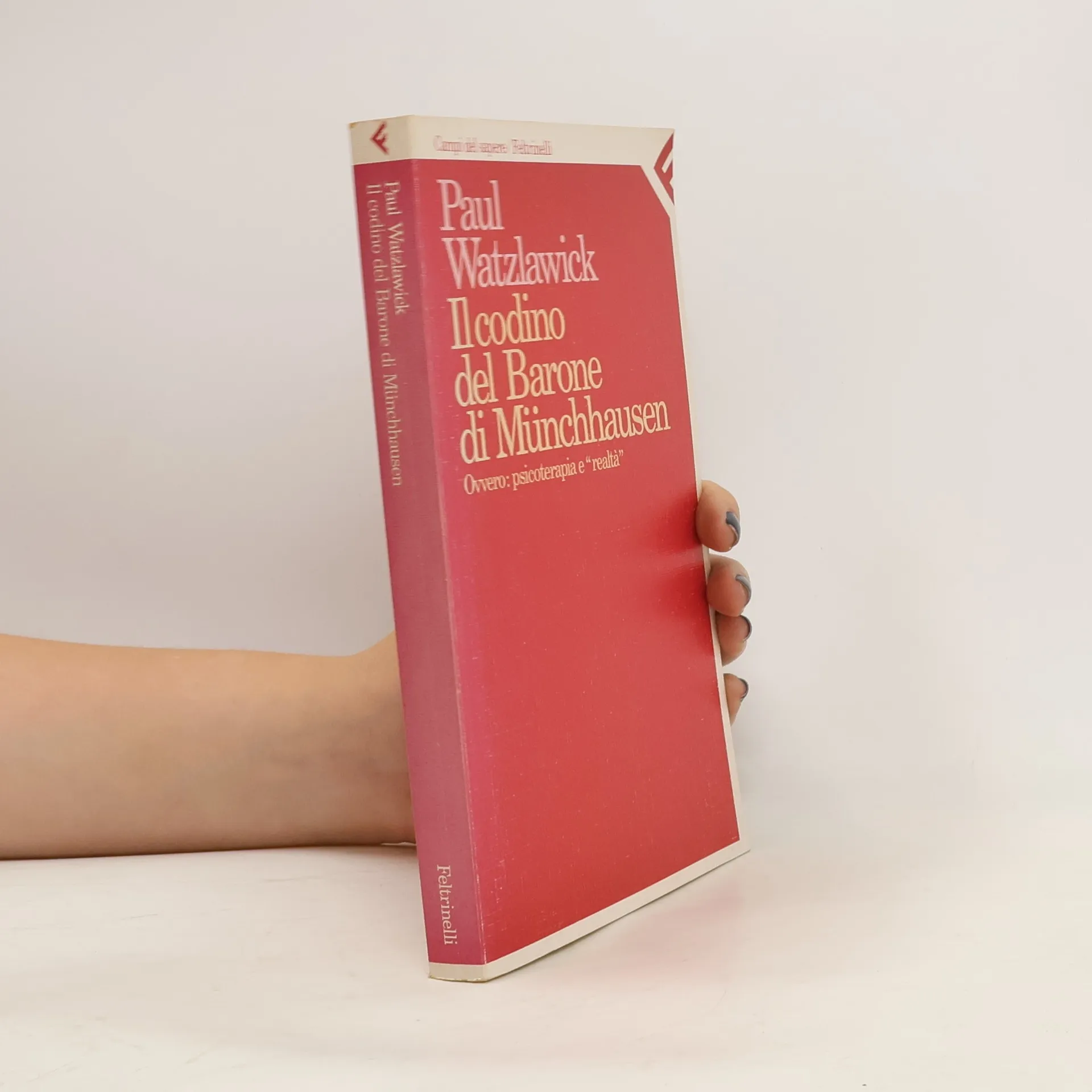
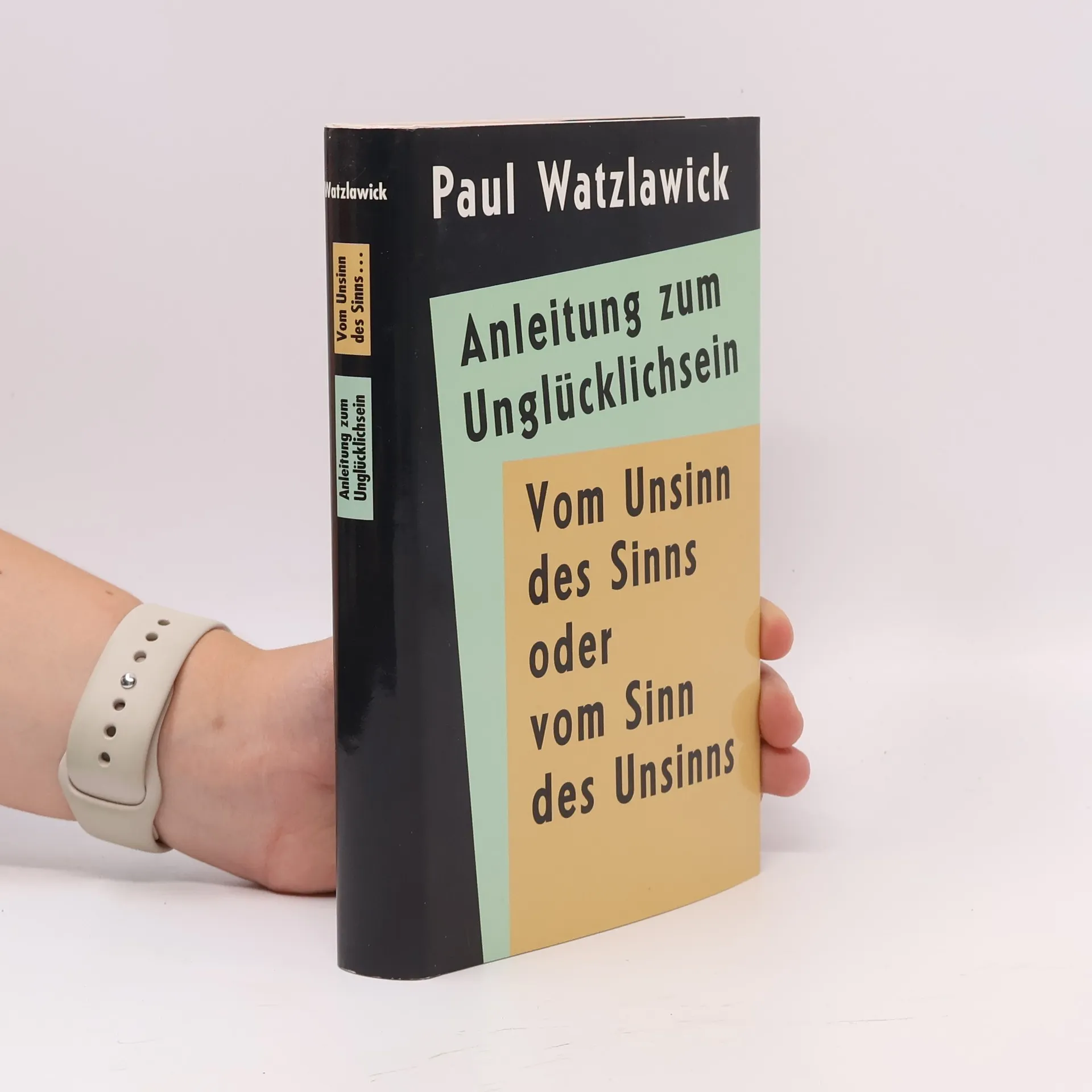
    Istruzioni per rendersi infelici
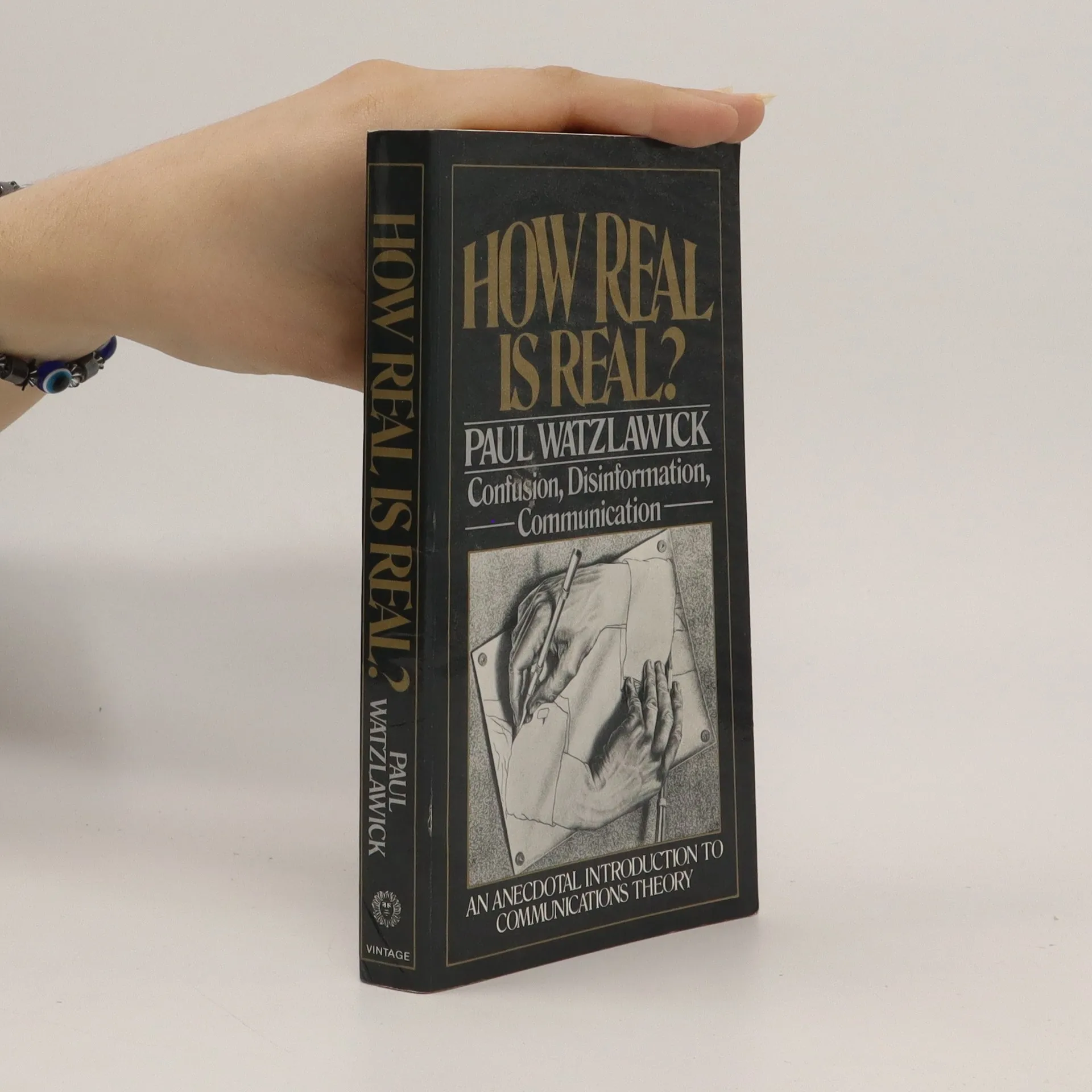
    Jak skutečná je skutečnost?
    Menschliche Kommunikation
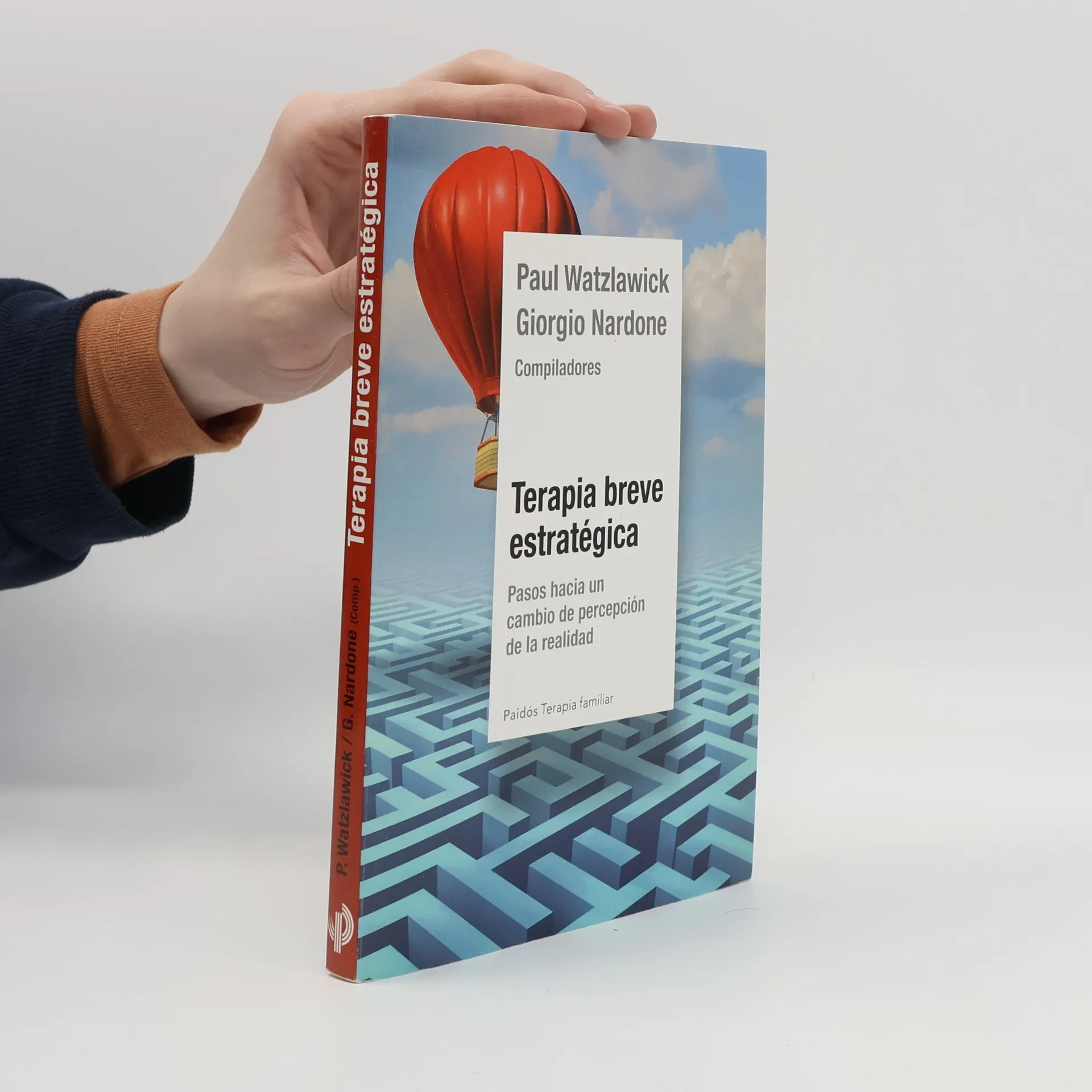
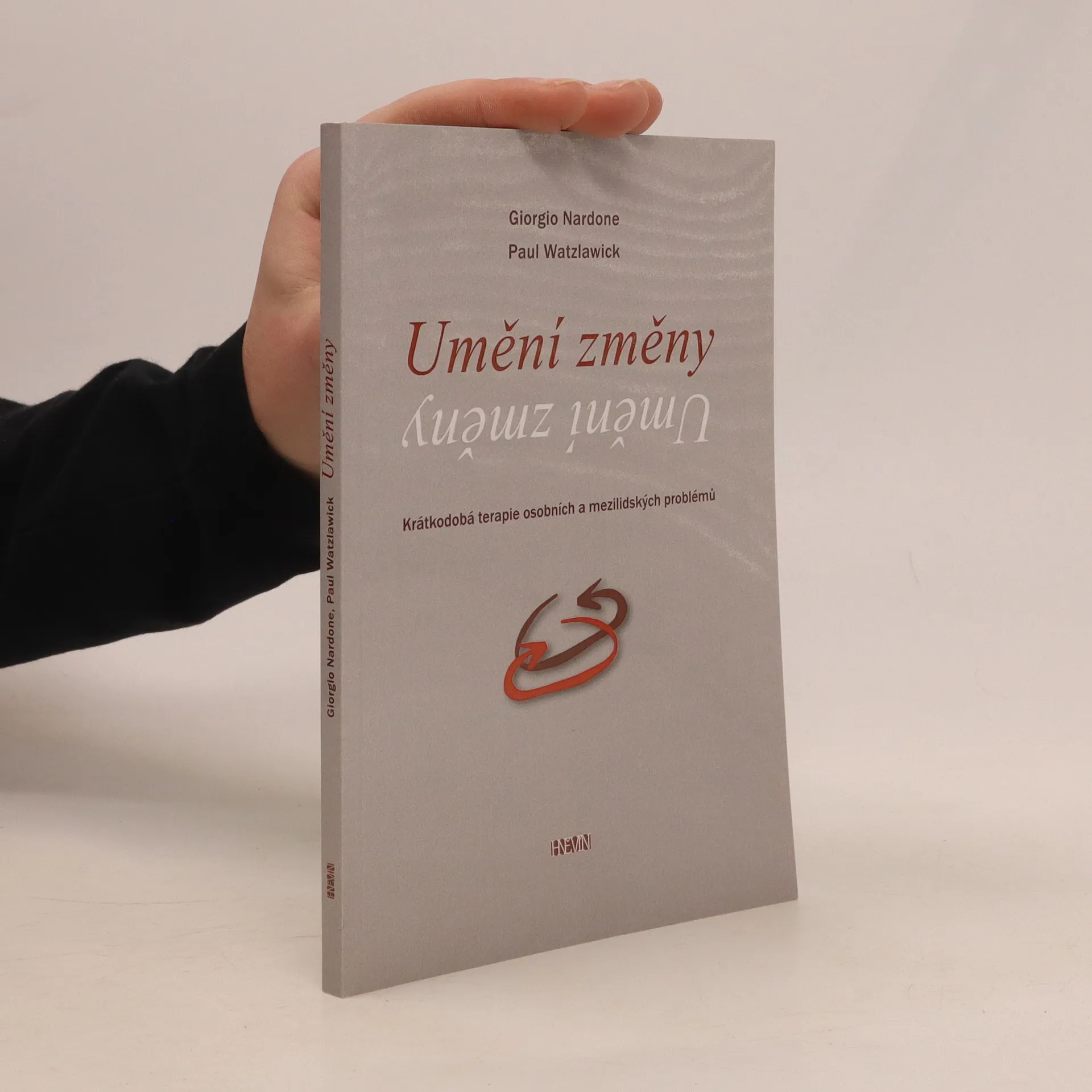
    Umění změny
    • Umění změny

      • 133 stránok
      • 5 hodin čítania

      První knížka o krátkodobé strategické psychoterapii, která je výsledkem společné práce Giorgia Nardona – známého terapeuta a italského badatele v oblasti krátkodobé strategické terapie – a Paula Watzlawicka – jednoho z nejvýznamnějších a světově nejznámějších badatelů v oblasti komunikace a psychoterapie. Kniha představuje systematickou formou model krátkodobé strategické terapie a strategický problem solving, který našel široké pole uplatnění jak v psychologii, tak v jiných kontextech, například v managementu, pedagogice a společenských vědách.

      Umění změny
      3,0
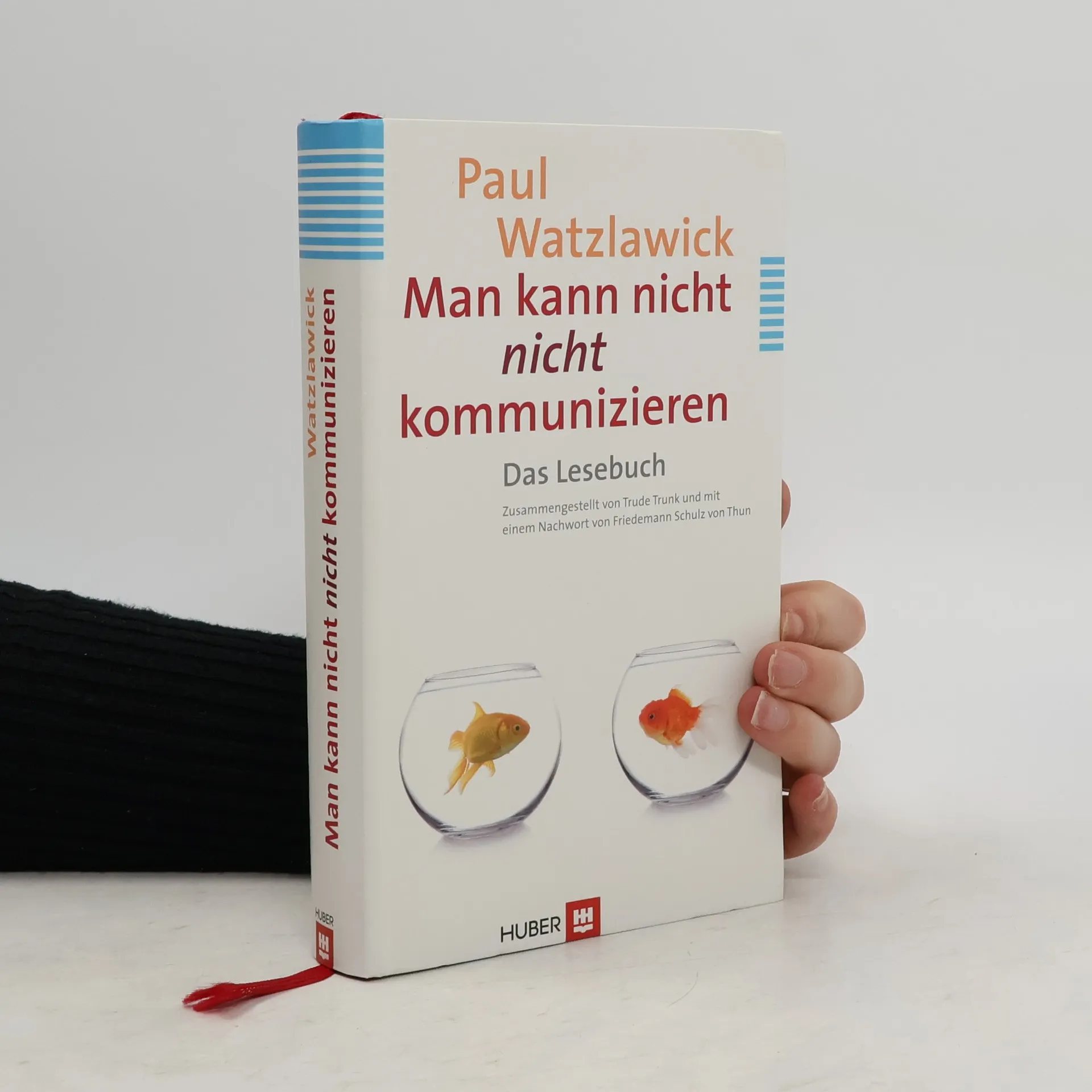
    • Menschliche Kommunikation

      • 322 stránok
      • 12 hodin čítania

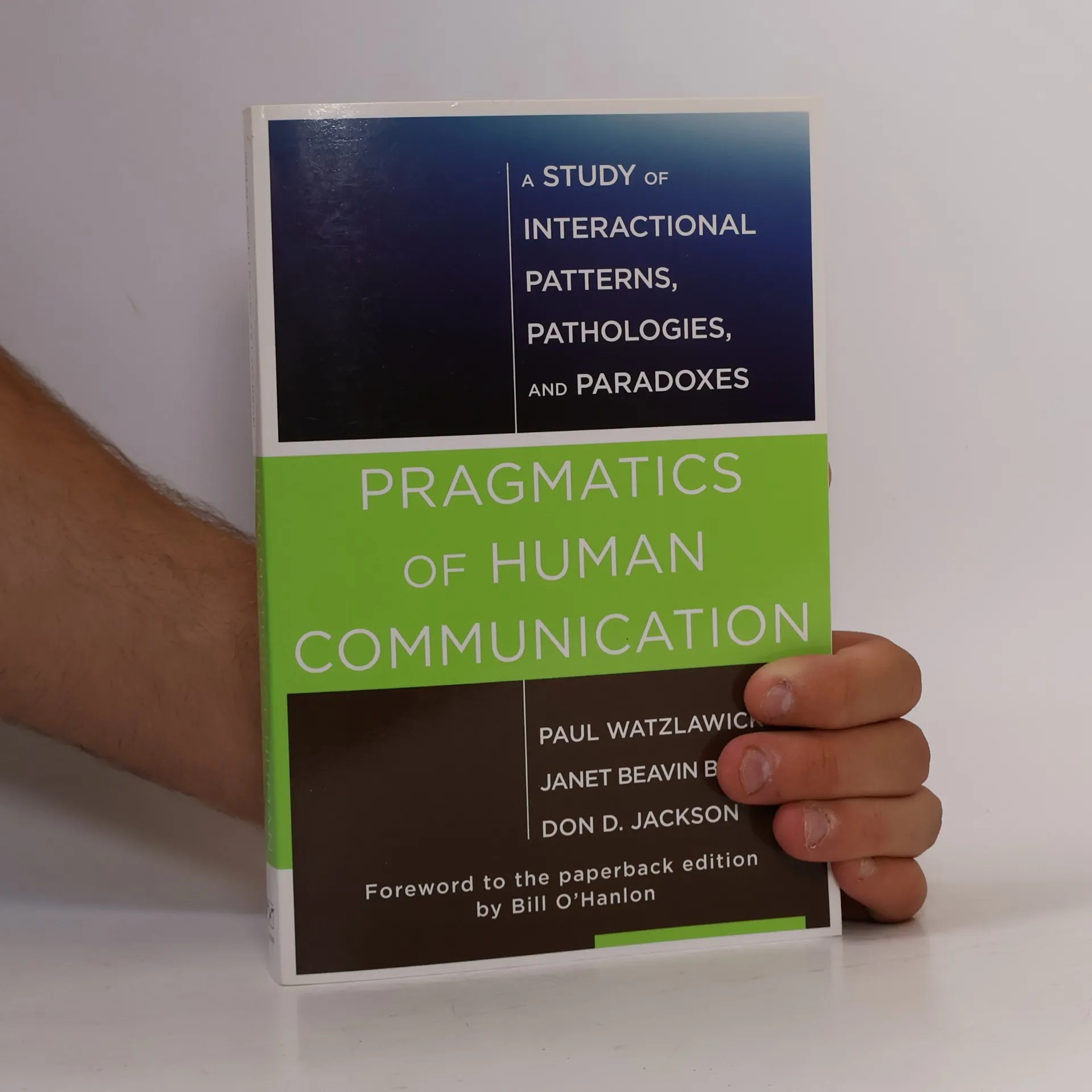
      Kommunikation ist eine Conditio sine qua non menschlichen Lebens und gesellschaftlicher Ordnung. Man kann – in der klassischen Formulierung dieses Buches – 'nicht nicht kommunizieren'. Der Mensch beginnt von den ersten Tagen seines Lebens an, die Regeln der Kommunikation zu erlernen, obwohl diese Regeln selbst ihm kaum jemals bewusst werden. Watzlawicks Standardwerk der Kommunikationswissenschaft handelt von den pragmatischen Wirkungen der Kommunikation im zwischenmenschlichen Verhalten und deren Störungen. Es formuliert Denkmodelle und veranschaulicht Sachverhalte, die die Gültigkeit solcher Modelle untermauern. Paul Watzlawick (* 25. Juli 1921 in Villach/Kärnten, Österreich; † 31. März 2007 in Palo Alto, Kalifornien) war Kommunikationswissenschaftler, Psychotherapeut, Psychoanalytiker, Soziologe, Philosoph und Autor. Seine Arbeiten hatten großen Einfluss auf die systemische Richtung der Psychotherapie. Im deutschsprachigen Raum wurde er vor allem durch seine populärwissenschaftlichen Veröffentlichungen zur Kommunikationstheorie und zur Konstruktion psychischer Realität einem größeren Publikum bekannt.

      Menschliche Kommunikation
      4,1
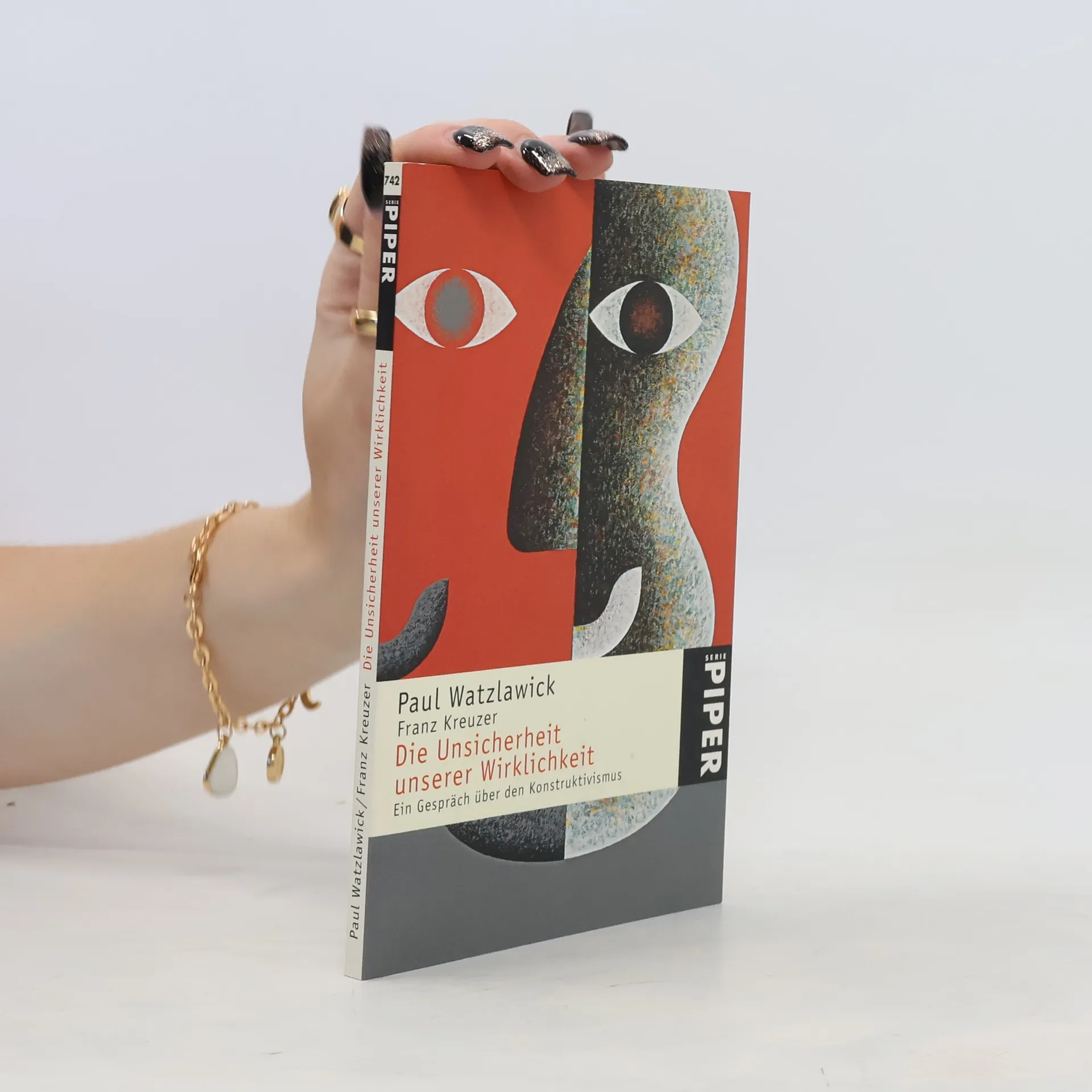
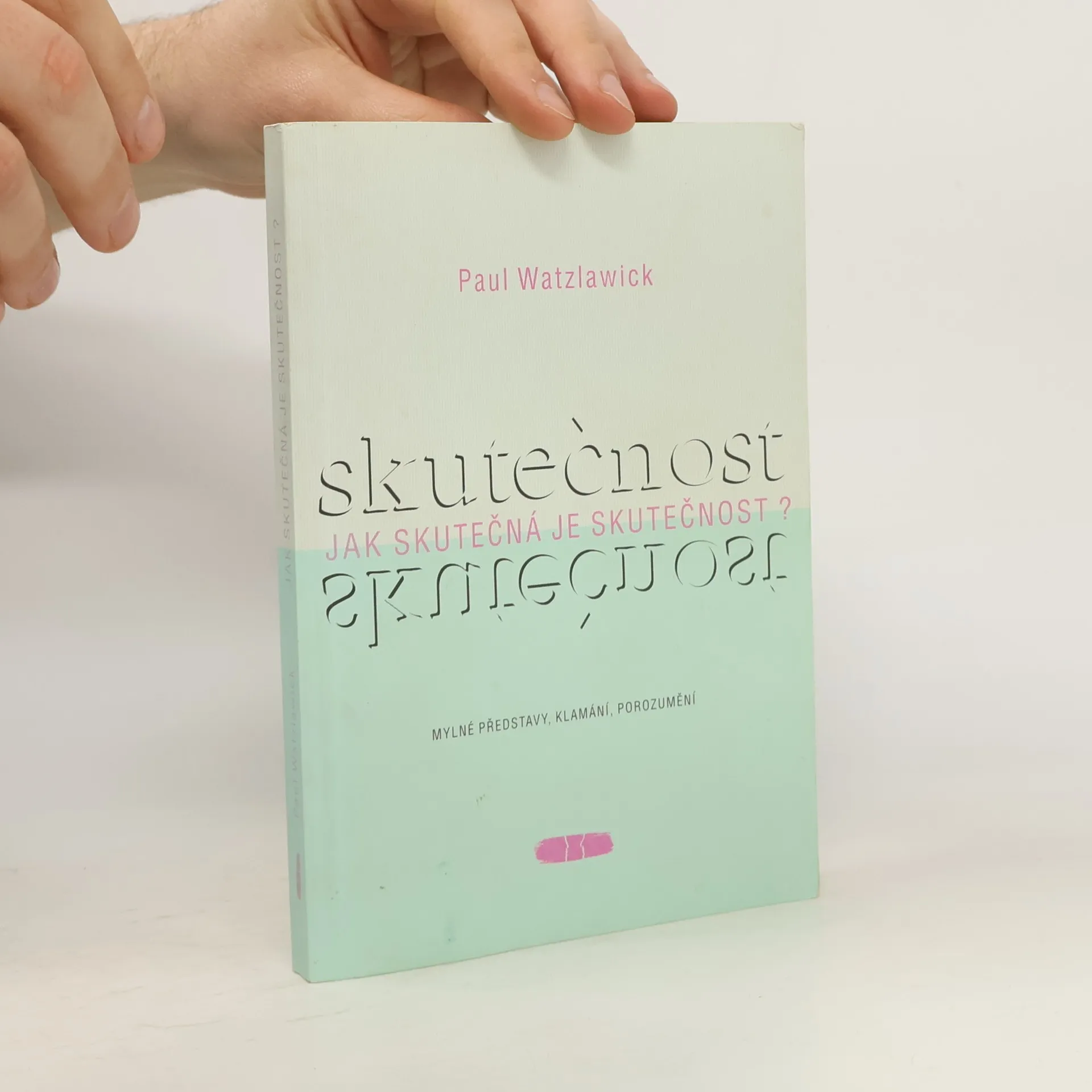
    • Skutečnost, jak ji vnímáme, je výsledkem komunikace, ta však podléhá nejrůznějším záměrným i nezáměrným zkreslením. Člověk věří, že jeho vlastní pohled na skutečnost, to, jak ji vnímá je skutečnost sama, tedy "pravda". Autor na mnoha příkladech z psychoterapeutické praxe, histo- rie i literatury ukazuje, kolika klamy, šumy, psychickými bloky a dezinformacemi je naše vnímání ovlivněno, jak nepostřehnutelně může být posunuto či záměrně manipulováno. Seznamuje s výsledky experimentů z oblasti výzkumu komunikace a chování, s principy komunikace obecně, všímá si i neverbální komunikace. Upozorňuje na nebezpečí mesianistických jedinců či ideologií vnucujících své vidění světa a objasňuje metody vymývání mozků. Závěrem podává historický přehled snah o komunikaci se zvířaty a s mimozemskými civilizacemi. Čtivý, přitom velmi erudovaný text je doplněn rozsáhlou bibliografií.

      Jak skutečná je skutečnost?
      4,1
    • Istruzioni per rendersi infelici

      • 114 stránok
      • 4 hodiny čítania

      Come utilizzare l'intelligenza critica per non farsi abbagliare dalla rincorsa alla falsa felicità. È giunta l'ora di farla finita con la favola millenaria secondo cui felicità, beatitudine e serenità sono mete desiderabili della vita. Troppo a lungo ci è stato fatto credere, e noi ingenuamente abbiamo creduto, che la ricerca della felicità conduca infine alla felicità. Basta con i dissennati consigli di guru e sessuologi, con i decaloghi fumosi di tecnocrati e maestri di vita, con le prediche sulla pace interiore e le paralizzanti esortazioni alla spontaneità. Watzlawick mobilita tutti gli espedienti argomentativi, tutti i mezzi a sua disposizione, dall'intelligenza critica allo humour nero, mettendoci di fronte uno specchio ironico, tenendo viva una costante tensione tra il divertimento e il disagio di riconoscerci, ma non privandoci del piacere di interpretare il messaggio: come rendersi felicemente infelici?

      Istruzioni per rendersi infelici
      3,9
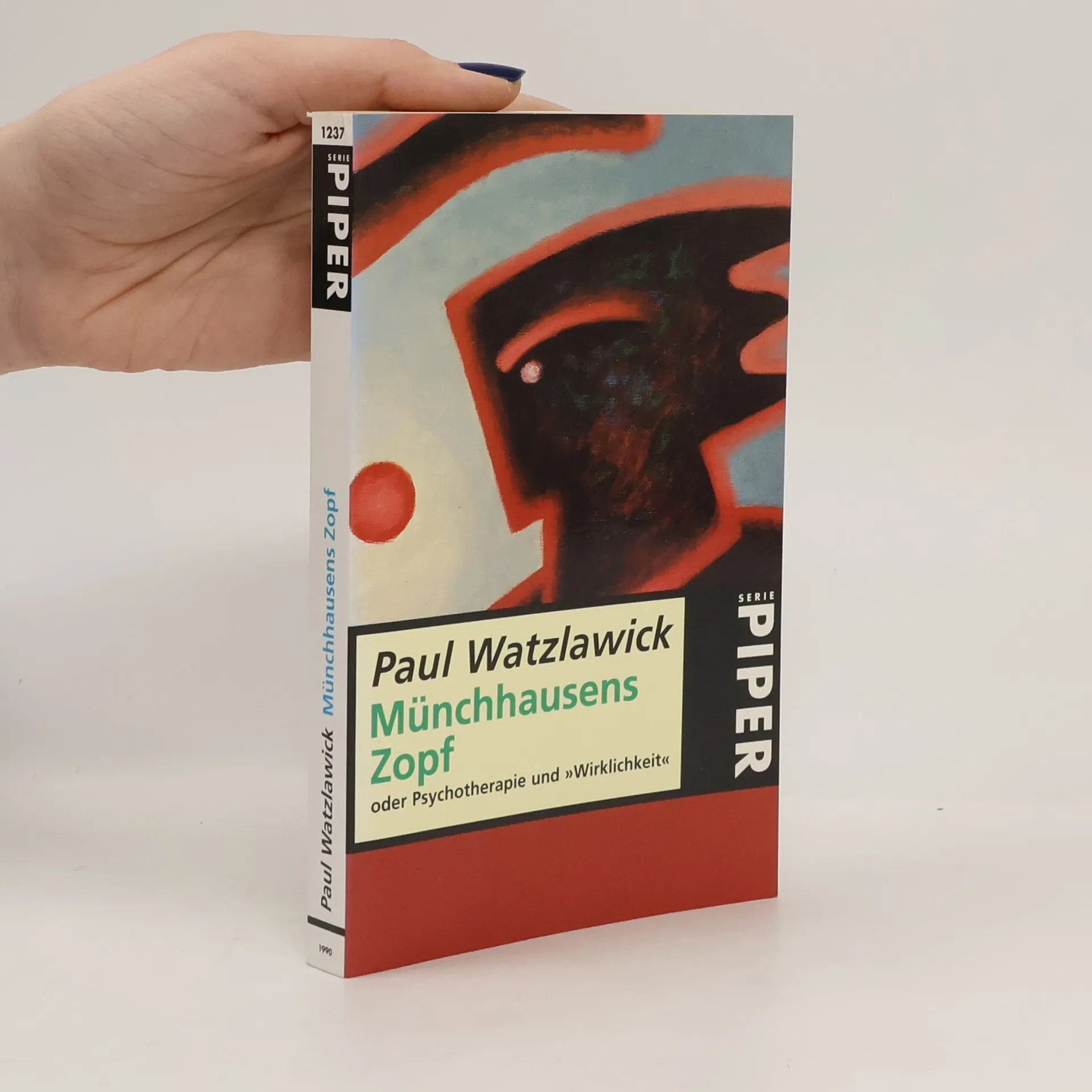
    • Paul Watzlawick, der Meister des »Unglücklichseins«, führt mit vielen wunderbaren Beispielen vor, wie wir, ferngelenkt von der finsteren Schicksalsgöttin Hekate, unermüdlich den scheinbar 100-prozentigen Lösungen aufsitzen, weil ein ehrbares Prinzip oder das Streben nach Sicherheit und Glück übersehen lässt, dass die Lösung eines Problems oft nur ein Trugschluss ist.

      Vom Schlechten des Guten oder Hekates Lösungen
      3,7
    • Nehmen Sie nie, wirklich nie die Hand aus der Hosen­tasche. Allenfalls zur Begrüßung. Rechnen Sie damit, sowohl von links als auch von rechts überholt zu werden. Denken Sie bei Verabredungen stets daran, auf das »a.m.« oder »p.m.« zu achten. Vergessen Sie bloß Ihre Kreditkarte nicht. Seien Sie überhaupt kreditwürdig! Drehen Sie immer die Heizung auf volle Pulle, und schalten Sie gleichzeitig die Klimaanlage ein. Üben Sie buchstabieren. Machen Sie sich mit Yards, Zoll und Feet vertraut. Fragen Sie keinesfalls nach dem Klo – ein Amerikaner geht höchstens mal »to the bath-room«. Seien Sie auch sonst auf einige Tabus gefasst. Und vertrauen Sie blind Paul Watzlawicks Anleitung, die uns Amerika seit 30 Jahren unvergleichlich nahe­bringt.

      Gebrauchsanweisung für Amerika
      3,6
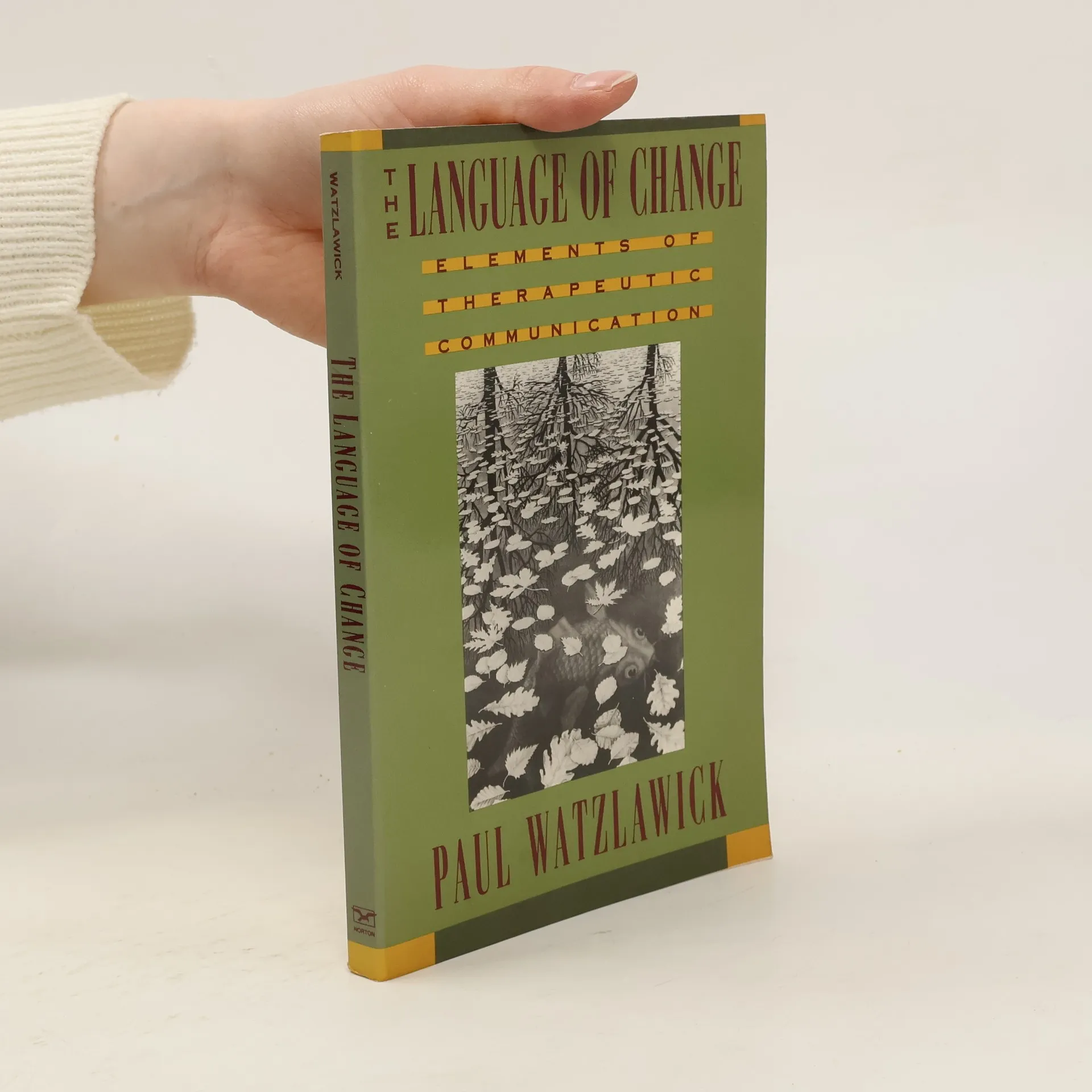
    • The Language of Change

      • 184 stránok
      • 7 hodin čítania

      Although communications emerging in therapy are ascribed to the mind's unconscious, dark side, they are habitually translated in clinical dialogue into the supposedly therapeutic language of reason and consciousness. But, Dr. Watzlawick argues, it is precisely this bizarre language of the unconscious which holds the key to those realms where alone therapeutic change can take place.Dr. Watzlawick suggests that rather than following the usual procedure of interpreting the patient's communications and thereby translating them into the language of a given psychotherapeutic theory, the therapist must learn the patient's language and make his or her interventions in terms that are congenial to the patient's manner of conceptualizing reality. Only in that way, he shows, can the therapist effectively bring about genuine changes and problem resolutions. Drawing on the work of Milton H. Erickson, he supports his findings with many (and often amusing) examples.This book, then, is a virtual introductory course to the grammar and language of the unconscious.

      The Language of Change
      4,2
    • Change

      • 200 stránok
      • 7 hodin čítania

      Why some problems persist while others are resolved.

      Change
      4,2
    • This is a tongue-in-cheek look at the ways in which we turn ourselves into our own worst enemies. Using metaphors, vignettes, jokes, innuendoes and other "right-hemispheric" language games, Dr. Watzlawick shows how we can make everyday life miserable and inflate trivialities beyond recognition. Those who believe that the search for happiness eventually leads to happiness should consult the chapter "Beware of Arriving."--Publisher description.

      The situation is hopeless, but not serious : the pursuit of unhappiness
      3,9