

Z Knihobotu sa stal Bookbot!
Bookbot

Emmeline Pankhurstová

    15. júl 1858 – 14. jún 1928

    Emmeline Pankhurstová bola britská politická aktivistka a vodkyňa britského hnutia sufražetiek, ktorá pomohla ženám získať právo voliť. Jej práca zmenila spoločnosť a zanechala trvalý odkaz v boji za rovnosť. Pankhurstová zásadne ovplyvnila poňatie ženskosti pre našu dobu a otriasla spoločnosťou tak, že nebola cesty späť. Jej odhodlanie a vodcovstvo inšpirovali generácie v boji za sociálnu spravodlivosť.

    Suffragette (Steidl Pocket)
    My Own Story;With an Excerpt From Women as World Builders, Studies in Modern Feminism By Floyd Dell
    My Own Story (Vintage Feminism Short Edition)
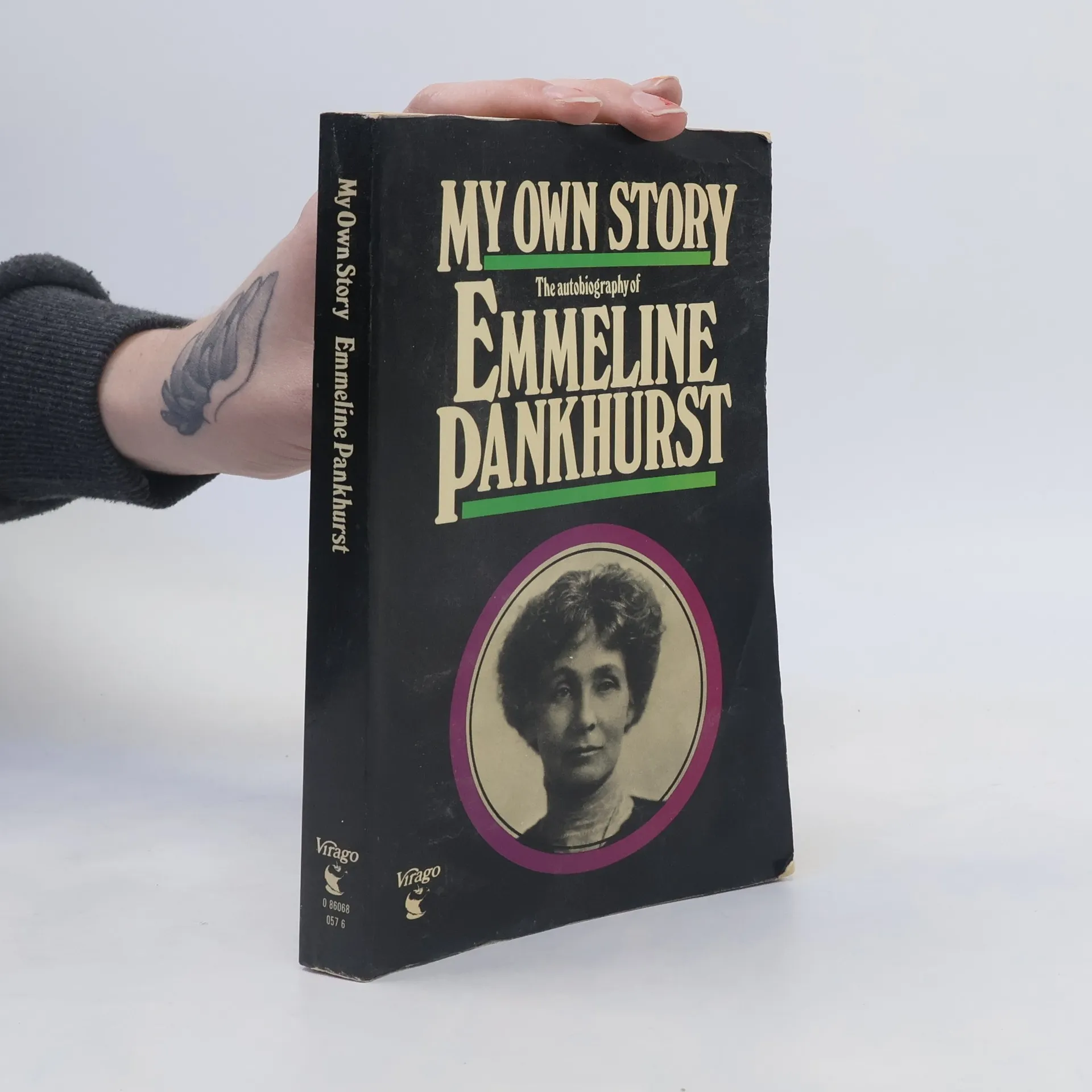
    My Own Story
    • My Own Story

      • 384 stránok
      • 14 hodin čítania
      4,2(1117)Ohodnotiť

      The closing paragraphs of this book were written in the late summer of 1914, when the armies of every great power in Europe were being mobilised for savage, unsparing, barbarous warfare-against one another, against small and unaggressive nations, against helpless women and children, against civilisation itself. How mild, by comparison with the despatches in the daily newspapers, will seem this chronicle of women's militant struggle against political and social injustice in one small corner of Europe. Yet let it stand as it was written, with peace-so-called, and civilisation, and orderly government as the background for heroism such as the world has seldom witnessed. The militancy of men, through all the centuries, has drenched the world with blood, and for these deeds of horror and destruction men have been rewarded with monuments, with great songs and epics. The militancy of women has harmed no human life save the lives of those who fought the battle of righteousness. Time alone will reveal what reward will be allotted to the women. This we know, that in the black hour that has just struck in Europe, the men are turning to their women and calling on them to take up the work of keeping civilisation alive. Through all the harvest fields, in orchards and vineyards, women are garnering food for the men who fight, as well as for the children left fatherless by war. In the cities the women are keeping open the shops, they are driving trucks and trams, and are altogether attending to a multitude of business. When the remnants of the armies return, when the commerce of Europe is resumed by men, will they forget the part the women so nobly played? Will they forget in England how women in all ranks of life put aside their own interests and organised, not only to nurse the wounded, care for the destitute, comfort the sick and lonely, but actually to maintain the existence of the nation? Thus far, it must be admitted, there are few indications that the English Government are mindful of the unselfish devotion manifested by the women. Thus far all Government schemes for overcoming unemployment have been directed towards the unemployment of men. The work of women, making garments, etc., has in some cases been taken away. At the first alarm of war the militants proclaimed a truce, which was answered half-heartedly by the announcement that the Government would release all suffrage prisoners who would give an undertaking "not to commit further crimes or outrages." Since the truce had already been proclaimed, no suffrage prisoner deigned to reply to the Home Secretary's provision. A few days later, no doubt influenced by representations made to the Government by men and women of every political faith-many of them never having been supporters of revolutionary tactics-Mr. McKenna announced in the House of Commons that it was the intention of the Government, within a few days, to release unconditionally, all suffrage prisoners. So ends, for the present, the war of women against men. As of old, the women become the nurturing mothers of men, their sisters and uncomplaining helpmates. The future lies far ahead, but let this preface and this volume close with the assurance that the struggle for the full enfranchisement of women has not been abandoned; it has simply, for the moment, been placed in abeyance. When the clash of arms ceases, when normal, peaceful, rational society resumes its functions, the demand will again be made. If it is not quickly granted, then once more the women will take up the arms they to-day generously lay down. There can be no real peace in the world until woman, the mother half of the human family, is given liberty in the councils of the world.

      My Own Story
    • Vintage Feminism: classic feminist texts in short formWITH AN INTRODUCTION BY JESS PHILLIPSSoldier, criminal, militant, hooligan, revolutionary: these labels Emmeline Pankhurst took up and wore proudly in her long struggle for women's suffrage.

      My Own Story (Vintage Feminism Short Edition)
    • The memoirs of Emmeline Pankhurst provide a powerful firsthand account of her pivotal role in the UK suffragette movement. Through her reflections, readers gain insight into the struggles and triumphs of the fight for women's rights, as well as Pankhurst's unwavering determination and leadership. Her narrative highlights the social and political challenges faced by women in her time, making it a significant contribution to both feminist literature and historical understanding.

      My Own Story;With an Excerpt From Women as World Builders, Studies in Modern Feminism By Floyd Dell
    • Suffragette (Steidl Pocket)

      Die Geschichte meines Lebens

      Dies ist die Geschichte eines behüteten Mädchens, das unbequeme Fragen stellt, die Geschichte einer mutigen, tapferen Frau, die früh verwitwet ihre fünf Kinder allein durchbringt. Es ist die Geschichte von Emmeline Pankhurst (1858–1928), die sich so gründlich über die Verhältnisse in ihrem Land empörte, dass sie zur bekanntesten und radikalsten der »Suffragetten« wurde. Diese Frauen kämpften vor dem Ersten Weltkrieg für ihr Wahlrecht und versetzten damit nicht nur die englischen Männer in Angst und Schrecken. 1903 gründete Pankhurst die radikal-bürgerliche Woman’s Social and Political Union (WSPU) und schlug von da an in der bisher so friedlichen wie erfolglosen Frauenbewegung neue Töne an. Frauen organisieren Blockaden, ketten sich an Zäune und Gebäude, und die Obrigkeit reagiert mit Gewalt: Demonstrantinnen werden verprügelt und verhaftet, es kommt zu Hungerstreiks und Zwangsernährung, im Gegenzug werfen die Anhängerinnen Pankhursts Bomben und legen Brände.

      Suffragette (Steidl Pocket)