

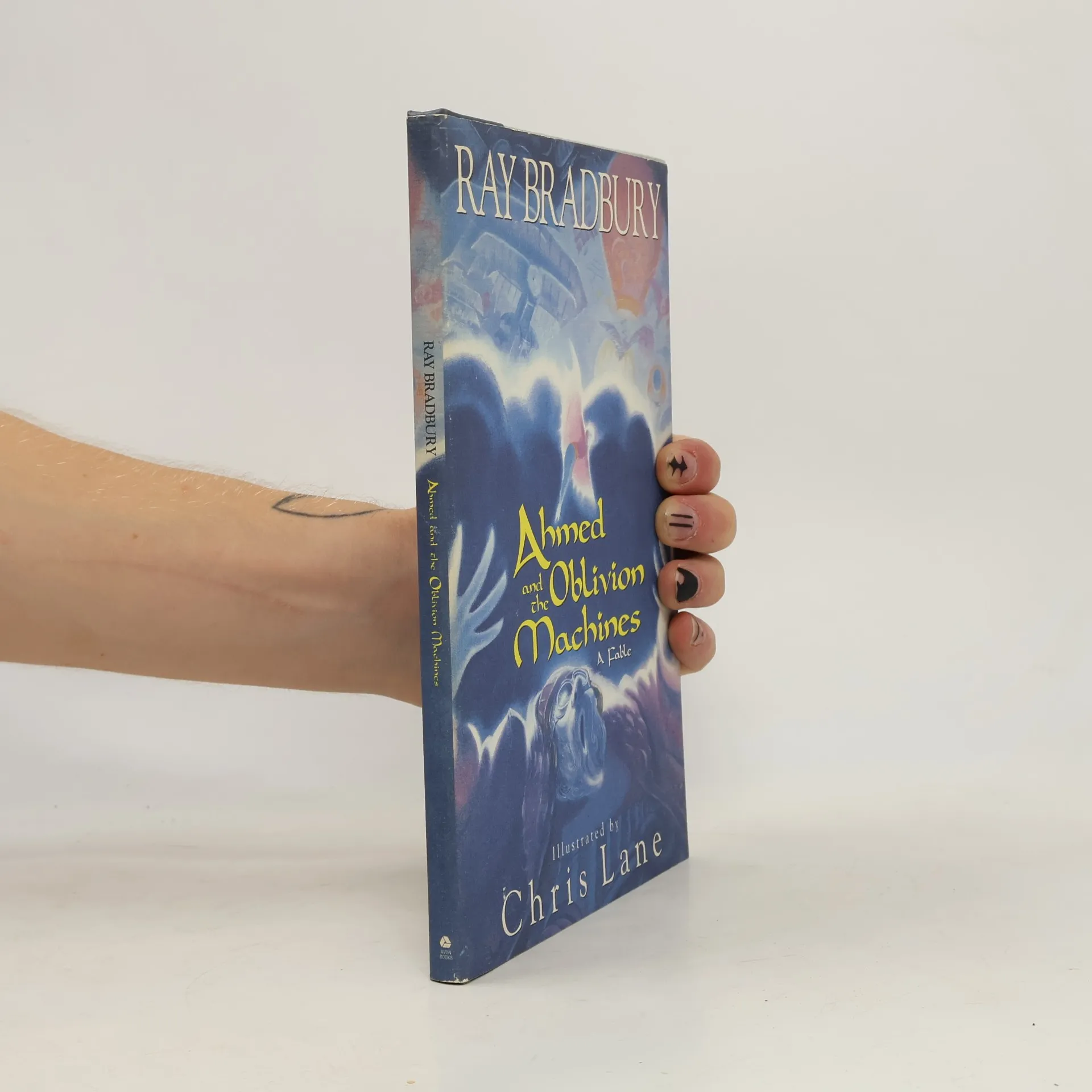
While gazing at the stars in the desert, young Ahmed tumbles from his camel and becomes lost from his father's caravan, feeling certain he will die before truly living. His tears awaken Gonn-Ben-Allah, a slumbering god who rises from the sand and soars into the night sky. Gonn empathizes with Ahmed's plight but urges him to let go of the past and focus on the future, as this is the path to improving his present and achieving his dreams. Together, they embark on a magical journey through time and space, where Gonn imparts essential life lessons that resonate with both children and adults. He teaches Ahmed that failure only exists in not trying; the true failure is to abandon one's dreams. This notion deeply affects Gonn, who has faced death repeatedly due to humanity's neglect of aspiration. At one point, they encounter a sleeping man, symbolizing passivity and missed opportunities, which causes Gonn to begin to wither. Ahmed must apply Gonn's teachings to save his giant friend from this dire fate. This enchanting fable emphasizes that dreaming is for everyone, not just children, and is beautifully illustrated by Chris Lane, making it a delightful gift for readers of all ages. Its enriching message and engaging story make it a soon-to-be classic.
Christian Auf der Lake Knihy
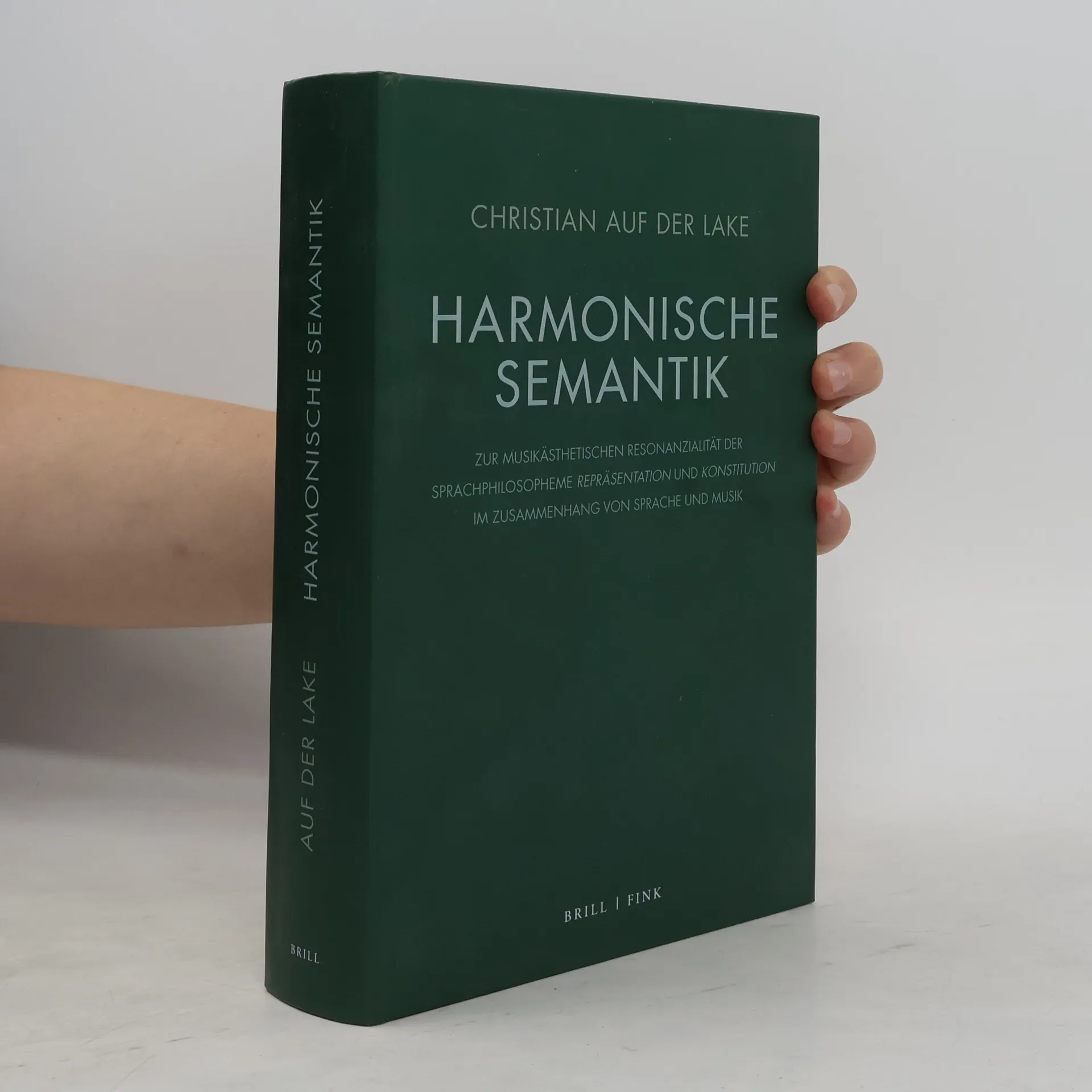
Harmonische Semantik
Zur musikästhetischen Resonanzialität der Sprachphilosopheme <i>Repräsentation</i> und <i>Konstitution</i> im Zusammenhang von Sprache und Musik
- 537 stránok
- 19 hodin čítania
"Ist Musik (eine) Sprache? Ja, argumentiert die Studie: Musik konstituiert Bedeutung und ist darin Sprache. Der Autor entwirft eine Harmonische Semantik, die aus sprachphilosophischer Perspektive nach dem Zusammenhang von Sprache und Musik fragt - und diesen neu interpretiert. In der Konstellation wirkmächtiger Positionen aus Sprachphilosophie und Musikästhetik - Wilhelm von Humboldt und Eduard Hanslick, Walter Benjamin und E. T. A. Hoffmann sowie Theodor W. Adorno und Ludwig van Beethoven - wird die Bedeutungsfrage von Sprache und Musik historisch und systematisch reflektiert. Der interdisziplinären Debatte wird ein Sprachbegriff angeboten, in dem Sprache und Musik gleichermaßen als Konstitutionsmedien gelten. Aus dieser Sicht sind semantische Fragestellungen nicht auf Sprache beschränkt, sondern kulturhermeneutisch auch auf Musik bezieh- und um diese erweiterbar." --