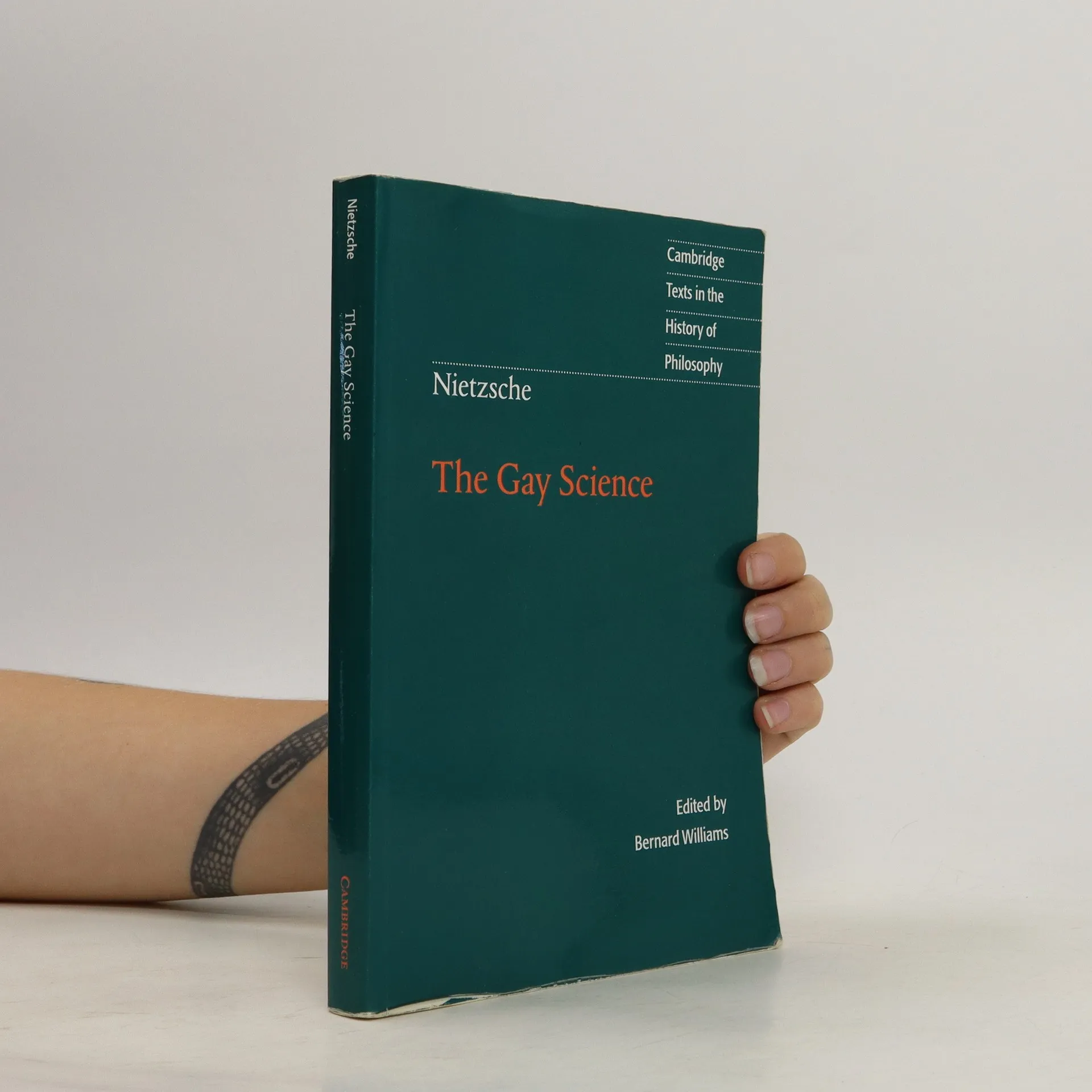
Nietzsche wrote The Gay Science, which he later described as 'perhaps my most personal book', when he was at the height of his intellectual powers, and the reader will find in it an extensive and sophisticated treatment of the philosophical themes and views which were most central to Nietzsche's own thought and which have been most influential on later thinkers. These include the death of God, the problem of nihilism, the role of truth, falsity and the will-to-truth in human life, the doctrine of the eternal recurrence, and the question of the proper attitude to adopt toward human suffering and toward human achievement. This volume presents the work in a new translation by Josefine Nauckhoff, with an introduction by Bernard Williams that elucidates the work's main themes and discusses their continuing philosophical importance.
Francesca Ricciardi Knihy
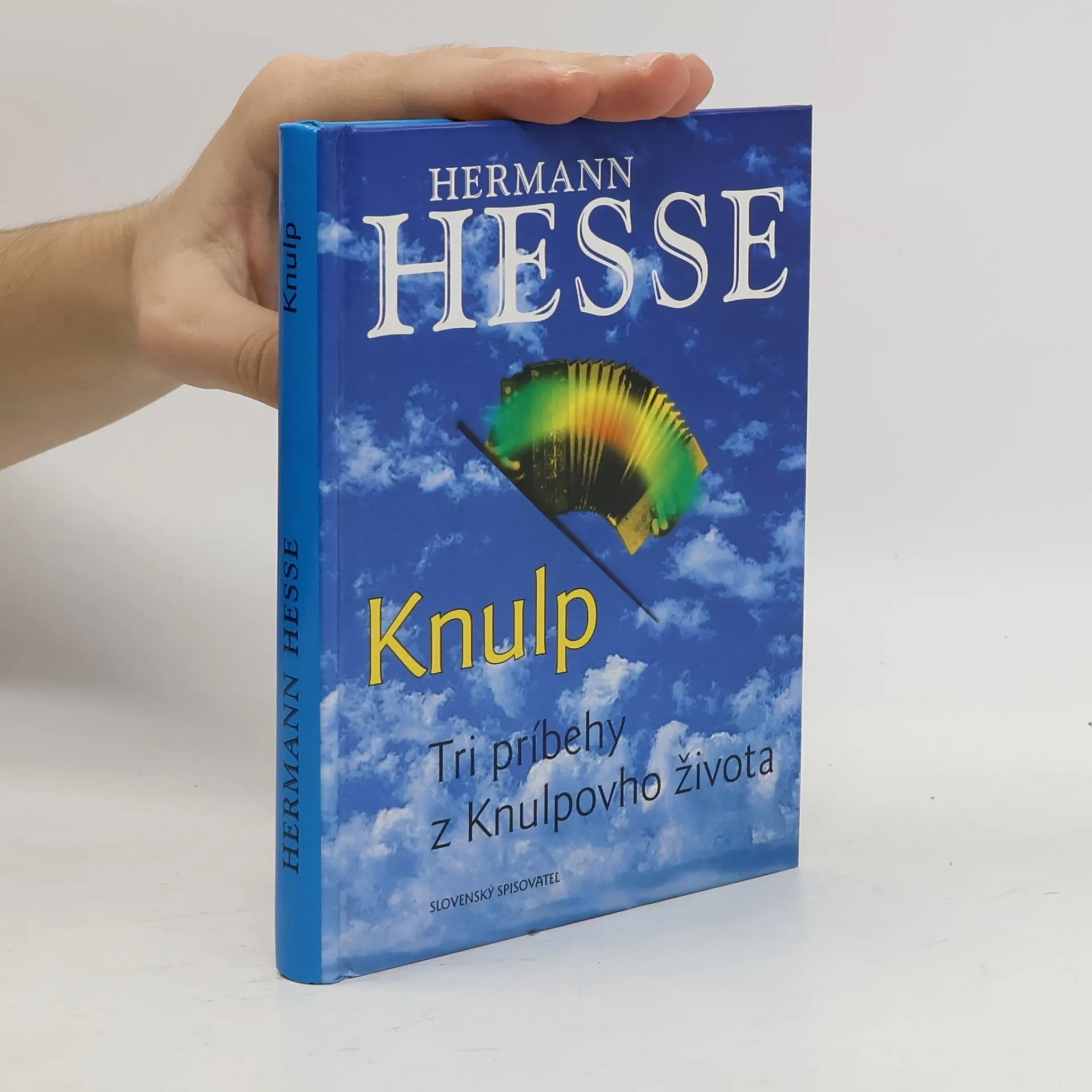
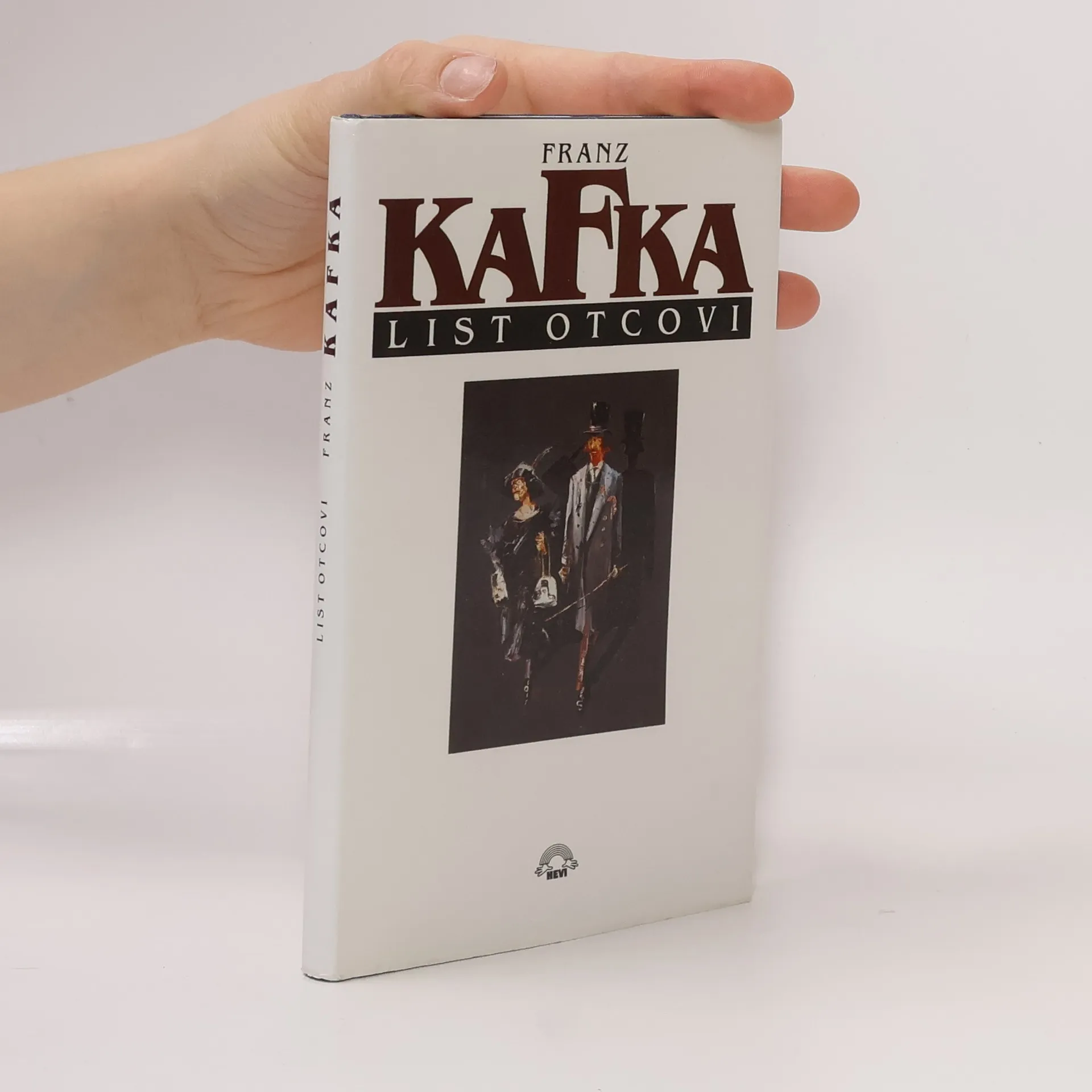
List otcovi
- 70 stránok
- 3 hodiny čítania
Kafka napísal List otcovi v novembri 1919, keď sa zotavoval v Schelesene neďaleko Libochu, severne od Prahy. Listu predchádzali dva roky napätia medzi synom a otcom...
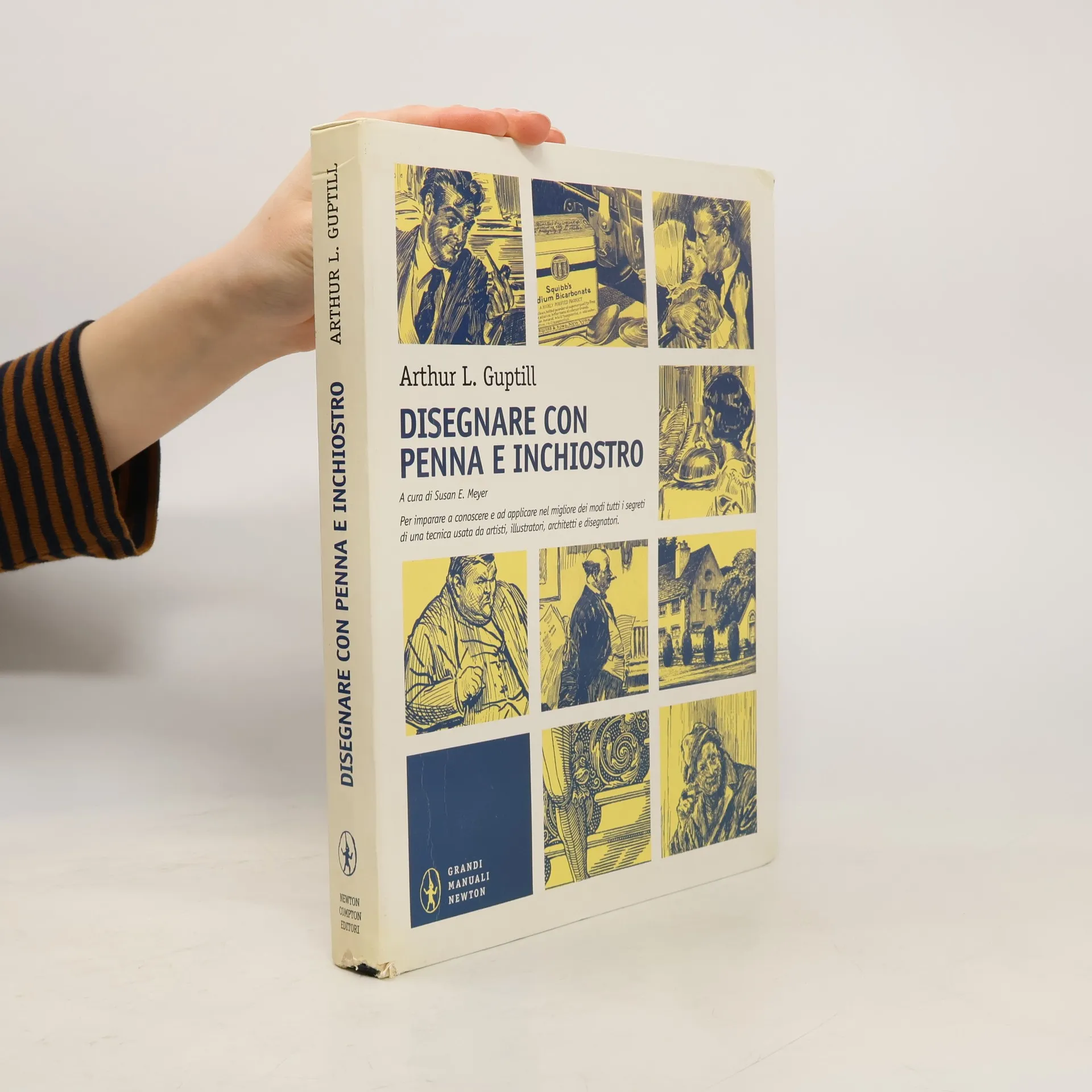
Grandi manuali Newton: Disegnare con penna e inchiostro
- 256 stránok
- 9 hodin čítania
Questo classico manuale di Arthur Guptill viene da lungo tempo considerato il migliore pubblicato sul disegno a inchiostro. È concepito per istruire chiunque, dall'artista professionista al dilettante, e si rivela particolarmente utile per architetti, disegnatori di interni, architetti del paesaggio, disegnatori industriali, illustratori. Dall'analisi dei materiali e degli strumenti necessari, si passa all'uso della penna e alla costruzione dei toni, agli studi dell'armonia di luci e ombre, ai vari tipi di contorni, al disegno in chiaroscuro e a quello di gruppi di oggetti, ai princìpi basilari della composizione, all'uso delle fotografie, allo studio delle opere di artisti noti, allo schizzo dal vivo, alla rappresentazione di alberi e altri elementi del paesaggio, al disegno dei particolari e dell'insieme architettonico, alla risoluzione di varie difficoltà, tra cui quelle della prospettiva, al disegno degli interni e, infine, ai metodi speciali di lavorare con la penna, come quello di combinarla con altri mezzi.
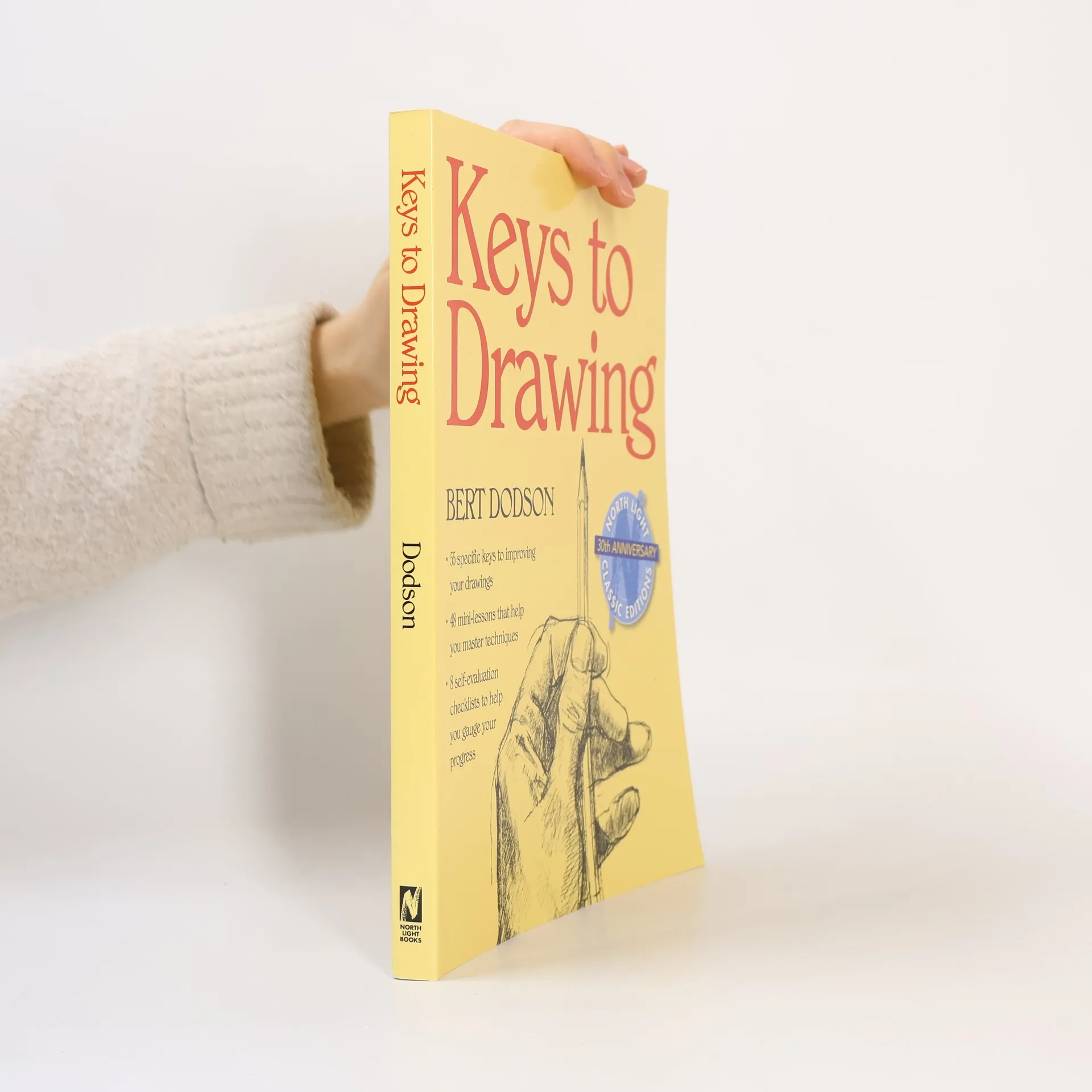
Keys to Drawing
- 224 stránok
- 8 hodin čítania
Anyone who can hold a pencil can learn to draw. In this book, Bert Dodson shares his complete drawing system—fifty-five "keys" that you can use to render any subject with confidence, even if you're a beginner. These keys, along with dozens of practice exercises, will help you draw like an artist in no time. You'll learn how to: • Restore, focus, map, and intensify • Free your hand action, then learn to control it • Convey the illusions of light, depth, and texture • Stimulate your imagination through "creative play"
Franz Kafka wrote this letter to his father, Hermann Kafka, in November 1919. Max Brod, Kafka’s literary executor, relates that Kafka actually gave the letter to his mother to hand to his father, hoping it might renew a relationship that had lost itself in tension and frustration on both sides. But Kafka’s probing of the deep flaw in their relationship spared neither his father nor himself. He could not help seeing the failure of communication between father and son as another moment in the larger existential predicament depicted in so much of his work. Probably realizing the futility of her son’s gesture, Julie Kafka did not deliver the letter but instead returned it to its author.
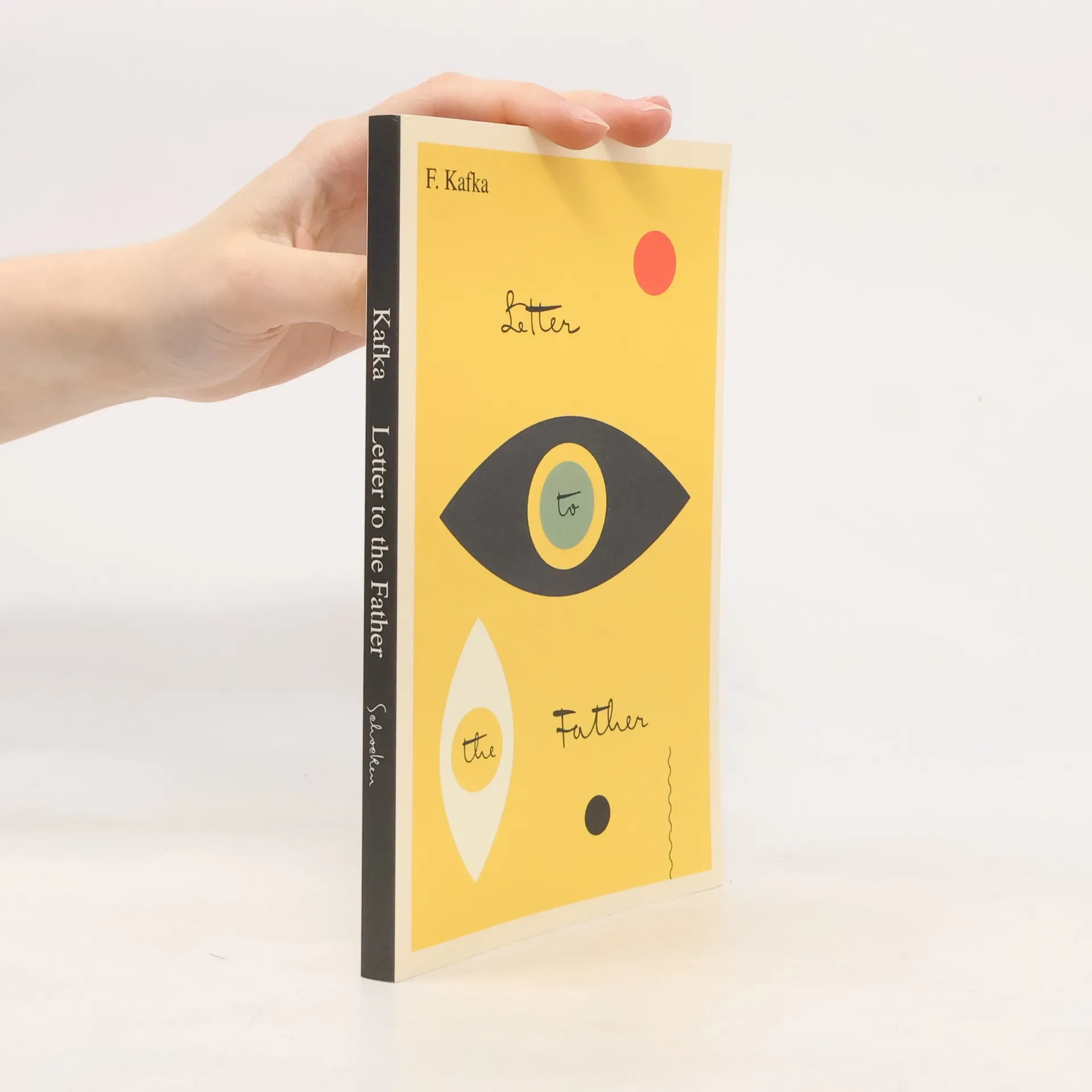
Knulp: Tri príbehy z Knulpovho života
- 104 stránok
- 4 hodiny čítania
Hrdinom Hesseho románu je tulák a zároveň spevák Knulp, človek vykoľajený, ktorý sa k ničomu nedopracoval a nevie sa zaradiť do poriadku ostatných občanov. Tento romantický "simplicissimus", ktorý sa na svojich potulkách usiluje vyhrávaním a spevom urobiť radosť iným, skrýva vo svojej čistej a naivnej duši ešte iného Knulpa, samotára, človeka bez domova, ktorému bolo súdené túlať sa a nikde nezakotviť. Voľnosť a romantickú neviazanosť musel však draho zaplatiť - zrieknutím sa rodinného šťastia. Knulp nie je spokojný so svojím údelom. Tuláctvo zavinila nešťastná láska. Bieda a nedostatok mu podlomili zdravie. Ochorel na tuberkulózu na konci života, zoči voči smrti, keď v snehovej fujavici úplne vyčerpaný blúdil lesom, trápila ho už len otázka, či jeho život nebol predsa len omylom, ako mu to vraveli ostatní občania a počestní remeselníci. V postave Knulpa je obsiahnutá štipka samého autora. Hesse totiž nebol spokojný sa životom usadlíka v Gaienhofene. Necítil sa dobre v uzavretom rodinnom prostredí, a preto túžil po cestovaní, po poznaní nových krajín a nových ľudí.
I Nuovi Best-Seller Newton: La grande rapina di Nizza
- 190 stránok
- 7 hodin čítania
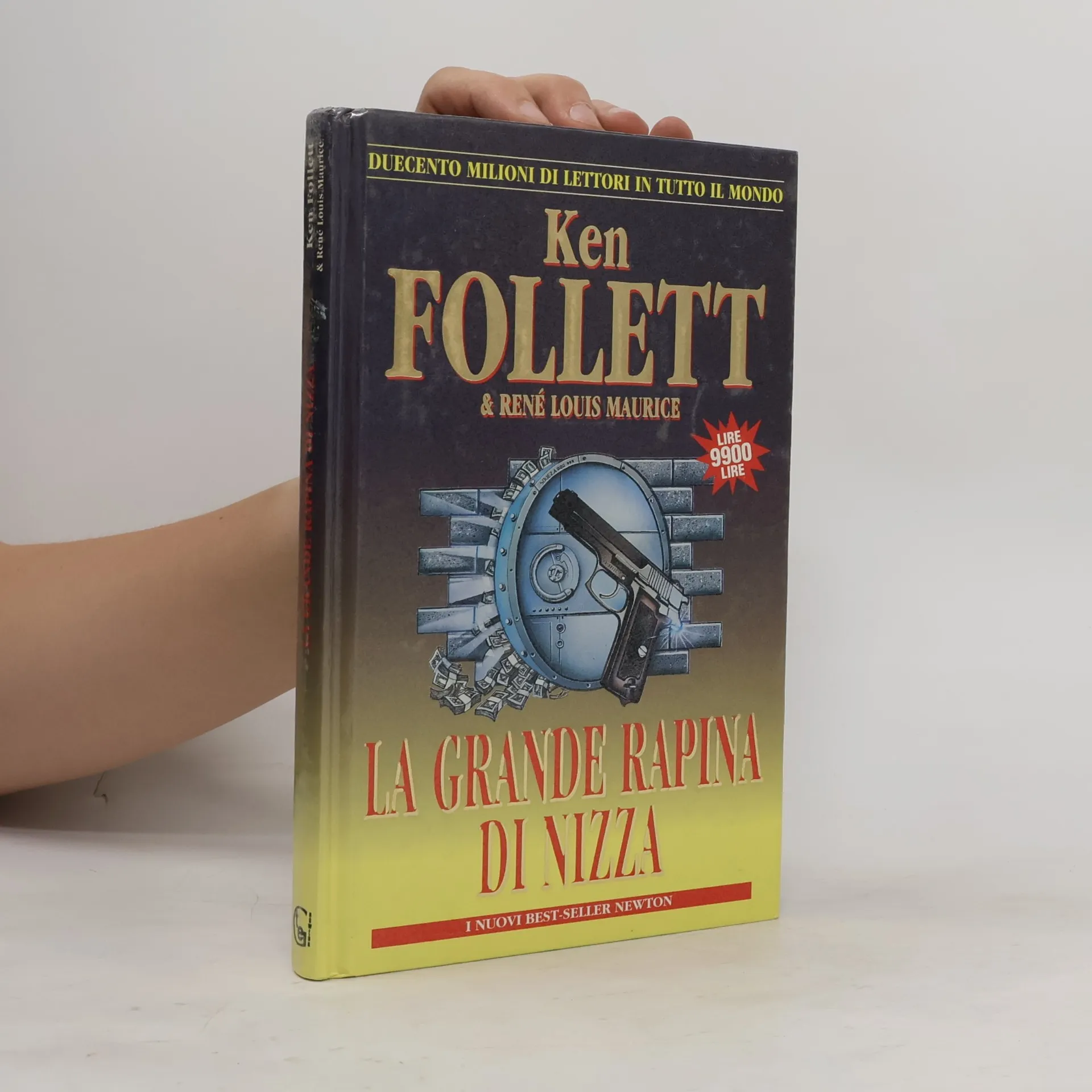
Il libro è una ricostruzione delle vicende connesse con la grande rapina di Nizza, portata a termine ai danni della filiale nizzarda della banca Société Générale da una banda di malviventi capeggiati da Albert Spaggiari. La "grande rapina" fu definita tale per l'ammontare del maltolto (circa cento milioni di franchi dell'epoca) e per le modalità, dal momento che i ladri penetrarono nel caveau della banca tramite una galleria scavata a partire da alcuni cunicoli fognari cittadini.
Klingsorovo posledné leto
- 182 stránok
- 7 hodin čítania
Poviedka Klingsorovo posledné leto vyšla prvý raz v roku 1920 a Hesse ju napísal pod dojmom udalostí leta 1919, kedy sa zoznámil zo svojou druhou manželkou Ruth Wengerovou (objavuje sa v knihe ako Kráľovná hôr). Táto maliarska poviedka je jedným z najfarbistejších Hesseho textov a je plná jeho priateľov i lások. Je to snáď najhedonistickejší autorov text, ale nielen preto sa Hesseho znalci k nej stále vracajú a identifikujú ju ako expresionistickú. Hlavný hrdina - maliar Klingsor (Hesse) cíti blízkosť smrti a žije veľmi intenzívne, vychutnáva radosti života v kruhu priateľov a tvorí svoje najlepšie diela... Toto vydanie obsahuje viaceré bonusy: tri básne týkajúce sa Klingsora z neskoršieho obdobia, Hesseho text z roku 1938 Spomienka na Klingsorovo leto, 15 autorových akvarelov, ktoré vybral Silver Hesse - vnuk a správca autorovej pozostalosti. Okrem toho kniha obsahuje aj štúdiu pani Bärbel Reetz (autorka monografie Hesseho ženy), ktorú napísala priamo pre slovenské vydanie a fundovaný doslov germanistu Ladislava Šimona Vášeň v tieni zániku.
Casanova's Homecoming
- 108 stránok
- 4 hodiny čítania
In his fifty-third year, Casanova grapples with the restlessness of approaching old age, contrasting his past adventurous spirit with a deep yearning for his birthplace, Venice. This longing manifests as a metaphorical descent, likened to a wounded bird, as he finds himself increasingly drawn back to the city he once knew. The narrative explores themes of nostalgia and the inevitable passage of time, capturing the tension between his vibrant past and the quieter present.
Hermann Lauscher
- 155 stránok
- 6 hodin čítania
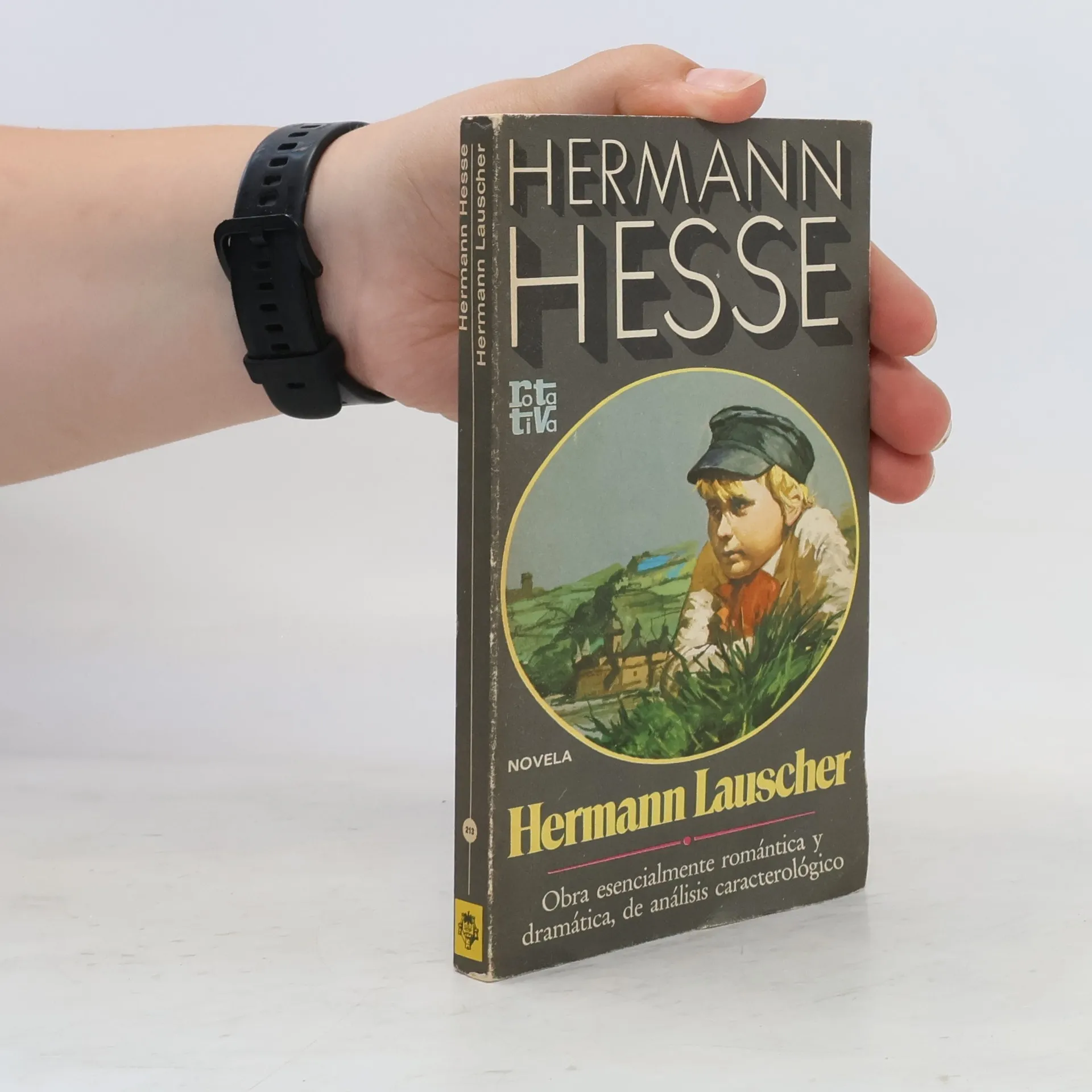
Hermann Lauscher, written by Hesse at the age of twenty, can be seen as a form of "self-discovery." In the preface to its first edition, Hesse reflects on the mystery of the texts within Hermann Lauscher, noting that the name is introduced to the public for the first time. The writings of Lauscher, published under a foreign name, are well-known to a limited audience. Hesse laments that the author, who has since passed away, has forbidden him from revealing his secrets or claiming the writings published before his death. He expresses that "bitter understanding is better than ignorance," and those who embark on the perilous path of self-observation and confession must bear the consequences, however unexpected or sorrowful. Over the years, whenever Hesse revisits Lauscher, he encounters passages he wishes to discard or alter, such as youthful, arrogant, foolish remarks about Tolstoy at the beginning of the diary. Yet, he feels he has no right to distort his youthful portrait.
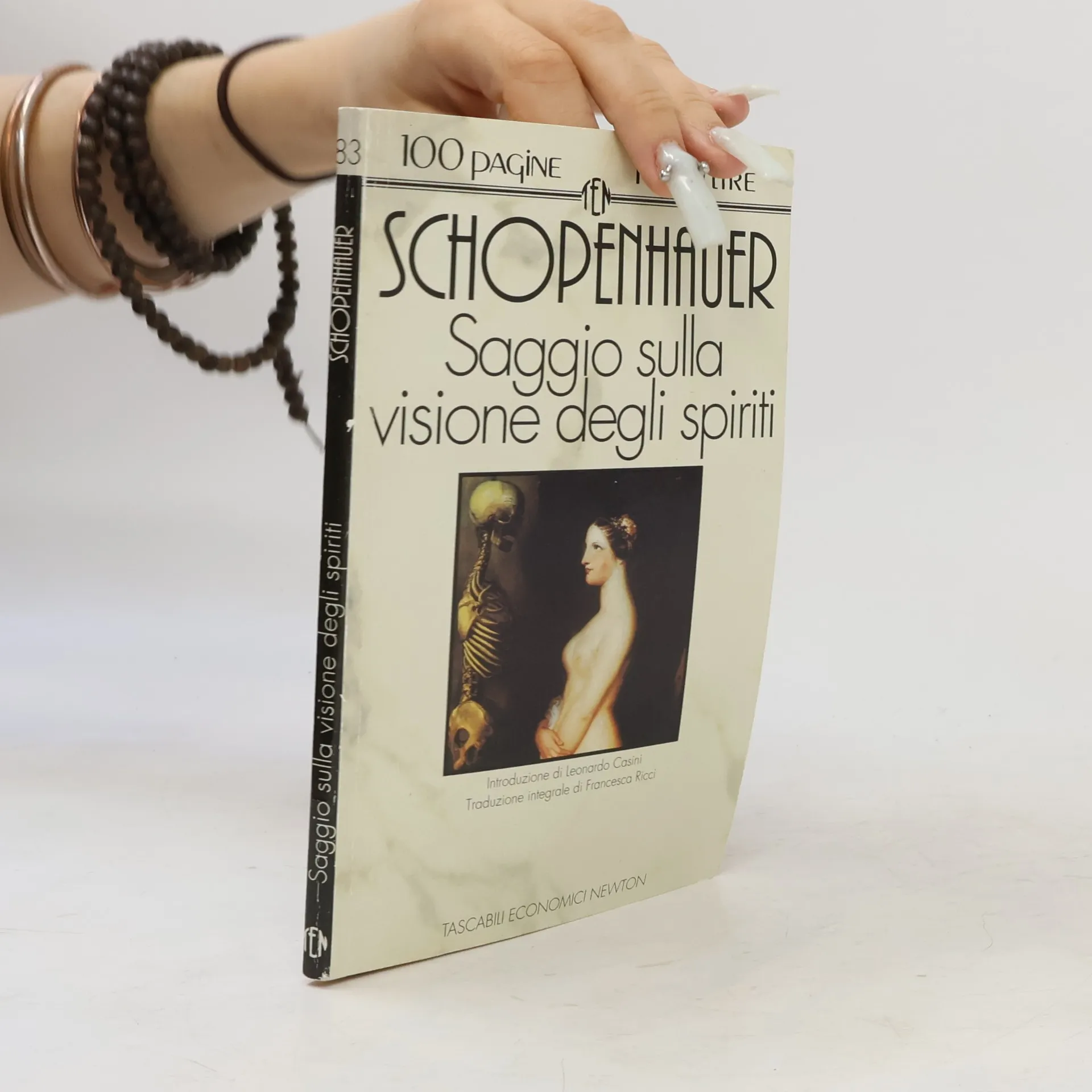
La possibilità di comunicare con gli spiriti dei defunti, le loro apparizioni, vere o presunte, hanno sempre colpito e affascinato l’immaginazione degli uomini: qualora le loro manifestazioni fossero vere e credibili, solleverebbero un lembo del velo del mistero che circonda sia il nostro destino terreno che la nostra condizione dopo la morte. In questo breve e suggestivo saggio Arthur Schopenhauer sviscera a fondo l’argomento ed espone le sue teorie in proposito con la profondità e insieme la chiarezza espositiva e l’eleganza dello stile per le quali è famoso. La fusione di razionalità moderna e di profondo rispetto per il mistero rendono questo saggio un gioiello prezioso e unico nella storia del pensiero occidentale. «Magnetismo animale, cure per simpatia, magia, seconda vista, sognare il vero, visioni di spiriti e visioni d’ogni genere sono fenomeni affini, rami di uno stesso albero, e indicano in modo sicuro e imprescindibile un nesso fra gli esseri fondato su un ordine delle cose totalmente differente da quello costituito dalla natura, la quale si basa sulle leggi dello spazio, del tempo e della causalità.»
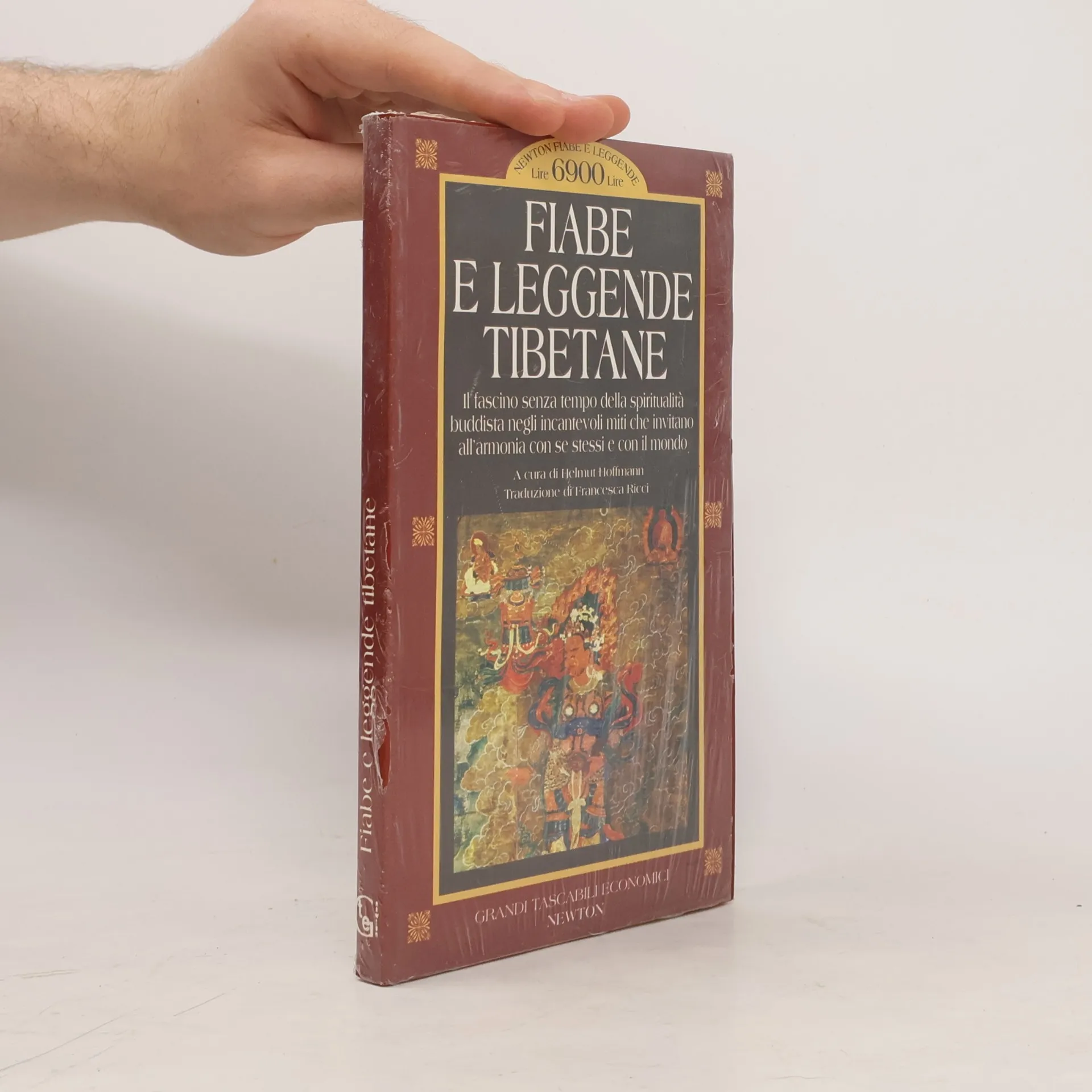
Grandi Tascabili Economici: Fiabe e leggende tibetane
- 192 stránok
- 7 hodin čítania