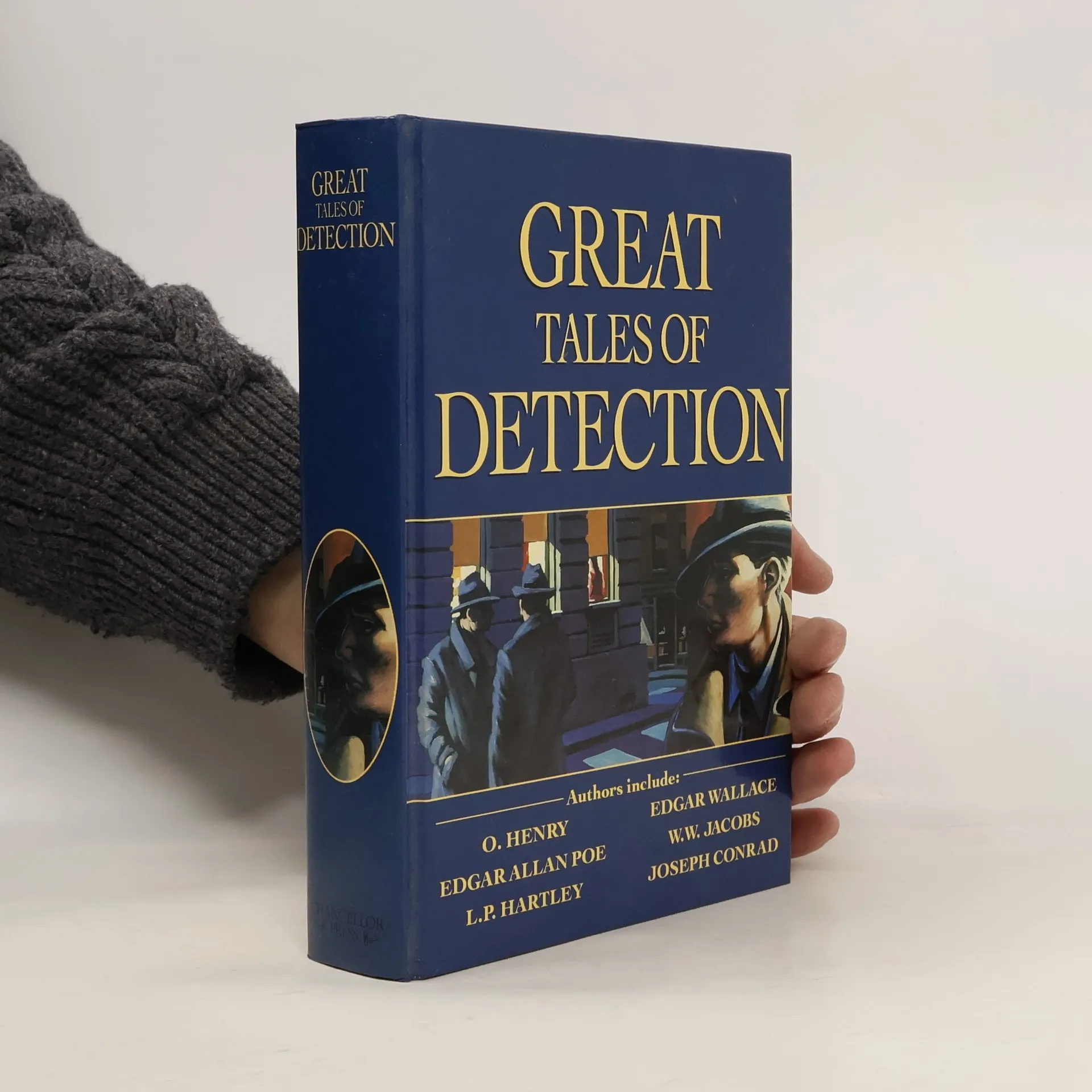
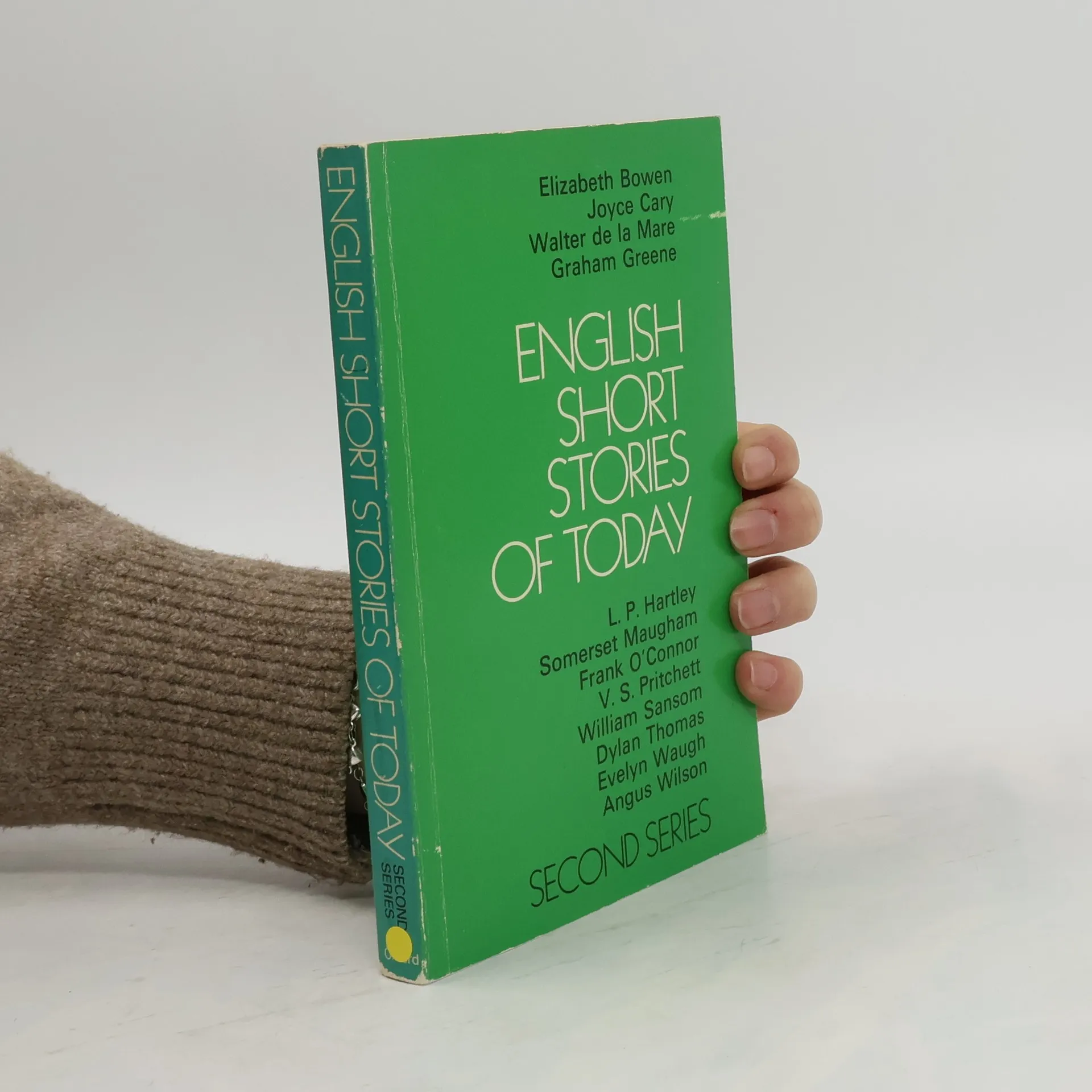
The story explores the evolving relationship between Fergus, a bookish teenager, and Fred, his father's rugged chauffeur, as they bond through boxing lessons. Initially intended to toughen Fergus up, their time together unexpectedly blossoms into a deep friendship, hinting at romantic feelings. This unexpected connection challenges the Colonel's perceptions of masculinity and reveals the complexities of identity and emotional growth in a young man navigating his self-worth.
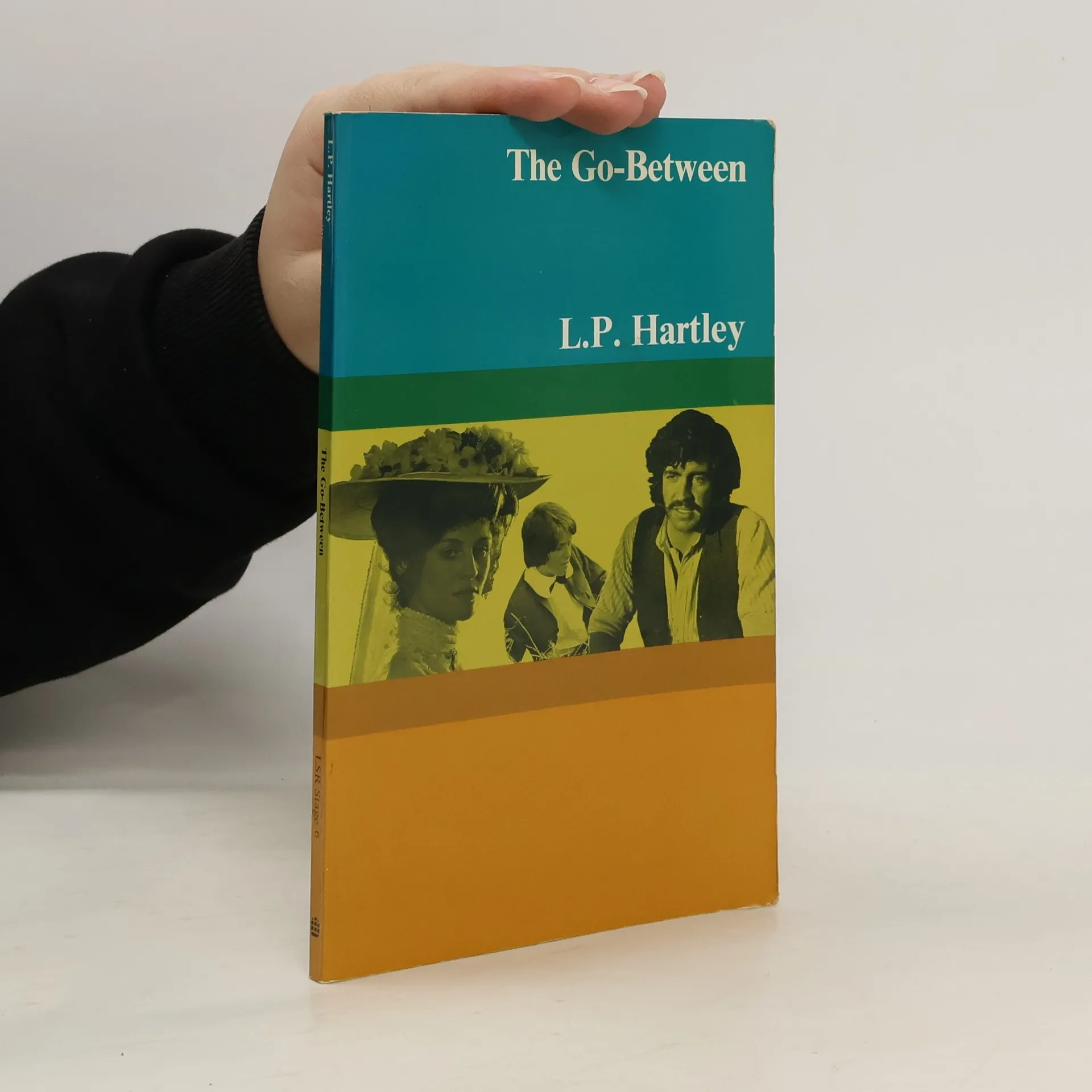
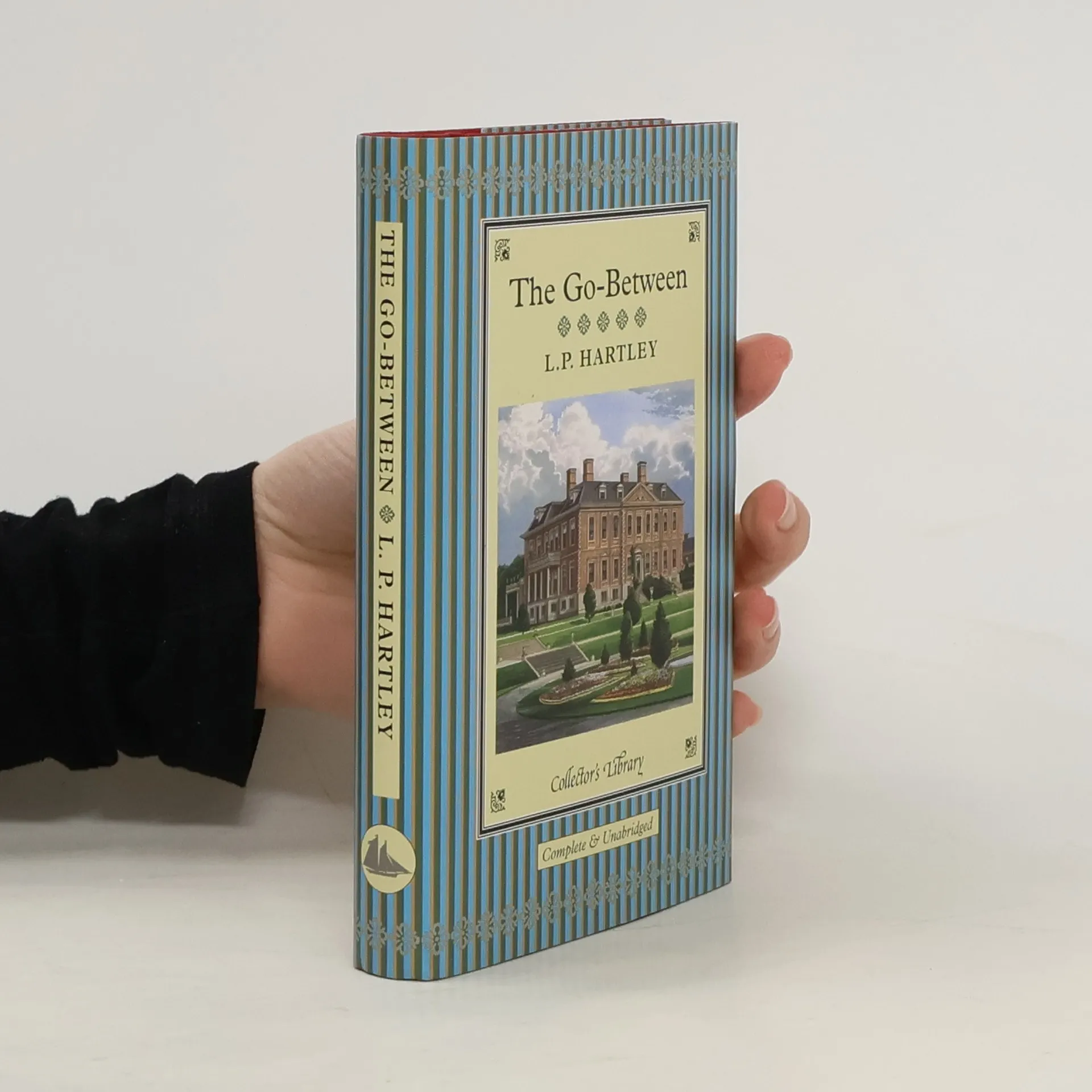
L.P. Hartley's poignant exploration of a young boy's loss of innocence is presented in this edition, edited by Douglas Brooks-Davies. Set during a long, hot summer, young Leo stays with a school-friend at Brandham Hall, where he becomes a messenger between Ted, a farmer, and Marian, a beautiful young woman. As he becomes increasingly entangled in their dangerous game of deceit and desire, Leo faces a shocking and premature revelation about the adult world. This haunting narrative captures the awakening of a boy to the secrets of adulthood while vividly evoking the boundaries of Edwardian society. Leslie Poles Hartley (1895-1972), born in Whittlesey, Cambridgeshire, was educated at Harrow and Balliol College, Oxford. He was a prolific fiction reviewer for over thirty years and gained recognition with his novel Eustace and Hilda (1947), which won the James Tait Black prize. His works include the acclaimed The Go-Between (1953), later adapted into a successful film, and The Hireling (1957), which won the Palme d'Or at Cannes. Readers who appreciated this work may also enjoy Barry Hines's A Kestrel for a Knave. The narrative is described as "magical and disturbing," with layers of poignancy that deepen upon revisiting.
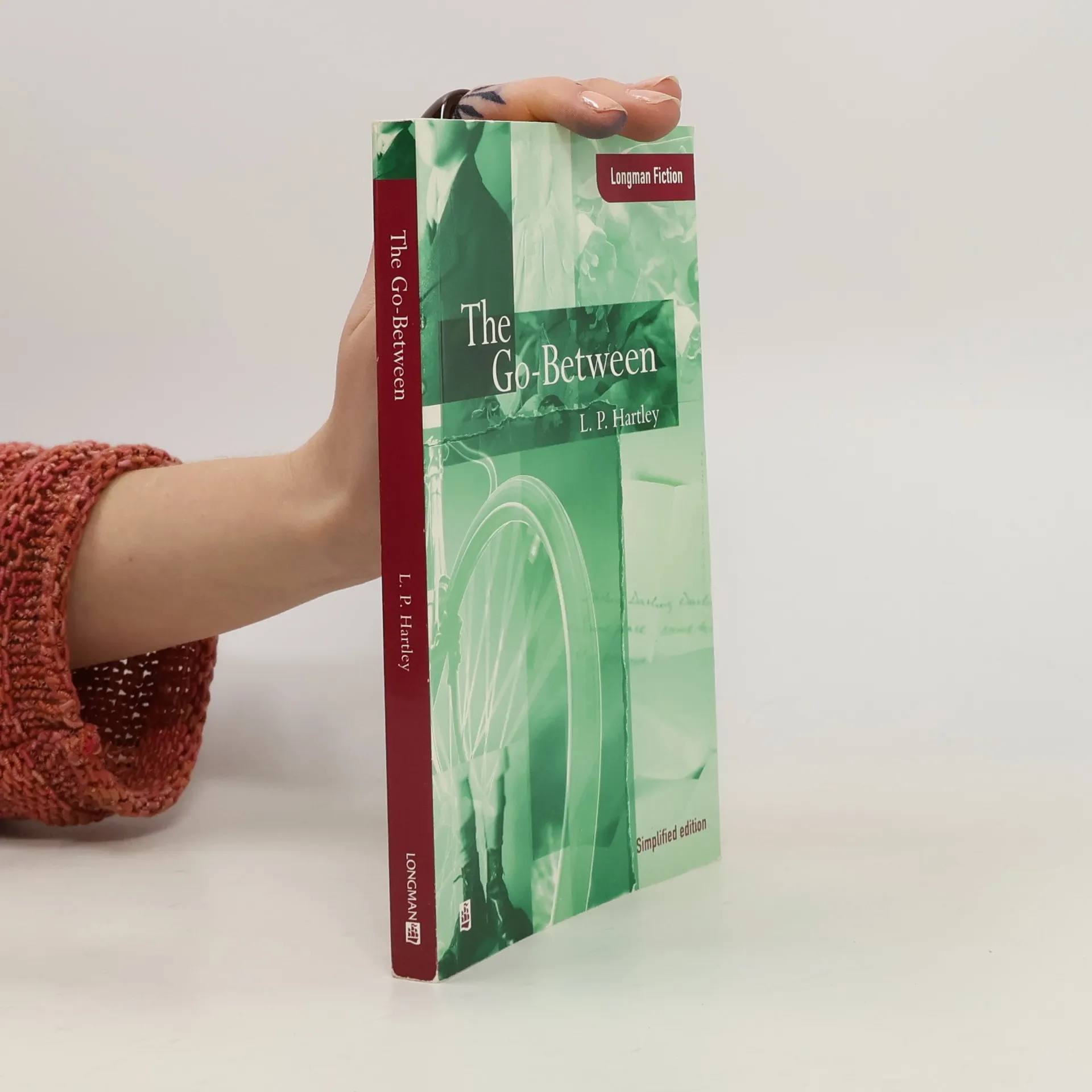
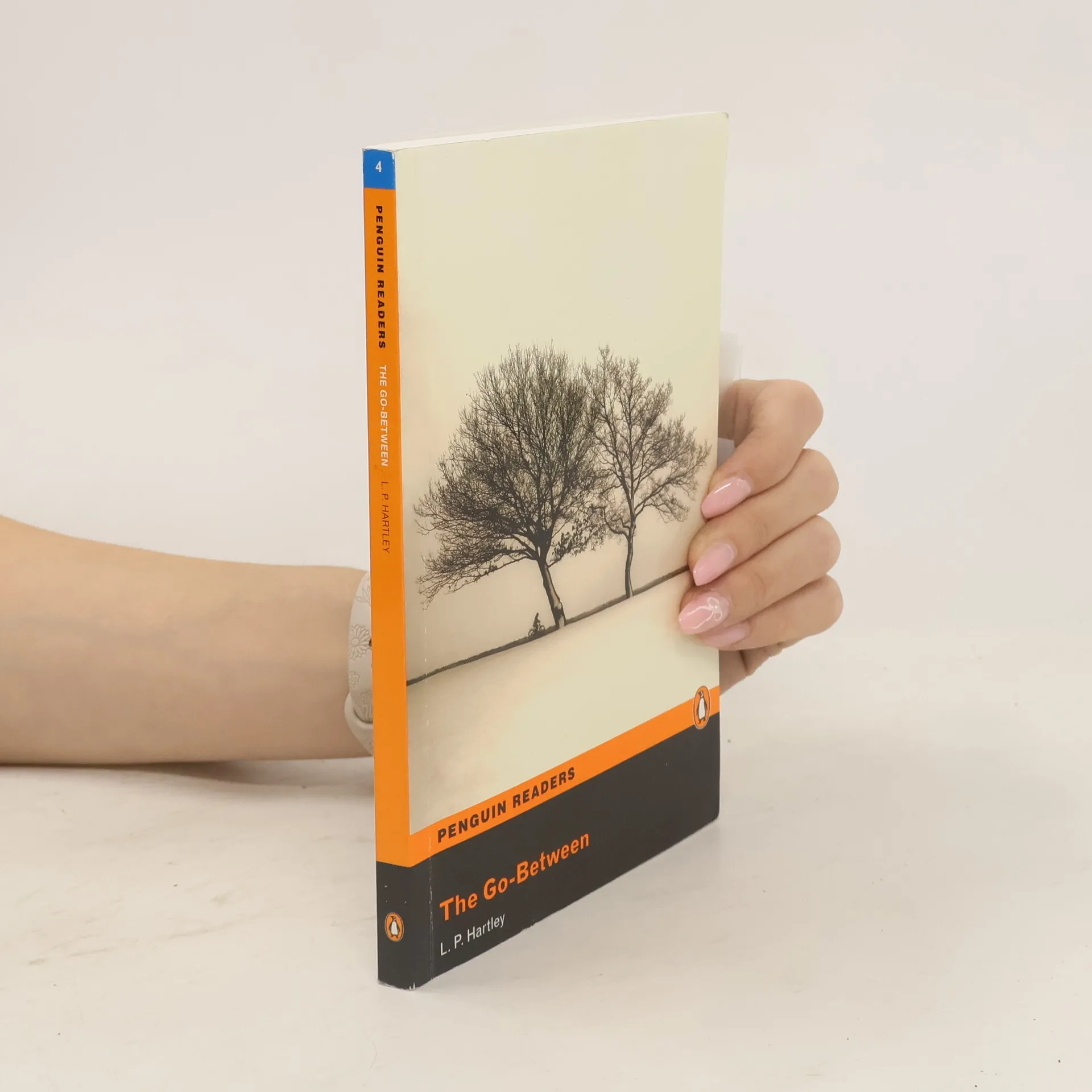
It is the summer of 1900 and Leo is staying with his friend Marcus. Leo likes
Marcus’s beautiful older sister very much. To make her happy, he becomes a
secret messenger for her and a local farmer. But then he realises what their
messages are about, and his whole life begins to change. Penguin Readers are
written by specialist ELT authors. The language, vocabulary, style and content
of every book is carefully graded to make sure it suits the learner's own
language ability. Every Penguin Reader has a range of activities in the book
and accompanying Factsheet to help increase comprehension and develop reading,
writing, listening and speaking skills.
It is the summer of 1900 and Leo is staying with his friend Marcus. Leo likes Marcus's beautiful older sister, Marian very much. He becomes a secret messenger for her and a local farmer. But when he realizes what the messages they send each other are about, he is shocked and confused.
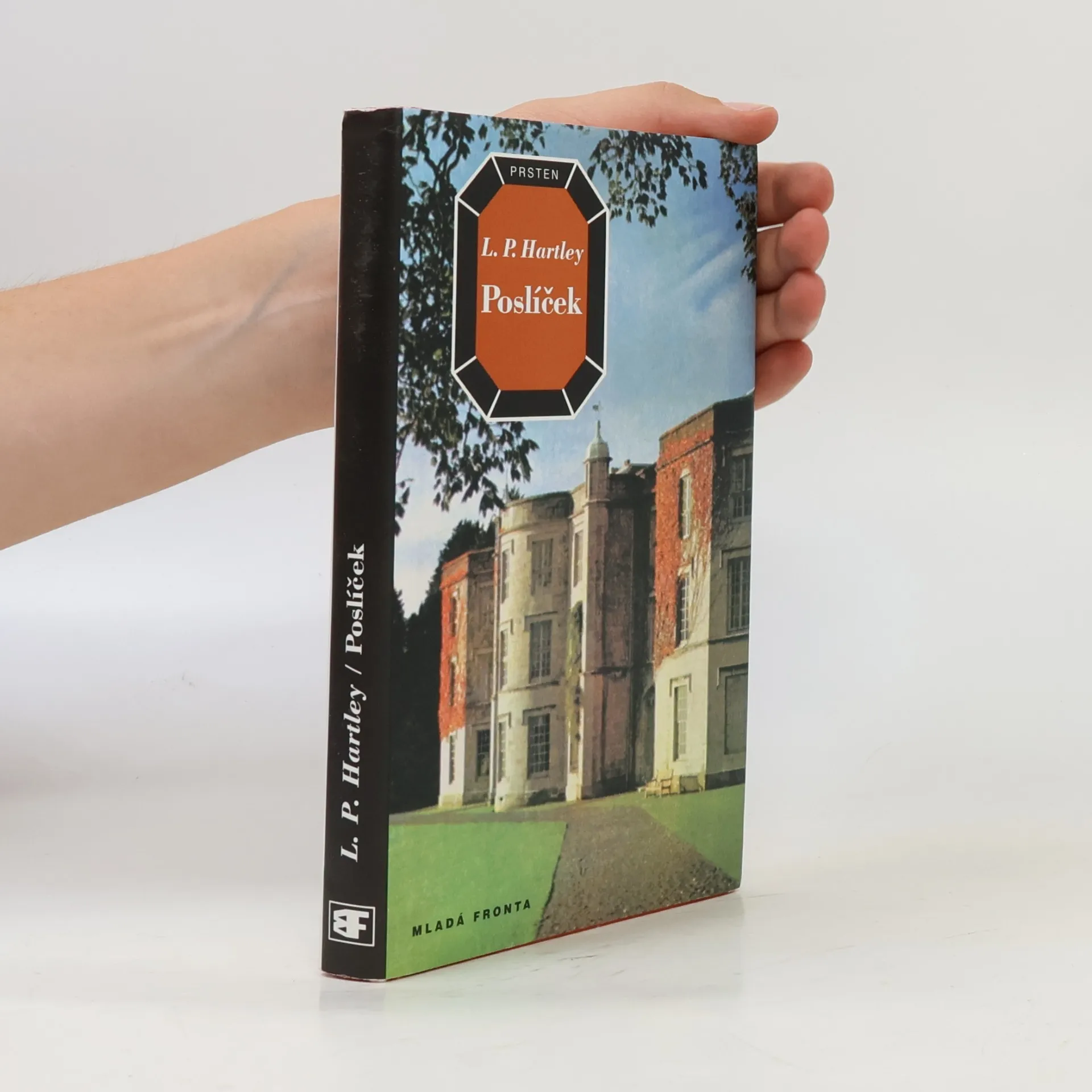
V románu Poslíček vzpomíná šedesátiletý muž Leo Colston na horké léto roku 1900, kdy byl jako dvanáctiletý chlapec pozván na panství Brandham v Norfolku, aby strávil prázdniny se svým bohatým spolužákem Marcusem. Bezstarostný čas dětskách her však navždy přeruší Marcusoca sestra Marian, jejímuž kouzlu Leo propadne a je pro ni ochoten udělat cokoliv. Marian toho využije a uděla si z něho poslíčia, spojku doručující psaníčka mezi ní, dívkou z vyšší společnosti, a Tedem Burgessem, pachtýřem nedaleké Černé farmy. Leo krásné Mariant ochotně slouží, aniž by tušil, co v listech stojí. Jednou to však náhodou zjistí...
L.P. Hartley's poignant exploration of a young boy's loss of innocence is brought to life in this modern classic, edited with an introduction and notes by Douglas Brooks-Davies. Set during a long, hot summer, young Leo stays with a school-friend at Brandham Hall, where he becomes a messenger between Ted, a farmer, and Marian, a captivating young woman. As Leo becomes more entangled in their dangerous game of deceit and desire, he faces a shocking and premature revelation about the adult world. This haunting narrative captures the essence of a boy's awakening to the secrets of adulthood while vividly depicting the constraints of Edwardian society. Leslie Poles Hartley (1895-1972), born in Whittlesey, Cambridgeshire, and educated at Harrow and Balliol College, Oxford, was a prolific fiction reviewer for various periodicals for over thirty years. His first book, a collection of short stories, was published in 1924, but he gained widespread acclaim with Eustace and Hilda in 1947, which won the James Tait Black prize. His notable works include this novel, adapted into a successful film, and The Hireling, which won the Palme d'Or at Cannes. Readers who appreciate this work may also enjoy Barry Hines's A Kestrel for a Knave. The narrative is described as both "magical and disturbing," with layers of poignancy revealed upon revisiting.
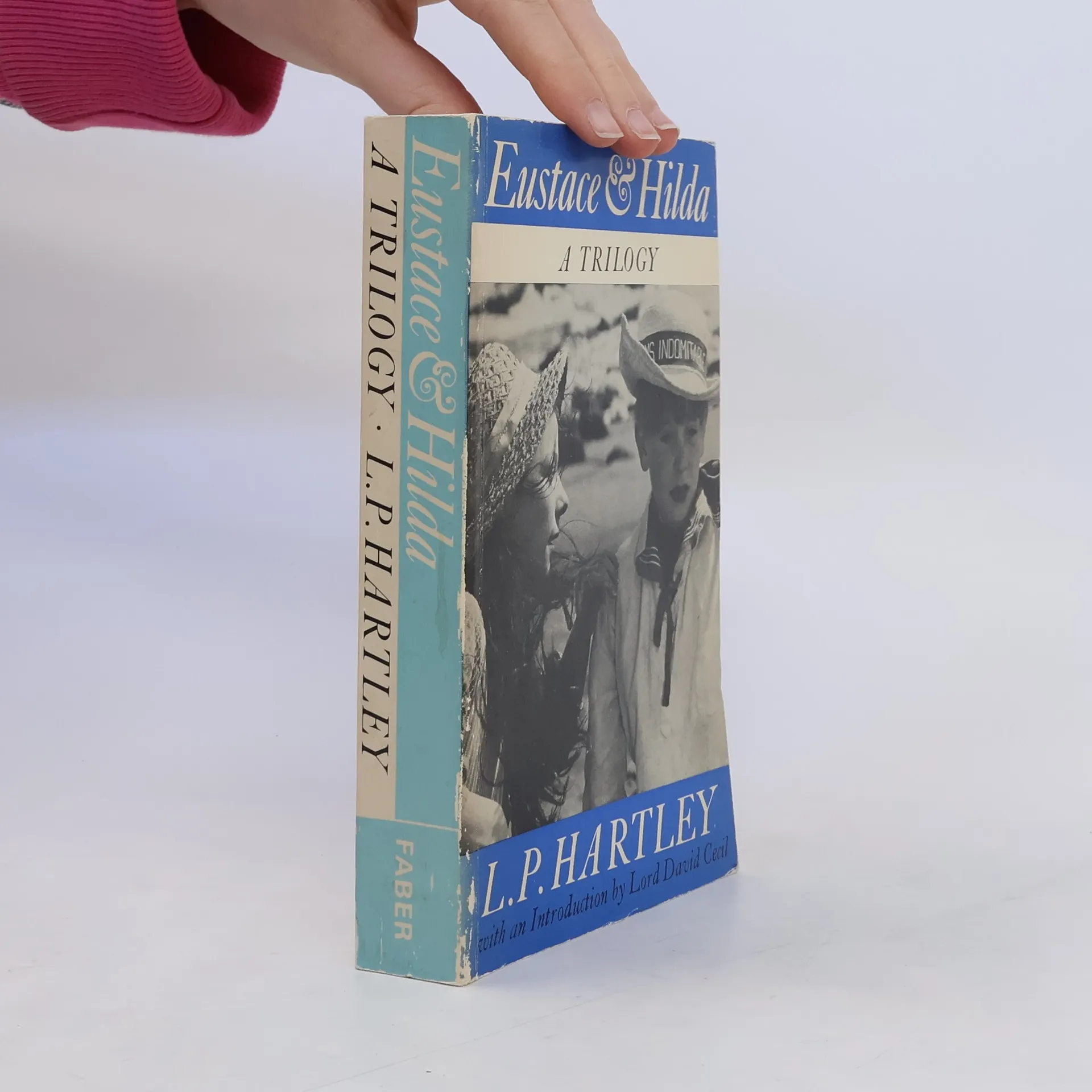
The three books gathered together as Eustace and Hilda explore a brother and sister's lifelong relationship. Hilda, the older child, is both self-sacrificing and domineering, as puritanical as she is gorgeous; Eustace is a gentle, dreamy, pleasure-loving boy: the two siblings could hardly be more different, but they are also deeply devoted. And yet as Eustace and Hilda grow up and seek to go their separate ways in a world of power and position, money and love, their relationship is marked by increasing pain. L. P. Hartley's much-loved novel, the magnum opus of one of twentieth-century England's best writers, is a complex and spellbinding work: a comedy of upper-class manners; a study in the subtlest nuances of feeling; a poignant reckoning with the ironies of character and fate. Above all, it is about two people who cannot live together or apart, about the ties that bind--and break.
[Penguin Readers Level 4] In the summer of 1900, Leo stays with his friend, Marcus. He finds himself falling in love with Marcus's beautiful older sister and, in consequence, agrees to become the "go-between" for her and the local farmer - a relationship that her parents know nothing about. This secret leads to trouble and by the end of the holiday Leo's childhood is over.
Emotionally paralyzed by grief at her husband's death, Lady Franklin, an eligible young widow, unburdens herself to Leadbitter--a gallant, hard-bitten ex-soldier who has invested his savings, and himself, in the car he drives for hire--as he takes her on a series of journeys. He in turn beguiles her with stories of his nonexistent wife and children thereby weaning her from her self-absorption, but creating for himself a dreamlife with Lady Franklin at the heart of it. Half-hoping to make his dream come true, Leadbitter takes a bold step which costs him her company and brings the story to a dramatically unexpected end. "The Hireling" was made into a 1973 film starring Sarah Miles and Robert Shaw.