Michael Henry Heim bol plodným prekladateľom, ktorý hlboko rozumel nuansám slovanských jazykov. Jeho práca sa vyznačovala precíznosťou a citom pre zachovanie pôvodného autorského hlasu. Prekladal z viacerých jazykov, čím obohacoval literárnu krajinu a približoval diela širšiemu publiku. Jeho odkaz spočíva v mostoch, ktoré vybudoval medzi kultúrami prostredníctvom literatúry.
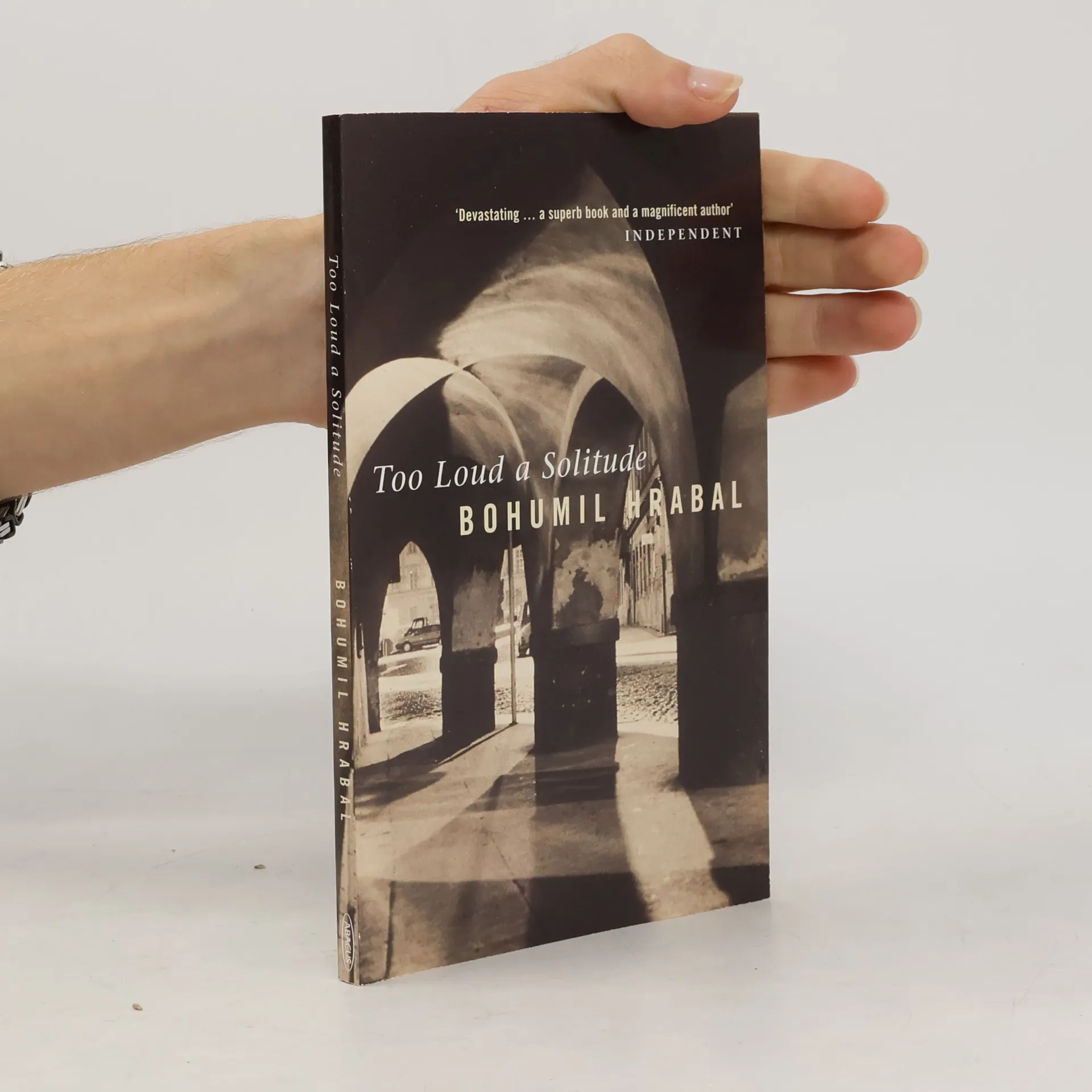
This parable of censorship and the modern state centers on Hanta, a trash collector whose habit of salvaging and reading discarded books has brought him both the richness of the classics and the ridicule of his boss
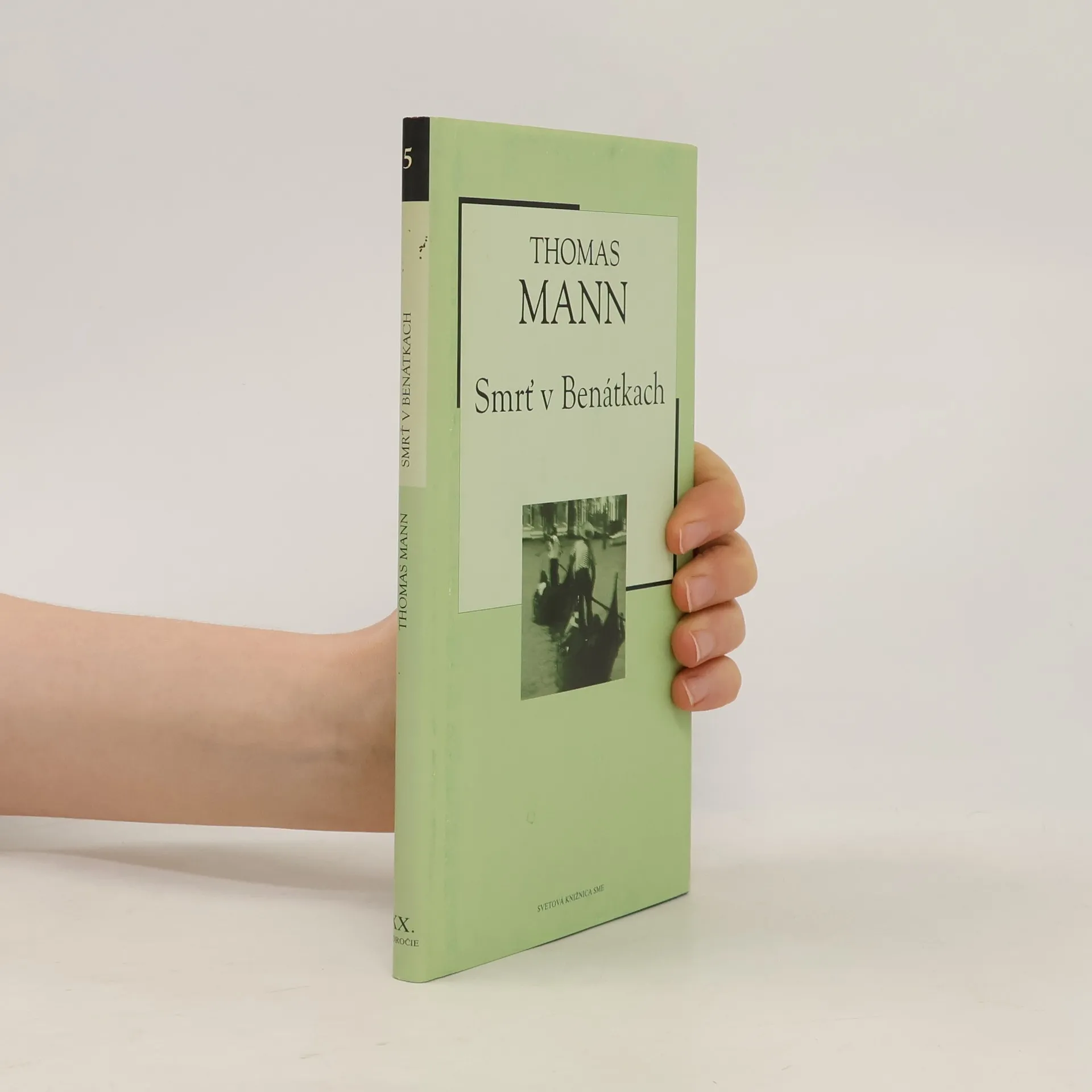
Najznámejšia novela Thomasa Manna zachytáva vznik a vývin pustošivého, bezvýchodiskového citu, ktorý uzatvára smrť, nakoniec predstavujúca vykúpenie. Sám autor ju charakterizoval ako „príbeh o rozkoši zo zániku“. Úspešný starnúci spisovateľ Gustav von Aschenbach sa nečakane rozhodne stráviť leto v Benátkach. Ubytuje sa na Lide, kde jeho pozornosť upúta krásny poľský chlapec Tadzio. Keď v meste vypukne epidémia cholery, Aschenbach zvažuje odchod, no jeho fascinácia chlapcom je silnejšia než pud sebazáchovy, a tak kvôli Tadziovi ostáva. V deň Tadziovho odchodu Aschenbach zomiera, pozorujúc na pláži objekt svojej trýznivej lásky.
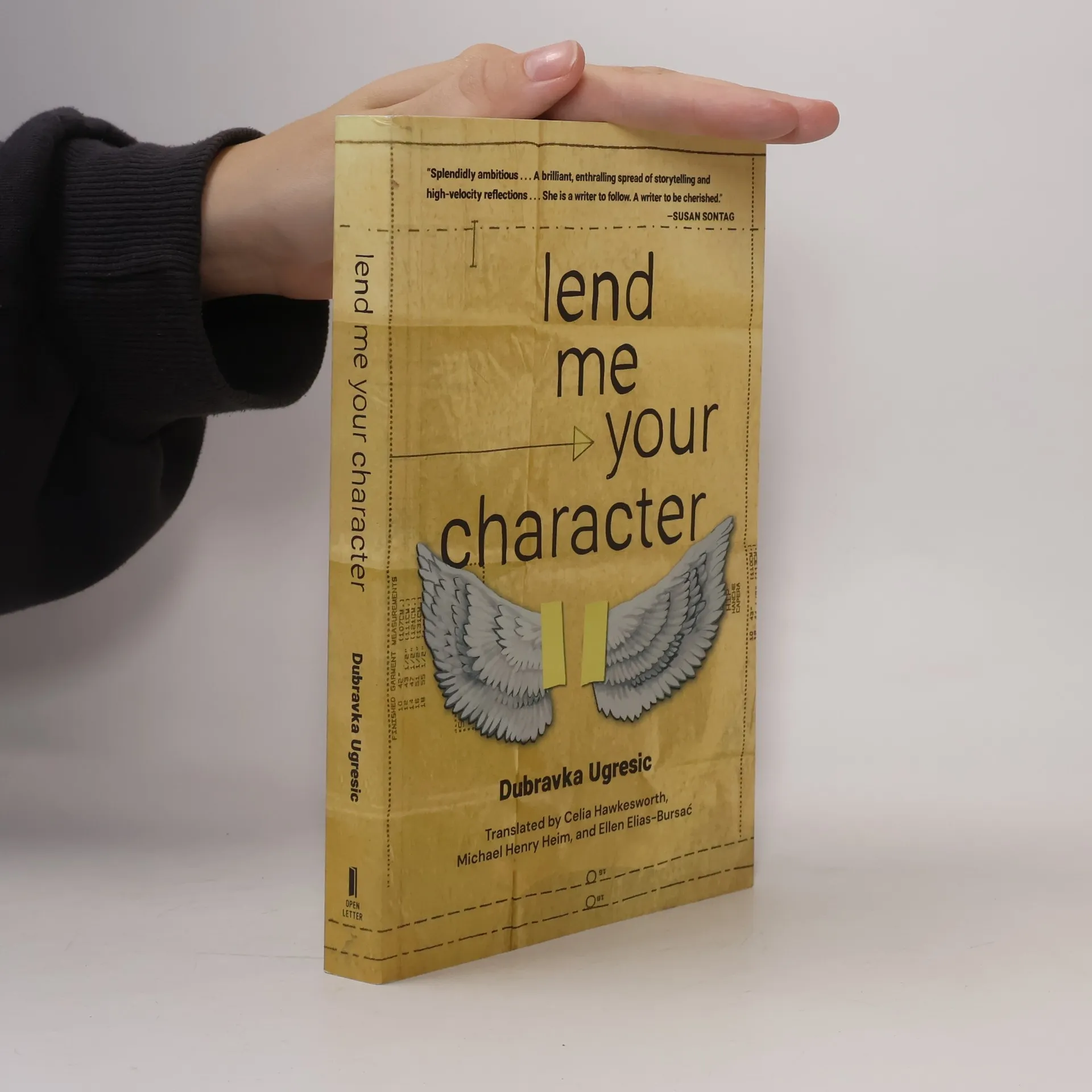
The pieces collected in Lend Me Your Character—the novella "Steffie Cvek in the Jaws of Life" and a collection of short stories entitled Life Is a Fairy Tale— solidify Dubravka Ugresic's reputation as one of Eastern Europe's most playful and inventive writers. From the story of Steffie Cvek, a harassed and vulnerable typist whose life is shaped entirely by clichés as she searches relentlessly for an elusive romantic love in a narrative punctuated by threadbare advice from women's magazines and constructed like a sewing pattern, to "The Kharms Case," one of Ugresic's funniest stories ever about the strained relationship between a persistent translator and an unresponsive publisher, the pieces in this collection are always smart and endlessly entertaining.
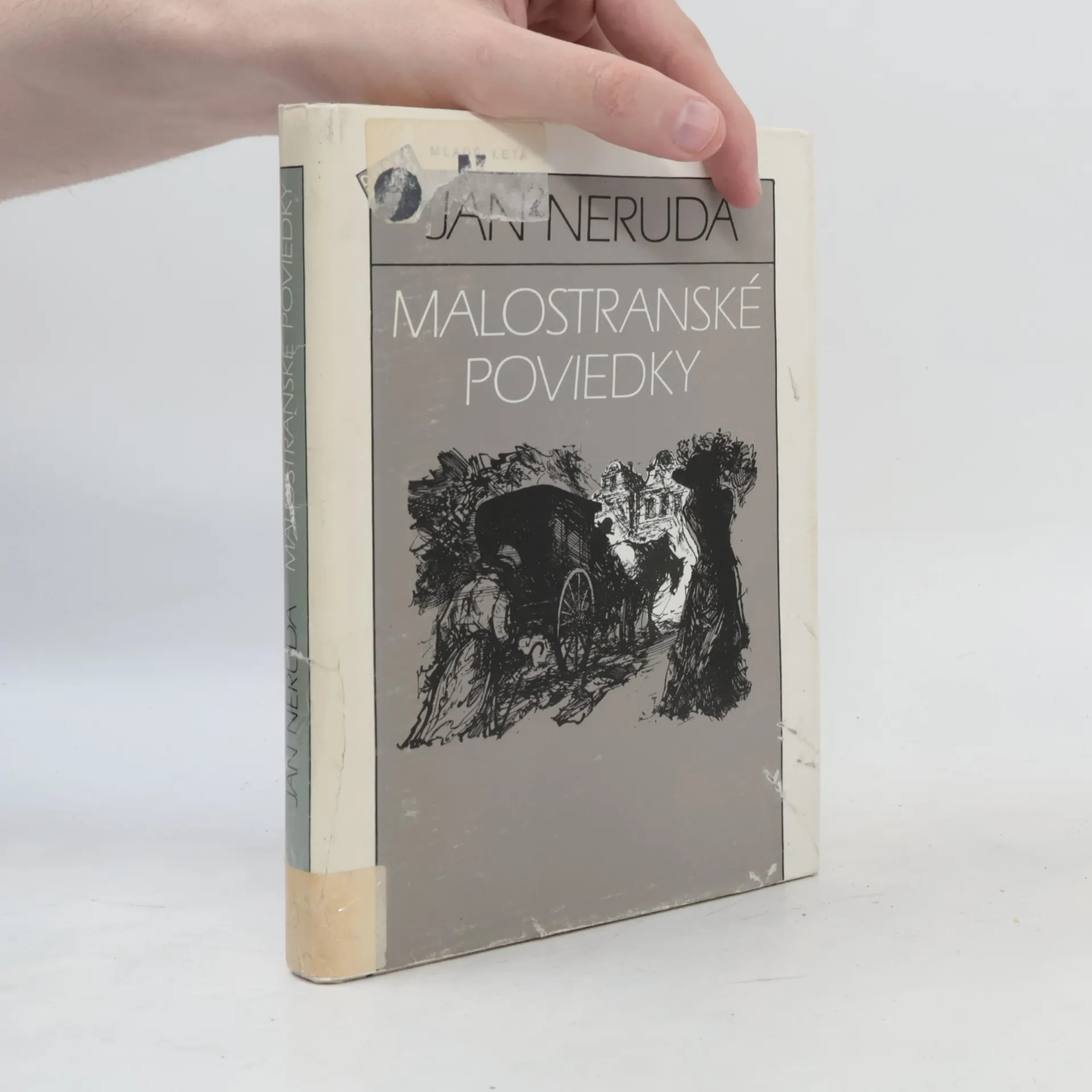
Nerudovy povídky jsou dnes již považované za klasickou literaturu. Jednoduché příběhy s brilantní pointou, mistrně prokreslené postavy lidí dobrých i zlých, zápletky a situace, které píše sám život - to je dílo spisovatele, jehož odkaz nestárne. Kniha je jedinečná autorovým hlubokým pochopením pro nelehký osud drobných figurek svérázné pražské čtvrti, v níž Neruda dlouhá léta žil a jejíž neopakovatelnou atmosféru vykreslil s nebývalou přesvědčivostí.
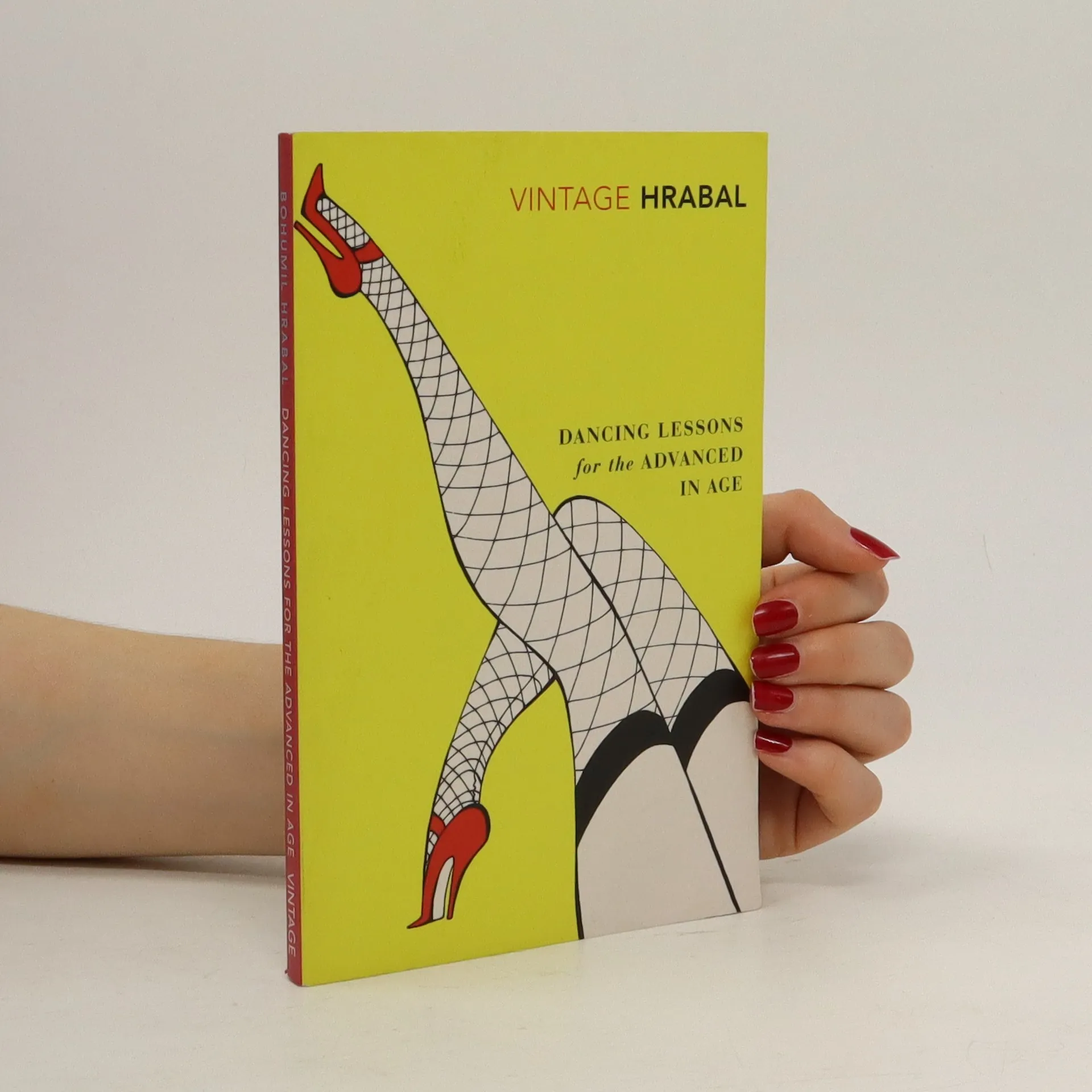
Rake, drunkard, aesthete, gossip, raconteur extraordinaire: the narrator of Bohumil Hrabal’s rambling, rambunctious masterpiece Dancing Lessons for the Advanced in Age is all these and more. Speaking to a group of sunbathing women who remind him of lovers past, this elderly roué tells the story of his life—or at least unburdens himself of a lifetime’s worth of stories. Thus we learn of amatory conquests (and humiliations), of scandals both private and public, of military adventures and domestic feuds, of what things were like “in the days of the monarchy” and how they’ve changed since. As the book tumbles restlessly forward, and the comic tone takes on darker shadings, we realize we are listening to a man talking as much out of desperation as from exuberance. Hrabal, one of the great Czech writers of the twentieth century, as well as an inveterate haunter of Prague’s pubs and football stadiums, developed a unique method which he termed “palavering,” whereby characters gab and soliloquize with abandon. Part drunken boast, part soul-rending confession, part metaphysical poem on the nature of love and time, this astonishing novel (which unfolds in a single monumental sentence) shows why he has earned the admiration of such writers as Milan Kundera, John Banville, and Louise Erdrich.
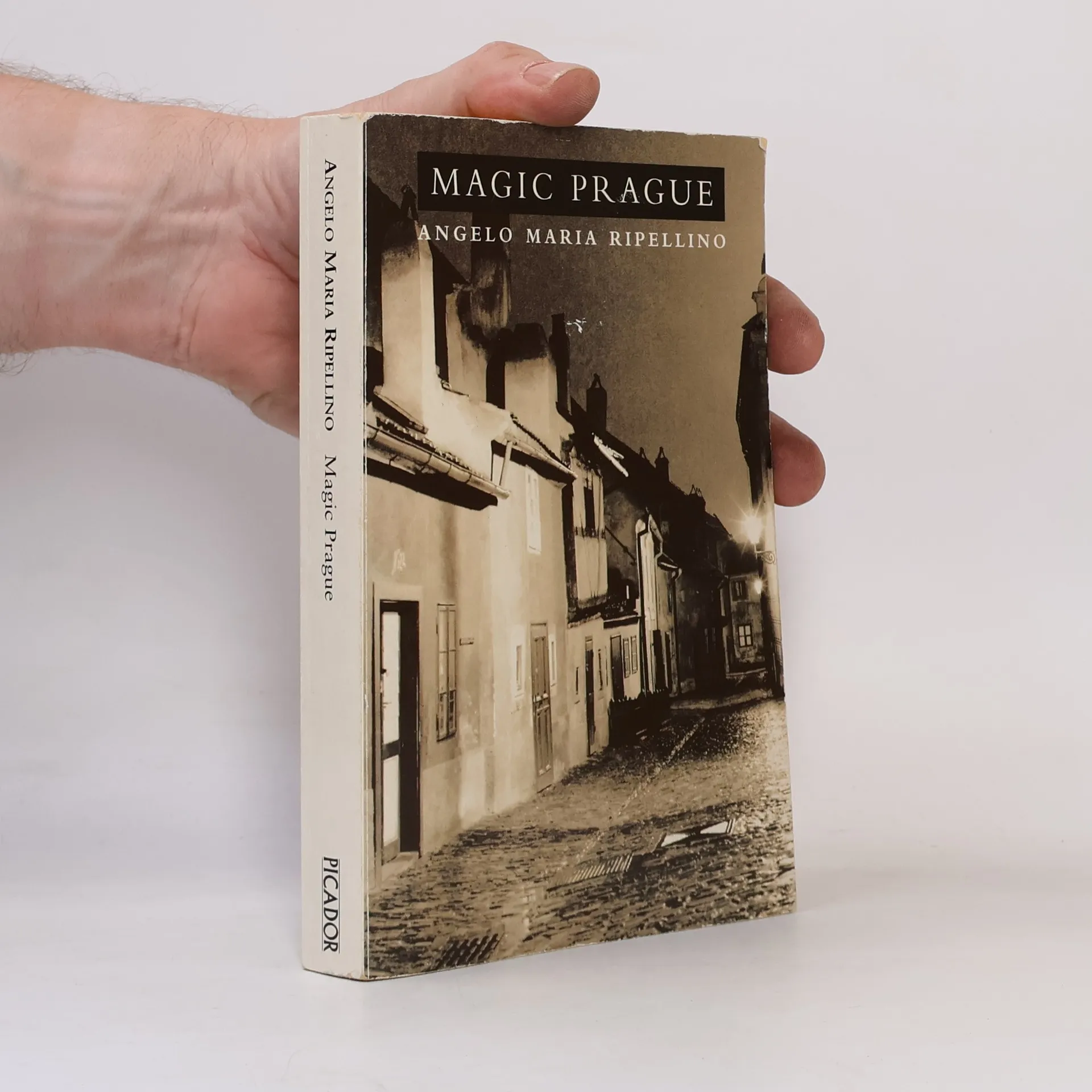
Attempting to go beyond the cliche of Prague as the golden city , this book brings out all its mystery, ambiguity, gloom, lethargy and hidden fascination. More than a literary and cultural history of Prague, this book seeks to be both a celebration and requiem for an oppressed culture.
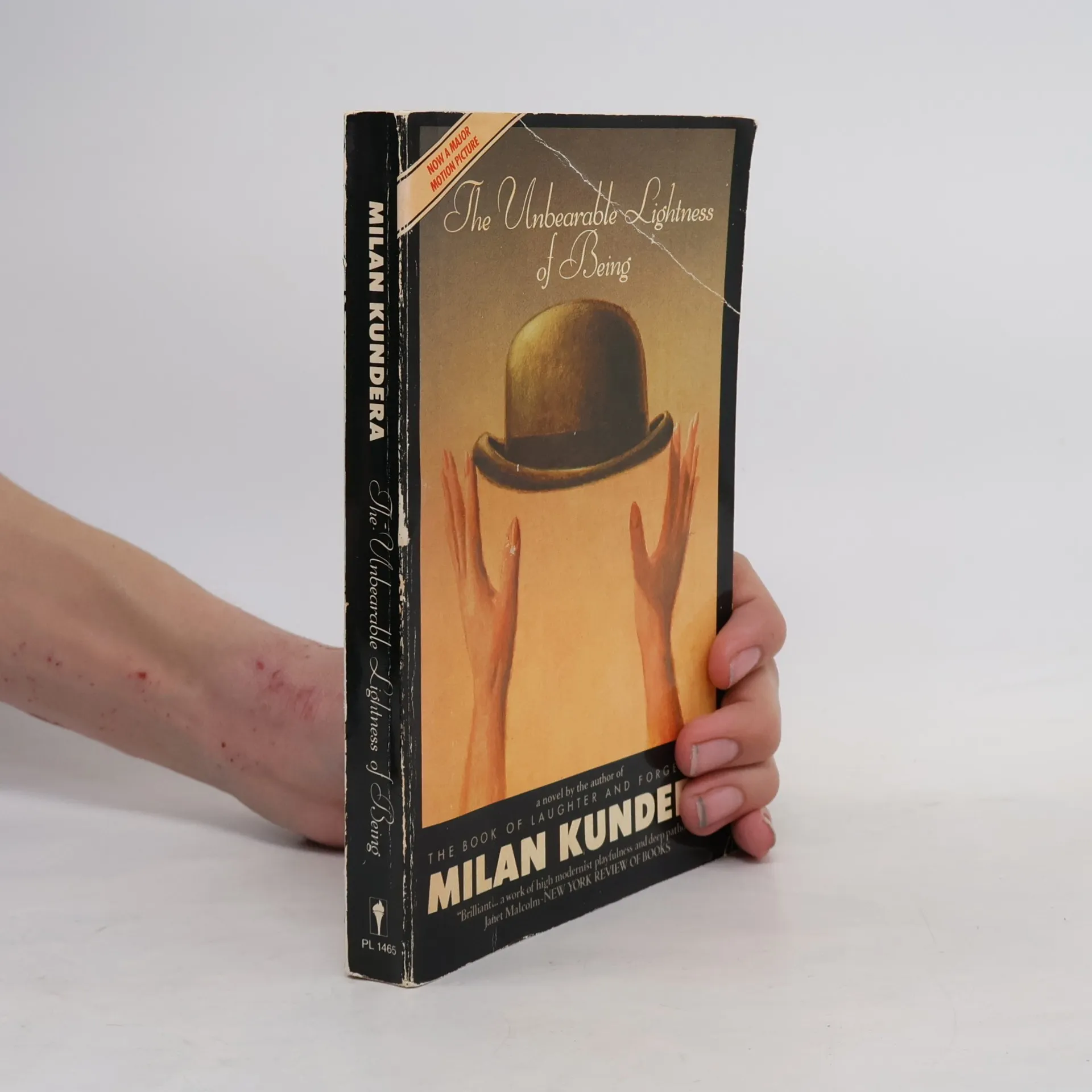
In this novel - a story of irreconcilable loves and infidelities - Milan Kundera addresses himself to the nature of twentieth-century 'Being' In a world in which lives are shaped by irrevocable choices and by fortuitous events, a world in which everything occurs but once, existence seems to lose its substance, its weight. We feel, says the novelist, 'the unbearable lightness of being' - not only as the consequence of our private acts but also in the public sphere, and the two inevitably intertwine.Juxtaposing Prague, Geneva, Thailand and the United States, this masterly novel encompasses the extremes of comedy and tragedy, and embraces, it seems, all aspects of human existence. It offers a wide range of brilliant and amusing philosophical speculations and it descants on a variety of styles.
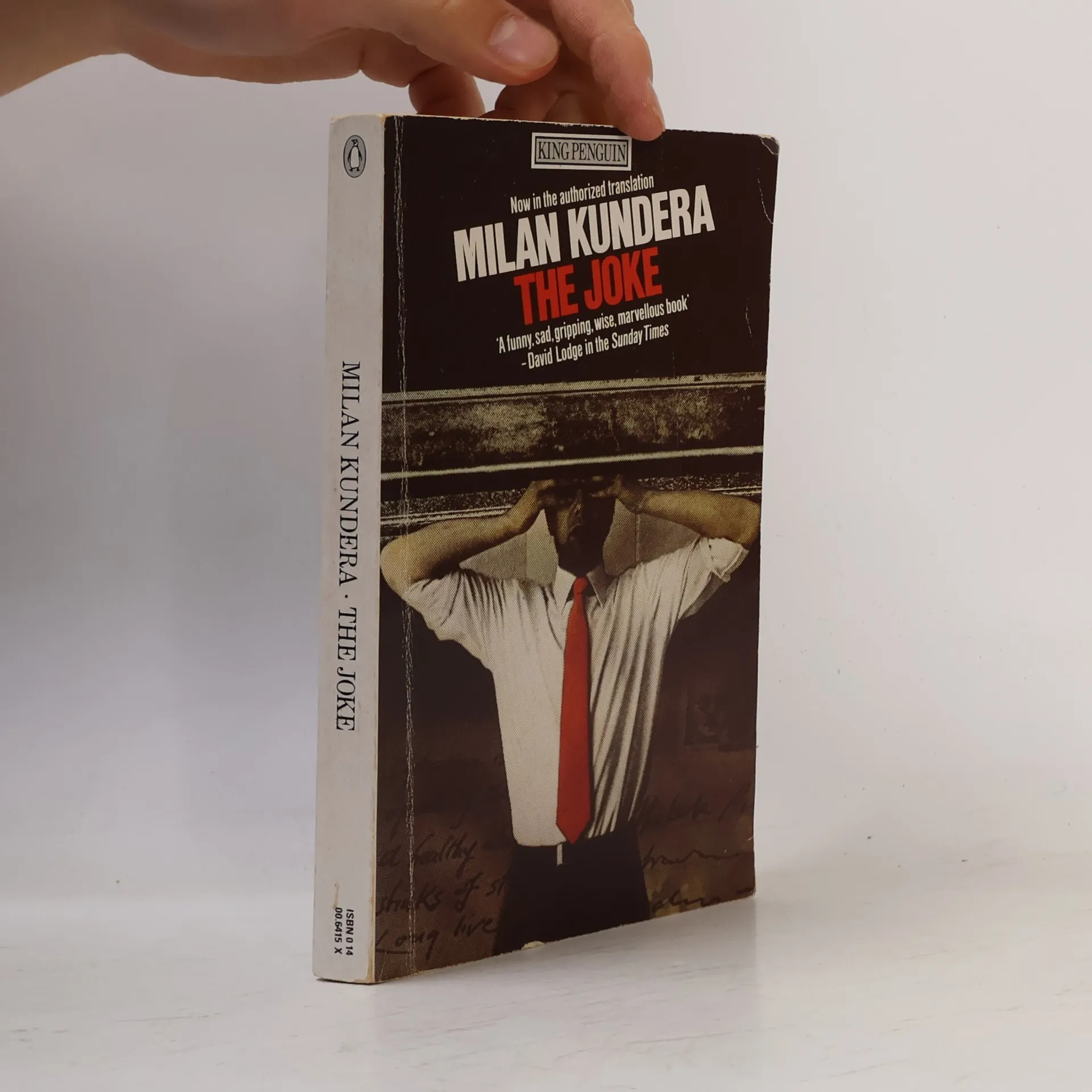
All too often, this brilliant novel of thwarted love and revenge miscarried has been read for its political implications. Now, a quarter century after The Joke was first published and several years after the collapse of the Soviet-imposed Czechoslovak regime, it becomes easier to put such implications into perspective in favor of valuing the book (and all Kundera 's work) as what it truly is: great, stirring literature that sheds new light on the eternal themes of human existence. The present edition provides English-language readers an important further means toward revaluation of The Joke. For reasons he describes in his Author's Note, Milan Kundera devoted much time to creating (with the assistance of his American publisher-editor) a completely revised translation that reflects his original as closely as any translation possibly can: reflects it in its fidelity not only to the words and syntax but also to the characteristic dictions and tonalities of the novel's narrators. The result is nothing less than the restoration of a classic.
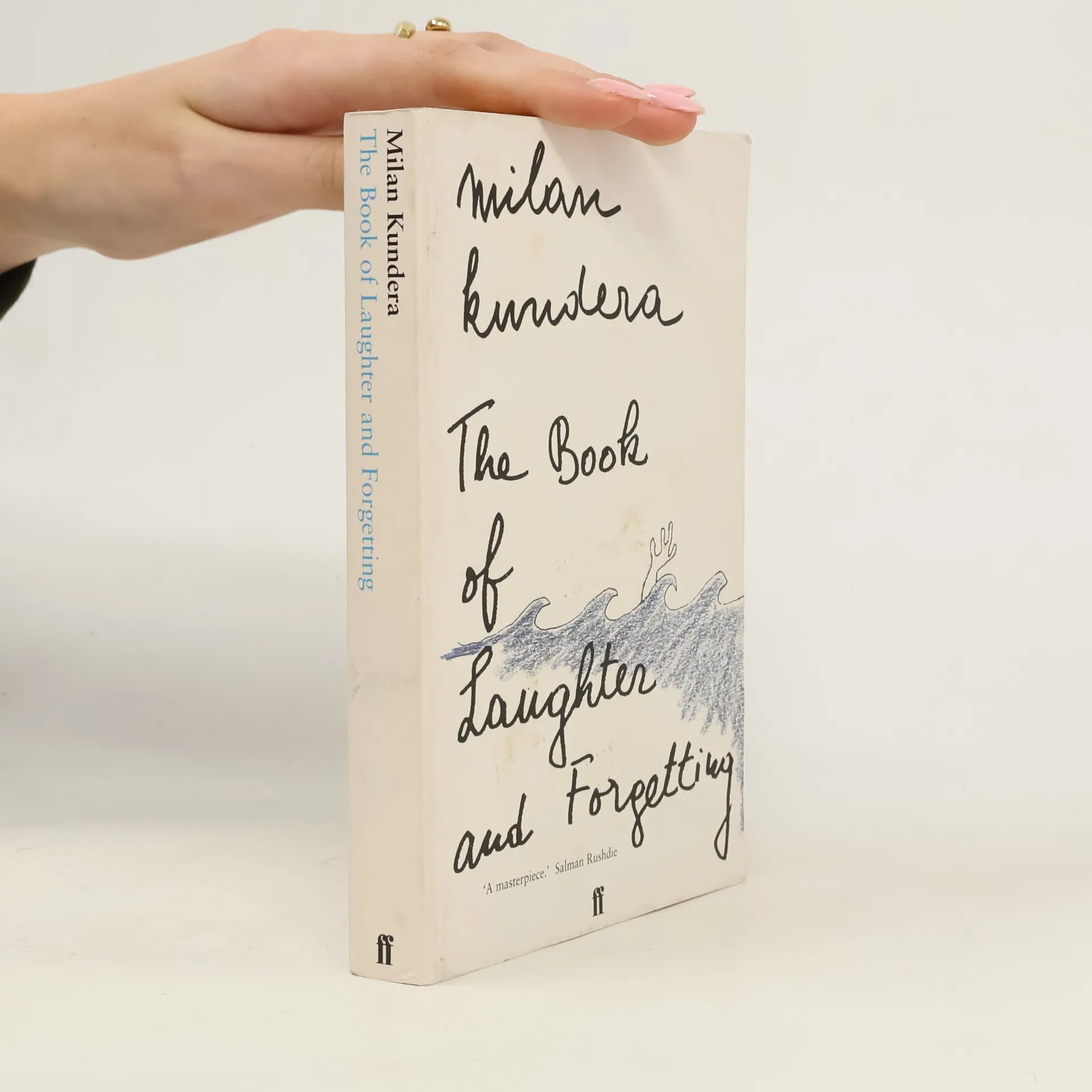
In this novel, Kundera whirls through comedy and tragedy, towards his central question: 'how does a person, any person, live today?' Towards his answer he writes of politics, sex, literature, modern man's alienation and of their antidotes.
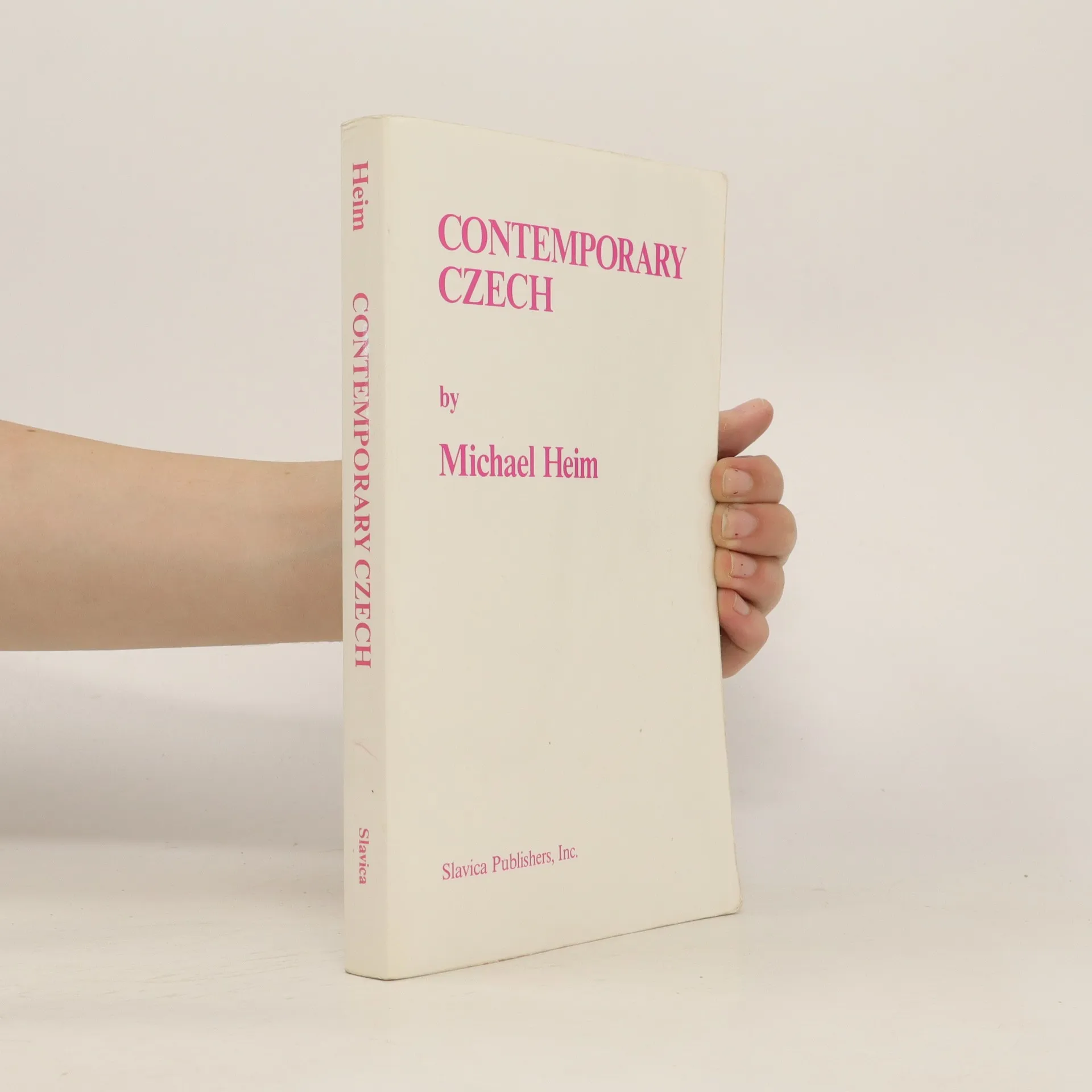
Developed by Professor Michael Heim (UCLA), the text contains grammar, extensive model sentences, and exercises (Part 1) and a series of review lessons (Part 2). Vocabulary and sentences are recorded along with a selection of exercises. Czech-English, English-Czech glossaries are provided. This intermediate course is particularly helpful for those who have a command of Russian. text. Product no. AFCZ10D