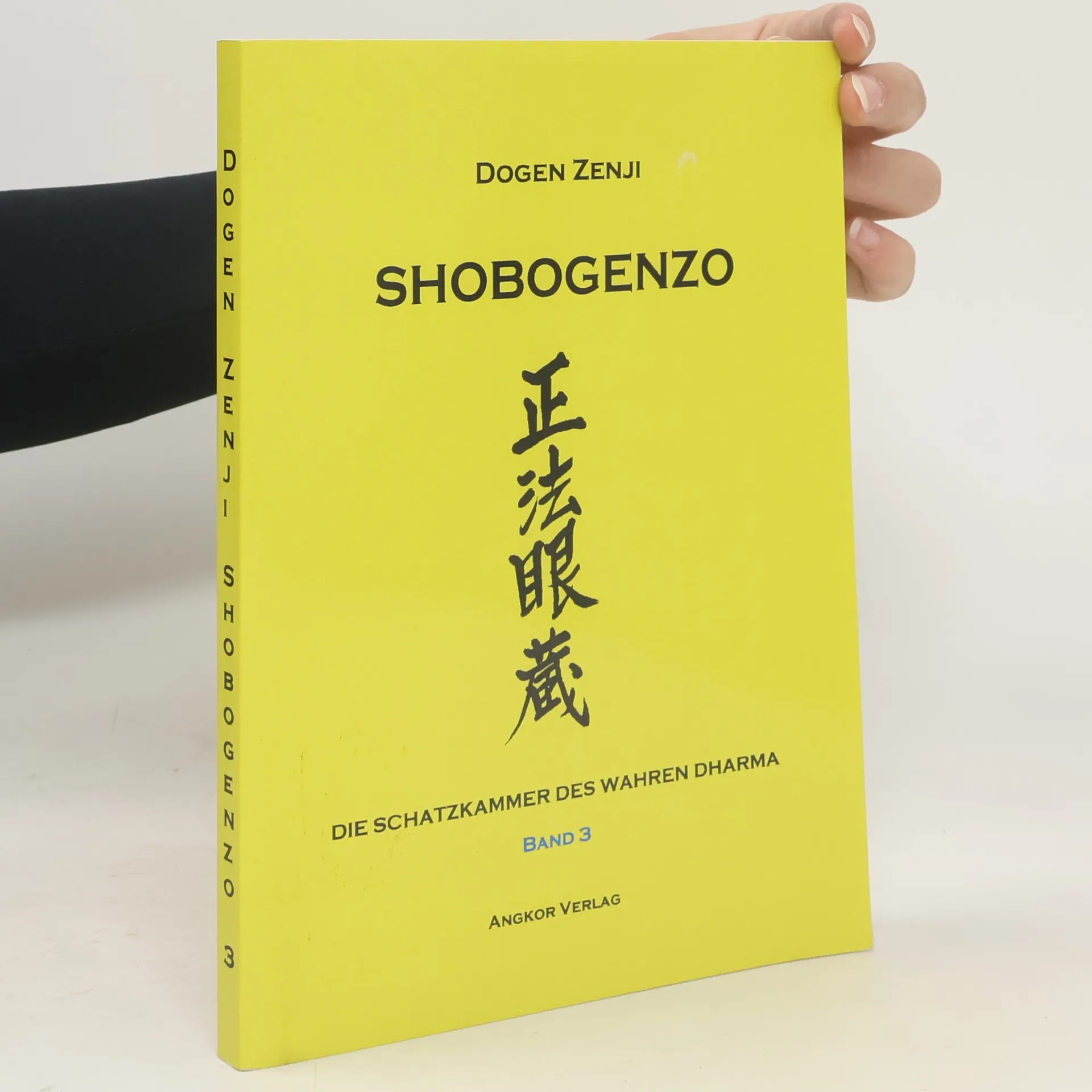
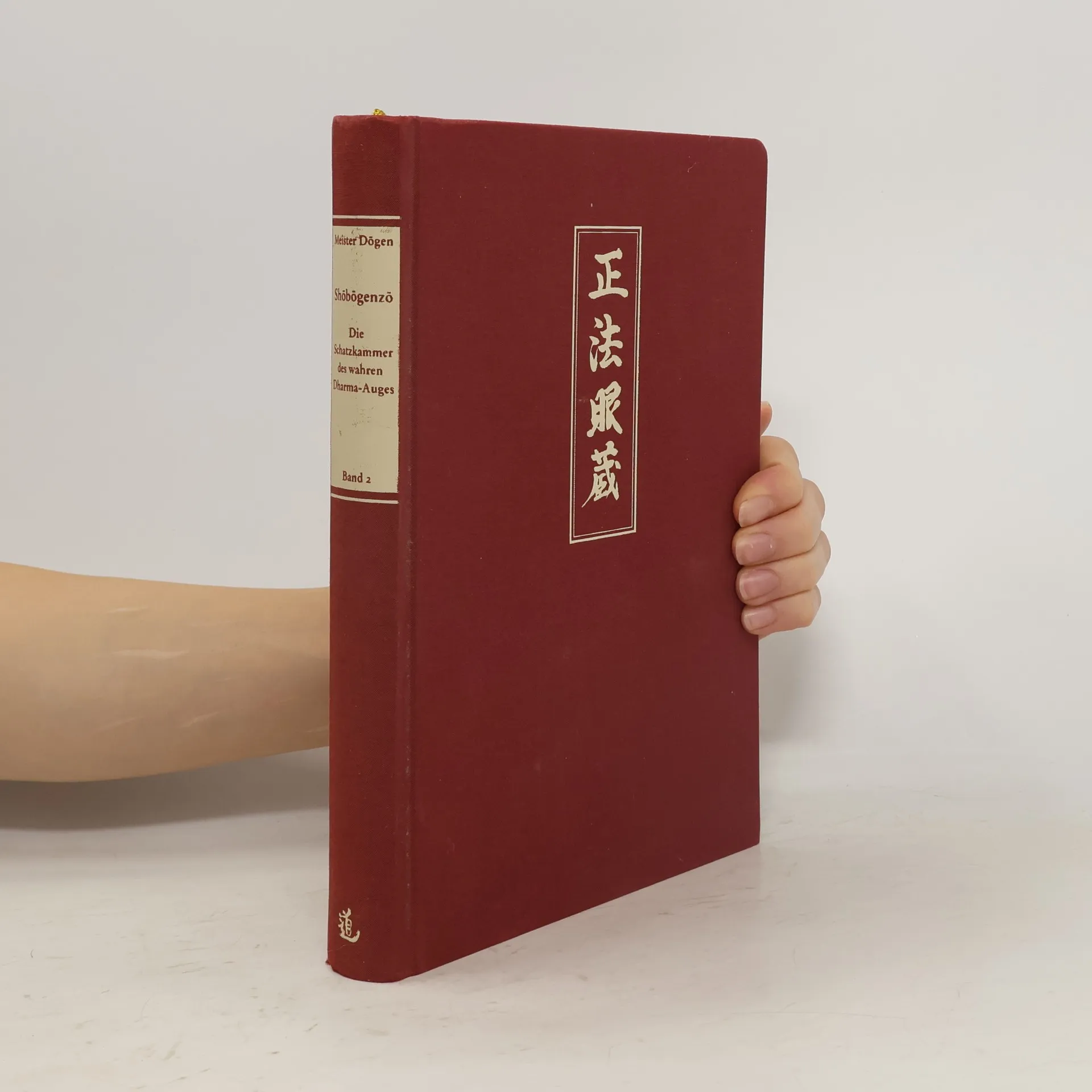
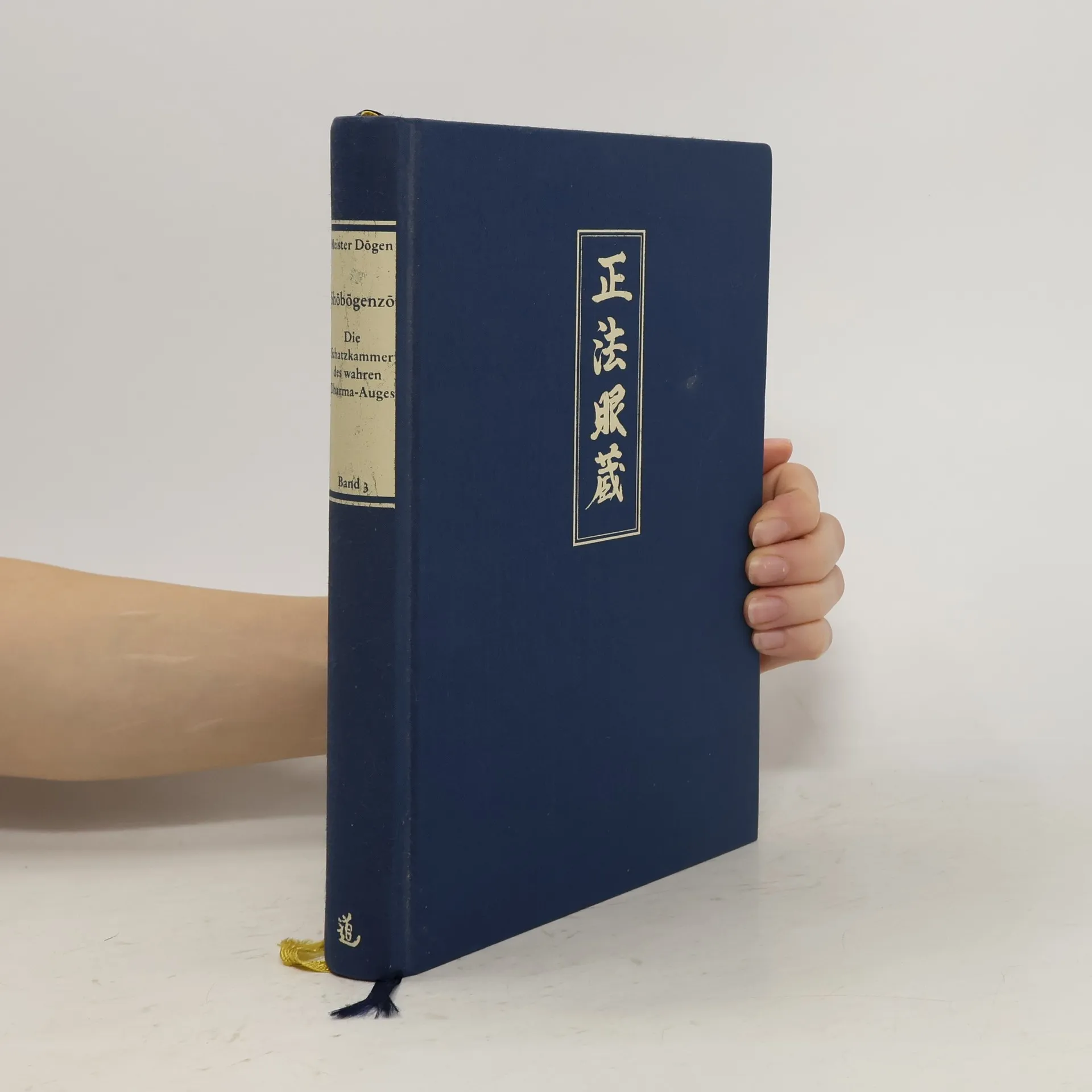
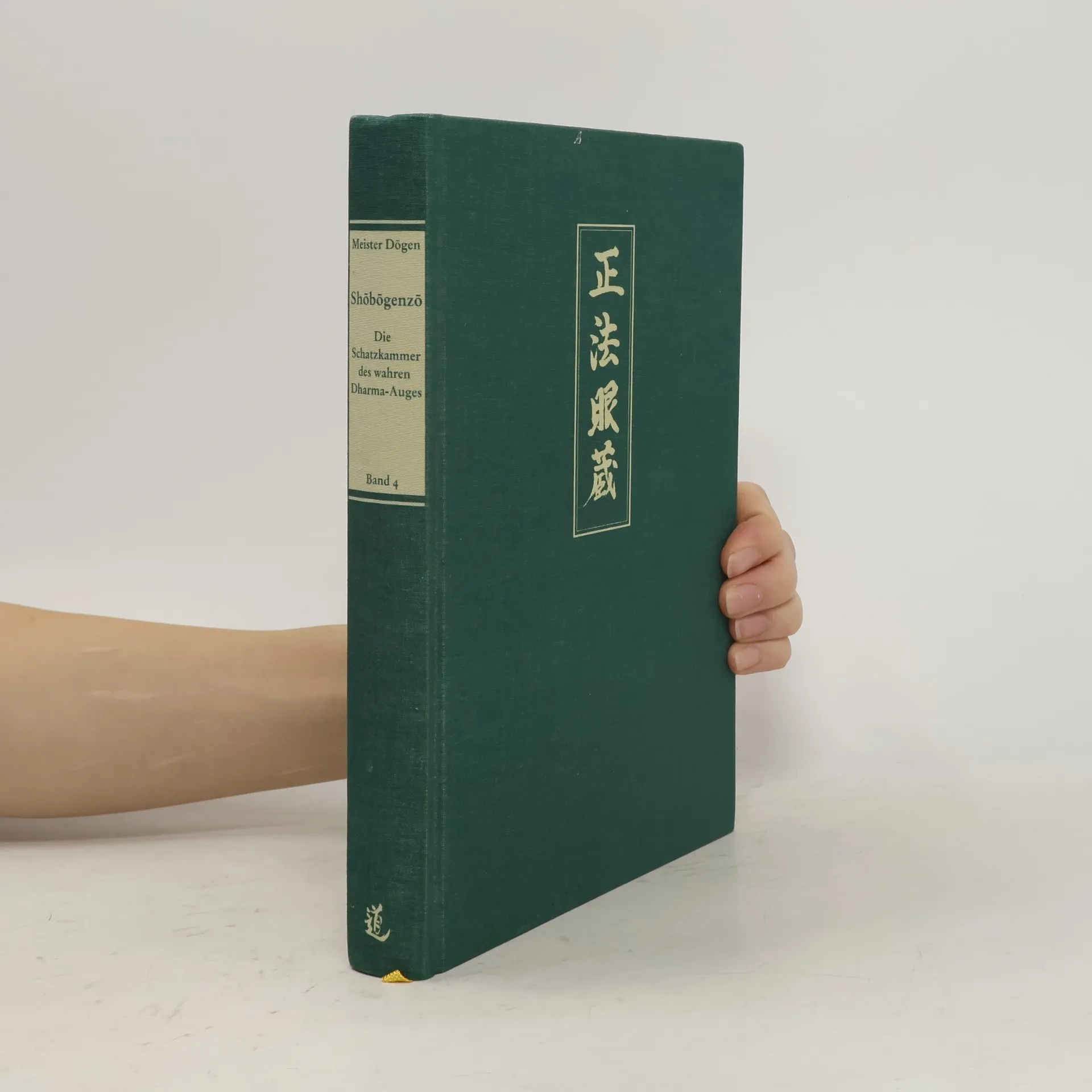
Beze slov
- 5 stránok
- 1 hodina čítania


Dōgen Zenji bol učiteľom zenového budhizmu a zakladateľom školy zenového budhizmu Sōtó v Japonsku. Jeho učenie zdôrazňuje hlboké pochopenie a prax meditačného sústredenia ako kľúč k osvieteniu. Dōgenov vplyv na rozvoj japonského budhizmu je zásadný a jeho spisy sú dodnes študované a uctievané. Prostredníctvom svojej práce pozdvihol zenovú prax na novú úroveň filozofického a duchovného skúmania.


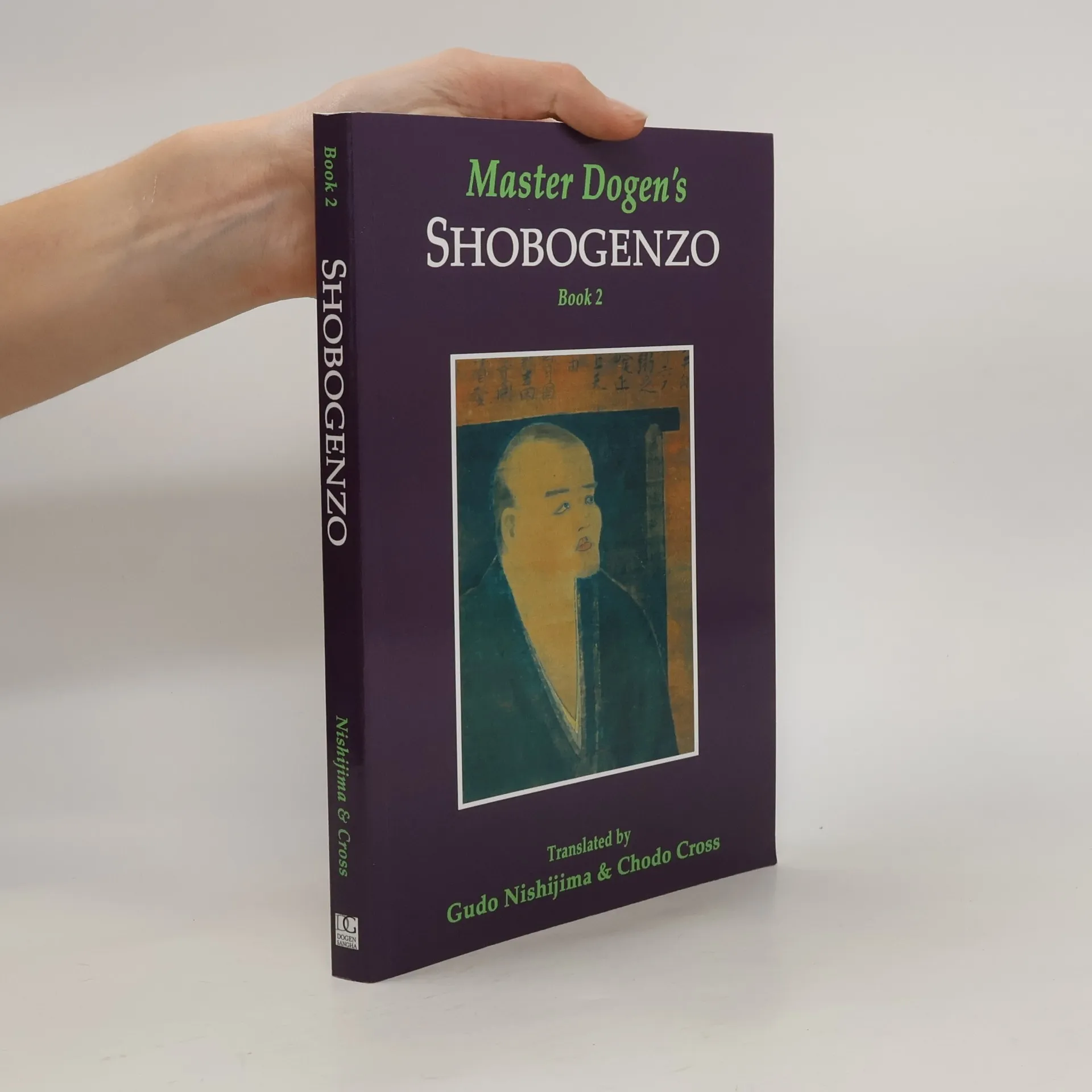
This translation, supported by the Japan Foundation, makes a strong claim to be the definitive translation of the 95 chapter edition of Shobogenzo, the essential Japanese Buddhist text, written in the 13th century by Zen Master Dogen. Following on from Shobogenzo Book 1, the second book in this four volume set contains chapters 22 to 41 from the 95-chapter edition, including these well-known Bussho (Buddha Nature); Daigo (Great Realization); Gyoji (Conduct and Observance); Inmo (This); and Shinjin-gakudo (Learning the Truth with Body and Mind). Book 2 maintains the highest standards of translation, with a clear style that rigorously follows the original words of Master Dogen. Ample footnotes, including Japanese and Chinese characters, explanatory text, and cross-references to other works, provide the reader with a wealth of supplementary information. Also included are a Sanskrit glossary of terms, and a list of Pinyin equivalents to the Japanese readings of Masters' names. 'The water is clean, right down to the ground, Fishes are swimming like fishes. The sky is wide, clear through to the heavens, And birds are flying like birds. ...children and grandchildren of the Buddhist patriarchs should unfailingly learn in practice that sitting in Zazen is the one great matter. This is the authentic seal which is received and transmitted one-to-one.'
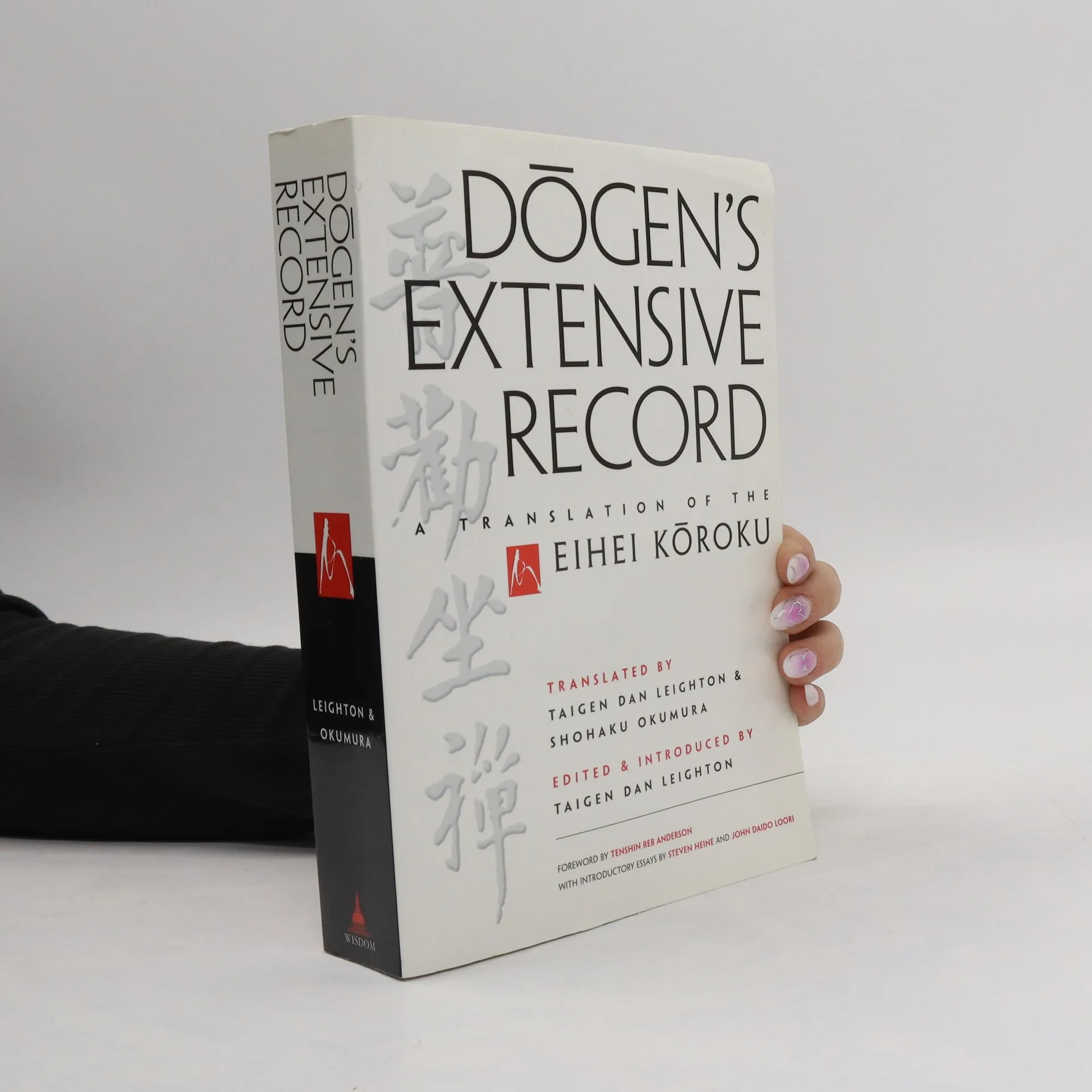
Eihei Dogen, the 13th-century Zen master who founded the Japanese Soto School of Zen, is renowned as one of the world's most remarkable religious thinkers. As Shakespeare did with English, Dogen utterly transformed the language of Zen, using it in novel and extraordinarily beautiful ways to point to everything important in religious life. "Dogen's Extensive Record" is the first-ever complete and scholarly translation of this monumental work into English. This edition contains extensive and detailed research and annotation by scholar, translator, and Zen teacher Taigen Dan Leighton, as well as forewords by the 18th-century poet-monk Ryokan and Tenshin Reb Anderson, former abbot of the San Francisco Zen Center -- plus introductory essays from Dogen scholar Steven Heine and the prominent American Zen master John Daido Loori.
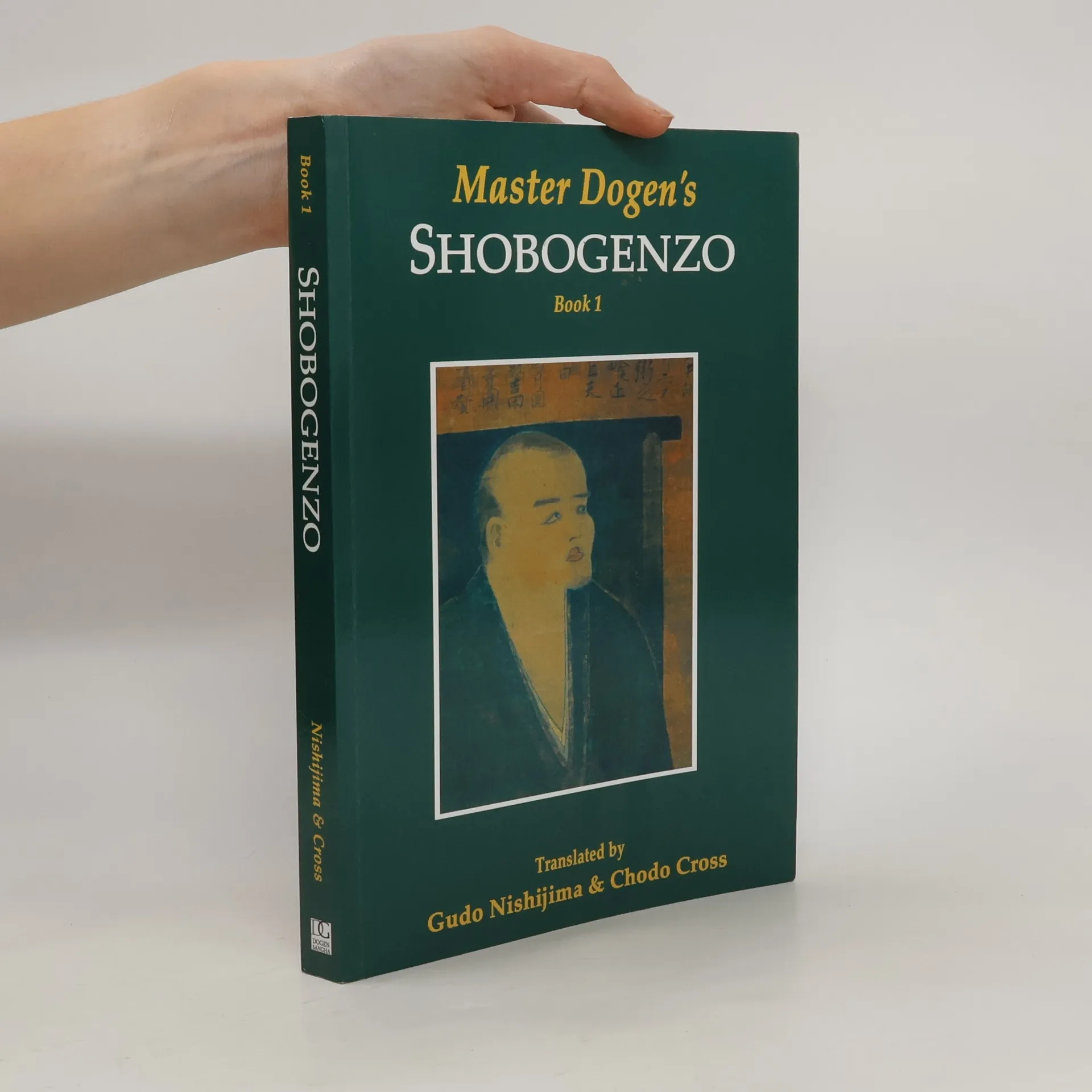
This translation, supported by the Japan Foundation, makes a strong claim to be the definitive translation of the 95 chapter edition of Shobogenzo, the essential Japanese Buddhist text, written in the 13th century by Zen Master Dogen. The translation adheres closely to the original Japanese, with a clear style and extensive annotations. Book 1 presents translations of twenty-one chapters of Shobogenzo including Genjo-koan (The Realized Universe), Soku-shin-ze-butsu (Mind Here & Now is Buddha), Uji (Existence-Time), and Sansuigyo (The Sutra of Mountains & Water). Its several reference sections include a Chinese/English appendix of references to the Lotus Sutra, and an extensive Sanskrit glossary. 'At last I visited Zen Master Nyojo of Dai-byaku-ho mountain, and there I was able to complete the great task of a lifetime of practice. After that, at the beginning of the great Sung era of Shojo, I came home determined to spread the Dharma and to save living beings, it was as if a heavy burden had been placed on my shoulders....I will leave this record to people who learn in practice and are easy in the truth, so that they can know the right Dharma of the Buddha's lineage. This may be a true mission.'
A reprint edition that presents Volume I of the translation of the complete ninety-five-chapter edition of the Shobogenzo, compiled by the Zen master Hangyo Kozen in the late seventeenth century.
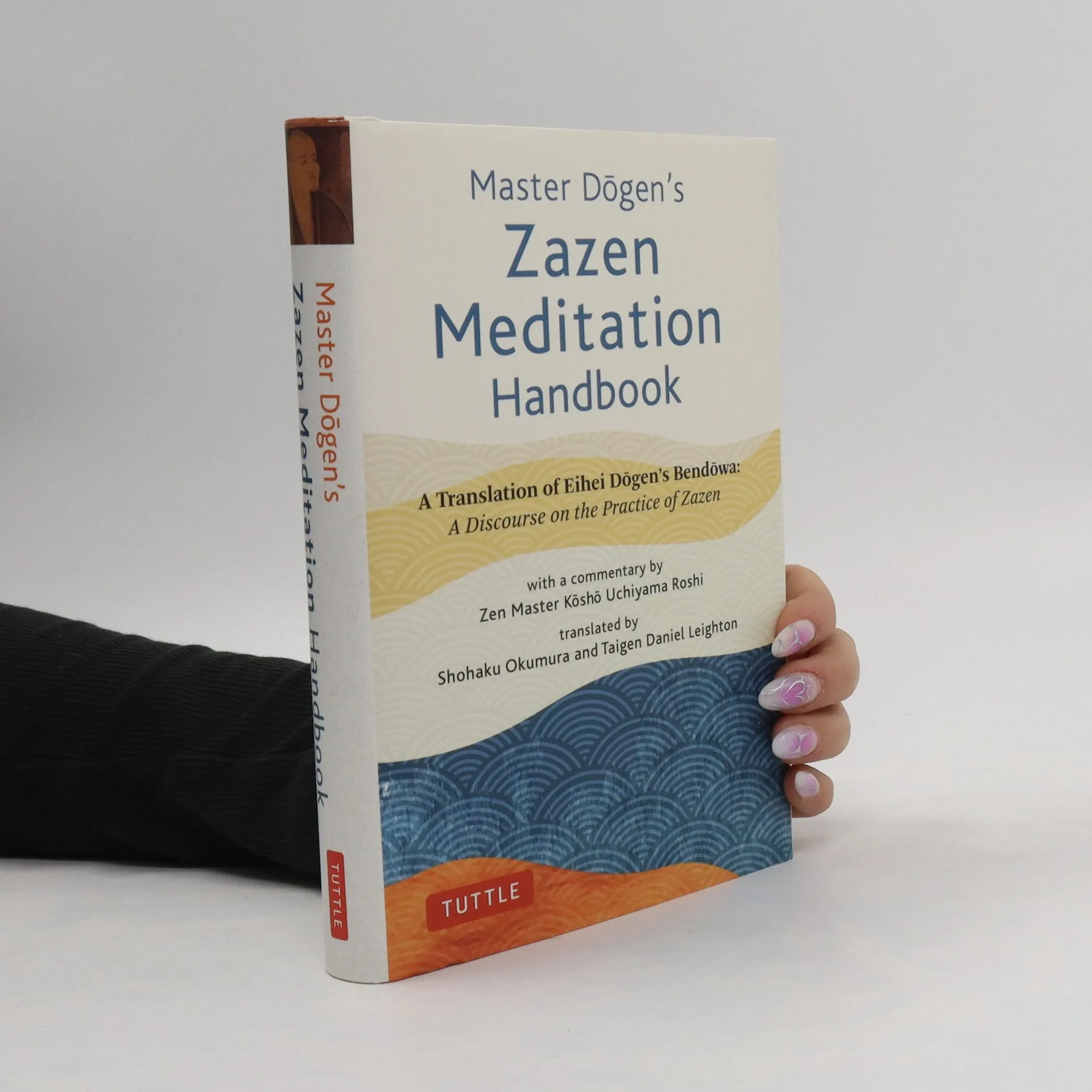
The Wholehearted Way is a translation of Eihei Dogen's Bendowa, one of the primary texts on Zen practice. Transcending any particular school of Buddhism or religious belief, Dogen's profound and poetic writings are respected as a pinnacle of world spiritual literature. Bendowa, or A Talk on the Wholehearted Practice of the Way, was written in 1231 A.D. and expresses Dogen's teaching of the essential meaning of zazen (seated meditation) and its practice. This edition also contains commentary on Bendowa by Kosho Uchiyama Roshi, a foreword by Taigen Daniel Leighton, and an Introduction by Shohaku Okumura, both of whom prepared this English translation.
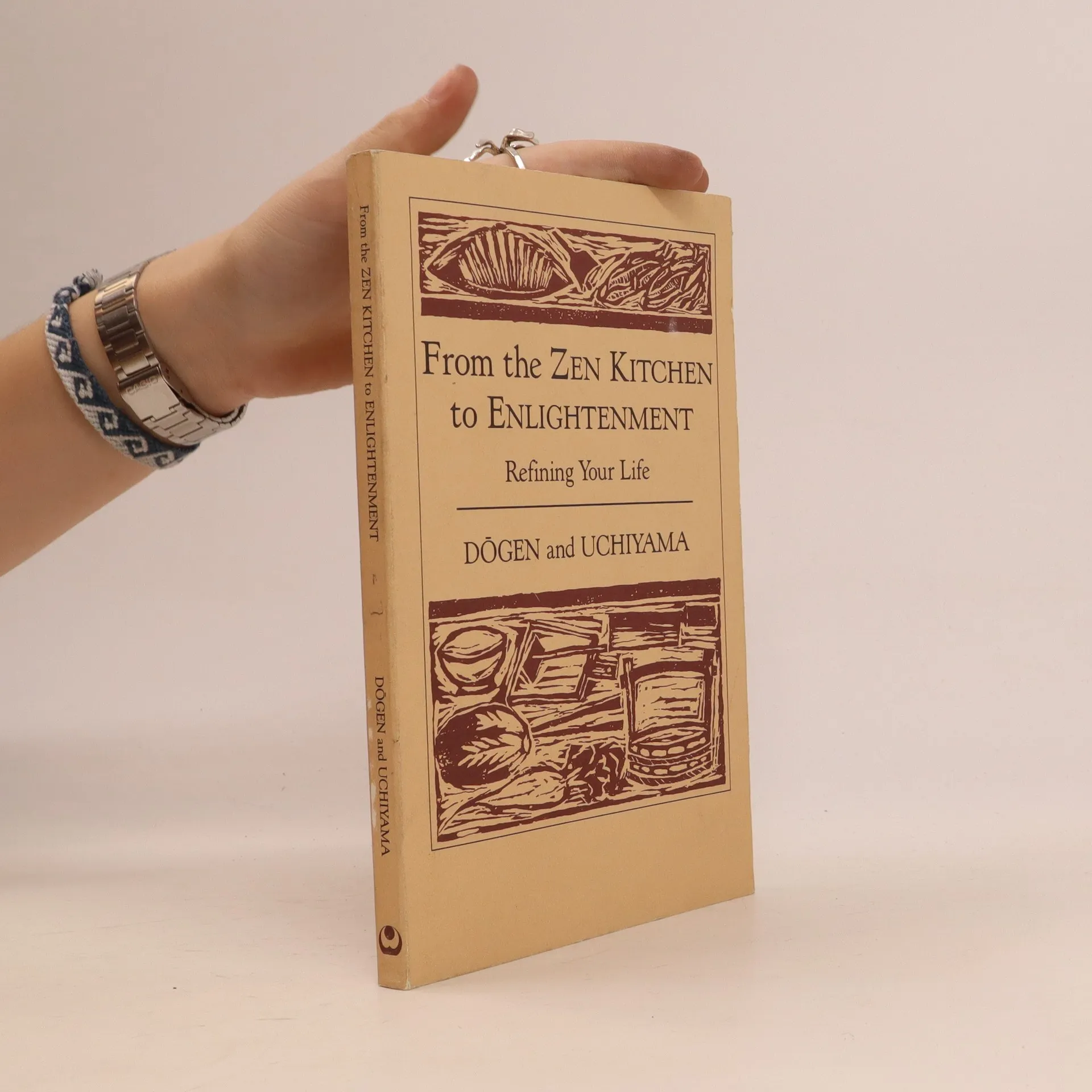
In the 13th century, Master Dogen wrote a practical manual of instructions for the Zen cook. In drawing paralells between preparing meals for the Zen monastery and spiritual training, however, he reveals more than simply the rules and manners of the Zen kitchen; he teaches us how to cook or refine our lives."
The Treasure House of the Eye of the True Teaching
Focusing on the teachings of a thirteenth-century Zen Master, this spiritual masterpiece presents a collection of discourses delivered by Eihei Dogen to his disciples over a span of twenty-two years. These teachings, shared both in person and through writings, explore profound themes of Zen philosophy and practice, reflecting Dogen's deep insights and spiritual guidance during his lifetime.
The Treasure House of the Eye of the True Teaching
The work features a collection of discourses by the thirteenth-century Japanese Zen Master Eihei Dogen, reflecting his teachings and spiritual insights. Spanning from 1231 until his death, these writings were delivered to his disciples both orally and in written form. The text serves as a profound exploration of Zen philosophy and practice, showcasing Dogen's unique perspective on spirituality and enlightenment.
The Shōbōgenzō is the major work of the Japanese Zen master Eihei Dōgen. It is considered one of the great works of religious and philosophical literature, not only of Japan but of all time. The work, originally written in medieval Japanese, was composed over twenty-three years. It constitutes an excellent summary of the Chan Buddhist culture of China that Dōgen encountered during his pilgrimage through the Chinese monasteries of the Song dynasty, presented with the sensitivity and idiosyncrasy of a cultivated Japanese spirit.
The classic Buddhist text in three engaging new translations, with commentary from contemporary Zen masters. One of the greatest religious practitioners and philosophers of the East, Eihei Dogen Zenji (1200–1253) is today thought of as the founder of the Soto school of Zen. A deep thinker and writer, he was deeply involved in monastic methods and in integrating Zen realization into daily life. At times The Shobogenzo was profoundly difficult, and he worked on it over his entire life, revising and expanding, producing a book that is today thought to be one of the highest manifestations of Buddhist thought ever produced. Dogen’s Genjo Koan (Actualization of Reality) is the first chapter in that book, and for many followers it might be thought to contain the gist of Dogen’s work—it is one of the groundwork texts of Zen Buddhism, standing easily alongside The Diamond Sutra, The Heart Sutra, and a small handful of others. Our unique edition of Dogen’s Genjo Koan contains three separate translations and several commentaries by a wide variety of Zen masters. Nishiari Bokusan, Shohaku Okamura, Shunryu Suzuki, Kosho Uchiyama. Sojun Mel Weitsman, Kazuaki Tanahashi, and Dairyu Michael Wenger all have contributed to our presentation of this remarkable work. There can be no doubt that understanding and integrating this text will have a profound effect on anyone’s life and practice.
"Dogen's famous text on Zen practice comes alive in the hands of a modern meditation master." --Carl Biefeldt, Professor of Religious Studies, Stanford University and author of Dogen's Manuals of Zen MeditationThis is the definitive English translation of a foundational work of Zen Buddhism--the Bendowa ("On the Endeavor of the Way") by Eihei Dogen, founder of the Soto school of Zen in Japan.Written in 1231, it contains the master's essential teachings on zazen , or seated meditation, which is the fundamental pathway to Buddhist enlightenment. The first part of the book introduces the notion of "wondrous dharma" and looks at the role of the individual to society and notions of time and interconnection. The second part of the work is cast in the form of a dialogue, the Q&A format offering answers to questions a Zen novice might pose regarding the paths to
The Treasure House of the Eye of the True Teaching
The discourses in this spiritual masterpiece reflect the teachings of thirteenth-century Japanese Zen Master Eihei Dogen, offering profound insights into Zen philosophy. Composed over two decades, these teachings were shared with his disciples both verbally and in writing, showcasing Dogen's deep understanding of Zen practice and spirituality. His work emphasizes the importance of direct experience and mindfulness, making it a significant text for those exploring Zen Buddhism.
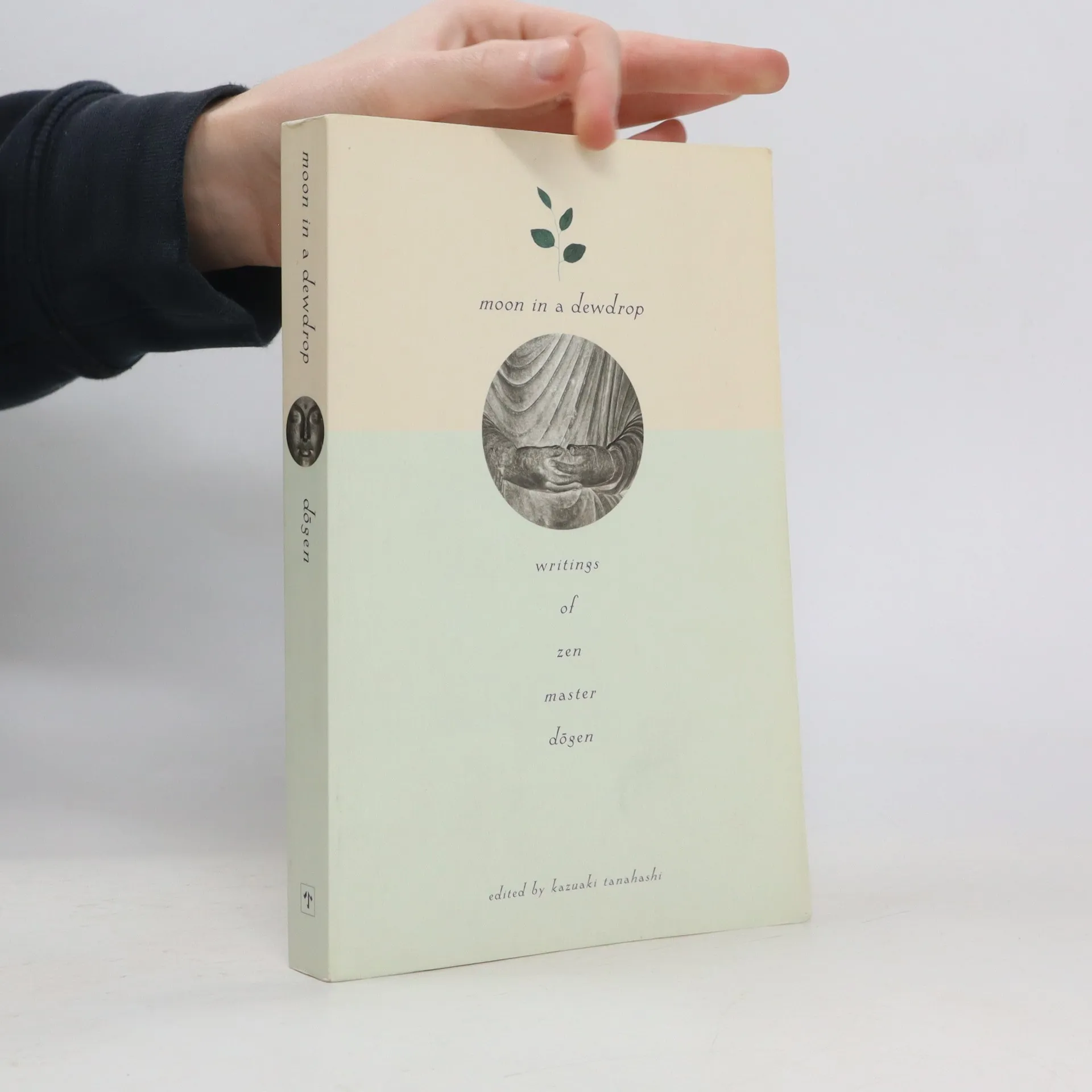
Eihei Dogen (1200-1253), among the first to transmit Zen Buddhism from China to Japan and founder of the important Soto School, was not only a profoundly influential and provocative Zen philosopher but also one of the most stimulating figures in Japanese letters. Kazuaki Tanahashi, collaborating with several other Zen authorities, has produced sensitive and accurate translations of Dogen's most important texts. Moon in a Dewdrop contains the key essays of the great master, as well as extensive background materials that will help Western readers to approach this significant work. There is also a selection of Dogen's poetry, most of which has not appeared in English translation before. Dogen's thought runs counter to conventional logic, employing paradoxical language and startling imagery. It illuminates such fundamental concerns as the nature of time, existence, life, death, the self, and what is beyond self.
Zen Master Dogens Teaching on the Eight Qualities of a Great Person
The book presents an interpretation of the Buddha's final teachings on the eight qualities of a great person, as articulated by thirteenth-century Zen master Eihei Dogen. Renowned Japanese Zen teacher Kosho Uchiyama Roshi offers a profound commentary, exploring the significance of these qualities in the context of Zen practice and personal development. Uchiyama's insights aim to guide readers in embodying these virtues, making this work a valuable resource for those seeking deeper understanding in their spiritual journey.
Spiritual practice is not some kind of striving to produce enlightenment, but an expression of the enlightenment already inherent in all things: Such is the Zen teaching of Dogen Zenji (1200–1253) whose profound writings have been studied and revered for more than seven hundred years, influencing practitioners far beyond his native Japan and the Soto school he is credited with founding. In focusing on Dogen's most practical words of instruction and encouragement for Zen students, this new collection highlights the timelessness of his teaching and shows it to be as applicable to anyone today as it was in the great teacher's own time. Selections include Dogen's famous meditation instructions; his advice on the practice of zazen, or sitting meditation; guidelines for community life; and some of his most inspirational talks. Also included are a bibliography and an extensive glossary.
Thirteenth-century Zen Master Eihei Dogen has been unanimously acknowledged by Japanese and Western scholars alike as Japan's foremost philosopher. Now Francis Dojun Cook, a Dogen scholar for many years, has translated ten practice-oriented chapters of Master Dogen's masterwork, the Shobogenzo ("Treasury of the True Dharma Eye"), in which he discusses what is involved in the wholehearted, moment-to-moment practice of Zen, with numerous examples from the lives of past masters.
Das SHÔBÔGENZÔ ist eine Sammlung von Dôgen Zenjis (1200-1253), der das Sôtô-Zen in Japan einführte, und gilt als herausragendes Werk der Zen-Literatur. Mit diesem 4. Teil ist die Übersetzung ins Deutsche abgeschlossen. Die Teile 3 und 4 im Angkor Verlag setzen die Bände 1 und 2 fort, die im Theseus Verlag erschienen sind. “Mit dieser Übersetzung wird Dôgens tiefgründiges Denken zum gemeinsamen Erbe aller Übenden auf der Welt.” (Egyoku Hata, verstorbener Abt des Eiheiji) “Ich muss die hingebungsvollen Bemühungen des Übersetzers loben und hoffe, dass dieses Werk weite Verbreitung findet.” (Shôshun Iwamoto, verstorbener Abt des Sôjiji) Die Themen umfassen unter anderem die Buddha-Natur, das Annehmen der Gebote, Zazen, die wahre Form aller Dinge, die Verehrung der Buddhas, das Verdienst des Kesatragens, die acht Wege zur Erleuchtung, würdige Tätigkeiten als Buddha, Zuflucht zu den Drei Schätzen, und die Verkündigung des Gesetzes durch unbelebte Wesen. Die Übersetzung basiert auf der Fassung, die der Abt des Daimanji-Tempels in Sendai, Roshi Kosen Nishiyama, in 20-jähriger Arbeit erstellt hat. Damit ist die deutsche Fassung komplett.
Das Eihei Shingi von Dogen Zenji fasst die Regeln für die Zen-Gemeinschaft zusammen. Es enthält die berühmten Anweisungen für den Koch (tenzo) und viele kaum bekannte Zen-Geschichten (Koan).
Dôgen Zenjis (1200-1253) erstes Werk war das Hôkyôki, in dem er Gespräche mit seinem chinesischen Lehrer Tiantong Rujing (1162-1228, jap. Tendô Nyojô) aus den Jahren 1225-1227 aufzeichnete. Ihm schreibt er auch den bekannten Ausdruck des "Abfallens von Körper und Geist" (jap. shinjin datsuraku) zu. Beim Shôbôgenzô Zuimonki handelt es sich um die auszugsweise Übersetzung von Hidesama Iwamoto (Tokio 1943), die wir hier bis auf einen kleinen Teil reprinten und in der Rechtschreibung angepasst haben. Dieses Werk enthält informelle Reden Dôgens aus den Jahren 1236-1239, die von seinem Schüler Koun Ejô niedergeschrieben und später wohl noch von anderen bearbeitet wurden. Es gilt als leicht verständlich, weil Dôgen konkrete Beispiele gibt und weniger Wortspiele und Metaphern wie in seinen anderen Werken verwendet. Verhandelte Themen sind u. a. Unbeständigkeit, klösterliche Praxis, zielloses Zazen und gewollte Armut. Dôgen Zenjis chinesische Gedichte finden sich zu einem großen Teil in einem seiner Hauptwerke, dem Eihei Kôroku (auf Deutsch im Angkor Verlag erschienen). Wir konzentrieren uns hier auf die japanischen Verse aus dem Sanshôdôei ("Verse auf dem Weg vom Sanshô-Gipfel", was die ursprüngliche Ortsbezeichnung für den Tempel Eiheiji war). Sie bestehen aus 31 Silben und entsprechen damit der klassischen Form des an Wortspielen reichen waka. Der ältere Name des Werkes lautet dann auch Dôgen waka-shû ("Dôgens waka-Sammlung").
Bendōwa von Zen-Meister Dōgen ist einer der wichtigsten Texte zur Zen-Praxis. Dōgens tiefgründige und poetische Schriften werden als der Inbegriff spiritueller Weltliteratur erachtet; sie überschreiten jede spezielle Zen-Schule des Buddhismus oder religiöse Glaubensrichtung.Bendōwa oder “Weg ohne Wahl” wurde im Jahr 1231 geschrieben und bringt Dōgens Lehre von der grundlegenden Bedeutung von Zazen (Sitz-Meditation) und dessen tatsächlicher Durchführung zum Ausdruck.
Das Shobogenzo ist eine der wichtigsten und tiefgründigsten Schriften des Zen und zweifellos das philosophisch am besten begründete Werk, das je von einem Zen-Meister geschrieben wurde. Es wurde von Meister Dogen (Eihei Dogen) in der Zeit von 1231 bis 1253 erarbeitet und ist die Aufzeichnung seiner tiefen Erfahrung und deren sprachliche Formulierung. Diese profunden und vielschichtigen Lehrreden, die Dogen seinen Schülern als philosophisch fundierte und konkrete Anleitungen vorgetragen hat, waren lange nur in einem kleinen Kreis von Experten bekannt. Erst im 20. Jahrhundert wurde der unerschöpfliche Wert dieses großen Werks wieder entdeckt. Diese Referenzausgabe deckt endlich den dringenden Bedarf nach einer vollständigen, inhaltlich genauen und verlässlichen und dabei möglichst verständlichen Übersetzung. Eine Fülle von Anmerkungen wird diesem Anspruch in umfassender Weise gerecht.
Ausgewählte Schriften - Zweisprachige Ausgabe
Mit dem Interesse, das philosophische Gesprach zwischen Ostasien und Europa zu befruchten, werden Texte aus dem Hauptwerk Shobogenzo von Dogen (1200-1253), dem Altmeister aus der Fruhzeit des japanischen Zen-Buddhismus, ausgewahlt, kommentiert und ubersetzt. Diese lassen sich als Meditationsanweisungen lesen, als naturnahe Lebenspoesie oder eben als fernostliche Spielart dessen, was im Westen Philosophie heisst. In einer fundierten, die philosophischen Schlusselbegriffe entwickelnden Ubersetzung, mit einer grundlichen Einleitung und einem detaillierten Kommentar in deutscher Sprache gibt das Buch ein Instrument an die Hand sowohl fur die Forschung als auch fur den interessierten Laien.
Die Schatzkammer der Erkenntnis des wahren Dharma
Die Schatzkammer der Erkenntnis des wahren Dharma: Ursprungstexte des Zen
![Master Dogenʻs Shobogenzo. Book 1, [Chapters 1 to 21]](https://rezised-images.knhbt.cz/1920x1920/27134520.webp)