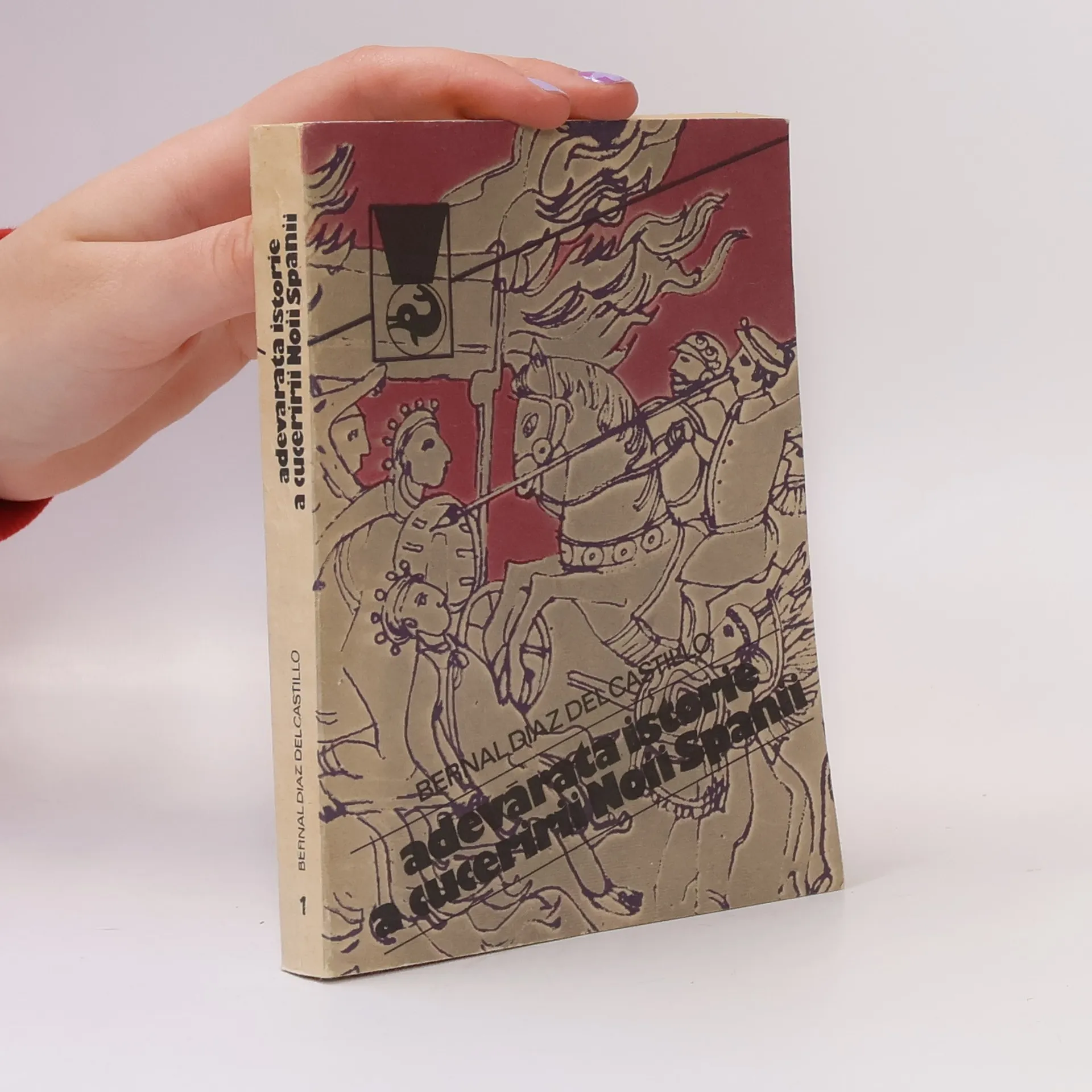
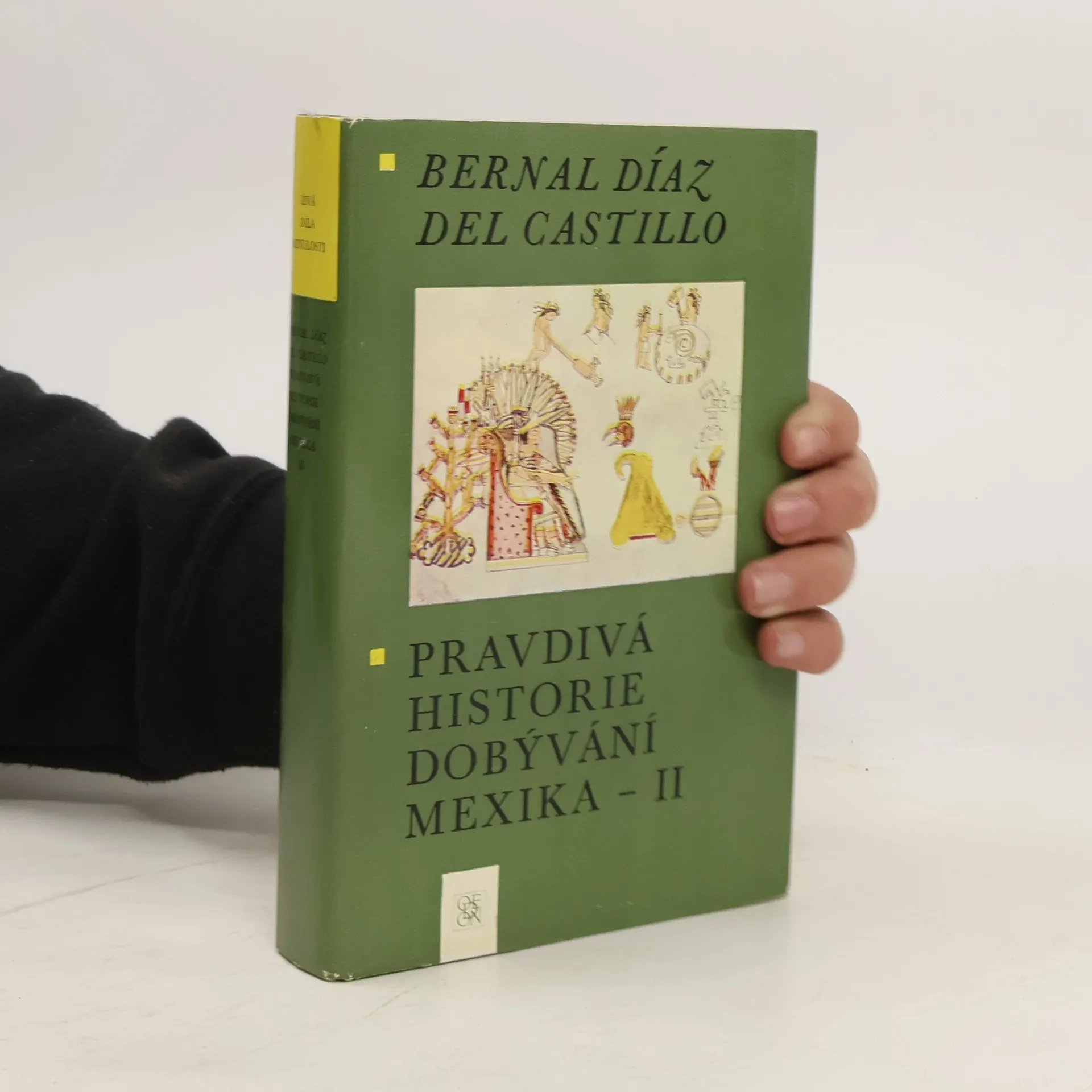
Druhý svazek knihy del Castilla pokračuje líčením dobrodružství Cortésových vojáků při dobývání Mexika až do kapitoly 214, v níž autor informuje o guvernérech. kteří působili v Novém Španělsku do r. 1568. Díazovo vyprávění doplňují poznámky a vysvětlivky, které usnadňují lepšípochopení událostí souvisejících s dobytím a vyvrácením aztécké říše.
Bernal Díaz del Castillo Knihy
1. január 1492 – 1. január 1584
Bernal Díaz del Castillo bol španielsky conquistador a pisateľ kroniky, ktorý poskytol ojedinelé svedectvo o dobytí Aztéckej ríše. Opisuje drsnú realitu vojenských ťažení, motivácie vojakov a koloniálne stretávanie sa s domorodými kultúrami. Jeho štýl je priamy a vecný, často s dôrazom na osobné zážitky obyčajného vojaka. Jeho dielo je kľúčovým zdrojom na pochopenie jedného z najdôležitejších momentov v histórii Ameriky.

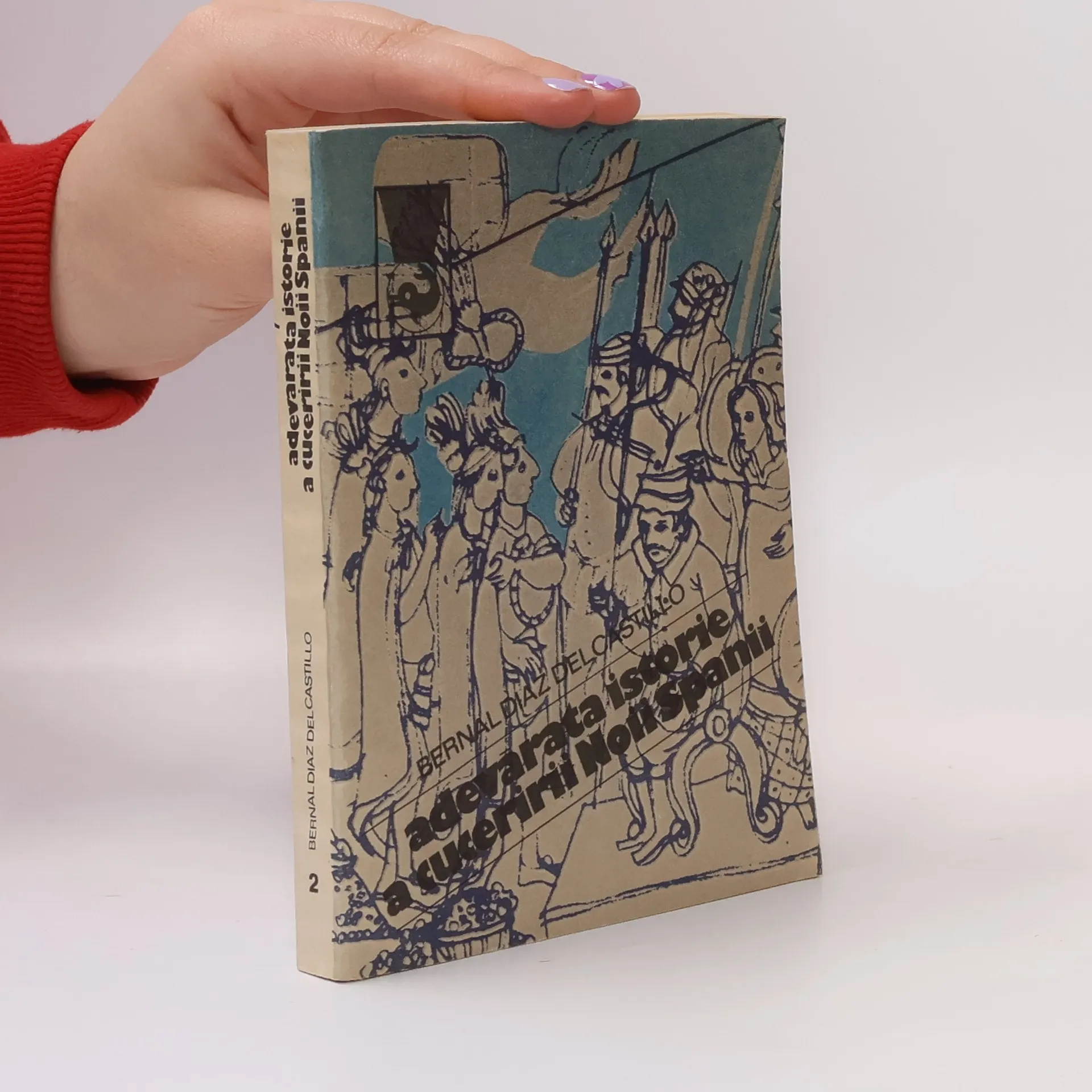
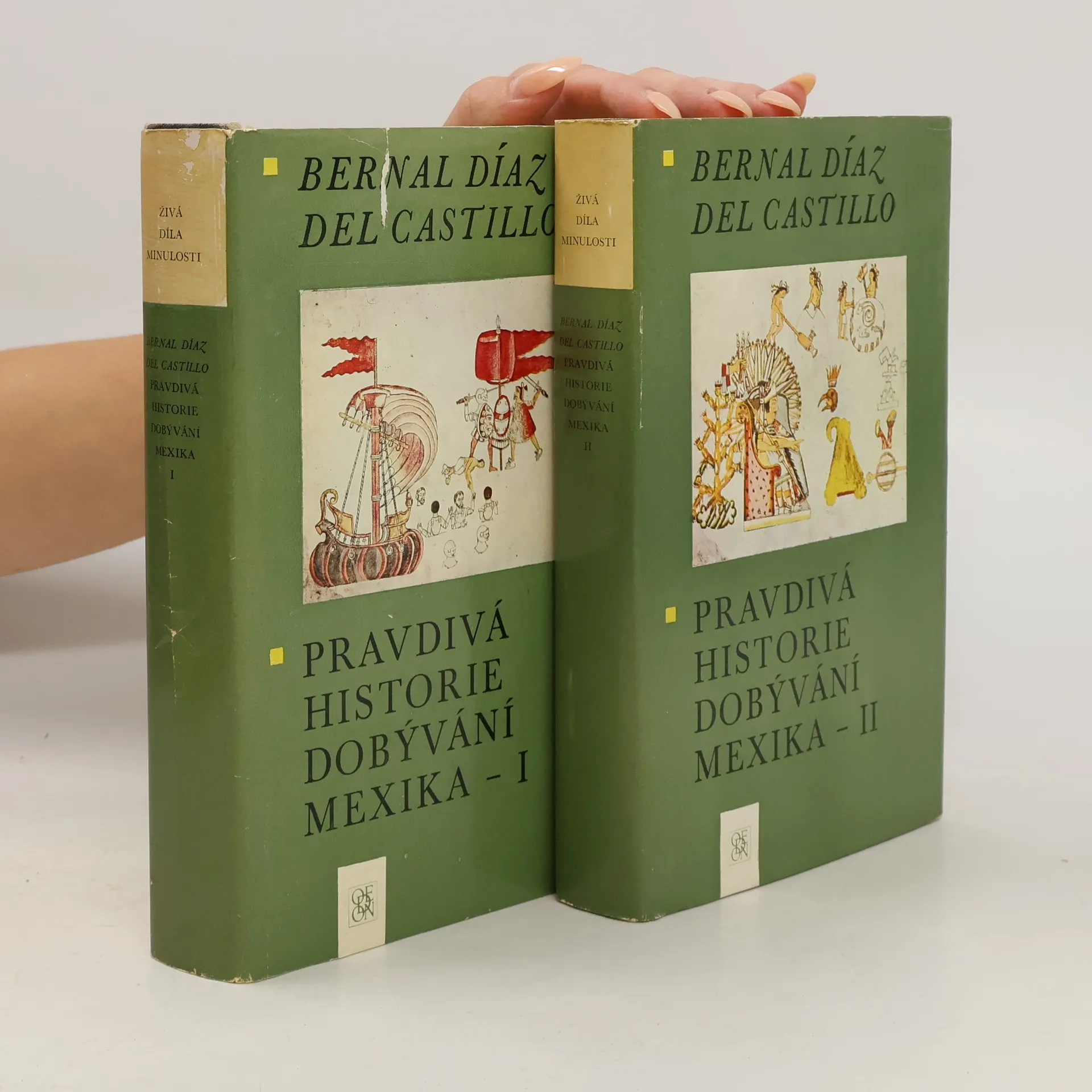
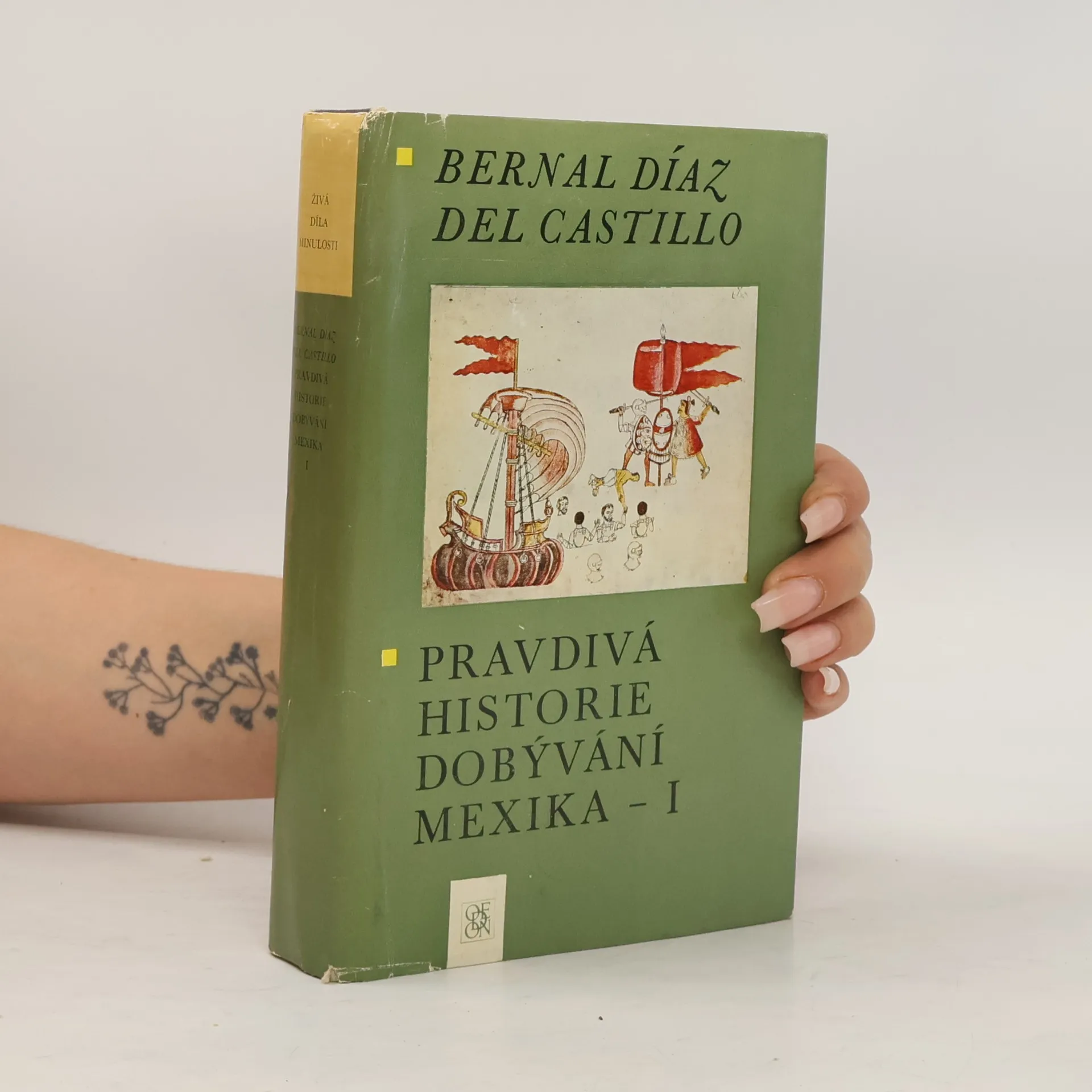
Prvních 145 kapitol z válečné reportáže jednoho z dobyvatelů Mexika přináší nejen barvitý popis bojů a šarvátek Cortésových vojáků s domorodým obyvatelstvem a portréty dobyvatelů, ale podává i svědectví o vyspělé aztécké kultuře a umění. Díazovo vyprávění představuje nejlepší a nejúplnější vylíčení dobytí Nového Španělska a dokresluje tak naše představy o conquistě.
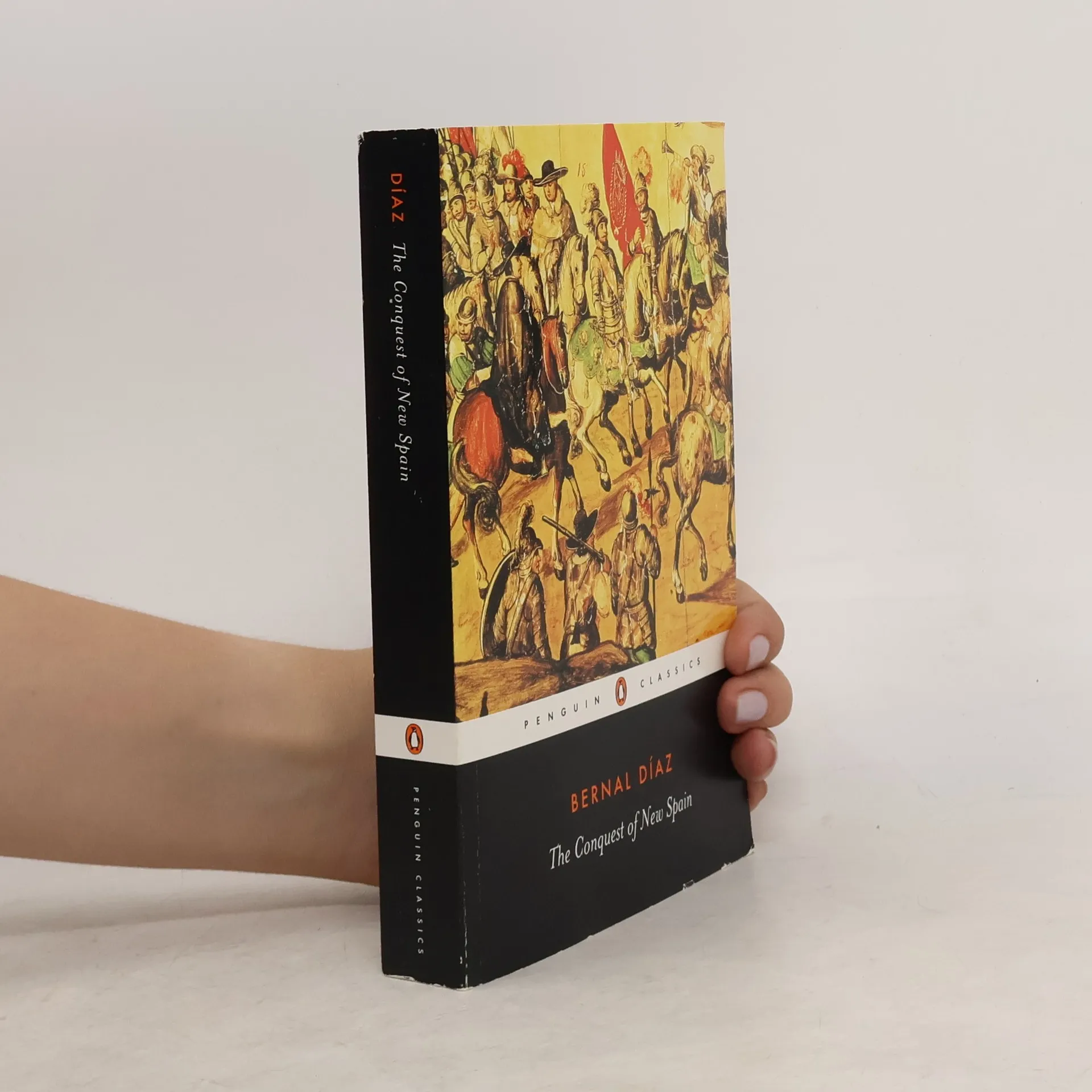
The Conquest of New Spain
- 412 stránok
- 15 hodin čítania
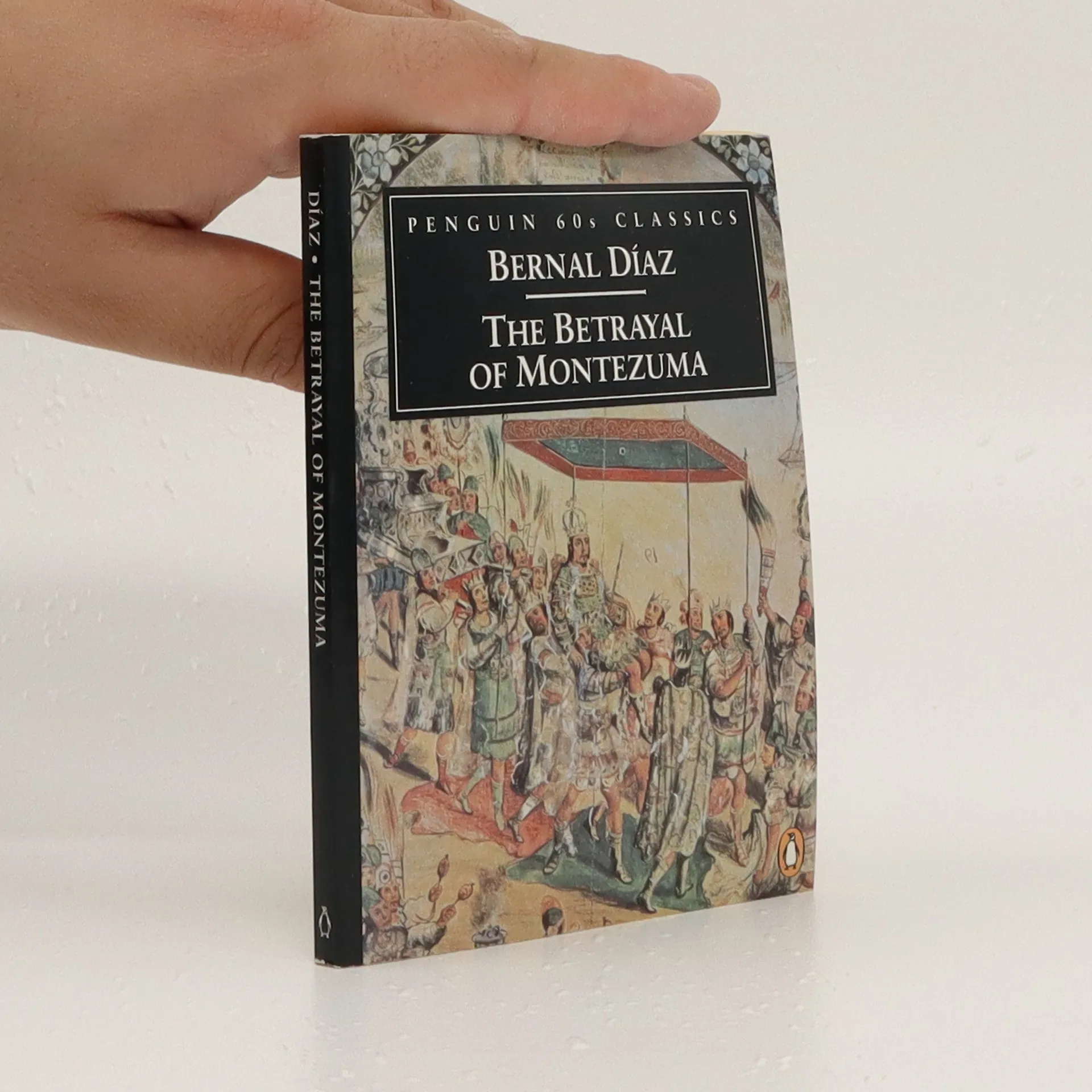
Presents a description of the Spanish landing in Mexico in 1520 and their amazement at the city, the exploitation of the natives for gold and other treasures, the expulsion and flight of the Spaniards, their regrouping and eventual capture of the Aztec capital.
The Betrayal of Montezuma
- 96 stránok
- 4 hodiny čítania
One of 60 low-priced classic texts published to celebrate Penguin's 60th anniversary. All the titles are extracts from "Penguin Classics" titles.