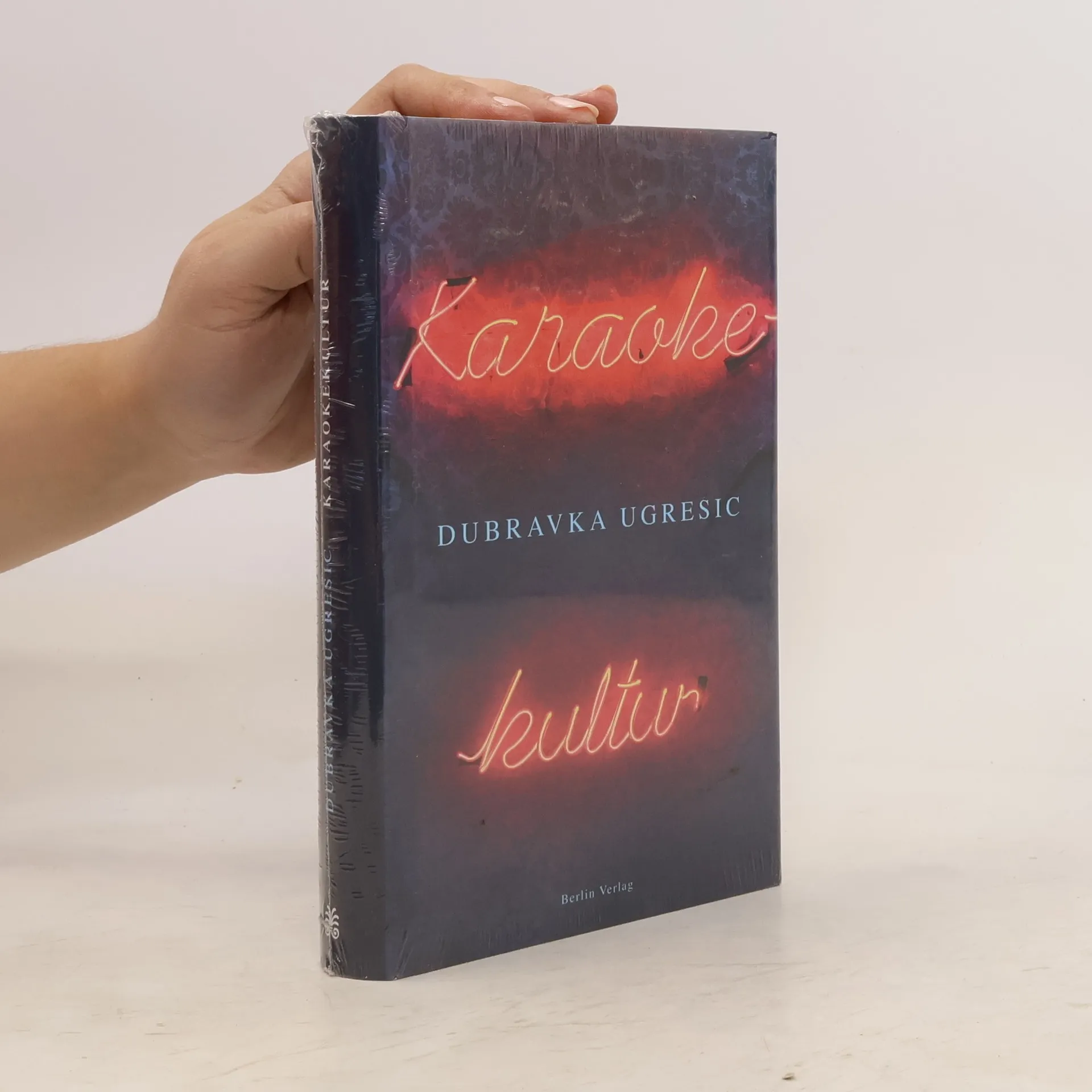
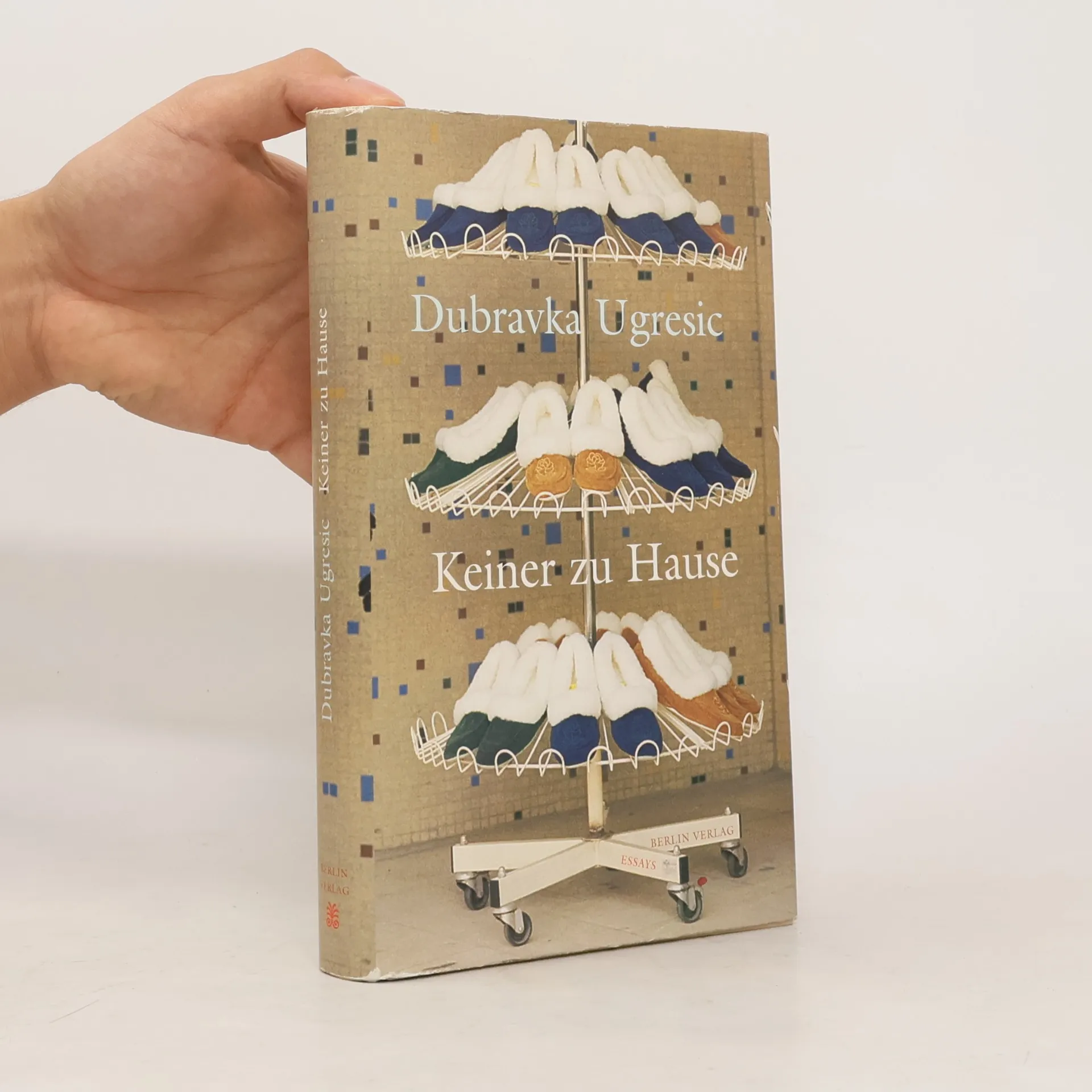
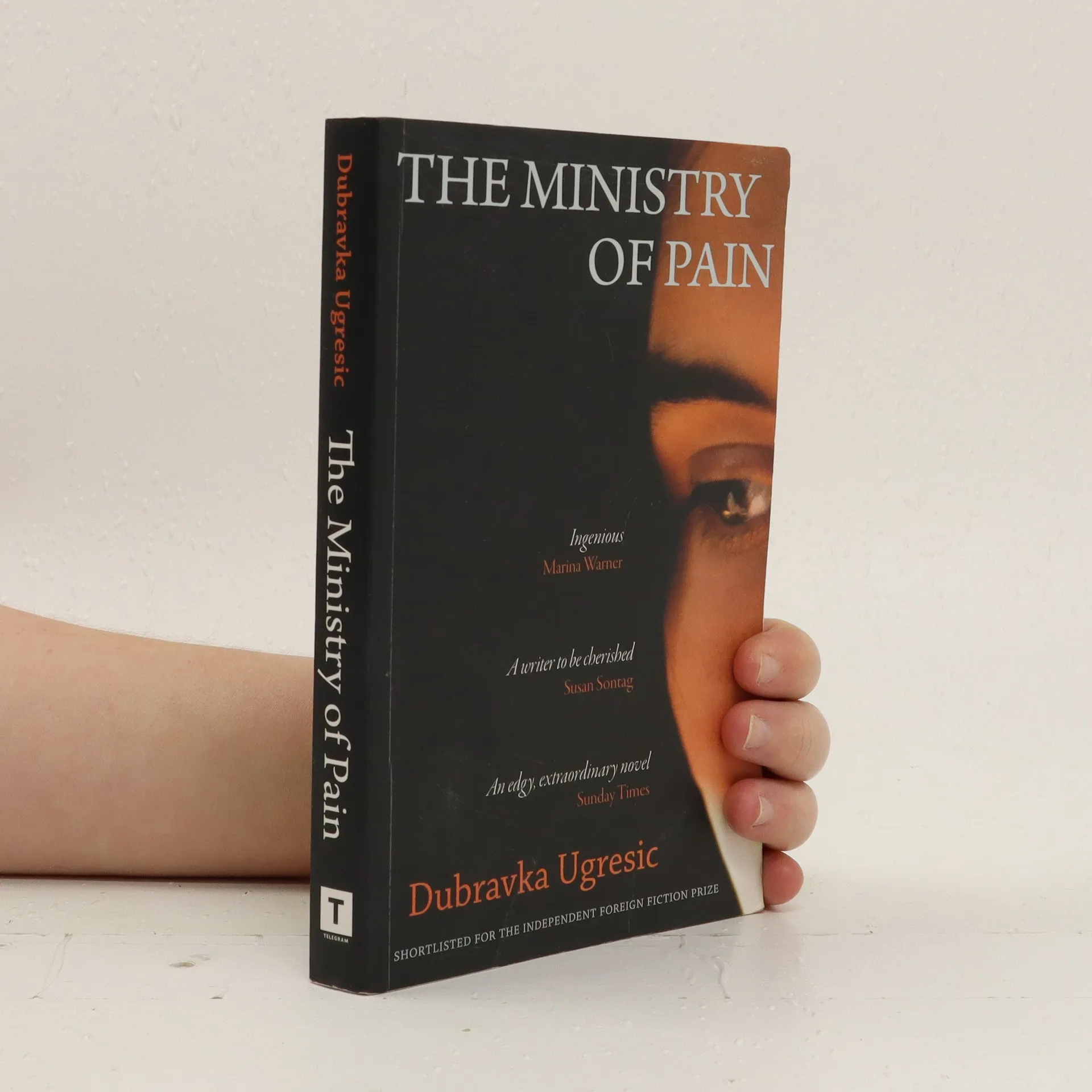
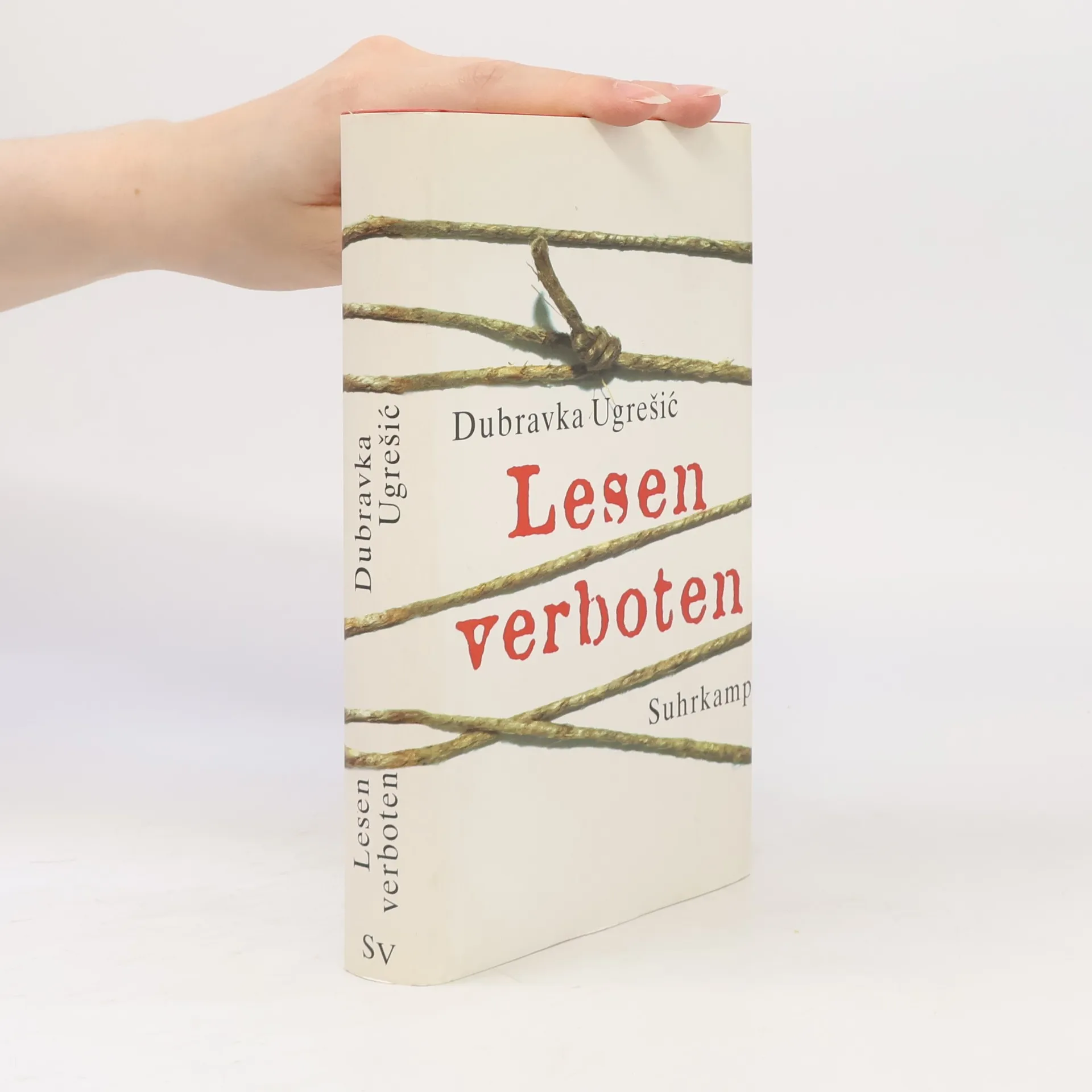
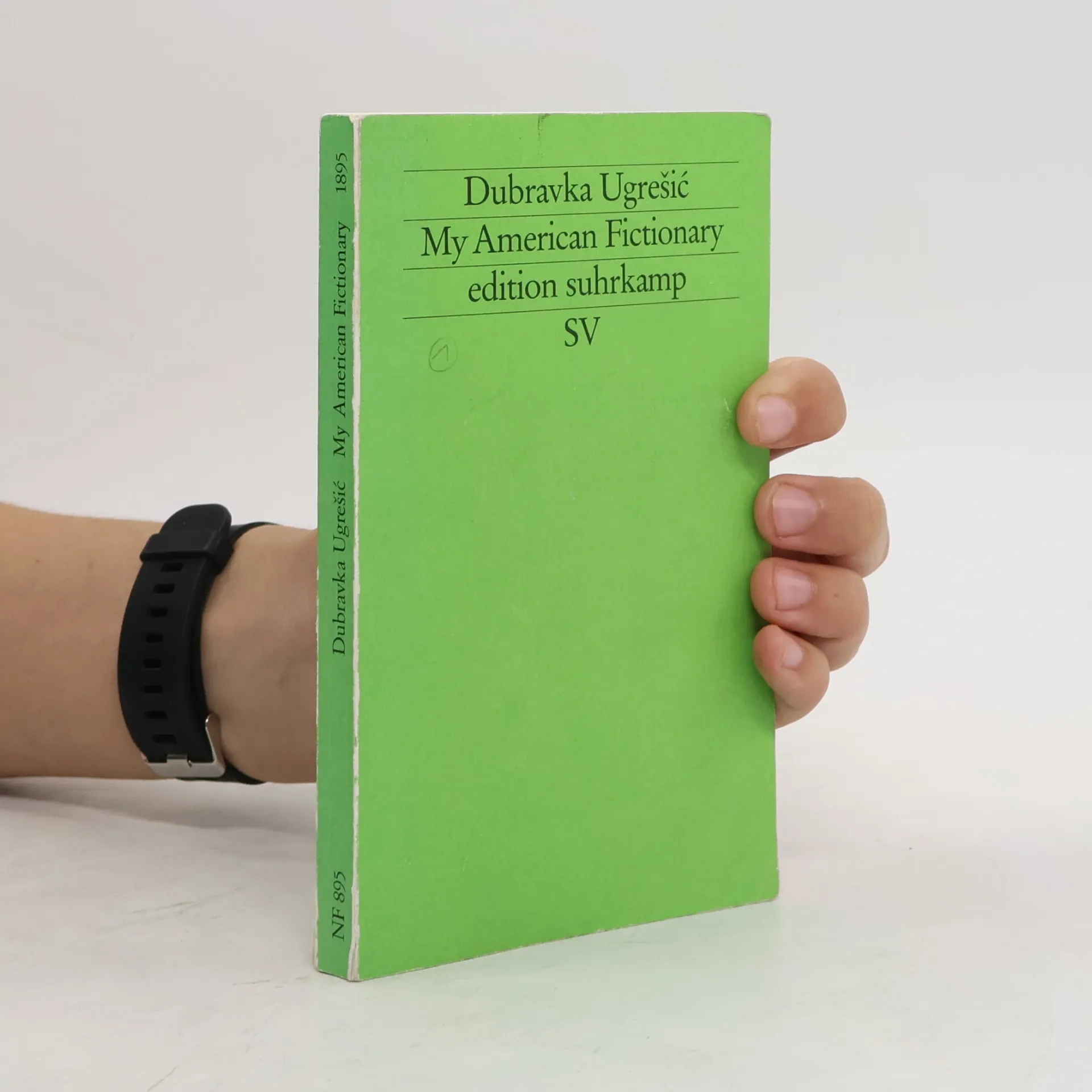
Dubravka Ugrešić bola uznávanou autorkou, ktorá vo svojej tvorbe majstrovsky preplietala beletriu a literárnu vedu. Jej rané dielo zahŕňalo knihy pre deti, no čoskoro sa preorientovala na hlbšie skúmanie literárnych avantgárd a súčasnej prózy. Vlastná fikcia autorky, vrátane románov a poviedok, jej získala významné ocenenie v Juhoslávii a bola inšpiráciou pre filmové spracovania. Po vypuknutí vojny v Juhoslávii zaujala Ugrešićová silný antinacionalistický a protivojnový postoj, čo sa odrazilo v jej kritickej esejistike. Jej diela, známe svojím jedinečným štýlom a prenikavým vhľadom do spoločnosti a kultúry, boli preložené do viac ako dvadsiatich jazykov a získali niekoľko prestížnych európskych literárnych ocenení.
Scharf und witzig nimmt Dubravka Ugrešić in ihren Essays mal Erinnerungskultur, mal Migrationspolitik auseinander, zerlegt Nationalismus und rechte Strömungen, offenen Frauenhass oder den Sexismus in der Literaturbranche. Mit feinem Gespür erkundet sie die Frage: Was ist eigentlich »europäisch« an diesem Europa? Sie schreibt über unsere ungewisse Zukunft und die Angst, die aus dem Fehlen von Utopien entsteht – von Utopien, die die Welt strukturell verändern könnten. Im Original erstmals 2013 erschienen, treffen ihre brillanten, unterhaltsamen Analysen gegenwärtiger Probleme auch heute noch den Nerv der Zeit.
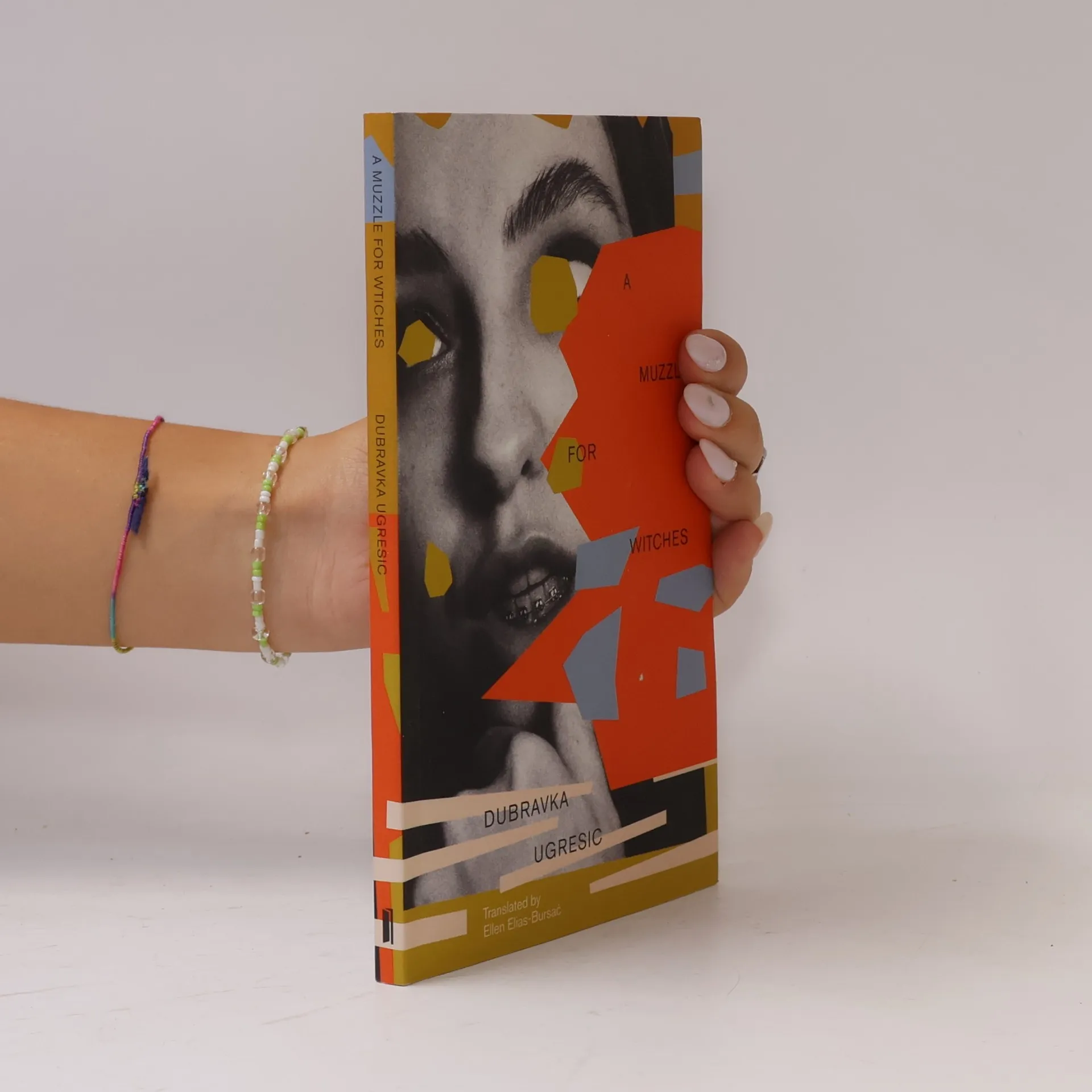
Winner of the Neustadt International Prize for Literature As with the rest of her literary career, Dubravka Ugresic's final work, A Muzzle for Witches, is uncategorizable. On its surface, the book is an conversation with the literary critic Merima Omeragić, covering topics such as "Women and the Male Perspective," "The Culture of (Self)Harm," and "The Melancholy of Vanishing." But the book is more than a simple interview: It's a roadmap of the literary world, exploring the past century and all of its violence and turmoil--especially in Yugoslavia, Ugresic's birth country--and providing a direction for the future of feminist writing. One of the greatest thinkers of the past hundred years, Ugresic was one-of-a-kind, who novels and literary essays pushed the bounds of form and content, and A Muzzle for Witches offers the chance to see her at her most raw, and most playful.
De essays zijn op de huid van de tijd geschreven. Uiteenlopende modegrillen maken hun opwachting, van tatoeages tot het opzetten van het menselijk lichaam. Het uiteenvallen van Joegoslavië leidt tot beschouwingen over nationalisme en de verstrengeling tussen criminaliteit en politiek. Maar ook de stand van zaken in de academische wereld en de media komt aan de orde, en het statusverschil tussen man en vrouw. Ugrešić heeft overzicht en tegelijk schrijft ze op ooghoogte, vanuit menselijk perspectief. Zoals wanneer ze met taxichauffeur Boba door een landschap toert dat door patsers – onder wie rijke Russen – met terreinwagens kapot wordt gereden. Of in haar portretten van mensen uit het vroegere Oostblok die in Nederland als schoonmaakster werken of een winkeltje met producten uit hun land van herkomst beginnen.
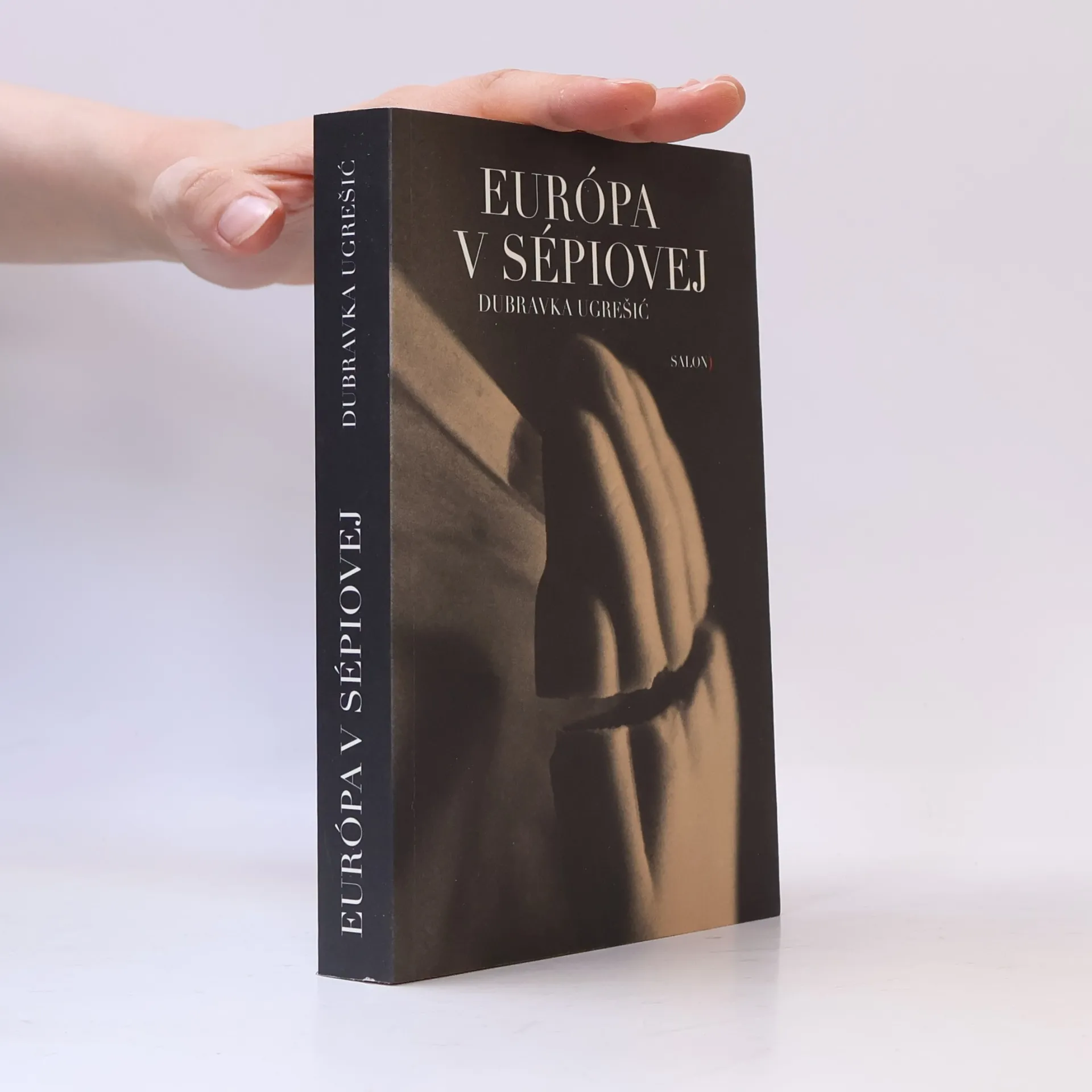
Dubravka Ugrešić putuje od demonštrantov v newyorskom Zuccottiho parku, cez melancholické sídlisko v Amsterdame, Tel Aviv, Filipíny, Zagreb, Gent: Európa v sépiovej je nutným čítaním pre každého, kto chce ohmatať a precítiť, čo sa s nami deje v tejto civilizácii, ktorá nás rozmaznáva a ponižuje zároveň.
Dubravka Ugrešić je jedným z najzaujímavejších zjavov chorvátskej literatúry. Začiatkom deväťdesiatych rokov ju z jej vlasti vyhnal argresívny chorvátsky nacionalizmus, a dodnes tam oficiálnymi miestami nie je príliš vítaná. Žije v Amsterdame. Je laureátkou množstva prestížnych európskych literárnych cien. V roku 2016 získala Neustadt Prize, americký ekvivalent Nobelovej ceny za literatúry, za svoj prenikavý, jedinečný, nezávislý pohľad a literárne majstrovstvo.
Európa v sépiovej je jej najnovšou knihou. Jedným z miest z jej úvah je tiež Bratislava, ktorá vôbec neunikla jej melanchólii, ani nemilosrdnému humoru v kapitole, ktorá sa volá tak ako celá kniha: Európa v sépiovej.
Predslov k slovenskému vydaniu napísal Michal Havran. Je to zároveň jedna z najdôležitejších slovenských esejí o dnešnej Európe.
Neue Essays aus der Feder der »Philosophin des Bösen und des Exils« (Charles Simic). Scharf, witzig und ebenso unterhaltsam wie klug schreibt Dubravka Ugresic über unsere digitale Welt zwischen Selbstdarstellung und bloßer Nachahmung. Sie schreibt über Medienhetze und Heimatlosigkeit, über osteuropäische Fliegen und polnische Wasserinstallateure - uns seziert dabei dei Begriffe und Bilder, die wir uns von den Dingen machen. In ihrem neuen Essayband wendet sich Dubravka Ugresic dem zeitgenössischen Phänomen der digitalen Kultur zu, in der jedermann eingeladen ist, sich zu beteiligen - ohne Rücksicht auf Urheberrechte und ähnliche störende Nebensächlichkeiten. Ugresic entdeckt hier überraschende Parallelen zur Amateurkultur, wie sie im Kommunismus florierte: Während der Kommunismus unterging, so ihre These, konnte die Hauptidee des Kommunismus - die Selbstverwirklichung - überleben und umgesetzt werden - nicht zuletzt dank Bill Gates. Außerdem geht es in diesem Band um falsche Begriffe von Patriotismus, Angst vor Menschen, Minibars, die Autorin verteidigt ihr Recht, eine »Fremde« zu bleiben, sie zeigt anhand von Putins Imagestrategien, dass das Bild alles ist und der Inhalt nichts, sie erzählt Geschichten von jugoslawischen Gastarbeitern und polnischen Klempnern, von Europas neuer Unterschicht - den Obsessionen des modernen Weltbürgers.
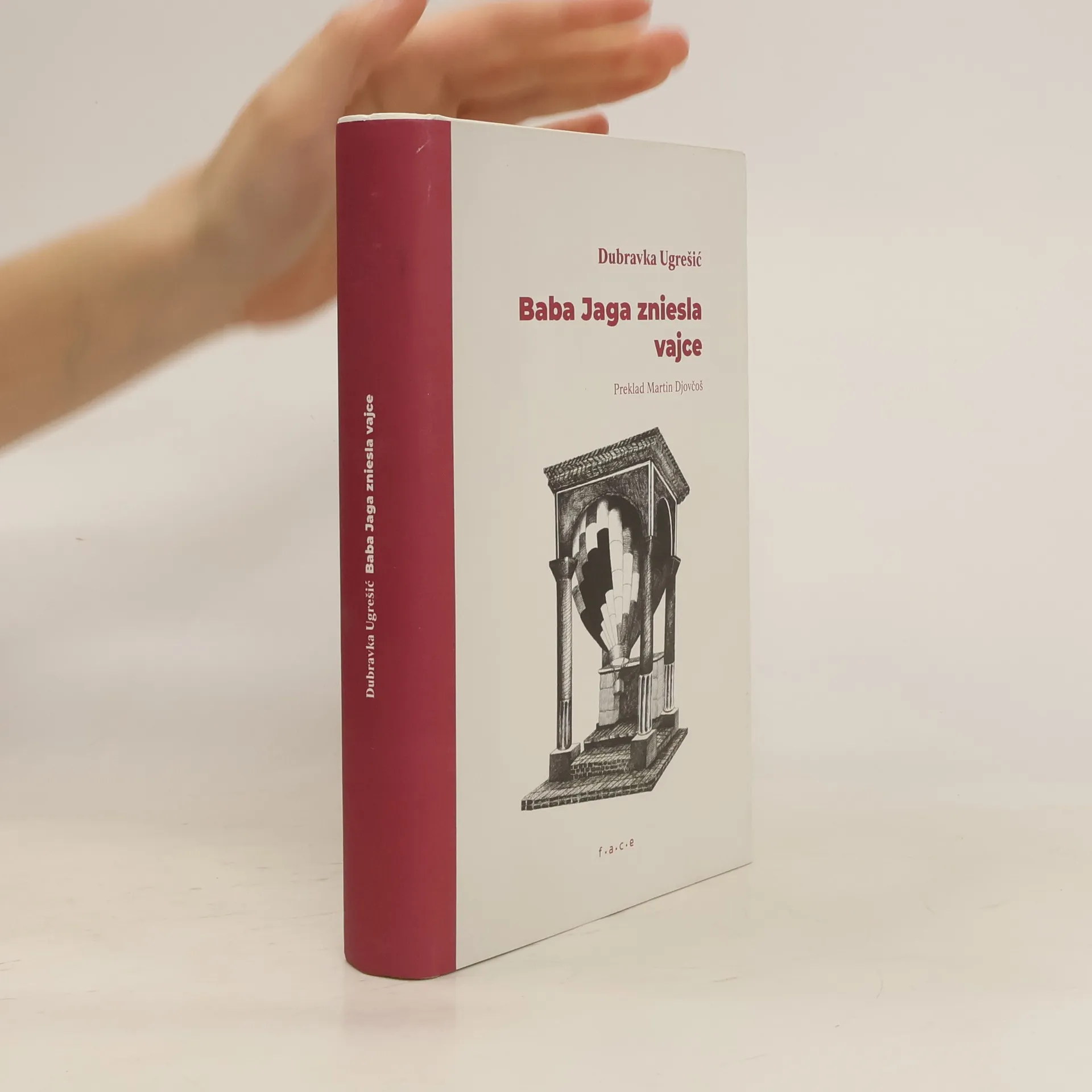
Román spisovateľky Dubravky Ugrešić Baba Jaga zniesla vajce sa vzpiera jednoznačnej charakteristike: vychádza z toho najlepšieho v postmodernizme a zároveň postmodernu prekonáva, venuje sa feministickým témam, ale feminizmus prekračuje. Hlavným námetom románu je staroba žien, ktorú autorka podáva z viacerých pohľadov a striedanie perspektív používa ako účinný nástroj na rozvíjanie príbehu a kladenie provokatívnych otázok. Vyrovnávanie sa žien so starnutím je v tomto románe stvárnené ako zápas o život a o jeho nevyhnutný koniec, ktorý má mnoho podôb a jednu spoločnú túžbu – dôstojnosť. Univerzálnu tému autorka konkretizuje na priestore strednej Európy a na pozadí rozsiahlej slovanskej mytológie Baby Jagy, odrážajúcej podvedomú reakciu spoločnosti na prítomnosť starých žien v našom svete. Román s prvkami tragiky aj frašky je aktuálny a napojením na mýty dostáva nadčasový a archetypálny rozmer. Ugrešić využíva demiurgickú pozíciu rozprávania a majstrovsky znižuje ťaživosť námetu ironickým odstupom a typológiou postáv, ktoré prirodzene a zároveň jedinečne dokazujú zamýšľané tézy. Napriek tomu, že autorka si dáva záležať, aby román bol dokonale vyladeným literárnym dielom, jej cieľom je hranice literatúry prekročiť a dotknúť sa sveta skutočných a živých ľudí.
Dubravka Ugresic erkundet in ihren Essays mit Leichtigkeit Orte, Kulturen und Zeitgeschichte. Sie beleuchtet Alltagsbanalitäten und analysiert große Themen wie die Welt nach 9/11 durch die Linse von New Yorker Nagelstudios, wodurch ein scharfsinniges und humorvolles Bild unserer Zeit entsteht.
Tanja Lucic teaches at the University of Amsterdam and lives on the edge of the city's red light district. She and her pupils, fleeing the violent break-up of their homeland Yugoslavia, have found temporary refuge in the Department of Slavonic Languages.
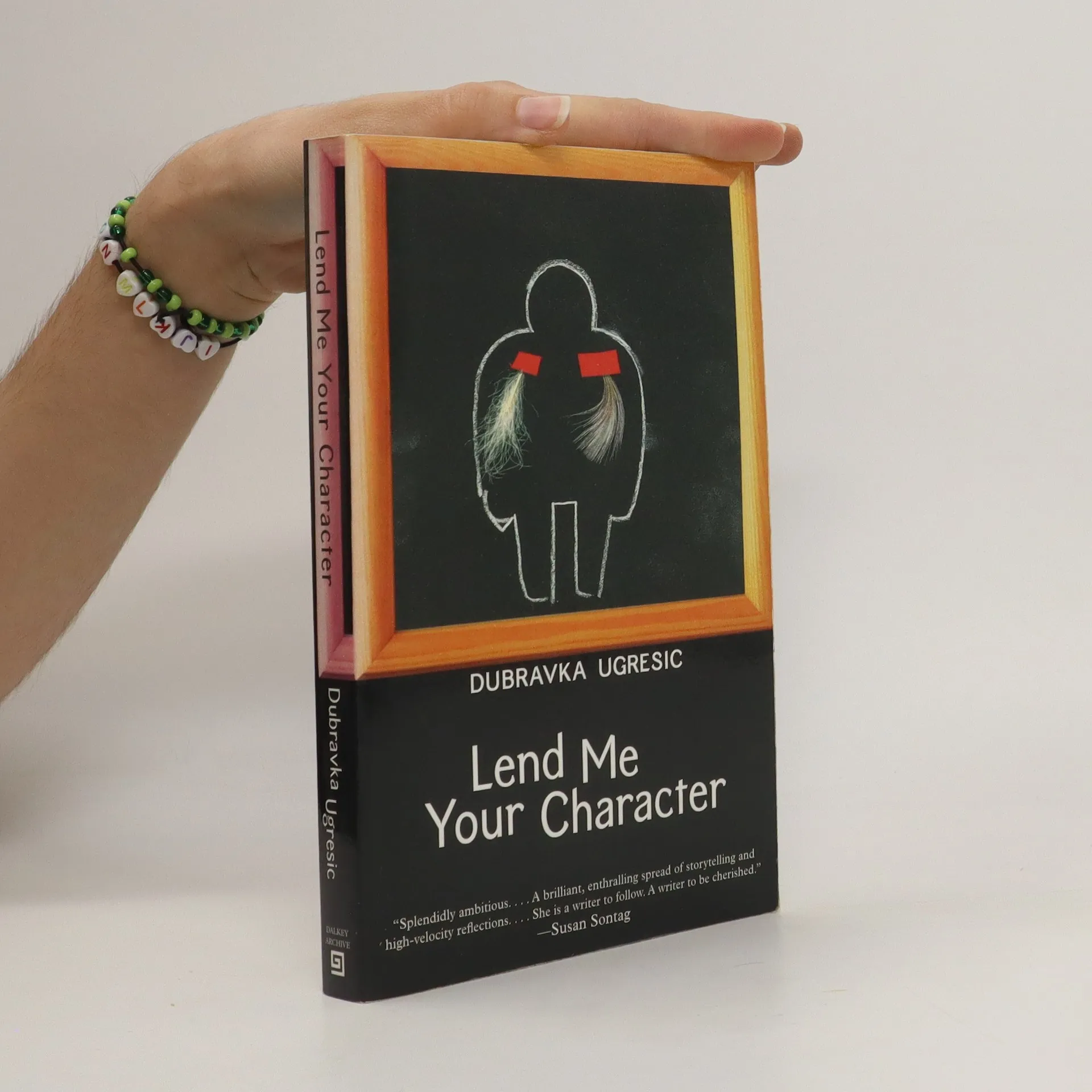
The pieces collected in Lend Me Your Character—the novella "Steffie Cvek in the Jaws of Life" and a collection of short stories entitled Life Is a Fairy Tale— solidify Dubravka Ugresic's reputation as one of Eastern Europe's most playful and inventive writers. From the story of Steffie Cvek, a harassed and vulnerable typist whose life is shaped entirely by clichés as she searches relentlessly for an elusive romantic love in a narrative punctuated by threadbare advice from women's magazines and constructed like a sewing pattern, to "The Kharms Case," one of Ugresic's funniest stories ever about the strained relationship between a persistent translator and an unresponsive publisher, the pieces in this collection are always smart and endlessly entertaining.
Volite li “ljubiće"? Što god mislili o njima, uživat ćete u ovom vrhunskom pastišu trivijalnih ljubavnih romana. Uzimajući za glavnu junakinju idealnu čitateljicu “ljubića" i provodeći je kroz niz situacija, prepoznatljivih kao tipično “žensko iskustvo", Dubravka Ugrešić lucidno pokazuje do koje se mjere naša svakodnevica oblikuje prema stereotipima koje koristi tzv. trivijalna literatura. Neodoljivo duhovita i šarmantna knjiga o kojoj valja, nakon što se dobro nasmijete, i vrlo dobro razmisliti.
Dubravka Ugrešić, 1949 in Kutina geboren, ist eine kroatische Schriftstellerin. Sie studierte und lehrte an der Universität in Zagreb. Ihr Werk wurde mit vielen Preisen ausgezeichnet, u. a. mit dem Heinrich-Mann-Preis 2000 . Ugrešić lebt und arbeitet als freie Autorin in Amsterdam.
The Museum of Unconditional Surrender—by the renowned Yugoslavian writer Dubravka Ugresic—begins in the Berlin Zoo, with the contents of Roland the Walrus's stomach displayed beside his pool (Roland died in August, 1961). These objects—a cigarette lighter, lollipop sticks, a beer-bottle opener, etc.—like the fictional pieces of the novel itself, are seemingly random at first, but eventually coalesce, meaningfully and poetically.Written in a variety of literary forms, The Museum of Unconditional Surrender captures the shattered world of living in exile. Some chapters re-create the daily journal of the narrator's lonely and alienated mother, who shops at the improvised flea-markets in town and longs for her children; another is a dream-like narrative in which a circle of women friends are visited by an angel. There are reflections and accounts of the Holocaust and the Yugoslav Civil War; portraits of European artists; a recipe for Caraway Soup; a moving story of a romantic encounter the narrator has in Lisbon; descriptions of family photographs; memories of the small town in which Ugresic was raised.Addressing the themes of art and history, aging and loss, The Museum is a haunting and an extremely original novel. In the words of the Times Literary Supplement, "it is vivid in its denunciation of destructive forces and in its evocation of what is at stake."
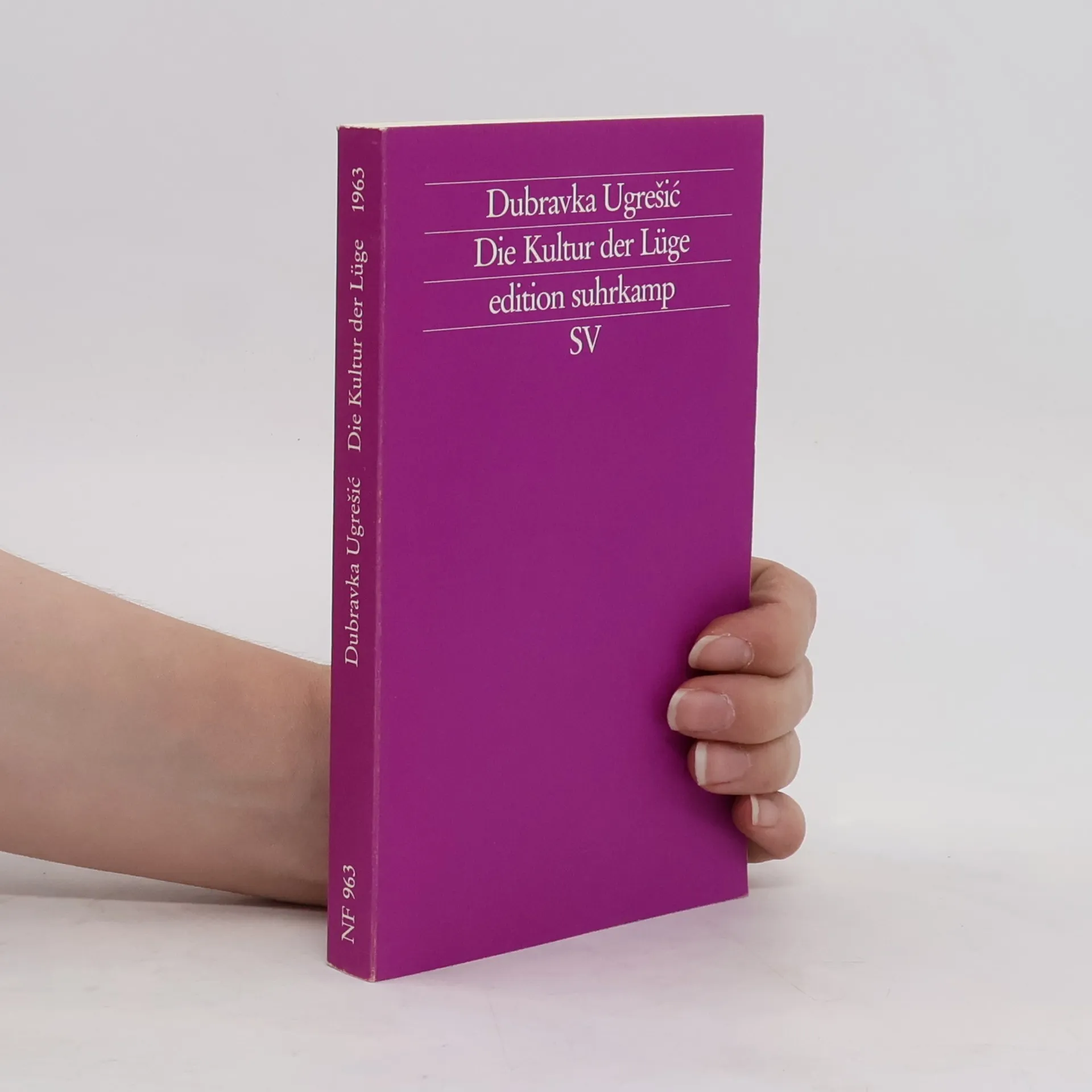
Die Kultur der Lüge entstand als Reaktion auf den Zerfall Jugoslawiens, auf den unseligen Krieg in Kroatien wie in Bosnien. Die Essays analysieren, was in Ex-Jugoslawien geschieht: Aggression gegen den eigenen »Bruder«; künstlich herbeigeführte Amnesie; Rekurs auf nationalfaschistische Ideologien; Propaganda und Zensur; Folklorekitsch als Kultur der Lüge; Schriftsteller und Intellektuelle im Strudel des Nationalismus."
Dubravka Ugrešić, 1949 in Kutina geboren, ist eine kroatische Schriftstellerin. Sie studierte und lehrte an der Universität in Zagreb. Ihr Werk wurde mit vielen Preisen ausgezeichnet, u. a. mit dem Heinrich-Mann-Preis 2000. Ugrešić lebt und arbeitet als freie Autorin in Amsterdam.
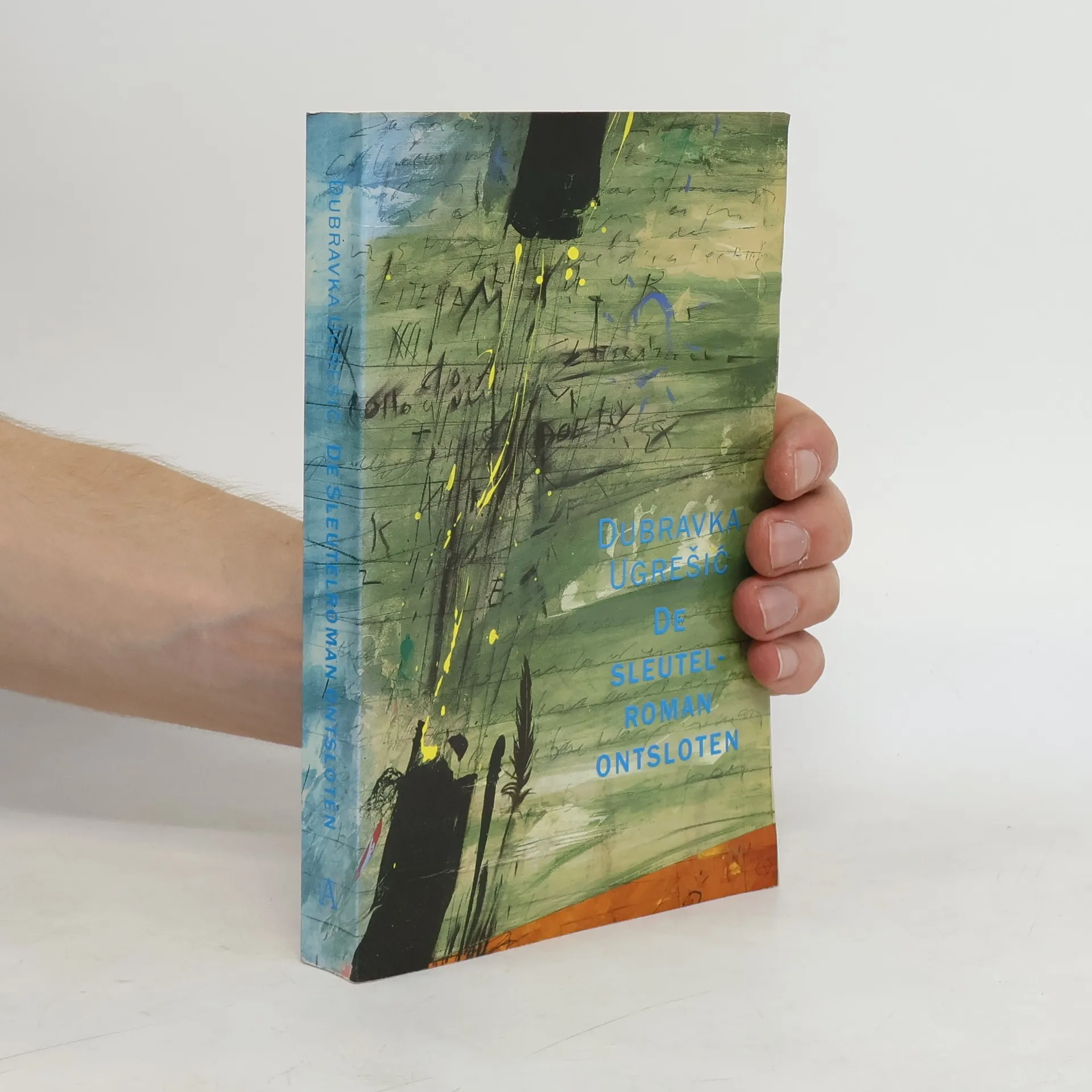
Ironisch, speels, vol dubbele bodems en een waanzinnig, niet na te vertellen plot; zo kan men deze roman omschrijven. Het verhaal begint met de dood van een Spaanse dichter die uitglijdt op de rand van het zwembad in het Intercontinentale Hotel en vervolgens ontketent zich een reeks hilarische en mysterieuze gebeurtenissen. Spionage, Oost-Europese ambtenarij, seksuele intriges, moord en bekoorlijke staaltjes van literaire gewicht hefferij geven een ongekende kleur aan een schrijvers congres in Zagreb, dat zoals alle schrijvers congressen waar ter wereld ook niet interessant, vooral middelmatig en clichématig dreigt te verlopen. Aan de zijlijn en op grote afstand ontmoet de lezer de Amerikaan Marc Stenheim en zijn vriend Pipo Fink, die zich tegoed doen aan grote hoeveelheden drank, ondertussen zwelgend in minderwaardigheidscomplexen over eigen schrijverij. Dit is de perfecte satire- en sleutelroman op de beperkingen en absurditeiten van het schrijvers schap en tegelijkertijd een meesterlijk voorbeeld van postmoderne literatuurtheorie. En onderhoudend, amusant, leesbaar... dat vooral ook.