


Bookbot

Philip Jenkins

    3. apríl 1952

    John Philip Jenkins sa stal významným komentátorom náboženských tém, pričom jeho pôvodné zameranie na ranonovovekú britskú históriu sa rozšírilo na širokú škálu súčasných otázok. Jeho práca sa vyznačuje bystrým vhľadom do minulosti aj súčasnosti náboženstva, a to najmä v globálnom kontexte. Jenkins si získal uznanie za svoj prenikavý štýl písania, ktorý je často opisovaný ako jasný a zdržanlivý, čo čitateľom umožňuje hlboko pochopiť zložité témy. Vďaka svojmu rozsiahlemu výskumu a schopnosti prezentovať komplexné informácie prístupným spôsobom sa stal jedným z popredných hlasov v oblasti štúdia náboženstva.

    Das goldene Zeitalter des Christentums
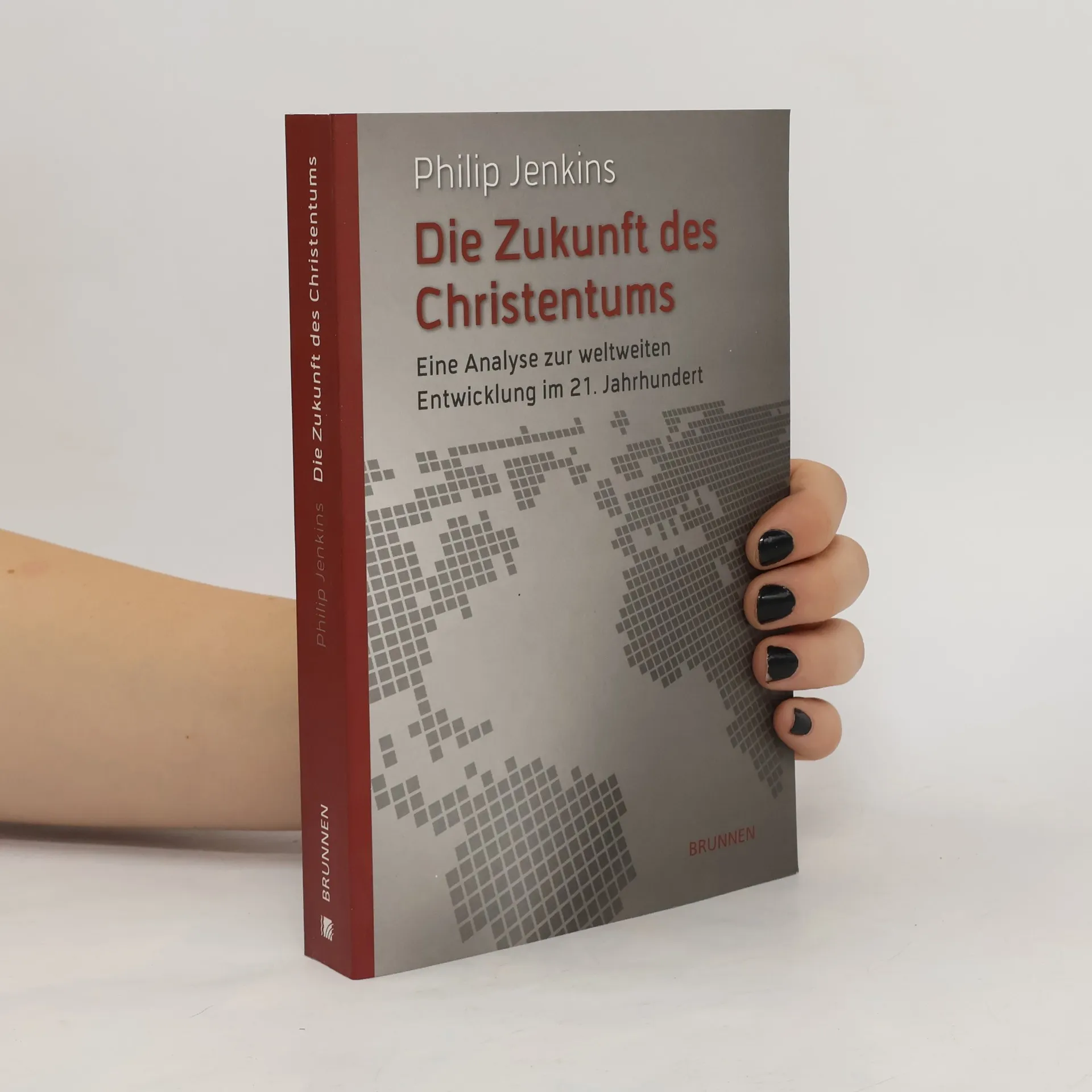
    Die Zukunft des Christentums. Eine Analyse zur weltweiten Entwicklung im 21. Jahrhundert
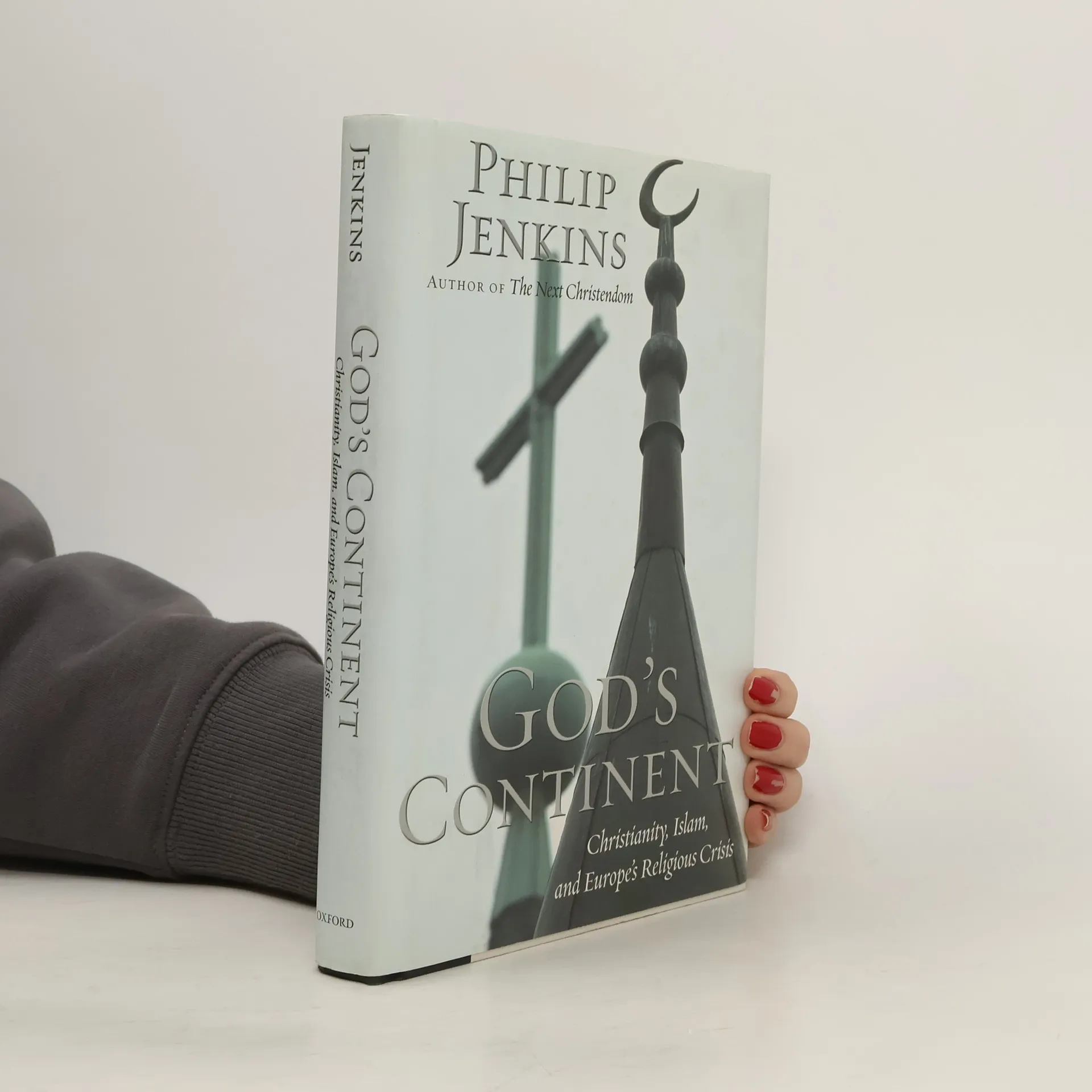
    God's Continent:Christianity, Islam, and Europe's Religious Crisis
    Next Christendom
    • Das goldene Zeitalter des Christentums

      Die vergessene Geschichte der größten Weltreligion

      • 379 stránok
      • 14 hodin čítania

      In this groundbreaking book, renowned religion scholar Philip Jenkins offers a lost history, revealing that, for centuries, Christianity's center was actually in the Middle East, Asia, and Africa, with significant communities extending as far as China. <i>The Lost History of Christianity</i> unveils a vast and forgotten network of the world's largest and most influential Christian churches that existed to the east of the Roman Empire. These churches and their leaders ruled the Middle East for centuries and became the chief administrators and academics in the new Muslim empire. The author recounts the shocking history of how these churches—those that had the closest link to Jesus and the early church—died. Jenkins takes a stand against current scholars who assert that variant, alternative Christianities disappeared in the fourth and fifth centuries on the heels of a newly formed hierarchy under Constantine, intent on crushing unorthodox views. In reality, Jenkins says, the largest churches in the world were the “heretics” who lost the orthodoxy battles. These so-called heretics were in fact the most influential Christian groups throughout Asia, and their influence lasted an additional one thousand years beyond their supposed demise. Jenkins offers a new lens through which to view our world today, including the current conflicts in the Middle East, Asia, and Africa. Without this lost history, we lack an important element for understanding our collective religious past. By understanding the forgotten catastrophe that befell Christianity, we can appreciate the surprising new births that are occurring in our own time, once again making Christianity a true world religion.

      Das goldene Zeitalter des Christentums2010
    • What does the future hold for European Christianity? Many predict its collapse under globalization, Western secularism, and a surge of Muslim immigrants, suggesting Europe may become "Eurabia." Philip Jenkins challenges these claims, offering a more nuanced view of Europe's religious landscape. He acknowledges existing tensions but argues that the narrative of a Muslim-dominated Europe is based on myths, such as the idea that Muslims are the sole new immigrants. In reality, Christians from Africa, Asia, and Eastern Europe are also entering Western countries, infusing European Christianity with vibrant faith. Jenkins recognizes that both Christianity and Islam face significant challenges in a secular culture, yet rather than diminishing, both faiths are adapting. While church attendance may be declining, signs of enduring Christian loyalty persist, evidenced by the popularity of pilgrimages that attract millions—more than during past "ages of faith." Jenkins provides a hopeful perspective on the resilience and transformation of European Christianity amidst change.

      God's Continent:Christianity, Islam, and Europe's Religious Crisis2007
      3,8
    • Next Christendom

      • 346 stránok
      • 13 hodin čítania

      This new and substantially expanded edition of Philip Jenkins's influential book The Next Christendom tracks the remarkable expansion of Christianity in the global South, in Africa, Asia and Latin America, and the implications of that shift in numbers and influence away from the traditional Christian heartlands of Europe and North America.

      Next Christendom2007
      3,9
    • Philip Jenkins beleuchtet den Wandel des Christentums, das sich von Europa nach Afrika, Asien und Lateinamerika verlagert. Er prognostiziert das Ende des westlich geprägten Christentums und beschreibt, wie neue Zentren der Christenheit in Städten wie Kinshasa und Buenos Aires entstehen. Eine umfassende Analyse der globalen Entwicklungen im Glauben.

      Die Zukunft des Christentums. Eine Analyse zur weltweiten Entwicklung im 21. Jahrhundert2006