

Z Knihobotu sa stal Bookbot!
Bookbot

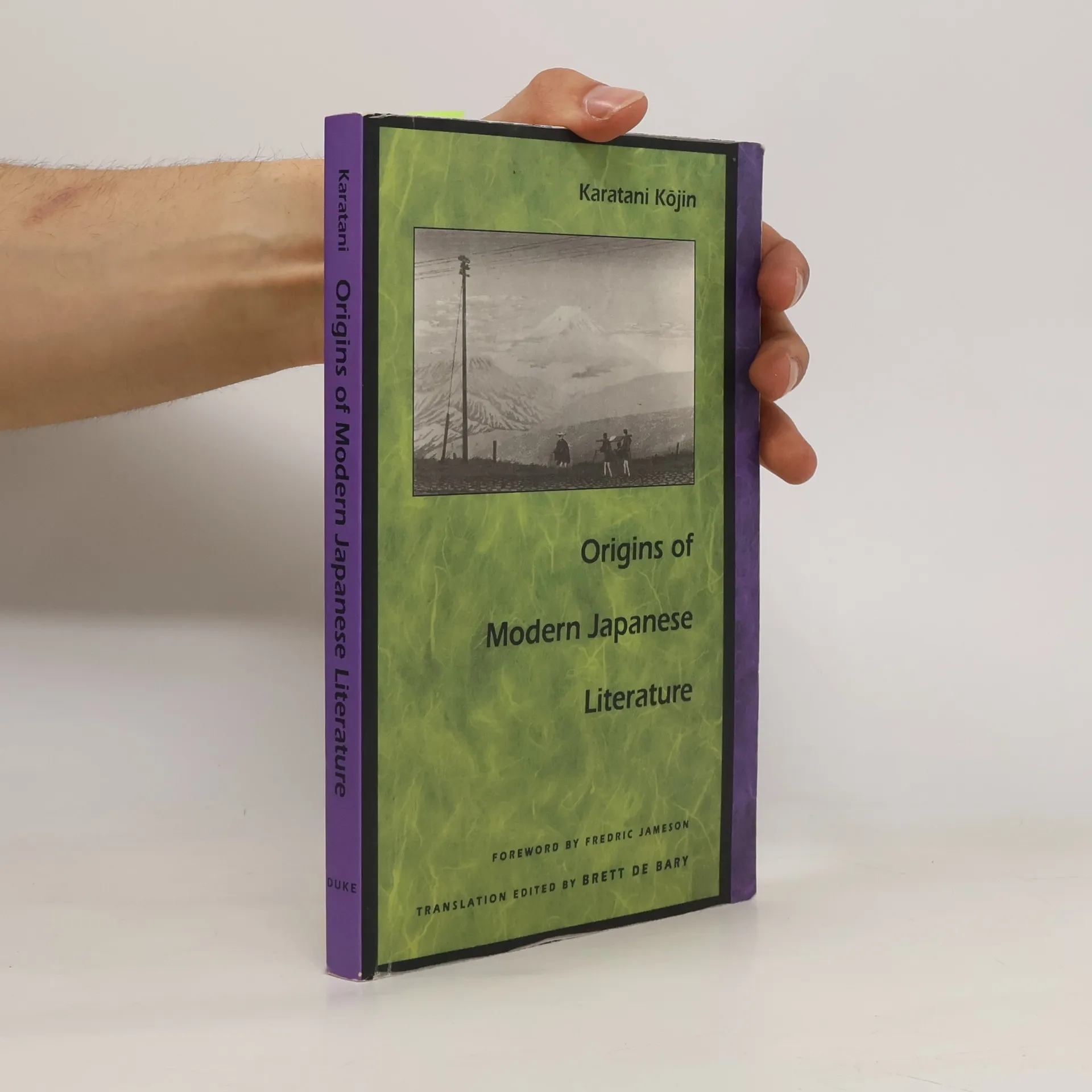
Kōjin Karatani

    6. august 1941

    Kōjin Karatani je japonský filozof a literárny kritik, ktorý sa ponára do tém modernosti a postmodernosti. Jeho dielo sa zameriava na hlbokú analýzu jazyka, čísla a peňazí, ktoré vníma ako kľúčové architektonické prvky nášho chápania sveta. Široký záber tém a neortodoxný prístup Karataniho mu vyniesli prezývku „Mysliaci stroj“. Jeho kritické úvahy a teoretické koncepty ponúkajú jedinečný pohľad na súčasnú spoločnosť a kultúru.

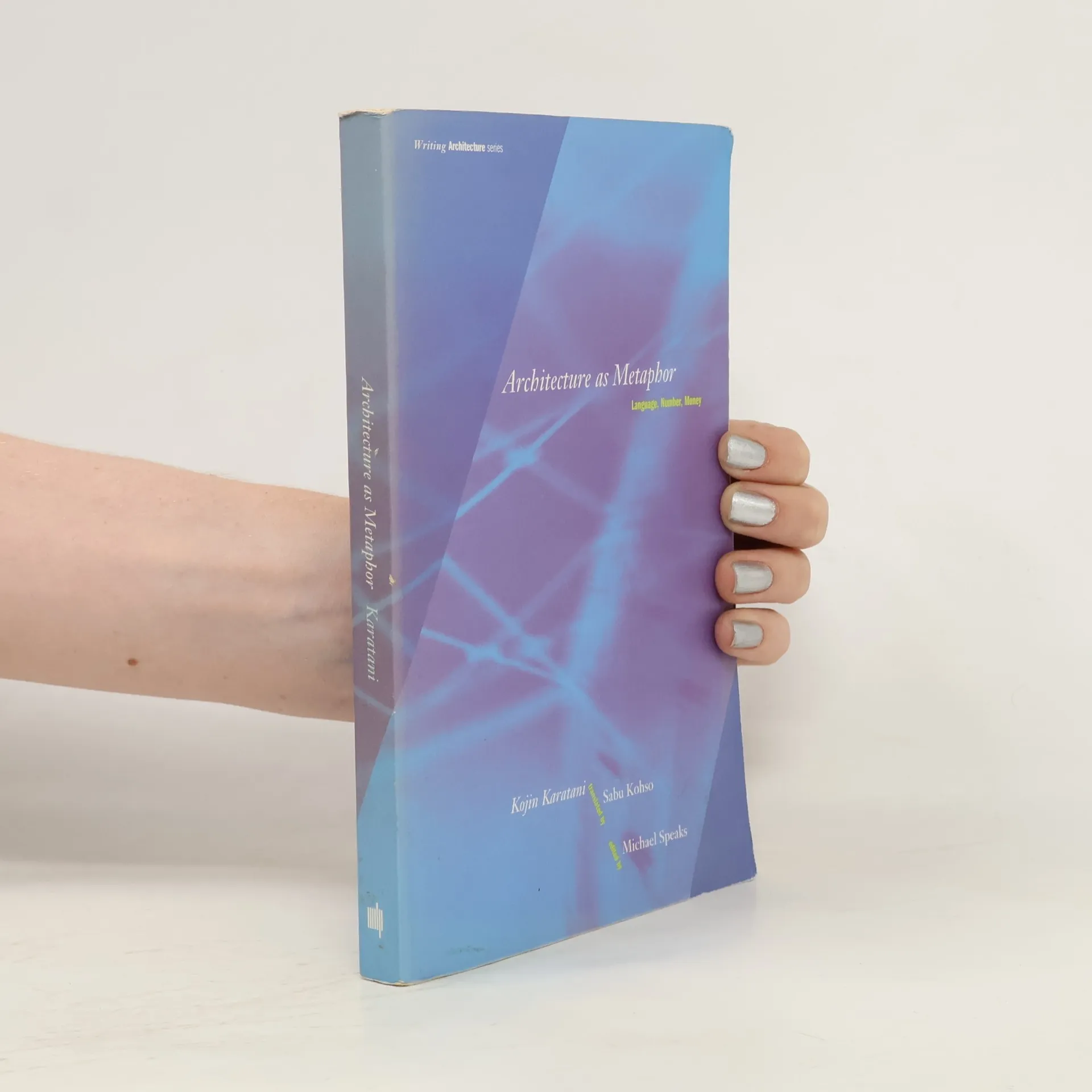
    Architecture as Metaphor
    Marx: Towards the Centre of Possibility
    Transcritique
    Marx: Towards the Centre of Possibility (Lbe)
    The Structure of World History
    • 2020

      Marx: Towards the Centre of Possibility

      • 160 stránok
      • 6 hodin čítania
      3,9(10)Ohodnotiť

      Classic study of Marx by Japan's leading critical theoristOriginally published in 1974, Kojin Karatani's Towards the Centre of Possibility has been amongst his most enduring and pioneering works in critical theory. Written at a time when the political sequences of the New Left had collapsed into crisis and violence, with widespread political exhaustion for the competing sectarian visions of Marxism from 1968, Karatani's Marx laid the groundwork for a new reading, unfamiliar to the existing Marxist discourse in Japan at the time.Karatani's Marx takes on insights from semiotics, deconstruction, and the reading of Marx as a literary thinker, treating Capital as an intervention in philosophy that could be read as itself a theory of signs. Marx is unique in this sense, not only because of its importance in post-68 Japanese thought, but also because the heterodox reading of Marx that Karatani debuts in this text, centered on his theory of the value-form, will go on to form the basis of his globally-influential work.

      Marx: Towards the Centre of Possibility
    • 2020

      Originally published in 1974, Kojin Karatani's Marx- Towards the Centre of Possibility has been among his most enduring and pioneering works in critical theory. Written at a time when the political sequences of the New Left had collapsed into crisis and violence, with widespread political exhaustion for the competing sectarian visions of Marxism from 1968, Karatani's Marx laid the groundwork for a new reading, unfamiliar to the existing Marxist discourse in Japan at the time. Karatani's Marx takes on insights from semiotics, deconstruction, and the reading of Marx as a literary thinker, treating Capital as an intervention in philosophy that could be read as itself a theory of signs. Marx is unique in this sense, not only because of its importance in post-'68 Japanese thought, but also because the heterodox reading of Marx that Karatani debuts in this text, centred on his theory of the value-form, will go on to form the basis of his globally influential work.

      Marx: Towards the Centre of Possibility (Lbe)
    • 2014

      The Structure of World History

      • 376 stránok
      • 14 hodin čítania
      4,4(10)Ohodnotiť

      Seeks to understand both Capital-Nation-State, the interlocking system that is the dominant form of modern global society, and the possibilities for superseding it.

      The Structure of World History
    • 2003

      A genuine Copernican turn in Kantian and Marxist theory and practice.

      Transcritique
    • 1995

      In Architecture as Metaphor, Kojin Karatani detects a recurrent will to architecture that he argues is the foundation of all Western thinking, traversing architecture, philosophy, literature, linguistics, city planning, anthropology, political economics, psychoanalysis, and mathematics.

      Architecture as Metaphor