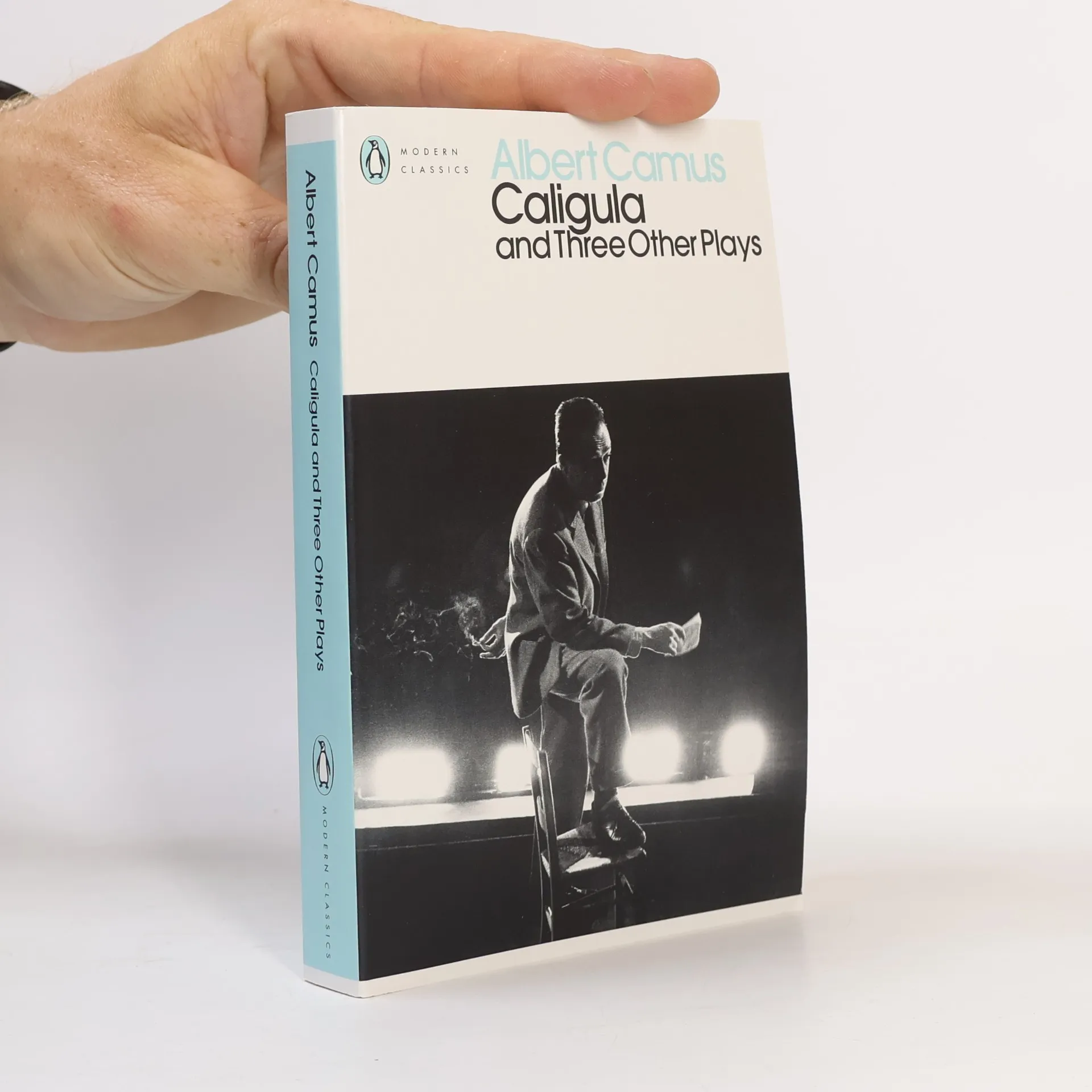
In brand new translations by Ryan Bloom, four theatrical masterpieces from the Nobel Prize-winning author of The Outsider and The Plague are brought together for the first time in English, alongside deleted scenes and alternate lines of dialogue Caligula/The Misunderstanding /State of Emergency/The Just Although renowned for his novels, Albert Camus described the theatre as 'one of the only places in the world I'm happy', and staged the four plays gathered in this collection in Paris between 1944-49. Caligula, his first full-length dramatic work, portrays the monstrous emperor who destroys men, gods and ultimately himself. Here too are The Misunderstanding, a murderous tangle of longing; State of Emergency, where 'The Plague' appears as a central character; and The Just, which explores the limits of political conviction. This new translation brings together Camus's final versions of the plays, along with deleted scenes and alternate lines of dialogue.
Mauro Armiño Poradie kníh (chronologicky)
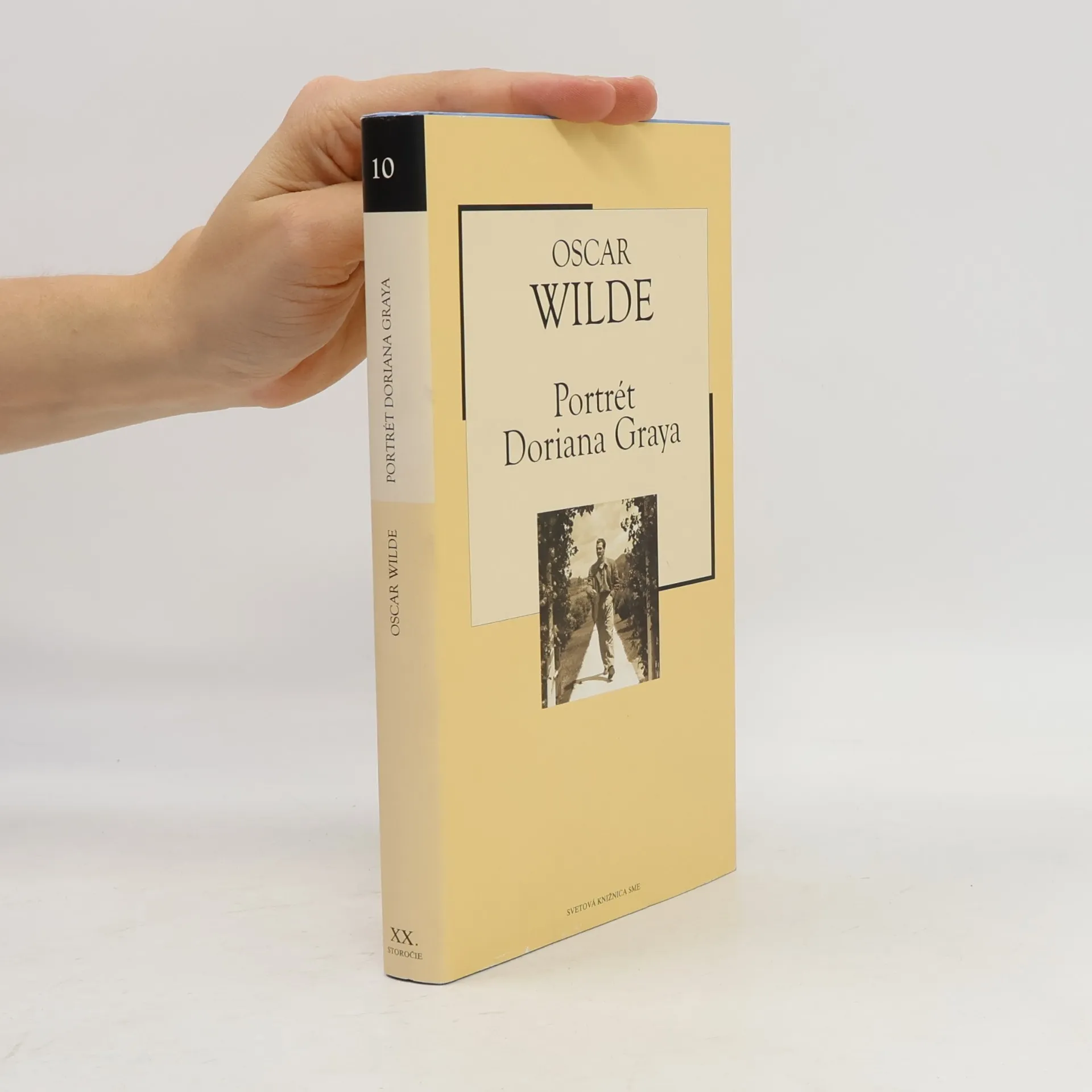

Román rozpráva o túžbe po večnej mladosti a kráse. Maliar Basil Hallward namaľuje portrét osemnásťročného Doriana Graya, mladíka s krásnou tvárou a čistou dušou. Lord Henry Wotton však Dorianovi zdôrazňuje, že mladosť a fyzická krása sú pominuteľné, a nabáda ho, aby ich naplno využil. Aké aktuálne – v dnešnom čase honby za mladosťou a krásou!
Breve historia de Europa
- 768 stránok
- 27 hodin čítania
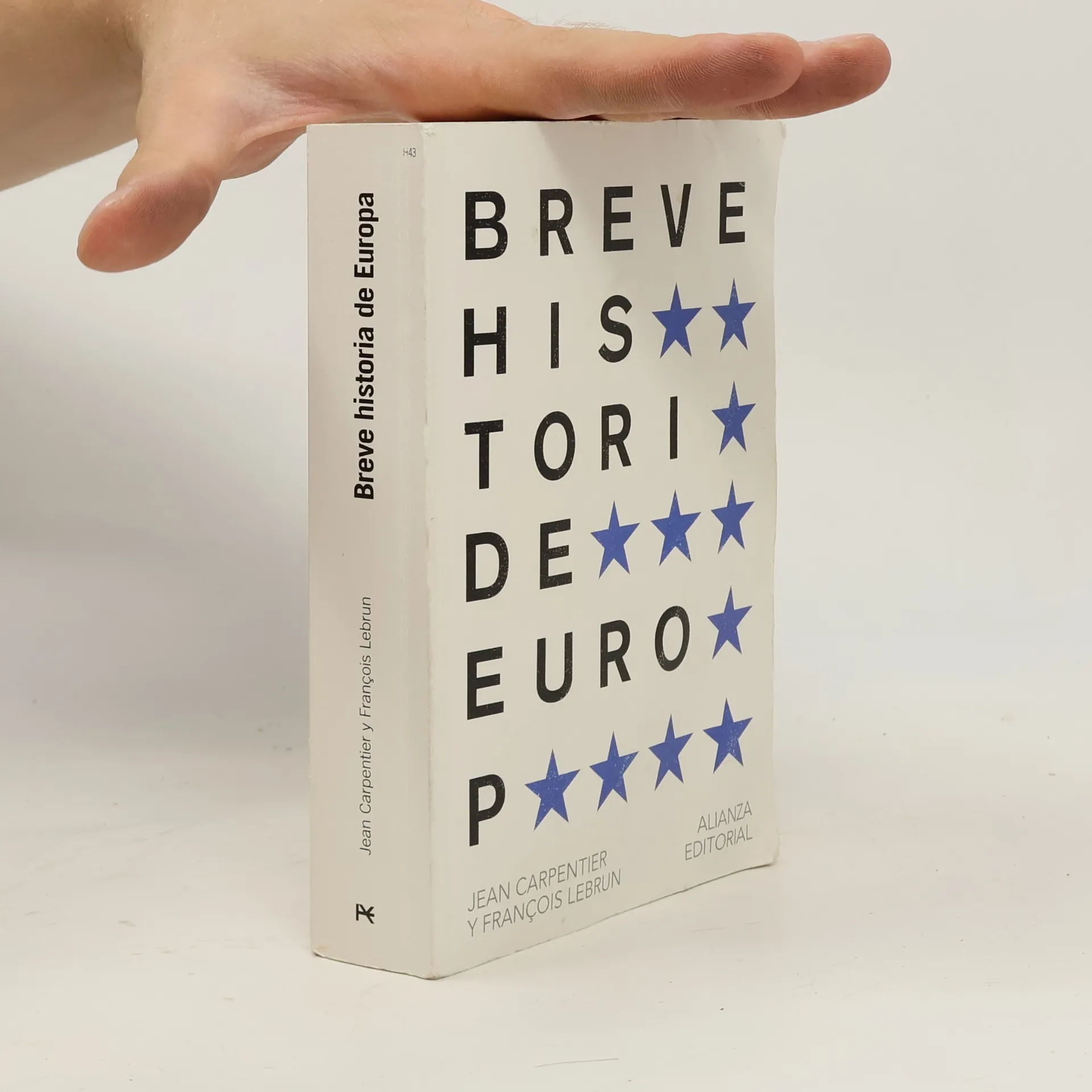
Desde los orígenes de la humanidad, y en el ámbito geográfico inscrito entre el Atlántico y los Urales, se han desarrollado múltiples acontecimientos que a través de los siglos, mediante la agregación de diversos elementos, como la herencia grecorromana, el cristianismo, la aportación de los pueblos «bárbaros», la expansión ultramarina a partir del siglo xv, la formación de estados soberanos o el fracaso de los intentos hegemónicos, desde Carlos V a Hitler, han ido forjando progresivamente una cierta identidad europea, culminada en el siglo xx por el surgimiento de una unidad europea supranacional, producto no de la fuerza, sino del mutuo consentimiento. Cada uno de los capítulos de esta BREVE HISTORIA DE EUROPA concluye con una selección de textos y documentos que amplían la visión del periodo. JEAN CARPENTIER y FRANÇOIS LEBRUN ponen a disposición del lector, además, otras herramientas complementarias: glosario, cronología, mapas históricos, un índice toponómico y otro onomástico, así como diversos cuadros estadísticos que encuadran la presencia europea en el conjunto mundial.
The Three Musketeers, Volume II
- 436 stránok
- 16 hodin čítania
Alexandre Dumas, père (French for "father", akin to Senior in English), born Dumas Davy de la Pailleterie (1802-1870) was a French writer, best known for his numerous historical novels of high adventure which have made him one of the most widely read French authors in the world. Many of his novels, including The Count of Monte Cristo (1845), The Three Musketeers (1844), and The Man in the Iron Mask (1848) were serialized, and he also wrote plays and magazine articles and was a prolific correspondent. Though best known now as a novelist, He earned his first fame as a dramatist. His Henri III et sa Cour (1829) was the first of the great Romantic historical dramas produced on the Paris stage, preceding Victor Hugo's more famous Hernani (1830). He was also a wellknown travel writer, writing such books as From Paris to Cadiz (1847), and Travel Impressions: In Russia (1860). His other works include Twenty Years After (1845), The Two Dianas (1846), Queen Margot (1845), The Black Tulip (1850), The Wolf-Leader (1857), and The Knight of Sainte-Hermine (1869).
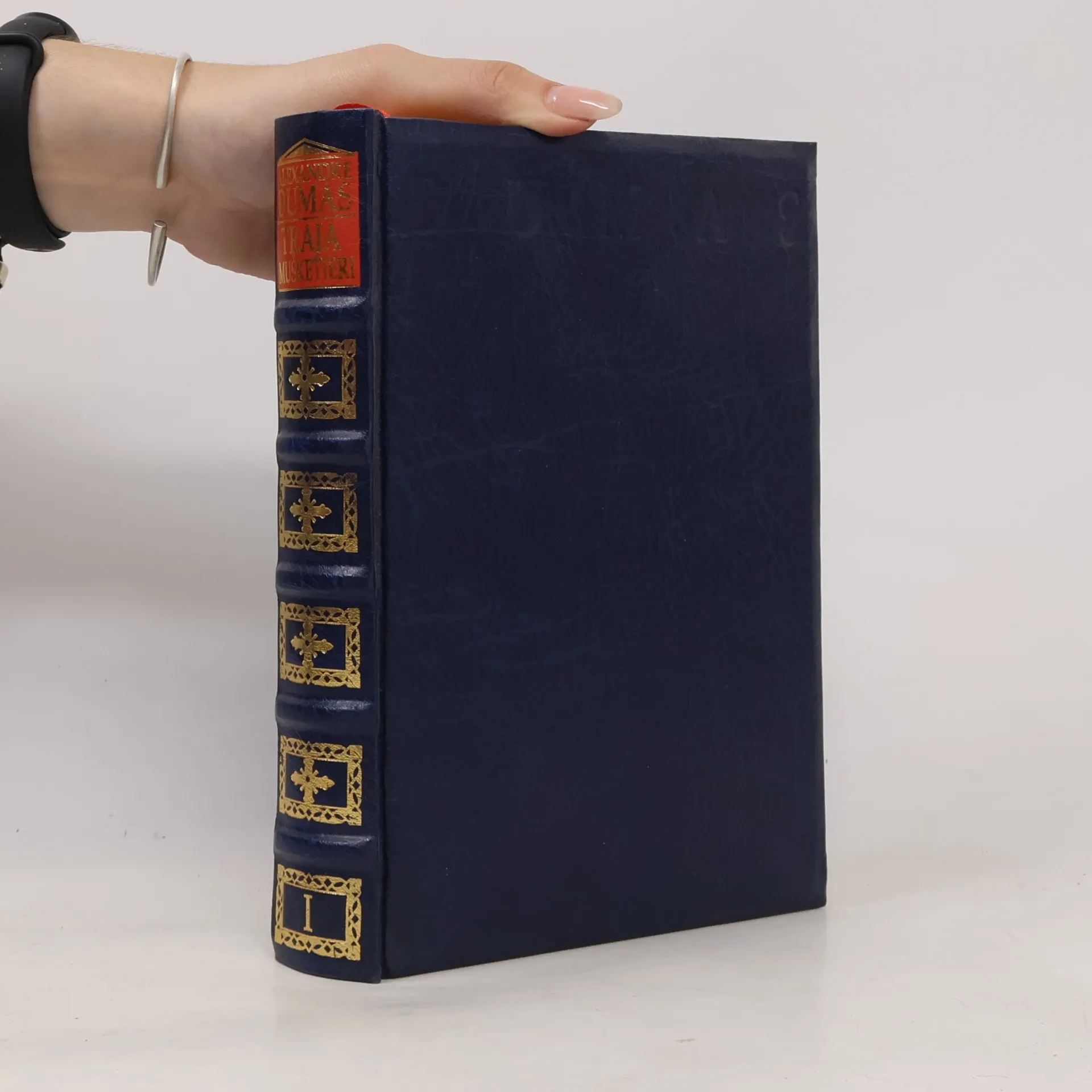
Traja mušketieri I.
- 352 stránok
- 13 hodin čítania
Traja Mušketieri, symbol priateľstva, odhodlanosti a obetavosti, ale aj dobrodružného života.
Fantóm opery
- 240 stránok
- 9 hodin čítania
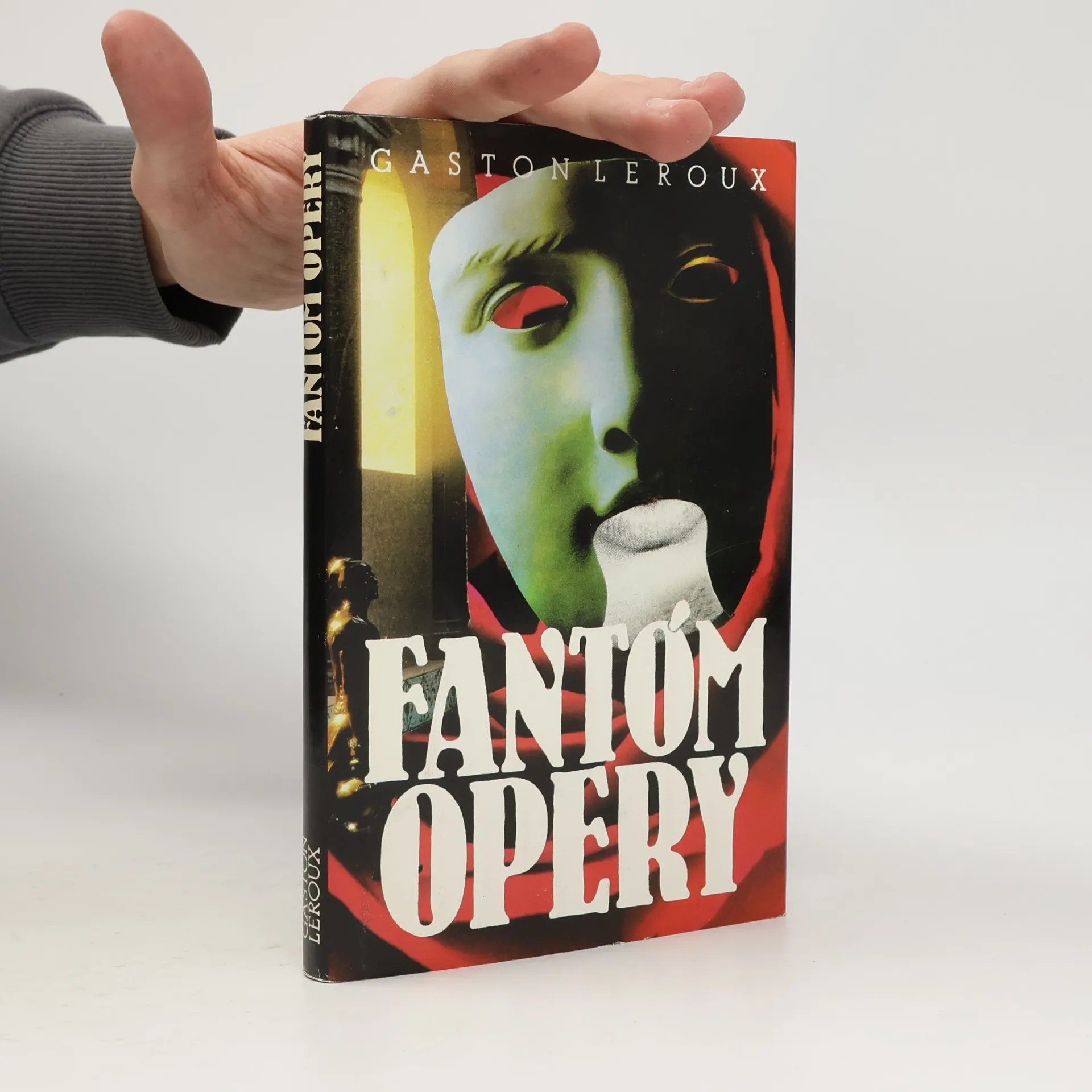
Fantóm Opery – inšpirácia umelcov, povera riaditeľov, výplod fantázie baletiek, ich matiek, uvádzačiek, šatniarok a vrátničiek? Autora pri pátraní v archívoch Národnej hudobnej akadémie ohromila prekvapujúca spätosť javov súvisiacich s fantómom a tragédiou rodiny grófa de Chagny, ktorá rozvírila pokojnú hladinu Paríža: unesená speváčka Kristina Daaé, zmiznutie vikomta de Chagnyho a smrť jeho staršieho brata grófa Filipa, ktorého telo našli na brehu jazera, rozprestierajúceho sa v podzemí Opery. Príbeh Fantóma stvoril francúzsky spisovateľ Gaston Leroux, ktorý ho v rokoch 1909 až 1910 vydával na pokračovanie. Román sa preslávil aj vďaka početným filmovým spracovaniam.
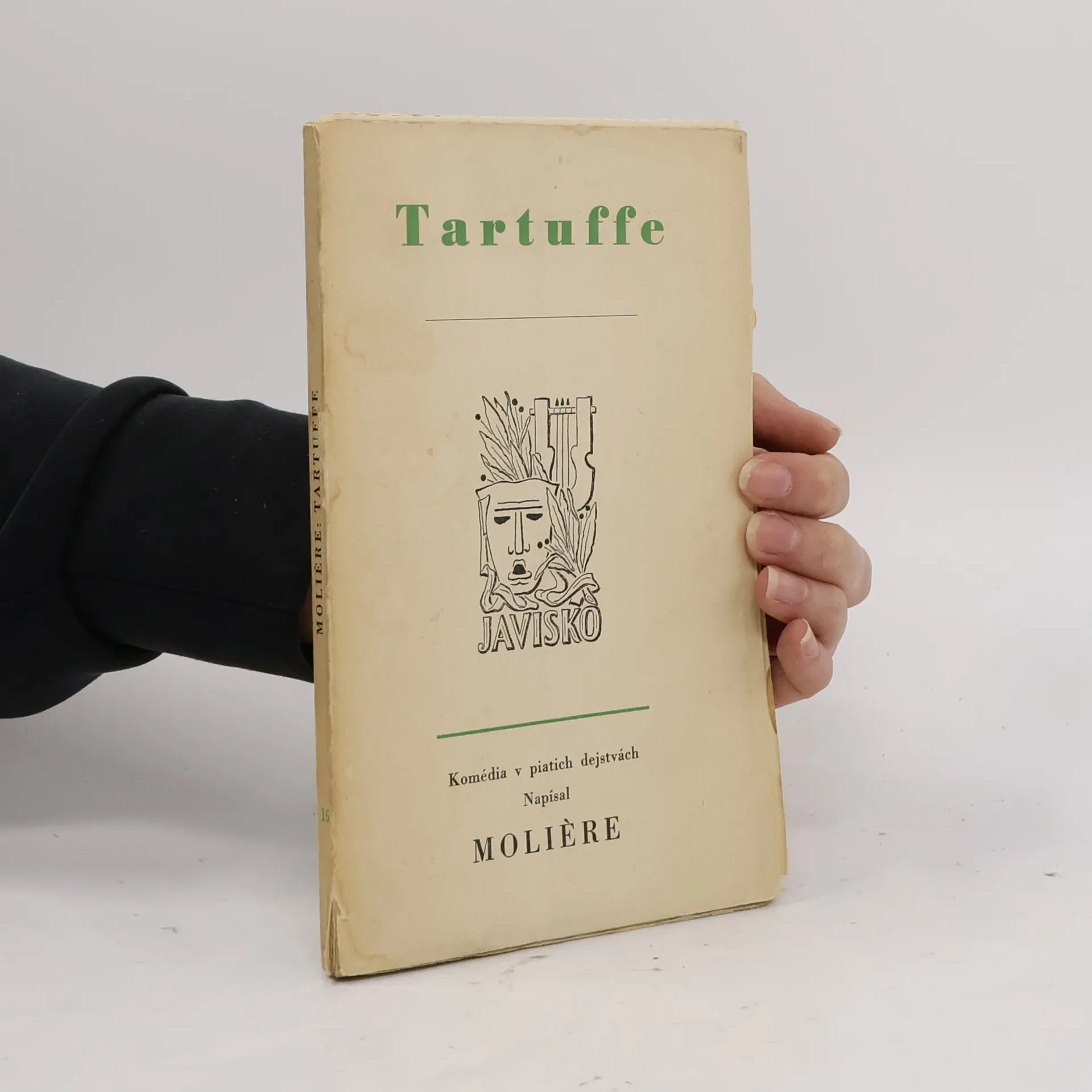
Foyer Orgona ovláda len jeden pán: Tartuffe. V oblečení v tmavých farbách a so závažným výrazom si tento muž získal priazeň hlavy rodiny: je jediným dôverníkom jeho tajomstiev a všetky jeho činy sú ospevované. Aby si ho ešte viac pripútal, Orgon mu dokonca ponúkne svoju dcéru za manželku... Ale pod maskou zbožného sa skrýva zručný podvodník, zmiešanina fatálnej zvodnosti a morálnej beztrestnosti, ktorý má väčší záujem o majetok a manželku svojho hostiteľa než o spásu svojho blížneho. Od vzniku hry v roku 1669, po dvoch zákazoch, táto temná duša neprestáva zvádzať generácie čitateľov a divákov svojím hustým tajomstvom. Hra sa stala predmetom mnohých inscenácií, od uvedenia Louisa Jouvet na Athénée Théâtre v roku 1950 po inscenáciu Stéphana Braunschweiga v divadle Odéon v roku 2008.