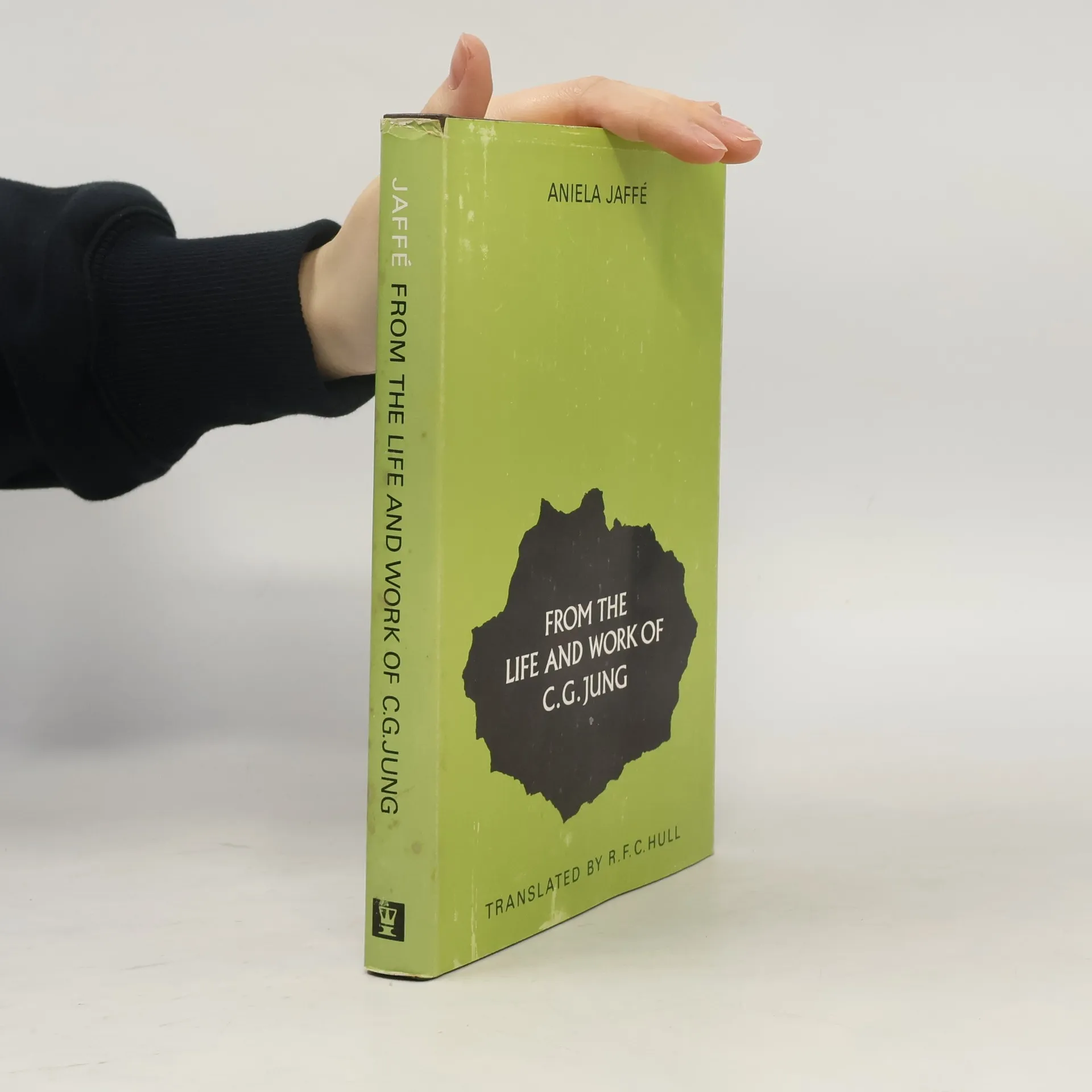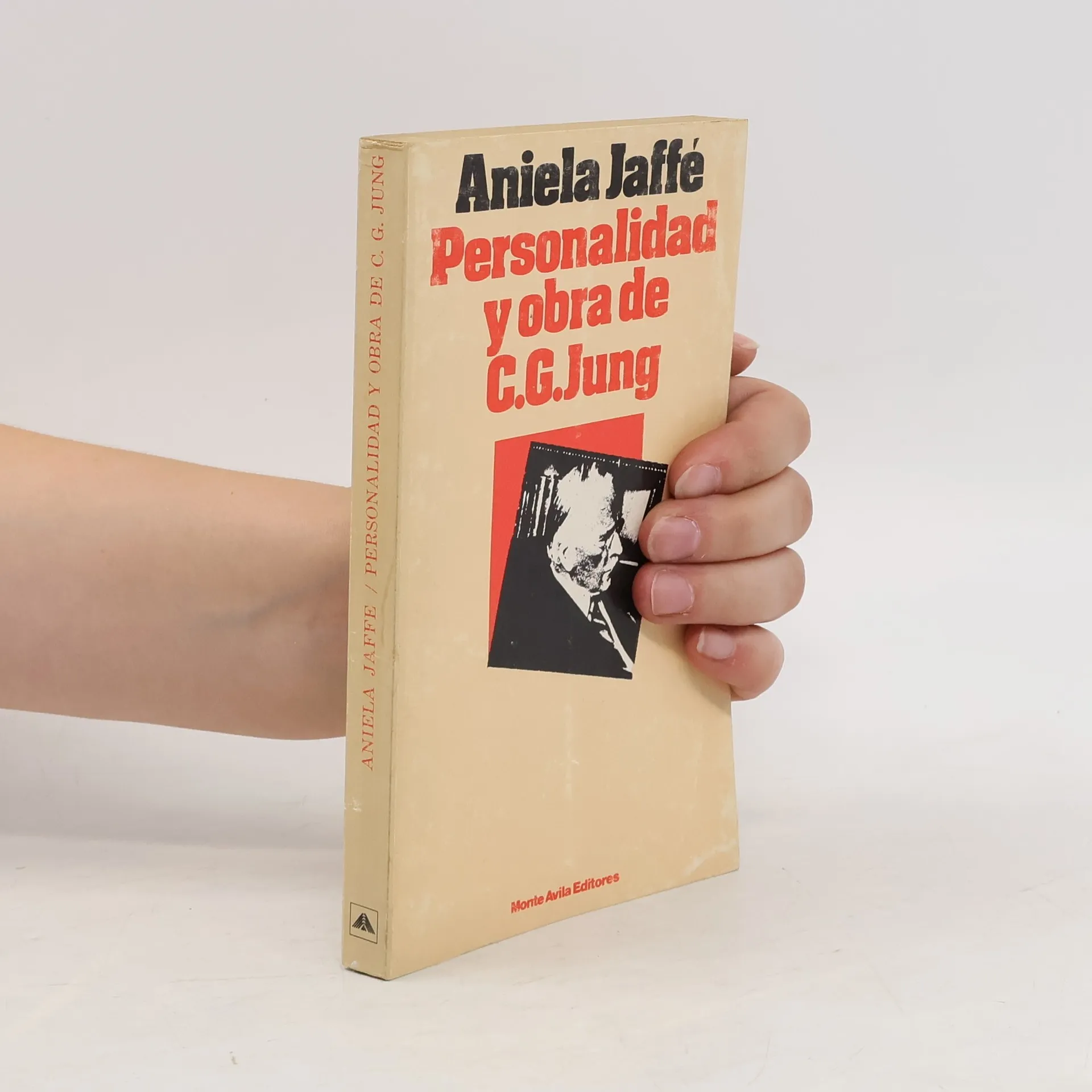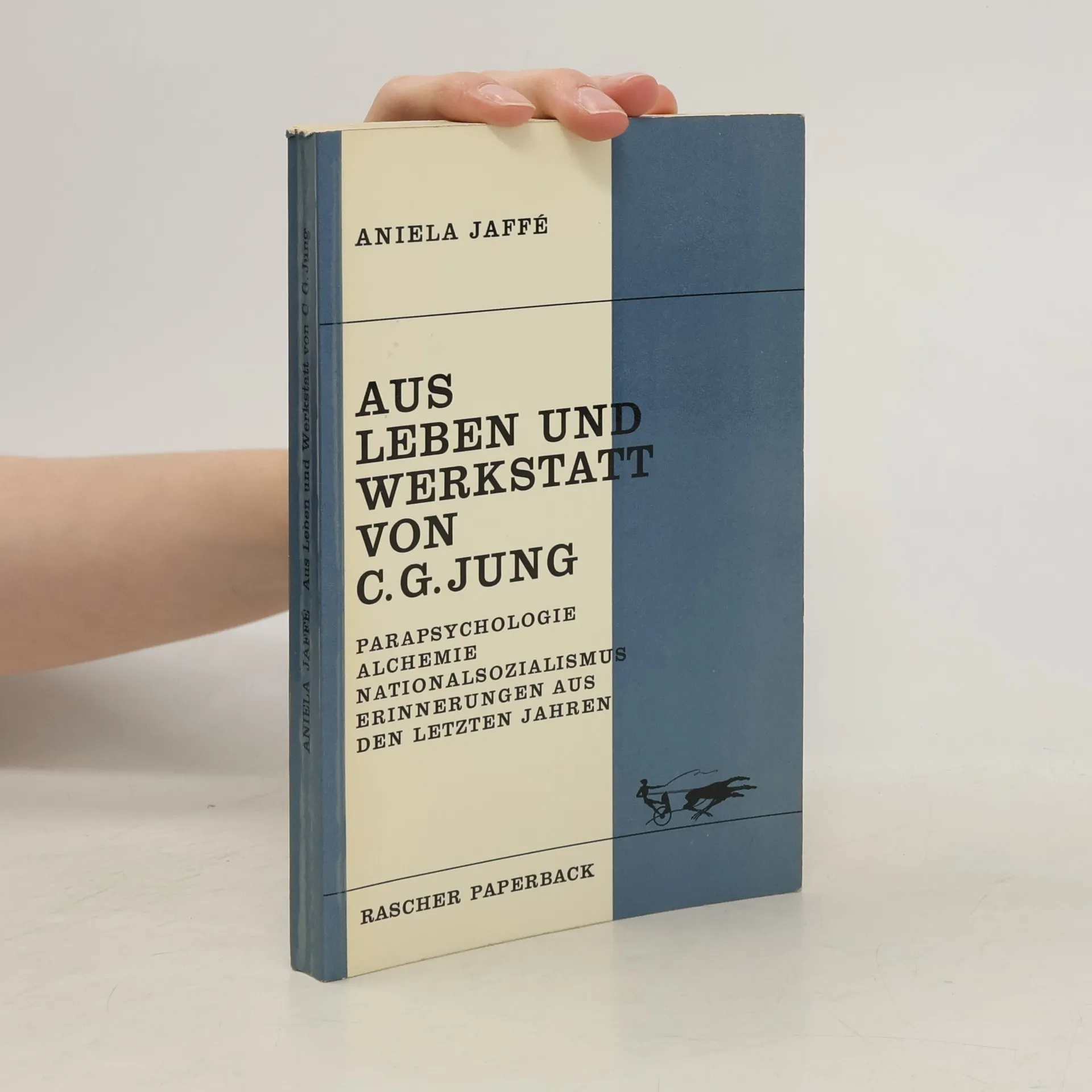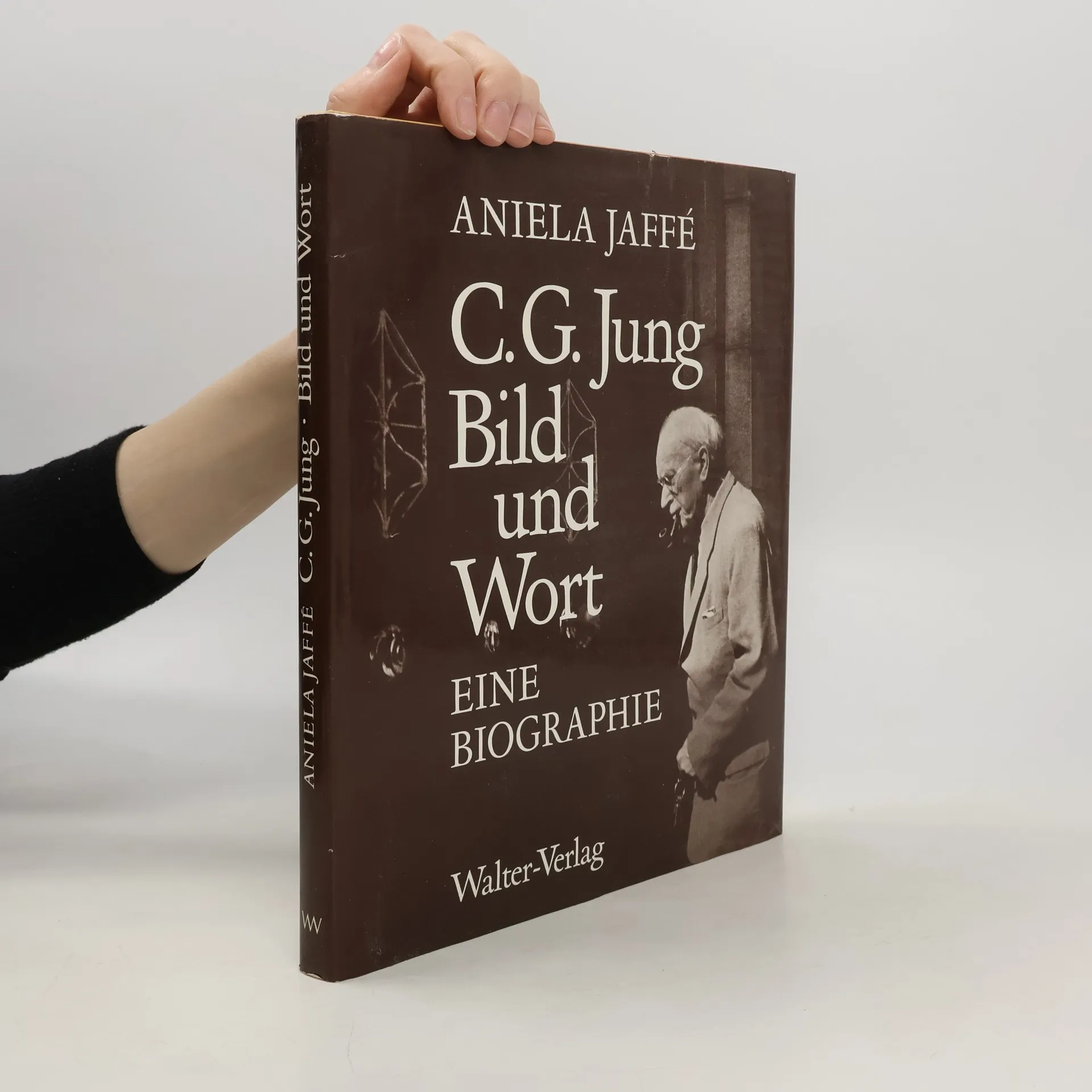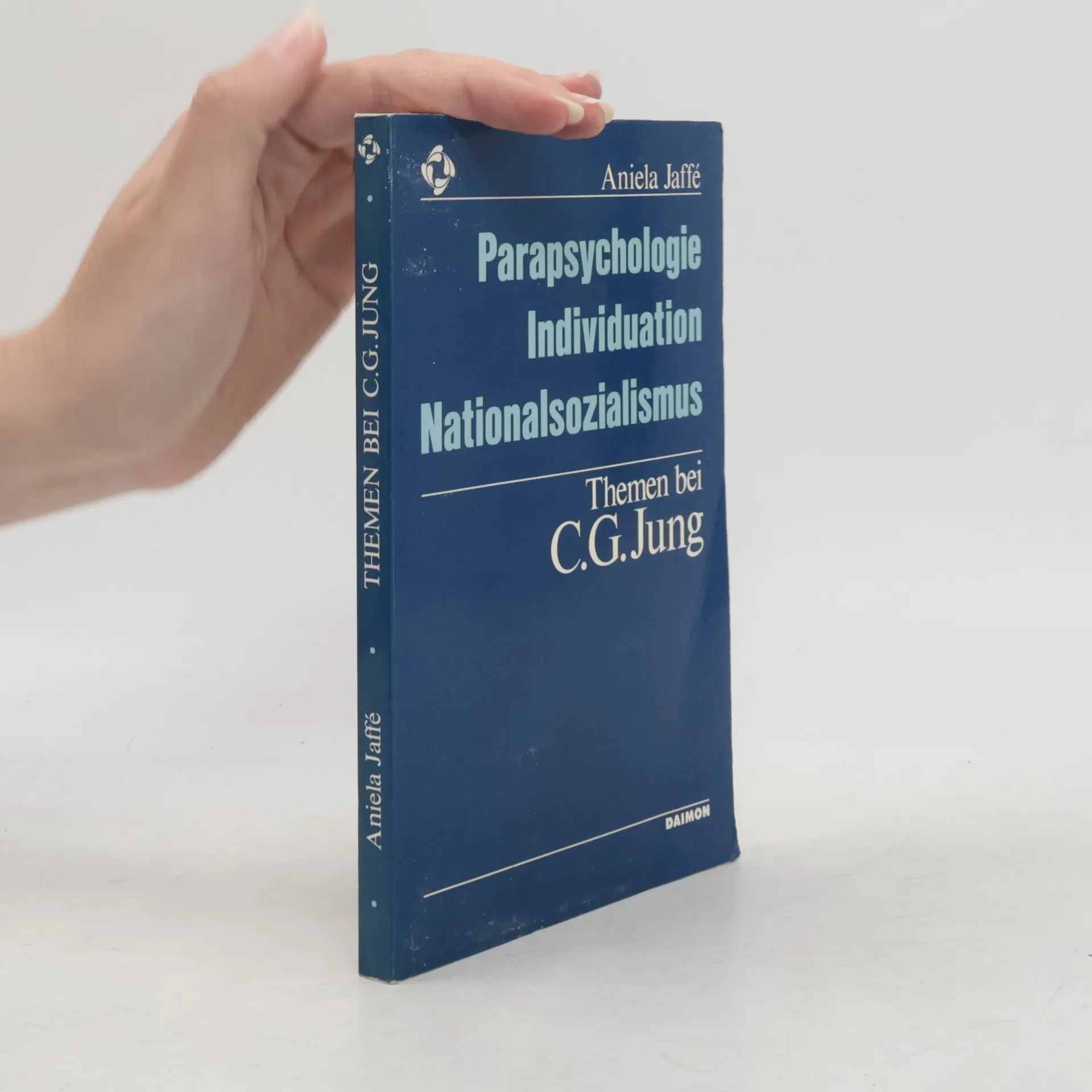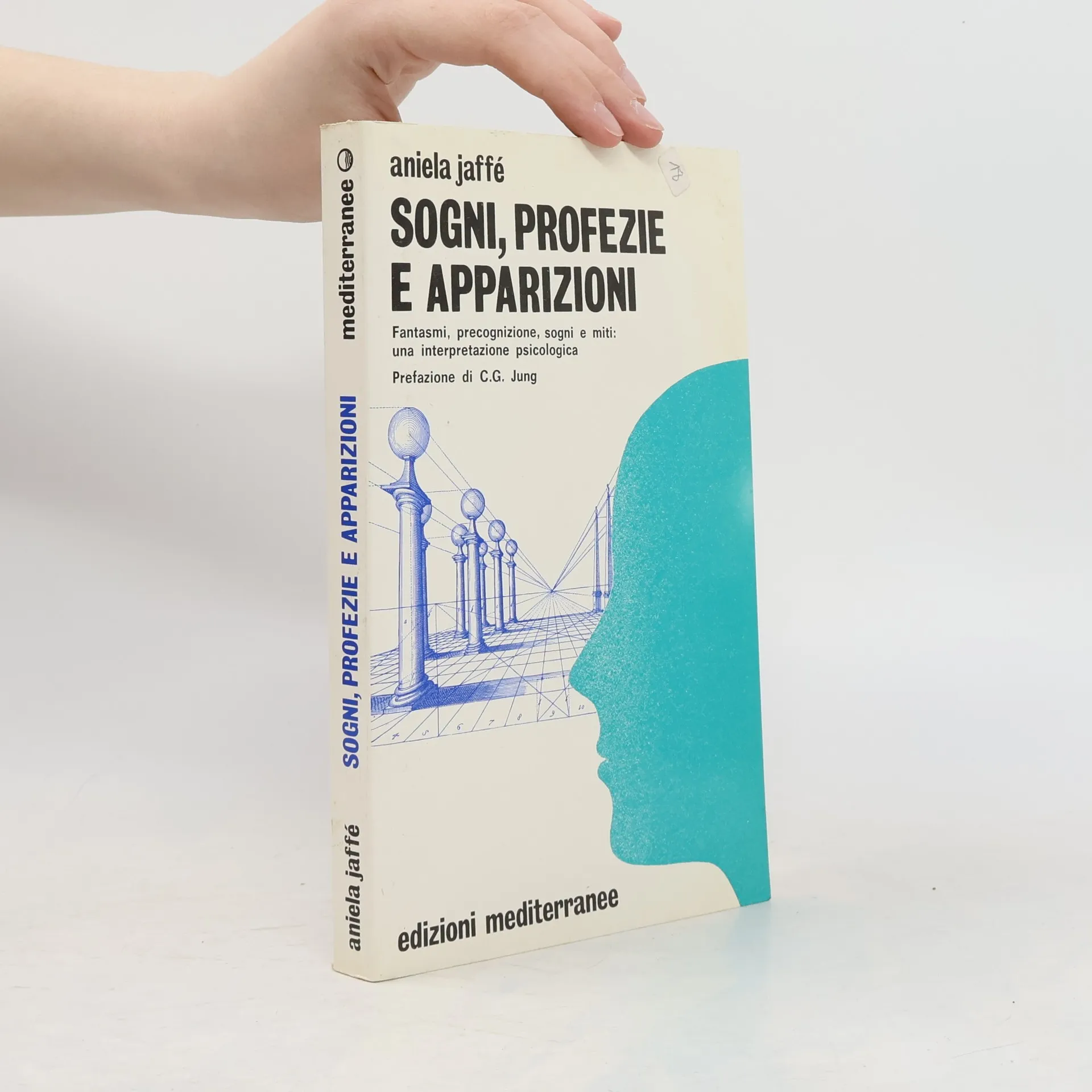
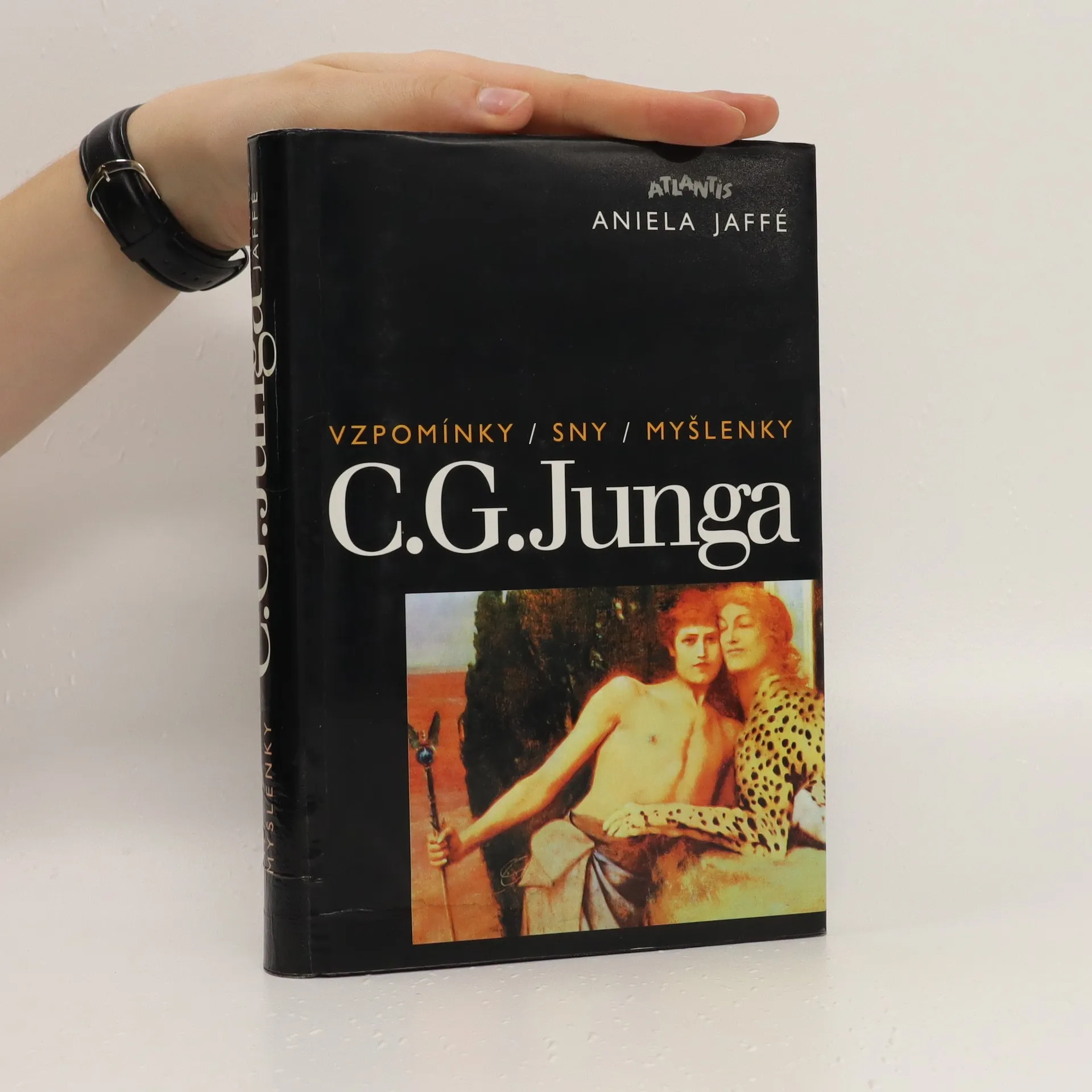
Jedna z najvýznamnejších interpretátoriek Jungových myšlienok, ktorá sa venovala hlbokému skúmaniu vzťahov medzi psími fenoménmi a nevedomím. Jej práca ponúka fascinujúce psychologické interpretácie paranormálnych javov. Prostredníctvom svojho písania prenikla do zložitostí ľudskej psychiky a jej spojenia s neskúmanými oblasťami existencie. Jej dielo vyniká analytickým prístupom a jedinečným pohľadom na nevedomie.
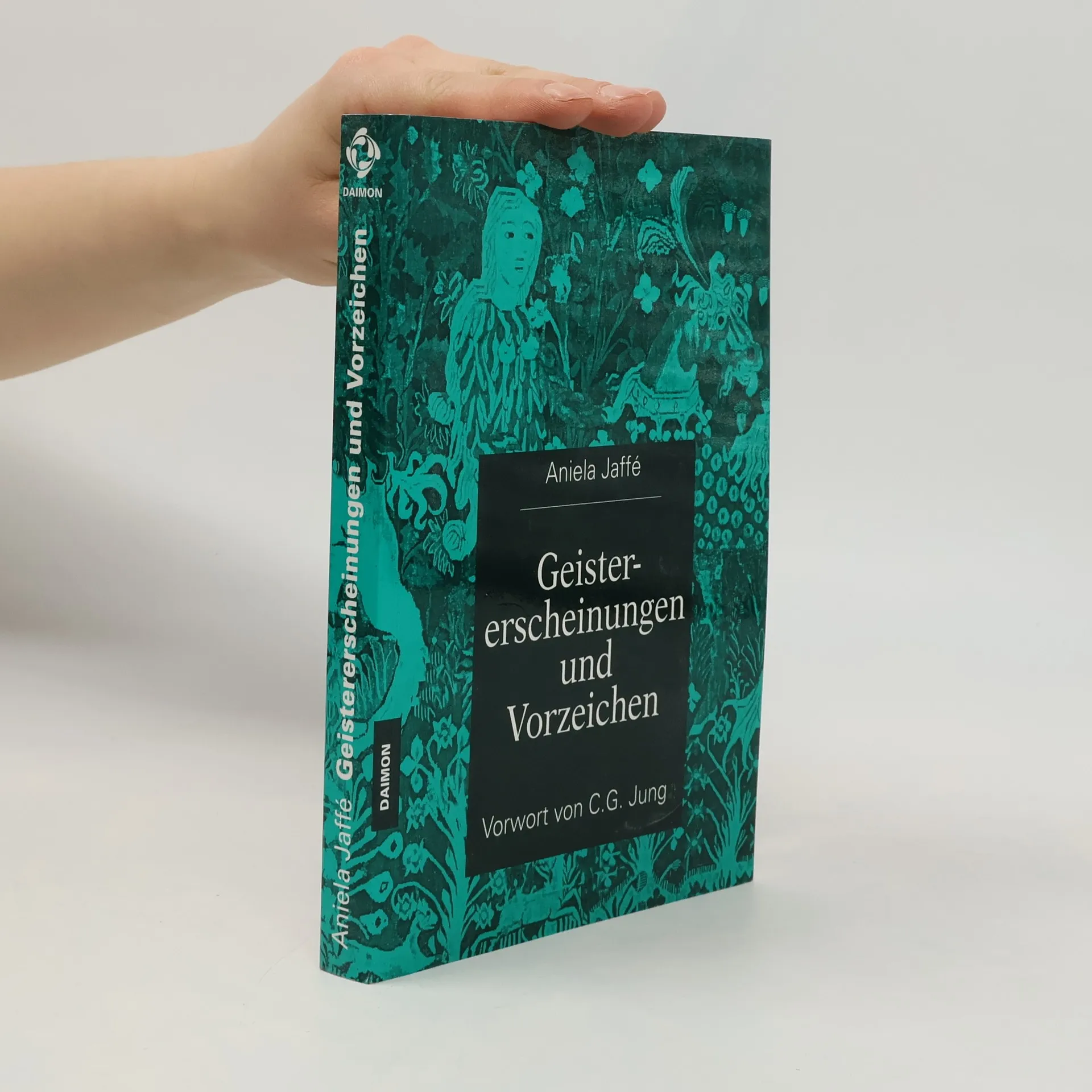
Jde o psychologický výklad paranormálních jevů, který se soustřeďuje na otázku, co tvoří psychický základ jevů jako jsou zjevení duchů, předtuchy, jasnozřivost, kontakt s mrtvými, očarování apod.
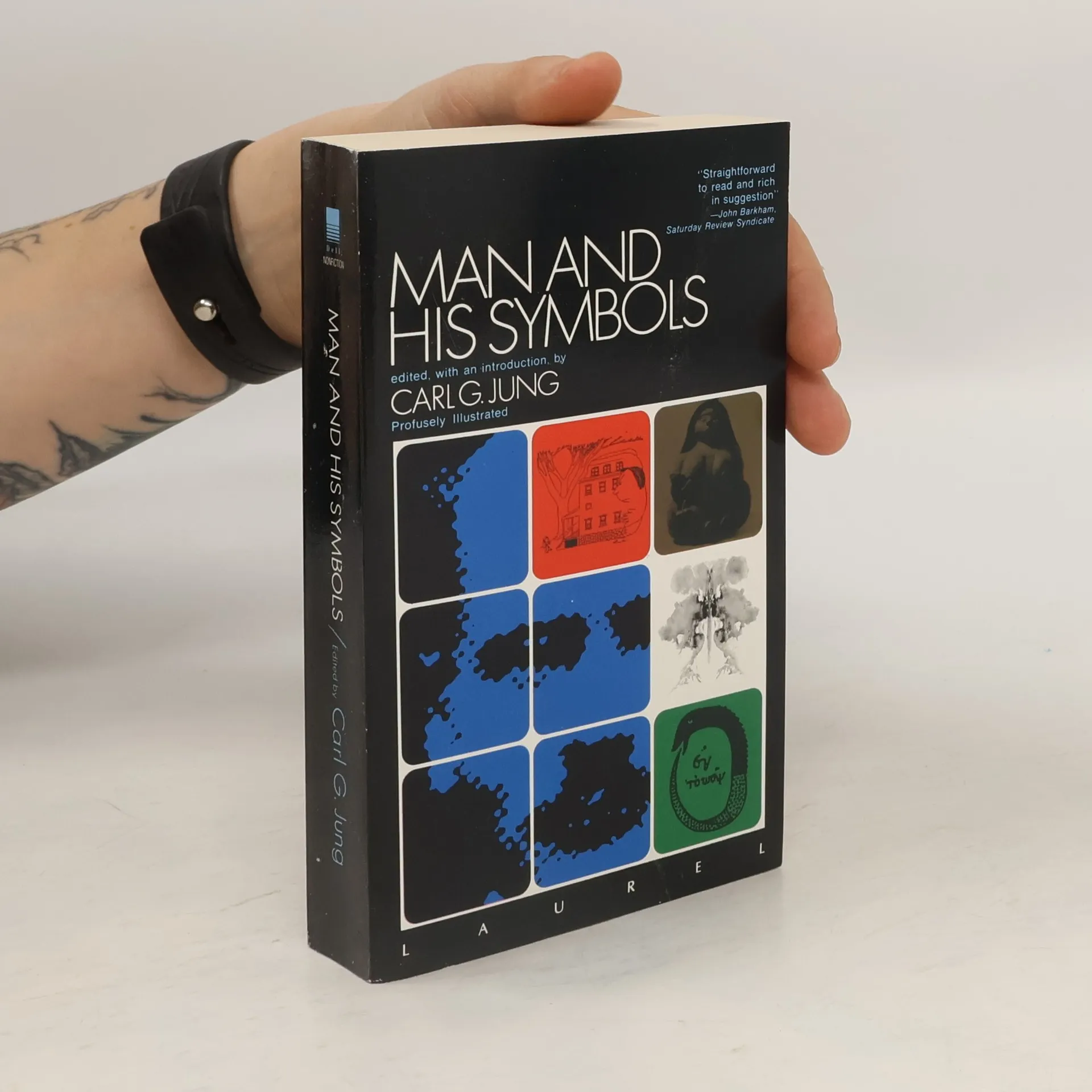
Explores Jung's psychological concepts regarding the nature, function and importance of man's symbols as they appear on both the conscious and subconscious level
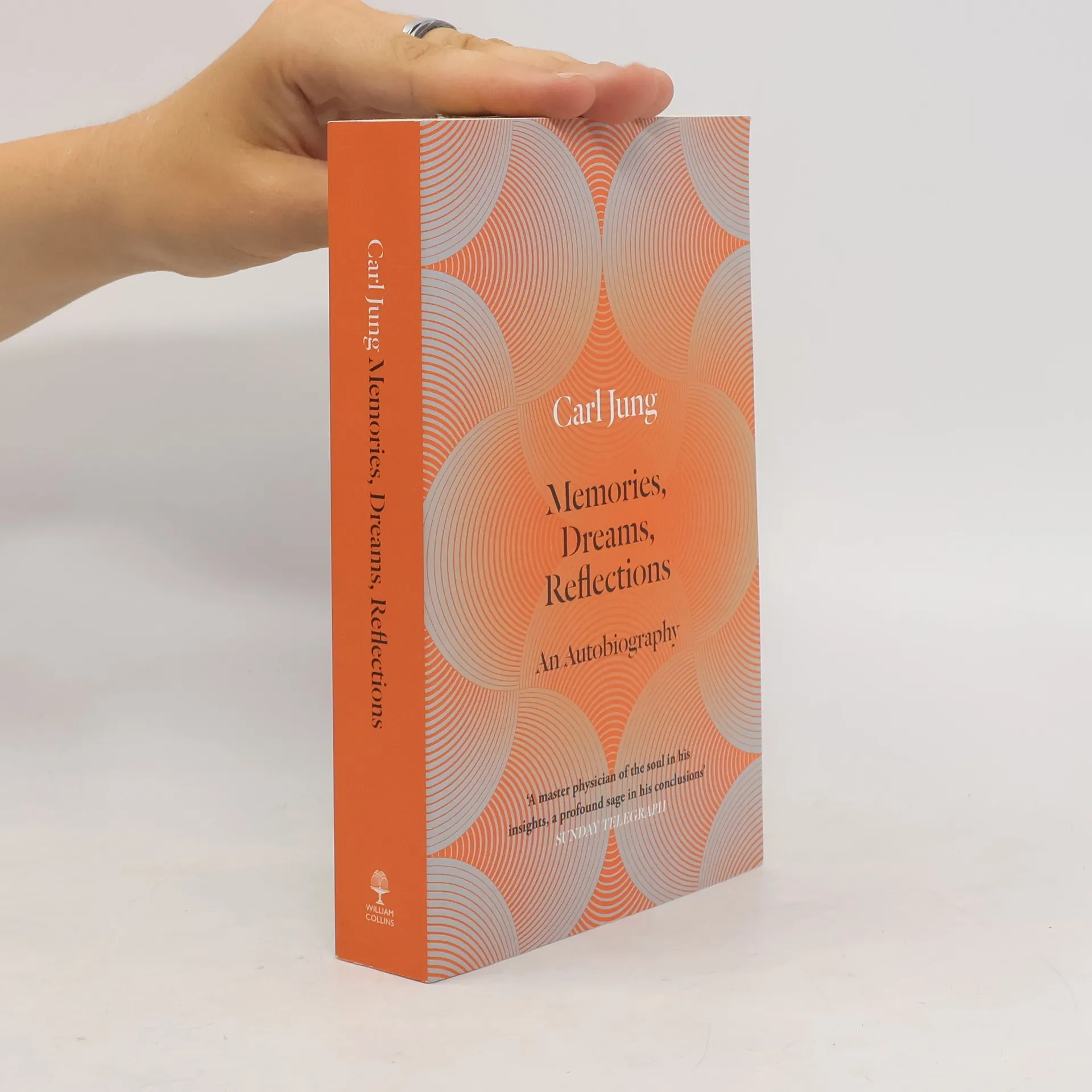
"In the spring of 1957, when he was eighty-one years old, C. G. Jung undertook the telling of his life story. At regular intervals he had conversations with his colleague and friend Aniela Jaffé, and collaborated with her in the preparation of the text based on these talks. On occasion, he was moved to write entire chapters of the book in his own hand, and he continued to work on the final stages of the manuscript until shortly before his death on June 6, 1961." --Amazon web site.
Na základě klinických, historických a transkulturních výzkumů a na základě konfrontace s vlastním nevědomím rozvedl své poznatky do otevřeného systému analytické psychologie. Propracoval koncepci kolektivního nevědomí a archetypů, originální psychologickou typologii, teorii snu.
Aniela Jaffé presents thoughts and ruminations that Jung shared with her as they prepared Memories, Dreams, Reflections by C. G. Jung . These never-before-published revelations present a kaleidoscope of episodic, philosophical, humorous and enigmatic material, uniquely complementing and expanding on the widely acclaimed MDR . “Jung allowed his thoughts to flow freely during our conversations, according to the situation and his interests of the moment. When speaking with me he was not hindered by intellectual considerations of possible criticism. It didn’t concern him that his words and insights might require further thoughtful reflection before they could be deemed coherent or valid. If I managed to touch upon a point of interest, Jung did not just answer my question, but followed his train of thought further.” – Aniela Jaffé, from the Introduction The historical commentary by Elena Fischli illuminates the biographical work with C. G. Jung on the basis of source material. How did the conversations and the notes of Aniela Jaffé come about? What was the nature of the relationship and collaboration between her and Jung? How did others deal with their work? And finally, who was this woman who was so candidly given such a glimpse into Jung’s inner life?