Blbci majú šťastie.
Hlúposť je dar od Boha.
Blahoslavení chudobní duchom, lebo ich je kráľovstvo nebeské...
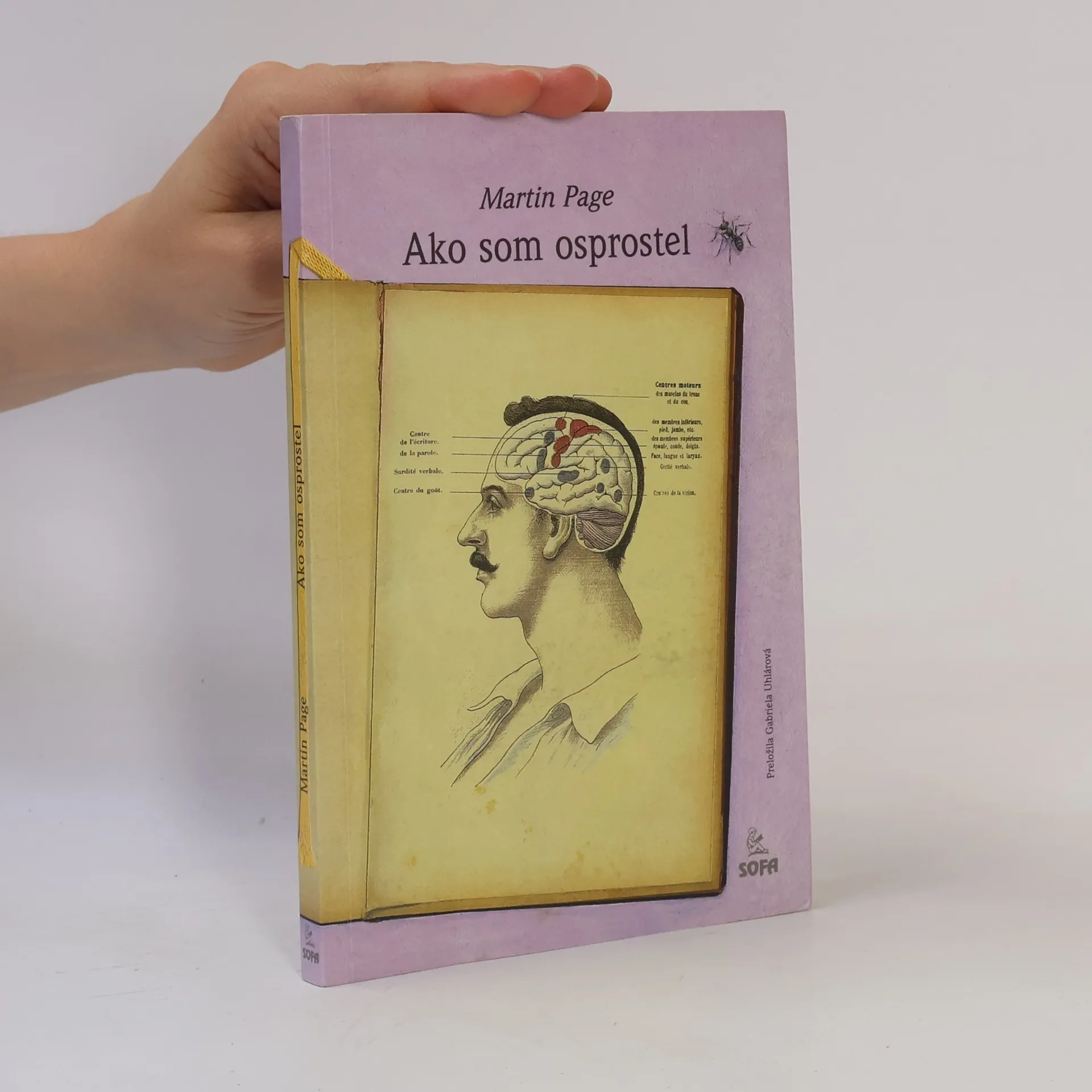
A tak podobne. Ľudia niekedy tvrdia, že najradšej by boli úplne sprostí, aby si neuvedomovali všetky hrôzy tohto sveta, lebo obmedzenci sa v živote menej trápia. Keby každý, kto vyslovil takéto želanie, mal možnosť naozaj osprostieť a zaradiť sa medzi tupcov, bez váhania by sa na to vykašlal. Veď kto by chcel byť terčom nadávok inteligentov a pozerať sa na svet pohľadom idiota? Nikto. Ale keď sa náhodou jeden taký nájde a ešte o tom napíše aj knihu...
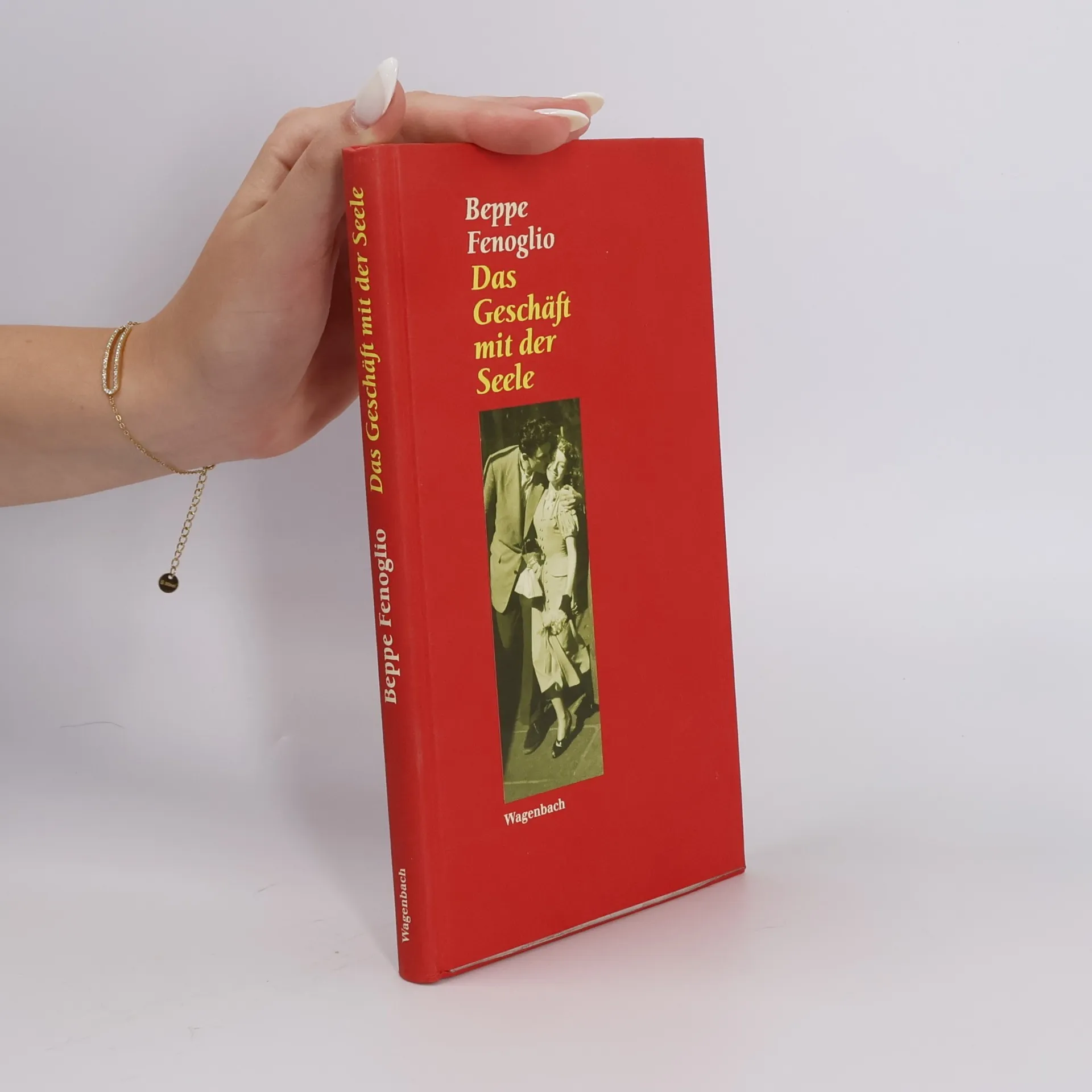
In Italien wird das Thema Heldentum hinterfragt, während eine Stadt doppelt befreit wird. Beppe Fenoglio beschreibt mit Nachsicht seine Landsleute und die Landschaft der Langhe. Dieser Band präsentiert die wichtigsten Erzählungen und lädt deutsche Leser ein, Fenoglio kennenzulernen.
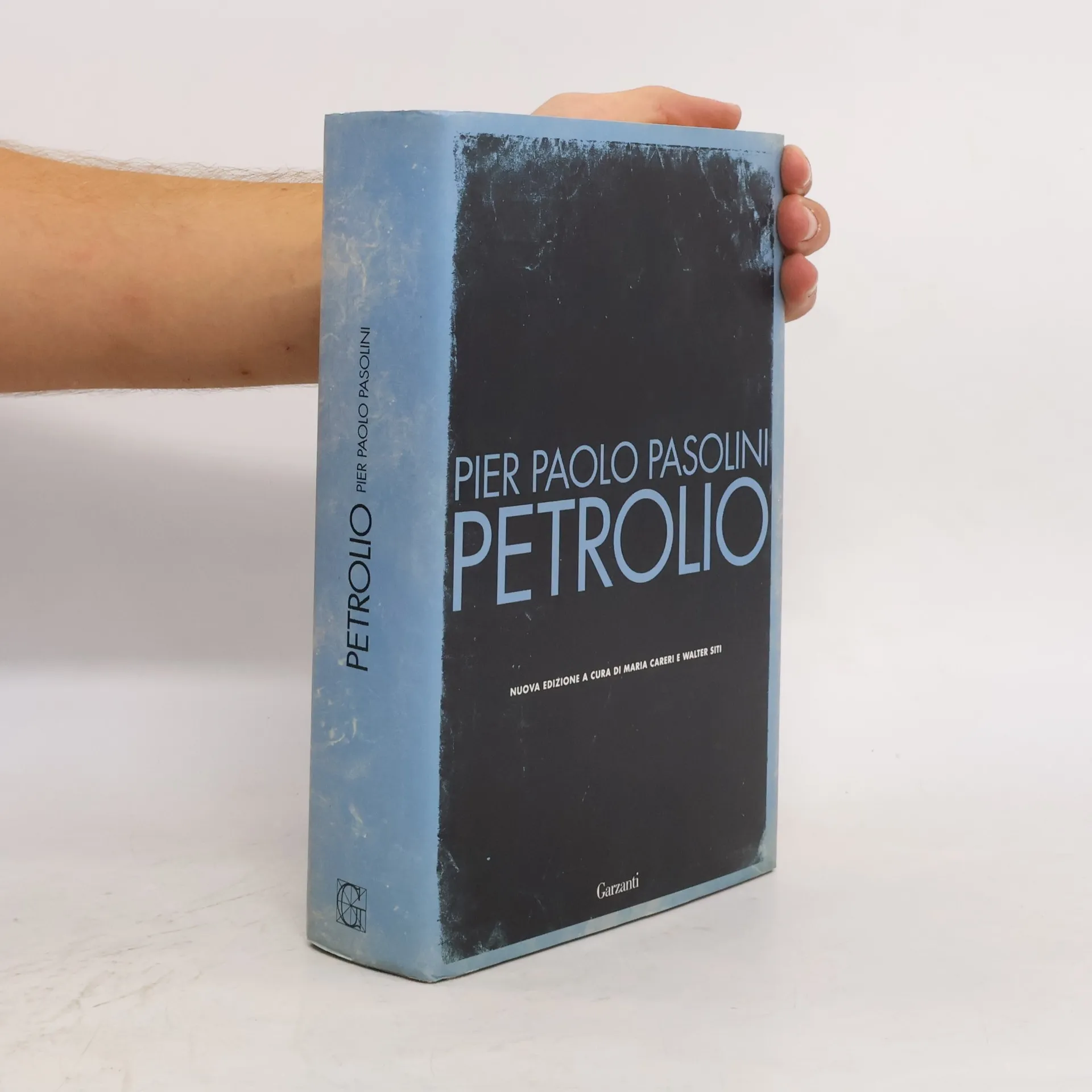
Iniziato durante i primi anni Settanta, durante le crisi petrolifera mondiale, e portato avanti fino alla morte, nel novembre 1975, «Petrolio» è un gigantesco frammento di quello che avrebbe dovuto essere un romanzo-monstruum di circa duemila pagine. Una enciclopedia del racconto, che comprende tutti i registri, bassi e alti, della scrittura. Appunti, annotazioni, una lettera a Alberto Moravia, schizzi e specchietti che compongono un libro «nero», pubblicato, con fedeltà all'autografo, solo nel 1992. Risulta da questi frammenti una disperata archeologia umana, un'esplorazione dei misetri della sessualità e insieme uno spaccato dell'Italia del boom tra oscuri complotti di potere e stragi di stato rimaste impunite.
A daring, once-censored novel about the harrowing lives of Rome's unhoused youth, written by one of Italy's greatest film directors, Pier Paolo Pasolini. Published in 1955, this was his first novel and remains his most renowned work of fiction. After a provincial sex scandal, Pasolini moved to Rome, where the city's vibrant dialect and postwar squalor profoundly influenced him. He realized that respectability was no longer an option, feeling akin to literary figures like Rimbaud and Wilde. Urgently seeking independence through teaching, acting, and journalism, he connected with outcasts who rejected bourgeois values, living intensely and carelessly.
Despite the socialist climate of the time, Pasolini's narrative is devoid of sentimentalism regarding the underprivileged. Instead, he revels in the vitality of their squalor, crafting an urban inferno that is both hideous and dynamic. Lacking a grand plot, his narrative voice locks onto intense situations filled with conflict and comedy. The young characters, possessing nothing, fight to survive and seek enjoyment, viewing boredom as death. Money is acquired through looting and hustling, only to be squandered on clothes, drink, and gambling. Boasting and exhibitionism dominate their lives, with each boy aspiring to be the toughest on the block. As episodes unfold—a heist, gambling, or a search for sex—the reader anticipates disaster, with unpredictability at every turn. Tim Park
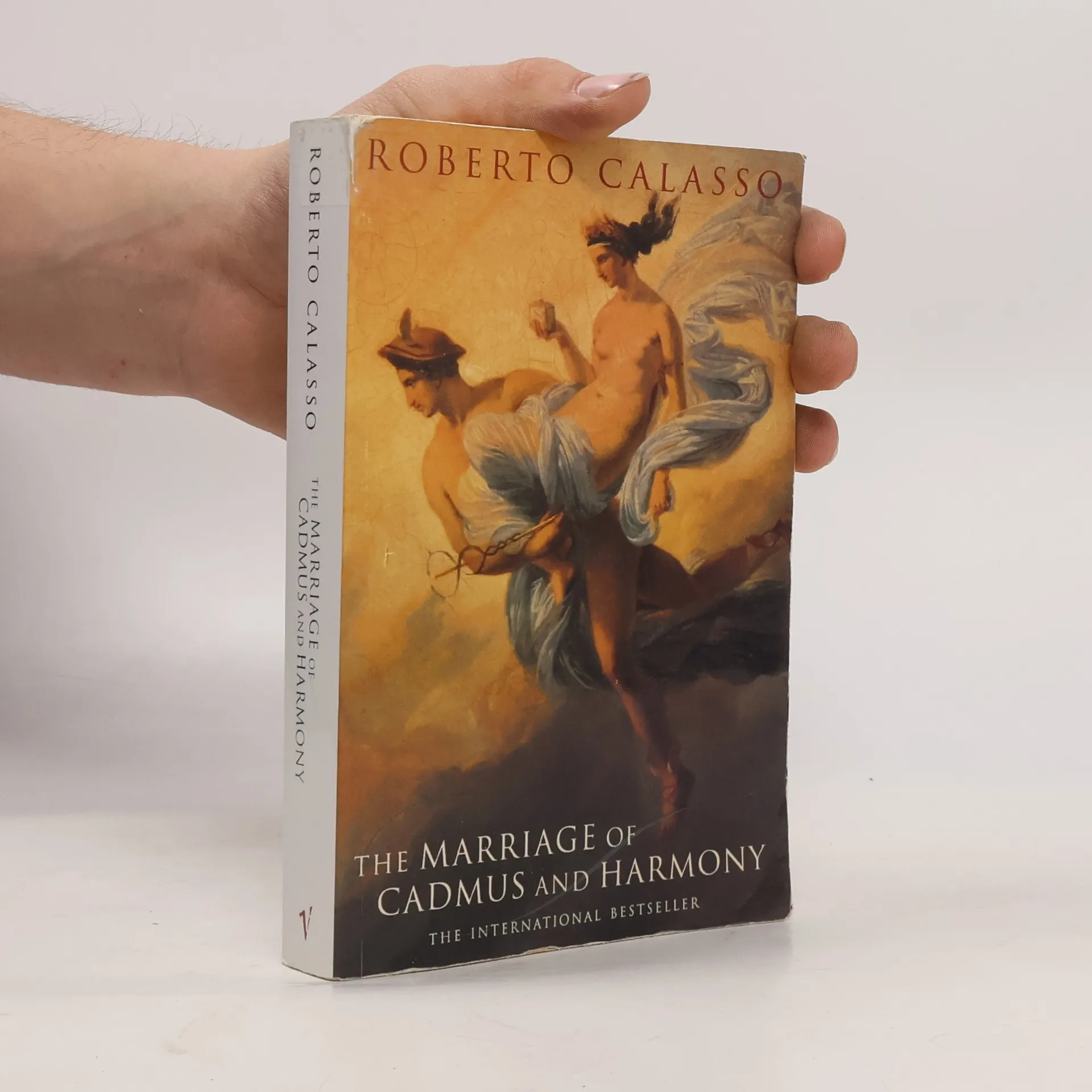
THE MARRIAGE OF CADMUS AND HARMONY is a book without any modern parallel. Forming an active link in a chain that reaches back through Ovid's METAMORPHOSES directly to Homer, Roberto Calasso's re-exploration of the fantastic fables and mysteries we may only think we know explodes the entire world of Greek mythology, pieces it back together, and presents it to us in a new, and astonishing, and utterly contemporary way.The Marriage of Cadmus and Harmony is a masterful retelling of the ancient myths and fables we may only think we know. From the tale of Europa and the bull to the fall of Troy, Roberto Calasso weaves his way through the entire world of Greek mythology with a captivating sense of curiosity and intrigue that casts these classical stories in a whole new light for a modern reader.