
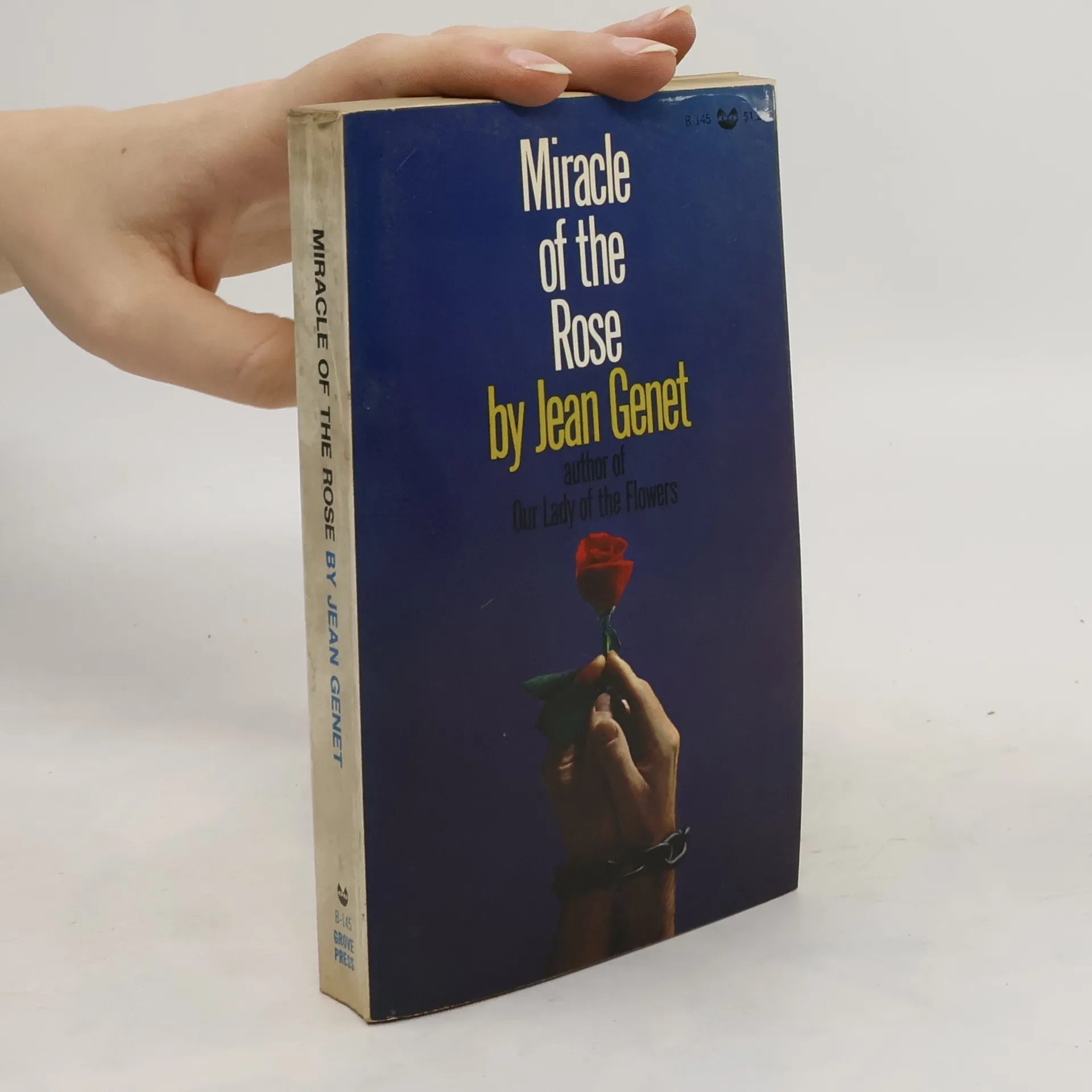
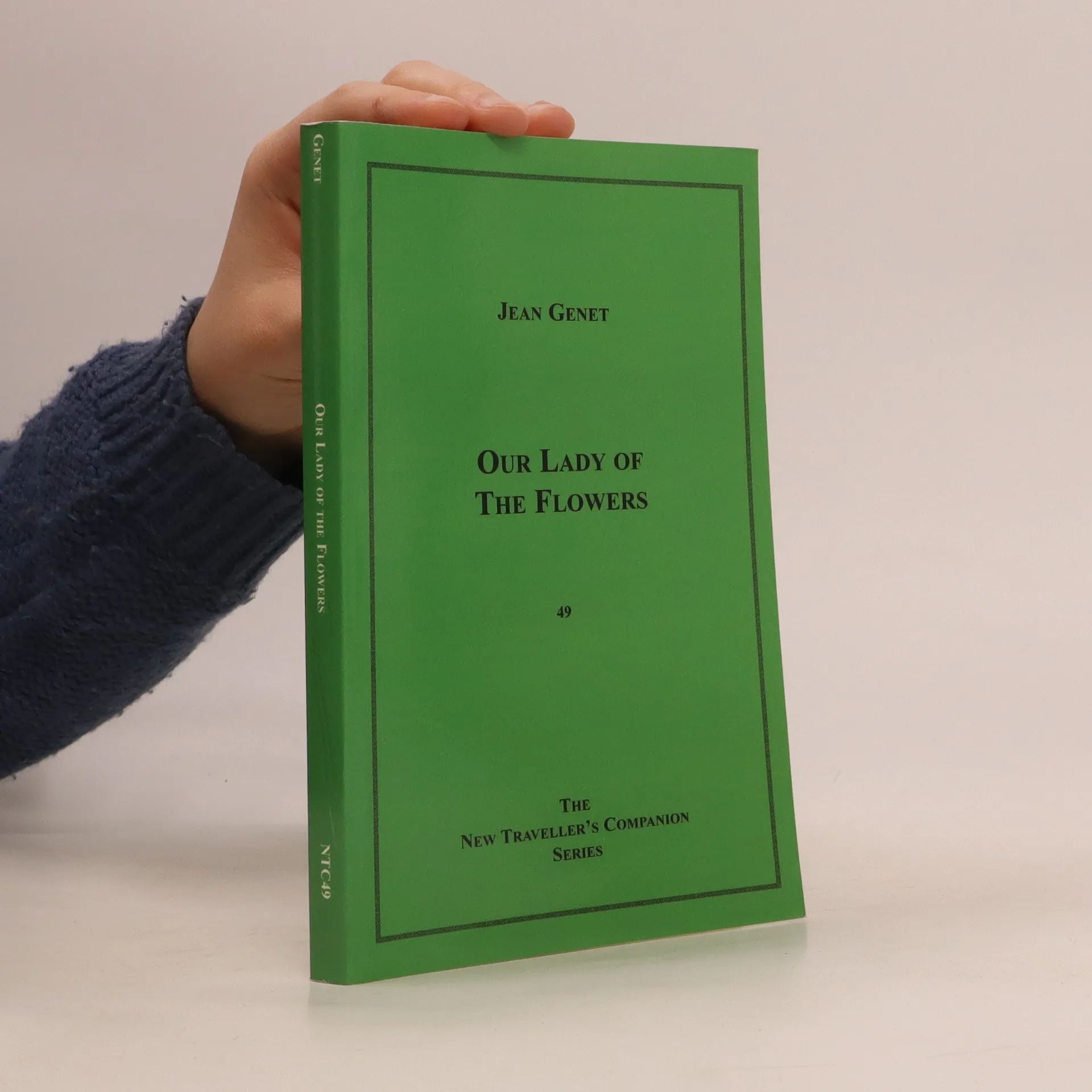
Jean Genet's masterpiece, composed entirely in the solitude of his prison cell. With an introduction by Jean-Paul Sartre. Jean Genet's first, and arguably greatest, novel was written while he was in prison. As Sartre recounts in his introduction, Genet penned this work on the brown paper which inmates were supposed to use to fold bags as a form of occupational therapy. The masterpiece he managed to produce under those difficult conditions is a lyrical portrait of the criminal underground of Paris and the thieves, murderers and pimps who occupied it. Genet approached this world through his protagonist, Divine, a male transvestite prostitute. In the world of Our Lady of the Flowers, moral conventions are turned on their head. Sinners are portrayed as saints and when evil is not celebrated outright, it is at least viewed with a benign indifference. Whether one finds Genet's work shocking or thrilling, the novel remains almost as revolutionary today as when it was first published in 1943 in a limited edition, thanks to the help of one its earliest admirers, Jean Cocteau.
M. Jean Genet Knihy
Jean Genet, básnik, prozaik, dramatik a politický esejista, patril k najvýznamnejším francúzskym spisovateľom dvadsiateho storočia. Jeho dielo, z ktorého bolo mnohé pri svojom prvom vydaní považované za škandalózne, je dnes radené ku klasikám modernej literatúry a bolo preložené a uvedené po celom svete. Genet sa vo svojej tvorbe zameriava na svet outsiderov, skúmajúc témy ako zrada, túžba, krása a smrť. Jeho jedinečný štýl, plný poetickej obraznosti a drsnej reality, fascinuje čitateľov aj kritikov dodnes.


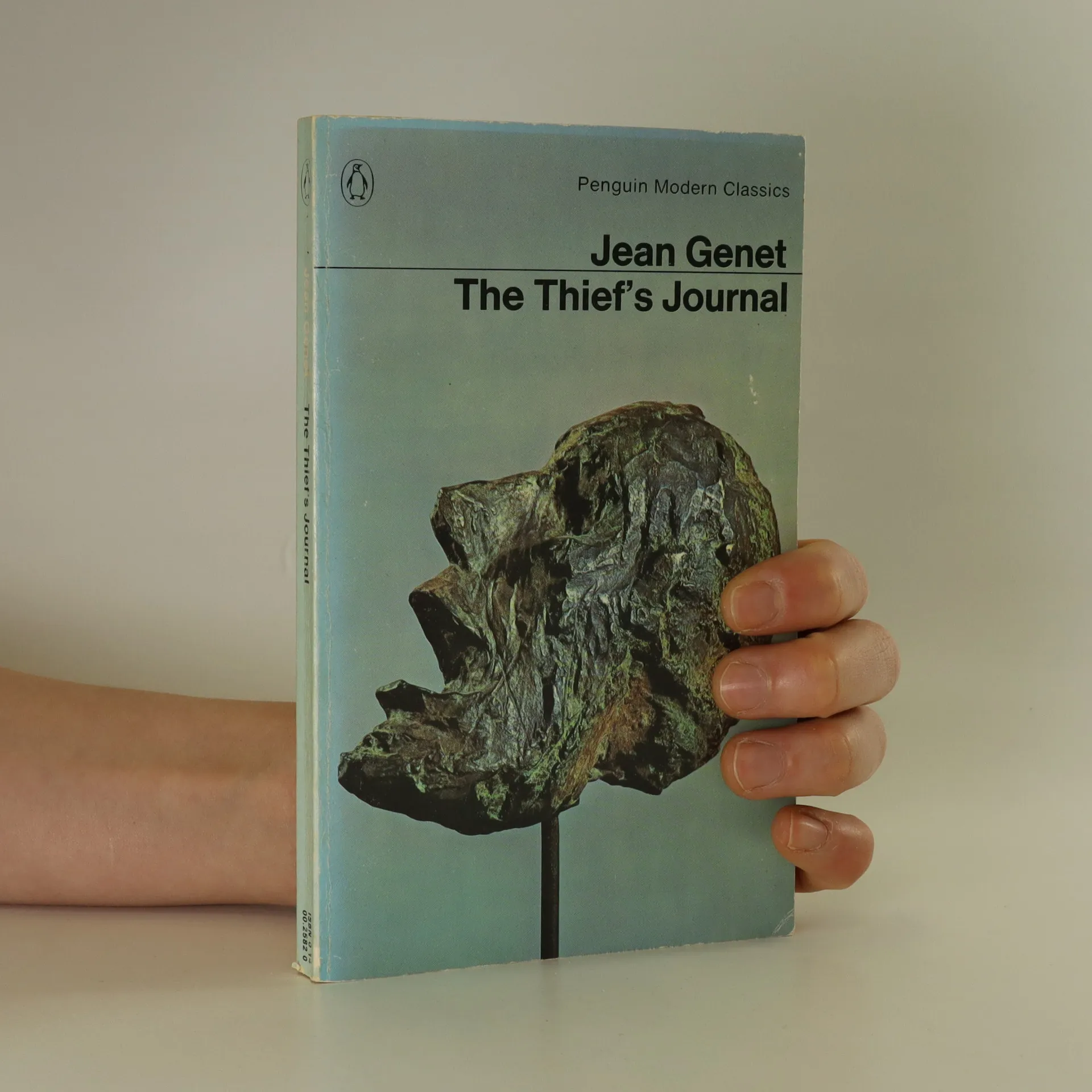
Writing in the intensely lyrical prose style that is his trademark, the man Jean Cocteau dubbed France's 'Black Prince of Letters' her reconstructs his early adult years- time he spent as a petty criminal and vagabond, traveling through Spain and Antwerp, occasionally border hopping across the rest of Europe, always one step ahead of the authorities.