Slávna zbierka veršov, vydaná po prvýkrát v roku 1857 vzbudila v čase svojho vzniku nesmierne pohoršenie meštiackej spoločnosti. V básňach je úplne obnažené srdce človeka, rozdeleného medzi hrôzou pre životom a extázou z jeho krásy, človeka, ktorý je nepriateľom každej všednosti, so záľubou vo výstrednej obraznosti.
Cyril Scott Poradie kníh (chronologicky)
27. september 1879 – 31. december 1970



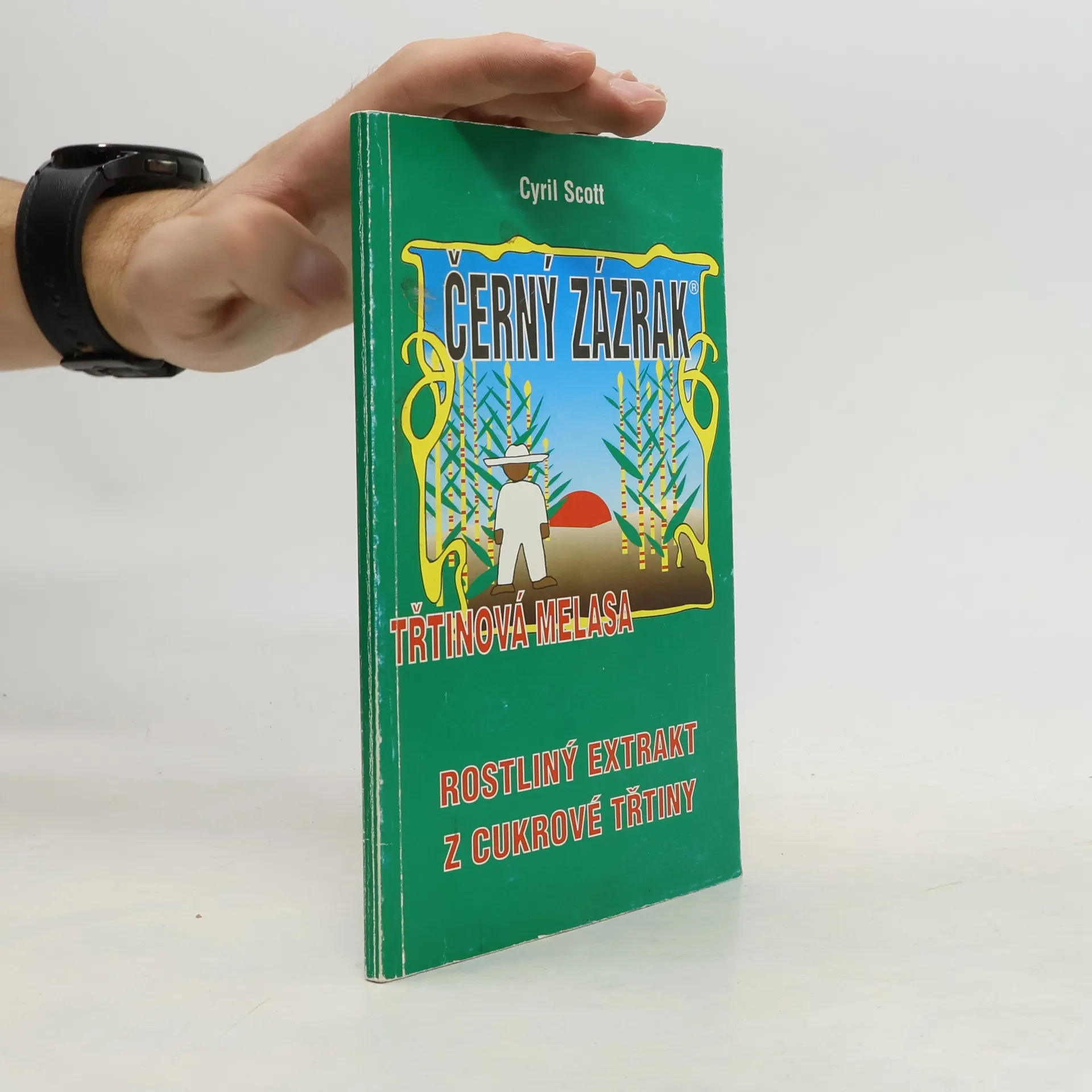
Černý zázrak
Surová černá melasa z cukrové třtiny, zázračná přírodní potravina
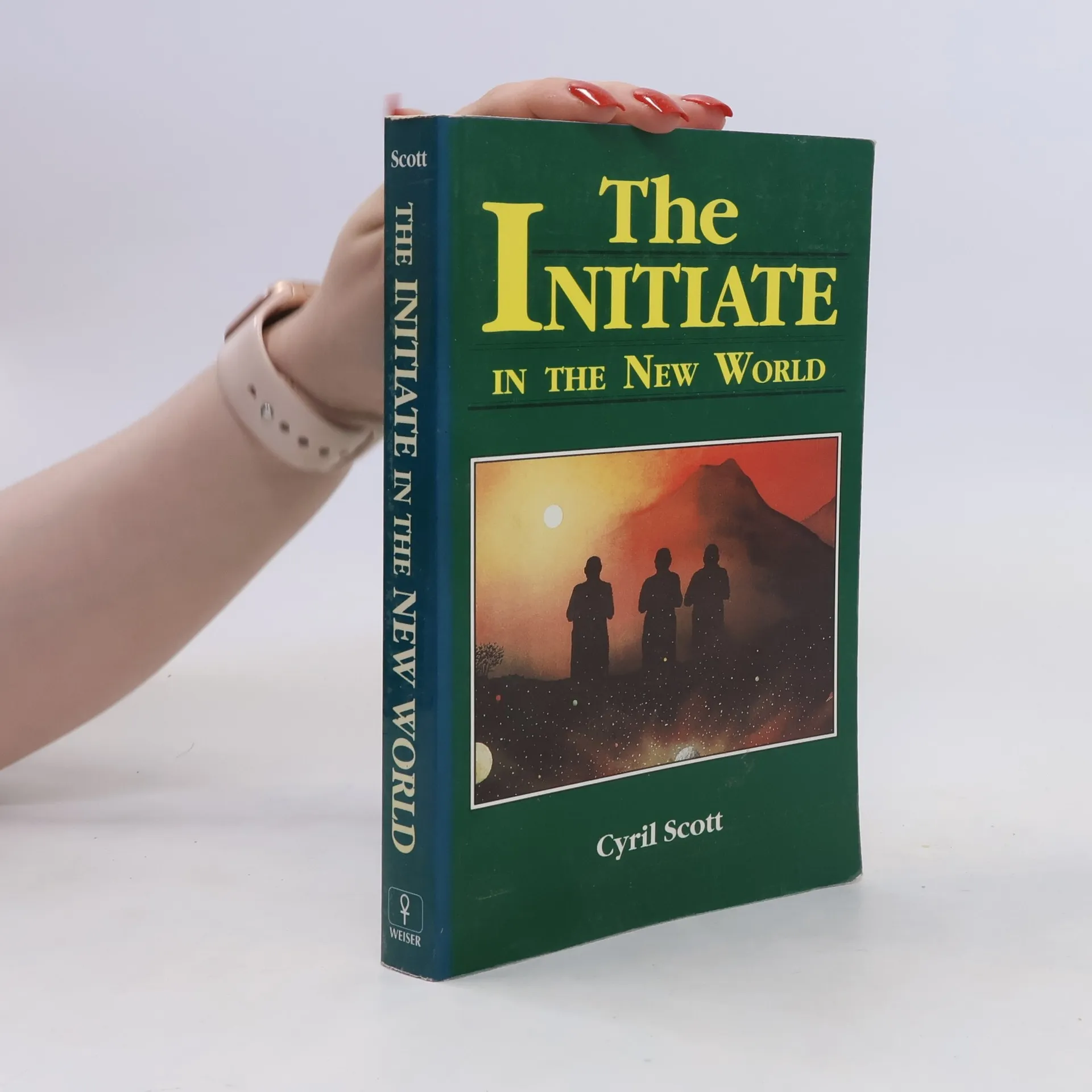
Written as a sequel to The Initiate, the Pupil, as Scott called himself, reconnects with his master, Justin Moreward Haig, after not seeing him for many years. Scott is invited to leave London to stay in Boston, where Justin Moreward Haig is teaching about thirty other students. As in The Initiate, Scott related his experiences as if he were keeping a diary, so that this second book is also a teaching story. For example, the master discusses concentration, meditation, and contemplating, telling the Pupil, let people meditate often but only for short periods of time. It is better to meditate, say, ten times a day for a few moments or even less, than a whole hour in succession. Or, With regard to puritywhat we mean by the word is not prudery but the exact opposite. Purity is the power to see the beautiful in all things and all functions of life, and to glorify all actions by the spirit of unselfishness. As the story unfolds, you will find yourself in the presence of a great teach, who shows you how to attain spiritual consciousness while living an ordinary life.
The third volume in the series takes up where The Initiate and The Initiate in the New World leave off, providing more insights into the mysterious Adept known as Justin Moreward Haig. At first, we think that "the dark cycle" relates to the group of students left to their own devices when Justin Moreward Haid disappears for a time. The students meet with the astrologer David Anrias, and become aware of the concepts taught by Krishnamurti and the theosophists. But when Justin Moreward Haid reappears we learn that the dark cycle really indicates a period of destruction and war when Planetary Logos is throwing off and transmuting poisons that create disturbances in the collective astral or emotional body of the human race. In this volume we learn how the group develops, how they relate to their missing teacher, and how they continue their search for spiritual understanding.
Der Eingeweihte
- 351 stránok
- 13 hodin čítania
Der Eingeweihte - Eindrücke von einer großen Seele von seinem Schüler - bk350; Droemer Knaur Verlag; Hrg. Gerhard Riemann; pocket_book; 1986
Musik
- 275 stránok
- 10 hodin čítania
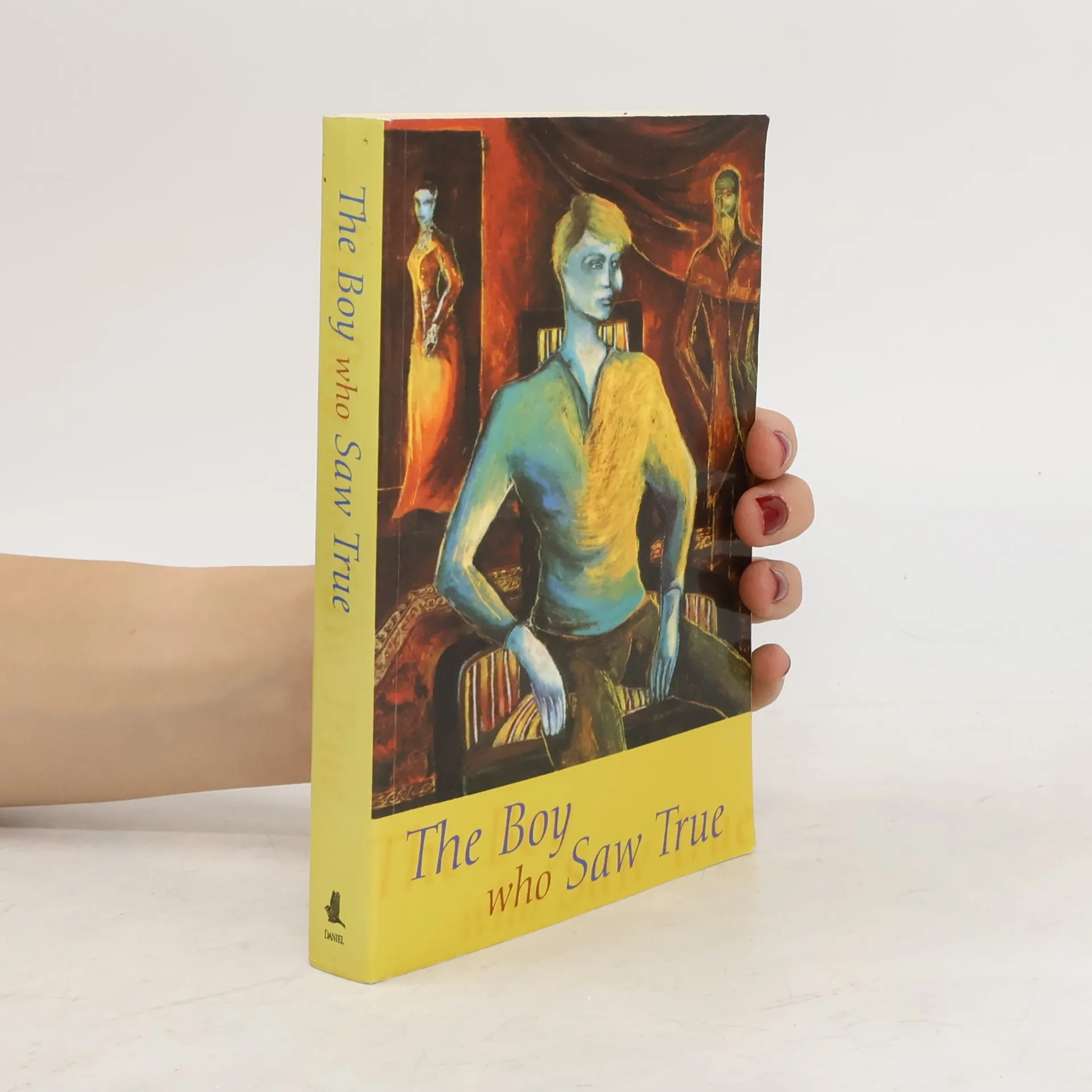
The Boy who Saw True
- 256 stránok
- 9 hodin čítania
The diary of a young Victorian boy born with clairvoyance.
This is the veiled history of an Adept who elected to hide his true identity. In this classic work, Scott weaves a wonderful teaching story riddled with profound truths that are as valid today as when this book was first written.