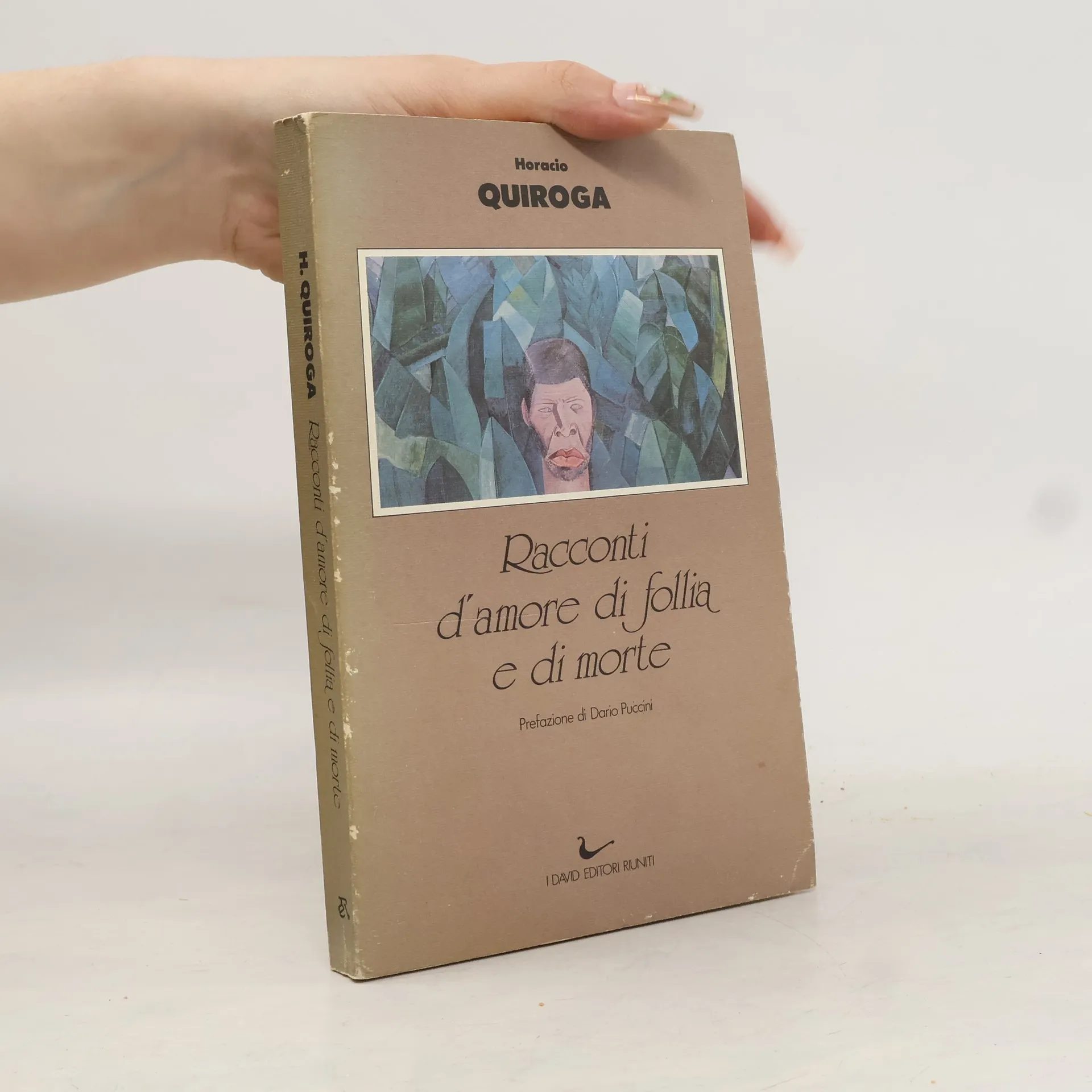
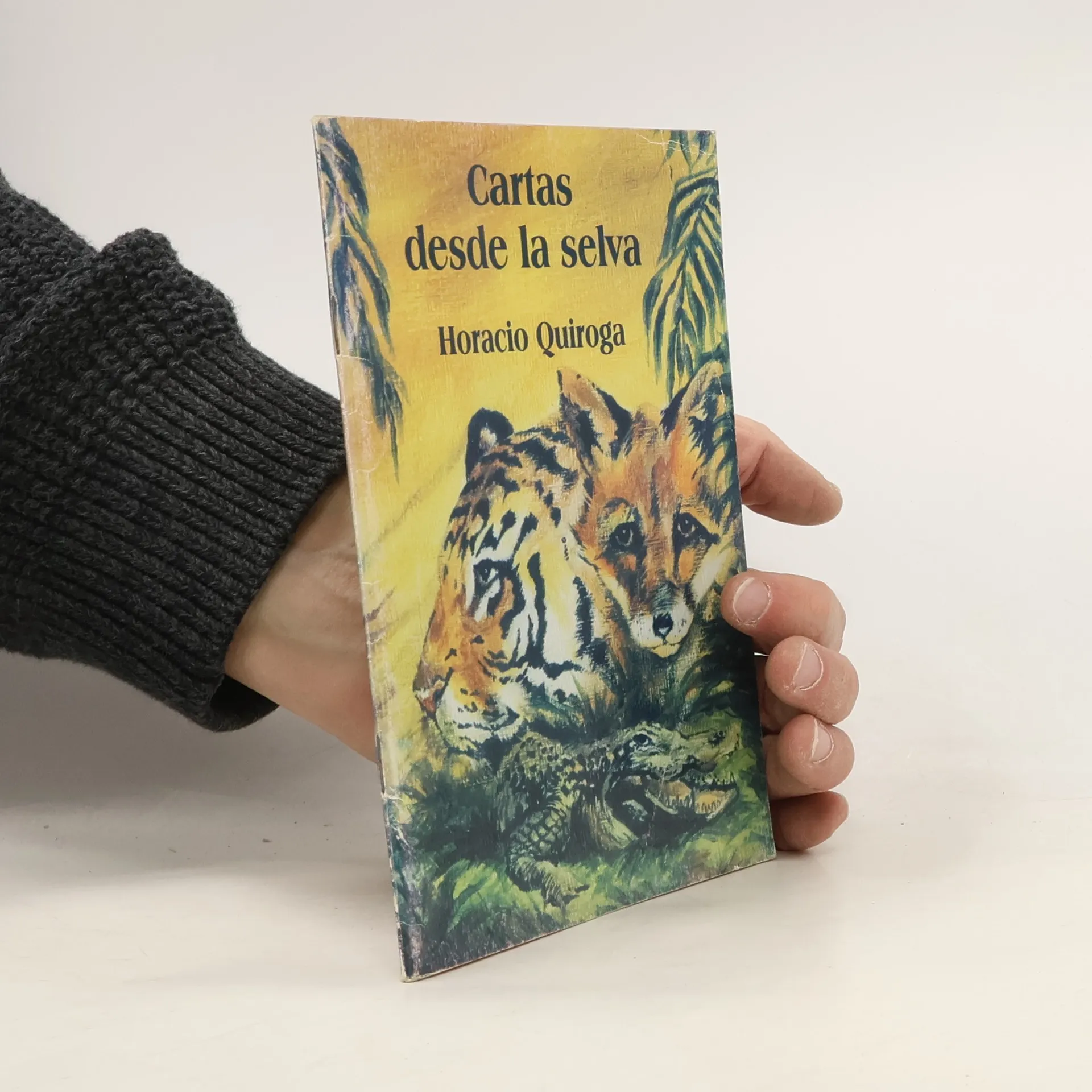
Horacio Quiroga bol uruguajský prozaik a predovšetkým autor poviedok. Jeho diela, často zasadené do prostredia džungle, využívajú nadprirodzeno a bizarnosť na vykreslenie boja človeka a zvieraťa o prežitie. Majstrovsky zachytával mentálne ochorenia a halucinačné stavy. Jeho vplyv je badateľný v magickom realizme a postmodernom surrealizme latinskoamerickej literatúry.
Výber z najpôsobivejších poviedok svetoznámeho „tragéda juhoamerického pralesa“. Vnútorná sila ľudí zápasiacich so smrteľne nebezpečným pralesom a jeho obyvateľmi vo fascinujúcom kúte sveta vyniká najmä tam, kde ide o holý život.
Výbor z povídkové tvorby vychází ke stému výročí narození u nás dosud málo známého uruguayského básníka a spisovatele a zahrnuje autorova drobná mistrovská díla z let 1917–1935. Jde o příběhy situované většinou na pomezí argentinské pampy a pralesa.
Exploring themes of love, madness, and death, this collection showcases Quiroga's masterful storytelling through a selection of his finest short stories. The new translation breathes fresh life into his work, making it accessible for contemporary readers. Additionally, it features Quiroga's witty 'Ten Commandments for Short-Story Writers', offering insight into his creative process. This edition serves as a perfect introduction to Quiroga's literary legacy.
South American master storyteller Horacio Quiroga is the author of some 200
pieces of fiction that have been compared to the works of Poe, Kipling, and
Jack London. This collection of his work in English provides an overview of
the scope of Quiroga's fiction and the versatility and skill that have made
him a classic Latin American writer.
This volume features two captivating short stories that explore themes of obsession and the macabre. In "The Feather Pillow," a haunting tale unfolds around an unexplainable illness that befalls a young bride, leading to a chilling revelation. "The Permanent Stiletto" delves into the darker side of desire and revenge, showcasing the lengths one might go to when pushed to the edge. Together, these narratives offer a blend of psychological intrigue and eerie storytelling that captivates the reader.
Fiecare nuvelă din Anaconda este un labirint halucinant în care omul se zbate împotriva morții și unde cititorul se confruntă cu teroarea, surpriza și umorul. În stilul celor de Poe sau Maupassant, aceste povești ne conduc într-un univers obsesiv în care pericolul pădurii tropicale, populată de reptile și animale ciudate, domeniu al febrelor și al căldurii sufocante, se unește cu amenințările nebuniei umbrelor și ale coșmarurilor.
In einer intensiven und mitreißenden Weise umkreisen Quirogas Erzählungen oft große, schwere Themen wie Tod, Wahnsinn oder unglückliche Liebe. Tatsächlich war Horacio Quirogas Leben derart geprägt von Tragödien und Verlust, dass es schwerfällt, Leben und Werk nicht miteinander kurzzuschließen. Quiroga erzählt vom Ringen des Einzelnen angesichts eines Daseins, das sich stets als größer als er selbst und letztlich unbezwingbar erweist. Dabei verliert dieses Ringen nie an Spannung – atmosphärisch dicht, psychologisch genau, im Ton bisweilen fast lakonisch entspinnt Quiroga fesselnde Geschichten vom Horror und Mysterium des Auf-der-Welt-Seins. Ein moderner Klassiker der Weltliteratur.
Horacio Quiroga más que un seducido por la selva es un perseguidor de su descubrió y optó por un mundo de frontera que le llevó directamente a la intemperie, imprescindible para su escritura. La selva y sus rigores son el medio que crea el clima de desprotección necesario para su búsqueda artística, proveyéndole de materia prima. La presente selección incluye dieciocho cuentos. Se ha respetado el orden cronológico de los libros de Quiroga y en cada libro el índice de la edición príncipe.
"Representacion de la provincia argentina de Misiones, caracterizada por una vegetacion tropical, por una cultura fronteriza entre la civilizacion y la selva, y por una zoologia desmesurada de serpientes y otras alimanas que se comportan, a veces, de manera casi humana."
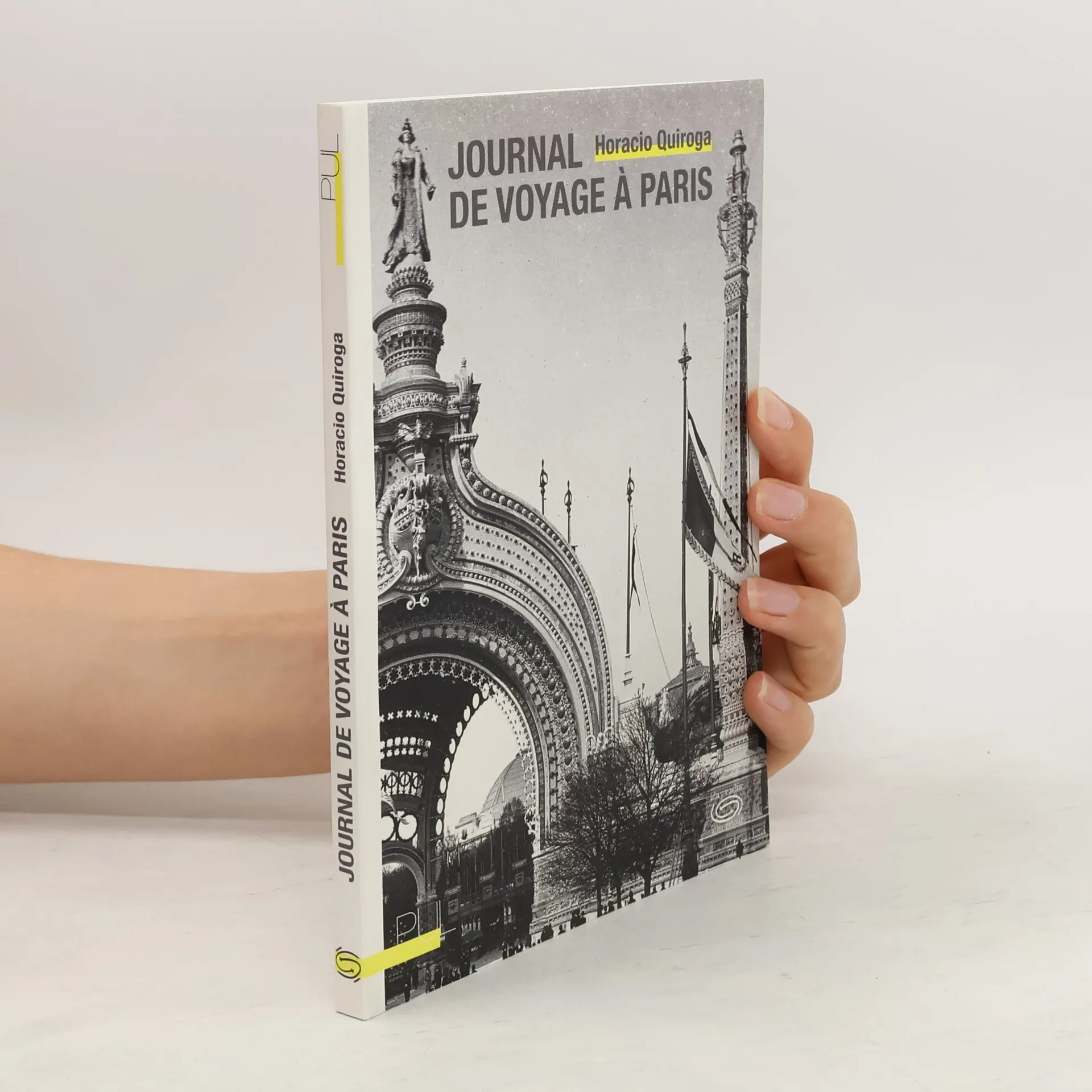
Ce journal présente le récit du voyage à Paris que fit à 20 ans le grand conteur latino-américain Horacio Quiroga lors de l'Exposition universelle de 1900. Rédigé sur deux petits cahiers par le jeune écrivain, ce texte donne accès à l'intimité de ce personnage complexe dont le talent est déjà perceptible au fil des descriptions, impressions, récits de rêves et brouillons de poèmes. Le premier cahier débute à Salto (Uruguay), sa ville natale, et raconte la traversée à bord du Città di Torino où il est confronté à la nostalgie et à l'ennui, ce qui l'incite à brosser des portraits sévères et cocasses des autres passagers. Le second cahier est exclusivement consacré à Paris, où les désillusions prendront rapidement le pas sur l'enthousiasme. Témoignage incontournable pour les spécialistes de Quiroga et pour les historiens de la littérature, ce texte n'avait jamais été traduit en français. Il est accompagné ici de la traduction inédite des deux chroniques sur l'Exposition universelle publiées par Quiroga dans La Reforma, journal de Salto.
Man and animals are the protagonists of these classic fairy tales set in South America. A revengeful frog, a monstrous grub, five dogs who see Death and a monkey who takes hold of a man’s shadow, are part of a world that cannot be explained through the laws of nature. LanguageSPANISH LEVEL A2