William Woodward Jr. bol dedičom bohatstva Hannoverskej národnej banky, Belair Estate a žrebčína a dedičstva, a vedúca osobnosť v pretekárskych kruhoch predtým, ako ho zastrelila jeho manželka Ann Woodwardová v časopise Life, ktorý nazval...
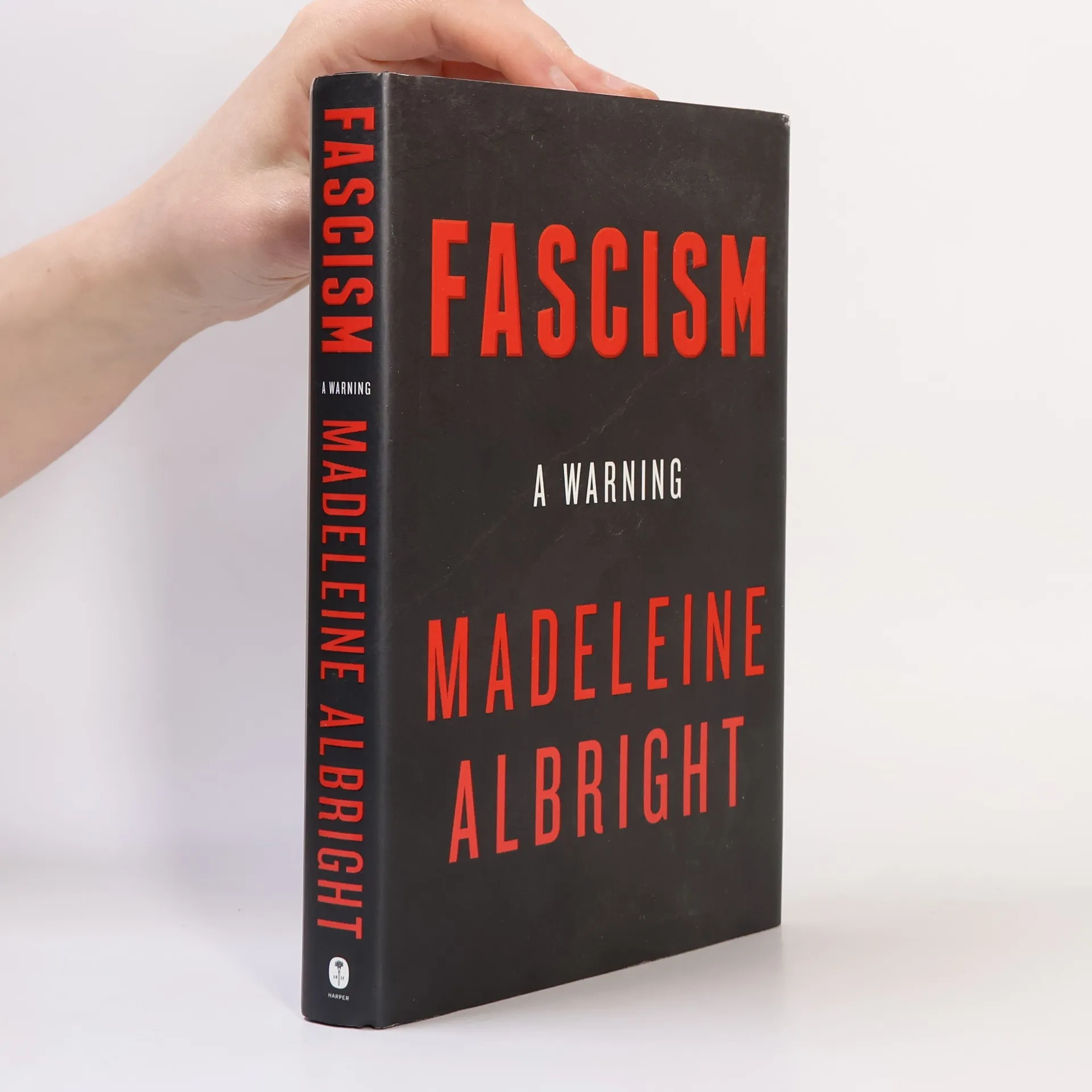
Fascism: A Warning is dedicated to victims of fascism, but also to all who fight fascism in others and in themselves. Mrs Albright has earned the right to that ambitious mission-statement. At a moment when the question Is this how it begins? haunts Western democracies, she writes with rare authority.... [Yet] if her learning is to be expected, her way with words is a happy surprise, as is her wisdom about human nature. Free of geopolitical jargon, her deceptively simple prose is sprinkled with shrewd observations about the emotions that underpin bad or wicked political decisions. The Economist
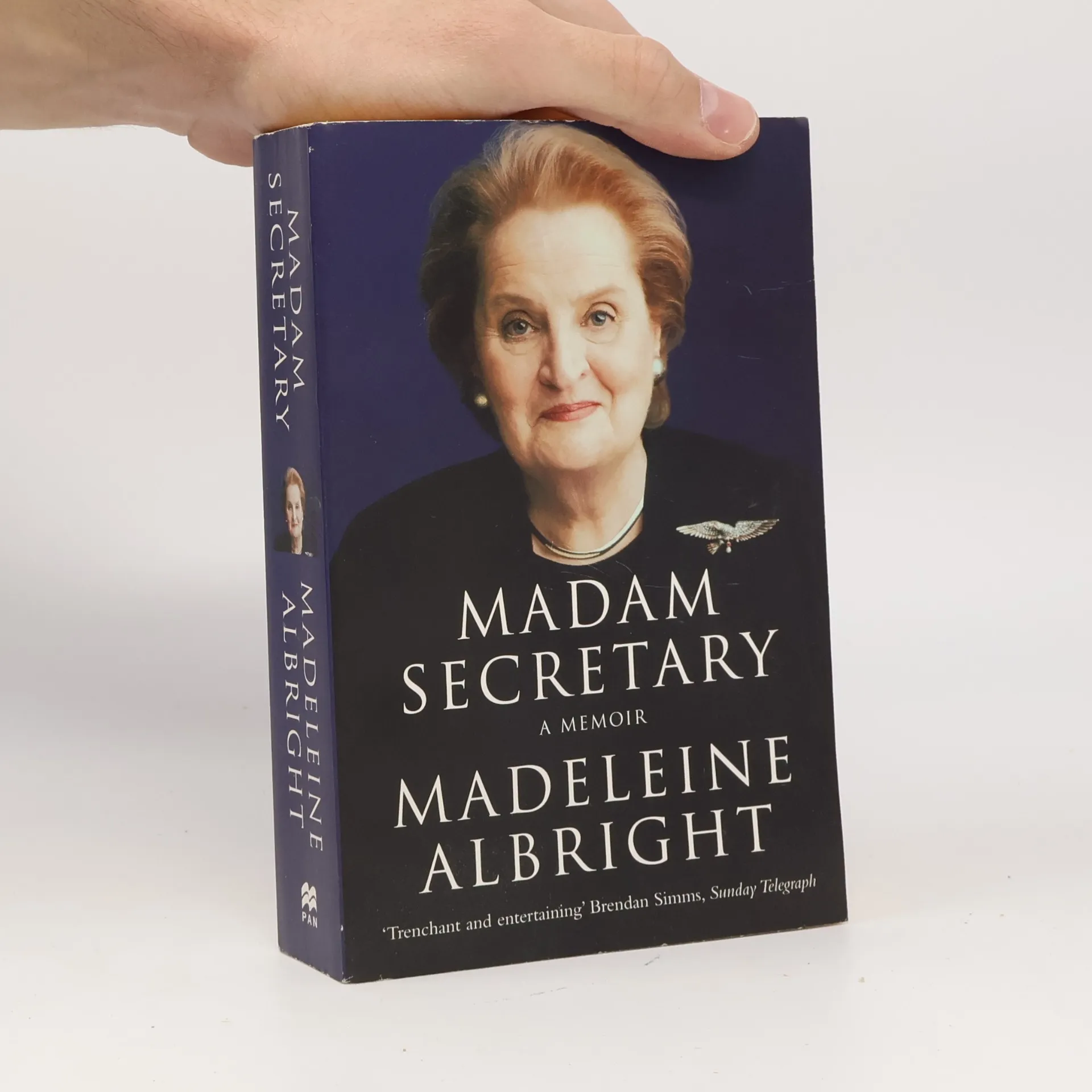
Madeleine Albright was for eight years during the first and second Clinton terms privy to some of the most fascinating and controversial episodes in recent memory. Her refreshingly candid memoir brings to life the world leaders with whom she worked and the joys and difficulties of her own private life: her daughters, the painful break-up of her marriage, and the discovery late in life of her Jewish grandparents' fate. Weaving together the public and the private, the national and the intimate, Madam Secretary is a valuable contribution to political history and destined to become a classic of its kind. 'It is a mark of the excellence of this memoir by the highest-ranking woman in American history . . . that it could not have been written by a man . . . Ms Albright’s authentic voice is vivid . . . [an] unusually honest book' Jonathan Mirsky, Spectator 'It is fashionable in some of the more rabid right-wing Washington salons to look at the Clinton years as ones of drift and equivocation. [ Madam Secretary] makes a case for the defence - in foreign policy at least - that largely avoids the partisan sniping . . . If that were this book's only quality it would be worth noting' Alex Massie, Scotland on Sunday
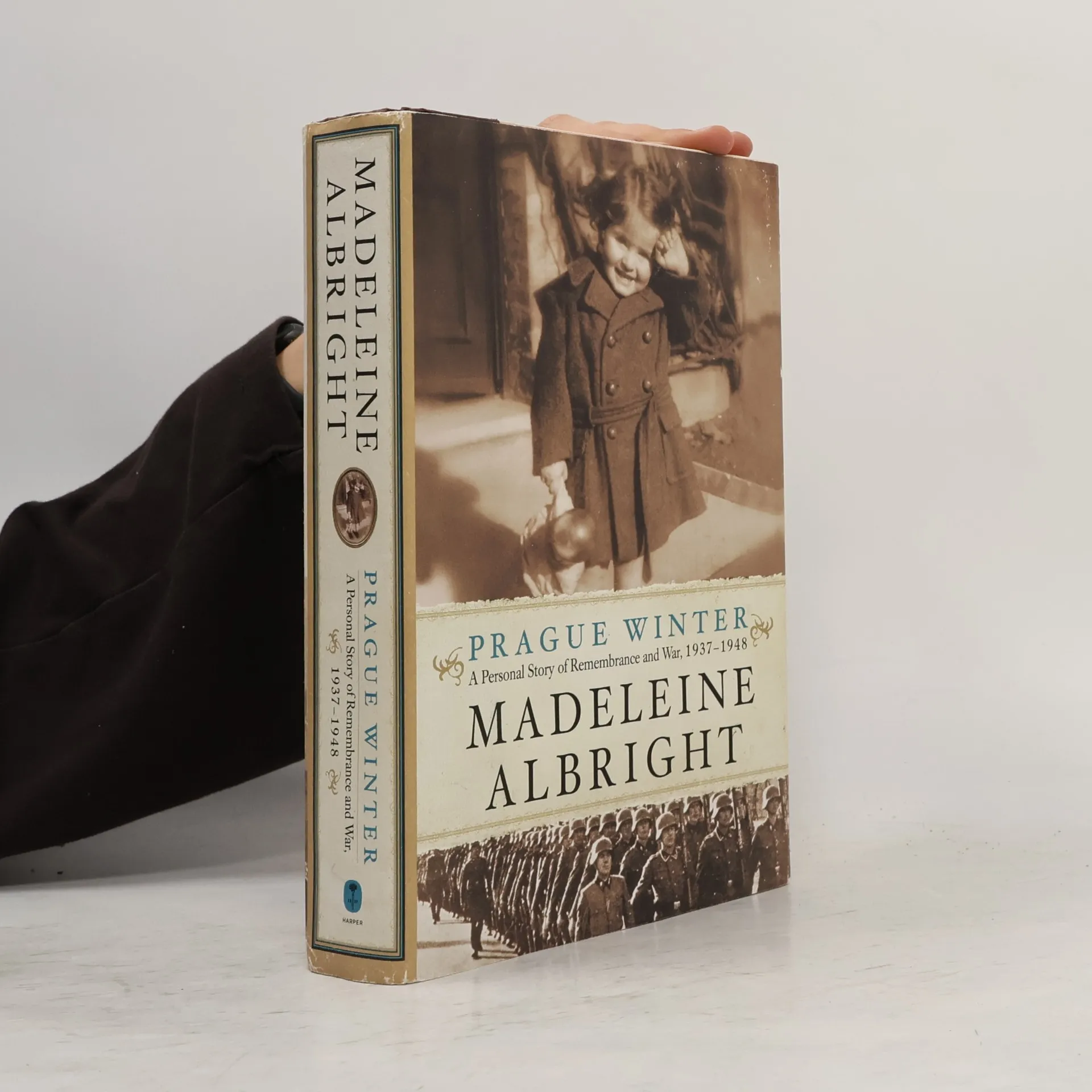
Before turning twelve, Madeleine Albright's life was profoundly affected by the Nazi invasion of Czechoslovakia, the destruction of European Jewry, and the rise of communism. Her family's experiences during these tumultuous years offer a unique perspective on a pivotal period in modern history. Drawing from her memories, her parents' writings, interviews, and newly available documents, Albright shares a narrative that is both harrowing and inspiring. The exploration of her past reveals timeless dilemmas and universal lessons, taking readers from Prague's historic castle to London's bomb shelters and the prison ghetto of Terezín, as well as the highest levels of government in Europe and America.
Albright reflects on her late discovery of her Jewish heritage, her homeland's complex history, and the moral choices faced by her parents' generation. Through eyewitness accounts, she illustrates how ordinary citizens were thrust into roles as exiled leaders, resistance fighters, and victims. The events, though complex, resonate with childhood themes of fear, trust, identity, and moral choices. Albright emphasizes the profound sadness experienced by those who lived through 1937 to 1948, urging the importance of remembering the millions who did not survive. This work serves as both a personal memoir and a historical analysis, offering lessons for the future through the lens of one of the international community's most respected figures
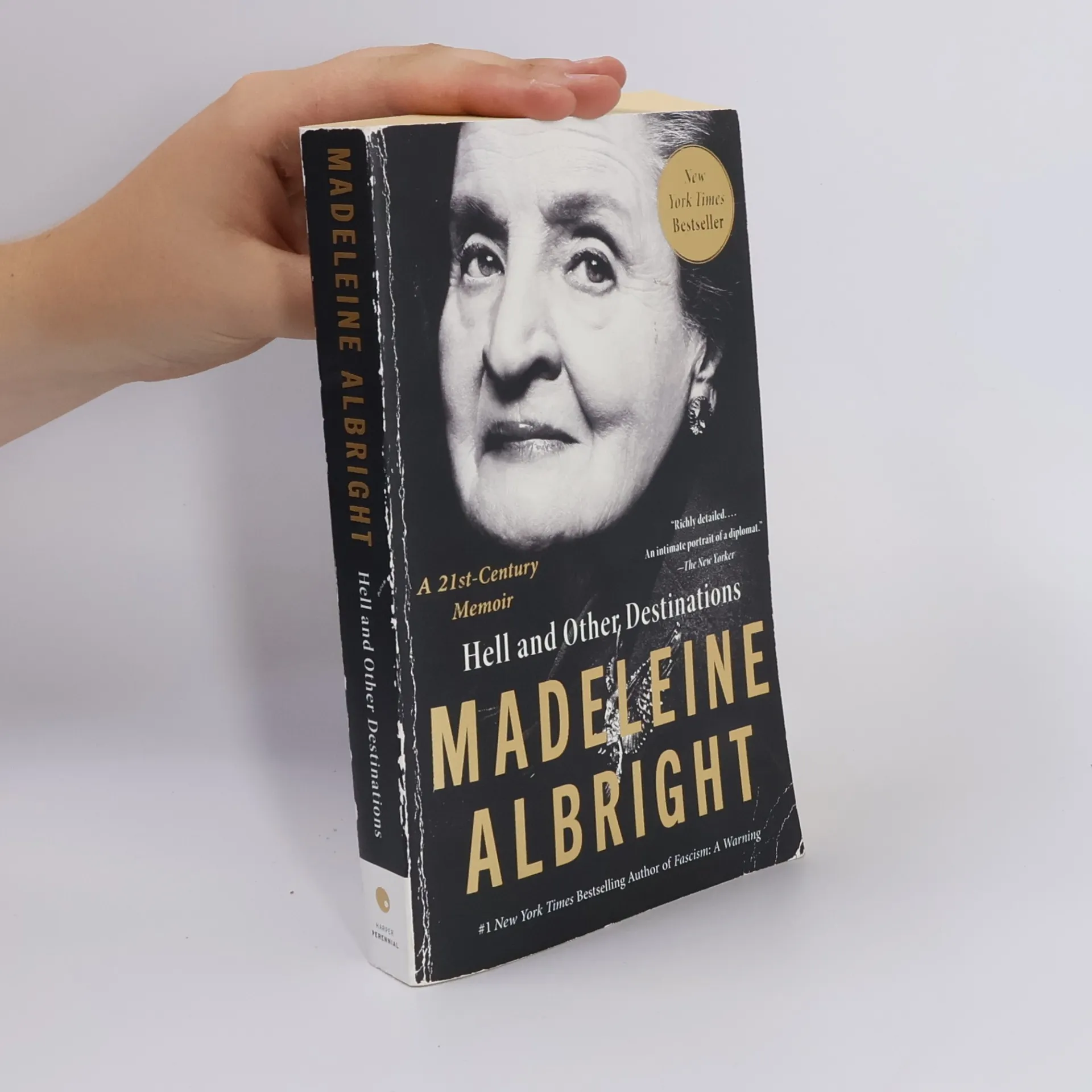
Leaving office in 2001 as America's first female Secretary of State, Albright considered the possibilities: she could write, teach, travel, give speeches, start a business, fight for democracy, help to empower women, campaign for favored political candidates, spend more time with her grandchildren. Instead of choosing one or two, she decided to do it all. Her memoir of the past twenty years is a haze of constant motion: navigating half a dozen professions, clashing with presidents and prime ministers, learning every day
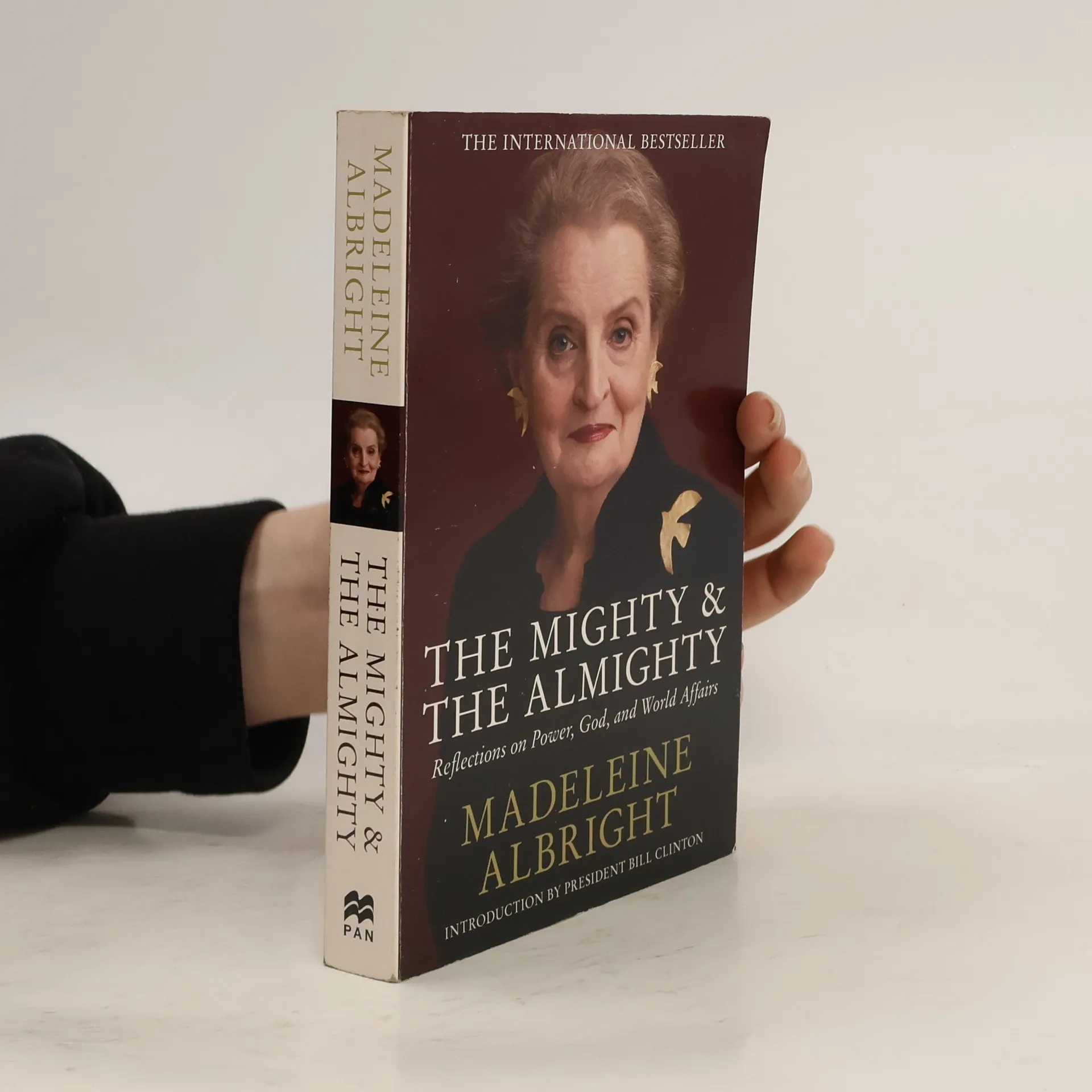
Does America, as George W. Bush has proclaimed, have a special mission, derived from God, to bring liberty and democracy to the world? This work presents an account which argues that understanding the place and power of religion - and knowing how best to respond to it - is essential if America is to lead successfully around the world.
Selected for its cultural significance, this work contributes to the foundational knowledge of civilization. It offers insights that are deemed essential by scholars, highlighting its importance in understanding historical and societal contexts.