

Doprava zadarmo od 24,99 €. Viac info.
Bookbot

Courtney A. Brkic

    Courtney Angela Brkic je široko uznávaná pre svoje hlboké skúmanie ľudského stavu, ponárajúc sa do tém pamäti, miesta a zložitých spojení, ktoré nás spájajú. Jej próza sa vyznačuje lyrikovosťou a bystrou pozorovateľnou detailnosťou, vtiahňujúc čitateľov do bohato predstavovaných svetov. Prostredníctvom svojho rozprávania Brkic osvetľuje tichú odolnosť ľudského ducha a jemné, no silné sily, ktoré formujú naše životy. Jej výrazný hlas ponúka jedinečný pohľad na zložitosť existencie.

    The First Rule of Swimming
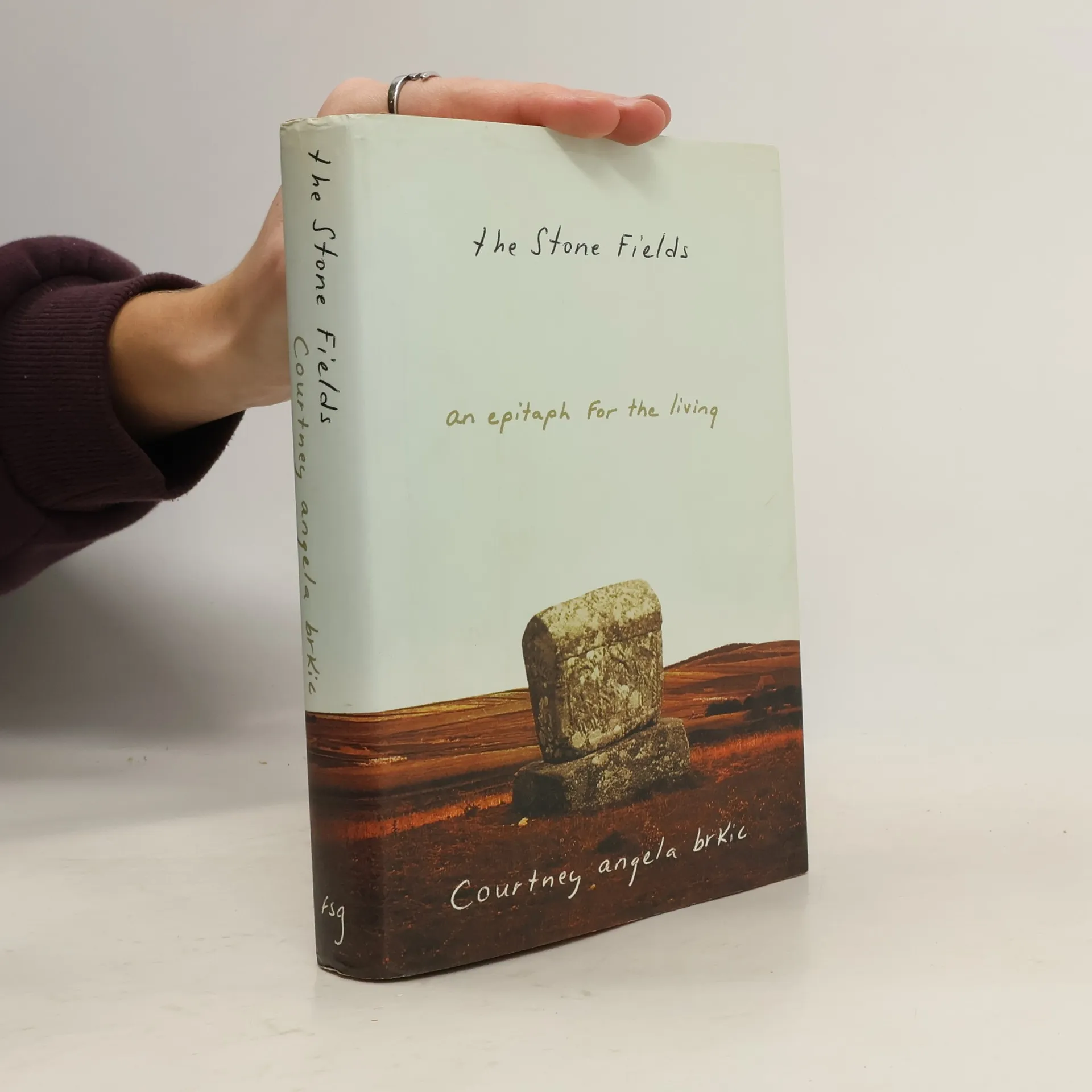
    The Stone Fields
    • The First Rule of Swimming

      • 352 stránok
      • 13 hodin čítania

      "Courtney Brkic gracefully interweaves three generations of family stories and lies...all with authority and wisdom...An intimate portrayal of life in exile." ---O, the Oprah Magazine When free spirit Jadranka mysteriously disappears shortly after emigrating to America, her older sister Magdalena must leave their ancestral Croatian island home and follow her to New York City. Magdalena's search begins to unspool the dark history of their family, reaching back three generations to a country torn by war. This haunting and sure-footed first novel explores the legacy of betrayal and loss in a place where beauty is fused with hardship, and where individuals are forced to make wrenching choices as they are swept up in the tides of history.

      The First Rule of Swimming2014
      3,5
    • The Stone Fields

      An Epitaph for the Living

      • 316 stránok
      • 12 hodin čítania

      When she was twenty-three years old, Courtney Angela Brkic joined a UN-contracted forensic team in eastern Bosnia. Unlike many aid workers, Brkic was drawn there by her family history, and although fluent in the language, she was advised to avoid letting local workers discover her ethnicity. Brkic helped set up a morgue in Tuzla, assisting pathologists with autopsies and laying out personal effects for photographing. Later, she helped excavate graves at Srebenica, where many thousands had been indiscriminately slaughtered. This was not the only excavating she was doing. As she describes the gruesome work of recovering remains and transcribing the memories of survivors, she also explores her family's history in Yugoslavia, telling of her grandmother's childhood in Herzegovina, early widowhood, and imprisonment during World War II for hiding her Jewish lover. "The Stone Fields," deeply personal and wise, asks what it takes to prevent the violent loss of life, and what we are willing to risk in the process.

      The Stone Fields2004
      4,2