Daniel Heller-Roazen sa zameriava na otázky jazyka, zmyslového vnímania a práva naprieč literárnymi tradíciami. Jeho práca skúma, ako sa naše chápanie sveta formuje prostredníctvom zabúdania a ako sa podstata ľudskej skúsenosti odvíja od nášho vzťahu k neuchopiteľným pocitom. Autenticita jeho štýlu spočíva v prenikavej analýze, ktorá spája filozofiu, literárnu históriu a kritickú teóriu, a ponúka tak čitateľom nový pohľad na kľúčové literárne a filozofické koncepty. Jeho diela odhaľujú hlboké súvislosti medzi zdanlivo nesúrodými oblasťami myslenia a kultúry.
An original, elegant, and far-reaching philosophical inquiry into the sense of being sentient--what it means to feel that one is alive--that draws on philosophical, literary, psychological, and medical accounts from ancient, medieval, and modern cultures
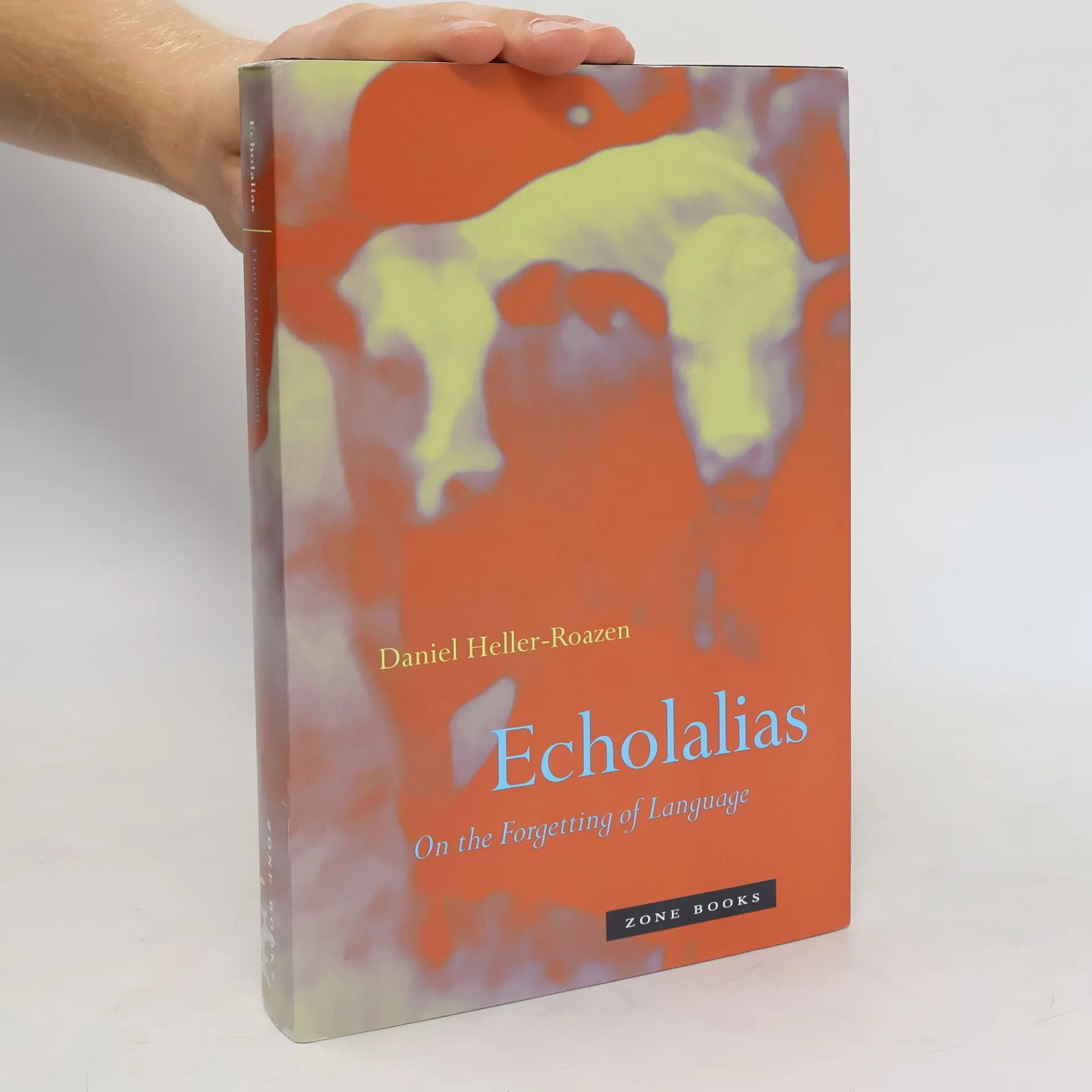
"In Echolalias, Daniel Heller-Roazen reflects on the many forms of linguistic forgetfulness. In twenty-one concise chapters, he moves between classical, medieval, and modern culture, exploring the interrelations of speech, writing, memory, and oblivion. Whether the subject is medieval literature or modern fiction, classical Arabic poetry or the birth of French language, structuralist linguistics or Freud's writings on aphasia, Heller-Roazen considers with precision and insight the forms, effects, and ultimate consequences of the persistence and disappearance of language. In speech, he argues, destruction and construction often prove inseparable. Among speaking communities, the vanishing of one language can mark the emergence of another, and among individuals, the experience of the passing of speech can lie at the origin of literary, philosophical, and artistic creation."--Jacket
Sprache dient der Verständigung. Doch immer wieder hat es Menschen gegeben, die nicht wollten, dass alle sie verstehen. Deshalb haben sie Geheimsprachen entwickelt. Daniel Heller-Roazen unternimmt in seinem Buch einen Streifzug durch die Geschichte der künstlichen und geheimen Sprachen. Von den Sprachen der Gauner, den heiligen Sprachen bis zur Beschäftigung des großen Sprachforschers Ferdinand de Saussure mit Anagrammen, von der arkanen Sprachkunst der Druiden und Bibelkopisten bis zu Tristan Tzara, der die Dada-Bewegung mit begründete und zuletzt die Lieder von Villon zu entschlüsseln meinte, erkundet Heller-Roazen die Sprachkunst von Gaunern und von Rätselfreunden und zeigt: Diese Sprachen, die Klang und Sinn gegeneinander ausspielen, verbindet mehr mit der Poesie, als bislang angenommen.